Tourist Market Egypt
$ USD
$ USD USD Default
1 USD = 1.0000 USD
EUR EUR
1 USD = 0.8600 EUR
£ GBP British pound
1 USD = 0.7400 GBP
Filter by category:
<p><strong><span class="ql-cursor">What is</span> the maximum amount of cash that travelers are allowed to carry when entering or leaving Egypt through airports?</strong></p>

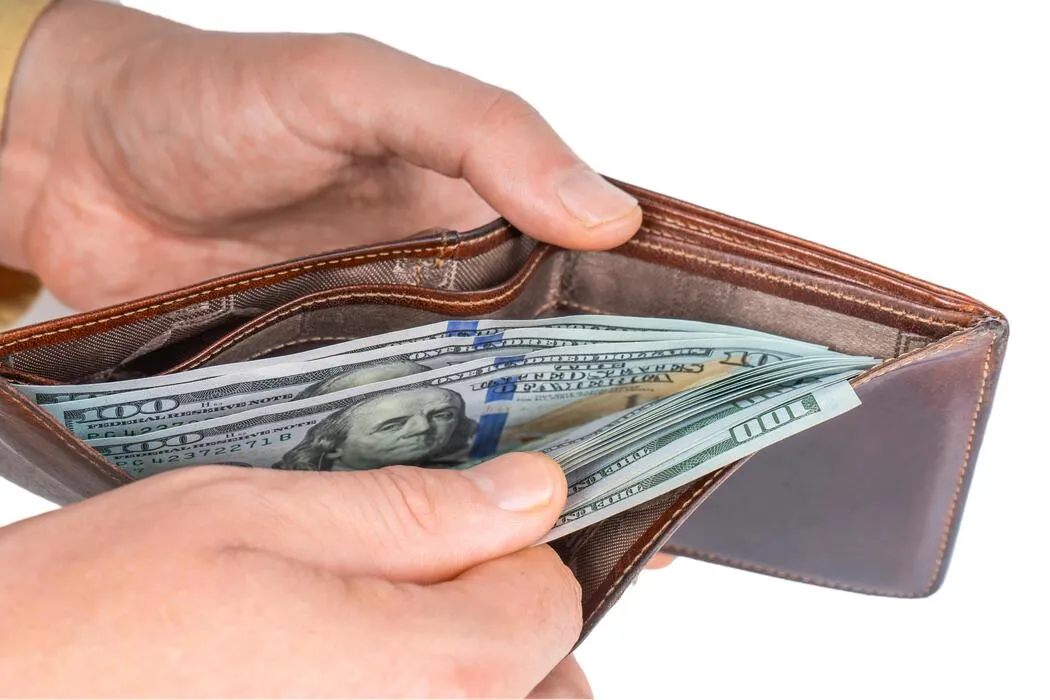
When entering or leaving Egypt, you are permitted to carry up to $10,000 (or the equivalent amount in foreign currency) and up to 5,000 Egyptian pounds in local currency. Amounts exceeding these limits must be declared at customs; otherwise, they may be confiscated, and you may face fines or legal proceedings.

Cash Restrictions at Egyptian Airports

  • Foreign currency: no restrictions upon entry or exit, but amounts exceeding 10,000 U.S. dollars (or the equivalent in euros, pounds sterling, etc.) must be declared.
  • Local currency (EGP): A strict limit of 5,000 Egyptian pounds per person.
  • Declaration: If you are carrying an amount exceeding the established limit, you are required to declare it to customs upon arrival or departure.

Practical Tips for Tourists

  • Declaration procedure: At Egyptian airports (Cairo, Hurghada, Sharm el-Sheikh), if you are carrying cash exceeding the established limit, you should use the “red channel.” Customs officials may request the relevant documents.
  • Penalties: Carrying undeclared amounts exceeding the established limit may result in confiscation, fines, or legal prosecution.
  • Definition of cash: includes banknotes, coins, traveler’s checks, money transfers, and securities.

Tips for Travelers

  • Bring foreign currency (U.S. dollars/euros) rather than large amounts of Egyptian pounds, as Egyptian pounds are more difficult to exchange outside of Egypt.
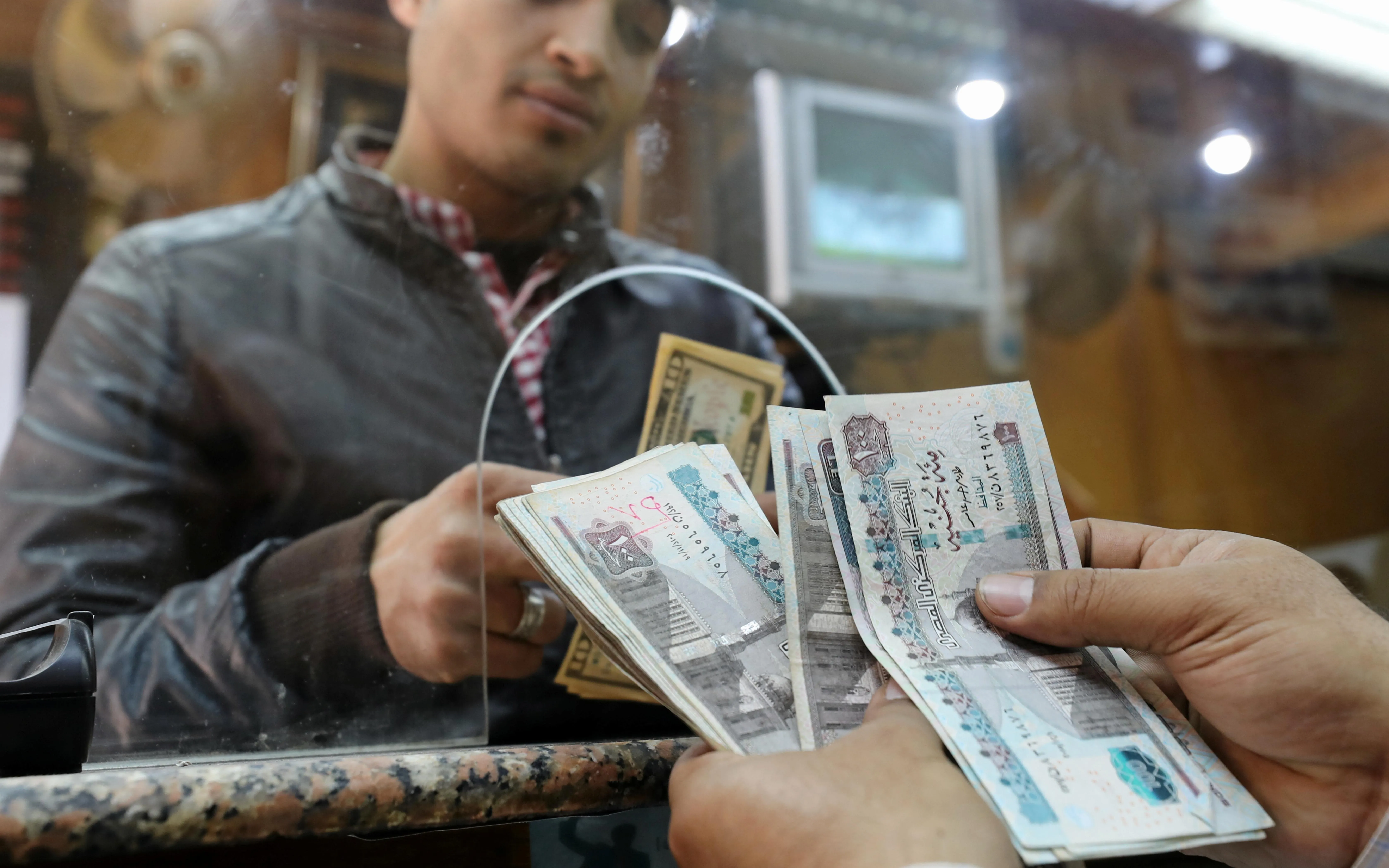
  • Safe currency exchange: Use currency exchange offices or local banks. You’ll need your passport or a copy of it to exchange currency at a bank.
  • Avoid street money changers: even if they offer you a favorable rate, exchanging currency outside official channels is illegal and risky.
  • Keep your receipts: Always keep your exchange receipts until the end of your trip.

A Friendly Reminder

If you have any Egyptian pounds left over, don’t worry—they’ll still be valid for your next visit. In fact, many tourists see this as a good reason to return to Egypt and spend them!
1
<p>What are the denominations of Egypt&#x27;s official currency?</p>

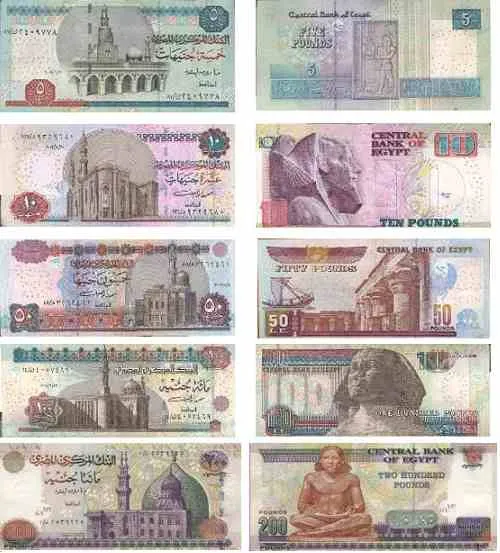
The official currency of Egypt is the Egyptian pound (EGP), issued by the Central Bank of Egypt. It exists in the form of both paper bills and coins, whose denominations vary in size, color, and design, which helps prevent confusion. Each banknote clearly indicates its face value: in Arabic on one side and in English on the other.


Overview of the Egyptian Currency

  • Official unit: Egyptian pound (EGP); local name: جنيه مصري (Geneh Masri).
  • Subunit: 1 pound = 100 piastres (قرش).
  • Symbols: £E, LE, or EGP.

Banknotes (paper currency)

  • Common denominations: 1, 5, 10, 20, 50, 100, 200 pounds.
  • Smaller denominations: 25 piastres, 50 piastres (rarely used).
  • Material: Since 2022, 10- and 20-pound banknotes have been printed on polymer film; the rest are printed on paper.
  • Design differences:
  • Each banknote has its own size and color.
  • The front side features text in Arabic, while the back side displays the denomination in English.
  • The banknotes feature Egyptian landmarks, mosques, and historical motifs.

Coins (metal currency)

  • Denominations: 25 piastres, 50 piastres (half a pound), 1 pound.
  • Design:
  • Various diameters and metal colors.
  • The 1-pound coin is bimetallic (silver center, gold ring).
  • Denominations are indicated in Arabic and English.


Key points to avoid confusion

  • Size and color: Each banknote is intentionally different in size and color to prevent denominations from being mixed up.
  • Denominations in Arabic and English: Always check both sides—Arabic on one, English on the other.
  • Coins and banknotes: Some denominations exist in both forms (for example, a 1-pound coin and a 1-pound banknote).
  • Confusion with foreign currency: Be careful not to confuse Egyptian banknotes with foreign currency of a similar color or size.


Practical Tips for Tourists

  • Check both sides of the bill before paying.
  • Remember the colors: for example, 5 pounds is green, 50 pounds is purple, and 200 pounds is a large brown bill.
  • Use coins for small purchases (transportation, kiosks).
  • Keep small bills on hand for markets and tips.


Quick Reference Table

  • 25 piastresPaper / CoinRare, small denomination
  • 50 piastres Paper / Coins Half a pound
  • 1 pound: Paper and coins; bimetallic coins
  • 5 pounds: Paper bill, green, small size
  • 10 pounds Paper/polymer Orange, medium size
  • 20 pounds Paper / Polymer Red, large size
  • 50 pounds Paper Purple
  • 100 pounds Paper Blue
  • 200 pounds (paper/polymer), brown, largest


Overall, the Egyptian pound is easy to use if you know how to distinguish its sizes, colors, and inscriptions in both languages. Always double-check the printed denomination to avoid confusing it with banknotes of other denominations or foreign banknotes.

1
<p><strong>Should Tourists Exchange Money When Visiting Egypt?</strong></p><p><br></p>

When visiting Egypt, many travelers wonder whether they must exchange their money into the local currency, the Egyptian pound. Legally, there is no requirement to do so. The choice depends on whether the foreign currency is widely accepted in the country. In Egypt, major currencies such as the US dollar, the euro, and the British pound are recognized and can be used through banks and in many tourist areas.  


For tourists who feel uncomfortable handling the local currency, paying directly in these three currencies is possible in hotels, large shops, and tourist zones. However, exchanging some money into Egyptian pounds can be very useful in local markets, supermarkets, pharmacies, or when buying fruits and vegetables, where small change is often needed. In malls and bigger stores, especially those near tourist centers, dollars are commonly accepted.  

1
<p><strong>Where can tourists exchange money for Egyptian pounds during their trip?</strong></p><p><br></p>

You can easily exchange money at ATMs, which are located in most hotels and on main streets, as well as at currency exchange offices and local banks. Banks are usually open from 8:00 a.m. to 2:00 p.m., and it’s always a good idea to keep your exchange receipt.

When exchanging money at a bank, you must present your passport or a copy of it. It’s best not to exchange too large an amount at once, as it can be difficult to exchange unused Egyptian pounds back into your original currency. A practical approach is to start with about $100 or the equivalent, and then exchange more only as needed.

If you pay in foreign currency, it’s best to ask for change in the same currency so you don’t accumulate too much local currency. Important: It’s not recommended to exchange money on the street or in small shops, even if they offer a good rate, as this is illegal and could lead to legal problems.

Sometimes Egyptian banknotes may look a little worn or have markings on them, but don’t worry—they’re accepted everywhere.

And if you have Egyptian pounds left over at the end of your trip—that’s no problem; it’s just an excuse to come back to Egypt again to spend them, and we’ll be happy to see you again!

0
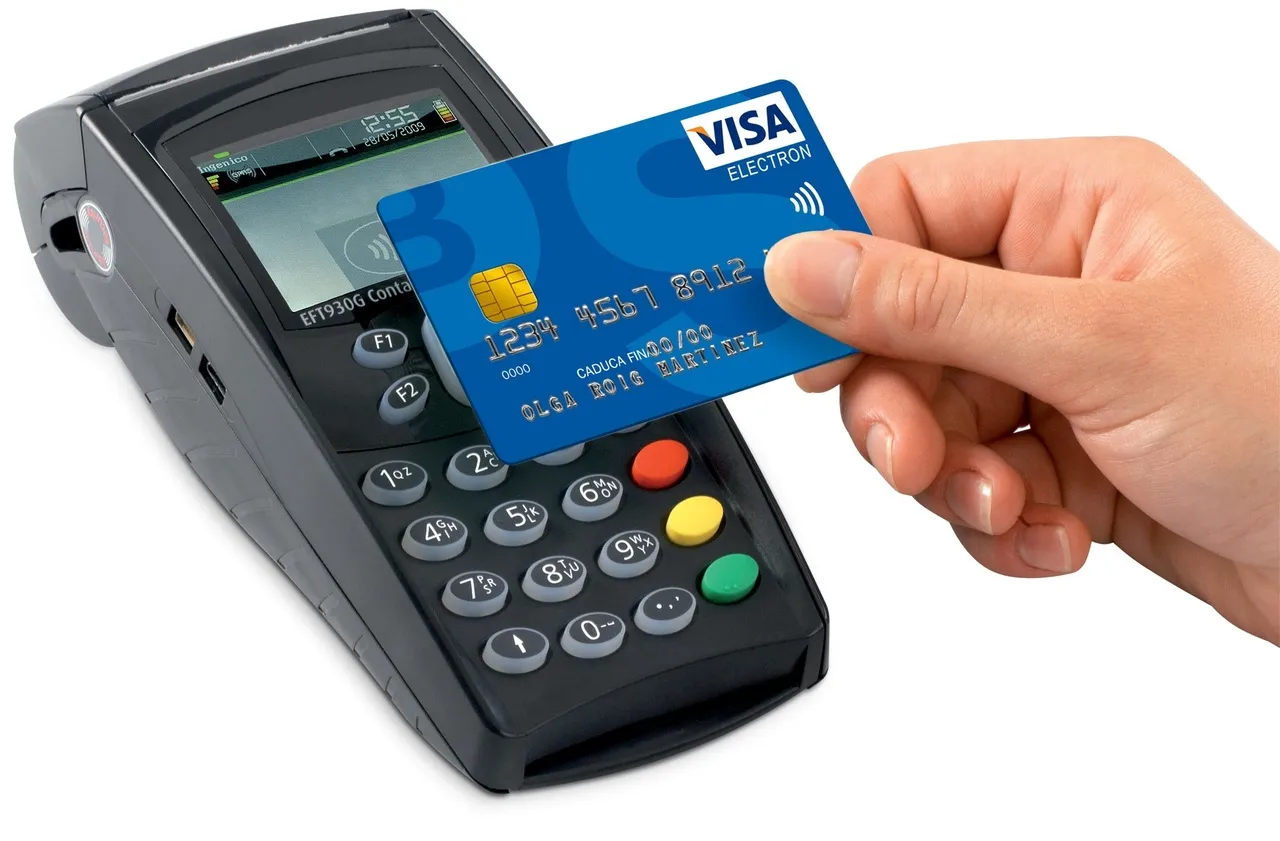
<p><strong>Can you pay with a credit card in Egypt?</strong></p><p><br></p>

Yes, tourists can pay by card in Egypt, but there are some important points to keep in mind.

Major, well-known stores, hotels, and restaurants usually accept credit cards, while small local shops, markets, and kiosks generally prefer cash.


When paying by card, keep the following tips in mind:


Stay in touch with your bank: Make sure your phone is connected to your bank’s network—even if you’re roaming—so you can receive an SMS notification from the bank confirming the transaction. This will help ensure that the amount is charged only once.


Entering your PIN: If the terminal requires a PIN, always enter it yourself for security reasons.


Receipt: Always take a printed copy of your receipt and check it carefully before leaving the store or restaurant.


Card security: Be sure to retrieve your card immediately after the transaction is complete.


Paying by card in Egypt is safe and convenient when used in the right places, but cash is still necessary for small purchases and at local markets. By following these recommendations, you can enjoy the convenience of paying by card and avoid common problems.

0
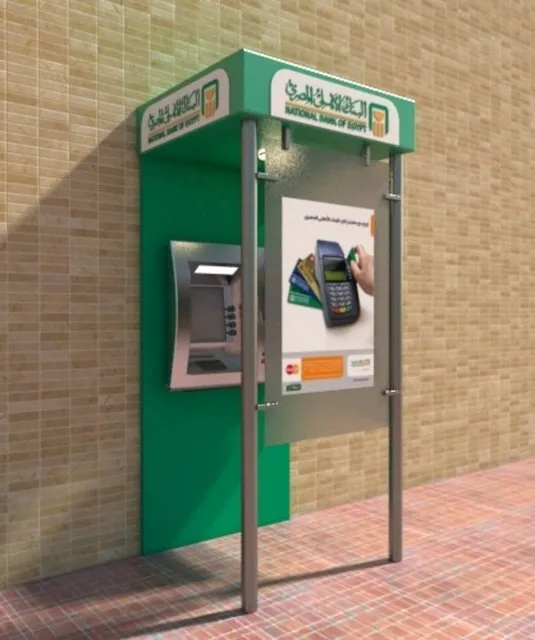
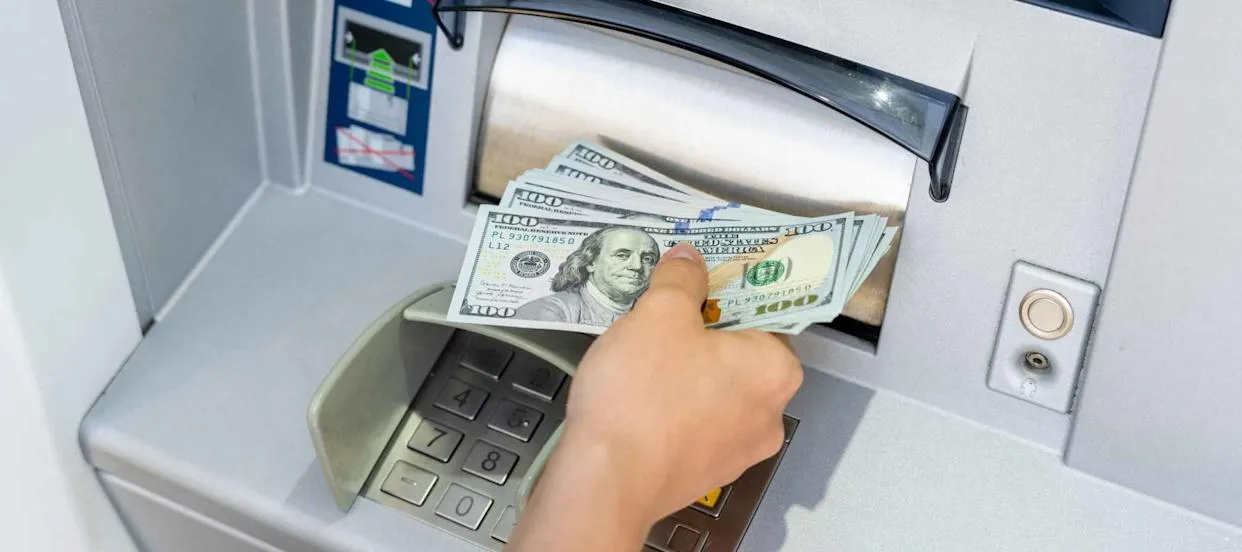
<p><strong>Do ATMs in Egypt dispense U.S. dollars and euros, or only Egyptian pounds?</strong></p>

ATMs in Egypt

  • Cash withdrawals: Egyptian pounds only.
  • Availability: ATMs are widely available in most hotels, shopping centers, and along main streets.
  • Hours of operation: ATMs are available 24 hours a day, but banks themselves are usually open from 8:00 a.m. to 2:00 p.m. (Sunday through Thursday).
  • Tip: Always check the SMS notification from your bank to confirm the withdrawal amount, and keep the printed receipt.


0
Didn't find an answer to your question?

Contact us and we'll be happy to help you