Tourist Market Egypt
$ USD
$ USD USD Default
1 USD = 1.0000 USD
EUR EUR
1 USD = 0.8600 EUR
£ GBP British pound
1 USD = 0.7400 GBP
Filter by category:
<p><strong>What should I do if my luggage didn&#x27;t arrive at the airport?</strong></p>

Don't panic—here's exactly what you need to do before leaving the baggage claim area:

  • Why did this happen? In most cases, this problem occurs at the departure airport, where your luggage is mistakenly routed or loaded onto a different flight.
  1. Go to the Lost & Found or Baggage Service Desk: It’s located right in the arrivals hall. Do not leave the terminal until you’ve done this.
  2. File a Property Irregularity Report (PIR): Present your ticket, passport, and baggage tag (usually attached to your boarding pass). You will receive a case number (claim number).
  3. Track your luggage online: You can easily check the status of your luggage in real time on the airline’s official website using the PIR number you received.
  4. Provide your local address: Provide the exact details of your hotel or place of residence in Egypt and a working phone number.
  5. Keep receipts for reimbursement: Save all receipts for the purchase of essential items, clothing, and transportation costs for your trip to and from the airport to retrieve your luggage. Most airlines cover these emergency expenses in accordance with their policies.
  6. When Claiming Your Luggage: Be sure to bring your passport and the Property Information Report (PIR) with you to the airport; otherwise, you will not be able to retrieve your belongings.

Note: Most delayed suitcases are located and delivered within 24–48 hours.
2
<p><strong>What Can You Carry in Your Carry-On Luggage? (Permitted Items)</strong></p>
  • Electronics: Laptops, tablets, smartphones, cameras, and standard chargers.
  • Portable chargers (power banks): These must be carried in your carry-on luggage; transporting them in checked luggage is strictly prohibited. Typically, their capacity must not exceed 100 Wh (approximately 20,000 to 30,000 mAh).
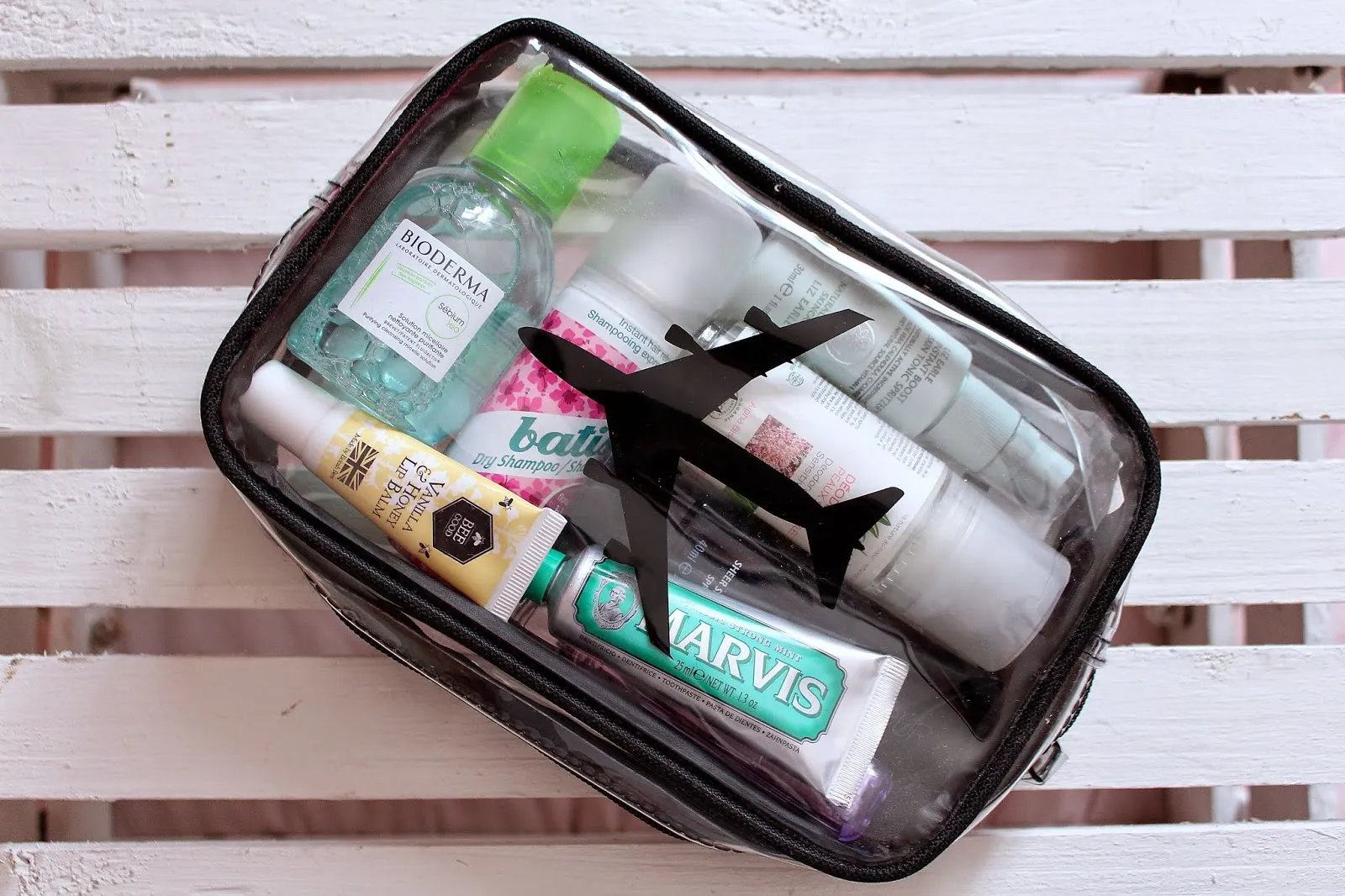
  • Liquids (100-ml Rule): Liquids, gels, and aerosols (perfumes, hand sanitizers, cosmetics) are permitted only in containers of no more than 100 ml each. All containers must fit freely into a single transparent, resealable plastic bag with a capacity of up to 1 liter.
  • Medications: Essential medications that may be needed during the flight are permitted. For liquid medications exceeding 100 ml, it is strongly recommended that you carry a doctor’s note or prescription.
  • Baby Food: Baby formula, sterilized water, and liquid baby food needed during the flight are permitted and are exempt from the 100-ml rule.
  • Valuables and documents: Money, jewelry, passports, and important personal documents should always be kept in your carry-on luggage.
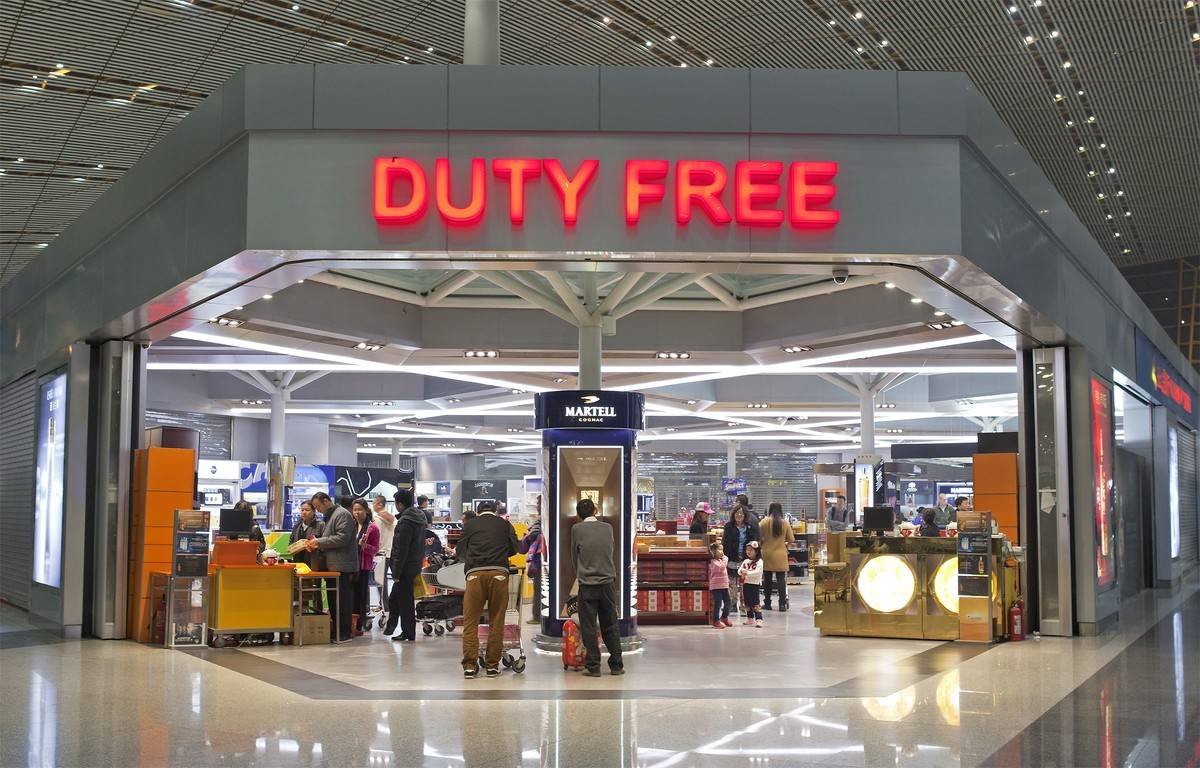
  • Duty-Free Purchases: Liquids (such as perfume or alcohol) purchased at airport duty-free shops after passing through security are permitted, provided they remain sealed in a special branded bag (STEB) with the receipt attached.

Permitted Weight and Dimensions of Carry-On Luggage

Although rules may vary slightly depending on the airline (especially between full-service carriers and low-cost carriers), the following general international standards apply at Egyptian airports:

1. Weight limit

  • Full-service airlines: The weight limit for economy class is typically between 7 and 10 kg (most often 8 kg).
  • Budget airlines: They enforce a strict 7-kg limit. Some basic economy fares allow only one small personal item that fits under the seat, and a surcharge applies for standard carry-on luggage stored in the overhead bin.

2. Standard Dimensions

To ensure your bag fits on the overhead compartment, the standard approximate dimensions for carry-on luggage are:

  • 55 x 40 x 23 cm (including wheels, handles, and side pockets).
Quick tip for travelers: In addition to your main carry-on, most airlines allow you to bring one small personal item for free—such as a laptop bag, a purse, or a backpack—which must fit under the seat in front of you. Always check the specific airline’s rules 24 hours before departure, as budget airlines are very strict about size and weight limits.


1
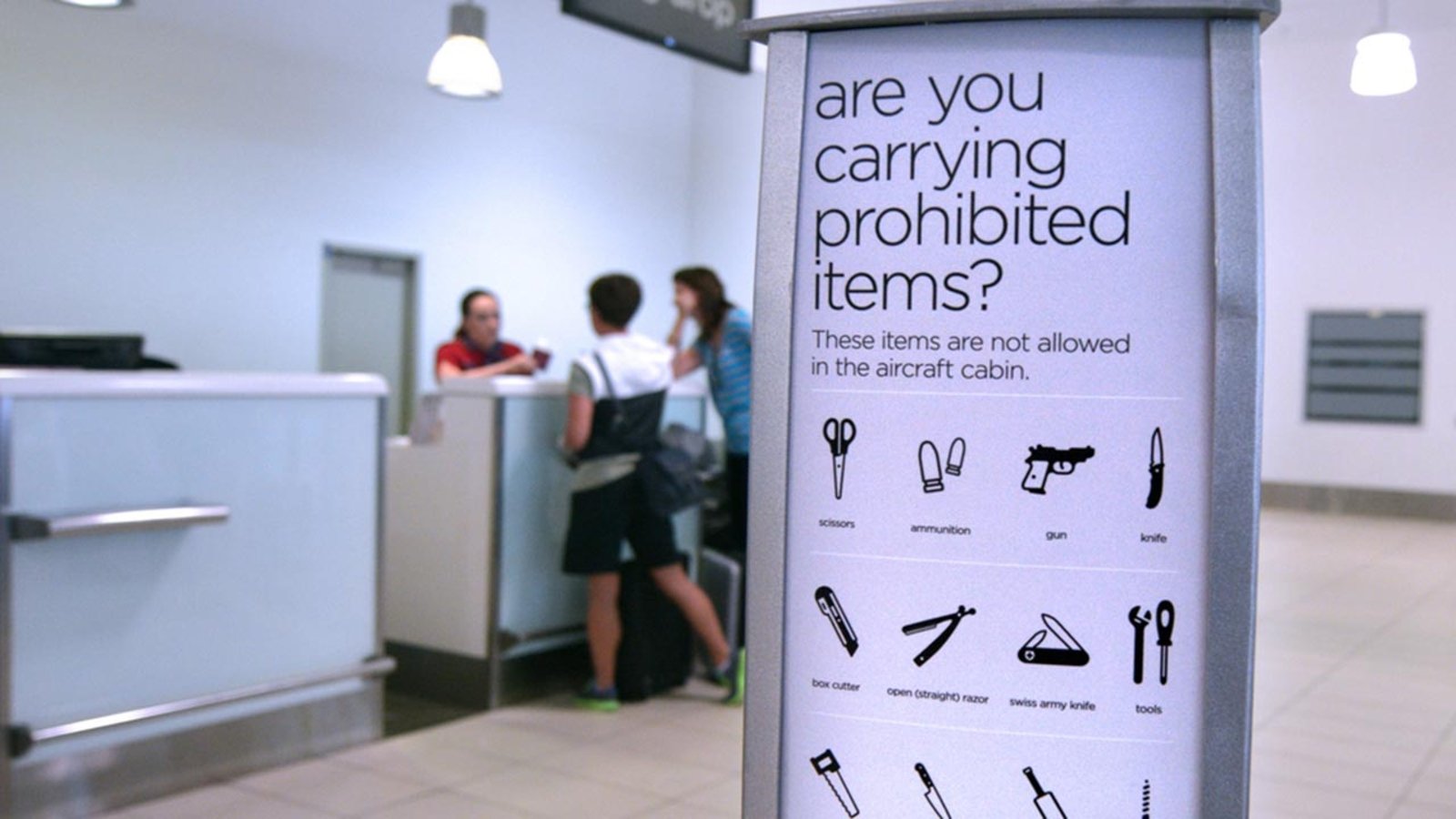
<p><strong>What items are prohibited from being carried on an airplane?</strong></p><p><br></p>

Prohibited Items in All Types of Baggage (Strictly Prohibited)

These items pose a threat to flight safety and are strictly prohibited in both carry-on and checked baggage:

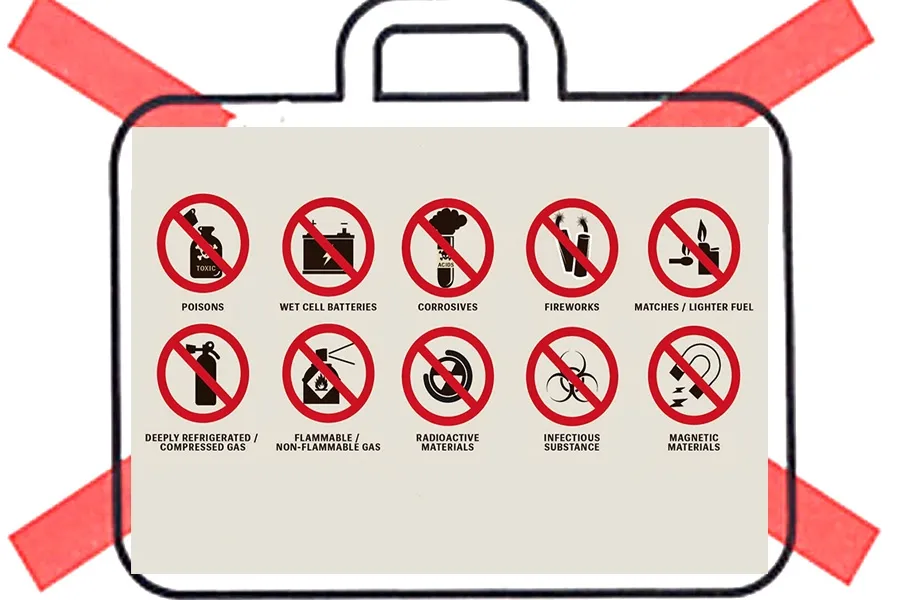
  • Flammable liquids and solids: Lighter fluid, fuel, paint, solvents, sparklers, firecrackers, and fireworks.
  • Gases and pressurized containers: Camping gas canisters, butane, propane, and self-defense devices (e.g., pepper spray or tear gas).
  • Toxic and infectious substances: Bleach, poisons, herbicides, insecticides, and contaminated biological materials.
  • Corrosive chemicals: Mercury (including old thermometers), acids, alkalis, and liquid-cell batteries.
  • Explosives: Dynamite, gunpowder, plastic explosives, and realistic replicas of explosive devices.
  • "Smart" suitcases with non-removable batteries: Suitcases with built-in lithium batteries or power banks that cannot be removed are strictly prohibited from transport under international aviation regulations.

Prohibited in checked baggage (must be carried in carry-on luggage)

These items pose a fire hazard in the cargo hold, so they are permitted or required to be carried exclusively in the aircraft cabin:

  • Lithium batteries and external batteries (power banks): Individual lithium-ion batteries and portable chargers are strictly prohibited from being checked as baggage. They must be carried in the cabin.
  • E-cigarettes and vapes: E-cigarettes, vaporizers, and their spare batteries must be carried in carry-on luggage to prevent accidental activation or overheating in the cargo hold.
  • Lighters: Standard safety matches or one small cigarette lighter must be carried on your person or in your carry-on luggage, but under no circumstances in a checked bag.

Prohibited in carry-on luggage (Must be checked as baggage)

These items are not permitted in the aircraft cabin for safety reasons, but can be safely transported in the cargo hold:

  • Sharp objects: Knives, scissors (with blades longer than 6 cm), utility knives, dangerous razors, folding knives, and decorative swords.
  • Tools: Drills, hammers, screwdrivers, saws, and any heavy tools that could be used as weapons.
  • Sports equipment: Baseball bats, golf clubs, ski poles, martial arts equipment, and pool cues.
  • Firearms and ammunition: All types of firearms, including toy guns or realistic replicas, are strictly prohibited in the cabin. (Note: Transporting real firearms in checked baggage requires a special declaration and strict compliance with customs regulations.)
  • Liquids exceeding 100 ml: Any containers holding liquids, gels, or aerosols with a volume exceeding 100 ml must be packed in checked baggage, even if the container is only partially filled.


1
<p><strong>Can I pack Egyptian mangoes or local fruits in my checked luggage? What are the packaging requirements?</strong></p><p><br></p>

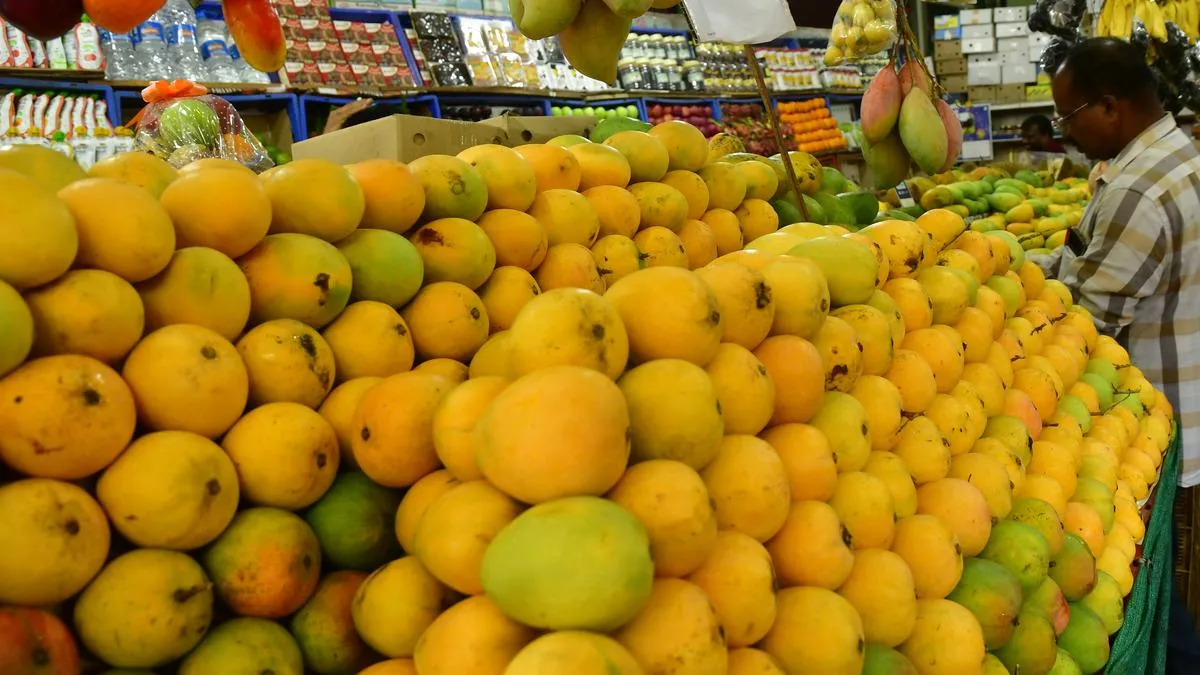
Yes, you can bring Egyptian mangoes and other local fruits with you, but whether you can import them depends largely on the customs and phytosanitary regulations of your destination country, rather than on Egyptian laws. Egypt generally allows tourists to take a reasonable amount of fresh fruit for personal consumption, provided it does not contain seeds for planting, seedlings, or soil.

Here are the main packaging requirements and rules you must follow to ensure a smooth trip:

1. Where is the best place to carry fruit?

  • In checked luggage (Highly recommended): It’s best to pack fruits, such as mangoes, in a suitcase that you check in. This will save you from questions during carry-on screening.
  • In carry-on luggage: Some airlines allow you to bring a small amount of firm, fresh fruit into the cabin to eat during the flight. However, you should not pack soft or heavy fruits (such as a whole box of mangoes) in your carry-on, as they may get crushed or exceed weight limits.

2. Packaging and Labeling Requirements

To protect your luggage and keep the fruit in good condition, follow these tips:

  • Use sturdy cardboard boxes: If you’re carrying a lot of fruit, pack it in a clean, sturdy, ventilated cardboard box rather than a plastic bag.
  • Individual wrapping: Wrap each piece of fruit separately in clean paper or a special foam mesh bag to prevent them from bumping into each other during transport.
  • No plant debris: Make sure the fruit is completely clean, free of soil, leaves, and stems. The phytosanitary regulations of most countries strictly prohibit the import of leaves and soil to prevent the spread of pests.
  • Leak-proof packaging: If you’re placing the box inside your main suitcase, put it in a leak-proof plastic bag in case any fruit gets crushed due to pressure changes and starts to leak.

3. Important Step: Check the Rules of Your Destination Country

Although Egypt allows you to bring fruit into the country, customs officials in your home country may confiscate it upon arrival if it violates local laws:

  • Russia and CIS countries: As a rule, regulations are more lenient regarding personal items. For example, in Russia, you’re allowed to bring up to 5 kg of fresh fruit per person in your luggage without a phytosanitary certificate.
  • European Union and the United Kingdom: Very strict rules. An official phytosanitary certificate is required to import most fresh fruits in personal luggage from non-EU countries. Without it, mangoes will most likely be confiscated.
  • United States and Australia: An extremely strict ban. Bringing any fresh fruit or agricultural products in your personal luggage is completely prohibited. You are required to declare all food items; otherwise, you face a hefty fine.


0
<p><strong>Do airports in Egypt charge a departure tax that must be paid in cash?</strong></p>

No, you do not need to pay the departure tax in cash at the airport when leaving Egypt.

Although Egypt has an airport fee and a development tax (ranging from $25 to $30 for international flights), these fees are automatically included in the price of your ticket when you purchase it.

You won’t encounter any unexpected payment counters or cash requirements for leaving the country in the airport terminal.

Exceptions when cash is required at the airport:

There are only a few specific situations in which a traveler may be required to pay for something in cash at immigration or customs:

  • Fines for overstaying a visa: If a tourist stays in Egypt longer than the validity period specified on their tourist visa, they will be required to pay a fine in cash at the airport before boarding their flight.
  • Customs violations: Transporting goods that exceed the limits for commercial or personal use, or carrying restricted items without a declaration, may result in immediate cash fines.
  • Entry Visa (Upon Arrival): If you are confused about the difference between entry and exit visas, the standard 30-day tourist visa upon arrival costs $25 and must be paid in cash at the bank counters before passing through passport control.


0
<p><strong>How early should I arrive at Hurghada Airport for an international flight?</strong></p><p><br></p>

For international flights departing from Hurghada International Airport (HRG), it is strongly recommended that you arrive at the airport 3 hours before your scheduled departure time.

During peak tourist season (especially in winter and spring) or during major holidays, it is safer to arrive 3.5 hours early.

Why are 3 hours necessary at Hurghada Airport?

Unlike many international airports, where security screening is conducted only once, Egyptian airports have a strict, multi-tiered security protocol in place, and going through these checks during peak hours can take extra time:

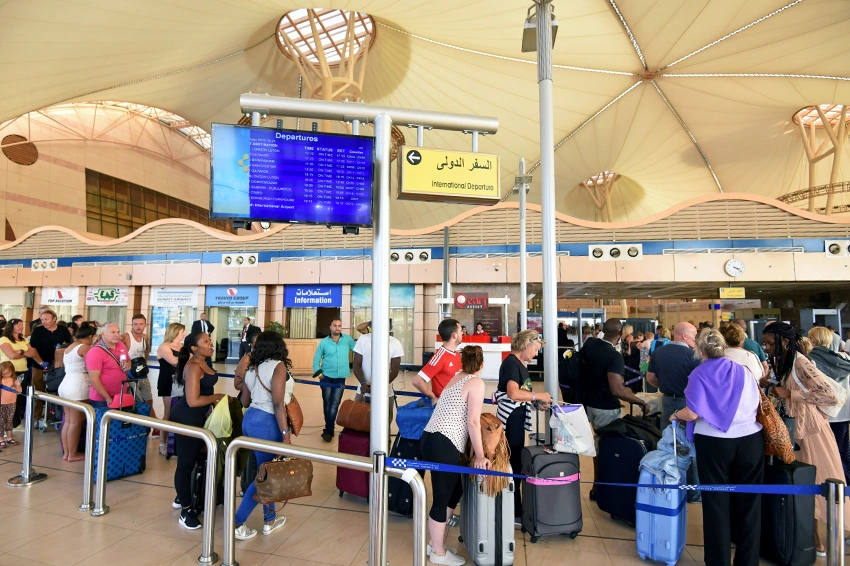
  • Initial security screening (airport entrance): Even before you enter the terminal building or reach the check-in counters, you and all your luggage must undergo an initial X-ray screening. Queues here can sometimes stretch out onto the street in front of the building during peak hours, when several charter flights are departing at the same time.
  • Check-in and Baggage Drop-off: Airline check-in counters in Hurghada typically open 3 hours before departure and close strictly 60 minutes before takeoff.
  • Passport Control (Immigration): You will then proceed to the passport control counters to obtain your exit stamp.
  • Final security screening before boarding: Just before you enter the boarding gate waiting area, your carry-on luggage and personal belongings will undergo a final, thorough security screening.


0
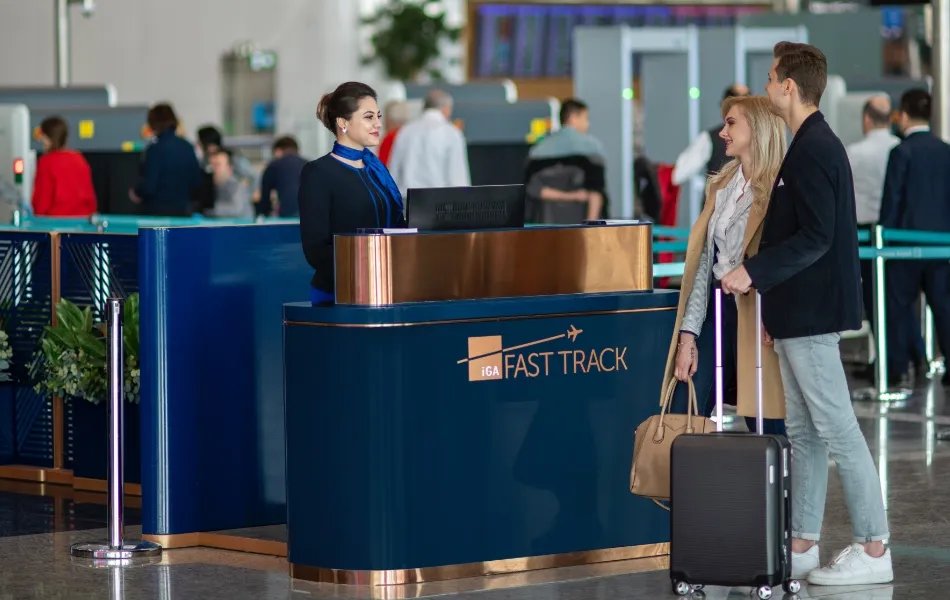
<p><strong>What is the “Fast Track” service at Hurghada Airport, and is it worth booking?</strong></p><p><br></p>

The “Fast Track” service at Hurghada International Airport is a prepaid service designed to save passengers time and effort (both upon arrival and departure) by helping them avoid long lines at the airport.

You will be met by a dedicated agent and a service representative, who will escort you through all procedures via special fast-track lanes.

What does this service include?

1. Upon departure:
  • Meet-and-greet at the airport exit: A representative will meet you at the airport exit before the first security checkpoint.
  • Skip the lines for security screening and baggage check-in: A representative will help you pass through the initial baggage screening (X-ray) and then escort you to the check-in and baggage drop-off counters without waiting.
  • Expedited passport control: Pass through passport control via a special, highly efficient fast-track lane.
  • Final security screening: Escort to the boarding gate after passing the final security screening.
  • Note: Higher levels of service are available, which also include access to the airport’s VIP lounge.
2. Upon arrival:
  • Meet-and-greet at the terminal entrance: A representative will meet you with a sign bearing your name as soon as you enter the terminal building.
  • Assistance with obtaining a visa upon arrival: Assistance in obtaining an entry visa at the airport bank without having to wait in line.
  • Expedited passport control: Complete passport control and stamping procedures in just a few minutes.
  • Baggage assistance: Escort to the baggage carousel, help retrieving your luggage, and ensuring a quick passage through airport customs before exiting the terminal.

Should you book the Fast Track service?

The answer largely depends on the timing and nature of your trip:

We strongly recommend booking the service in the following cases:
  • Travel during peak seasons: for example, during the winter and spring months, on holidays, and during vacation periods, when Hurghada Airport is overwhelmed with charter flights and the lines for security screening and passport control become very long.
  • Families, children, and seniors: Sparing children from long waits and standing for extended periods ensures a comfortable start or end to your trip.
  • If you’re short on time: to ensure you make your flight without the stress and anxiety caused by crowds at the airport.
You may not need this in the following cases:
  • Traveling during off-peak periods: outside of peak tourist seasons or in the early morning hours when there are fewer flights, as standard procedures naturally go faster.
  • Independent travelers (young people): if you don’t mind the standard wait time to save money.
💡 Traveler Tip: To ensure a comfortable and stress-free start and end to your vacation in Hurghada, you can book the “Fast Track” service directly through our platform as a premium add-on to your itinerary. Since this service requires prior approval from airport authorities, it’s recommended that you always make your reservation no later than 48 hours before your departure time to ensure that a representative will be ready to meet you at the scheduled time.


0
<p>What items are prohibited for tourists to bring into Egypt?</p>

When traveling to Egypt, it's important to be aware of items that are prohibited from being brought into the country. These items typically include illegal drugs, weapons of any kind, counterfeit goods, and materials that could be considered offensive to Egyptian culture or religion. Additionally, certain food items, plants, and animals may be restricted to prevent the introduction of pests or diseases. It's advisable to check with the Egyptian embassy or consulate in your home country for the most up-to-date and comprehensive list of prohibited items.

0
<p>What items are tourists warned not to take with them when leaving Egypt?</p>

Tourists leaving Egypt should be cautious about carrying certain items. Firstly, drugs are strictly prohibited, and possession can lead to severe legal consequences. Additionally, firearms and weapons of any kind are not allowed. Tourists should also refrain from taking coral or any marine life, as this is illegal and harmful to the environment. Furthermore, carrying more than 10,000 Egyptian pounds in cash is not permitted without proper declarations. It is essential for travelers to be aware of these regulations to avoid complications during their departure from the country.

0
<p>What items are duty-free for tourists arriving in Egypt?</p>

Upon your arrival in Egypt, you are entitled to the following duty-free allowances:

  • Personal belongings: Used clothing, cameras, and other personal items commonly used during travel, whether new or used
  • Jewelry: Personal jewelry provided it's not for commercial purposes
  • Medicines: For personal use, as determined by the relevant authorities
  • New items: Up to 10,000 Egyptian pounds, provided they are not for commercial purposes
  • Cigarettes and alcohol: One carton of cigarettes (200 cigarettes), 25 cigars, or 200 grams of tobacco, and one liter of alcoholic beverages
  • Currency: Foreign currency up to $10,000 or its equivalent. Egyptian currency up to 5,000 Egyptian pounds
  • Duty-free shops: Items purchased from duty-free shops within 48 hours of arrival, up to $200

Conditions: You must be personally present, indicated on your passport, benefit only twice a year, and each family member is entitled to individual exemptions.

0
<p>What items are duty-free for tourists when leaving Egypt?</p>

When leaving Egypt, you are entitled to the following duty-free allowances:

  • Personal belongings: This includes clothing, personal belongings, and gifts that you brought with you or that were sent to you
  • Valuables: Items of value that you previously declared upon your arrival provided you have the necessary documentation
  • Currency: Foreign currency up to $10,000 USD or its equivalent in other currencies. If you declared a higher amount upon arrival, you can take out the remaining amount. Egyptian currency up to 5,000 Egyptian pounds. Any amount exceeding this limit must be declared
0
<p>When should a tourist go to customs at the airport when arriving or departing from Egypt?</p>

You should proceed to customs when:

  • You are carrying valuables that you wish to declare for reference upon your return
  • You are carrying valuables that you previously brought into the country
  • You are carrying items that are not considered personal gifts or for personal use
  • You are carrying more than $10,000 USD in foreign currency or its equivalent
  • You are carrying items or organisms that require inspection by other authorities or that require procedures according to international agreements, or items suspected of being antiques
  • You are collecting items that were previously stored in customs
  • You are claiming a refund of value-added tax on items purchased in Egypt that you are taking out of the country
0
<p>What medications and drugs are prohibited for entry or exit to/from Egypt?</p>

When traveling to or from Egypt, authorities strictly prohibit carrying medications classified as narcotics unless accompanied by a medical prescription. Travelers may bring a maximum of 20 pills. Exceeding this limit without a prescription can result in confiscation of the medication and potential legal charges for drug possession or trafficking. The list of prohibited medications primarily includes strong sedatives, analgesics, and drugs containing addictive substances. Some examples include Nikocodein, Didrex, Proxyl, Mogadon, Nitrazepam, and various formulations of Codeine and Benzodiazepines, such as Valium and Xanax. Additionally, injectable medications like Ketamine and Ergotamine are also restricted. It is crucial for travelers to check the regulations and ensure they have the necessary documentation for any medications they wish to carry.

0
Didn't find an answer to your question?

Contact us and we'll be happy to help you