Tourist Market Egypt
$ USD
$ USD USD Default
1 USD = 1.0000 USD
EUR EUR
1 USD = 0.8600 EUR
£ GBP British pound
1 USD = 0.7400 GBP
Filter by Category
<p>Why do most Egyptian women not work?</p>

According to Egyptian and Arab traditions, a woman's primary role is to stay at home, caring for the family and raising children. This cultural norm has historically limited women's participation in the workforce. However, in recent years, economic hardships have prompted many women to seek employment to support their families alongside their husbands. Despite this shift, the percentage of working women in Egypt remains lower than in European countries. Many still face societal pressures and expectations that prioritize home and family responsibilities over professional ambitions. As a result, while the landscape is gradually changing, the traditional view of women's roles continues to influence their participation in the labor market.

<p>Why are most employees in Egyptian hotels men?</p>

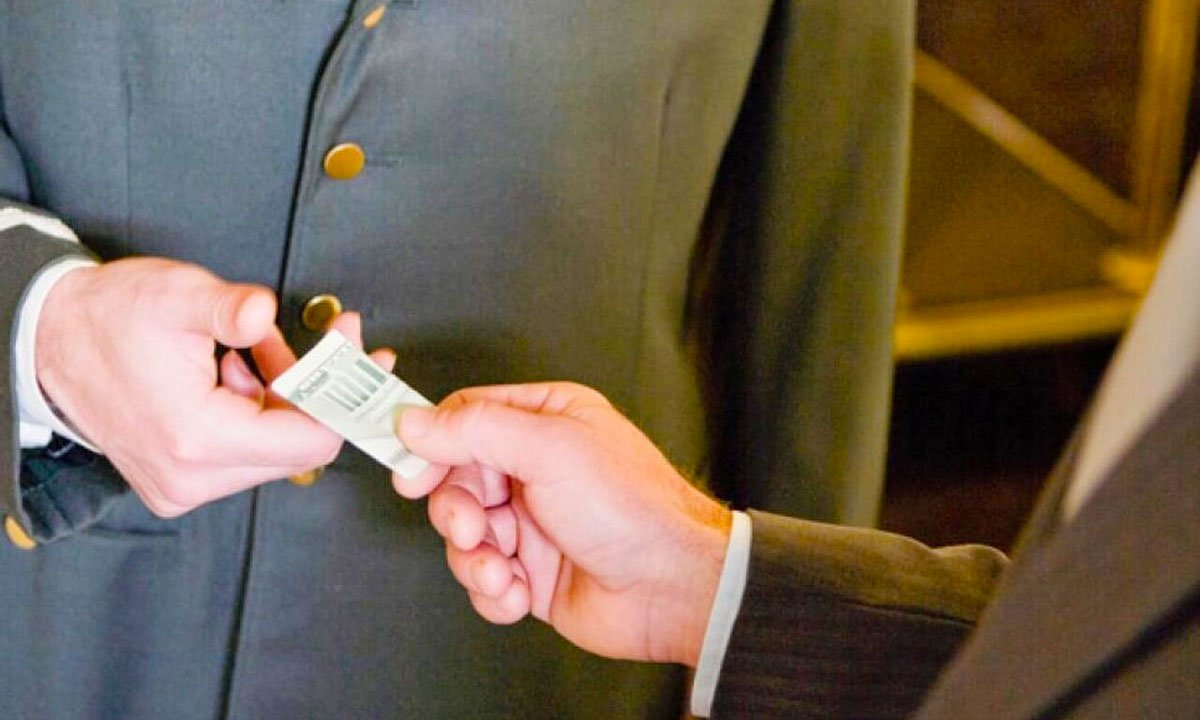
In Egyptian and Arab culture, there is a prevailing belief that women should not work in service-oriented roles, especially those involving interaction with strangers. This perspective is rooted in the idea that serving others, particularly foreign guests, can diminish a woman's status. Traditionally, it has been considered more appropriate for men to take on these responsibilities. However, in recent years, there has been a gradual cultural shift, allowing some women to enter the tourism sector. Despite this progress, the number of women working in hotels remains low compared to men. As society evolves and attitudes change, we may see an increase in female participation in this field, but traditional norms still influence the current workforce.

<p>Why do Egyptian women dress differently?</p>

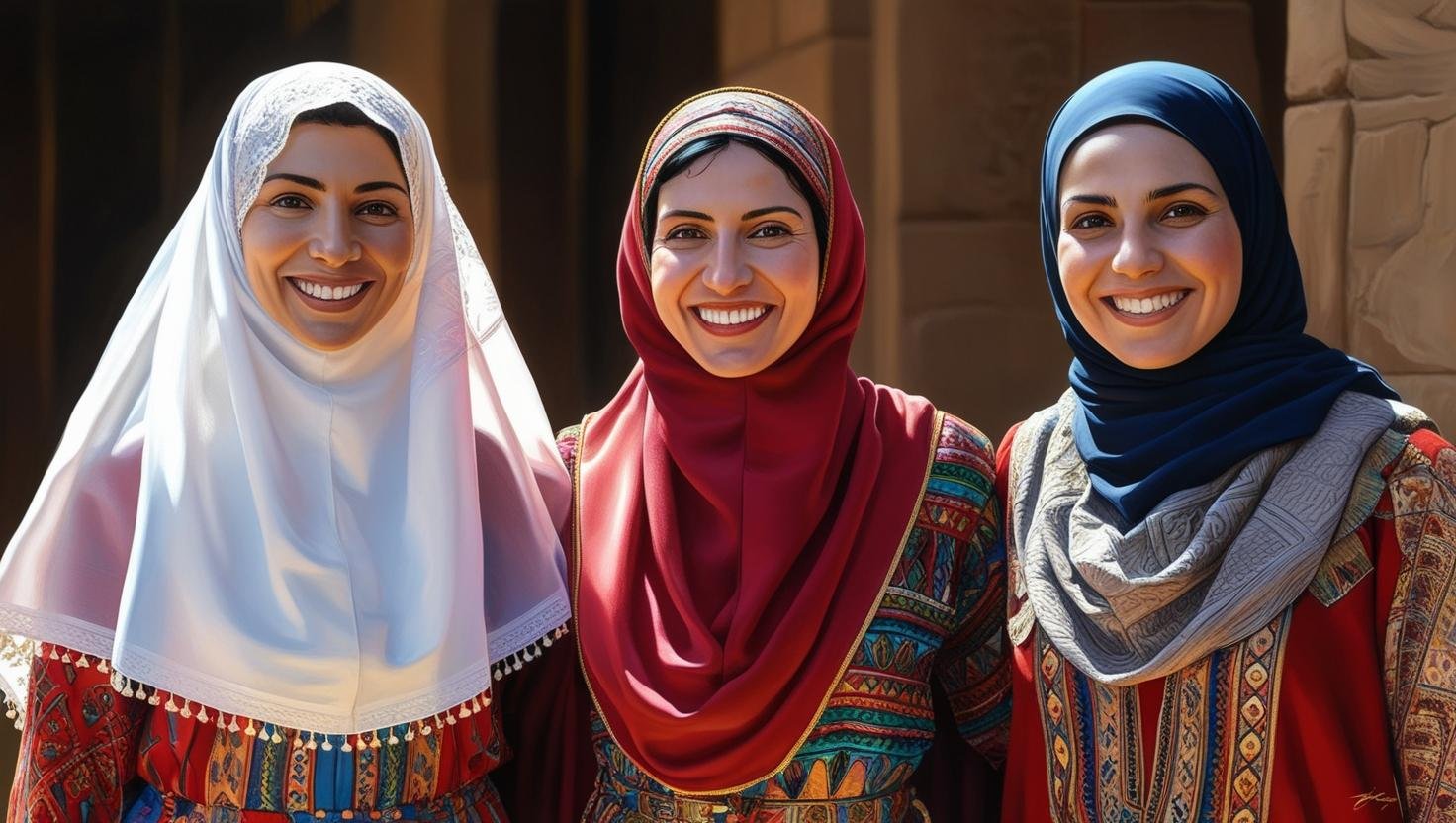
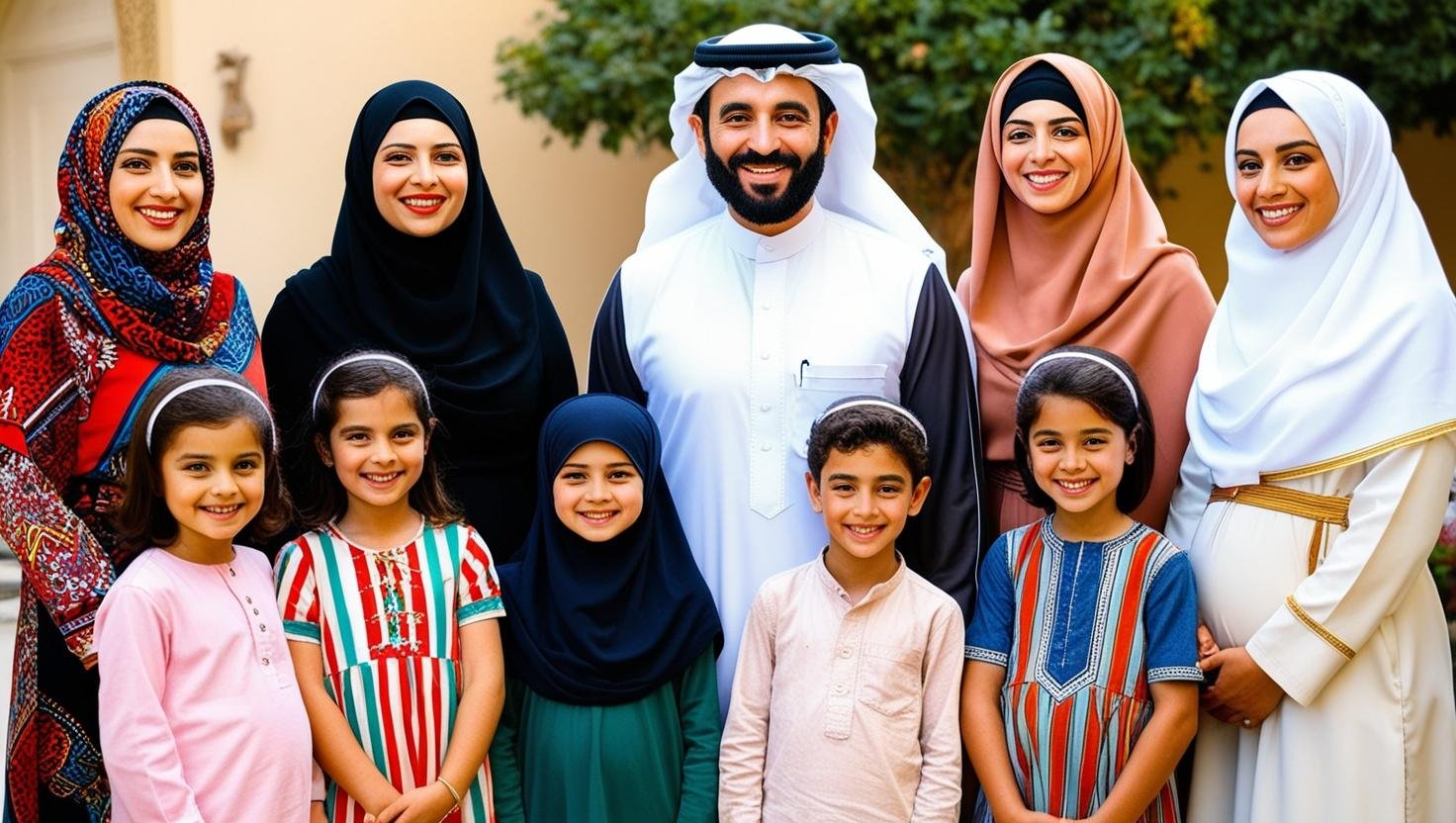
The choice of clothing for Egyptian women is greatly influenced by their cultural background, religious upbringing, and personal factors. Egyptian women have a wide range of options to express their individual style and beliefs. Most women wear the hijab, which typically covers the hair while leaving the face and hands visible. A smaller number opt for the niqab, which covers all but the eyes. Additionally, some women choose to appear without any head covering at all, especially in more urban areas. These choices can be attributed to various factors, including religious education, socioeconomic status, and level of education. Ultimately, the decision of what to wear remains a personal decision for Egyptian women, free from coercion by family, husbands, or the state. This diversity in clothing reflects the rich tapestry of beliefs and values within Egyptian society.

<p>Where do Egyptians spend their vacations?</p>

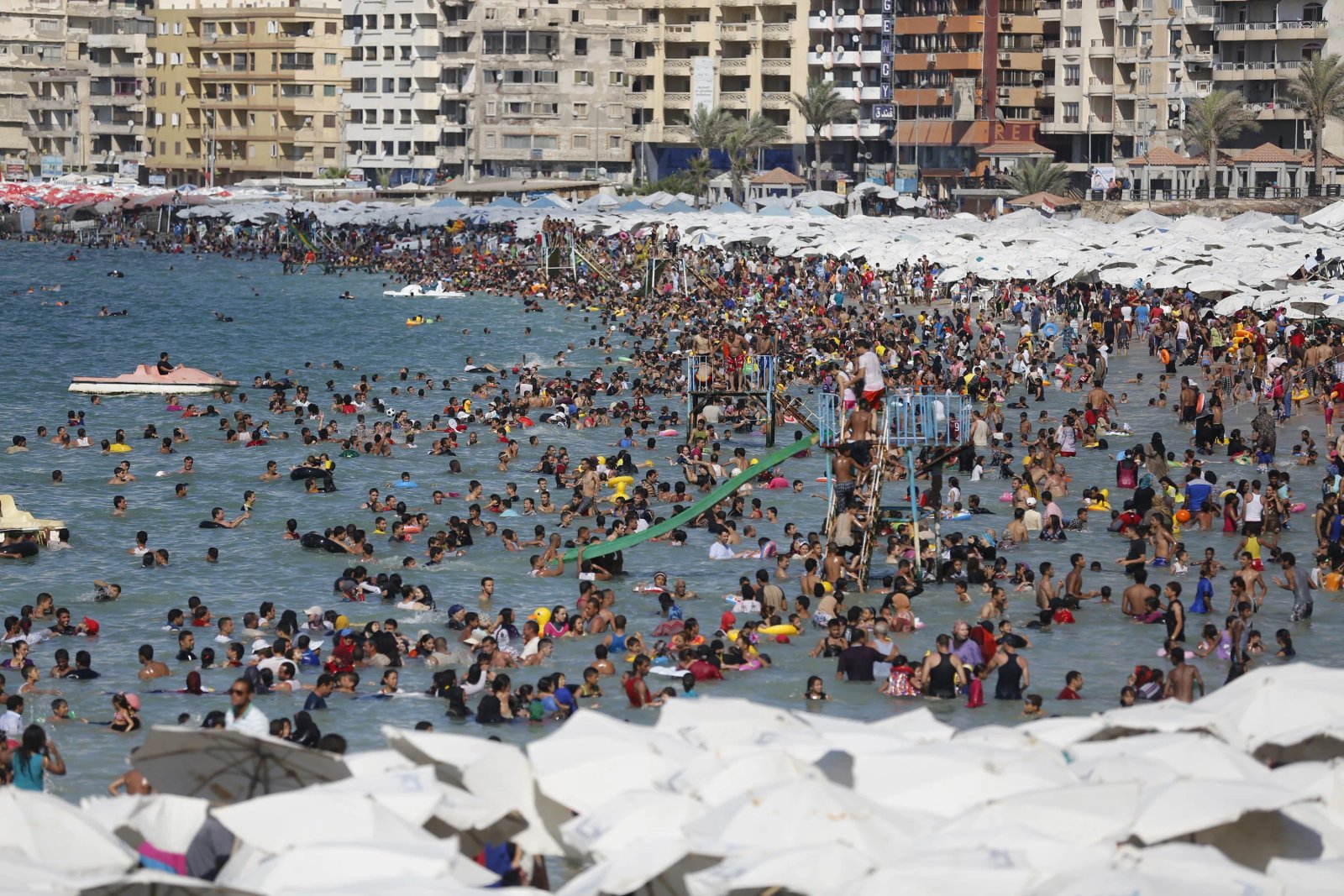
Egyptian vacation destinations vary greatly depending on factors such as income level and personal preferences. The peak tourist season in Egypt is during the summer months. Those with limited budgets often opt for short trips to coastal cities on the Mediterranean Sea, renting apartments or chalets for a few days. Middle-income Egyptians frequently choose resorts in Hurghada and Sharm El-Sheikh on the Red Sea, especially those working abroad. Higher-income Egyptians often travel internationally to destinations like Turkey, Greece, and the United Arab Emirates. In recent years, there has been a growing trend of luxury resorts along Egypt's North Coast, in cities such as Alexandria, El Alamein, and Marsa Matrouh. These upscale destinations have become popular among the wealthy, who often own second homes there and spend their summers enjoying the beaches and exclusive amenities.

<p>What are the most popular traditional Egyptian dishes?</p>

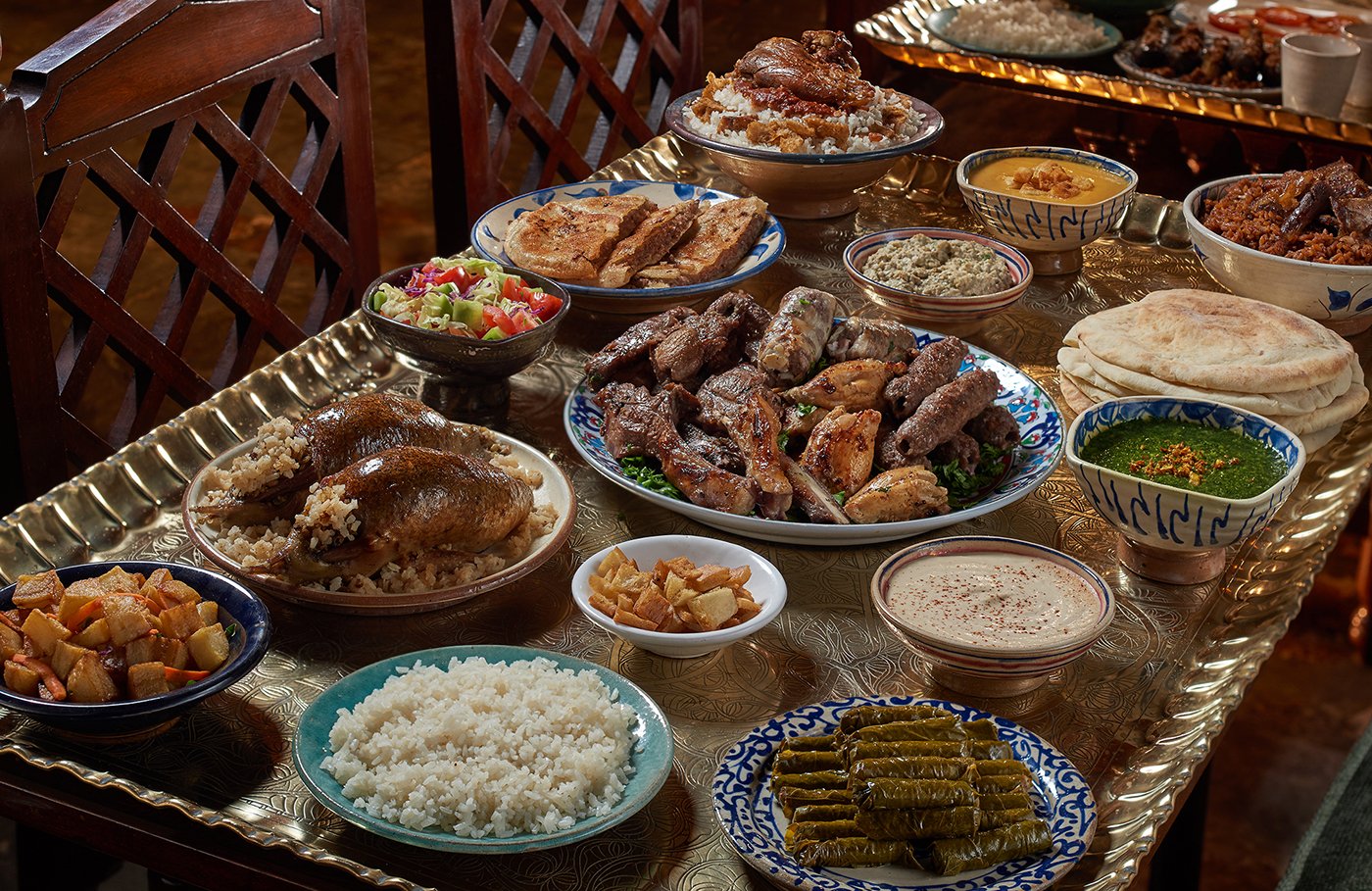
Here are some of the most popular traditional Egyptian dishes:

  • Koshari: A unique blend of rice, macaroni, lentils, and crispy fried onions, topped with a flavorful tomato-based sauce and garlic vinegar
  • Ful Medames: A hearty breakfast dish consisting of cooked fava beans, olive oil, and various spices, often served with bread and tahini sauce
  • Ta'amiya (Falafel): Deep-fried balls or patties made from ground chickpeas, herbs, and spices, typically served in pita bread with various toppings
  • Mahshi: Stuffed vegetables, such as vine leaves, peppers, and eggplants, filled with a mixture of rice, minced meat, and aromatic spices
  • Molokhia: A green, leafy vegetable cooked in a rich, flavorful broth and often served with rice
  • Fatta: A layered dish made with crispy bread, cooked meat or chicken, and a creamy yogurt sauce, topped with chickpeas and toasted nuts
  • Shawarma: Thinly sliced marinated meat, usually chicken or beef, cooked on a vertical rotisserie and served in pita bread with various toppings
<p>Can men in Egypt marry more than one woman?</p>

Yes, according to Islamic law and Egyptian legislation, a Muslim man can marry up to four wives. However, there are strict conditions that must be met. He is required to treat each wife fairly and provide them with the same standard of living. Additionally, the law mandates that the husband must inform his first wife if he intends to marry another. This practice, allowed for men, aims to address issues such as spinsterhood and promote family growth within a legal framework, which is essential for community building and to prevent illicit relationships that may lead to mixed lineage. Despite this allowance, marrying a second wife is quite rare due to economic challenges and the difficulty of supporting another family.

<p>How do Egyptians get married?</p>

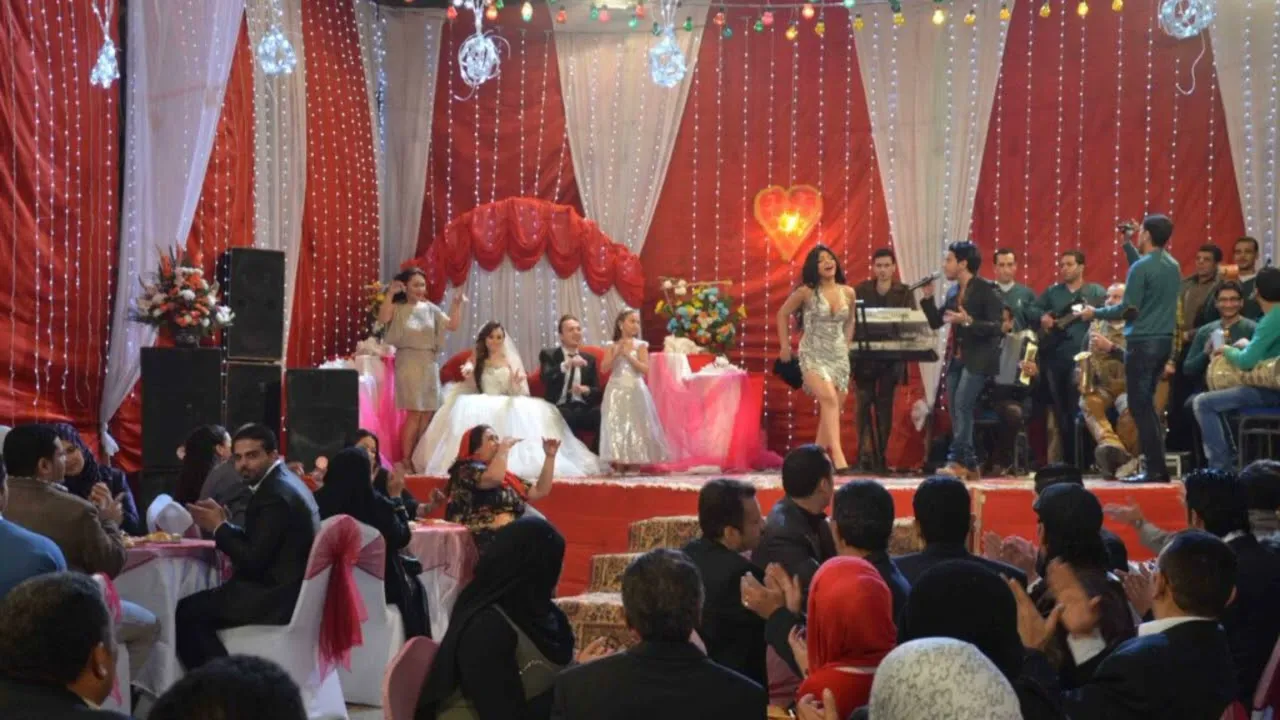
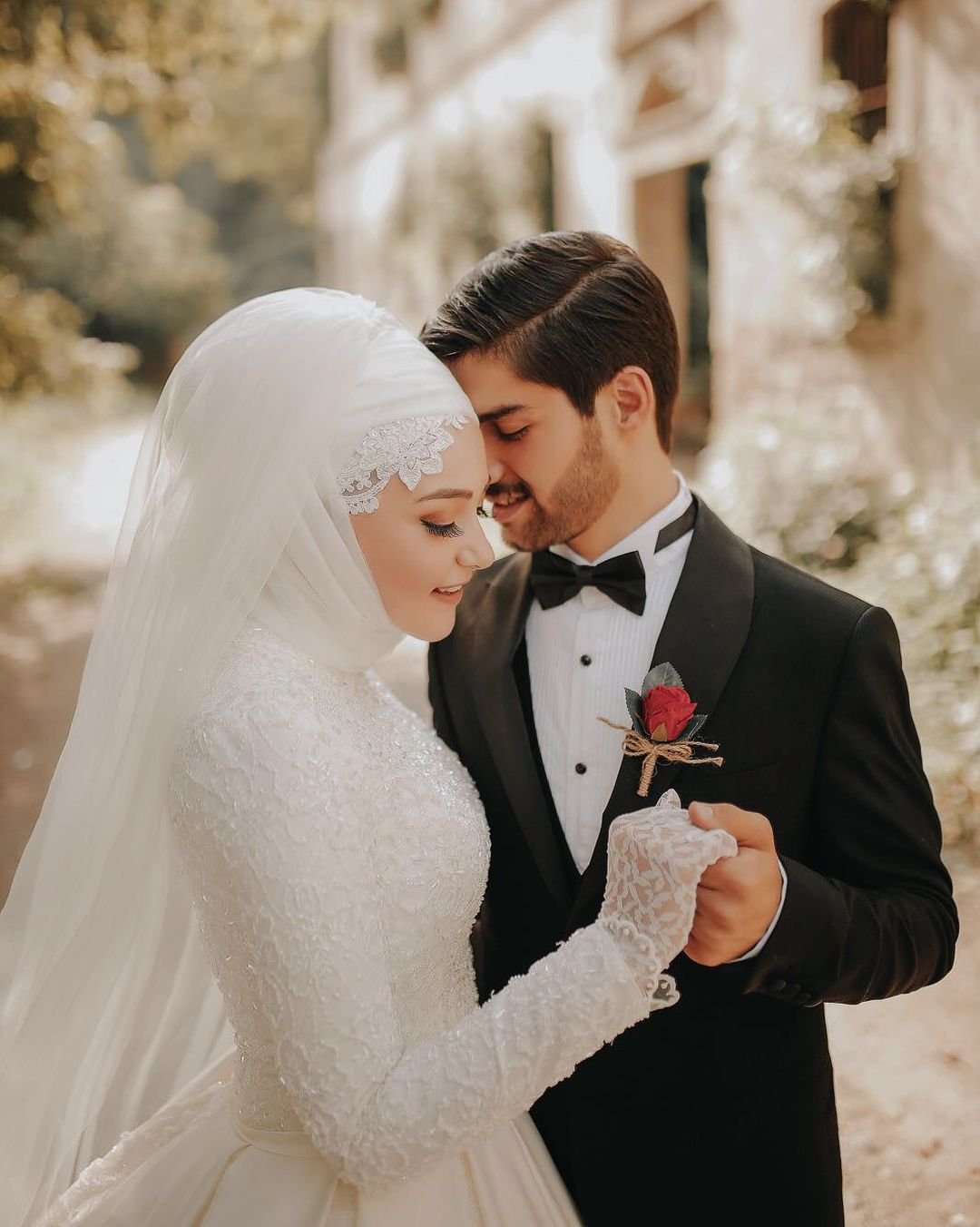
In Egypt, the process of getting married typically begins with courtship, where couples get to know each other through family introductions, friends or social gatherings. The engagement period, known as "khotba," can last for several years, allowing both parties to understand each other better and to plan for the wedding expenses and establish a home. During this time, it is important that no sexual relations occur, as the bride is expected to be a virgin at marriage. Marriage ceremonies are often elaborate and can last up to three days, featuring various traditions and celebrations. After marriage, the bride usually moves into her husband's home or a new apartment they have chosen together. It is uncommon for newlyweds to live with their families after marriage, as they begin their own independent life. These customs reflect the importance of family and societal values in Egyptian culture.

<p>How many children do Egyptian families typically have?</p>

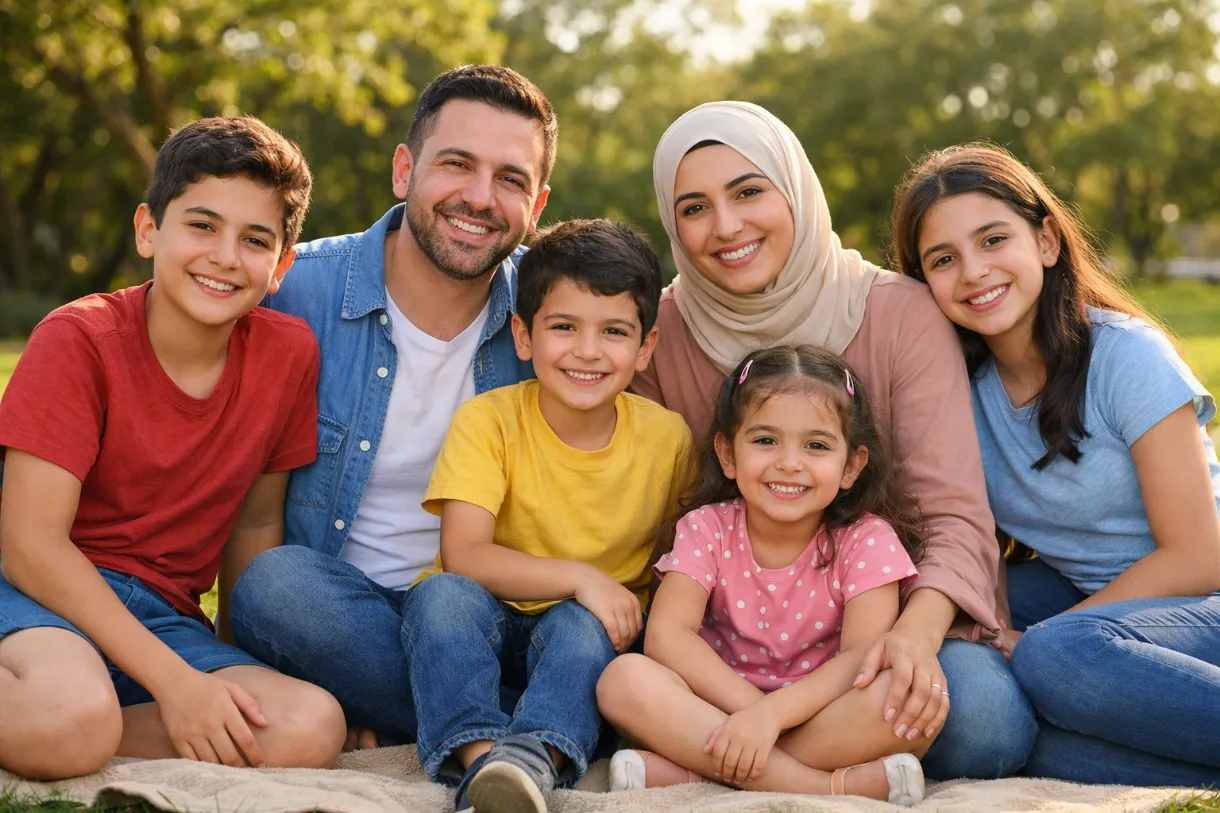
The size of Egyptian families has undergone a significant transformation over the years. Historically, larger families were the norm, with many couples having four to five children or even more. However, in recent decades, a noticeable shift towards smaller families has occurred. Factors contributing to this change include increased urbanization, more women entering the workforce to help support their families, and government initiatives promoting family planning to address the population challenge. As a result, the average family size has shrunk considerably, with most couples now having two to three children.

Didn't find an answer to your question?

Contact us and we'll be happy to help you