Tourist Market Egypt
$ USD
$ USD USD Default
1 USD = 1.0000 USD
EUR EUR
1 USD = 0.8600 EUR
£ GBP British pound
1 USD = 0.7400 GBP
Filter by Category
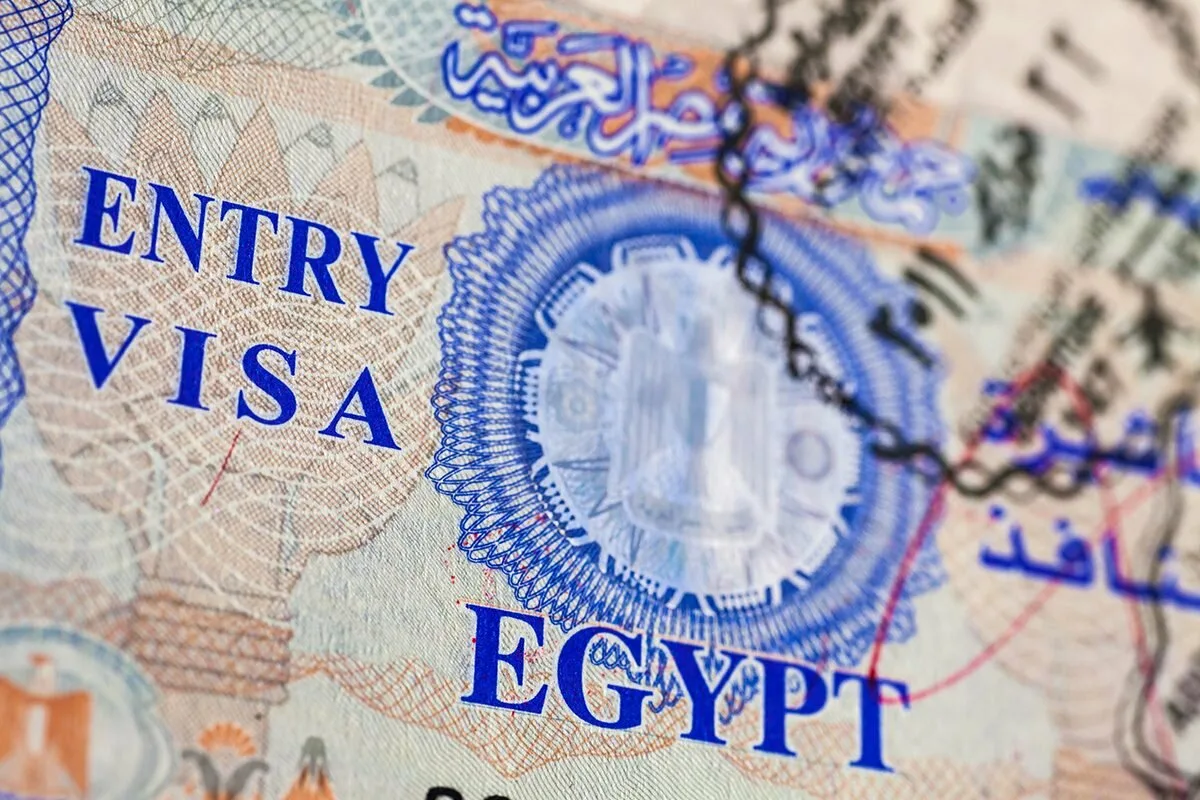
<p>How long is a tourist visa valid for in Egypt, and how can it be extended?</p>

A standard tourist visa for Egypt is usually valid for up to 30 days from the date of arrival. To extend your stay, you must apply for a visa extension at the Egyptian Immigration Police before your current visa expires. The application process typically involves submitting your passport, visa, and the required fees. The maximum extension period varies and depends on specific circumstances. It's crucial to renew your visa well in advance of the expiration date to avoid penalties.
<p>What items are prohibited for tourists to bring into Egypt?</p>

When traveling to Egypt, it's important to be aware of items that are prohibited from being brought into the country. These items typically include illegal drugs, weapons of any kind, counterfeit goods, and materials that could be considered offensive to Egyptian culture or religion. Additionally, certain food items, plants, and animals may be restricted to prevent the introduction of pests or diseases. It's advisable to check with the Egyptian embassy or consulate in your home country for the most up-to-date and comprehensive list of prohibited items.

<p>What items are tourists warned not to take with them when leaving Egypt?</p>

Tourists leaving Egypt should be cautious about carrying certain items. Firstly, drugs are strictly prohibited, and possession can lead to severe legal consequences. Additionally, firearms and weapons of any kind are not allowed. Tourists should also refrain from taking coral or any marine life, as this is illegal and harmful to the environment. Furthermore, carrying more than 10,000 Egyptian pounds in cash is not permitted without proper declarations. It is essential for travelers to be aware of these regulations to avoid complications during their departure from the country.

<p>What items are duty-free for tourists arriving in Egypt?</p>

Upon your arrival in Egypt, you are entitled to the following duty-free allowances:

  • Personal belongings: Used clothing, cameras, and other personal items commonly used during travel, whether new or used
  • Jewelry: Personal jewelry provided it's not for commercial purposes
  • Medicines: For personal use, as determined by the relevant authorities
  • New items: Up to 10,000 Egyptian pounds, provided they are not for commercial purposes
  • Cigarettes and alcohol: One carton of cigarettes (200 cigarettes), 25 cigars, or 200 grams of tobacco, and one liter of alcoholic beverages
  • Currency: Foreign currency up to $10,000 or its equivalent. Egyptian currency up to 5,000 Egyptian pounds
  • Duty-free shops: Items purchased from duty-free shops within 48 hours of arrival, up to $200

Conditions: You must be personally present, indicated on your passport, benefit only twice a year, and each family member is entitled to individual exemptions.

<p>What items are duty-free for tourists when leaving Egypt?</p>

When leaving Egypt, you are entitled to the following duty-free allowances:

  • Personal belongings: This includes clothing, personal belongings, and gifts that you brought with you or that were sent to you
  • Valuables: Items of value that you previously declared upon your arrival provided you have the necessary documentation
  • Currency: Foreign currency up to $10,000 USD or its equivalent in other currencies. If you declared a higher amount upon arrival, you can take out the remaining amount. Egyptian currency up to 5,000 Egyptian pounds. Any amount exceeding this limit must be declared
<p>When should a tourist go to customs at the airport when arriving or departing from Egypt?</p>

You should proceed to customs when:

  • You are carrying valuables that you wish to declare for reference upon your return
  • You are carrying valuables that you previously brought into the country
  • You are carrying items that are not considered personal gifts or for personal use
  • You are carrying more than $10,000 USD in foreign currency or its equivalent
  • You are carrying items or organisms that require inspection by other authorities or that require procedures according to international agreements, or items suspected of being antiques
  • You are collecting items that were previously stored in customs
  • You are claiming a refund of value-added tax on items purchased in Egypt that you are taking out of the country
<p>What are the photography rules for tourists in public places in Egypt?</p>

Tourists in Egypt are generally allowed to take personal photographs in public places without needing special permits or fees. This includes the use of traditional and digital cameras, as well as personal video cameras and their tripods. However, professional photography equipment that might obstruct public pathways or require special lighting is prohibited unless prior permission is obtained. Certain locations, such as military sites, government buildings, and judicial institutions, require explicit approval before taking photos. Additionally, tourists must not capture images that could be considered offensive or violate public morals, including photos of children or individuals without their written consent. While photography is encouraged in cultural and archaeological sites, flash photography is not allowed in museums and enclosed spaces. These regulations aim to promote cultural tourism while maintaining respect for privacy and security.

<p>What medications and drugs are prohibited for entry or exit to/from Egypt?</p>

When traveling to or from Egypt, authorities strictly prohibit carrying medications classified as narcotics unless accompanied by a medical prescription. Travelers may bring a maximum of 20 pills. Exceeding this limit without a prescription can result in confiscation of the medication and potential legal charges for drug possession or trafficking. The list of prohibited medications primarily includes strong sedatives, analgesics, and drugs containing addictive substances. Some examples include Nikocodein, Didrex, Proxyl, Mogadon, Nitrazepam, and various formulations of Codeine and Benzodiazepines, such as Valium and Xanax. Additionally, injectable medications like Ketamine and Ergotamine are also restricted. It is crucial for travelers to check the regulations and ensure they have the necessary documentation for any medications they wish to carry.

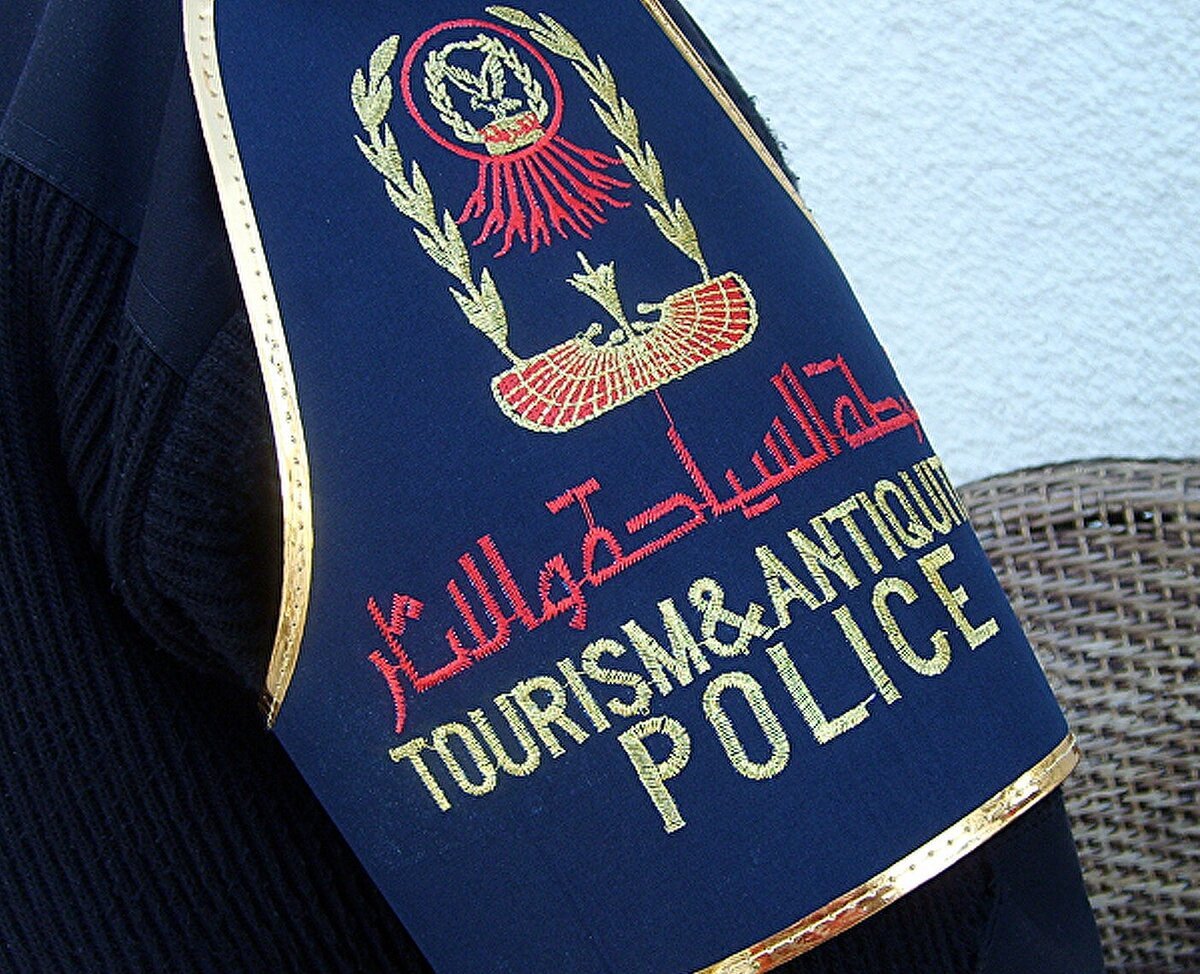
<p>In what situations should a tourist go to the tourist police in Egypt for help?</p>

A tourist should contact the tourist police in Egypt if they encounter any of the following situations:

  • Lost or stolen belongings: If you lose your passport, wallet, or other valuables, the tourist police can assist you in reporting the loss and initiating a search
  • Personal safety concerns: If you feel threatened or unsafe, the tourist police can provide protection and assistance
  • Disputes with local businesses or individuals: If you have a disagreement with a hotel, tour guide, or other individual, the tourist police can help mediate the dispute
  • Accidents or injuries: If you are involved in an accident or become injured, the tourist police can provide medical assistance and help you file a report
  • Legal issues: If you have any legal problems while in Egypt, the tourist police can provide guidance and assistance
  • Questions about local laws and customs: If you have questions about Egyptian laws or customs, the tourist police can provide information and answer your questions
<p>What should a tourist do if they lose their passport while on vacation in Egypt?</p>

If a tourist loses their passport in Egypt, unfortunately, they will not be able to enter the airport or leave the country. First, they should go to the Tourism Police station in Hurghada to file a report about the lost passport. This report will help in the search for the passport, if possible, and serves as proof of loss. Next, they need to visit the nearest embassy or consulate of their home country, which is usually in Cairo, except for some countries with a consulate in Hurghada. There, they can obtain a certificate of identity that allows them to travel. It's crucial for tourists to have some form of identification, like a copy of the lost passport or a driver's license, to facilitate this process. Therefore, it's advisable for tourists to always keep a copy of their passport on their phone.

Didn't find an answer to your question?

Contact us and we'll be happy to help you