Tourist Market Egypt
$ USD
$ USD USD Default
1 USD = 1.0000 USD
EUR EUR
1 USD = 0.8600 EUR
£ GBP British pound
1 USD = 0.7400 GBP
Filter by category:
<p>Where does the name "Hurghada" come from?</p>

The name "Hurghada" is derived from the Arabic word "gharqad," which refers to a type of thorny shrub that was once abundant in the region. This shrub, also known as "Nabt al-ghardaq" or "A'oosaj," was commonly called "Anab al-deeb" (wolf's grapes) in colloquial Arabic. Due to the widespread presence of this plant in the area, the city was named after it, essentially meaning "the city of gharqad." This name was given when Hurghada was a small fishing village before the discovery of oil and the rise of tourism. Although the correct pronunciation in classical Arabic is "gharqad," the name is often pronounced as "ghardaq" in various Arabic dialects, including those spoken in Egypt, Kuwait, Sudan, and eastern Saudi Arabia.

0
<p><strong>How late at night can a tourist safely stay outside their hotel in Hurghada?</strong></p>

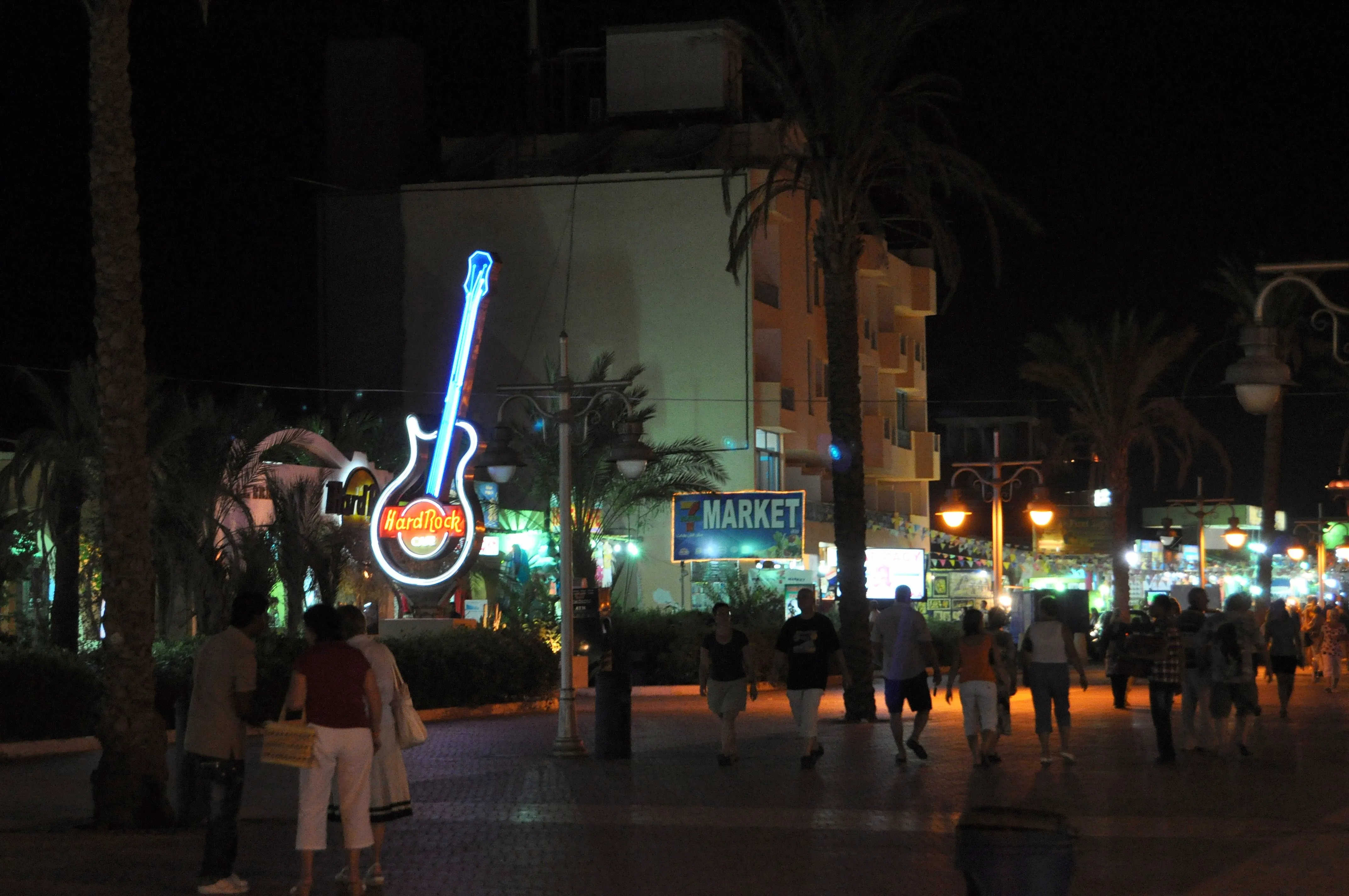
Tourists can walk around Hurghada late into the night: most nightlife venues stay open until 2:00–3:00 a.m. on weekends, and the main tourist areas remain safe until morning.


Hurghada Nightclubs: Hours of Operation by Area.

Hurghada Marina: The most convenient and safest place to visit bars; establishments are usually open from 6:30 p.m. to 1:00 a.m. It’s easy to get around on foot here; the area is well-lit and everything is designed specifically for tourists, making it the perfect spot for a relaxed evening.

Sheraton Road / Sakkala: This area is known for its livelier street life, with plenty of hookah bars and places to grab a late-night bite, and activity peaks from 11:00 PM to 2:00 AM. It’s noisier here and has a local vibe, but it’s generally safe as long as you follow standard city safety precautions.

El Mamshah Promenade: A quiet, family-friendly area, ideal for strolling and live music, which winds down around midnight. It’s best suited for mixed-age groups or for those heading out on morning boat tours.

Resort Hotels (Makadi Bay, Sahl Hasheesh, Soma Bay): If you’re staying south of the city, spending the night at a resort is the safest option: beach bars, themed nights, and DJ sets usually wrap up by midnight, which is ideal for divers heading out on early-morning excursions.

Clubs (Little Buddha, Elements): To dance until dawn, clubs start filling up after 11:30 p.m. and stay open until 2:00–3:00 a.m. from Thursday through Saturday. Admission is usually $20–$30.


Nighttime Safety Tips:

Transportation is crucial: book your ride before you have your first drink. You can safely rely on our specialized private transfer service. Never haggle with street taxi drivers at 2:00 a.m.

Stick to the main streets: avoid secluded pedestrian areas after 1:00 a.m. Stay in well-lit, crowded places.

Keep an eye on your drinks: drunk tourists are easier targets for scammers. Keep your drinks with you and avoid talking to strangers.

For women traveling alone: reports of harassment and unwanted attention have been received even from resort areas. At night, use transportation arranged by your hotel and avoid informal tour offers or private invitations.

Dress code: closed-toe shoes or clean sneakers for men (beach flip-flops are prohibited), elegant sandals, and light clothing for women. If you look younger than 25, bring a form of ID.

Bottom line: Hurghada is one of the safest cities in Egypt for nightlife. In the main areas (Marina, Sheraton Street, El Mamsha), tourists can safely walk around until 1:00–3:00 a.m., provided they take standard precautions. The key is to plan your transportation in advance and stay within the designated tourist areas.

0
<p><em>Do I need to buy a local SIM card to access the Internet while on vacation in Hurghada?</em></p><p><br></p><p><br></p><p><br></p>

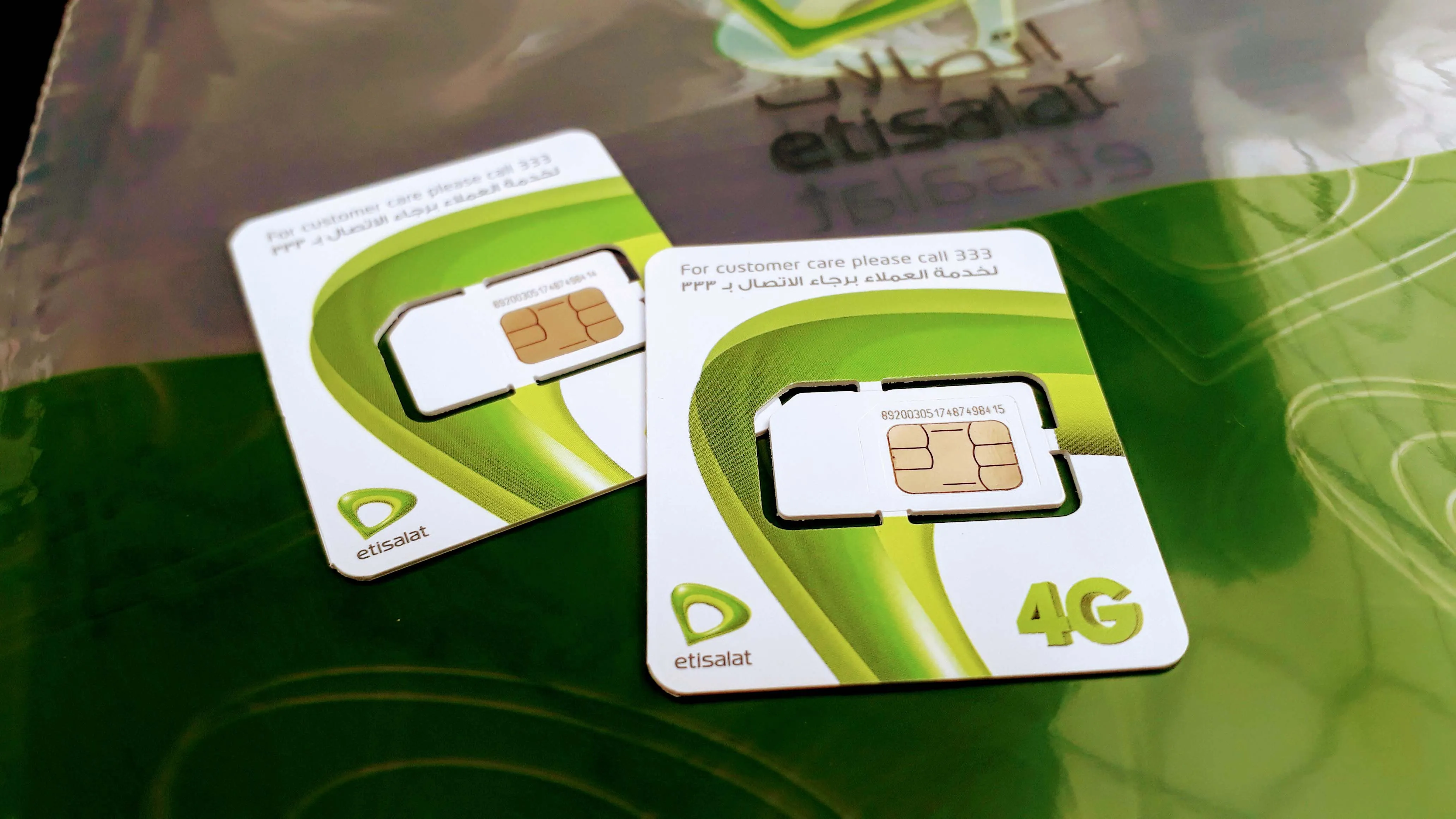
According to many travelers, it is highly recommended that you purchase a local SIM card. Although most hotels in Egypt offer Wi-Fi, it is not available everywhere and often has slow speeds or limited coverage. If you need high-speed Wi-Fi, hotels usually charge an extra fee for it, and it can be quite high.

A local SIM card is very useful, especially during excursions or day trips, as it allows you to stay in touch with family, friends, and even work, no matter where you are. With mobile data, you won’t have to rely on the hotel’s Wi-Fi or search for hotspots in cafes.

It’s also safer to pay by card or use online services if your phone is connected to the internet via your own SIM card. That way, you can receive bank SMS notifications instantly.

And here’s the good news: you can easily order an Egyptian SIM card to be delivered right to your hotel with various rate plans through the delivery service available on our platform. This ensures that you’ll start your vacation with reliable internet access from day one.

0
<p><strong>Will buying a local SIM card in Egypt cause my phone to be blocked on my next visit?</strong></p><p><br></p><p><br></p>

No, purchasing a local SIM card in Egypt will not cause your phone to be blocked and will not cause any problems on future trips. Egypt allows tourists to use a local SIM card in their personal phone for a three-month grace period. This means you can insert and use an Egyptian SIM card for three months from the date of activation without paying the import tax that is levied on phones brought in from abroad.

For the average tourist staying in Egypt for one or two weeksor even up to a month—this isn’t a problem at all. You can comfortably use a local SIM card during your vacation, enjoy reliable internet and local calls, and then simply remove the SIM card when you leave. On your next visit, you can buy a new SIM card or top up your old one, if it’s still active.

0
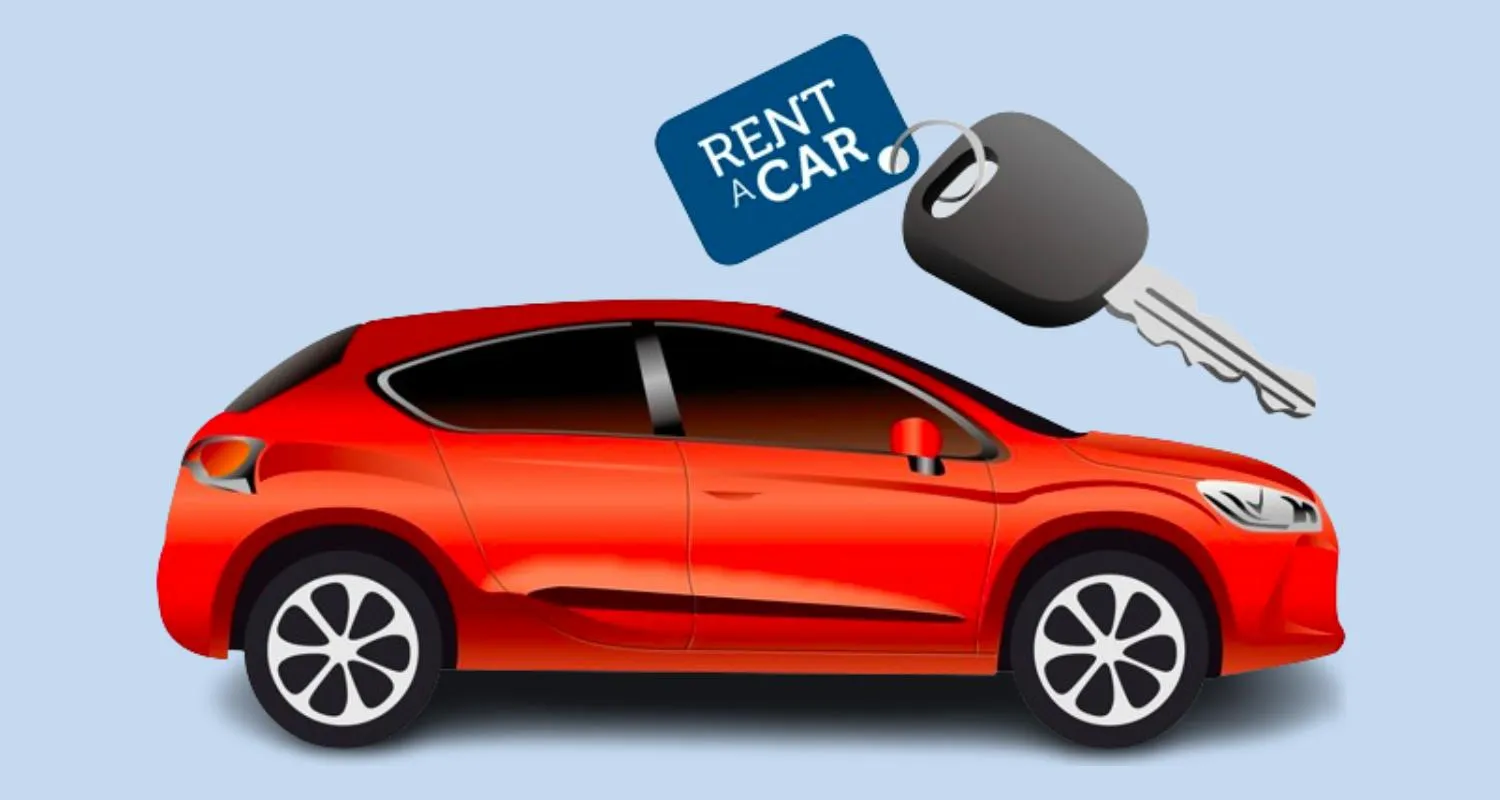
<p><strong>Is it easy to rent a car in Hurghada?</strong></p>

Yes, you can rent a car in Egypt, and it’s not difficult, especially in tourist hubs like Cairo, Hurghada, Sharm el-Sheikh, and Luxor. Travelers on forums often note that, although traffic in major cities can be chaotic, the rental process itself goes smoothly as long as you have all the necessary documents.

Requirements

  • Passport and visa
  • Your home country’s driver’s license
  • International driver’s license (recommended if your license is not in English)
  • Credit card for a security deposit (5,000–20,000 Egyptian pounds, depending on the car class)

Driving Notes

  • Drive on the right
  • Seat belts are mandatory for all passengers
  • Speed limits: 60 km/h in cities, 90–100 km/h on highways
  • Zero tolerance for drunk driving
  • Be prepared for police checks and keep your documents with you


And to make things even easier, you can use our car rental services directly through our platform. This saves you the hassle of searching, comparing, and gathering information—everything is organized for you in one place.

1
<p><strong>Is there a specific season when domestic tourism in Hurghada picks up, and how does that affect hotel occupancy rates?</strong></p>

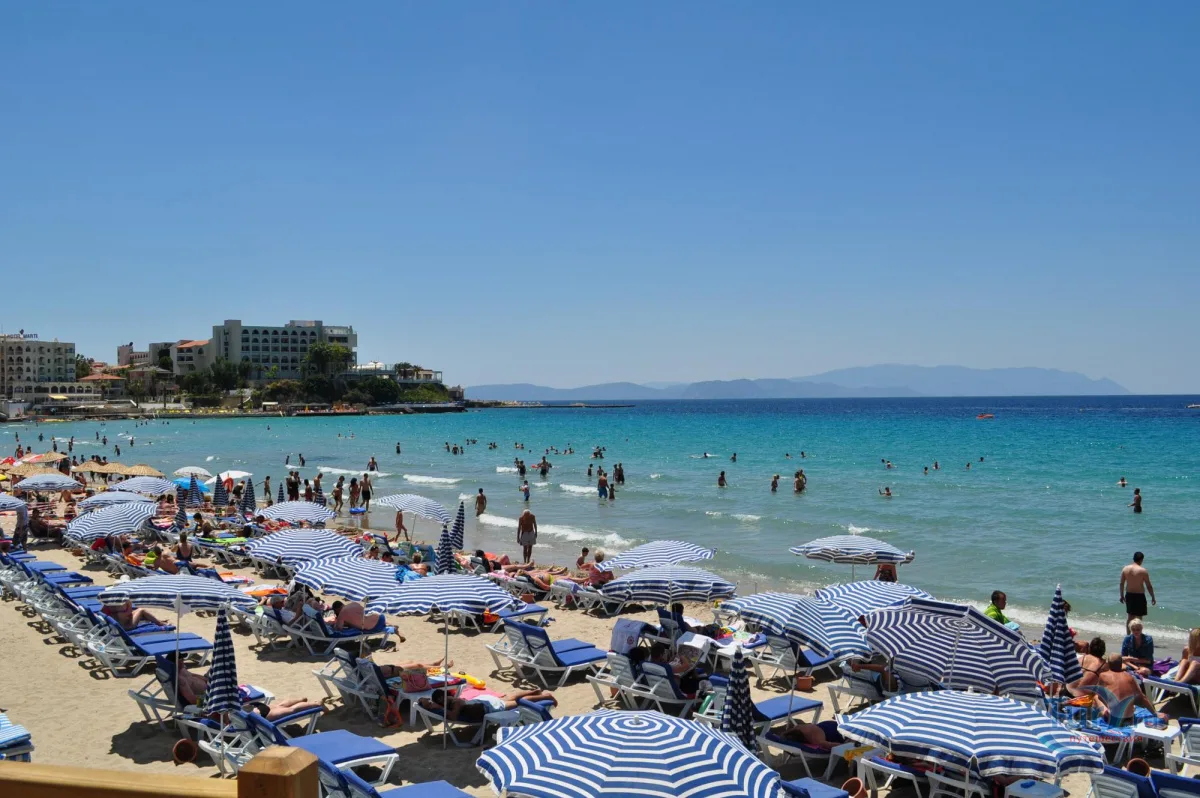
Yes, Hurghada has distinct peak seasons for domestic tourism. The largest influx of tourists occurs during Egyptian school vacations and in the summer months (July–August), as well as during the winter holidays (December–February). During these periods, hotels are fully booked, prices rise, and the number of available rooms is limited.

Main Domestic Tourism Seasons in Hurghada

  • Summer vacation (June–September):
  • Families from Cairo and other cities flock to Hurghada for beach vacations.
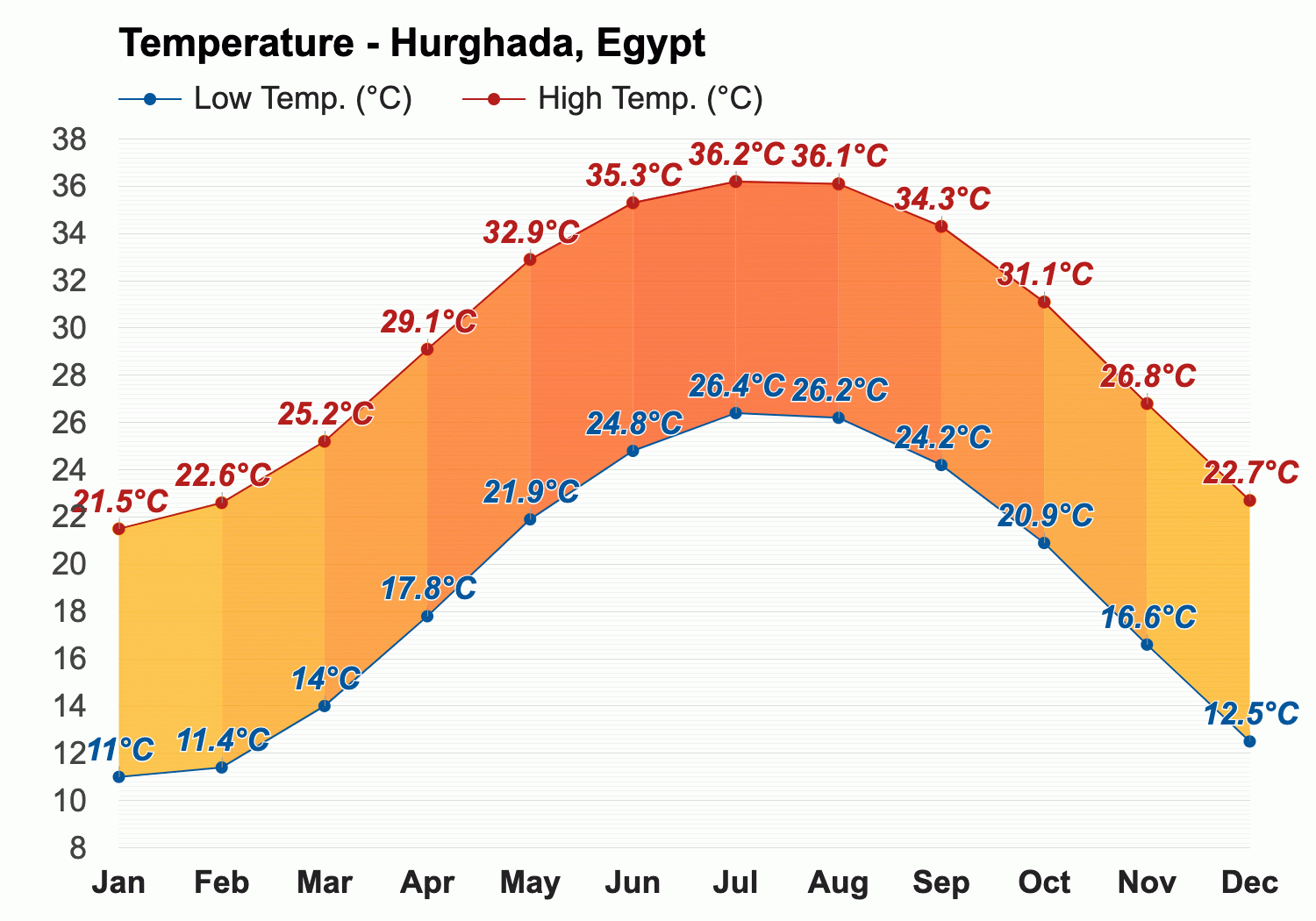
  • The weather is very hot (29–35 °C), but the sea is at its warmest.
  • Hotels are at their most crowded, and prices reach their peak.
  • Winter Break (December–February):
  • Popular among Egyptians escaping the cool northern cities.
  • Temperatures are moderate (17–23 °C), comfortable for walking.
  • Hotels are full, especially around New Year’s.
  • Shoulder seasons (March–May and October–November):
  • Mild weather (23–30 °C), fewer tourists, and better hotel rates.
  • Ideal for families and divers.
  • It’s still lively, but not as busy as during the peak summer or winter seasons.

Impact on hotels

  • Occupancy: Hotels in Hurghada are busiest in July–August and December–February and are often fully booked.
  • Rates: Room rates can be 20–40% higher than during the off-season.
  • Availability: Last-minute bookings are difficult; booking in advance is strongly recommended.
  • Atmosphere: During peak season, expect bustling resorts, crowded beaches, and a limited number of quiet spots.

Tips for Travelers

  • If you prefer less crowded hotels, choose April–May or October–November.
  • If you want to save money, hotel prices in January–February (excluding the New Year’s holidays) can be up to 40% lower.
  • During peak season, always book in advance to guarantee a room and avoid disappointment.


0
<p><strong>What is it like to vacation in Hurghada and Egypt during Ramadan? Are tourist activities still taking place?</strong></p><p><br></p><p><br></p>

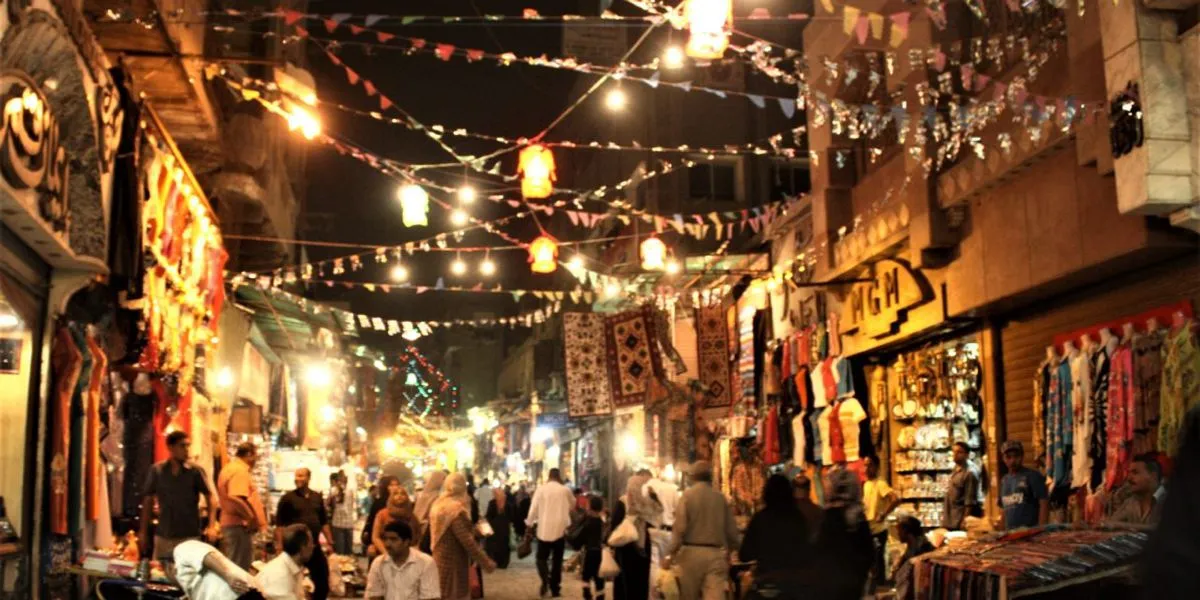
Traveling to Hurghada and Egypt during Ramadan is a unique cultural experience. Tourist activities continue as usual, but the rhythm of daily life changes:

  • Daytime atmosphere: Many locals are fasting, so restaurants and cafes may be closed until sunset. However, tourist hotels and resorts continue to serve food and drinks as usual for international guests.
  • Tourist attractions: Major attractions, such as the pyramids, the temples of Luxor, and Red Sea excursions, remain open, although operating hours may be slightly adjusted.
  • Evening hours: After sunset, cities come alive with festive lights, street food, and family gatherings. This is a great time to experience the local culture.
  • Hotels: Resorts in Hurghada continue to offer a full range of services, entertainment, and excursions without interruption.
  • Practical advice: Respect local customs—avoid eating and drinking in public places during the day outside of tourist areas.

For tourists, Ramadan doesn’t put a stop to activities; it simply adds a special cultural flair to the experience. You’ll be able to enjoy the same tours and services, as well as have the opportunity to witness Egypt’s most spiritual and festive season.

0
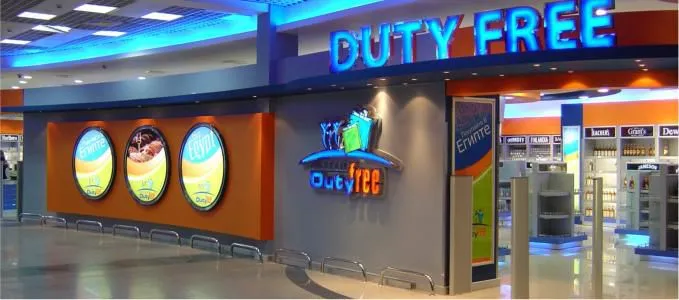
<blockquote><strong><span class="ql-cursor"></span>Is there a duty-free shop in Hurghada where you can shop after leaving the airport?</strong></blockquote>


Yes, there are several downtown duty-free shops in Hurghada where you can shop after clearing customs and exiting the airport. However, to make purchases at these downtown locations, you must strictly follow Egyptian customs regulations:

The 48-Hour Rule and Purchase Requirements

  • Time Limit: You must make your purchases strictly within 48 hours of the entry stamp being affixed to your passport.
  • Required documents: When visiting a store, you must have your original passport with a recent entry stamp and your airline ticket or boarding pass.
  • Purchase Limits: Upon arrival, adult passengers (18 years of age and older) are permitted to purchase up to 3 liters of spirits/alcohol and up to 2 cartons of cigarettes (200 cigarettes) at local duty-free shops.

List of Official City Duty-Free Shops

You may purchase goods within the established limits within 48 hours of arrival (upon presentation of your original passport and airline ticket) at the following branches of Egypt Duty Free Shops (EFSCO) and AKA:

  • AKA International Duty-Free Megastore (El Mamsha): Located along the El Mamsha El Seyahi tourist promenade in the First Avenue Northside complex in the Al-Hamra district. This is the largest urban duty-free department store in the region.
  • Egypt Duty-Free Shops – El Mamsha Branch: Located on Youssef Afify Road (also known as Villages Road), just past the Giftun Azur Beach Resort.
  • Egypt Duty-Free Shops – El Mina branch: Located in the Sakala district (downtown Hurghada) within the Hurghada Maritime Port.
  • Egypt Duty-Free Shops – Sheridan Road Branch: Located right on the bustling Sheraton Road in the heart of the Sakala district, conveniently situated next to the Sea Gull Beach Resort.
  • Egypt Duty-Free Shops – Senzo Mall Branch: Located on the southern outskirts of Hurghada inside the Senzo Mall shopping and entertainment center (Safaga Road), offering a modern shopping experience alongside international brands.

Hours of Operation for City Duty-Free Branches

While the airport terminals are open 24 hours a day, the city branches have fixed operating hours:

  • Branches on Sheraton Road, El Mamshah, and El Mina:
  • Hours: Typically open daily from 10:00 a.m. to 11:00 p.m.
  • Note: Closing times may be extended until midnight during the peak summer tourist season or during Ramadan/Eid holidays for the convenience of shoppers.
  • Branch at Senzu Mall:
  • Hours: The schedule fully aligns with the mall’s official hours—typically from 10:00 a.m. to midnight (12:00 a.m.) every day.
Need transportation or a local guide? If you want to plan a shopping trip to Senzo Mall or Sheraton Road within a 48-hour window, you can instantly book a car with a private driver or contact a local guide directly through the tour and transfer services on our platform.


0
<p>How and when did Hurghada transform into a tourist city?</p>

Hurghada began as a small fishing village, with nearby quarries for extracting phosphorus and sulfur. The significant change came with the discovery of oil along the Red Sea coast, attracting foreign oil companies. To accommodate the workers and their families, the Sheraton Hurghada Hotel was built and opened in 1963. This hotel not only served as a base for oil company employees but also marked the beginning of tourism in the area. The main street in Hurghada is named after this hotel, known today as Sheraton Street. In the 1980s, the Egyptian government recognized Hurghada's potential as a tourist destination and initiated the construction of more hotels. The first government-owned hotel, named Magawish after the nearby Magawish Island, was built, and it is currently the site of the Rixos Magawish Hurghada. With the entrance of the private sector into hotel construction, the number of hotels along the Red Sea coast has now exceeded 300. This development has established Hurghada as a major hub for tourism in Egypt, attracting visitors from around the world.

0
<p>What is the best time of year to visit the resorts in Hurghada?</p>

In general, Hurghada can be visited year-round due to its southern location in the tropical region, which provides a relatively mild climate. This makes it a popular destination for both summer and winter vacations throughout the year. The best time to visit Hurghada is during the spring months of March, April, and May. During this period, the weather is pleasantly warm, making it ideal for outdoor activities and beach relaxation. Temperatures typically range from 20 to 30 degrees Celsius, and the winds are generally mild, providing a comfortable atmosphere. As summer approaches, particularly in June, July, and August, temperatures can soar above 30 degrees Celsius, which may be too hot for some visitors. Fall, particularly September, October, and November, offers another excellent window for visiting. The weather during these months is still warm but more manageable compared to the peak summer heat. In winter, from December to the end of February, temperatures drop to below 20 degrees Celsius, which can be quite chilly for beach activities. Overall, spring and fall are the most favorable times to enjoy Hurghada's beautiful resorts and stunning underwater landscapes.

0
<p>What are the top 10 places to visit in Hurghada for sightseeing and leisure?</p>

Hurghada offers a diverse range of attractions for visitors seeking adventure, relaxation, or a taste of local culture. Here are the top 10 places to explore:

  1. Sheraton Street: This bustling street is the heart of Hurghada, lined with shops, bazaars, and restaurants catering to tourists
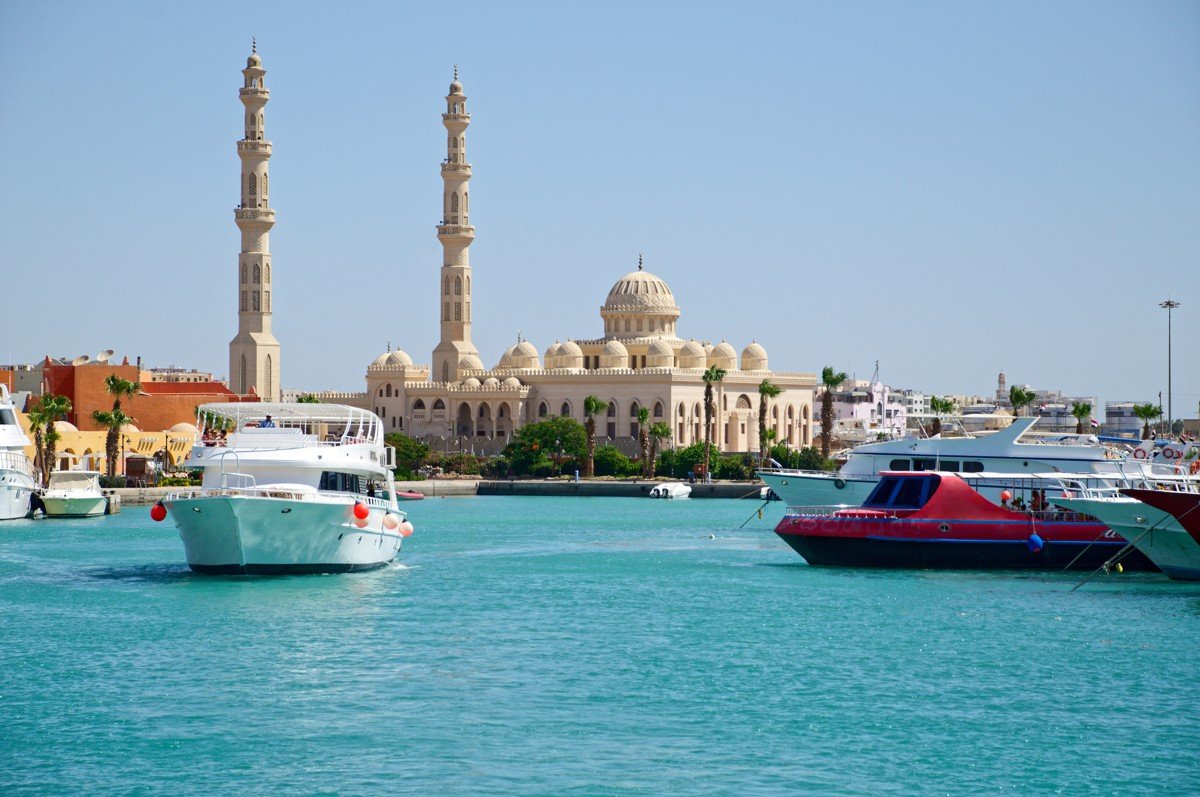
  2. Hurghada Marina: Enjoy a leisurely stroll along the marina, admiring the yachts and visiting the trendy cafes
  3. The Promenade: Take a scenic walk along the 7-kilometer promenade and soak up the beautiful hotel views
  4. Sherry Street Promenade: Discover local shops and savor delicious meals at traditional restaurants in this vibrant area
  5. Al-Kothr District: Explore the main street of Al-Kothr, filled with restaurants and shops offering a variety of products
  6. Dahar Old Market: Immerse yourself in the local culture by visiting this traditional market with its unique shops and bazaars
  7. Fish Market: Witness the daily hustle and bustle of the fish market and purchase fresh seafood
  8. Fruit and Vegetable Market: Experience the local produce and find fresh fruits and vegetables
  9. Senzo Mall: Indulge in retail therapy at this modern shopping mall with a wide range of stores
  10. Hurghada City Centre Mall: Enjoy a more upscale shopping experience at this large and modern mall

These ten locations offer a variety of experiences, from traditional markets to modern shopping malls, allowing visitors to explore the best of what Hurghada has to offer.

0
<p>What are the top 10 fish restaurants in Hurghada?</p>

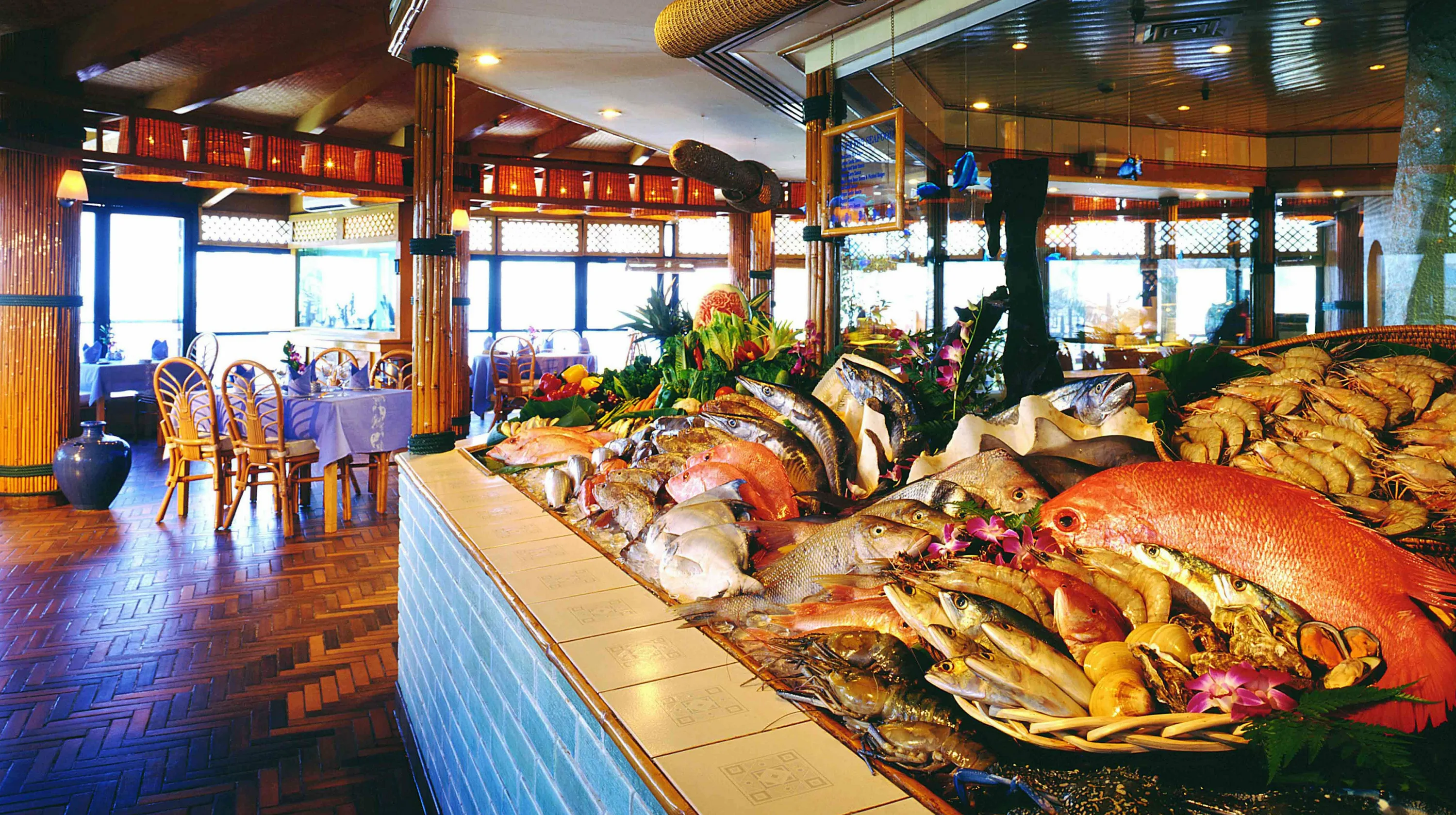
From the rich treasures of the Red Sea, seafood dishes are an essential part of experiencing Egypt. The fresh taste of fish, shrimp, crab, and calamari is not just a meal, but a journey of flavor that completes your visit. No trip to Egypt is truly complete without savoring these authentic seafood delights prepared with a special local touch.

  1. Star Fish Restaurant
  2. Al Halaka Fish Restaurant
  3. El Mina Fish Restaurant
  4. King Fish Restaurant
  5. Hefny Fish Restaurant
  6. Alsheraa Fish Restaurant
  7. City Fish Restaurant
  8. Family Fish Restaurant
  9. Scampi Restaurant
  10. Fish Market Restaurant

You can also enjoy our SEA FOOD DELIVERY SERVICE to order all the special and fresh seafood dishes from the best seafood restaurants in Hurghada without having to leave your hotel. This way, you won't waste your precious vacation time or money on transportation.

0
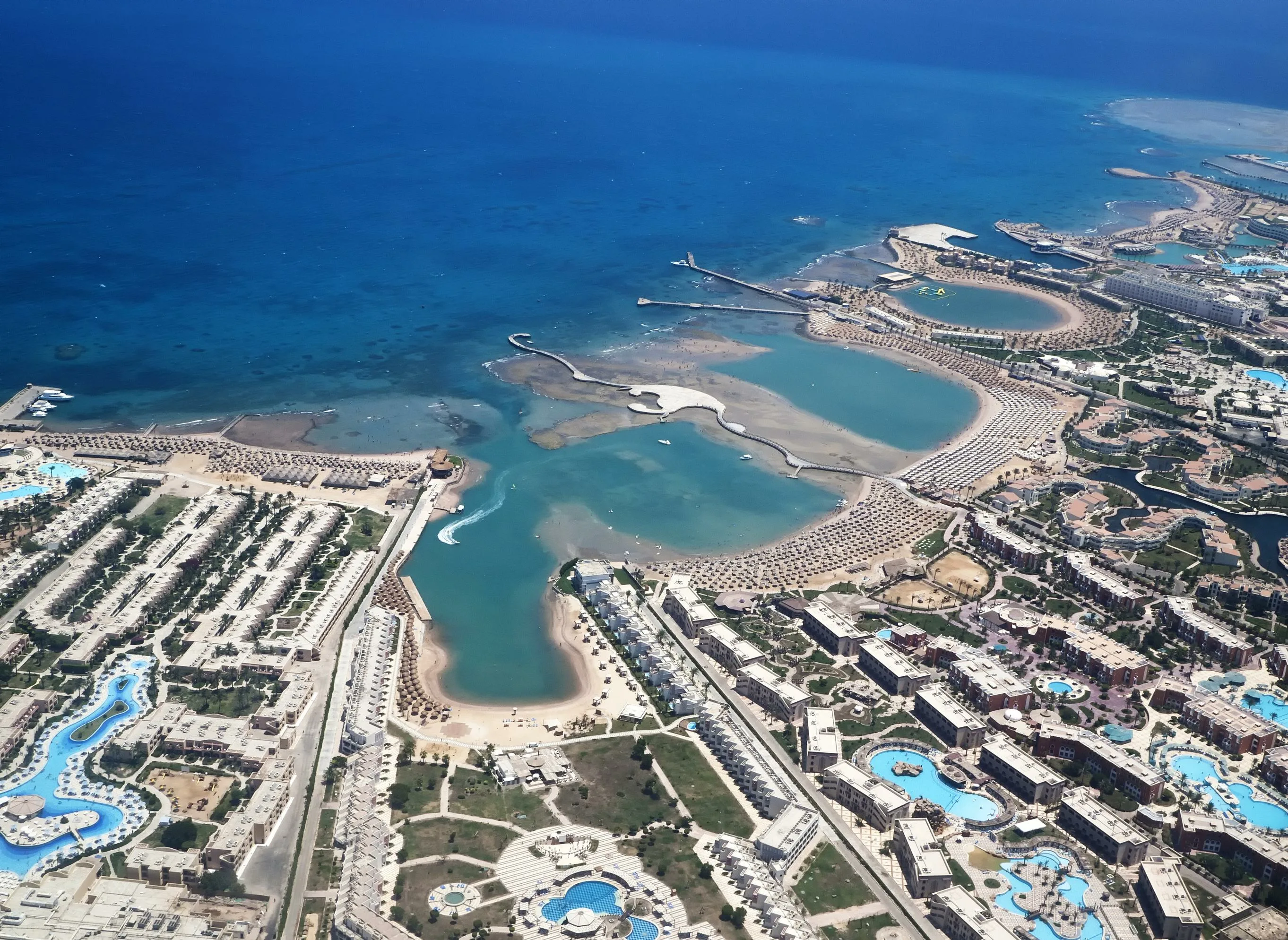
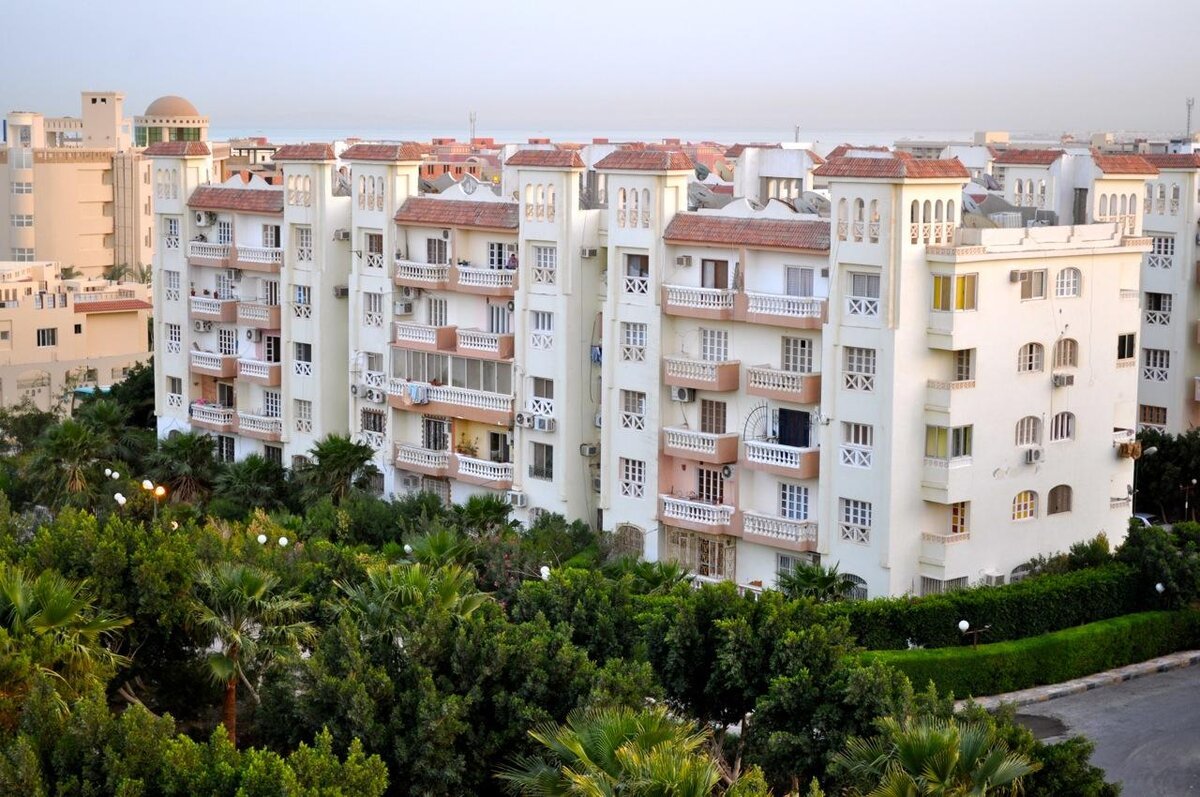
<p>Why is the maximum height of buildings in Hurghada limited to only five stories?</p>

There are several reasons for the restriction on building heights in Hurghada:

  1. Safety Concerns: Hurghada is located in the Red Sea's seismic belt, making it susceptible to earthquakes. Limiting building height reduces risks associated with seismic activity
  2. Proximity to the Airport: Hurghada International Airport is adjacent to residential areas, necessitating height restrictions to ensure flight safety and prevent obstruction
  3. Horizontal Urban Expansion: The city aims for horizontal growth in the desert rather than vertical development, preventing overcrowding and maintaining a balanced urban landscape
  4. Infrastructure Preservation: Many older neighborhoods near the coast were established before tourism and lack robust infrastructure. Tall buildings could strain these facilities
  5. Aesthetic Appeal: As a tourist destination, maintaining a visually appealing skyline is crucial. Random high-rise developments could disrupt the city's beauty
  6. Preserving Sea Views: Limiting building heights ensures that more properties have access to beautiful sea views, enhancing the overall experience for residents and visitors alike
0
Didn't find an answer to your question?

Contact us and we'll be happy to help you