Tourist Market Egypt
$ USD
$ USD USD Default
1 USD = 1.0000 USD
EUR EUR
1 USD = 0.8600 EUR
£ GBP British pound
1 USD = 0.7400 GBP
Filter by category:
<p>What are the general etiquette rules for hotel guests?</p>

1. General etiquette rules:

  • Be respectful of other guests and staff
  • Follow the hotel's rules and regulations
  • Tip appropriately for services rendered
  • Be mindful of your surroundings

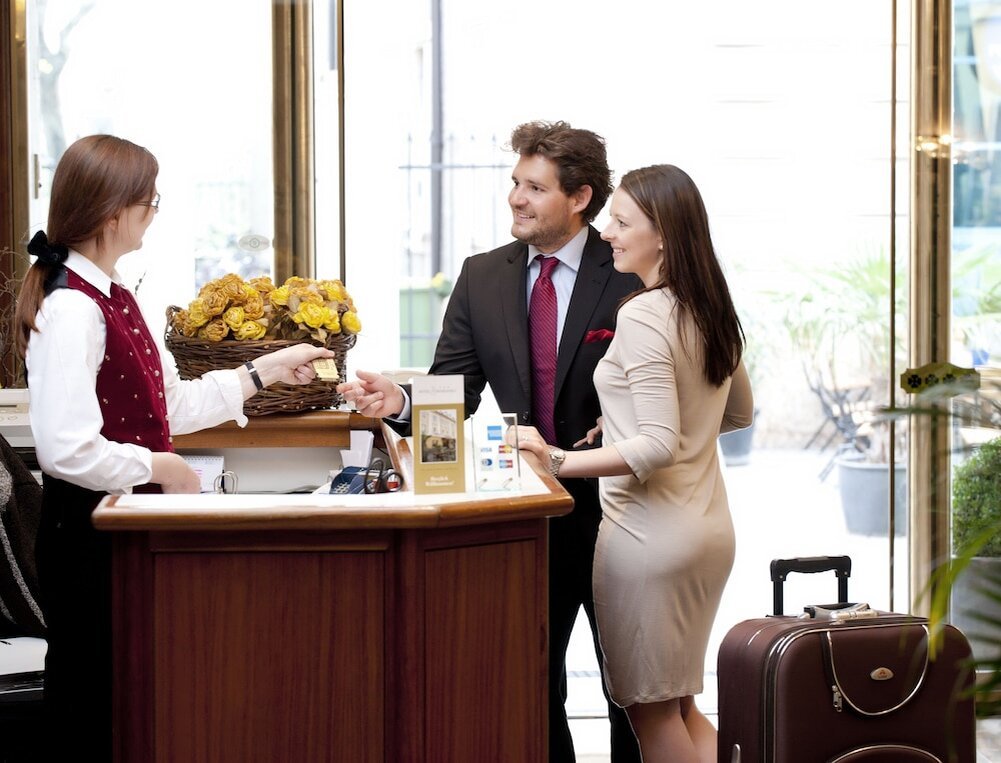
2. At Reception Desk:

  • Greet the staff politely upon entering
  • Wait patiently for your turn; do not interrupt
  • Thank the staff for their assistance
  • Avoid arguing or raising your voice

3. In the Lobby:

  • Keep noise levels down to maintain a peaceful atmosphere
  • Be mindful of personal space
  • Use the designated seating areas
  • Avoid blocking walkways with luggage or personal items

4. In the Restaurant:

  • Dress appropriately as per the restaurant's dress code
  • Wait to be seated if there's a host
  • Use polite language when ordering and thank the staff
  • Be mindful of your table manners

5. At the Bar:

  • Wait your turn at the bar and don't push ahead
  • Order drinks politely and thank the bartender
  • Drink responsibly and be respectful to other patrons

6. In the Room:

  • Keep noise to a minimum, especially during late hours
  • Keep your room tidy and avoid disturbing housekeeping
  • Respect the privacy of housekeeping staff
  • Follow hotel rules regarding smoking or pets

7. At the Beach:

  • Clean up after yourself and dispose of trash properly
  • Respect personal space and avoid crowding others
  • Be courteous when playing games or setting up equipment
  • Avoid loud music

8. At the Pool:

  • Follow posted rules regarding pool usage
  • Keep noise levels down and avoid disruptive behavior
  • Share pool space respectfully with other guests
  • Avoid splashing water on others

9. In the Gym:

  • Wipe down equipment after use
  • Be considerate of others waiting for machines or weights
  • Keep conversations quiet to maintain a focused atmosphere

10. At the Disco:

  • Dress appropriately and respect the venue's policies
  • Be polite to staff and fellow guests
  • Respect personal space on the dance floor

By following these etiquette rules, guests can contribute to a pleasant environment for themselves and others during their hotel stay.
1
<p><strong> If I check out at night, will I still be able to use the hotel&#x27;s services after checking out at 12:00?</strong></p><p><br></p><p><br></p><p><br></p>

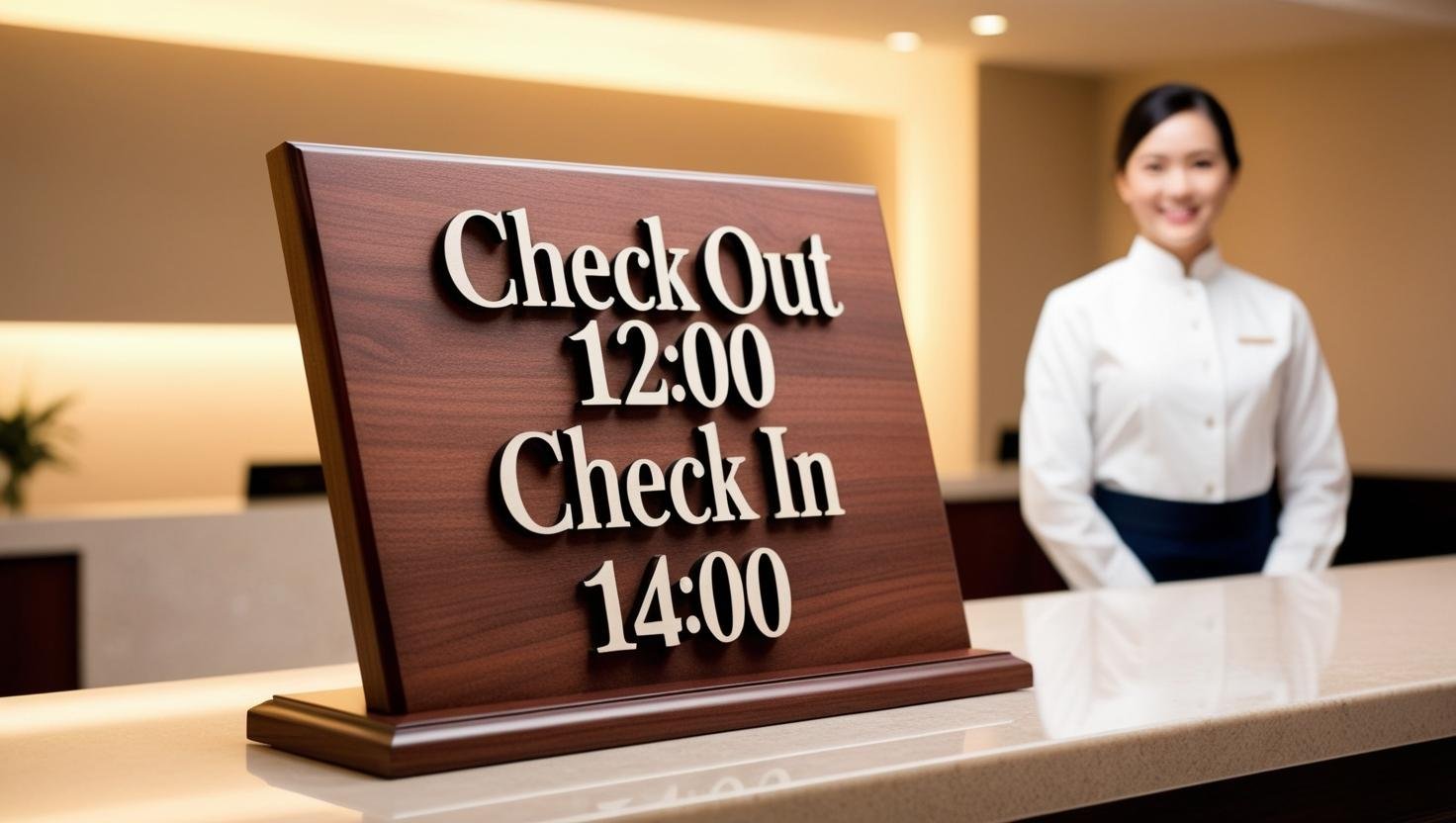
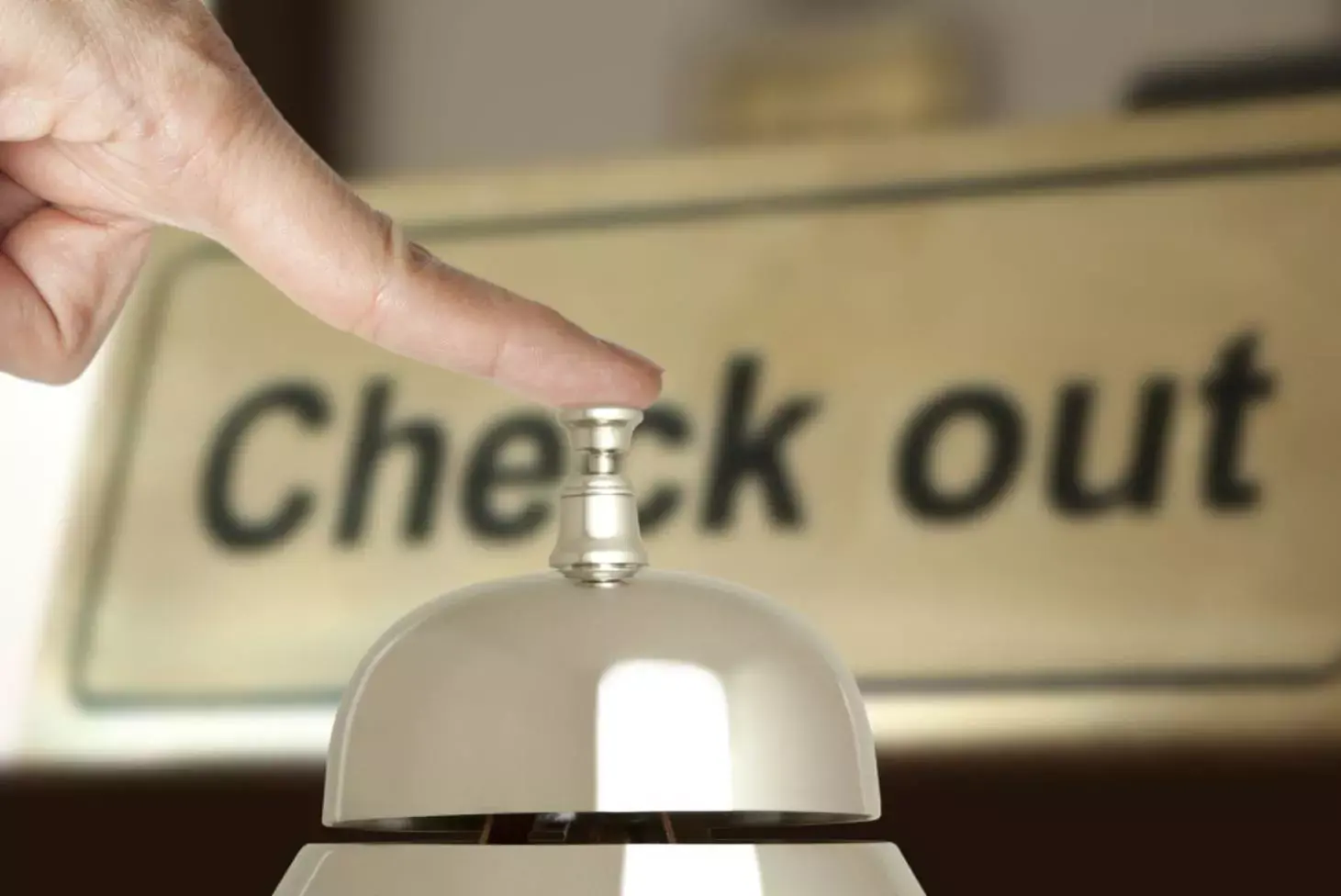
Most hotels in Hurghada and throughout Egypt have a standard check-out time of 12:00 p.m. After this time, you must vacate your room; however, many hotels allow guests to continue using amenities such as pools, beaches, bars, and restaurants until their departure.

  • Luggage storage: Hotels typically provide a secure place to store your luggage after check-out at no charge.
  • Wristband Access: At all-inclusive resorts, your wristband may remain valid for food and drinks until your transfer, although some hotels restrict this option. If you arrive after lunch and have missed that meal, hotels are required to include lunch in the cost of your stay on the day of your departure. It’s important to confirm this at the front desk when you check in or check out.
  • Late check-out option: If you’d like to keep your room until the evening, you can request a late check-out for an additional fee.
  • Practical tip: Always check with the front desk regarding meal substitution policies and access to amenities to avoid unpleasant surprises.


0
<blockquote><strong>Is it legal to use e-cigarettes (vapes) in public places and hotels in Egypt?</strong></blockquote><p><br></p><p><br></p>


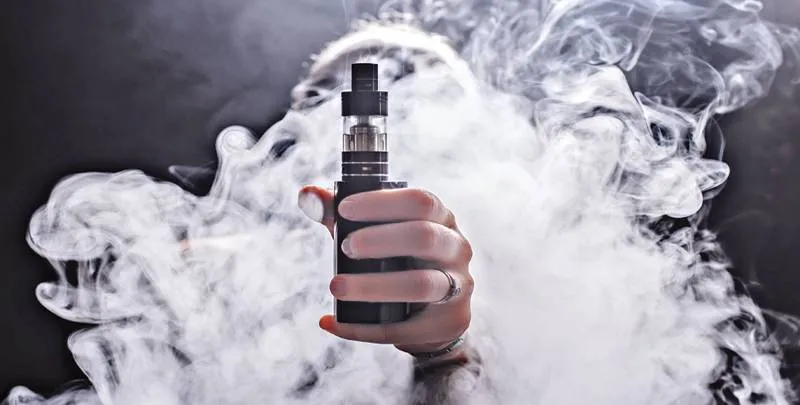
The use of e-cigarettes (vapes) in Egypt has been permitted by law since the Ministry of Health lifted the ban on their commercial import and sale. However, their use in public places and hotels is governed by strict rules, which largely mirror those for traditional cigarettes.

Below are the specific details on how to use a vape while in Egypt to avoid fines or unpleasant situations:

1. In hotels and tourist resorts

  • Inside hotel rooms: It is strictly prohibited to use e-cigarettes in non-smoking rooms. Most modern hotels are equipped with highly sensitive smoke detectors that can be triggered by dense vapor, which may result in a fine from the hotel management.
  • Indoor hotel areas: Smoking traditional or electronic cigarettes is completely prohibited in the lobby (at the front desk), hallways, and indoor restaurants.
  • Permitted Areas: You may vape freely on your room’s balcony, in open areas around the pools, on the beaches, and in designated smoking areas.

2. In Public Places and Institutions

In Egypt, laws prohibiting smoking in public and enclosed spaces are strictly enforced, and the same fines and penalties apply to e-cigarettes in accordance with Ministry of Health regulations:

  • Strictly prohibited: Vaping is completely prohibited inside government buildings, hospitals, schools, universities, and on public transportation (including the metro and airports).
  • Shopping Malls: Most large shopping malls prohibit vaping inside hallways or stores, although some provide designated smoking rooms.
  • Restaurants and Cafes: This depends on the type of establishment. Vaping is usually permitted in outdoor cafes and restaurants. However, in indoor, air-conditioned restaurants, you should always check with management before vaping, as many places prohibit it to ensure the comfort of other patrons.
Important Tips for Travelers:
  • Flights and Aviation: When entering Egypt, you must pack your vape device in your carry-on luggage (Hand Luggage) rather than in checked baggage (since it contains lithium batteries). You are also permitted to carry a reasonable amount of e-liquid for personal use through customs.
  • Public etiquette: It’s always best to avoid producing large clouds of vapor in crowded places or areas where children are present, so as not to cause inconvenience, and to vape discreetly.


0
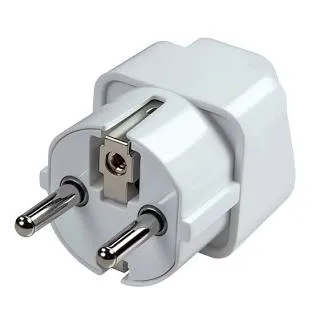
<p><strong>What type of electrical outlets are used in Egyptian hotels? Do I need an adapter?</strong></p><p><br></p>
Types of Outlets Used in Egypt

In Egypt, the standard electrical grid operates at 220 V and 50 Hz. There are two main types of outlets used in Egypt:

  • Type C: a standard European plug with two round prongs. This is the most common type of outlet in standard hotels and residential buildings.
  • Type E/F: These are also plugs with two round prongs, but with grounding contacts on the top and bottom (commonly known as “Schuko” plugs). They are widely used in modern, luxury international resorts.

Do I need an adapter?

  • If your devices use European plugs (types C, E, or F): no, you won’t need an adapter. You can plug your smartphone, laptop, and camera chargers directly into the outlets.
  • If you’re traveling from the UK, the US, Canada, or Australia (types G, A, B, or I): yes, you’ll definitely need a universal travel adapter compatible with the European two-pin configuration.
  • Note on voltage: If your devices are from North America (110 V), make sure they are labeled “Dual Voltage” (110–240 V). Most modern electronic devices handle this automatically, but high-power appliances, such as hair straighteners, may require a voltage converter.
Forgot your adapter? No problem! If you forgot to pack a travel adapter, there’s absolutely no need to worry. You can easily order one directly to your hotel through the delivery service available right here on our platform.


0
<p>Why is the typical hotel check-out time at 12 PM and check-in time at 2 PM?</p>

The standard check-out time at 12 PM and check-in time at 2 PM allows hotels sufficient time to prepare and clean rooms for incoming guests, especially in fully booked hotels. This two-hour window ensures that housekeeping can effectively prepare the room for new arrivals. If there are available rooms before 12 PM, hotels may offer early check-in for a fee, depending on their policies. Sometimes, they provide this service for free as a gesture of hospitality to enhance the guest experience. This system helps maintain smooth operations and high standards of cleanliness.

0
<blockquote>How can a tourist <strong style="color: rgb(0, 41, 102);"><span class="ql-cursor">get</span></strong> a good hotel room?</blockquote><p><br></p><p><br></p>

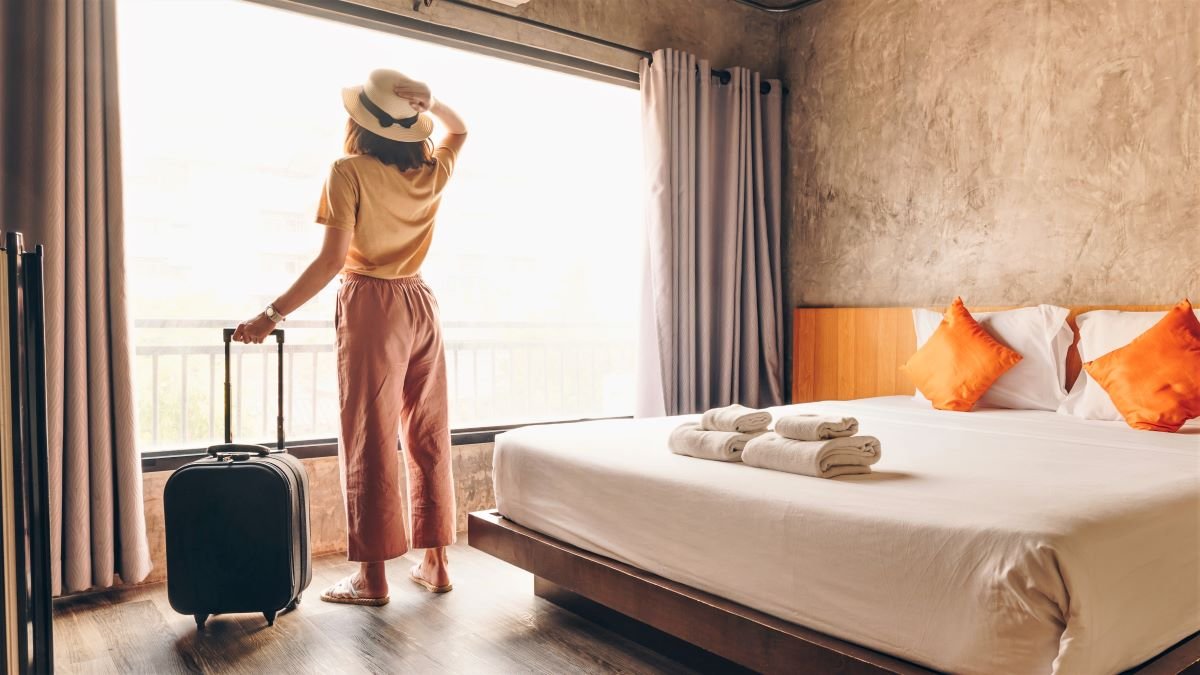
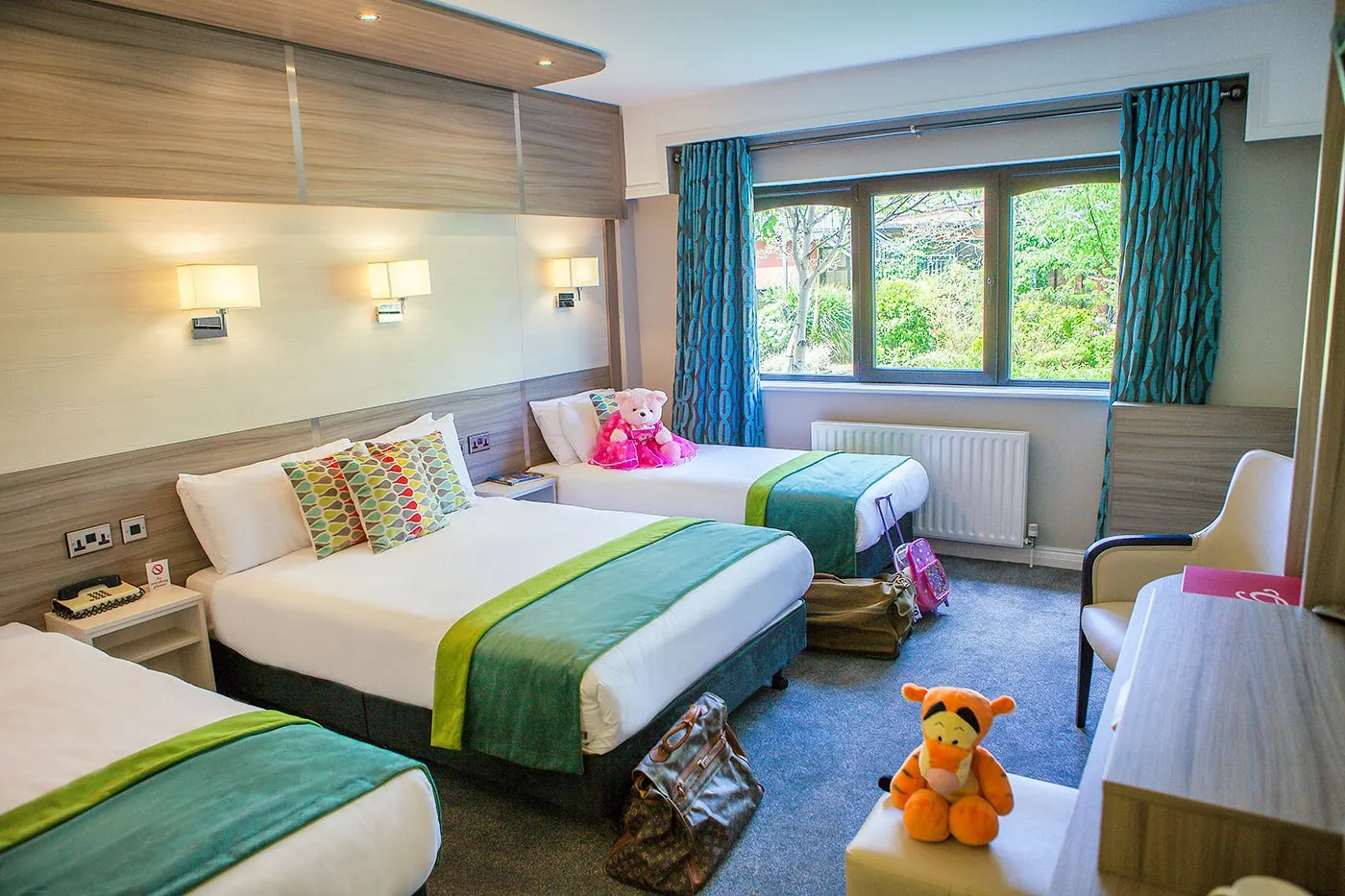
Getting a good hotel room often depends on how you communicate and plan your trip before arrival. One effective way is to contact the hotel directly after making your reservation: go to the official website and email the Guest Relations department, providing your reservation details and preferences. For example, you can request a room on a specific floor, in a specific building, or near friends or family who are staying at the same hotel. The Guest Relations department usually coordinates with the reservations and front desk teams to prepare a room that meets your requests.

If you weren’t able to contact them in advance, you can still improve your chances during check-in. Approach the front desk clerk politely and with a smile—a friendly attitude often helps staff find a better room for you. A small tip can also increase your chances of getting a more comfortable room or an upgrade.

If you’re not satisfied with the room you’ve been assigned, calmly ask the front desk manager to show you another option. Hotels generally strive to meet guests’ requests and maintain good reviews, so they’ll do their best to help.

In short, open communication, politeness, and a positive attitude are the keys to ensuring a pleasant stay.

0
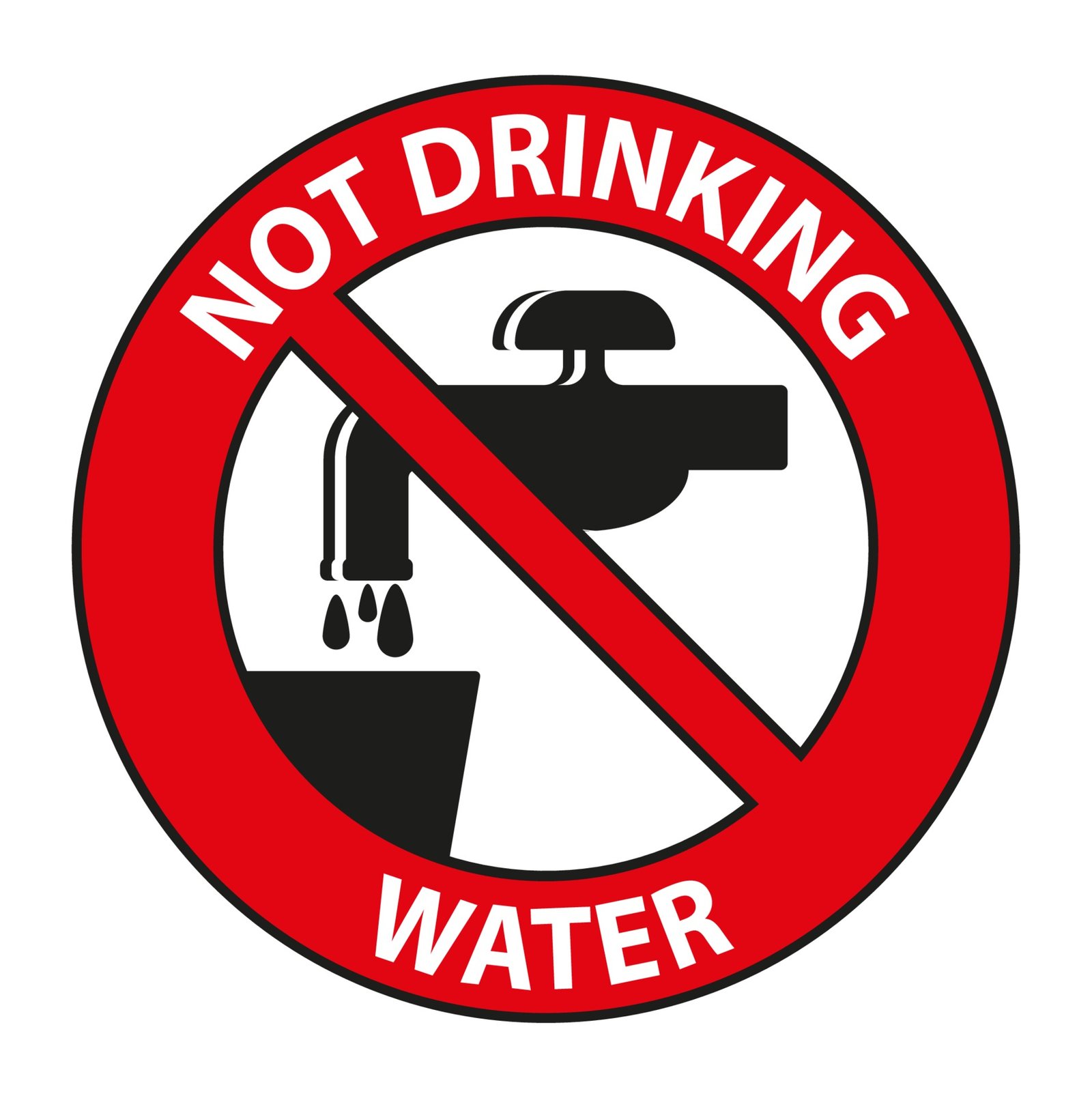
<p>Why is it prohibited to drink tap water in hotels?</p>

Drinking tap water in hotels, especially in places like Hurghada, is highly discouraged due to several safety and health concerns:

  • Water Source and Transportation: The freshwater supplied to Hurghada comes from the Nile River and is transported through metal pipes across long desert distances. These pipes are challenging to clean and maintain regularly, which can lead to contamination.
  • Storage System: The water is stored in large tanks for extended periods, potentially affecting its quality and purity.

Safe Water Practices During Your Stay:

  • Drinking and Hot Beverages: You must use bottled water (usually provided by the hotel) to fill the kettle. Even boiled tap water may not eliminate all microbes or remove existing impurities and minerals.
  • Oral Hygiene: It is advised not to use tap water for brushing your teeth; use bottled water instead.
  • Washing Fruits and Vegetables: You can initially wash them under the tap to remove dirt, but it is preferred to give them a final rinse with bottled water to ensure safety.
  • Bathing: Tap water is perfectly safe to use for bathing and personal hygiene purposes only.
Important Note on Water Conservation: Please conserve water and limit consumption as much as possible to protect the environment. Water is a scarce and precious commodity in such coastal desert environments where rainfall is rare. The region relies mainly on transporting water from distant areas or resorting to seawater desalination, which is a highly complex and expensive process.
0
<p>How can you protect your money and valuable belongings from theft while on vacation?</p>

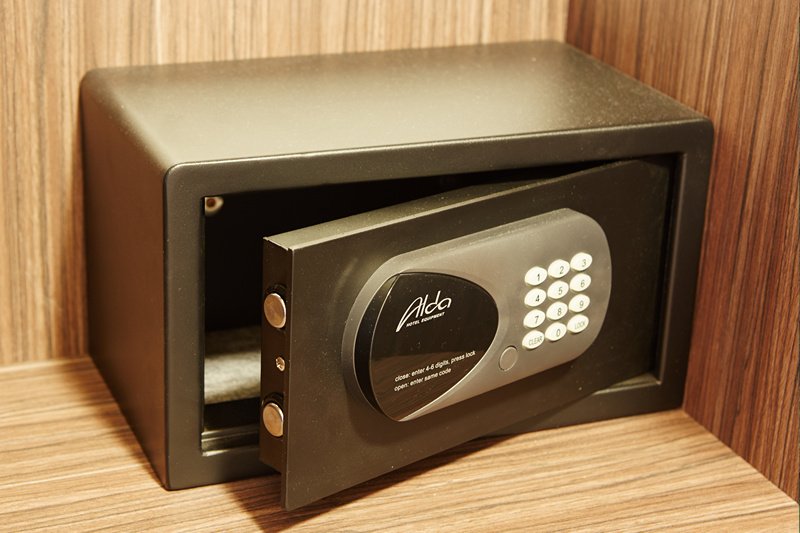
To keep your money and valuables safe during your vacation, it's important to use the hotel safe, which most hotels provide for free, either in your room or at the reception. As soon as you check into your room, set a personal password for the safe. If you encounter any issues accessing it, report the problem to the reception, not housekeeping. It's also wise to make a list of all items stored in the safe and, if possible, take photos of any cash. Before leaving your room, always double-check that the safe is locked properly and consider wiping any fingerprints from the buttons. Taking these precautions will help ensure your belongings remain secure.

0
<p><strong>What safety precautions should tourists always follow when swimming in the ocean?</strong></p>
  • Wear waterproof shoes. They’ll protect your feet from rocks and coral. You can usually find them in souvenir shops, and they’re inexpensive—only $5 to $8.
  • Never swim alone. Always keep someone nearby within sight.
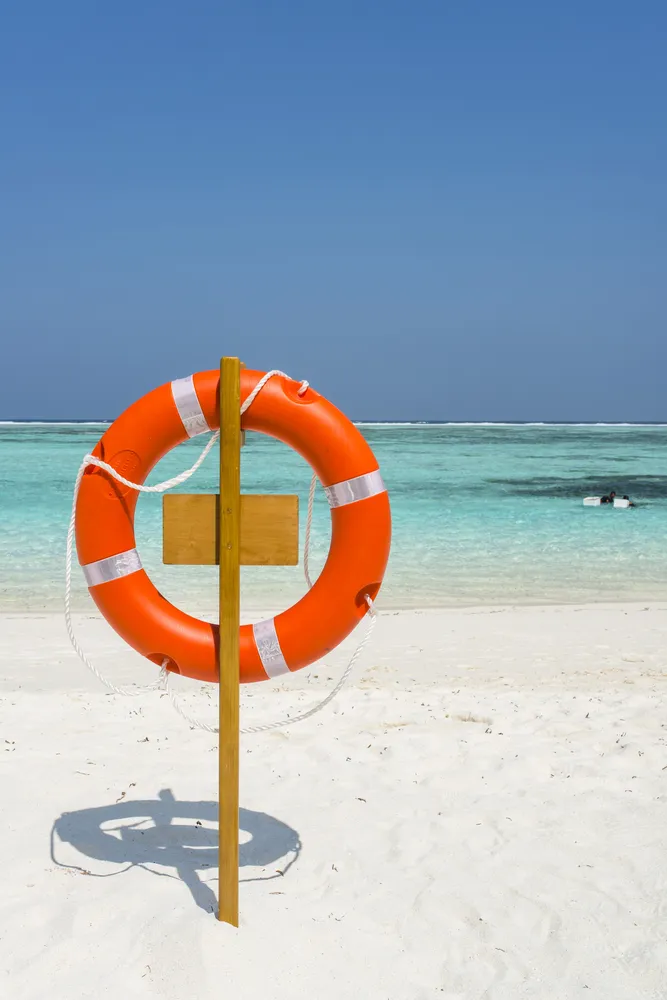
  • Stay within the designated swimming area. Hotels mark it with floating barriers.
  • Do not touch or approach marine life. Respect their personal space.
  • Follow the official pool hours. They are usually from 7:00 a.m. to 6:00 p.m. Lifeguards are on duty during these hours.
  • After swimming, take a shower with fresh water. Salt left on your skin can cause sunburn.
  • Check the weather conditions before entering the water. Avoid swimming in strong winds or currents.
  • Apply sunscreen regularly. Reapply it after swimming to prevent skin damage. Drink plenty of water. Drink water before and after swimming.
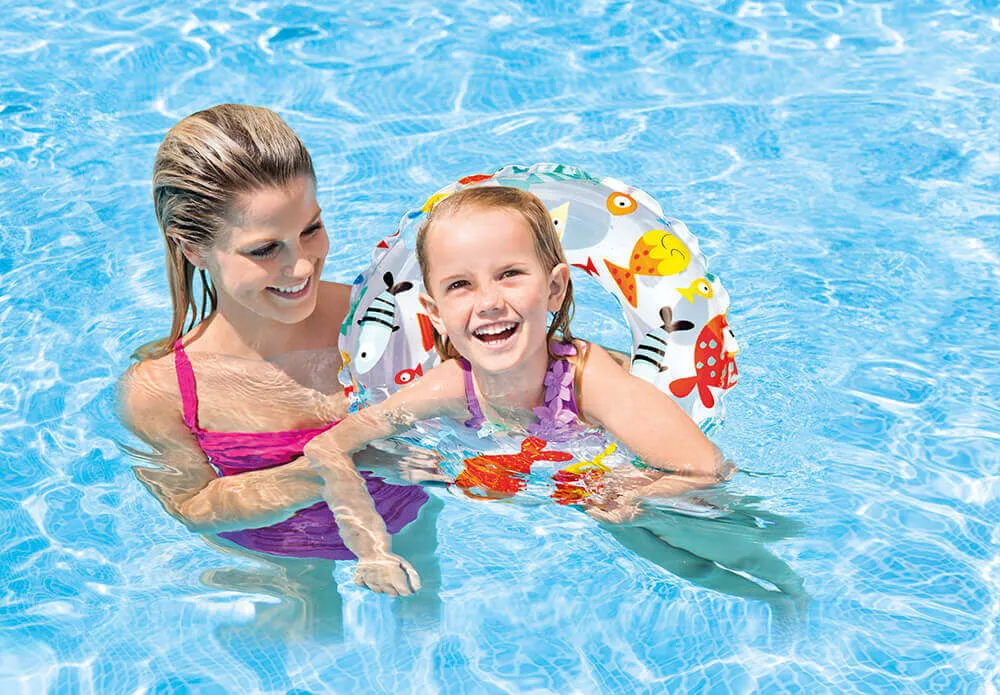
  • Keep a close eye on children. Make sure they wear life jackets when necessary.
  • Do not drink alcohol before swimming. It impairs alertness and reaction time.
  • Follow local rules and lifeguards’ instructions. They are designed for your safety.
  • Enter the water slowly. A sudden plunge can cause shock to the body.
  • Know your limits. Do not swim too far out or into deep water if you are inexperienced.
0
<p><strong>What safety precautions should tourists always follow when swimming in a hotel pool?</strong></p>
  • Be careful not to let pool water get into your mouth or swallow it. It contains large amounts of cleaning agents, such as chlorine.
  • After swimming, take a shower with fresh water. This will prevent skin irritation before sunbathing.
  • Follow the official pool hours set by the hotel. Lifeguards are usually on duty only during these hours.
  • Keep a close eye on children. Pools can be dangerous without constant supervision.
  • Avoid running near the pool. Wet surfaces are slippery and can cause accidents.
  • Wear appropriate swimwear. This helps maintain hygiene and comfort.
  • Do not dive into shallow water. Always check the depth before jumping in.
  • Do not allow food or drinks in the pool. This reduces the risk of contamination and helps keep the area clean.
  • Follow the lifeguards’ instructions. They are trained to protect guests.
  • Avoid swimming after a heavy meal or after drinking alcohol. Both can impair your alertness and increase the risk of accidents.
  • Use sunscreen even when you’re by the pool. Water reflects sunlight and increases your exposure to the sun.
  • Drink plenty of bottled water. The heat and swimming can lead to dehydration.
  • Report any issues, such as broken tiles or slippery steps, to the hotel staff.
0
<p><strong><em>What safety precautions should tourists always follow when staying in a hotel room?</em></strong></p>
  • Lock your doors and windows: Always latch the front door and check the balcony doors and windows.
  • Use the hotel safe: Keep your passports, money, and electronic devices in the safe; do not leave them in your room.
  • Practice good hygiene: Wash your hands frequently and sanitize them after touching shared surfaces, such as remote controls, doorknobs, or light switches.
  • Check electrical appliances: Avoid overloading outlets with multiple chargers and report any faulty devices.
  • Avoid smoking indoors: This will prevent fire hazards and comply with hotel policies.
  • Check the contents of the minibar: make sure that food and beverages are fresh and stored properly.
  • Ensure proper ventilation: use the air conditioner or open windows to prevent humidity and discomfort.
  • Report any problems immediately: broken locks, leaks, or damaged furniture must be reported right away.
  • Keep an eye on children: Keep them away from balconies, sharp edges, and electrical outlets.
  • Familiarize yourself with emergency exits: learn the evacuation routes and keep the hotel’s contact number handy.
  • Replacing a Lost Key Card: If you lose your electronic room key, contact the front desk directly, have your old code deactivated, and request a new card to prevent unauthorized access.
  • Keep your room number confidential: Do not share your room number with strangers; this reduces the risk of theft or unwanted attention.
  • Check your room before checking out: Experienced travelers recommend inspecting all drawers, closets, electrical outlets, and the space under the bed to ensure you haven’t left any valuables behind.


0
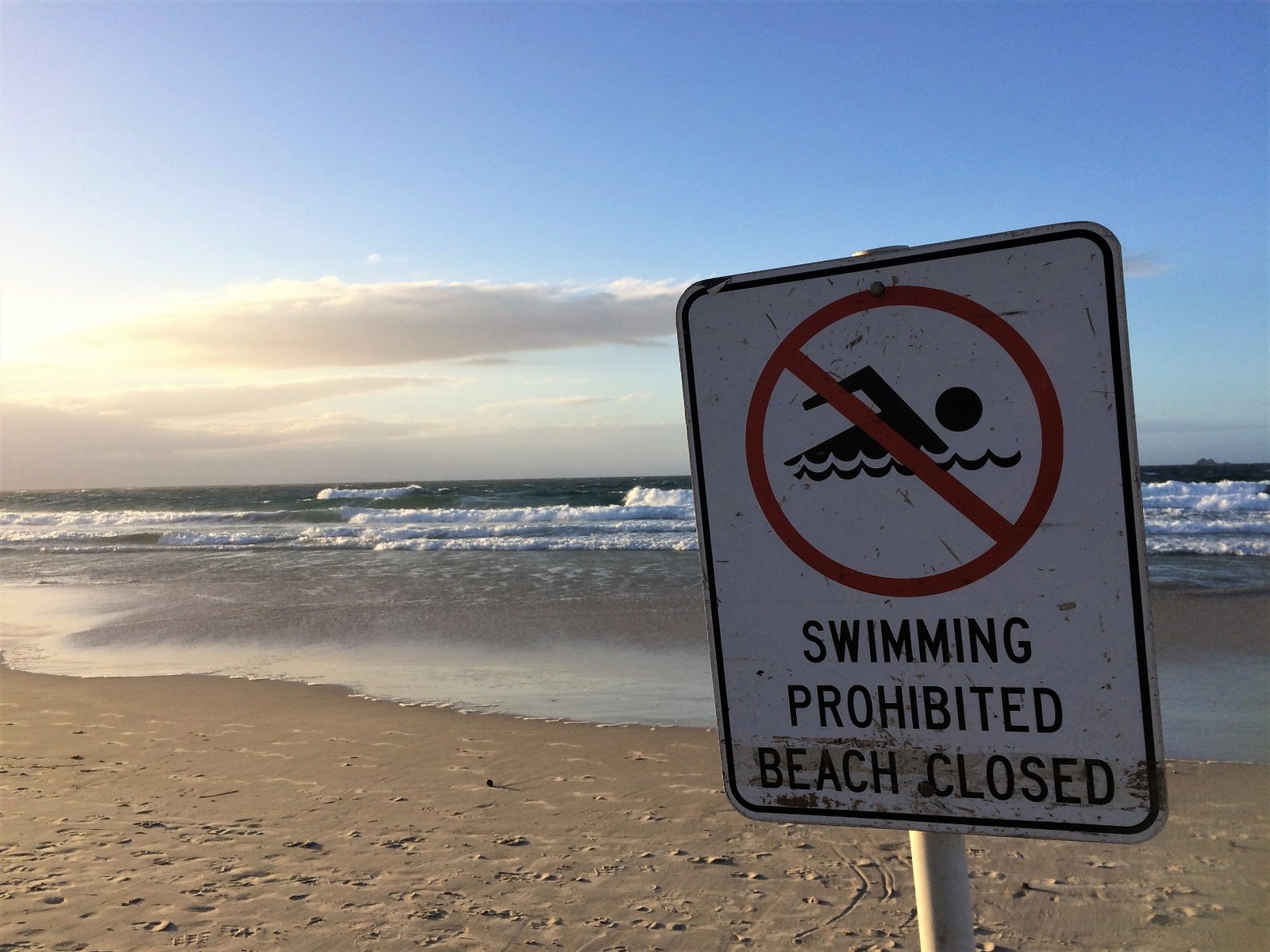
<p>Why is swimming prohibited in the sea and hotel swimming pools after sunset?</p>

Swimming is prohibited in the sea after sunset mainly due to safety concerns. At night, certain marine creatures become active, and swimming in darkness can pose risks to swimmers. These creatures may be dangerous, and visibility is significantly reduced, making it hard to see potential hazards. In hotel swimming pools, swimming is restricted after sunset because chemicals, such as chlorine, are often added to the water at night. These chemicals can be harmful to the skin if swimmers are exposed to them before they properly dissolve and interact with the water. Overall, swimming is banned in both settings during the evening for safety reasons, particularly due to the absence of lifeguards who are typically on duty during the day to respond to emergencies.

0
<p><strong><em>How can tourists politely avoid pushy vendors on the hotel beach without offending them, while still enjoying their vacation in peace?</em></strong></p>

A Friendly Rejection: Smile and calmly say, “No, thank you.” A polite but firm response will deter potential customers without causing offense.

Body language: Avoid prolonged eye contact and focus your attention on the ocean or your book. Salespeople often interpret attention as interest.

Use guest-only areas: Many resorts have designated areas reserved exclusively for guests, where salespeople are not allowed. Staying in these areas minimizes interruptions.

Ask staff for help: If a salesperson is persistent, discreetly let the beach staff or lifeguards know. Hotels usually have policies in place to ensure guest comfort.

Time-of-day strategy: Vendors are most active around noon. Early morning or late evening are quieter and more relaxing times.

Distraction tactic: Wearing headphones and sunglasses signals that you’re not ready to talk, while also protecting your eyes from the sun.

Polite interaction: If someone approaches you, briefly greet the vendor before returning to what you were doing. This shows respect and brings the interaction to a close.

Learn local phrases: Simple expressions in the local language, such as “No, thank you” or “I’m fine,” are effective and are received positively.

Be consistent: By repeating the same polite refusal each time, you’ll avoid confusion and set clear boundaries.

Red flag: Most hotels have a red flag at the towel station. According to hotel policy, if you stick it in the sand next to you, it means that vendors offering towels are not allowed to approach you or speak to you.

Maintain a balance of enjoyment: Focus on your beach vacation—the sun, the sea, and relaxation—rather than on distractions, and keep a positive attitude.

0
<p>What are the circumstances under which a hotel has the right to terminate a guest's stay and request them to leave?</p>

A hotel cannot evict a guest as long as they adhere to the terms of the contract, comply with the hotel's regulations, and do not engage in any legal violations according to the laws of the country where the hotel is located. Therefore, a guest has the right to stay in the hotel for as long as they wish, provided they pay for their accommodation. However, the hotel may terminate a guest's stay in the following circumstances:

  1. Intoxication: If a guest is intoxicated to the extent that they lose control and begin to disturb other guests
  2. Physical Altercations: In cases of physical fights between guests that threaten the safety and security of others
  3. Verbal Harassment: If a guest repeatedly engages in verbal harassment towards other guests
  4. Property Damage: If a guest intentionally causes damage to hotel property

In all cases, the hotel must call the tourism police and prepare an official report documenting the situation that necessitates the eviction decision.

1
Didn't find an answer to your question?

Contact us and we'll be happy to help you