1 – The Temple of Dendara
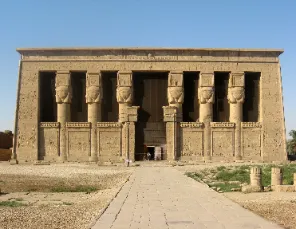
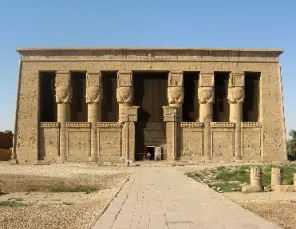
Dendara Temple is an Ancient Egyptian temple located in Qena, 65 km north of Luxor, on the west bank of the Nile River. It is considered one of the best-preserved temples in Egypt. The temple was dedicated to the goddess Hathor, the Ancient Egyptian goddess of love, beauty, music, and fertility.
The temple dates back to the Ptolemaic period (around 300 BC), with some parts from the New Kingdom period. The complex covers about 40,000 square meters, surrounded by a massive mudbrick enclosure wall.
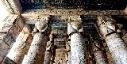
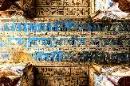
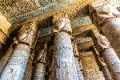
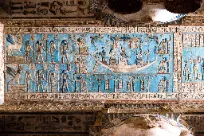
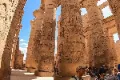
The main temple is renowned for its beautifully preserved reliefs and inscriptions, depicting scenes from Egyptian mythology and religious practices. The hypostyle hall, supported by 24 columns decorated with Hathor’s face, is the most famous part of the temple.
The Dendara complex also includes several chapels, a birth house, a sacred lake, and a Nilometer used to measure the Nile’s water level. It is a UNESCO World Heritage Site and a popular destination for visitors to Egypt.
Visiting Dendara Temple offers a unique insight into Ancient Egyptian religious beliefs and architectural mastery, leaving visitors in awe of the civilization’s achievements.
2 – The Karnak Temple
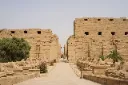
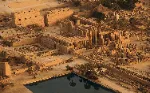
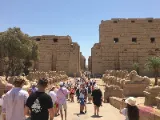
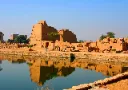
The Karnak Temple Complex in Luxor is one of Egypt’s largest and most impressive temple complexes, with a history spanning over 4,000 years. Karnak served as a place of worship for multiple pharaohs and deities.
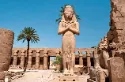
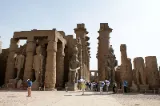
Dedicated primarily to Amun, the complex also includes temples for Mut and Khonsu. The site showcases towering columns, massive statues, and intricate hieroglyphs, reflecting Ancient Egypt’s artistic and architectural achievements.
The Great Hypostyle Hall, with 134 massive columns over 70 feet high, is a highlight. The complex also includes the Precincts of Amun-Re, Mut, and Montu, each offering unique insights into religious practices.
Visiting Karnak is a journey through Ancient Egyptian history, allowing visitors to marvel at the civilization’s architectural feats and devotion to its gods.
3 – The Valley of the Kings
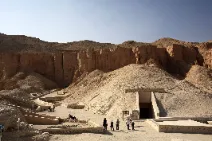
The Valley of the Kings in Luxor served as the burial ground for pharaohs and nobles of the New Kingdom (16th–11th century BC). It houses over 60 tombs, including those of Tutankhamun, Ramesses II, and Hatshepsut.
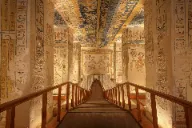
Tombs feature elaborate wall paintings depicting the pharaohs’ lives and journeys to the afterlife. The tomb of Tutankhamun, discovered by Howard Carter in 1922, revealed a royal burial with priceless artifacts, including the famous golden mask.
The site provides insight into Ancient Egyptian beliefs and burial practices. Not all tombs are open simultaneously to protect the artwork, but the accessible tombs showcase exquisite artistry and craftsmanship.
Visiting the Valley of the Kings is an unforgettable experience, with a mysterious landscape and remarkable archaeological heritage.
4 – The Colossi of Memnon
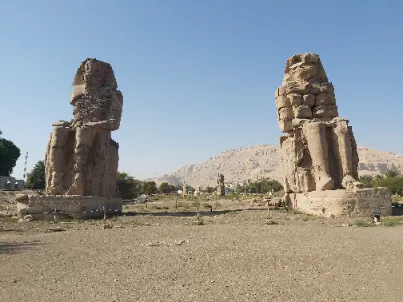
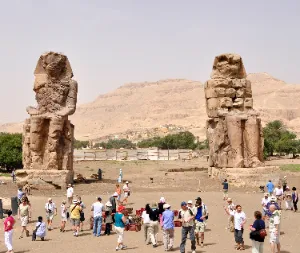
The Colossi of Memnon are two massive stone statues of Pharaoh Amenhotep III, located in the Theban Necropolis, Luxor. They date back to the 14th century BC and originally guarded the entrance to Amenhotep III’s mortuary temple.
Standing at around 60 feet tall, the statues depict the pharaoh seated on his throne, wearing royal regalia. According to legend, they were named after Memnon, a hero from Greek mythology. Ancient myths claimed the statues emitted sounds at dawn, believed to be Memnon mourning his mother.
Today, the Colossi of Memnon remain a symbol of Ancient Egyptian grandeur, attracting visitors from around the world.
5 – Nile Boat Tour
Enjoy a magical felucca boat ride along the Nile River in Luxor, offering a serene journey through history.
Drift along the tranquil waters, past lush riverbanks, picturesque villages, and historic landmarks. Immerse yourself in the sights and sounds of ancient Egypt, experiencing the timeless allure of the Nile.
This tour provides a unique perspective of Luxor, blending history, beauty, and adventure for an unforgettable experience.

 Deutsch
  English
  Français
  Русский