

Building a House in Egypt: 7 Reliable and Best Guidelines
Building a house in Egypt is the process of constructing a residential property within the country, covering all stages from design to completion and commissioning. It is a complex task that requires careful planning and an understanding of local specifics. Successful house construction in Egypt depends on many factors, including legal regulations and cultural considerations.
Building a House in Egypt: Main Stages and Key Features
Building a house in Egypt is a multi-stage process that begins long before the first stone is laid. It involves not only the physical construction of walls but also a thorough understanding of local legislation, cultural norms, and economic realities. Understanding these stages is critically important for any investor or individual wishing to build a home in this unique country.
The first step is always thorough research into the real estate market and legal framework. Egypt has specific laws regarding land ownership and construction, particularly for foreign nationals. Therefore, before taking any action, it is necessary to obtain qualified legal advice. This will help avoid costly mistakes and delays in the future.

Planning and Preliminary Preparation
During the planning stage, the main parameters of the future house, its location, and its intended use are determined. It is important to take Egypt's climatic conditions into account, such as high temperatures and sandstorms. The design should include efficient air-conditioning systems and protection against dust.
- Determining the budget and sources of financing.
- Choosing the region and specific plot of land.
- Studying local building codes and regulations.
In addition, this stage requires establishing contacts with local architects and construction companies. Their experience and knowledge of regional specifics can be invaluable. For example, many companies offer turnkey services, from design to final handover, which can significantly simplify the process for a foreign investor.
Choosing a Plot and Legal Aspects
Choosing a suitable plot is one of the most important decisions when planning building a house in Egypt. The location affects not only the cost but also living convenience, access to infrastructure, and potential investment appeal. Egypt has different types of land, and not all of them are available for purchase by foreigners or eligible for development.
The legal aspects of land ownership in Egypt can be complex. Foreign nationals may own property in certain areas, such as tourist resorts or new cities. However, there are restrictions regarding plot size and the number of properties. In some cases, for example, approval from government authorities is required to purchase land.
Checking the Legal Status of the Land
Before purchasing a plot, its legal status should be thoroughly checked. This includes reviewing ownership documents, confirming the absence of encumbrances, and verifying that all necessary construction permits are available. Assistance from a local lawyer specializing in land law is often required. This ensures transparency in the transaction.
- Checking the ownership certificate.
- Reviewing zoning and the permitted use of the land.
- Confirming the availability of utilities (water, electricity, sewage).
It is also important to understand that Egypt has a property registration system that may differ from those familiar in other countries. All transactions should be registered with the relevant government authority to ensure legal protection of property rights. Failure to follow these procedures can lead to serious problems in the future. For more information about Egypt, you can visit our About Us page.
Design and Obtaining Permits
After selecting the plot and resolving the legal issues, the design phase and process of obtaining the necessary permits begins. The architectural design must comply not only with your personal preferences but also with local building codes and regulations. This is particularly important given Egypt's hot climate, which requires special ventilation and thermal insulation.
Obtaining permits for building a house in Egypt is a bureaucratic process that can take considerable time. It involves submitting an application to local authorities, providing design documentation, and completing various approval procedures. It is important to work with an experienced architect who is familiar with local requirements and can communicate effectively with government authorities.
Stages of Obtaining Permits
The permitting process usually involves several key stages. First, a preliminary design is submitted, and after its approval, a detailed working design is prepared. Each stage requires approval from different authorities, such as the urban planning department, fire service, and environmental authorities. This can be a lengthy process.
- Development of the architectural design.
- Obtaining preliminary approval from local authorities.
- Development of the working design and engineering utilities.
- Submission of the complete documentation package for the building permit.
Delays at this stage may be caused by incomplete documentation or failure of the project to comply with local regulations. Therefore, it is extremely important to pay close attention to every requirement and seek professional assistance when necessary. For example, while waiting for permits, you could consider an excursion to Paradise Island.
Choosing a Contractor and Quality Control
Choosing a reliable contractor is a key factor in the success of building a house in Egypt. The qualifications and experience of the construction company determine not only the quality of the work but also compliance with the project schedule and budget. There are many construction companies in the Egyptian market, but they do not all have the same level of professionalism and reputation.
When choosing a contractor, carefully check their portfolio, customer reviews, and financial stability. It is advisable to visit completed projects to personally assess the quality of their work. It is also important to make sure that the company has all the necessary licenses and permits to carry out construction activities in Egypt.
Project Management and Quality Control
After selecting a contractor, an effective project management and quality control system should be established. This includes regular meetings with the contractor, monitoring the progress of the work, and checking compliance with the project documentation. Independent construction supervision can be very useful for ensuring that all standards are followed.
- Preparing a detailed contract with the contractor.
- Establishing a payment schedule linked to the completion of construction stages.
- Regular site inspections by independent experts.
It is also important to establish mechanisms for resolving disputes that may arise during construction. Clearly defined contractual terms can help prevent misunderstandings and conflicts. For example, many successful projects in Egypt use third-party consultants to monitor quality. Moreover, those interested in Egyptian culture can consider a private three-day trip to Cairo to better understand the local context.
Construction Materials and Technologies
The choice of construction materials and technologies plays an important role in the durability and energy efficiency of a house, especially when building a house in Egypt. Given the hot climate, preference should be given to materials that provide good thermal insulation and resistance to high temperatures. Local materials are often more affordable and better adapted to regional conditions.
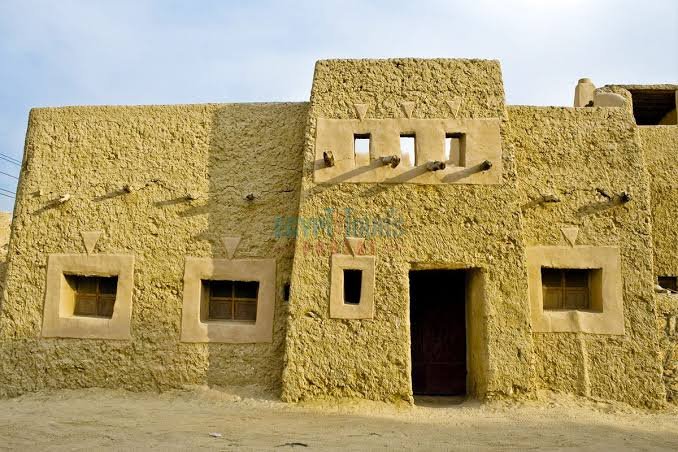
Traditional Egyptian construction methods can be highly effective. For example, using thick stone or brick walls helps keep interiors cool. Modern technologies also offer solutions such as energy-efficient windows, solar panels, and rainwater collection systems, which can significantly reduce operating costs. Discussing these options with the architect and contractor is essential.
Innovative Solutions for a Hot Climate
Using innovative solutions can significantly improve living comfort and reduce environmental impact. For example, ventilated facades or green roofs can help regulate the temperature inside a building. Smart home systems can also optimize energy consumption by controlling lighting and air conditioning.
- Using local, environmentally friendly materials.
- Applying effective thermal insulation systems.
- Integrating renewable energy sources.
- Installing modern water supply and sewage systems.
It is important to remember that the quality of materials directly affects the lifespan of the house and its performance. Therefore, you should not cut costs on key structural elements. For example, high-quality concrete and reinforcing steel should be used to ensure the durability of the foundation. More information about local specifics can be found by visiting Wikipedia.
Common Mistakes and How to Avoid Them
Building a house in Egypt, as in any other country, involves certain risks and potential mistakes. Knowing these pitfalls in advance can help prevent costly problems and delays. One of the most common mistakes is underestimating bureaucratic procedures and the time required to complete them. The Egyptian administrative system can be slow and requires considerable patience.
Another common mistake is choosing an unreliable contractor. A low price does not always mean a good deal; it can often result in poor-quality work, the use of inferior materials, or even an unfinished project. The absence of a clear contract or insufficient supervision by the client can also cause serious problems. Always check the contractor's reputation and licenses.
How to Minimize Risks
Several preventive measures should be taken to minimize risks. First, always seek legal assistance from local professionals. They can help you understand the details of the legislation and properly prepare all documents. Second, conduct regular site inspections rather than relying solely on the contractor's reports.
- Underestimating project costs and hidden expenses.
- Lack of detailed planning and design.
- Ignoring local cultural and climatic conditions.
- Insufficient quality control of materials and workmanship.
It is also important to have a reserve budget for unforeseen expenses that may arise during construction. This will help prevent financial difficulties if problems occur. For example, those who enjoy active leisure can consider a trip to Orange Island to take a break from the stress of construction.
Financial Aspects and Budget Planning
Financial planning is the foundation of successful building a house in Egypt. Without a clear understanding of all costs, the project can quickly exceed the budget, leading to delays or even a halt in construction. The budget should include not only direct construction costs but also expenses for purchasing land, legal services, permits, taxes, and unforeseen expenses.
Construction costs in Egypt can vary significantly depending on the region, quality of materials, project complexity, and selected contractor. It is important to obtain several quotes from different construction companies and analyze them carefully. Do not forget about hidden costs such as utility connections, landscaping, and interior finishing.
Detailed Cost Calculation
For effective budget management, it is recommended to prepare a detailed breakdown of all possible costs. This will help control expenses at every stage of construction and adjust plans in a timely manner. It is also useful to maintain a financial reserve of 10–15% of the total project cost for unforeseen circumstances. This provides a financial safety cushion.
- Cost of purchasing the land and processing documents.
- Costs of design and obtaining permits.
- Expenses for construction materials and labor.
- Payment for the contractor and subcontractors.
- Costs of connecting to utility networks (water, electricity, sewage).
- Taxes and fees related to the property.
- Costs of landscaping and site development.
- Unforeseen expenses (reserve fund).
It is also important to consider currency fluctuations if you are financing the project from abroad. These can affect the overall construction cost. Those interested in investment in Egypt should study local economic trends. For example, you can learn more about the country by visiting the Official Information Portal of Egypt. In addition, to better understand the local culture and economy, you can take a one-day trip to Luxor and Dendera.
Frequently Asked Questions About Building a House in Egypt
Can foreigners own land for building a house in Egypt?
Yes, foreigners can own land in certain areas of Egypt, particularly in tourist zones and new cities. However, there are restrictions regarding plot size and the number of properties. Legal consultation is always required.
How long does it take to obtain a permit for building a house in Egypt?
The permit process can take several months to a year, depending on the complexity of the project and the efficiency of local administrative procedures. It is important to be prepared for bureaucratic delays.
What are the main stages of building a house in Egypt?
The main stages include selecting a plot, completing the legal procedures, designing the property, obtaining permits, choosing a contractor, carrying out the construction, and commissioning the property. Each stage requires careful supervision.
What materials are best for building a house in Egypt?
Materials that provide good thermal insulation and resistance to the hot climate are recommended, such as thick brick or stone walls. Modern energy-efficient technologies are also effective.
How do you choose a reliable contractor for building a house in Egypt?
Choose a contractor with a good reputation, a proven portfolio, and the necessary licenses. It is recommended to visit completed projects and obtain feedback from previous clients. For active leisure and relaxation, you can consider a diving trip.
What risks are associated with building a house in Egypt?
The main risks include bureaucratic delays, choosing an unreliable contractor, underestimating the budget, and failing to comply with local regulations. Careful planning and legal support help minimize these risks.
Is a local lawyer needed for building a house in Egypt?
Yes, it is strongly recommended to hire a local lawyer specializing in real estate. They can help with document verification, transaction procedures, and obtaining permits, ensuring the legal integrity of the process. To get acquainted with the city, you can take a Hurghada city tour.
Conclusion
Building a house in Egypt is a complex but entirely feasible project that requires careful planning and a deep understanding of local specifics. The success of the project depends on choosing the right plot, a reliable contractor, and proper legal support. By taking all these factors into account, it is possible to build your dream home in this fascinating country.
Do not forget the importance of detailed financial planning and monitoring at every stage. Start your journey toward owning your own home in Egypt today by carefully studying all aspects and securing professional support.