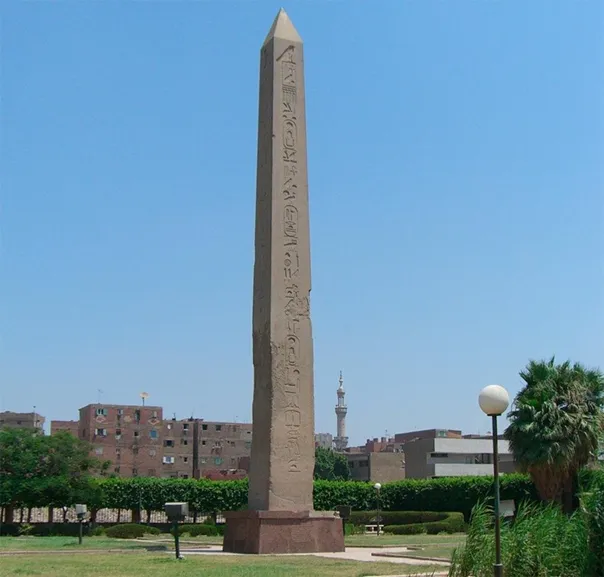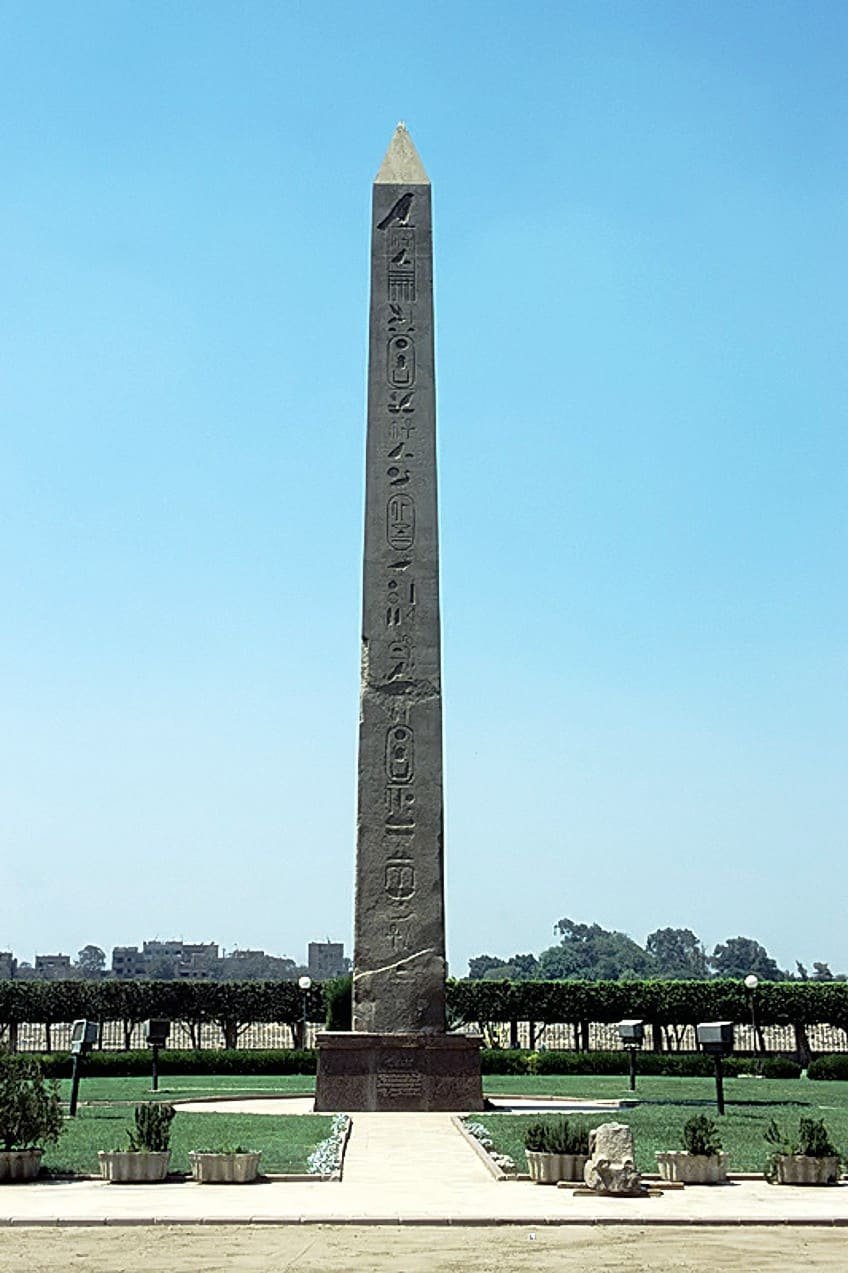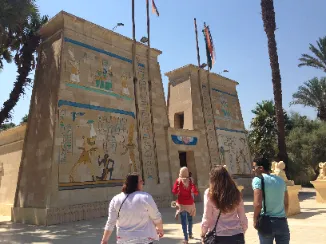

The obelisk of King Senusret I, located in the Al-Matariyyah neighborhood of Cairo, is a magnificent ancient monument that stands as a testament to Egypt's rich history and the grandeur of its pharaohs. This obelisk, crafted from pink granite from Aswan quarries, soars to a height of approximately 20...
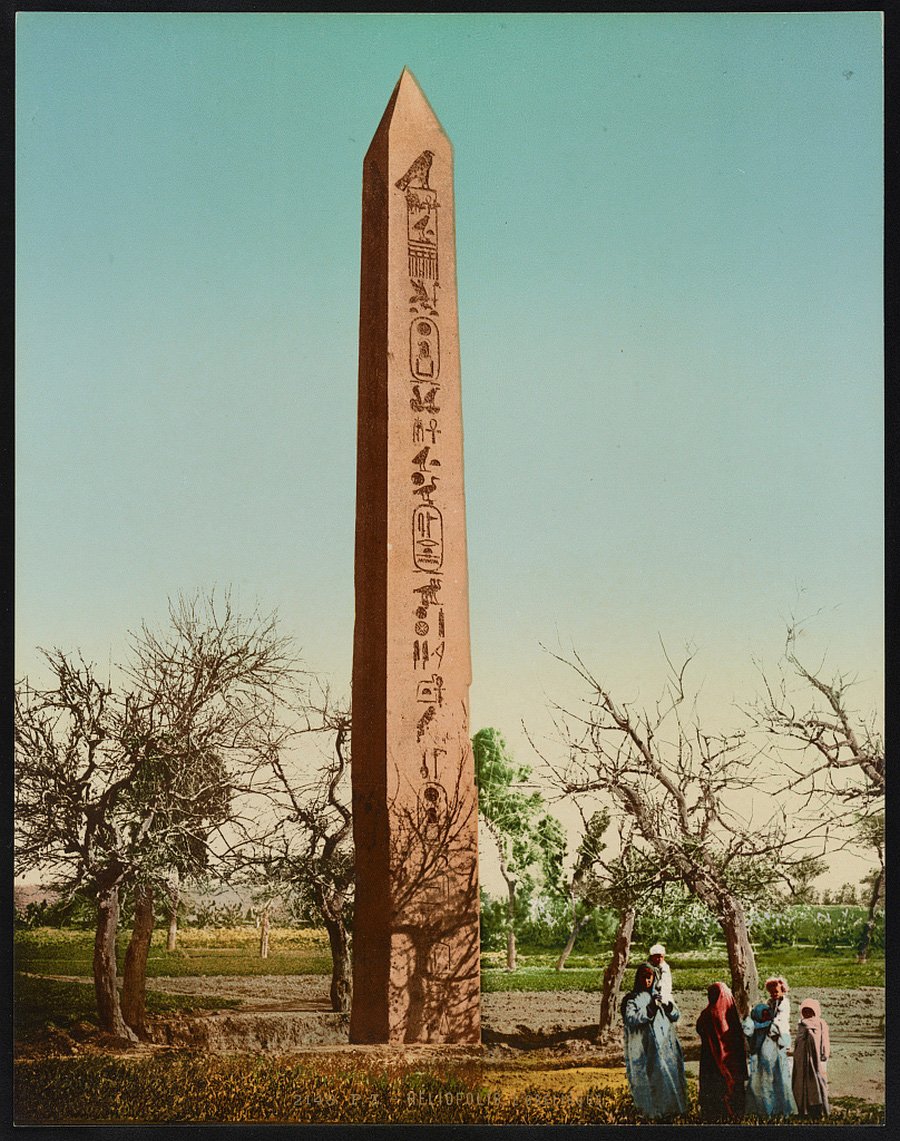
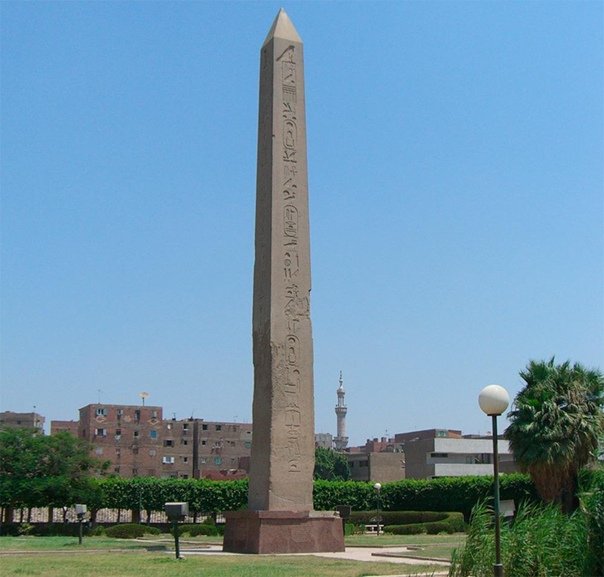
The obelisk of King Senusret I, located in the Al-Matariyyah neighborhood of Cairo, is a magnificent ancient monument that stands as a testament to Egypt's rich history and the grandeur of its pharaohs. This obelisk, crafted from pink granite from Aswan quarries, soars to a height of approximately 20 meters and weighed 121 tons.
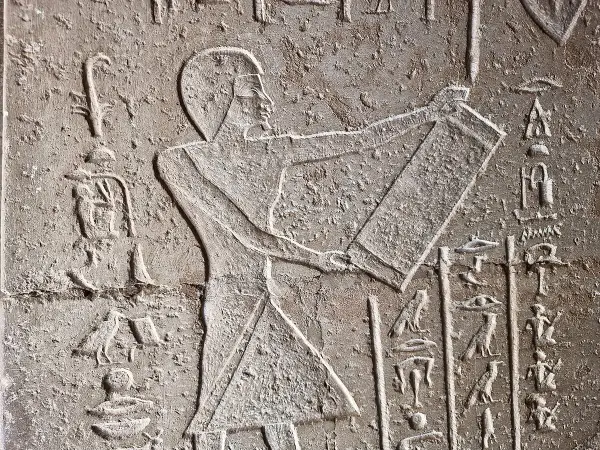
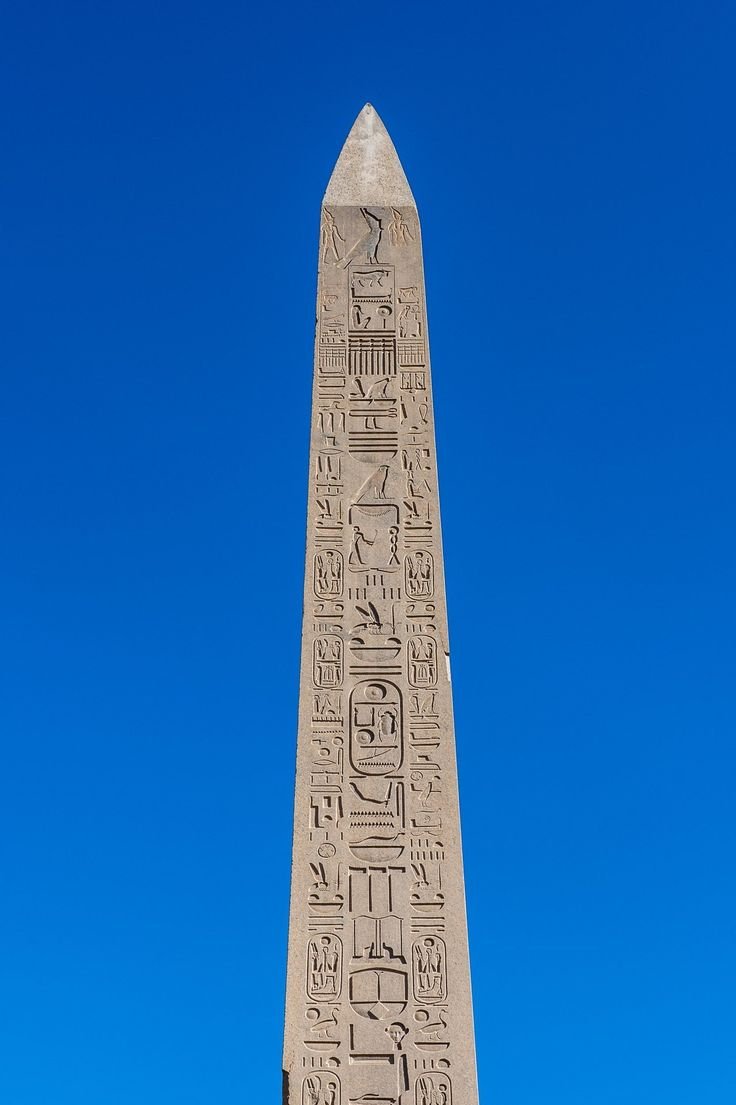
Dating back to the reign of King Senusret I during the Middle Kingdom period (circa 1971–1926 BC), the obelisk is adorned with intricate hieroglyphic inscriptions that celebrate the pharaoh's achievements and divine lineage. Its imposing presence and symbolic significance make it a captivating attraction for tourists seeking to delve into the mysteries of Ancient Egypt.
King Senusret I was a powerful pharaoh of the 12th Dynasty known for his military campaigns, architectural projects, and promotion of art and literature. His reign was marked by stability and cultural advancement, contributing to the prosperity of the Middle Kingdom period.
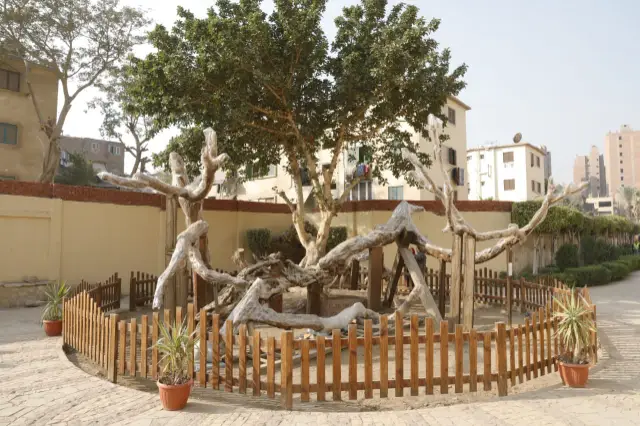
The historical site, where the obelisk is situated, was once part of the ancient city of Heliopolis, known in antiquity as Iune. Heliopolis was one of the oldest Egyptian capitals, revered for its association with the sun god Ra and its prominent temple complex dedicated to solar deities. The city played a pivotal role in religious worship, astronomy, and intellectual pursuits in Ancient Egypt.
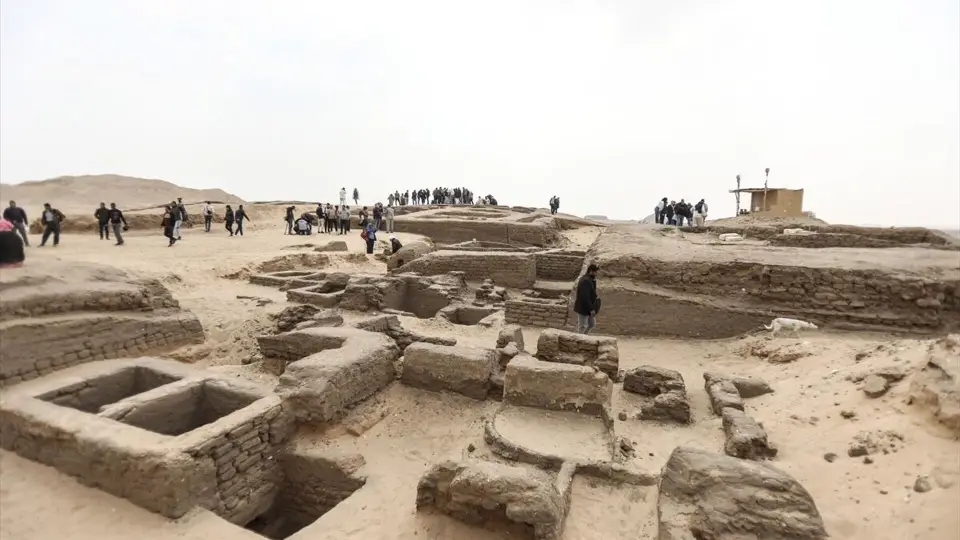
The temple that once stood around the obelisk was dedicated to the sun god Ra. It was a place of worship and religious ceremonies during the reign of Senusret I. The temple, now mostly in ruins, represented the grand architectural achievements of Ancient Egypt. Though the temple itself is no longer intact, the obelisk remains as a testament to the magnificence and power of the kingdom during that era.
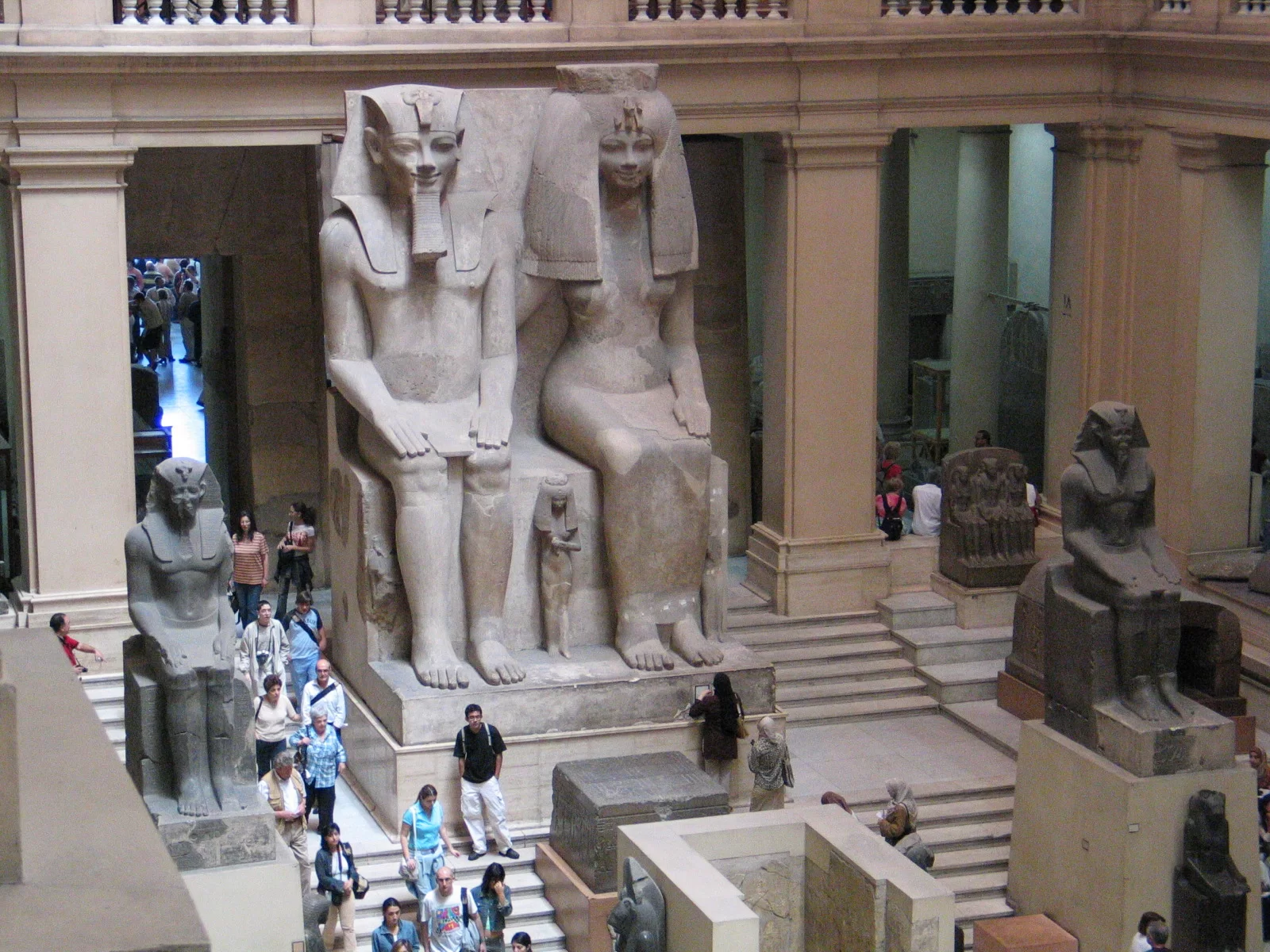
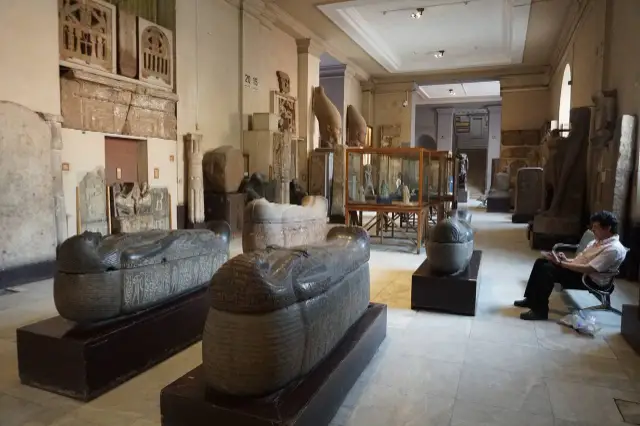
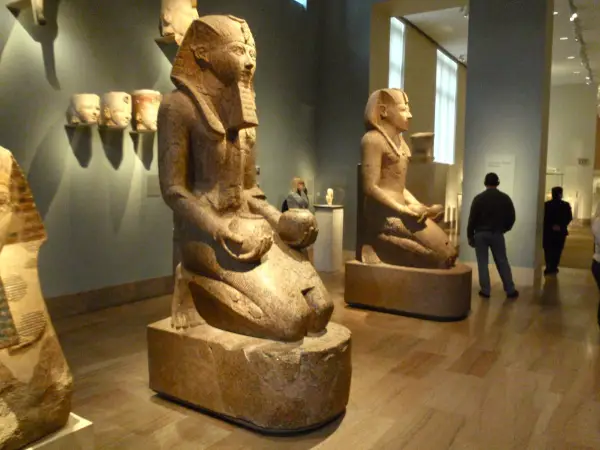
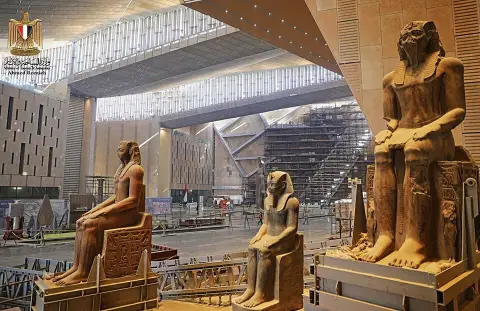
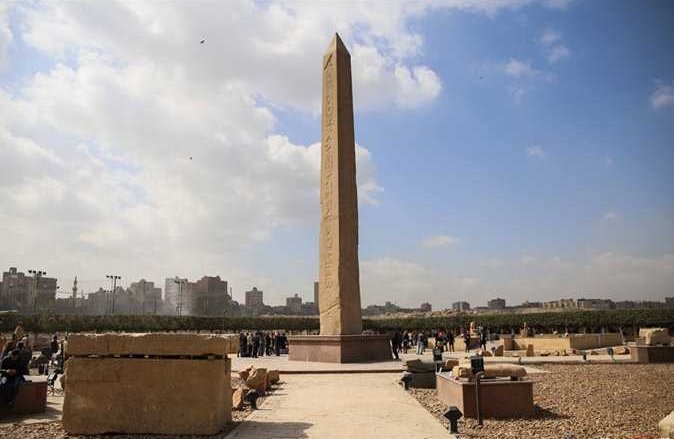
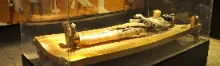
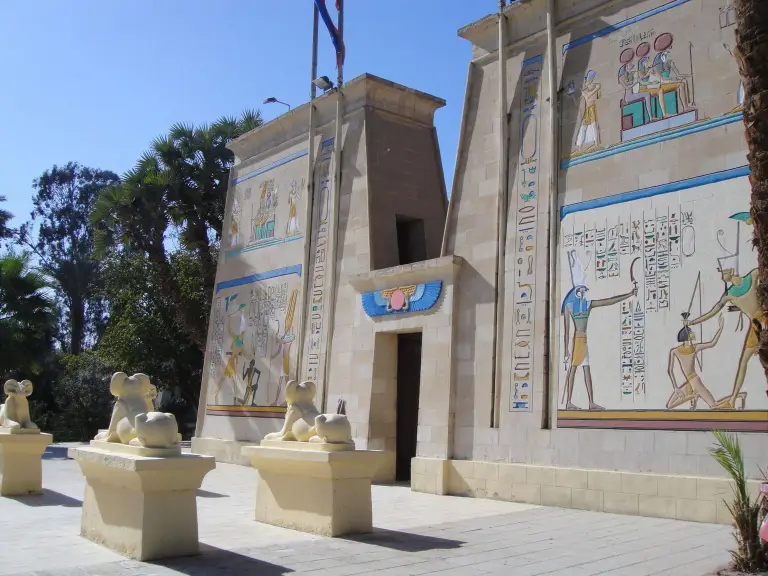
The obelisk site is considered an open museum, containing 135 artifacts from the Old and New Kingdom eras. It displays a statue of King Seti II kneeling and offering a table for offerings, a huge statue of King Ramesses II wearing a priest’s robe made of sandstone with the upper part missing, and engraved blocks of temples from the era of King Amenhotep III and Ramesses II. The face of a giant statue of King Ramesses II and the hand of the same statue.
Send feedback
Visiting the King Senusret I Obelisk offers tourists a unique opportunity to immerse themselves in the splendor and legacy of Ancient Egypt. By exploring this historical site, visitors can gain insights into the art, religion, and governance of Pharaonic civilization, enhancing their understanding of the evolution of Ancient Egyptian culture. The obelisk serves as a tangible link to Egypt's majestic past, inviting travelers to embark on a journey through time and marvel at the enduring legacy of one of the world's most fascinating civilizations.