
 Deutsch
  English
  Français
  Русский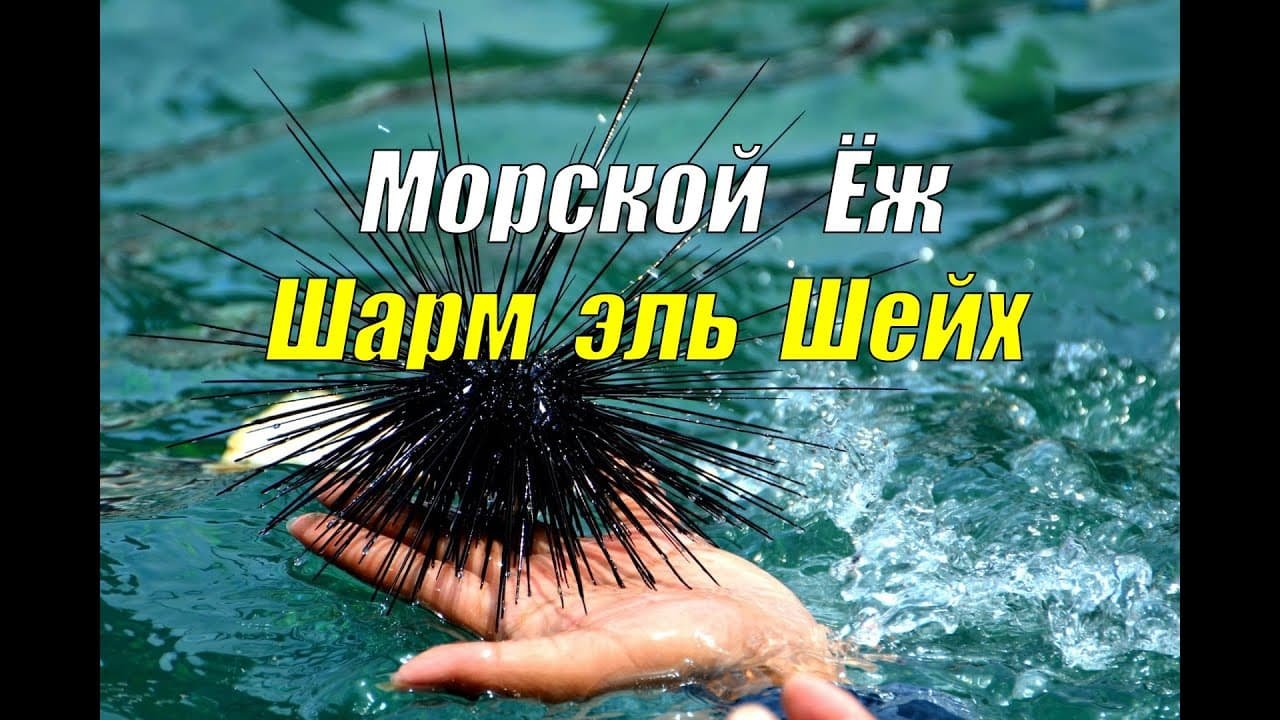
Sea Urchin Sting in Hurghada: What to Do
If you’ve been stung by a sea urchin in Hurghada, it’s important to know how to respond correctly. Sea urchins can be dangerous, and their stings require immediate attention. In this article, we’ll discuss what to do if you’re stung by a sea urchin, how to administer first aid, and what precautions you should take.
What is a sea urchin?
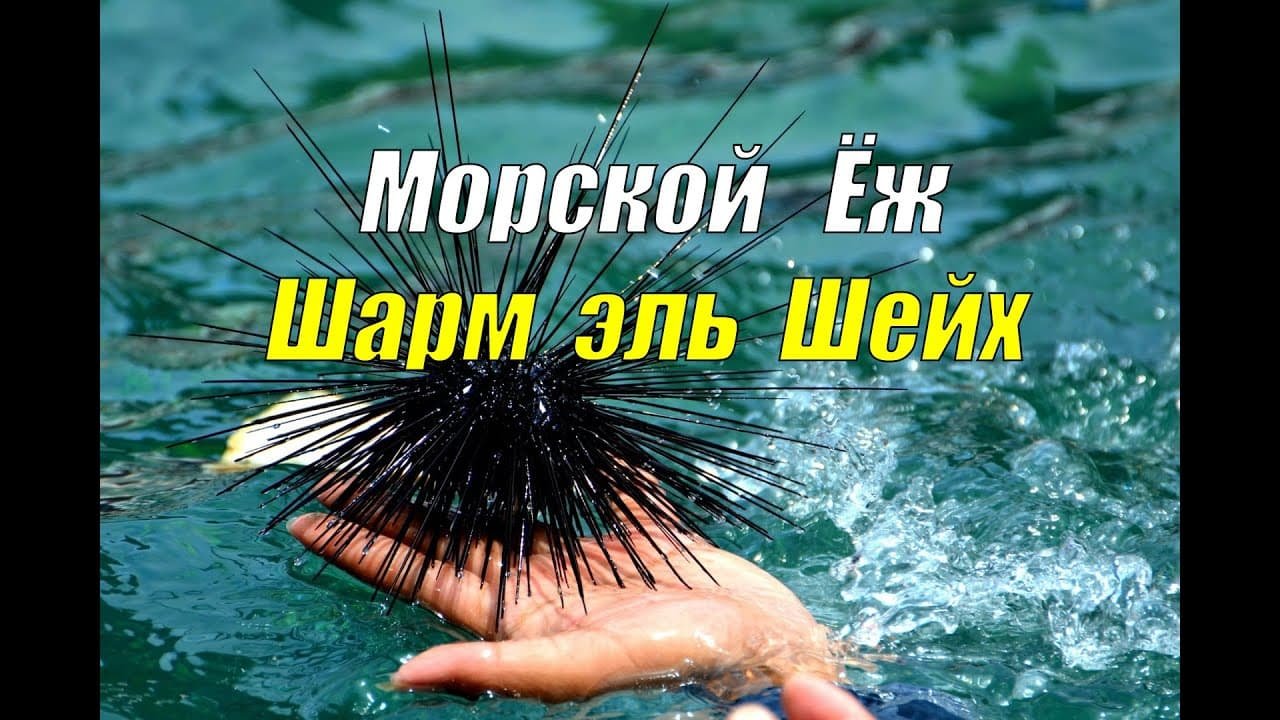
A sea urchin is a marine animal belonging to the class Echinodermata. They inhabit warm seas and oceans, including the Red Sea, where Hurghada is located. Sea urchins have a hard shell covered with spines, which serve as a defense mechanism against predators. These spines can be either hard or soft, depending on the species of sea urchin.
There are various species of sea urchins, and some of them can be poisonous. Stings from sea urchins can cause severe pain and other unpleasant symptoms. Therefore, it is important to know how to respond if you are stung. For example, species such as Diadema and Arbacia are known for their venomous secretions, which can cause serious reactions in humans.
Anatomy of a Sea Urchin
Sea urchins are round or oval in shape and covered with spines that vary in length and thickness. These spines can be either hard or soft, depending on the species. Inside the shell is a soft body that is protected from external influences. In addition, sea urchins have a mouth located on their underside and can move using their spines.
- Sea urchins can reach a diameter of up to 25 cm.
- Some species have bright colors, which help them blend in among the corals.
- Sea urchins play an important role in the ecosystem by helping to maintain balance in the marine environment.
How does a sea urchin sting occur?
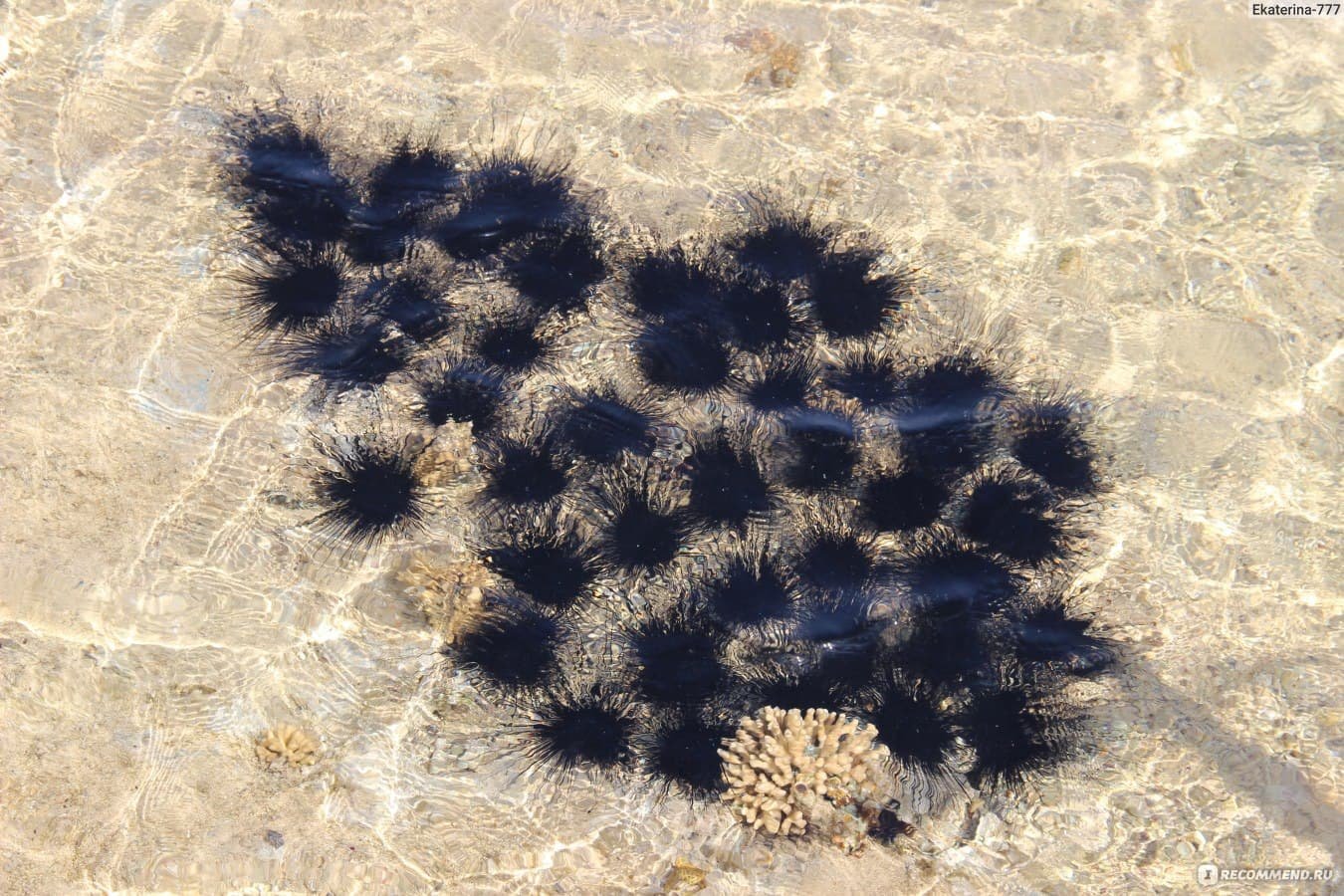
A sea urchin sting occurs when a person accidentally steps on one or touches its spines. This can happen while swimming, diving, or even walking along the beach. Sea urchin spines can penetrate the skin and leave toxic substances behind. For example, if you’re snorkeling in coral reefs where sea urchins live, you risk getting stung if you’re not careful.
It’s important to remember that not all sea urchins are poisonous, but even a sting without poison can cause pain and inflammation. If you encounter a sea urchin, it’s best to avoid it and not try to touch it. If you spot a sea urchin, try to stay at a safe distance and do not approach it. This is especially important for children and inexperienced swimmers.
How can you avoid being stung by a sea urchin?
To avoid a sea urchin sting, follow these simple guidelines:
- Familiarize yourself with the area before entering the water. Find out where the sea urchins are and avoid those spots.
- Wear special swimming shoes to protect your feet. These can be specialized water sports shoes or even old sneakers.
- Avoid the spines and try not to step on sea urchins. If you see spines, it’s best to go around them.
Symptoms of a Sea Urchin Sting
Symptoms of a sea urchin sting can vary depending on the species and the location of the sting. The most common symptoms include:
- Severe pain at the site of the sting.
- Redness and swelling of the skin.
- A burning or tingling sensation.
- In some cases, an allergic reaction may occur.
If you experience serious symptoms, such as difficulty breathing or a severe allergic reaction, you should seek medical attention immediately. For example, if you notice that your face or lips are swelling, this could be a sign of a serious allergic reaction requiring immediate attention.
When Should You See a Doctor?
See a doctor if:
- The pain does not go away within a few hours.
- You notice signs of infection, such as pus or a fever.
- You experience severe allergic reactions.
First Aid for a Sting
First aid for a sea urchin sting involves several steps to help relieve symptoms and prevent complications:
- Get out of the water immediately to avoid further stings.
- Rinse the sting site with fresh water to remove any remaining venom. Do not use seawater, as it may contain additional irritants.
- Apply a cold compress to the sting site to reduce swelling and pain. This can be ice wrapped in a cloth or an ice pack.
- If any spines remain in the skin, carefully remove them with tweezers. Be careful not to break the spines, as this can lead to further complications.
- If necessary, take a pain reliever such as ibuprofen or acetaminophen.
Important to remember
Do not try to squeeze the venom out of the wound, as this can only make the situation worse. Also, avoid using hot water, as this can increase the pain. If you’re unsure what to do, it’s best to seek medical attention.
Treatment and Prevention
Treatment for a sea urchin sting may involve various methods, depending on the severity of the symptoms. In most cases, first aid is sufficient; however, in more serious cases, medical intervention may be required. For example, if you develop an infection, a doctor may prescribe a course of antibiotics.
Preventing sea urchin stings involves following simple safety rules:
- Familiarize yourself with the area before swimming. Make sure you know where sea urchins might be.
- Wear protective footwear. This will help prevent stings and protect your feet from other marine creatures.
- Exercise caution when swimming in areas where sea urchins may be present. Do not swim in murky water where you cannot see the bottom.
Treatment at Medical Facilities
If the sting is severe, a doctor may prescribe additional treatments, such as:
- Antibiotics to prevent infection.
- Anti-inflammatory medications to reduce pain and swelling.
- In rare cases, surgery may be required to remove the spines. This may be necessary if the spines have penetrated deeply into the skin or caused serious damage.
Common Myths About Sea Urchins
There are many myths about sea urchins that can be misleading. Let’s look at some of them:
- Myth: All sea urchins are poisonous.
Fact: Not all sea urchins are poisonous, but some species can be dangerous. - Myth: A sea urchin sting always leads to serious consequences.
Fact: In most cases, stings are not life-threatening and can be successfully treated. - Myth: Sea urchin stings always require medical attention.
Fact: Many stings can be treated at home with first aid.
Frequently Asked Questions About Sea Urchin Stings in Hurghada: What to Do
What are the main symptoms of a sea urchin sting?
The main symptoms include severe pain, redness, and swelling at the site of the sting, as well as a burning or tingling sensation.
What should you do if a sea urchin sting causes severe pain?
If you experience severe pain, take a pain reliever and apply a cold compress. If the pain does not subside, see a doctor.
Do I need medical attention for a sea urchin sting?
Medical attention may be necessary if you have serious symptoms, such as an allergic reaction or signs of infection.
How can you prevent a sea urchin sting?
To prevent a sting, familiarize yourself with the area before swimming and wear protective footwear.
Can you remove sea urchin spines yourself?
If the spines are still embedded in your skin, you can carefully remove them with tweezers. If you’re unsure, it’s best to see a doctor.
What role do sea urchins play in the ecosystem?
Sea urchins play an important role in the ecosystem by helping to maintain balance in the marine environment and controlling algae growth.
Conclusion
A sea urchin sting in Hurghada can be an unpleasant experience, but with proper first aid and knowledge of the symptoms, serious consequences can be avoided. Remember that safety always comes first. Be careful and enjoy the sea!
If you have additional questions or need assistance, don’t hesitate to consult medical professionals or visit our website for information on safe travel to Hurghada.