
 Deutsch
  English
  Français
  Русский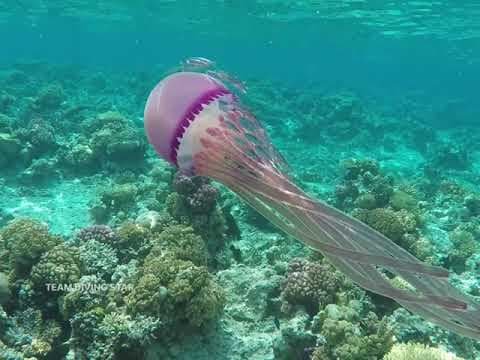
Hurghada jellyfish season when it happens
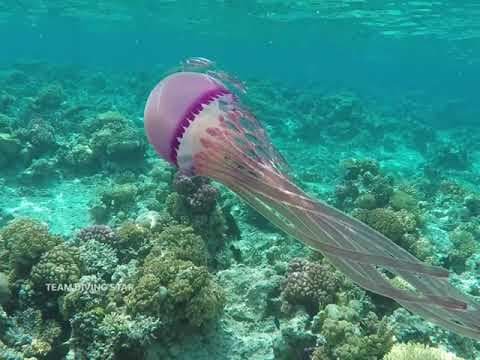
When is the jellyfish season in Hurghada? This is an important question for those planning a vacation on the Red Sea. In this region, jellyfish may appear during certain seasons, and it is important to know when this occurs to avoid unpleasant consequences. In this article we will take a closer look at exactly when jellyfish appear in Hurghada, how this affects your holiday and what you need to know for a safe holiday.
Hurghada jellyfish season when it happens: general information
Jellyfish season in Hurghada usually begins in late spring and continues until early autumn. This is due to an increase in water temperature, which creates favorable conditions for the reproduction of jellyfish. During this time, tourists may encounter jellyfish, especially in July and August. However, do not panic - most types of jellyfish do not pose a serious threat to human health, but their stings can be unpleasant.
It is important to remember that not all jellyfish are dangerous. Some may cause mild skin irritation, while others may be more dangerous. Therefore, knowing when the jellyfish season occurs in Hurghada will help you prepare in advance for possible encounters with these sea creatures.
When exactly does jellyfish season start?
The jellyfish season in Hurghada begins at the end of May and lasts until September. The most active months are July and August. At this time, the water temperature reaches its maximum, which promotes the proliferation of jellyfish. If you're planning a vacation this time of year, be sure to check local conditions and safety tips.
- May: beginning of the season, jellyfish may appear, but in small numbers.
- June: the number of jellyfish increases, especially on warm days.
- July and August: peak jellyfish season, be especially careful.
- September: Jellyfish can still be found, but their numbers are decreasing.

Why do jellyfish appear in Hurghada?
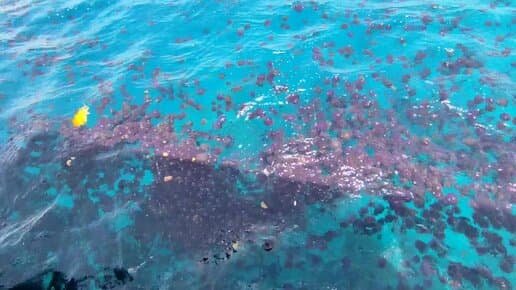
The appearance of jellyfish in Hurghada is associated with several factors. Firstly, it is the water temperature. Jellyfish prefer warm water, and as temperatures rise during the summer months, they begin to actively reproduce. Secondly, the availability of food also plays an important role. Jellyfish feed on plankton, which also becomes more active in warm weather.
In addition, changes in the ecosystem and water pollution can contribute to an increase in the number of jellyfish. For example, in some cases, excessive use of fertilizers in agriculture can lead to algae growth, which in turn attracts jellyfish.
Factors influencing the appearance of jellyfish
- Water temperature: jellyfish prefer warm water.
- Availability of food: increase in plankton numbers.
- Ecological changes: pollution and ecosystem change.
How to avoid encounters with jellyfish?
To avoid meeting jellyfish while on holiday in Hurghada, follow a few simple recommendations. First, try to avoid swimming in areas where jellyfish have been spotted. Local residents and beach workers often inform tourists about the presence of jellyfish in the water.
Secondly, use protective equipment, such as special swim suits, which can protect your skin from jellyfish stings. It's also worth paying attention to information about current weather conditions and jellyfish warnings that may be posted on beaches.
Beach Safety Tips
- Explore information about the beach: find out about the presence of jellyfish.
- Wear protective clothing: special suits will help prevent bites.
- Be careful: be careful when swimming.
Jellyfish in Hurghada: types and their features
In Hurghada you can find several types of jellyfish. Some are harmless, while others may cause discomfort if they come into contact with the skin. For example, the cornmouth jellyfish, although not dangerous, can leave minor burns on the skin. At the same time, some more dangerous species, such as the box jellyfish, can pose a serious threat to human health.
It is important to know what types of jellyfish can be found in Hurghada and how to handle them. Here are some of the most common types:
Common types of jellyfish in Hurghada
- Cornermouth jellyfish: harmless, but can cause minor burns.
- Box jellyfish: a dangerous species, stings can be fatal.
- Lang jellyfish: relatively safe, but can also cause skin irritation.
How to recognize a jellyfish?
Recognizing jellyfish can be challenging, especially for those unfamiliar with them. Here are some tips to help you:
- Pay attention to the shape: jellyfish can be round or oval.
- Color: Some jellyfish can be transparent, others can be bright and noticeable.
- Check for tentacles: they can be long and thin, and they can cause harm.
Myths about jellyfish and risks for tourists
There are many myths about jellyfish that can mislead tourists. One of the most common myths is that all jellyfish are dangerous. In fact, most jellyfish do not pose a serious threat to humans, but their stings can be unpleasant.
In addition, many people believe that jellyfish only appear at certain times of the year. In fact, they can appear at any time, but they mostly occur during the warmer months. Therefore, it is important to be careful and follow information about jellyfish, especially during the summer months.
Risks associated with jellyfish
- Jellyfish stings can cause irritation and allergic reactions.
- Some types of jellyfish can be hazardous to health.
- Incorrect actions after a bite can aggravate the situation.
How to react correctly to a jellyfish sting?
If you are bitten by a jellyfish, it is important to know how to react correctly:
- Do not rub the bite area, as this may worsen the situation.
- Rinse the bite area with fresh water, but do not use sea water.
- Consult your doctor if you have serious symptoms such as difficulty breathing or severe pain.
Frequently asked questions about Hurghada jellyfish season when it happens
When does the jellyfish season start in Hurghada?
Jellyfish season in Hurghada begins at the end of May and lasts until September, with a peak in July and August.
What types of jellyfish are found in Hurghada?
In Hurghada you can find cornet jellyfish, box jellyfish and lang jellyfish. Some of them can be dangerous.
How to avoid jellyfish stings?
To avoid jellyfish stings, try to swim in safe places and use protective swimming suits.
What should I do if I was stung by a jellyfish?
If you are stung by a jellyfish, wash the sting area with fresh water and seek medical attention if symptoms worsen.
Jellyfishes are dangerous to humans?
Some types of jellyfish can be dangerous, but most do not pose a serious health threat.
When is the best time to plan a trip to Hurghada?
The best time to visit Hurghada is from October to April, when the water temperature is more comfortable and there is less chance of seeing jellyfish.
Output
Hurghada jellyfish season when it happens is an important aspect that should be taken into account when planning a vacation. Knowing when jellyfish appear and taking precautions will help you enjoy your vacation without any nasty surprises. Be careful and follow the information about jellyfish so that your vacation is safe and comfortable.
Be sure to check local guidelines and safety tips to avoid any trouble. Have a nice holiday!
In addition, it is worth noting that in recent years there has been a tendency for the number of jellyfish to increase in some regions, including Hurghada. This may be due to climate change and the deterioration of the ecological situation in the sea. So even if you're not planning a trip during peak jellyfish season, it's a good idea to stay informed about the current situation and monitor local authorities for updates.
Also, if you plan to engage in water sports such as diving or surfing, it is recommended that you familiarize yourself with the conditions in your chosen areas in advance. Local instructors and guides can provide up-to-date information about the presence of jellyfish and other potential dangers.
In conclusion, knowing about the jellyfish season in Hurghada and following simple precautions will help you avoid unpleasant situations and make your holiday more comfortable and safe. Don't forget to enjoy the beauty of the Red Sea and its unique flora and fauna!