
 Deutsch
  English
  Français
  Русский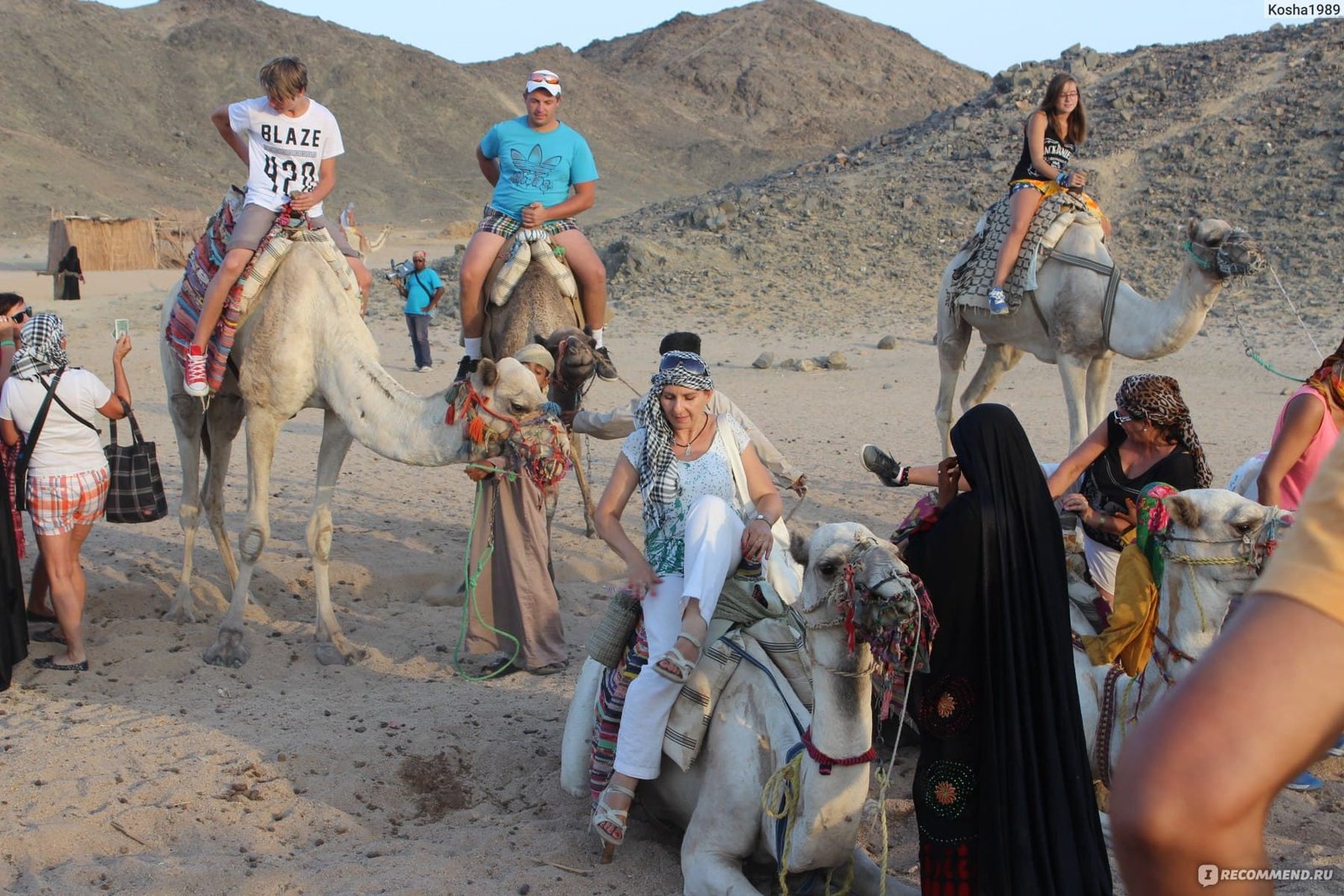
Hurghada’s Indigenous Bedouin Culture: 10 Comprehensive and Reliable Reviews for 2026
The culture of Hurghada’s indigenous Bedouin people is a unique blend of traditions, customs, and way of life that has evolved over many centuries. As the indigenous people of this region, the Bedouins play an important role in the cultural life of Hurghada and Egypt as a whole. In this article, we will take a detailed look at their culture, way of life, traditions, and influence on modern society.
Hurghada and Its Bedouins: Historical Context
Hurghada, located on the Red Sea coast, has long been home to the Bedouins. These indigenous people, with their unique culture and traditions, have adapted to the harsh conditions of the desert. Their way of life was closely tied to nature and the resources available in the region. The Bedouins were known as nomads who roamed the desert in search of pastures for their herds.
The history of the Bedouins in Hurghada spans thousands of years. They played an important role in trade and exchange, connecting Egypt with other regions of the Middle East. Over time, despite the influence of modern technology and lifestyles, the Bedouins have preserved many of their traditions and customs, making their culture unique and fascinating to study.
The Historical Roots of the Bedouins
The Bedouins are part of the Arab tribes that inhabited the desert regions of the Middle East. Their way of life was based on nomadic herding, which required a deep understanding of the desert ecosystem. In Hurghada, the Bedouins have adapted to conditions that differ from those of their ancestors, but their core values and traditions have remained unchanged.
- Nomadic Lifestyle
- Trade and Exchange
- Preservation of Cultural Heritage

Bedouin Traditions and Customs
Bedouin traditions in Hurghada have been shaped by their way of life and the surrounding environment. They include unique ceremonies, festivals, and rituals that are passed down from generation to generation. One of the most famous traditions is cooking, which is often accompanied by special rituals.
The Bedouins are known for their skill in preparing dishes made from meat and grains, using simple yet delicious ingredients. For example, one of the most popular dishes is “kebab,” which is cooked over an open fire. The Bedouins also celebrate various occasions, such as weddings and the birth of children, which are accompanied by music, dancing, and traditional attire.
Ceremonies and Rituals
Every Bedouin ritual has deep symbolism and meaning. For example, at weddings, the newlyweds often exchange gifts, symbolizing their unity and mutual support. Music and dancing are also important elements, reflecting joy and celebration.
- Wedding Ceremonies
- Celebrating the Birth of Children
- Traditional Dances and Music
Modern Bedouin Life in Hurghada
Despite the changes that have taken place in the world, the Bedouins in Hurghada continue to preserve their traditions and way of life. Many of them have adapted to modern conditions while striving to maintain their identity. In Hurghada, you can meet Bedouins who practice various crafts, such as jewelry-making and textile production.
Modern Bedouins are also involved in the tourism industry, offering tours and immersive cultural experiences. This allows them not only to preserve their traditions but also to earn an income from tourism. For example, many Bedouins offer tourists the opportunity to sample traditional dishes and participate in ceremonial events.
Economic Changes and Adaptation
With the growth of tourism, the Bedouins have begun to take up new professions, though they strive not to lose touch with their roots. Many of them open small shops where they sell handmade goods and organize tours of their settlements. This allows them not only to earn a living but also to share their culture with visitors.
- Work in the Tourism Sector
- Handicraft Production
- Tours and cultural events
Bedouin cultural heritage
The cultural heritage of the Bedouins in Hurghada plays an important role in preserving their identity. This heritage includes not only traditions and customs but also language, music, literature, and art. The Bedouins have their own unique musical instruments and songs, which are passed down from generation to generation.
The Bedouin language is also unique and differs from Standard Arabic. It includes many dialects and expressions that reflect their way of life and environment. Literature is another important aspect of their culture, often comprising oral tales and legends. For example, many Bedouins tell stories about their ancestors and how they survived in the harsh desert environment.
Music and Art
Bedouin music is an important part of their culture. It is used not only for entertainment but also to pass down stories and traditions. Bedouins use various instruments, such as the “oud” and the “daf,” which produce unique sounds. Art, including painting and crafts, also plays an important role in expressing their cultural identity. For example, many Bedouins create beautiful textiles and jewelry that reflect their cultural roots.
- Unique Musical Instruments
- Oral traditions and legends
- Crafts and painting
Myths and Misconceptions About the Bedouins
There are many myths and misconceptions about the Bedouins that can distort their real lives and culture. One of the most common myths is that Bedouins live exclusively in tents and lead a nomadic lifestyle. In fact, many Bedouins in Hurghada have permanent homes and work in various fields, including tourism and crafts.
Another myth is the perception of Bedouins as wild and uneducated people. In reality, many of them are educated and actively participate in society. They strive to preserve their traditions while remaining open to modern changes and technologies. For example, Bedouins are beginning to use social media to promote their goods and services, which allows them to expand their audience and attract more tourists.
Debunking Myths
To debunk myths about the Bedouins, it is important to conduct educational programs and tours that help people better understand their culture. This may include visiting Bedouin villages, participating in traditional events, and learning about their history. In this way, a more complete and accurate picture of the Bedouins and their way of life can be created. It is also important to engage with local media to disseminate information about the real lives of the Bedouins and their contributions to society.
- Educational Programs
- Visits to Villages
- Participation in Traditional Events
The Impact of the Bedouins on Tourism in Hurghada
The Bedouins play an important role in Hurghada’s tourism industry. Their unique culture and traditions attract many tourists, which contributes to the region’s economic development. The Bedouins offer various excursions that allow tourists to immerse themselves in their world and learn more about life in the desert. For example, many tourists can sample traditional dishes, participate in dances and rituals, and enjoy the beauty of nature.
Tourism gives the Bedouins the opportunity to preserve their traditions and earn an income from their culture. Many Bedouins open their homes to tourists, offering them the chance to sample traditional dishes and participate in cultural events. This creates a mutually beneficial relationship between the Bedouins and tourists, fostering an exchange of cultures and knowledge. It is important to note that such interactions help the Bedouins not only earn a living but also preserve their identity in a changing world.
Tours and Cultural Activities
The excursions offered by the Bedouins often include camel rides, overnight stays in the desert, and participation in traditional festivals. These activities allow tourists not only to enjoy the beauty of nature but also to gain a better understanding of Bedouin life. In this way, the Bedouins become not only participants but also active organizers of cultural exchange. For example, many Bedouins organize themed evenings where tourists can sample traditional dishes, participate in craft workshops, and even learn traditional dances.
- Camel Rides
- Overnight stays in the desert
- Traditional festivals
Frequently Asked Questions About Hurghada’s Indigenous Bedouin Culture
What is the main aspect of Bedouin culture in Hurghada?
The main aspects of Bedouin culture in Hurghada include their traditions, customs, music, and crafts, which are preserved and passed down from generation to generation.
How have the Bedouins adapted to modern conditions?
The Bedouins have adapted to modern conditions by opening shops and participating in the tourism industry, while preserving their traditions.
What are traditional Bedouin celebrations?
Traditional Bedouin celebrations include weddings and baby showers, which are accompanied by music, dancing, and special rituals.
What impact do the Bedouins have on tourism in Hurghada?
The Bedouins have a significant impact on tourism in Hurghada by offering unique tours and cultural events that attract tourists.
What myths exist about the Bedouins?
There are many myths about the Bedouins, including the notion that they are nomads who live exclusively in tents, which is not true.
What are the main traditions of the Bedouins?
The main Bedouin traditions include rituals related to cooking, holidays, and family events.
Conclusion
The culture of the indigenous Bedouin people of Hurghada is a rich and diverse heritage that remains relevant in the modern world. The Bedouins preserve their traditions and customs while adapting to new circumstances, which makes their culture unique and fascinating to study.
By learning about the Bedouins, we not only discover their world but also come to understand how important it is to preserve cultural heritage for future generations. Join us to learn more about Bedouin culture and their contribution to modern society!