
 Deutsch
  English
  Français
  Русский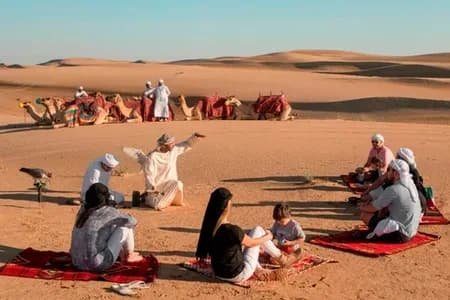
Egyptian Bedouin traditions Hurghada: 10 best traditions 2026
Egyptian Bedouin traditions of Hurghada represent a unique combination of culture, history and lifestyle of the people living in this region. These traditions are carefully preserved and passed down from generation to generation, reflecting the rich heritage of the Bedouins. In this article, we will take an in-depth look at key aspects of the Egyptian Bedouins, their customs and traditions, and their significance to modern society.
Definition and history of Bedouins in Hurghada
The Bedouins are nomadic Arab peoples who traditionally live in desert regions, including Egypt, especially in places like Hurghada. Their history dates back thousands of years and they played an important role in the development of Arab culture and trade. In Hurghada, the Bedouins are known for their unique lifestyle, which includes basic desert survival skills.
Historically, the Bedouins were known as herders who moved through the desert to find pasture for their animals. They raised camels, sheep and goats, which allowed them not only to survive, but also to develop trade with other peoples. An important part of their culture is the ability to adapt to harsh living conditions, which also reflects their traditions and customs.
Nomadic lifestyle
The nomadic lifestyle of the Bedouins involves constant movement, which depends on the season and the availability of water. This requires them to have significant knowledge of the area and the ability to find sources of water and food. Nomadism allows the Bedouins to preserve their traditions and culture, passing them on from generation to generation.
- Knowledge about the desert and its resources
- Trade routes and exchange of goods
- Family ties and community traditions

Traditional customs of the Bedouins
Traditional Bedouin customs in Hurghada include many aspects such as food, clothing, holidays and rituals. These customs form the unique identity of the Bedouin people and help preserve their cultural roots.
One of the most famous customs is the tradition of hospitality. Bedouins are known for their hospitality and are willing to share food and drink with anyone who comes to their home. This reflects their deep respect for the traditions and values of the community. Hospitality in Bedouin culture is not just a formality, but a vital necessity that strengthens social ties and creates an atmosphere of trust.
Culinary traditions
The Bedouin culinary traditions are based on simple but nutritious dishes. The main products of their diet are meat, bread, dairy products and rice. They often cook over an open fire, which gives the food a special taste. For example, a traditional dish known as "makhshi" is stuffed vegetables that are prepared using local spices and herbs.
- Camel meat and lamb are the main sources of protein
- Stone baked bread
- Dairy products such as yogurt and cheese
It is also worth noting that the Bedouins use different cooking methods, including baking and stewing, which allows for maximum preservation of nutrients. At holidays, they often prepare dishes that require a lot of time and attention, which emphasizes the importance of these events to their culture.
Bedouin culture and art
The Bedouin culture in Hurghada is rich and varied. It includes music, dance, literature and art. These cultural elements help Bedouins express their feelings and experiences and maintain their identity. Music and dance play an important role in the life of the Bedouins. They are often performed at holidays and family gatherings. Traditional instruments such as the lute and drums are used to create melodies that accompany the dances.
One of the most famous dances is the “debka”, which is performed in a circle and requires participants to synchronize and coordinate their movements. It is not just a dance, but a way of conveying history and emotions, which makes it an important element of the Bedouin cultural heritage.
Arts and crafts
The Bedouins are also known for their handicrafts such as carpets, jewelry and ceramics. These items often have unique patterns and symbolism that reflect Bedouin culture and traditions. For example, hand-woven carpets may contain motifs that tell about the life and everyday life of the Bedouins, as well as their connection with nature.
- Handmade carpets
- Silver and gold jewelry
- Ceramics with traditional patterns
Craft skills are passed on from generation to generation, which allows us to preserve unique techniques and methods of working with materials. This also creates an opportunity for Bedouins to earn a living by selling their products to tourists and local residents.
Bedouin family traditions
Family traditions play a key role in the life of Bedouins. They are based on respect, love and mutual assistance. Family is the foundation of their community, and all family members are involved in each other's lives. Traditionally, Bedouins live in large families, where older family members make decisions and pass on their knowledge to younger ones. This creates strong connections between generations and helps preserve traditions.
Family holidays and gatherings are important events that strengthen the bond between relatives. At such events, important issues are discussed, traditions and customs are passed on, and people simply enjoy communicating with each other.
The role of women in society
Women play an important role in Bedouin society. They are engaged in housekeeping, raising children and crafts. Despite traditional roles, women also take an active part in public life and can occupy leadership positions in the community. This allows them to influence decision-making and participate in the development of society.
- Raising children and passing on traditions
- Participation in public events
- Craft skills and creativity
Women are also active in preserving cultural traditions by teaching their daughters and other young women the skills that have been passed down to them by their ancestors. This creates a strong foundation for future generations and helps preserve the uniqueness of Bedouin culture.
Bedouin religion and spirituality
Religion plays an important role in the life of the Bedouins. Most of them practice Islam, which influences their daily lives and customs. Religious practices such as prayer and fasting are an integral part of their culture. Important religious events, such as Ramadan, are celebrated with special respect and solemnity.
The spirituality of the Bedouins is also manifested in their attitude towards nature and the world around them. They believe that all living things are connected and show respect for all beings. This reflects their philosophy of life and understanding of their place in the world. For example, many Bedouins believe in caring for nature and the environment, which helps preserve the desert ecosystem.
Traditional holidays
The Bedouins celebrate various religious and cultural holidays that strengthen their community ties. These celebrations are often accompanied by music, dancing and traditional food. Important holidays are Eid al-Fitr and Eid al-Adha, which are celebrated with special scope and joy.
- Eid al-Fitr - the holiday of the end of fasting
- Eid al-Adha - the festival of sacrifice
- Traditional weddings and rituals
At weddings, Bedouins follow certain traditions, which may vary depending on the region. For example, in some cases, weddings can last several days and include various rituals that symbolize the unity of two families.
Modern challenges and preservation of traditions
Modern challenges such as globalization and urbanization threaten the traditional way of life of the Bedouins. Many of them move to cities in search of better living conditions, which leads to the loss of their cultural roots. This also creates the risk of losing unique traditions and customs that have been passed down from generation to generation.
However, there are efforts to preserve Bedouin traditions. Local organizations and the government work to maintain and develop Bedouin cultural heritage through festivals, exhibitions and educational programs. These events help raise awareness of Bedouin culture and help preserve it.
The role of tourism in preserving traditions
Tourism also plays an important role in preserving Bedouin traditions. Many tourists are interested in their culture and are ready to support local crafts and traditions. This creates new opportunities for the Bedouin, allowing them to earn a living while maintaining their unique customs. Excursions and cultural events offered to tourists provide a deeper understanding of the life of the Bedouins and their traditions.
- Excursions and cultural events
- Supporting local crafts
- Educational programs for tourists
Frequently asked questions about the Egyptian Bedouin traditions of Hurghada
What are the Egyptian Bedouin traditions of Hurghada?
Egyptian Bedouin traditions of Hurghada represent the unique customs and culture of the Bedouins who live in this region. These traditions include culinary customs, family traditions and religious practices.
What are the main traditions of the Bedouins?
The main Bedouin traditions include hospitality, culinary customs, music, dance and crafts. These cultural elements help preserve their identity.
How do Bedouins celebrate holidays?
Bedouins celebrate holidays such as Eid al-Fitr and Eid al-Adha with music, dancing and traditional food. These holidays strengthen their community ties.
What are the modern challenges for the Bedouins?
Modern challenges for the Bedouin include globalization and urbanization, which threaten their traditional way of life. Many Bedouins move to cities in search of better living conditions.
How can you support Bedouin traditions?
You can support Bedouin traditions by participating in cultural events, purchasing local handicrafts and supporting tourism initiatives that help preserve their culture.
Where can you learn more about Bedouin traditions?
You can learn more about Bedouin traditions on specialized sites such as Tourist Market Egypt, where various cultural events and information about Bedouin communities are presented.
Output
Egyptian Bedouin traditions of Hurghada are an important part of Egypt's cultural heritage. They reflect the unique lifestyle and values of the Bedouin people. Supporting and preserving these traditions is important for future generations.
If you want to learn more about the Bedouin culture and their traditions, visit our website and immerse yourself in the wonderful world of the Egyptian Bedouins!