

Karnak temple historical information for tourists
Karnak temple historical information for tourists is an important aspect that will help you better understand one of the most significant historical sites in the world. This temple complex, located in Egypt, attracts millions of tourists every year due to its rich history and architectural splendor.
Karnak temple historical information for tourists: general overview
Karnak Temple is one of the largest religious complexes in the world and is an outstanding example of ancient Egyptian architecture. It is located on the eastern bank of the Nile, near the modern city of Luxor. This temple was dedicated to the god Amun, and its construction began more than 4,000 years ago.
The complex includes many buildings, alleys and columns that reflect the grandeur and power of ancient Egyptian civilization. Every year, Karnak Temple attracts thousands of tourists who seek to see its unique monuments and learn more about its history.
The meaning of Karnak Temple
Karnak Temple was not only a religious center, but also a place where important state rituals were held. It played a key role in the political life of Ancient Egypt and also served as a place of worship for pilgrims. The walls of the temple are covered with hieroglyphs that tell about the life of the pharaohs and divine events.
- Important religious center
- Place of political rituals
- Pilgrimage for believers

History of Karnak Temple
The history of Karnak Temple dates back to 2055 BC, when its construction was initiated by Pharaoh Senusret I. Since then, the temple has been significantly expanded and rebuilt by various pharaohs, including Hatshepsut, Thutmose III and Ramesses II. Each new generation added its own elements, which led to the creation of a unique architectural ensemble.
For thousands of years, Karnak Temple served as a place of worship and the center of religious life, where important ceremonies and rituals were held. Its walls and columns were decorated with images of deities and pharaohs, which indicates the importance of this place in ancient Egyptian culture.
Key events in the history of the temple
Some of the most significant events associated with the Karnak Temple:
- Construction of the temple by Senusret I in 2055 BC
- Expansion of the Temple of Hatshepsut in 1479 BC
- The victories of Thutmose III, imprinted on the walls of the temple.
- Ramesses II, who added many columns and statues.
Architecture and features of the temple
The architecture of Karnak Temple is an outstanding example of ancient Egyptian architecture. The temple complex covers an area of more than 100 hectares and includes many different buildings, alleys and sanctuaries. The main avenue, known as the Avenue of the Sphinxes, connects Karnak Temple with the Luxor Temple.
One of the most famous features of the Karnak Temple is its huge hypostyle hall, which has 134 columns up to 23 meters high. These columns are decorated with intricate reliefs and hieroglyphs that tell the story of the life of the ancient Egyptians and their beliefs.
Architecture details
Some key architectural elements of Karnak Temple:
- Hypostyle hall with 134 columns
- Alley of Sphinxes leading to the Temple of Luxor
- Sanctuary of the god Amun
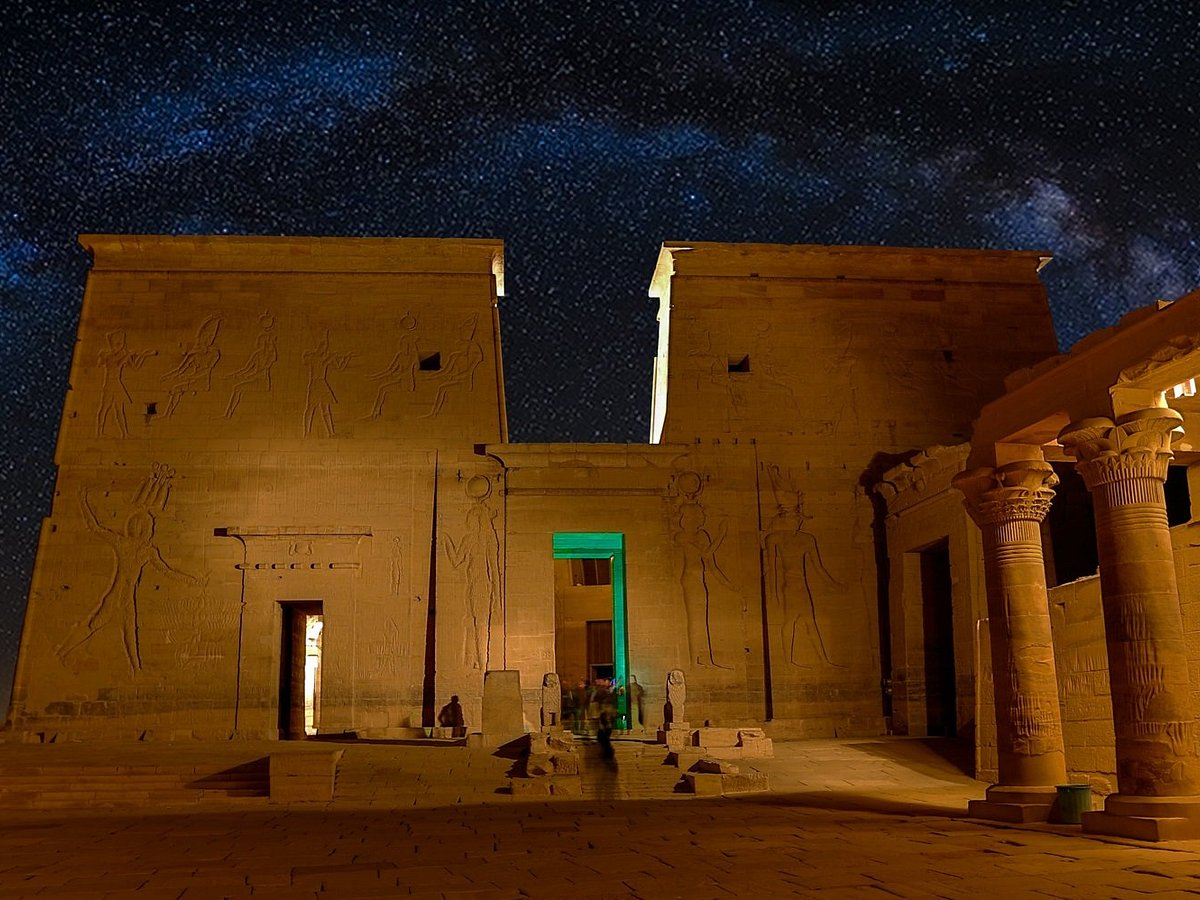
- Walls decorated with reliefs and hieroglyphs
Each element of the temple has its own meaning. For example, the hypostyle hall was used for ceremonies and rituals, and its columns symbolized the connection between the earthly and divine worlds. The Avenue of the Sphinxes, in turn, served not only to connect the two temples, but also as a place of worship, where pilgrims could pass by statues representing strength and protection.
Architectural features
The architecture of Karnak Temple also includes many unique details that make it stand out among other temples. For example, many columns have capitals in the form of lotus or papyrus flowers, which symbolize fertility and life. These elements not only give the temple aesthetic appeal, but also reflect deep religious and cultural meanings.
In addition, in the temple you can see many statues depicting pharaohs and gods, which served not only for decoration, but also to perform religious functions. Statues were often used in rituals and worship, highlighting the importance of each element in temple architecture.
Tips for tourists
Visiting Karnak Temple is a unique experience that requires some preparation. Here are some tips to help you make the most of your time in this historic place.
The first thing to consider is the time of visit. It is recommended to come early in the morning or late afternoon to avoid the crowds of tourists and enjoy the ambiance of the temple in a tranquil environment. It is also worth taking comfortable shoes with you, as the temple area is huge and requires a lot of walking.
What to take with you
Here is a list of things to take with you:
- Comfortable shoes
- Water and light snacks
- Sunscreen and hat
- Photo camera
Be sure to also study the history of the temple in advance to better understand its significance and architecture. This will make your visit more meaningful and fun.
In addition, it is worth considering that there may be guided tours on the temple grounds that will help you better understand every detail and history of the temple. If you prefer to explore on your own, bring a guidebook or download an app with information about Karnak Temple.
Best times to visit
The best times to visit Karnak Temple are in the morning when the sun is just rising and in the evening when it sets. At this time, the temple looks especially beautiful, and the light creates a unique atmosphere. In addition, during these hours the temperature is not so high, which makes the walk more comfortable.
Common misconceptions about Karnak Temple
Despite its fame, there are many myths and misconceptions around the Karnak Temple. One of the most common is the opinion that the temple was built in a short time. In fact, its construction took thousands of years and continued through several dynasties.
Another common myth is that all the statues and reliefs of the temple were destroyed. Although many elements have been damaged, a significant part has been preserved and is available for study. For example, some of the reliefs on the temple walls have been restored and now show what the original images looked like.
Debunking myths
Here are some common misconceptions about Karnak Temple:
- The temple was built in a short time.
- All statues and reliefs were destroyed.
- Karnak Temple is the only temple in Egypt.
In fact, there are many other temples in Egypt, each with its own unique history and architecture. For example, the Temple of Hatshepsut and the Temple of Luxor are also important historical sites worth visiting.
Conclusion
Karnak temple historical information for tourists is not just a set of facts, but the key to understanding the greatness of ancient Egyptian civilization. Its architecture, history and cultural significance make it a unique place that everyone should visit.
Don't miss the opportunity to see this amazing temple with your own eyes and immerse yourself in its rich history. A visit to Karnak Temple can be an unforgettable experience that will leave you with many impressions and knowledge about ancient Egypt.
Frequently asked questions about Karnak Temple, historical information for tourists
What is Karnak Temple?
Karnak Temple is one of the largest temple complexes in the world, located in Egypt, dedicated to the god Amun.
When was Karnak Temple built?
Construction of the Karnak Temple began more than 4,000 years ago and continued through several dynasties.
What are the architectural features of Karnak Temple?
The architecture of Karnak Temple includes a hypostyle hall with 134 columns, an avenue of sphinxes and many reliefs on the walls.
How to get to Karnak Temple?
Karnak Temple is located in Luxor and can be reached by taxi or bus from other cities in Egypt.
How long does it take to visit Karnak Temple?
It is recommended to allocate a minimum of 2-3 hours for a complete tour of the temple and its surroundings.
Is it possible to take photographs at Karnak Temple?
Yes, photography is allowed at Karnak Temple, but you should respect the rules and not use flash.