
 Deutsch
  English
  Français
  Русский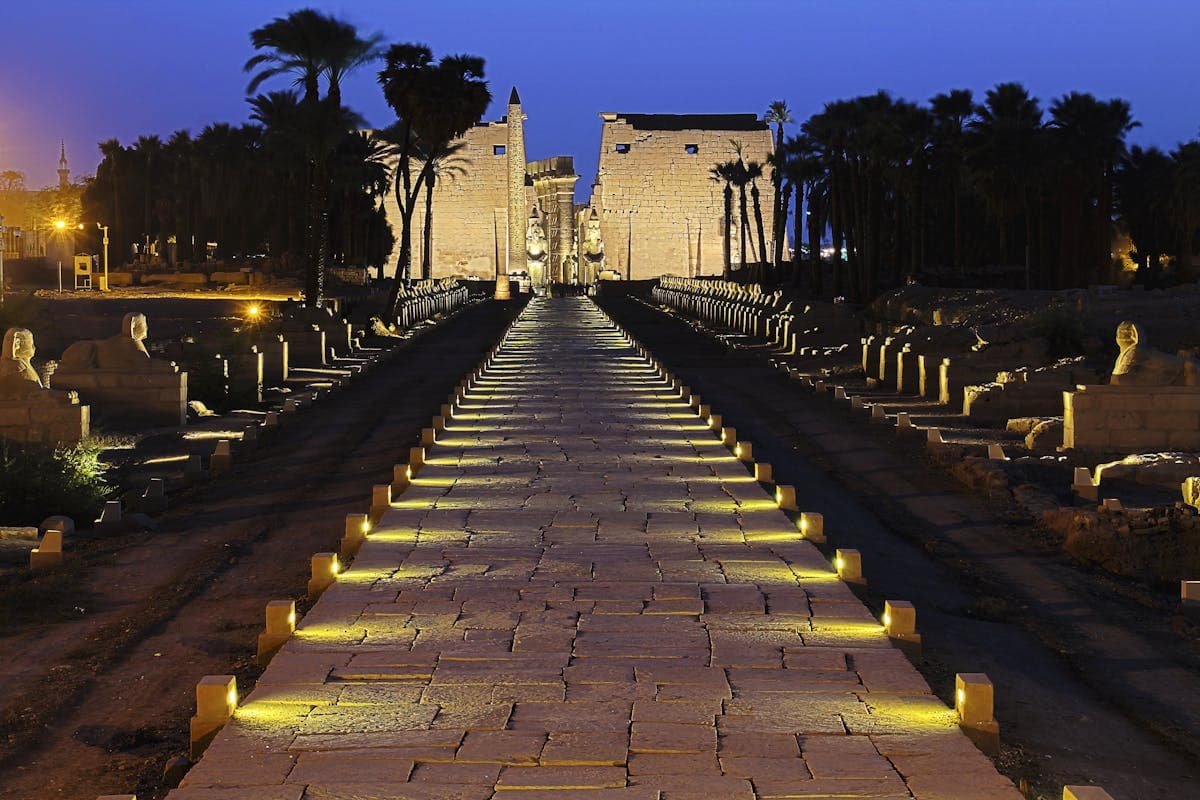
Tour of the Karnak Temple: 10 Top Tips for 2026
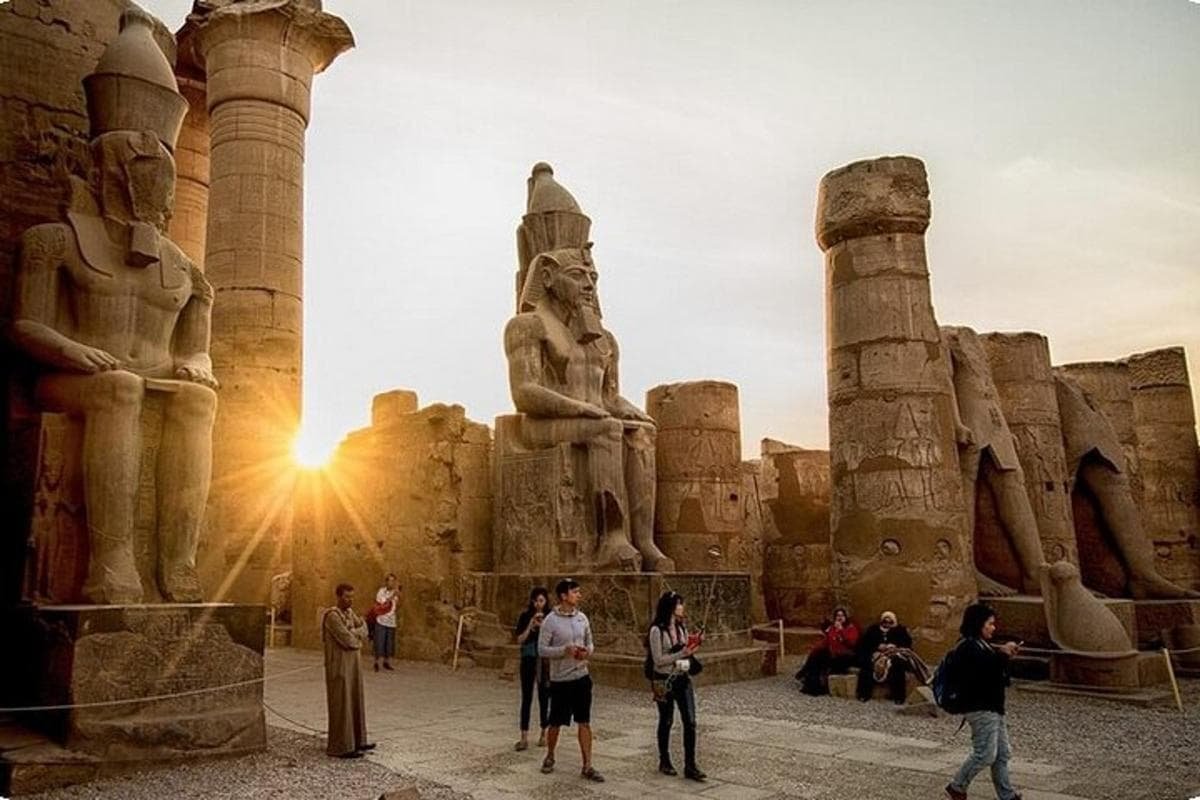
A tour of the Karnak Temple is a unique journey into the world of ancient Egypt, where you can see majestic temples and monuments dedicated to the gods. This place not only attracts tourists with its architectural beauty but also immerses you in an amazing history filled with myths and legends.
The Significance of the Karnak Temple
The Karnak Temple is one of the most significant and majestic temple complexes in the world. It was built in honor of the god Amun and served as a religious center for the ancient Egyptians. Important rituals, sacrifices, and festivals were held here, drawing crowds of thousands.
This temple is not only an architectural marvel but also an important historical site that helps us understand the religious and cultural traditions of ancient Egypt. The Karnak Temple was built over a period of more than 2,000 years, making it unique in terms of architectural style and historical context.
Architectural Features
The architecture of the Karnak Temple is impressive in its scale and complexity. The complex includes many different buildings, halls, columns, and obelisks. The most famous is the Hypostyle Hall with 134 columns, which is one of the largest in the world. Each column is adorned with magnificent carvings and hieroglyphs depicting the exploits of the pharaohs and gods.
- Hypostyle Hall — 134 columns.
- Obelisks carved from granite.
- Sculptures and reliefs on the walls.
Every detail in the architecture of the Karnak Temple has its own significance. For example, the obelisks symbolize the sunrise and serve as a link between heaven and earth. They also served as sites for sacrifices and rituals associated with the deities. It is important to note that many of these obelisks were moved to other countries, such as France and the United Kingdom, which underscores their historical value.
Sacred Lakes and Avenues of Sphinxes
In addition to its buildings and columns, the Karnak Temple is famous for its sacred lakes and sphinx-lined avenues. The sacred lakes were used for ritual ablutions and sacrifices. They also served as a source of water for the temple complex. The avenues of sphinxes, which connect the Karnak Temple to the Luxor Temple, are a unique architectural feature that underscores the grandeur and significance of these sacred sites.
Sphinxes are typically depicted with the body of a lion and the head of a human, symbolizing strength and wisdom. These avenues create an impressive entrance to the temple and are a popular photo spot among tourists.
History of the Karnak Temple
The history of the Karnak Temple dates back more than 4,000 years, when the first builders began constructing it in honor of the god Amun. Over time, the temple expanded significantly and was transformed under the guidance of various pharaohs, each of whom added something new to the complex’s architecture and design.
Throughout different historical periods, the temple served not only as a religious center but also as a political one. Pharaohs were crowned here, and important state rituals were held. As a result, the Karnak Temple became a symbol of the power and grandeur of Ancient Egypt.
Key Pharaohs and Their Contributions
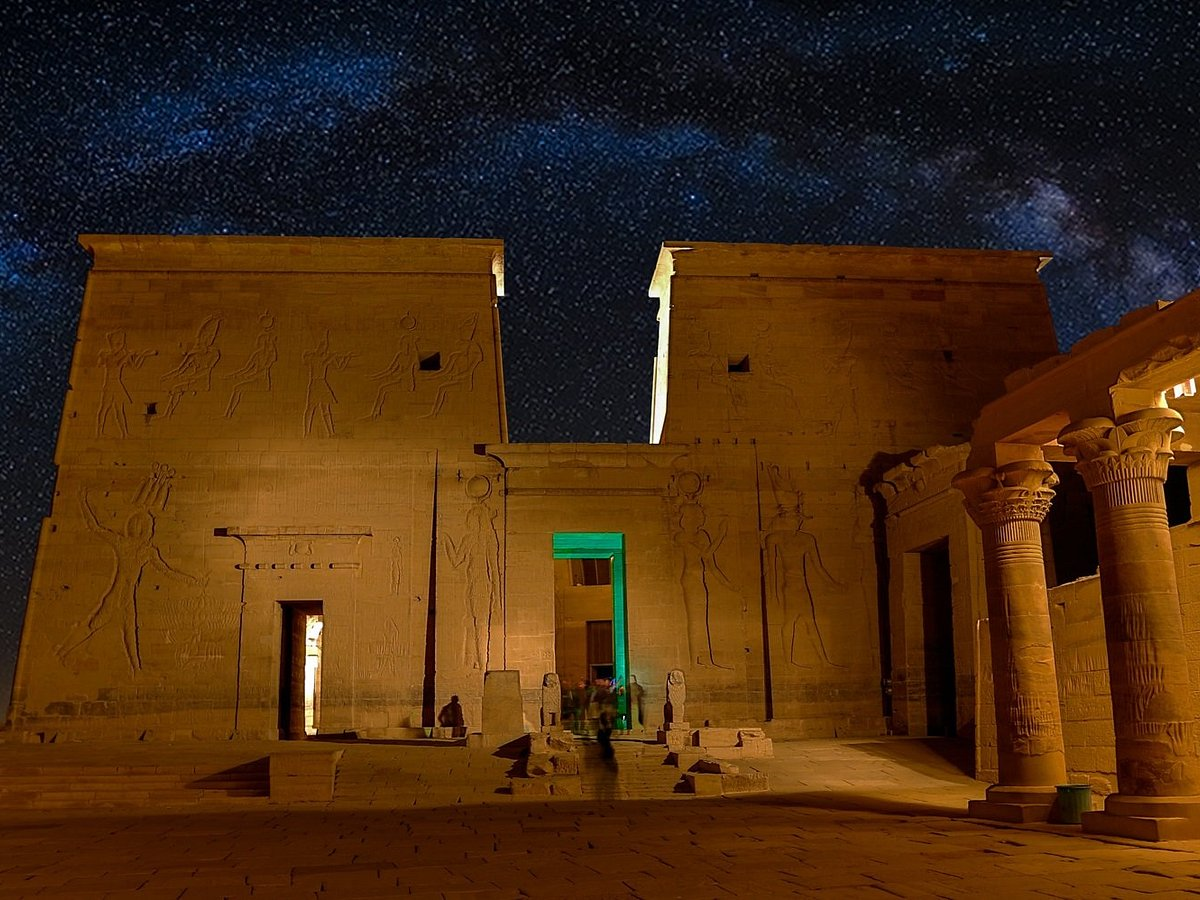
Several pharaohs played a key role in the construction and development of the Karnak Temple:
- Senusret I—the temple’s founder, who began its construction.
- Hatshepsut—added many new buildings and reliefs.
- Ramses II—known for his majestic obelisks and columns.
Each of these pharaohs left their mark on the temple’s history. For example, Hatshepsut, one of the few female pharaohs, not only expanded the temple but also introduced new rituals associated with the worship of the god Amun. Ramses II, in turn, is known for his large-scale construction projects and military campaigns, which also left their mark on the temple’s architecture.
Archaeological Finds
In recent decades, archaeologists have made numerous interesting discoveries on the grounds of the Karnak Temple. New reliefs, statues, and even the remains of ancient ritual objects have been discovered. These findings help us better understand how religious rituals were performed and what traditions existed in ancient Egypt.
Some of the finds have been put on display in museums, allowing tourists to see them up close and learn more about the culture and religion of the ancient Egyptians. This makes a tour of the Karnak Temple even more informative and interesting.
What to Expect from the Tour
During the tour of Karnak Temple, you’ll see not only the temple itself but also many other interesting sites, such as sacred lakes, avenues of sphinxes, and obelisks. The tour will help you immerse yourself in the atmosphere of ancient Egypt and learn about its culture and religion.
Tours are usually led by experienced guides who will explain every element of the temple, its history, and its significance. You’ll be able to ask questions and get answers to topics that interest you.
Best Times to Visit
The best time to visit Karnak Temple is early in the morning or late in the evening, when the temperature is more comfortable and the light casts beautiful shadows on the columns and reliefs. Additionally, there are fewer tourists at these times, allowing you to fully enjoy the atmosphere.
- Early morning—fewer tourists.
- Late evening—beautiful light.
- Avoid the midday heat.
It’s also worth noting that on holidays and weekends, the number of tourists can increase significantly. Therefore, if you’re planning a visit on such days, it’s best to book a tour in advance or arrive early.
What to Bring
Before heading out on a tour, it’s important to prepare and bring the necessary items. Here’s a list of things that might come in handy:
- Water and snacks—there are no shops inside the temple, so it’s best to bring a snack with you.
- Comfortable clothing and shoes—keep the heat in mind and choose lightweight items.
- A camera—to capture those unique moments.
- Sunscreen and a hat—sun protection is essential.
It’s also important to follow the rules of conduct at the temple. Respect the sacred sites and do not touch the exhibits. It’s important to remember that the Karnak Temple is not just a tourist attraction but also a sacred place for many people.
Top Tips for Visitors
To make your visit to the Karnak Temple as comfortable and enjoyable as possible, here are a few helpful tips:
- Don’t forget to bring water and snacks with you, as there are no shops inside the temple.
- Dress comfortably and be prepared for the heat—lightweight clothing and a hat are a must.
- Be sure to bring a camera to capture unique moments.
It’s also important to follow the rules of conduct at the temple. Respect the sacred sites and do not touch the exhibits. It’s important to remember that the Karnak Temple is not only a tourist attraction but also a sacred place for many people.
How to Choose a Tour
Choosing the right tour is also important. It’s recommended to select tours led by experienced guides who can provide in-depth knowledge of the site. Pay attention to reviews from other tourists and choose tours that include additional services, such as transportation and lunch.
Some companies offer combination tours that include visits to other historical sites, such as the Luxor Temple or the Valley of the Kings. This can be a great way to gain a more complete understanding of ancient Egypt and its culture.
Common Misconceptions About the Karnak Temple
There are many myths and misconceptions about Karnak Temple that can mislead tourists. Let’s look at some of them:
- Myth: Karnak Temple is the only temple in Egypt. In fact, there are many temples in Egypt, but Karnak is the largest and most famous.
- Myth: All the reliefs in the temple are well-preserved. In reality, many of them have been damaged by time and human activity.
- Myth: Only ruins can be seen at the Karnak Temple. In reality, there are many restored sections that show what the temple looked like in ancient times.
It’s also worth noting that many tourists believe a tour of Karnak Temple takes only an hour or two. However, to truly enjoy everything this magnificent complex has to offer, it’s best to set aside a full day for your visit.
How to Avoid Tourist Crowds
To avoid large crowds of tourists, try to plan your visit for weekdays. Additionally, choose to visit in the morning or evening, when there are significantly fewer visitors. You may also want to consider a private tour, which will allow you to avoid large groups and enjoy a more personalized experience.
Frequently Asked Questions
How do I get to the Karnak Temple?
You can get to the Karnak Temple by taxi, bus, or as part of a tour group. Many hotels offer shuttle services to the temple.
How long does the tour take?
A tour of the Karnak Temple usually takes 2 to 4 hours, depending on how thoroughly you want to explore the complex.
Do I need a guide for the tour?
Although you can visit the temple on your own, a guide will help you better understand its history and significance, as many details might be overlooked without a professional explanation.
Are there any restrictions on visiting hours?
Yes, the Karnak Temple is open to visitors from 6:00 a.m. to 5:00 p.m. It’s recommended to arrive early to avoid large crowds.
Is photography allowed inside the temple?
Yes, photography is allowed at the Karnak Temple, but please remember to respect the sacred sites and other visitors.
How much is the admission fee?
The admission fee varies, but is usually around 100 Egyptian pounds for foreign tourists.
Conclusion
A tour of the Karnak Temple is a unique opportunity to experience the history of ancient Egypt and witness its splendor. Don’t miss the chance to visit this amazing place and learn more about its culture and traditions.
We recommend planning your tour in advance and taking all the tips into account to make your trip as comfortable and informative as possible.