
 Deutsch
  English
  Français
  Русский
 Egyptian Cuisine Master Class for Tourists: 7 Practical Tips
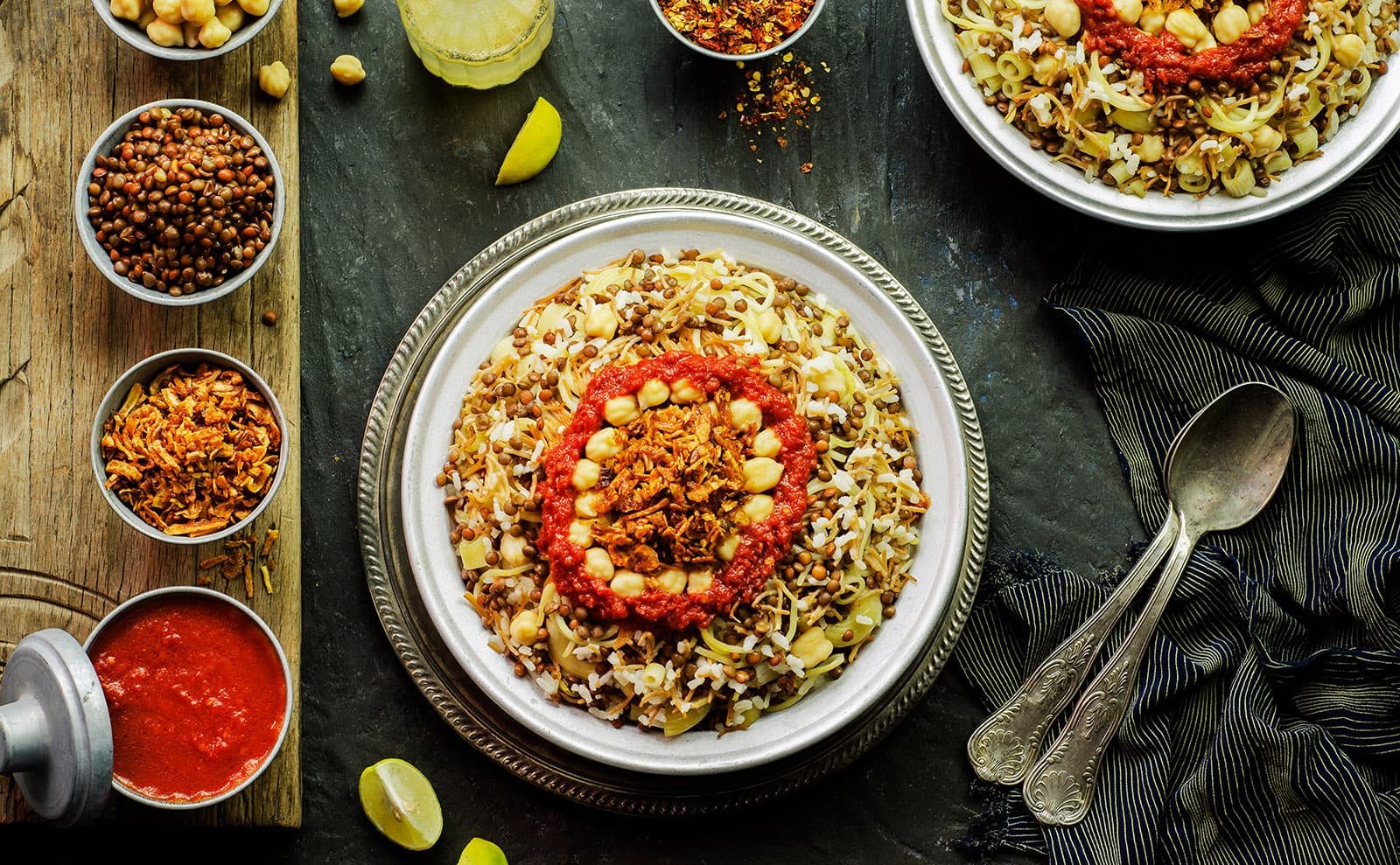
The Egyptian Cooking Master Class for Tourists offers a unique opportunity to explore Egypt’s culinary traditions. This master class includes preparing traditional dishes, learning about local ingredients, and mastering cooking techniques. Participants will not only learn how to cook but also gain an understanding of the cultural aspects of Egyptian cuisine.
What is Egyptian cuisine?
Egyptian cuisine is a rich and diverse culinary tradition that reflects the country’s centuries-old history. It combines elements of various cultures, such as Arab, Turkish, and Mediterranean. The foundation of Egyptian cuisine consists of grains, legumes, vegetables, and spices, making it not only delicious but also healthy.
Egypt’s culinary traditions have been shaped by the region’s geographical conditions and climate. For example, the Nile ensures fertile soil, allowing for the cultivation of a wide variety of crops. In addition, Egypt is located at the crossroads of trade routes, which has led to the exchange of culinary traditions with other countries.
Main Ingredients of Egyptian Cuisine
Egyptian cuisine uses a variety of ingredients, each of which plays a role in creating the unique flavors of its dishes. Here are some of them:
- Beans: Often used in dishes such as ful medames—a traditional Egyptian bean dish.
- Bread: Whether made from wheat or corn, it is a staple food.
- Spices: Coriander, cumin, and others give dishes a distinctive aroma.
In addition, Egyptian cuisine makes extensive use of fresh vegetables, such as tomatoes, cucumbers, and eggplants, as well as fruits, including lemons and pomegranates. These ingredients not only make the dishes more flavorful but also add vibrant colors to the presentation.
The Significance of Egyptian Cuisine for Tourists
For tourists, Egyptian cuisine offers not only the opportunity to try new dishes but also a way to gain a deeper understanding of the country’s culture and traditions. Cooking workshops are becoming increasingly popular among travelers who want not only to eat but also to learn how to cook.
Participating in a cooking class allows tourists to immerse themselves in the atmosphere of an Egyptian family, learn the secrets of preparing traditional dishes, and perhaps even receive recipes that have been passed down from generation to generation. It’s also a great opportunity to interact with locals and learn about their way of life.
The Benefits of Cooking Workshops
Egyptian cooking workshops offer many benefits:
- Enhanced culinary skills: Participants learn to prepare dishes they can recreate at home.
- Cultural exchange: the chance to interact with local chefs and learn about their traditions.
- Unforgettable experiences: The process of cooking in a friendly atmosphere creates unique memories.
In addition, participating in these workshops helps build confidence in your culinary abilities and teaches you about healthy eating and the proper use of ingredients. This is especially important for those who want to continue cooking Egyptian dishes after returning home.
Popular Egyptian Dishes
Egyptian cuisine is renowned for its variety of dishes, each with its own history and unique flavor. Some of the most popular dishes include:
- Kushari: This dish consists of rice, pasta, lentils, and tomato sauce, often served with onions and spices. Kushari is considered Egypt’s national dish and symbolizes the blending of cultures.
- Mahshi: Stuffed vegetables, such as peppers, eggplants, and zucchini, filled with rice and meat. This dish is often prepared for holidays and family celebrations.
- Foul medames: a bean dish typically served for breakfast with olive oil and lemon. This hearty and nutritious dish is a staple of the Egyptian morning meal.
You can try each of these dishes during a cooking class, which gives you the opportunity not only to enjoy the flavors but also to learn about the cooking process. Participants can also get tips on how to adapt the recipes to their preferences and the ingredients they have on hand.
Traditional Desserts
Don’t forget to try traditional desserts such as:
- Basbousa: a sweet semolina cake with coconut. This dessert is often served at holidays and celebrations.
- Knafeh: a dessert made of thin layers of dough filled with cheese and syrup. Knafeh is a popular treat at weddings and other celebrations.
These desserts are the perfect way to end any meal and leave a pleasant aftertaste. It’s important to note that Egyptian cuisine often uses natural sweeteners, such as honey and dates, which add a unique flavor and aroma.
What does the master class include?
Egyptian cooking workshops can vary in format, but they typically include several key steps. Participants start by choosing the dishes they want to prepare and familiarizing themselves with the ingredients. Many workshops also offer tours of local markets, where participants can see how fresh produce is selected.
This is followed by the cooking process, which can take anywhere from a few hours to a full day, depending on the complexity of the dishes. Importantly, throughout the entire master class, participants receive tips and advice from experienced chefs. They can ask questions and get feedback on their culinary skills.
Structure of the Master Class
Master classes typically follow this structure:
- Introduction: an introduction to Egyptian cuisine and culture, and a discussion of the history of the dishes and their significance.
- Cooking: step-by-step instructions for preparing the selected dishes, including ingredient preparation and cooking techniques.
- Tasting: an opportunity to sample the prepared dishes and discuss them with other participants and the chefs.
This approach allows participants not only to learn how to cook but also to enjoy an atmosphere of friendship and collaboration. Participants can exchange impressions and tips, making the learning process more engaging and rewarding.
Tips for Participating in the Master Class
To get the most out of an Egyptian cooking master class, it’s helpful to keep a few tips in mind:
- Choosing the right master class: Select one that matches your interests and skill level. Read reviews and recommendations to choose the best option.
- Be open to new experiences: Don’t be afraid to experiment with new ingredients and techniques. This will help you broaden your culinary horizons.
- Interact with the chefs: Ask questions and share your experiences. Local chefs can offer valuable advice and recommendations based on their own experience.
These tips will help you enjoy the process more and make it more productive. Don’t forget to take notes on recipes and techniques so you can recreate them at home later.
Common Mistakes When Cooking Egyptian Dishes
Cooking Egyptian dishes can be challenging, especially for beginners. Here are some common mistakes to avoid:
- Not using enough spices: Many Egyptian dishes require a generous use of spices to achieve the right flavor. Don’t be afraid to experiment with the amount and combination of spices.
- Incorrect cooking time: It’s important to keep track of the time so you don’t overcook or undercook the dishes. Use a timer and check for doneness according to the recipe.
- Ignoring traditions: Following traditional recipes and cooking methods will help preserve the authenticity of the dishes. Learn about the cultural aspects of preparing and serving food.
By avoiding these mistakes, you’ll be able to better understand Egyptian cuisine and enjoy the cooking process. It’s also helpful to share your experiences with other workshop participants so you can learn from one another.
Frequently Asked Questions About the Egyptian Cuisine Master Class for Tourists
What is the Egyptian cuisine master class for tourists?
It’s an event where tourists can learn to cook traditional Egyptian dishes and become familiar with local ingredients and cooking techniques.
Where are the Egyptian cooking workshops held?
The workshops can be held in restaurants, cooking schools, or even in the homes of local residents.
How long does a cooking class last?
The duration of a cooking class can range from a few hours to a full day, depending on the program.
Do I need any experience to participate in a cooking class?
No, the workshops are suitable for all skill levels, from beginners to experienced cooks.
What dishes can you make during a master class?
Participants can choose from a variety of traditional Egyptian dishes, such as kushari, ful medames, and mahshi.
Are there any age restrictions for participating in a master class?
Age restrictions may vary depending on the organizer, but master classes are generally open to anyone interested.
Conclusion
An Egyptian cooking class for tourists is a unique opportunity to learn more about Egypt’s culture and traditions through its cuisine. Participating in such events enriches not only your culinary skills but also your travel experience.
If you’re planning a trip to Egypt, don’t miss the chance to sign up for a cooking class and discover the amazing world of Egyptian cuisine!