
 Deutsch
  English
  Français
  Русский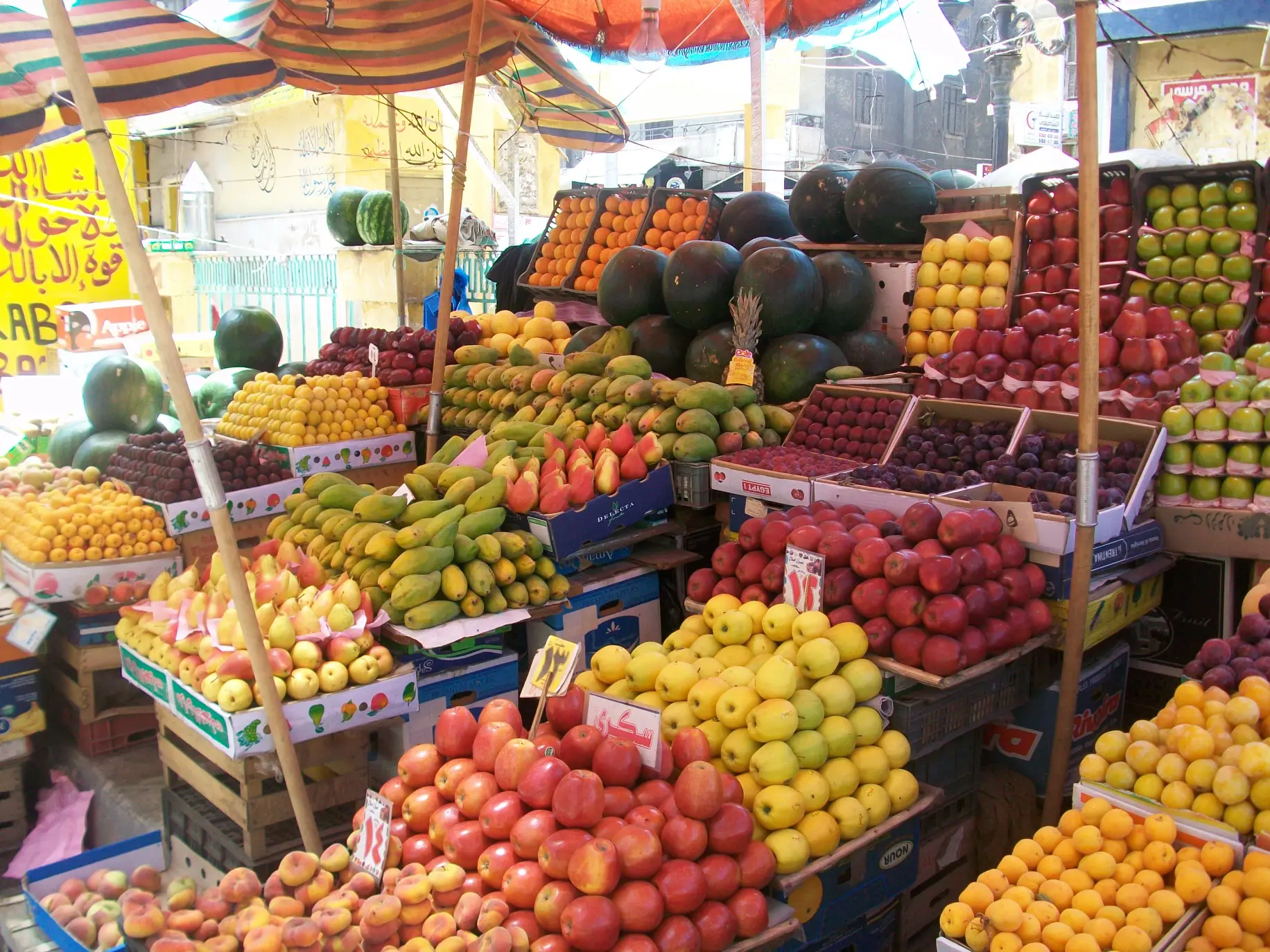
what Egyptian food looks like: 7 Proven Best Recipes 2026
What Egyptian food looks like is a question that opens the door to a world of rich flavors and ancient culinary traditions. Egyptian cuisine is a fascinating combination of Middle Eastern, African and Mediterranean influences. It is characterized by the use of fresh vegetables, legumes, grains and aromatic spices, creating unique and satisfying dishes.
what Egyptian food looks like: Basics and key ingredients
What Egyptian food looks like is largely determined by its basic components. Egyptian cuisine is based on simple but delicious ingredients. These products are affordable and nutritious, making Egyptian food popular among all segments of the population.
It is a mixture of cultural influences shaped by the history of the region. Therefore, it is often compared to the cuisines of neighboring countries such as Lebanon or Syria, but Egyptian food has its own unique characteristics.

Main products of the Egyptian table
Beans occupy a central place in Egyptian cuisine. Beans, lentils and chickpeas are the basis of many dishes.
- Ful medames: These are stewed beans often served for breakfast. They are a national dish.
- Taameya (falafel): Cutlets made from chopped beans, deep fried. This is a popular street food.
- Koshari: A complex dish of rice, pasta, lentils and chickpeas. It is topped with tomato sauce and fried onions.
In addition, vegetables are of great importance. Eggplants, tomatoes, cucumbers, peppers and herbs are used in abundance. Meat, mainly lamb, beef and chicken, is also present, but often in smaller quantities than in Western cuisines. The fish is popular in coastal areas. Grains such as rice and wheat are the basis of many side dishes and breads, such as the traditional aisha (flatbread).
Spices play a key role in giving dishes their characteristic taste. Cumin, coriander, garlic, onion, mint and parsley are used throughout. These spices not only improve the taste, but also have beneficial properties. For example, cumin is known for its digestive benefits. Understanding these basics helps you better understand what Egyptian food looks like and what makes it so special. Visiting Egypt and experiencing its culture through food is an unforgettable experience that can be completed interesting excursions.
Popular breakfasts and street food in Egypt
Egyptian breakfast is not just a meal, it is a whole ritual. It is often very filling and nutritious. This gives you energy for the whole day. Street food in Egypt also deserves special attention.
It offers quick and tasty options for those on the go. Street vendors offer a wide range of dishes to try. These dishes reflect the daily life of the Egyptians.
Breakfasts that charge you with energy
The most famous Egyptian breakfast is ful medames. These are slow-braised beans seasoned with olive oil, garlic, lemon juice and spices. Ful is often served with aish bread, eggs, cheese and fresh vegetables. This dish is a true symbol of Egyptian cuisine and is available everywhere.
Another popular option is taameya, Egyptian version of falafel. Unlike Levantine falafel, which is made from chickpeas, taameya is made from ground fava beans. It has a crispy outside and a tender green inside thanks to the addition of fresh herbs. Taameya is often served in aish bread with salad and tahini. This is an ideal option for a quick and tasty snack. In addition, they often eat for breakfast shakshuku —eggs stewed in spicy tomato sauce. This dish is also popular in other Middle Eastern countries. It is served hot, often straight from the pan.
Gourmet street food
Street food in Egypt is amazing in its diversity. Besides foula and taameya, you can find many other delicacies on the streets. Koshari, mentioned earlier, is the king of street food. This is a hearty vegetarian dish that comes in a variety of serving sizes. It can be found on almost every corner. Also popular havavshi —Egyptian flatbreads with minced meat, baked in the oven. This is a very aromatic and juicy dish. It is often eaten as a quick lunch or dinner. To try it is to fully understand what Egyptian food looks like in its everyday manifestation.
We must not forget about kebabe and jacket. These are meat dishes that are cooked on the grill. They are served with bread, salads and sauces. Egyptian kebabs are distinguished by a special marinade. They have a unique taste. Trying street food will immerse you in the atmosphere of Egypt. This will help you understand its culture better. Many tourists visiting Egypt definitely include in their plans visiting local marketswhere you can try these dishes.
Main dishes: From koshari to makhshi
Egyptian cuisine offers a wide variety of main dishes to suit all tastes. From vegetarian delicacies to meat delights, each dish has its own story and unique way of preparation. These dishes are often served for lunch or dinner. They are the basis of the Egyptian meal.
They reflect the cultural heritage of the country. Many of them are passed down from generation to generation. Understanding these dishes helps one realize what Egyptian food looks like at its fullest. They are the hallmark of Egyptian hospitality.
Culinary masterpieces of Egypt
Koshari is perhaps the most famous and beloved main dish in Egypt. It's a mixture of rice, pasta, lentils and chickpeas, topped with spicy tomato sauce, garlic vinegar and crispy fried onions. This dish is not only very tasty, but also extremely satisfying and inexpensive. Koshari is a great example of how simple ingredients can be transformed into something extraordinary. It demonstrates the ingenuity of Egyptian chefs.
Makhshi is another popular dish. It consists of vegetables stuffed with rice, herbs and sometimes minced meat. The most common stuffings are grape leaves (var'ak enab), peppers, eggplants and zucchini. Makhshi is stewed in tomato sauce until cooked. This dish requires patience and skill. It is often prepared for special occasions and family gatherings. Each bite of mahshi reveals a wealth of flavors and aromas. This makes it a real gourmet feast. Mahshi can be found in both home kitchens and restaurants throughout Egypt.
Moloheya is a green soup or stew made from jute leaves. It is often served with rice and chicken or rabbit. Molochea has a unique slimy texture and rich herbal flavor. This dish is very healthy and nutritious. It is one of the pillars of Egyptian home cooking. Molochei can be prepared differently depending on the region. However, its main ingredients remain unchanged. This dish is a great way to try something truly authentic. It shows what Egyptian food looks like in its traditional form. For those interested in the history and culture of Egypt, day trip to Luxor can be a great addition to culinary discoveries.
Meat dishes also occupy an important place. Fatta is a festive dish of rice, crusty bread and pieces of meat, topped with garlic vinegar and tomato sauce. It is often prepared for Eid al-Adha and other celebrations. Makhshi Hamam - these are stuffed pigeons, baked until golden brown. This is a delicacy dish that is served in the best restaurants. It is considered a real delicacy. These dishes demonstrate the variety and richness of Egyptian cooking. They are an integral part of the Egyptian cultural experience.
Desserts and drinks: Sweet endings to the meal
Egyptian cuisine would not be complete without its delicious desserts and refreshing drinks. They are the perfect end to any meal. These sweet treats and drinks reflect the Egyptians' love of hospitality. They also demonstrate their culinary skills.
Many desserts have Middle Eastern roots. However, they acquired unique Egyptian characteristics. This makes them special. Understanding these sweet aspects helps to fully appreciate what Egyptian food is like.
Sweet treats of Egypt
One of the most famous Egyptian desserts - umm ali, which translates as “Ali’s mother.” It is a kind of bread pudding made from puff pastry, milk, sugar, nuts and raisins. It is baked until golden brown and served warm. Umm Ali is a very delicate and aromatic dessert that is loved by both locals and tourists. It is a must-try. This dish is often prepared at home. It can also be found in cafes and restaurants.
Basbusa is a sweet manna soaked in sugar syrup. It is often garnished with almonds. Basbousa has a grainy texture and a rich, sweet flavor. This dessert is very popular throughout the region. However, the Egyptian version has its own characteristics. It is often more moist and flavorful. Baklava, although not exclusively an Egyptian dessert, is widespread and loved. Egyptian baklava is usually less sweet than Turkish or Greek baklava. It often contains fewer nuts and more syrup. This gives it a unique taste. These desserts show the sweet side of what Egyptian food is like.
Refreshing drinks
Tea is the most popular drink in Egypt. It can be drunk at any time of the day. Egyptian tea is usually black and strong. It is often served with a lot of sugar. Peppermint tea is also very popular. It is especially refreshing in hot weather. Hibiscus is a drink made from hibiscus flowers. It is drunk both hot and cold. Cold hibiscus perfectly quenches thirst. It has a pleasant sweet and sour taste. This drink is very good for health. It is rich in antioxidants. Hibiscus is a traditional Egyptian drink. It is often served at holidays and celebrations. Tamarind (from tamarind fruits) and harub (from carob pods) are other popular refreshing drinks. They have unique tastes. These drinks demonstrate the diversity of Egyptian traditions. Visiting Egypt and experiencing its drinks is an important part of the cultural experience. Contact usto learn more about local traditions.
Regional features of Egyptian cuisine
Egypt is a large country, and its culinary traditions vary from region to region. Although there are commonalities such as the use of legumes and spices, each area has its own unique dishes and cooking methods. These regional differences make Egyptian cuisine even more interesting and varied. They reflect local products and cultural influences. Understanding these nuances helps you gain a deeper understanding of what Egyptian food looks like.
From the Nile Delta to the Red Sea coast, and from the oases of the Western Desert to Upper Egypt, each region offers something special. These features have been formed over centuries. They depend on the climate, available resources and historical connections.
Culinary differences in Egypt
B Nile Delta, a fertile region with abundant harvests, the food is often lighter and fresher. Vegetables and fish from the Nile are widely used here. For example, fish Nile style, grilled or baked with herbs, is a popular dish. Duck and goose dishes are also common here. These birds are raised in the region. The cuisine of the Nile Delta is characterized by an abundance of fresh ingredients. It is also characterized by milder spices compared to other regions.
On Red Sea coast, as expected, seafood dishes predominate. Fresh fish, shrimp, squid and other seafood are prepared in various ways: grilled, fried or stewed in sauces. Sayadia fish is a popular dish of fish baked with rice and onions. It is the calling card of the region. You can also find dishes with hotter spices here. This reflects the proximity to Asian trade routes. Tourists visiting the coast often enjoy fresh seafood. They are an integral part of the holiday. Sea excursions often include seafood dinners.
B Upper Egypt (southern part of the country) the cuisine is more hearty and heavier. Meat is more often used here, especially lamb and beef. Dishes are often cooked over low heat. This gives them a deep and rich taste. Fatta, which was mentioned earlier, is especially popular in Upper Egypt. Dishes made from lentils and other legumes are also common here. They are an important part of the diet. The cuisine of Upper Egypt reflects the harsher climate and agricultural traditions of the region. Here you can try more traditional and authentic dishes. They are different from those served in Cairo or Alexandria.
B oases of the Western Desert, such as Siwa or Farafra, the cuisine is unique. It is based on local products such as dates, olives and barley. Here you can try dishes that are not found in other parts of Egypt. For example, bread baked in sand. Or date dishes. These features show how varied Egyptian food can be. They highlight the richness of her culinary heritage. Exploring these regional differences is a fascinating culinary journey. It helps to understand the full spectrum of what Egyptian food looks like.
Common misconceptions about Egyptian food
When talking about Egyptian cuisine, some misconceptions often arise. These myths can misrepresent what Egyptian food actually looks like. It is important to dispel them in order to gain a more accurate and complete understanding. This will help avoid disappointment and allow you to truly enjoy local dishes.
Many of these misconceptions arise from a lack of information. Or because of comparisons with other Middle Eastern cuisines. Egyptian cuisine has its own unique features. It deserves separate study.
Debunking myths about Egyptian cuisine
Misconception 1: Egyptian food is too spicy. Many people mistakenly believe that all Egyptian food is very spicy. In fact, Egyptian cuisine uses spices for flavor rather than heat. Of course, there are hot sauces like chatta that you can add to suit your taste. However, most dishes have a moderate, balanced taste. They do not cause discomfort. This allows you to enjoy your food without worry. So if you don't like spicy food, no worries. You can always find suitable dishes.
Misconception 2: Egyptian cuisine is exclusively meat. Although meats such as lamb and chicken are present in Egyptian cuisine, it is far from exclusively meat-based. In contrast, legumes, vegetables and grains form the basis of many traditional dishes. Koshari, ful medames, taameya and mahshi are all vegetarian or vegan dishes. They are very popular. This makes Egyptian cuisine very vegetarian friendly. There are many options here. This is an important aspect that shows what Egyptian food looks like in its diversity.
Misconception 3: Egyptian food is too fatty and heavy. Some people think that Egyptian dishes are very fatty. While some dishes can be filling, many are plant-based and light. For example, lentil soups or vegetable stews. They are very helpful. Using olive oil rather than heavy fats also makes for healthier cooking. Of course, as in any cuisine, there are also more high-calorie dishes. But overall, Egyptian food can be very balanced. It is suitable for various diets. Transfers within Egypt can be long, so it is important to eat right.
Misconception 4: Egyptian cuisine is monotonous. This is one of the most common misconceptions. As we already discussed in the section on regional characteristics, Egyptian cuisine is very diverse. From the coast to the desert, each region offers its own unique dishes and flavors. In addition, seasonal products play a big role. This means the menu changes throughout the year. Thus, Egyptian food constantly offers something new. It will never seem monotonous. This makes it interesting to study. Dispelling these myths helps to better understand what Egyptian food looks like and its true richness.
Cultural significance of Egyptian food
Food in Egypt is much more than just a means of satiation. It is an integral part of culture, tradition and social interaction. Egyptian food brings families and friends together. It plays a central role in holidays and celebrations. Understanding this cultural aspect helps to better appreciate what Egyptian food looks like and its meaning to Egyptians.
Food is an expression of hospitality. It reflects ancient customs. These customs are passed down from generation to generation. Food in Egypt is a way of communication. It is also a way of preserving cultural identity. This is especially important in the modern world.
Food as a symbol of hospitality and tradition
Hospitality is one of the most valuable traits of Egyptian culture. Offering food to guests is a sign of respect and friendship. Even if the owner has little, he will always try to treat the guest with the best he has. Refusing food can be perceived as an insult. This highlights the importance of food in social relationships. When you visit an Egyptian home, you are sure to be offered tea and treats. This is part of etiquette. This shows how woven food is into everyday life and communication.
Egyptian holidays and celebrations are unthinkable without a rich table. Special dishes are prepared for Eid al-Fitr and Eid al-Fitr. They symbolize joy and unity. Fatta, for example, is a traditional dish for Eid al-Adha. It is prepared in every family. These dishes are not only delicious, but also carry a deep symbolic meaning. They connect generations. They also preserve cultural heritage. This helps to understand what Egyptian food looks like in the context of tradition.
Food also plays an important role in everyday life. Meals together are a time for communication and sharing news. Families often get together to eat. This strengthens family ties. Street food, in turn, promotes social interaction. People meet, communicate and share food. This creates a unique atmosphere. Visiting local markets and cafes is a great way to immerse yourself in the culture. You will be able to see what Egyptian food looks like in its natural environment. And how it brings people together. Visiting theme parks can also be associated with tasting local cuisine.
Finally, Egyptian food is an expression of national identity. Dishes such as ful medames and koshari are considered national treasures. They make Egyptians proud. They are part of their history and heritage. This sense of belonging is conveyed through food. This makes it especially significant. Thus, food in Egypt is not just a collection of ingredients. This is a living embodiment of the culture, history and soul of the people. It allows everyone who tries it to feel like they are part of this ancient and rich civilization. This makes it truly unique and unforgettable.
Frequently asked questions about what Egyptian food looks like
What is the most popular dish in Egypt?
The most popular dish in Egypt is koshari. This is a vegetarian dish of rice, pasta, lentils and chickpeas, topped with tomato sauce and fried onions. It is very filling and inexpensive, you can find it everywhere.
Is Egyptian food spicy?
In general, Egyptian food is not overly spicy. Spices are used to add flavor rather than heat. Spicy sauces such as shatta are usually served separately so that everyone can add their own taste.
Are there vegetarian dishes in Egyptian cuisine?
Yes, Egyptian cuisine is very rich in vegetarian and vegan dishes. Many staple foods, such as legumes, vegetables and grains, form the basis of the diet. Ful medames, taameya, koshari and makhshi are excellent vegetarian options.
What is the most popular drink in Egypt?
The most popular drink in Egypt is tea. It is drunk throughout the day and is usually strong and sweet. Also very popular is hibiscus drink, which is refreshing both hot and cold.
How is Egyptian cuisine different from other Middle Eastern cuisines?
Egyptian cuisine features a strong emphasis on legumes and grains, as well as unique dishes such as koshari and moloheya. It also has its own regional characteristics, shaped by the history and geography of the country, which makes it unique.
What desserts are worth trying in Egypt?
Be sure to try umm ali (bread pudding with nuts), basbousa (manna soaked in syrup) and Egyptian baklava. These desserts offer a sweet and flavorful ending to any Egyptian meal.
Is it possible to find healthy food in Egypt?
Yes, Egyptian cuisine offers many healthy options. Many dishes are based on vegetables, legumes and lean meats. For example, full medames, lentil soup and fresh salads are nutritious and healthy.
What street food is a must-try in Egypt?
In addition to koshari, be sure to try taameya (Egyptian falafel), hawavshi (flatbread with meat) and various types of kebabs and koftas. Street food in Egypt is a delicious and affordable way to experience local cuisine.
Output
We reviewed in detail what does Egyptian food look like, its diversity and cultural significance. From hearty breakfasts to decadent desserts, Egyptian cuisine offers a unique gastronomic experience. It reflects the rich history and traditions of this ancient country.
Immerse yourself in the world of Egyptian tastes and aromas. Discover new culinary horizons. Plan your trip and enjoy every moment that Egypt has to offer.