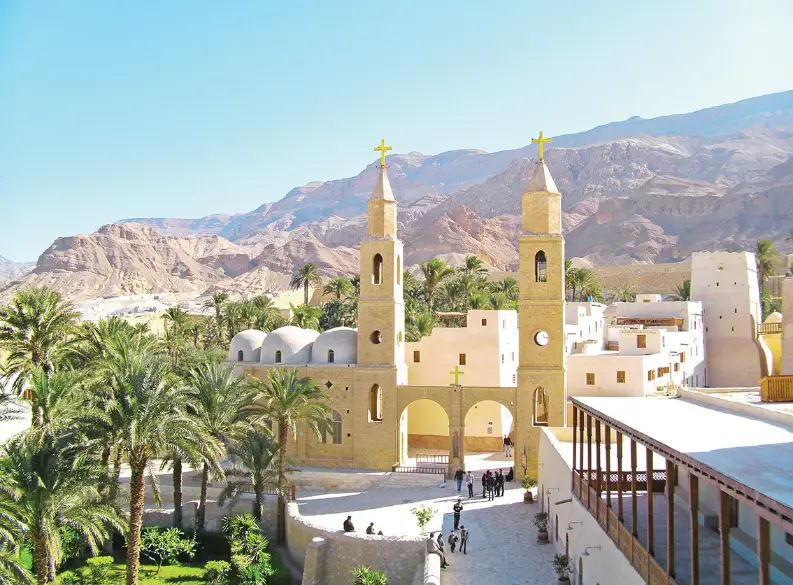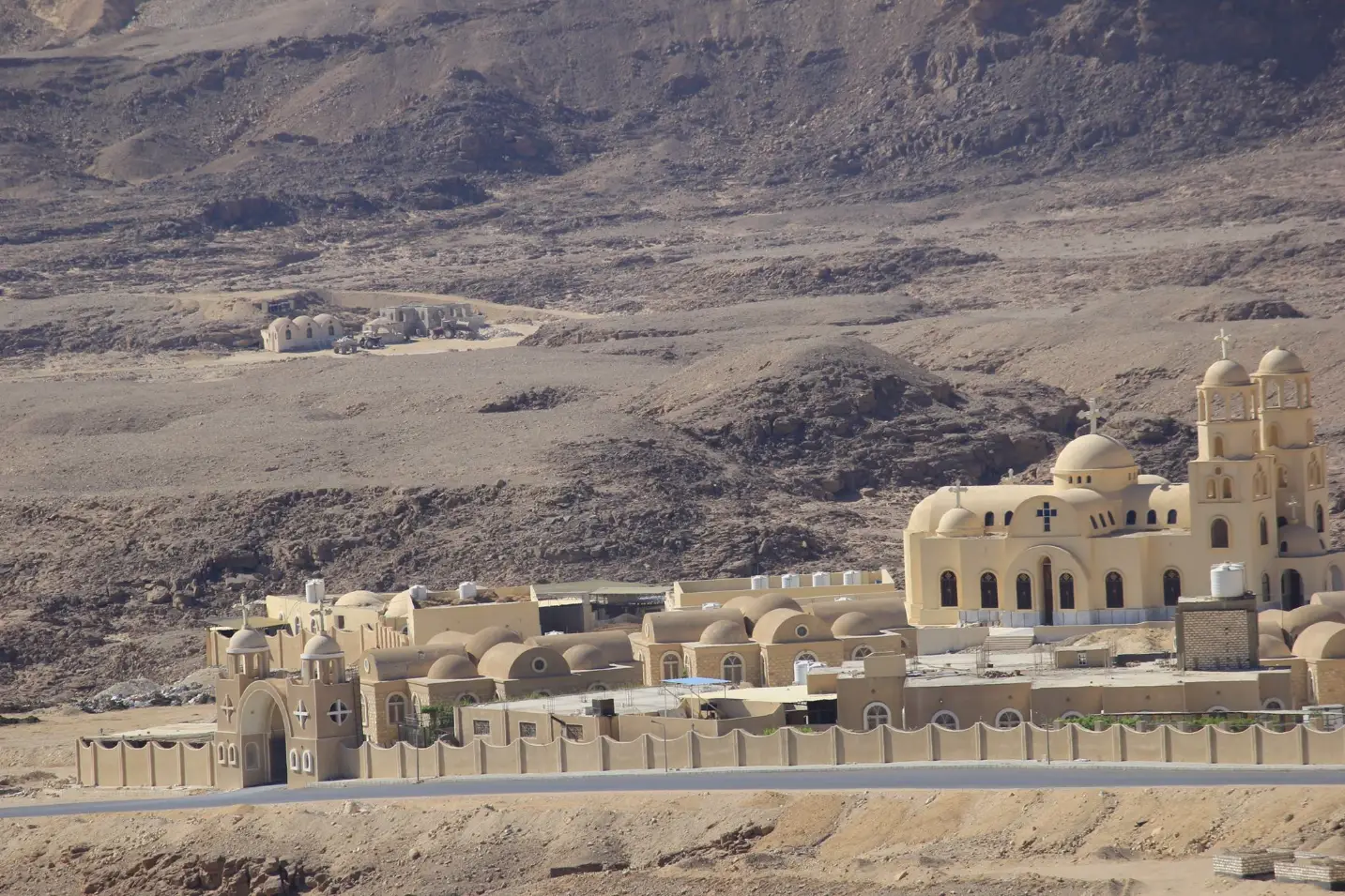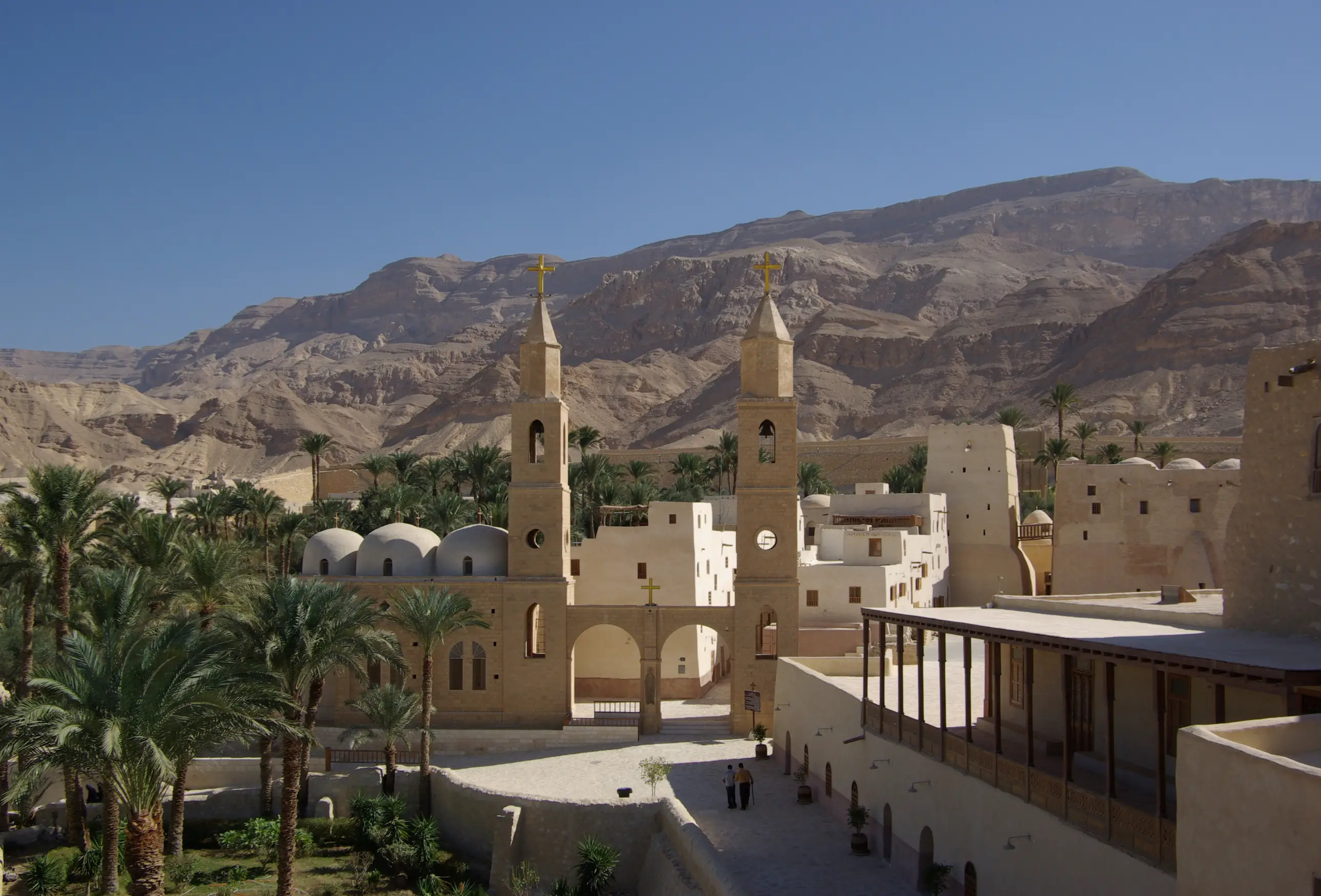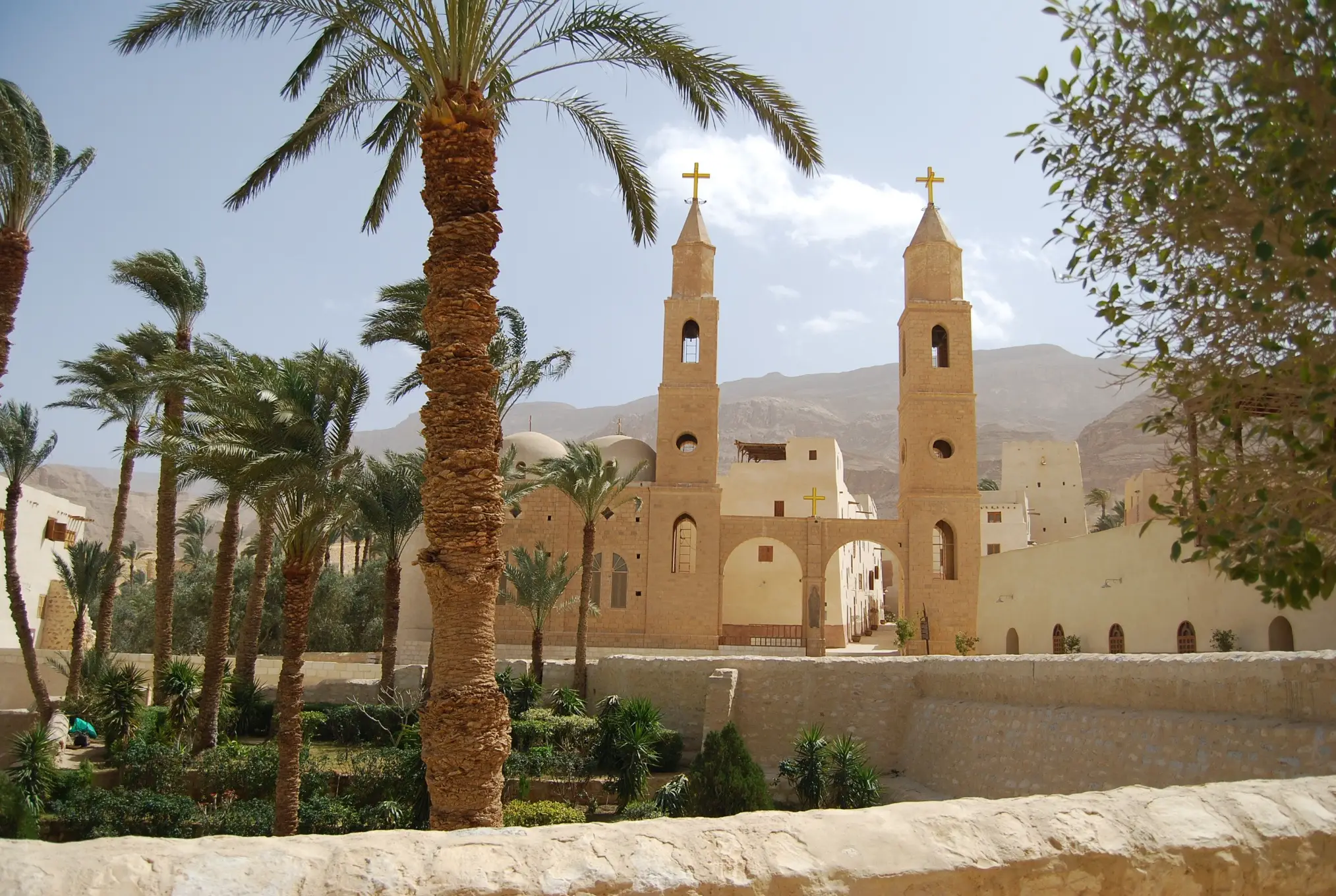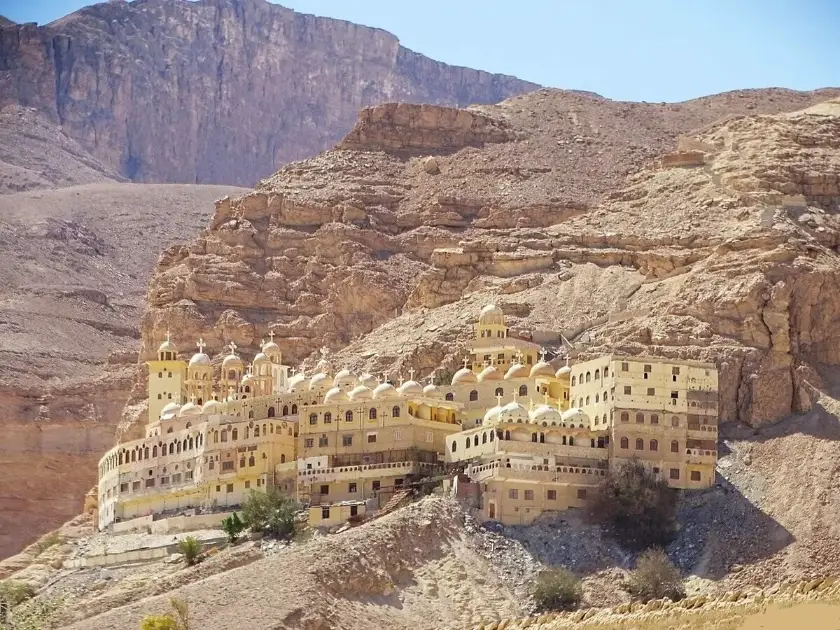
Saint Paul's Monastery, also known as the Monastery of St. Paul the Anchorite, is a historical Coptic Orthodox monastery located in the Red Sea Governorate of Egypt. Situated approximately 240 kilometers north of Hurghada, this ancient monastery holds great significance in the history of Christianity in Egypt. The monastery...
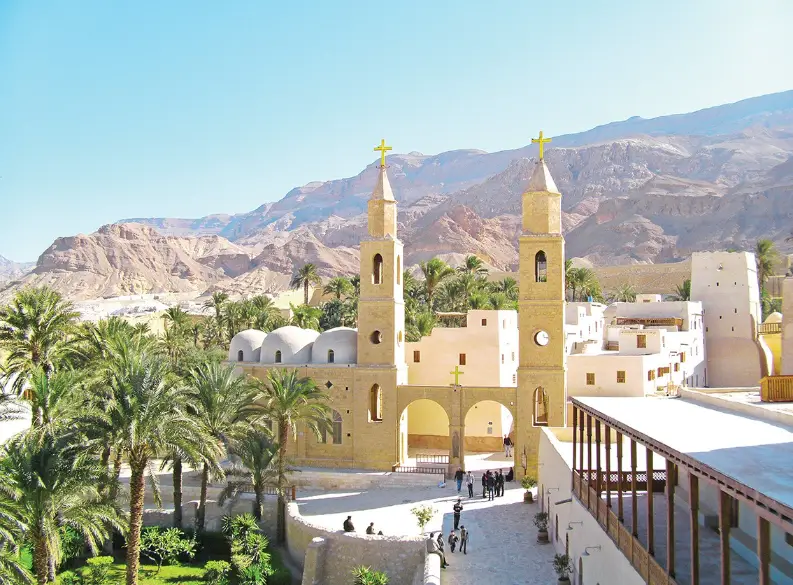
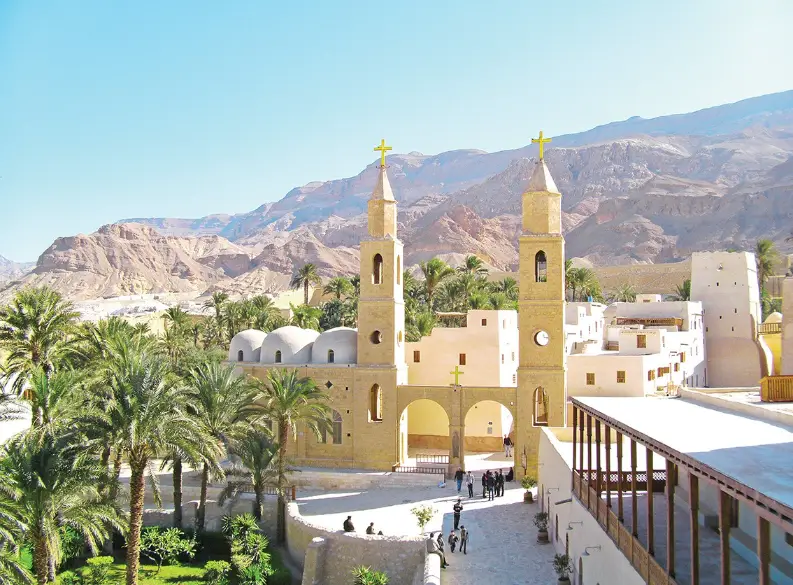
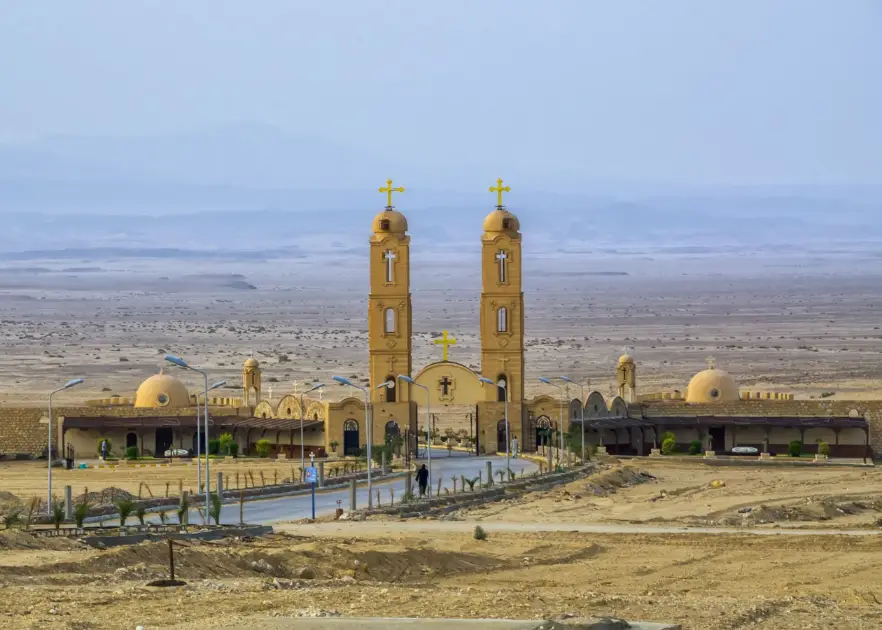
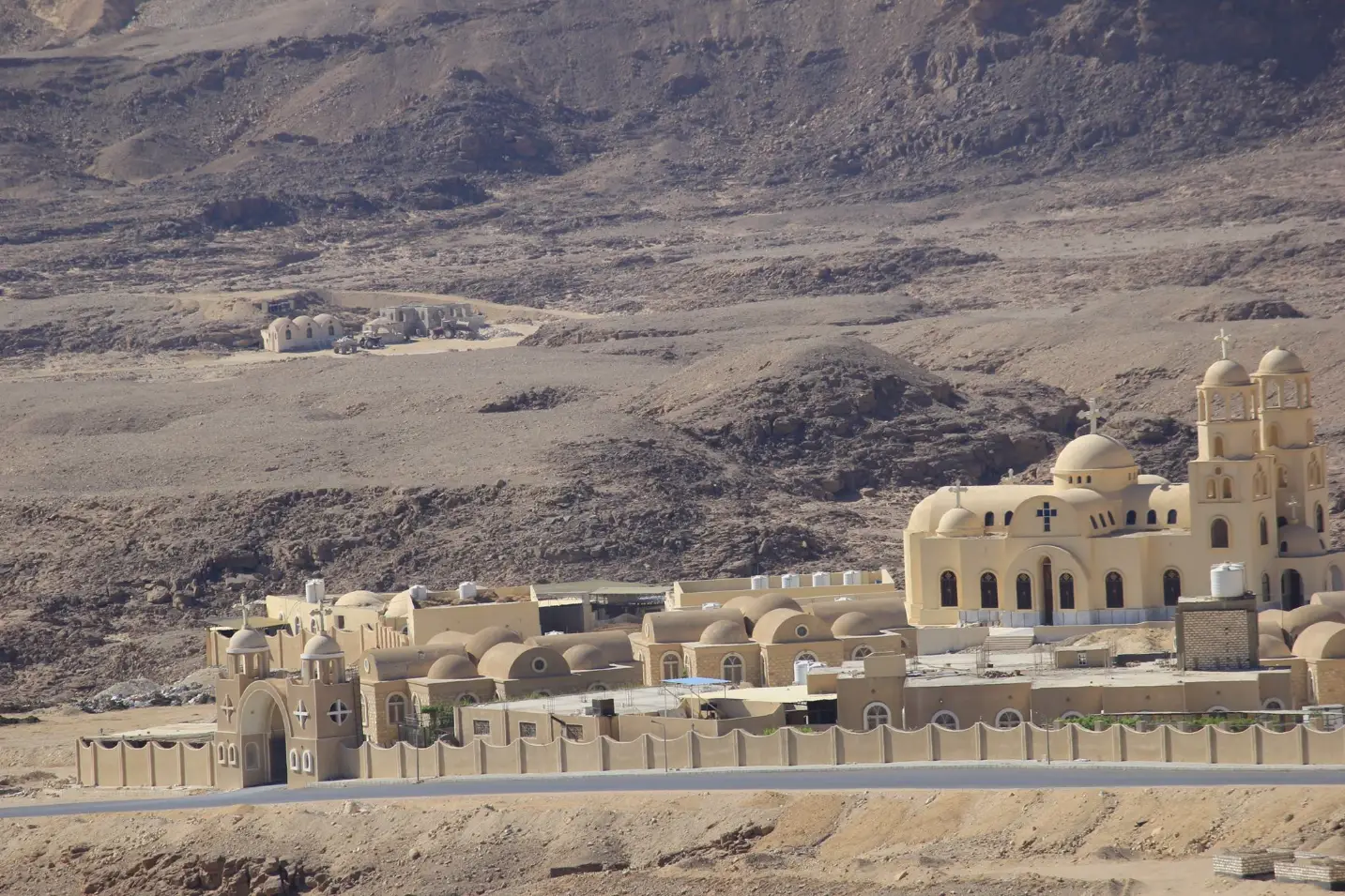
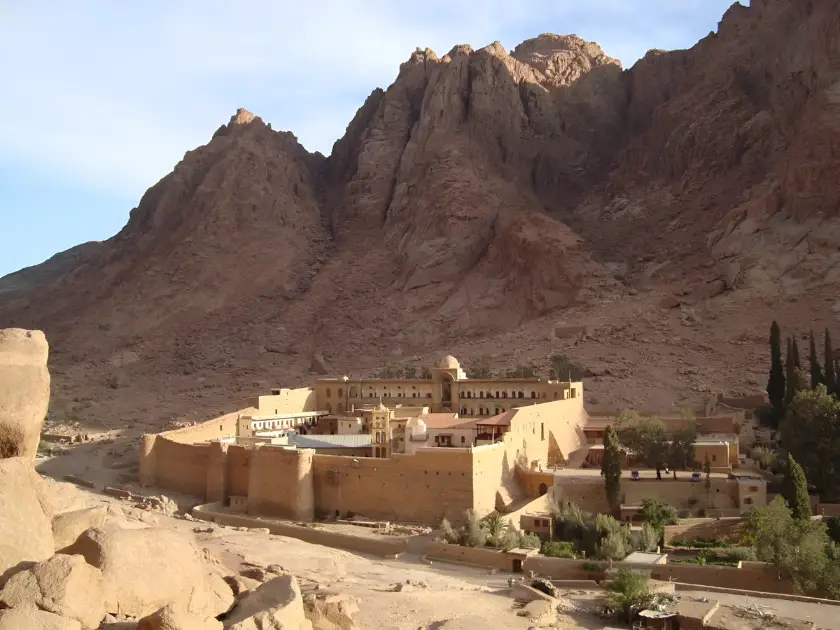
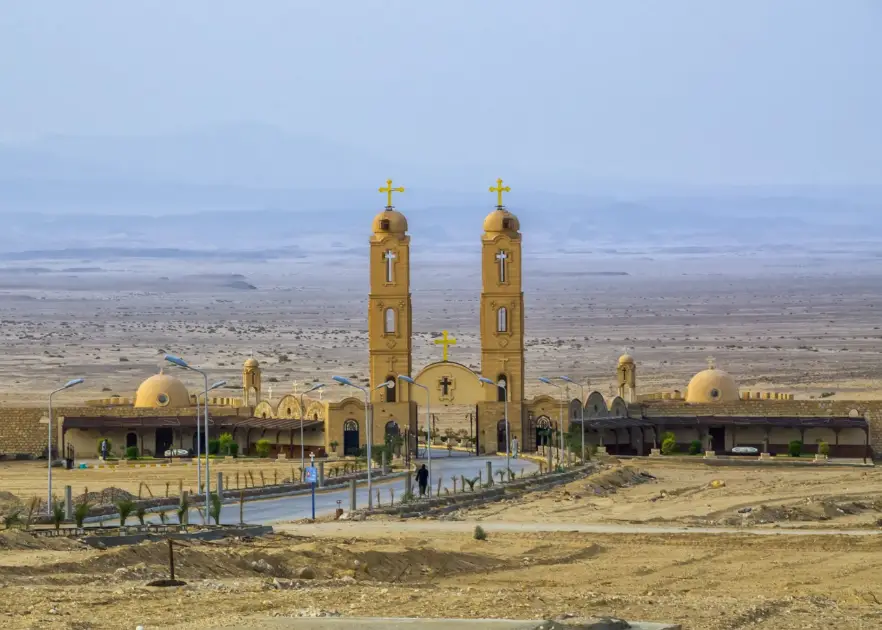
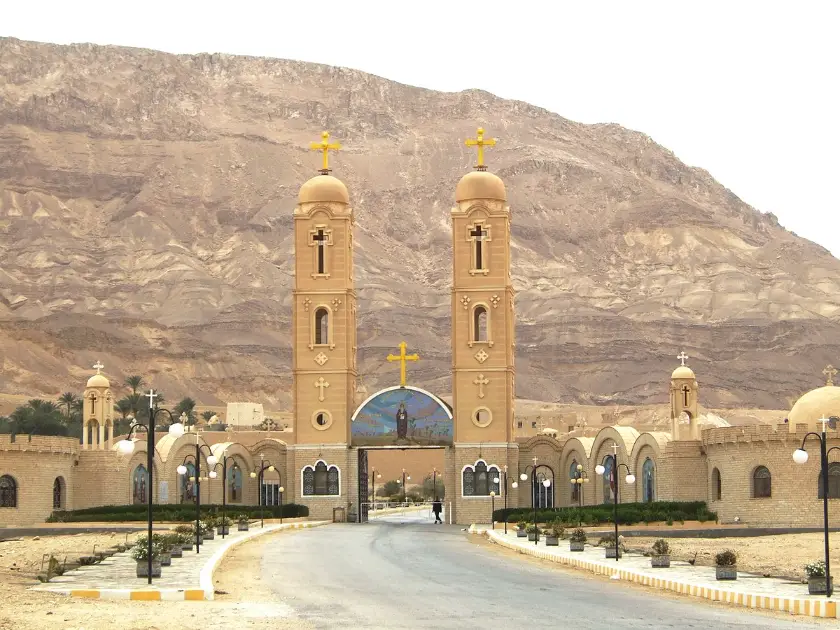
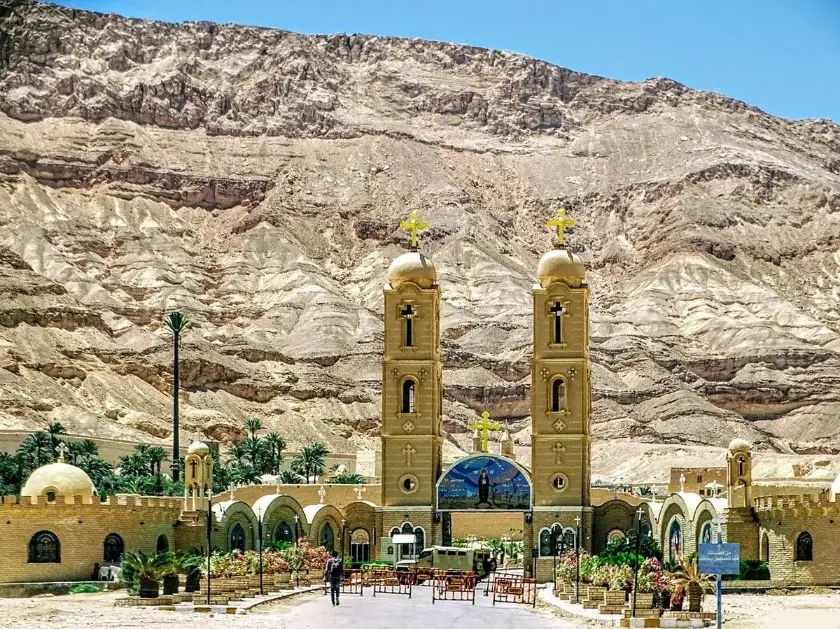
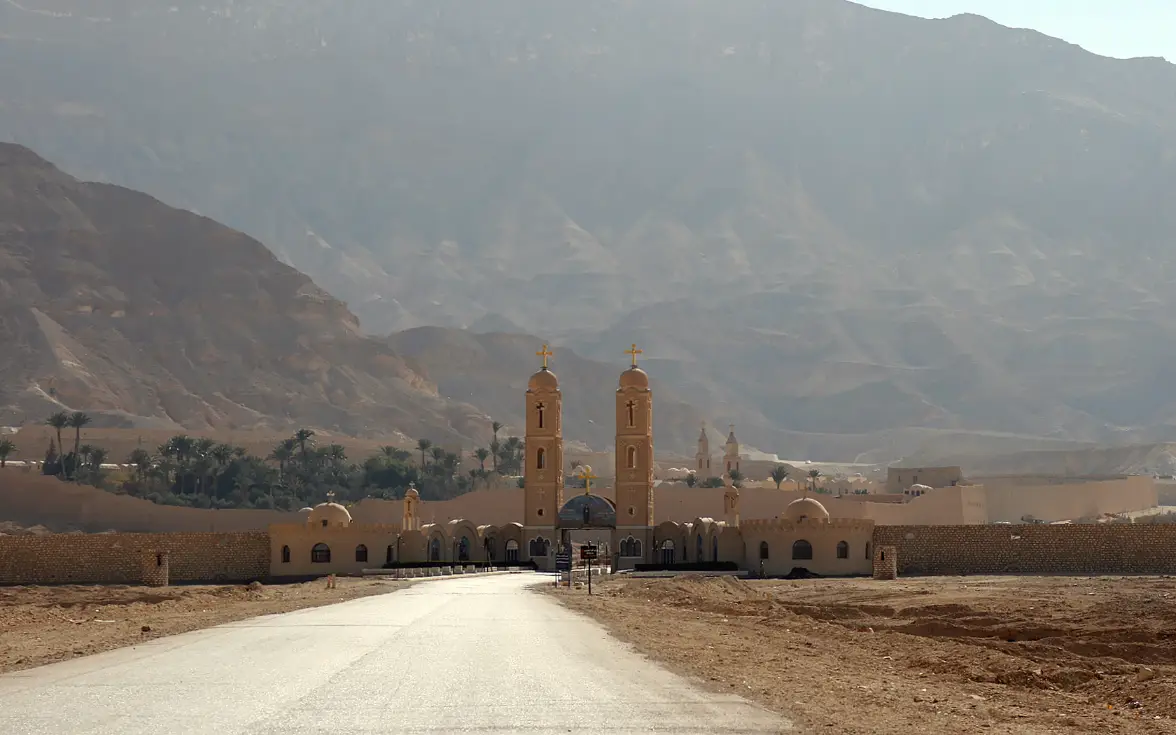
Saint Paul's Monastery, also known as the Monastery of St. Paul the Anchorite, is a historical Coptic Orthodox monastery located in the Red Sea Governorate of Egypt. Situated approximately 240 kilometers north of Hurghada, this ancient monastery holds great significance in the history of Christianity in Egypt.
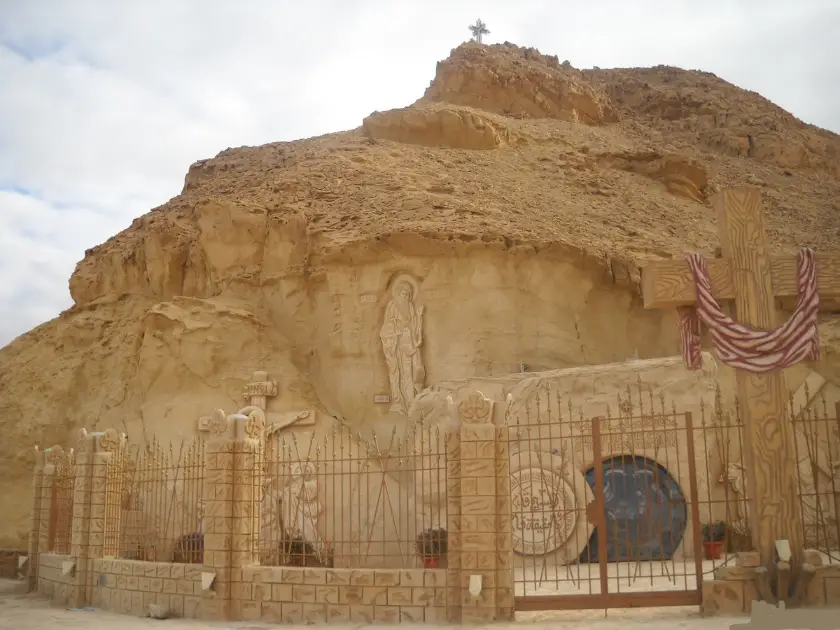
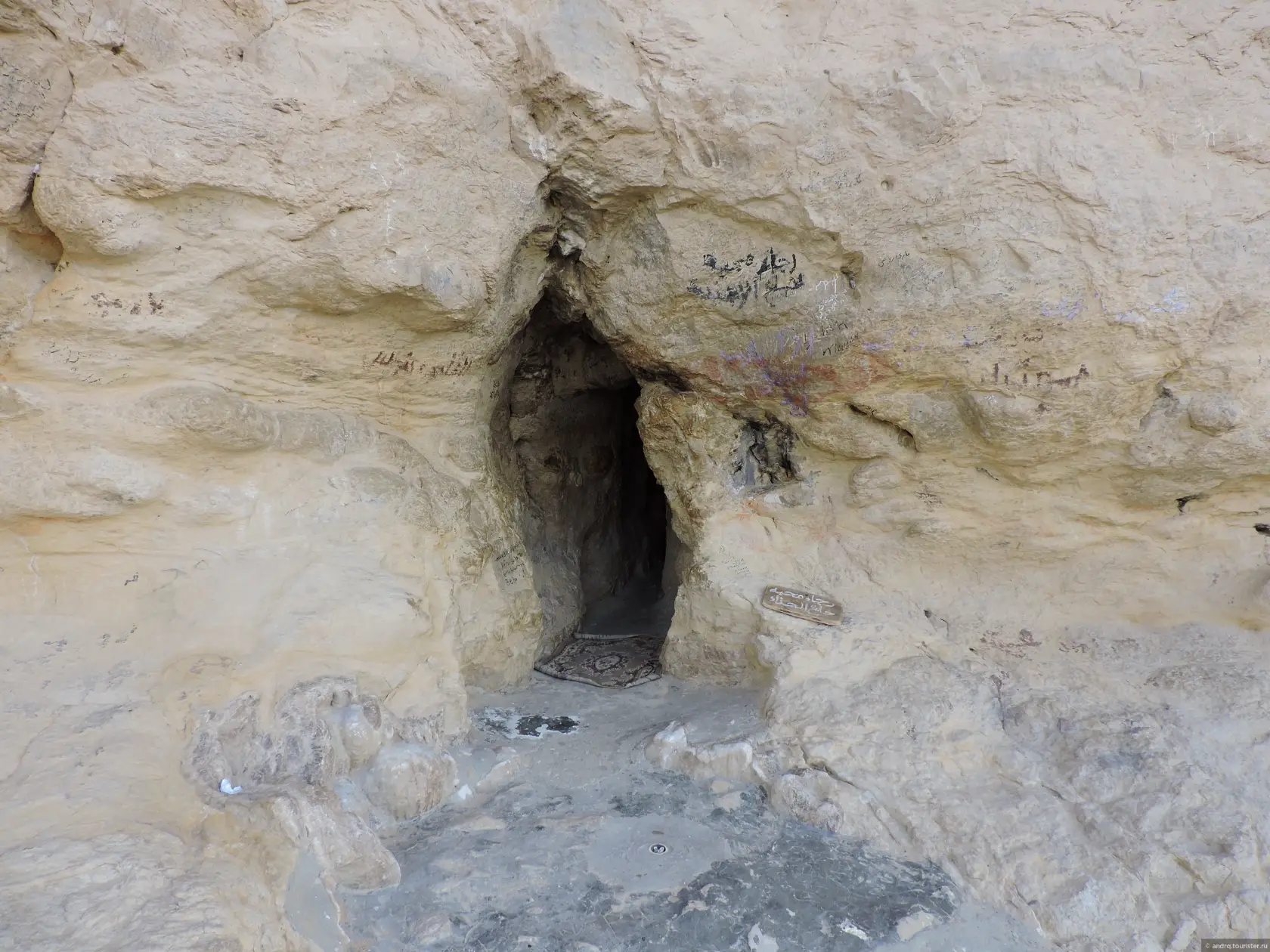
The monastery is named after St. Paul the Anchorite, also known as Paul of Thebes, who is considered one of the first Christian hermits. According to historical accounts, St. Paul lived a life of solitude and prayer in a cave near the monastery site during the third century AD. His ascetic lifestyle and devotion to God inspired many followers and laid the foundation for the monastic movement in Egypt.
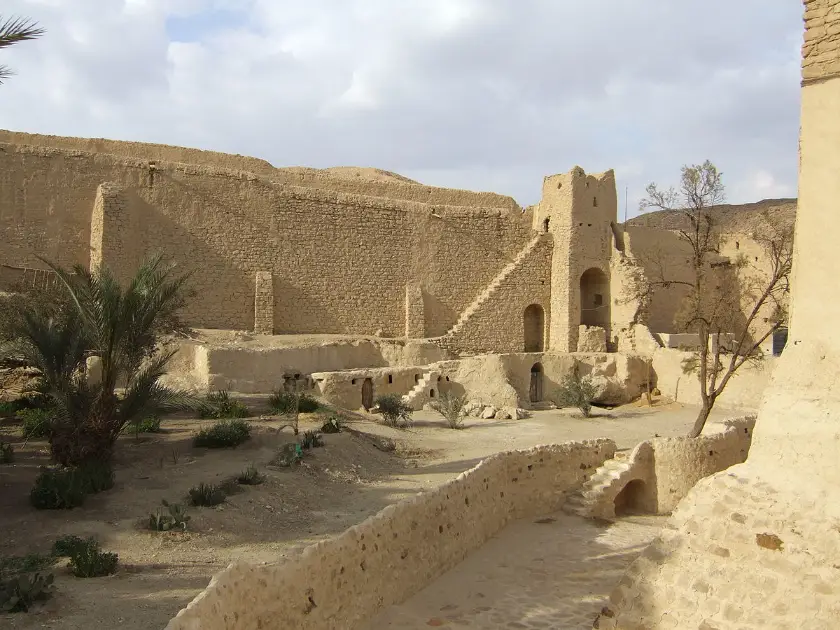
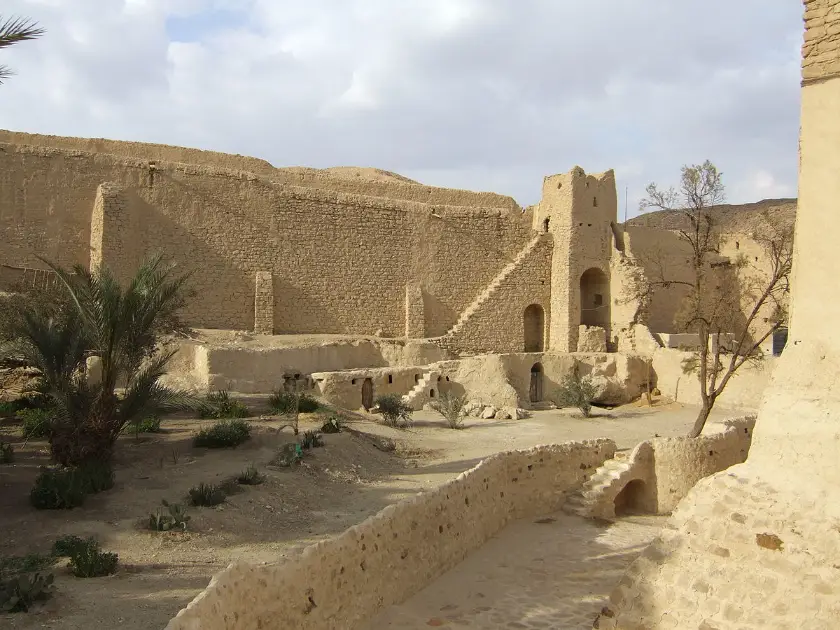
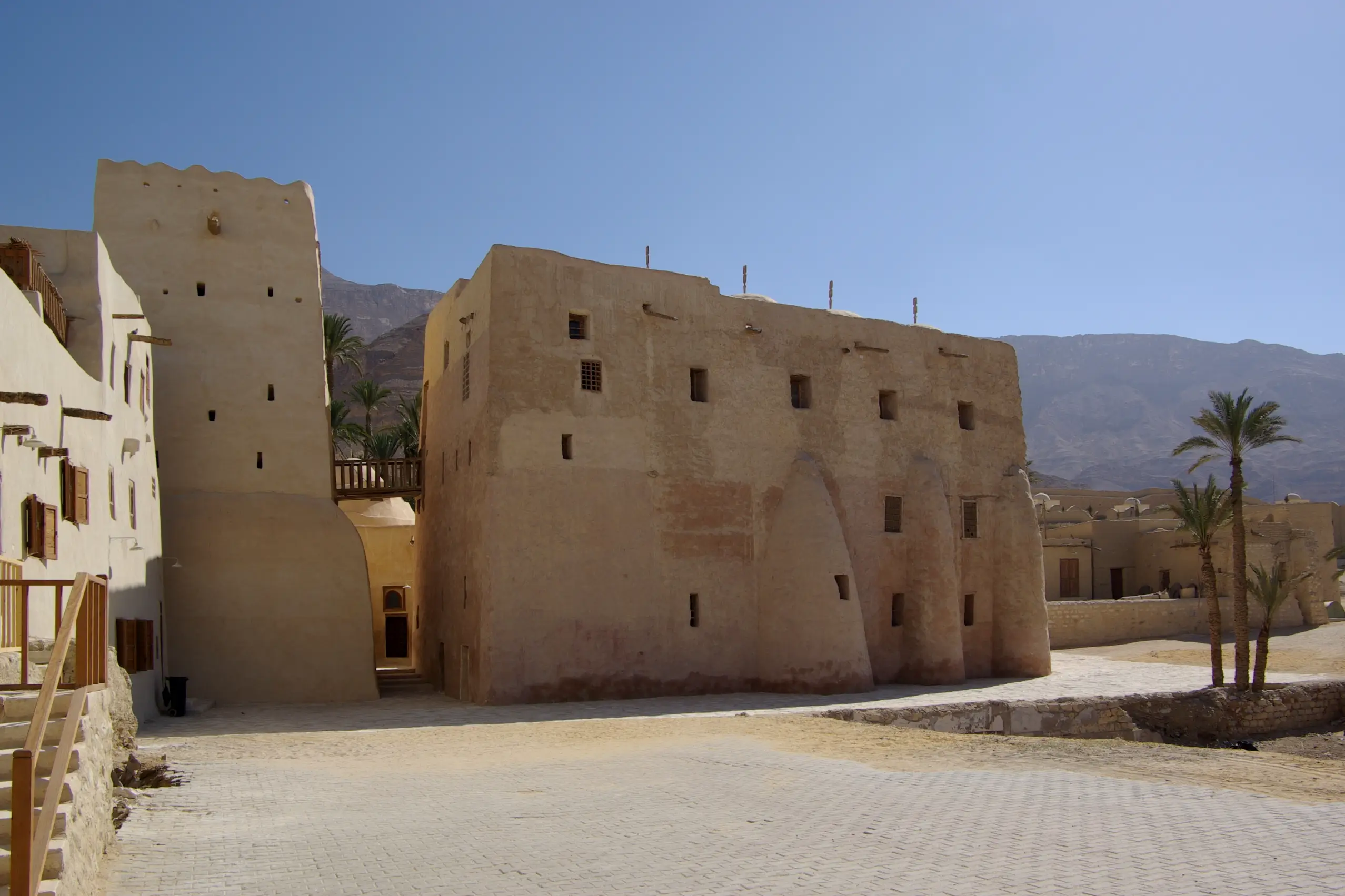
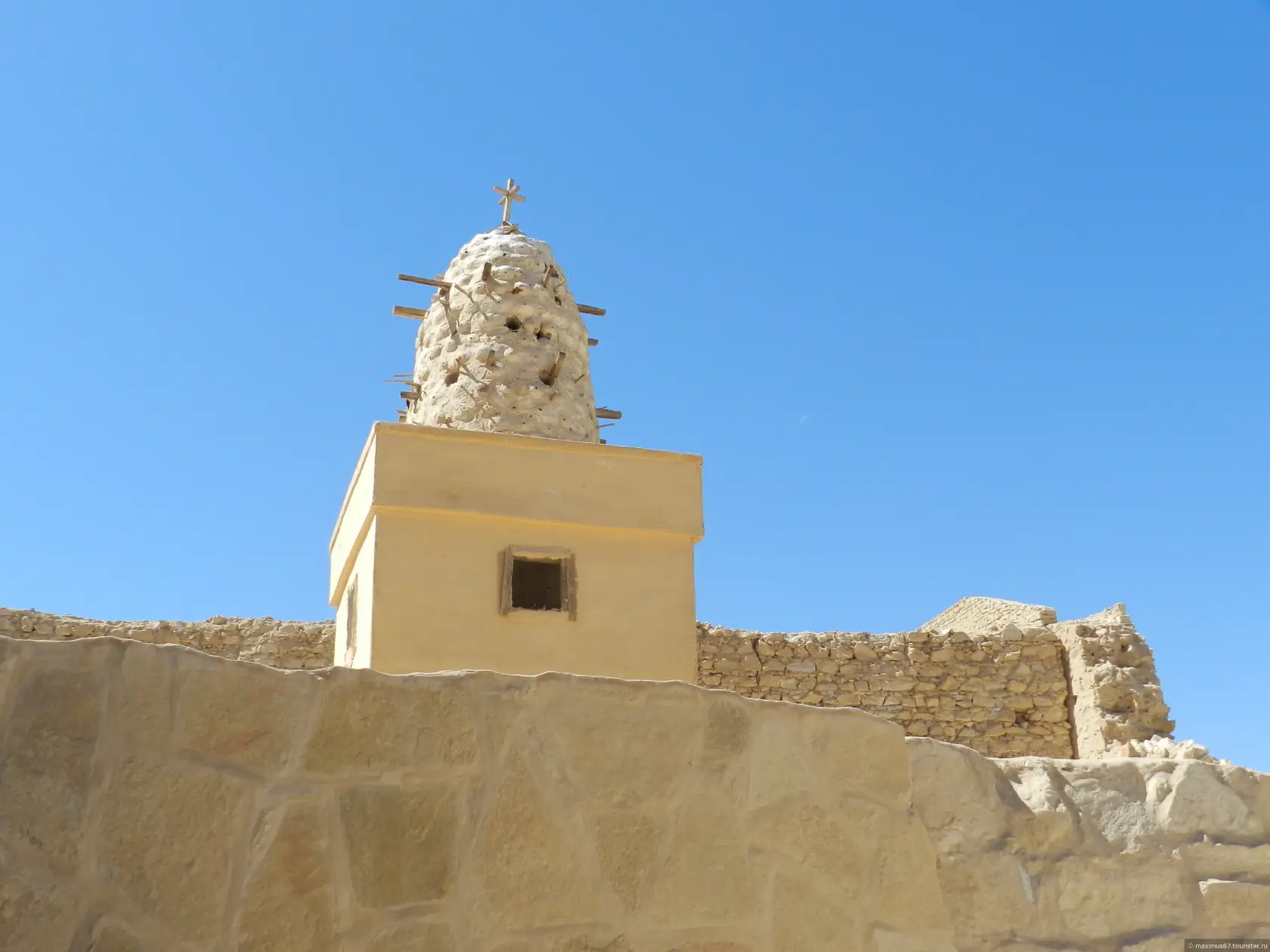
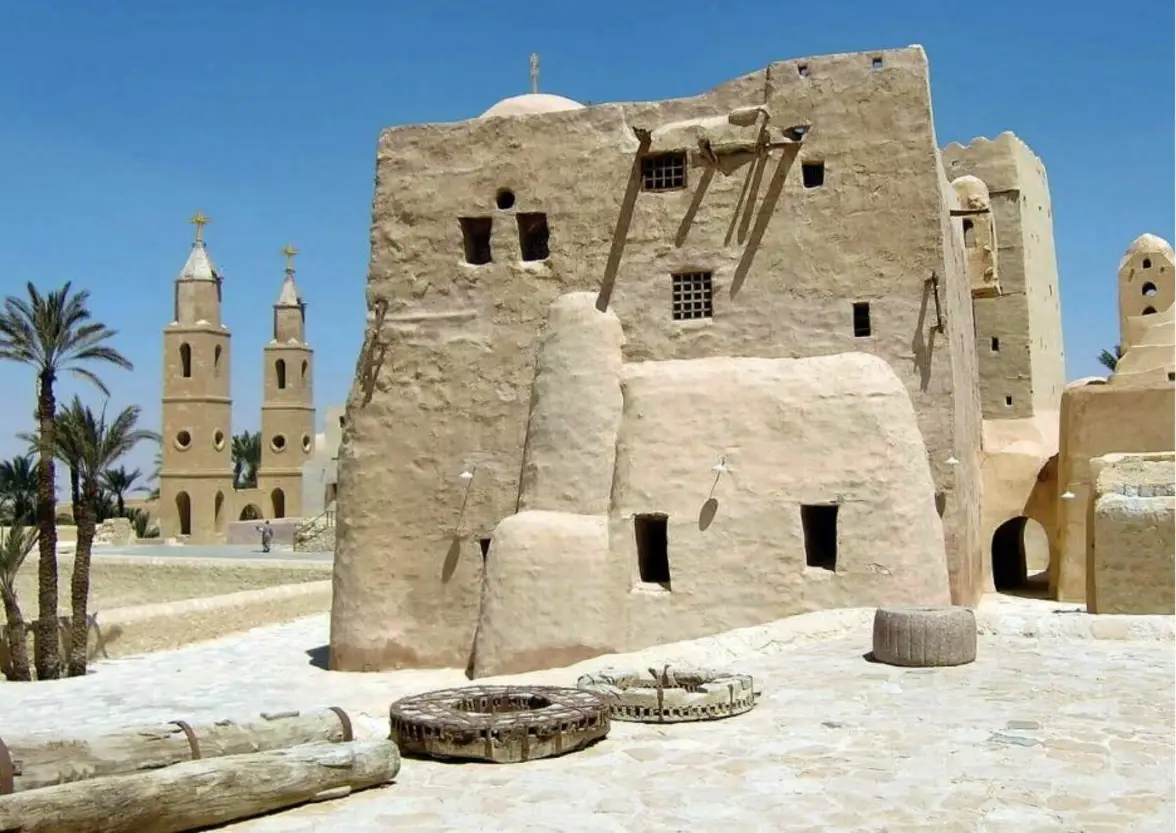
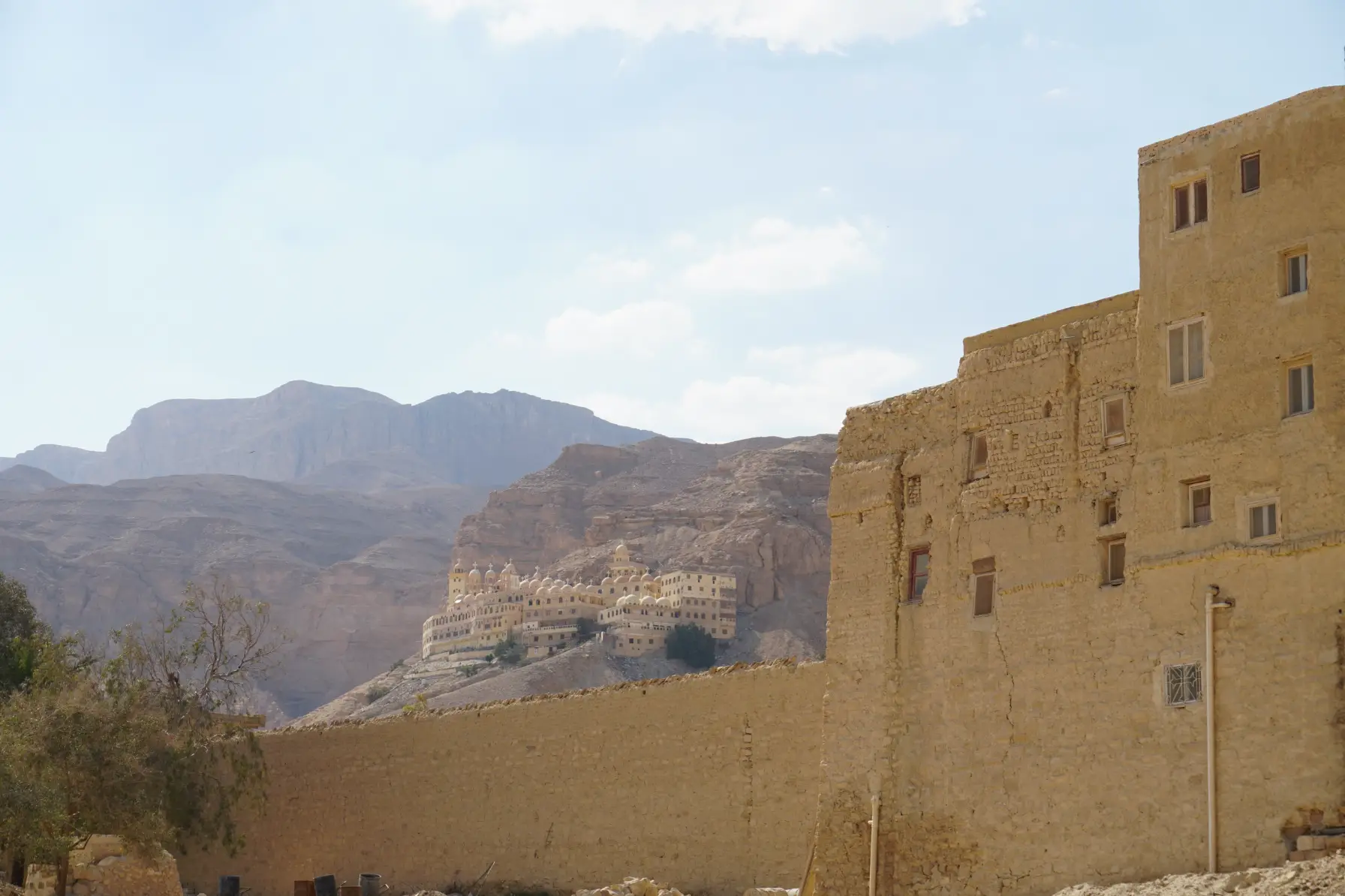
The construction of the monastery dates back to the fifth century AD, making it one of the oldest Christian monasteries in the world. Over the centuries, the monastery has been expanded and renovated, but it still retains its ancient aura and spiritual significance.
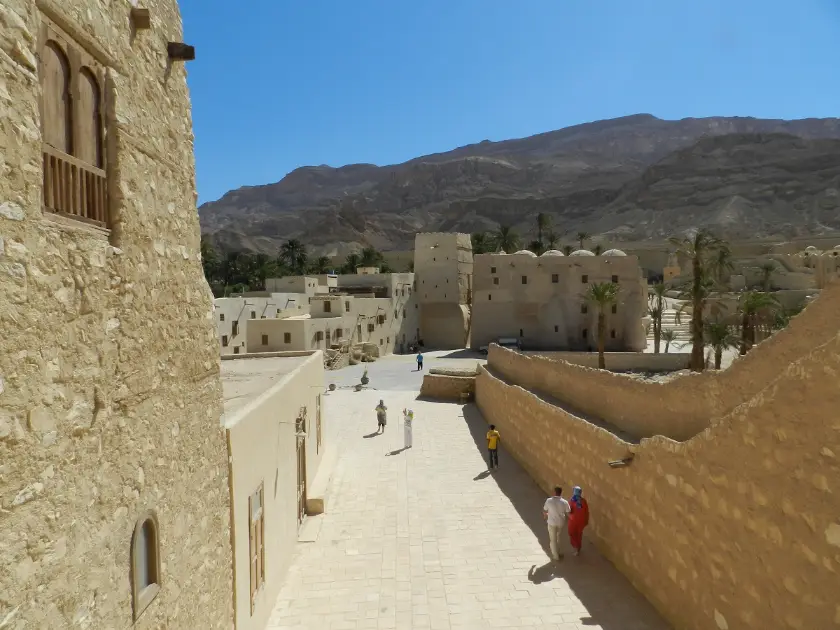
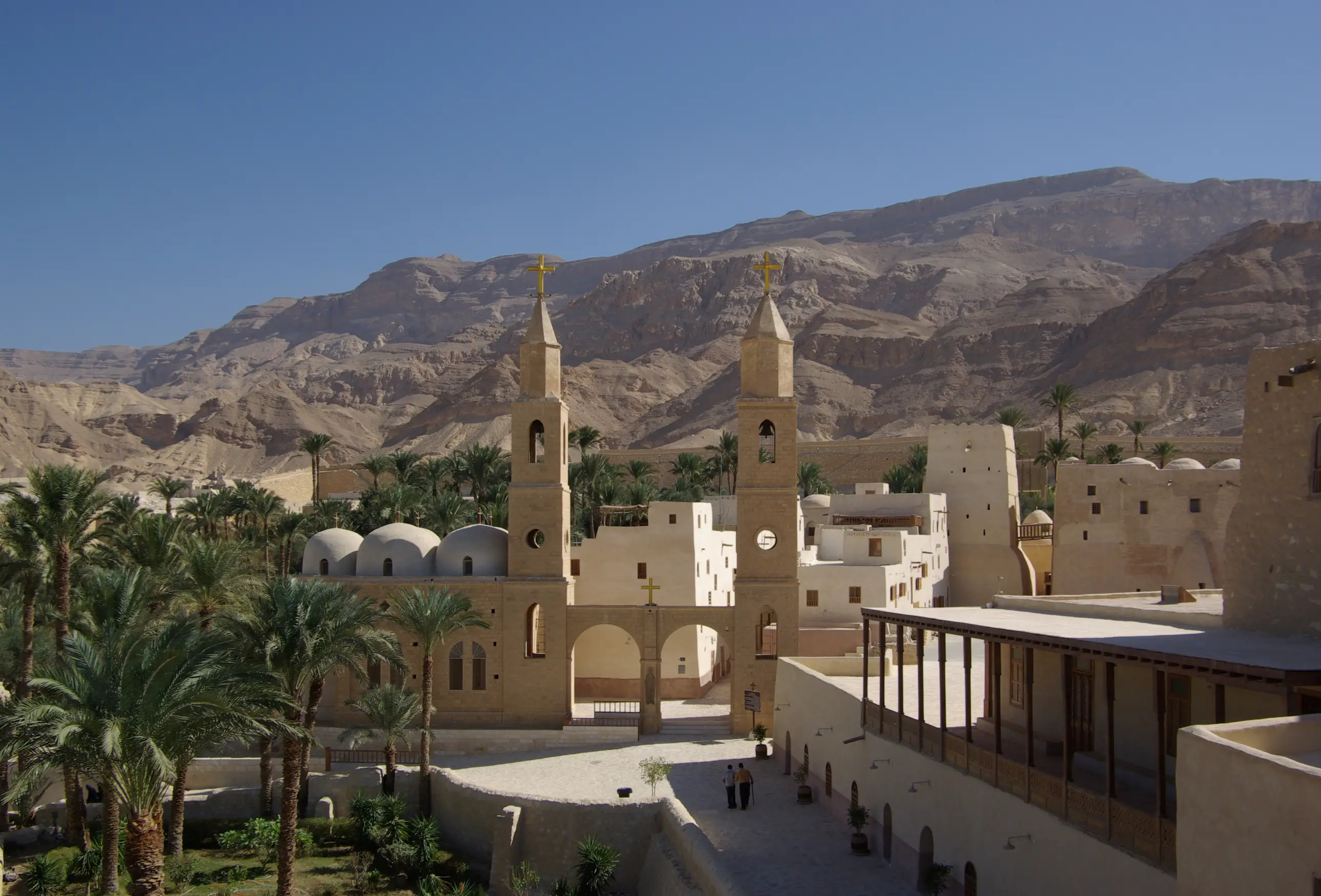
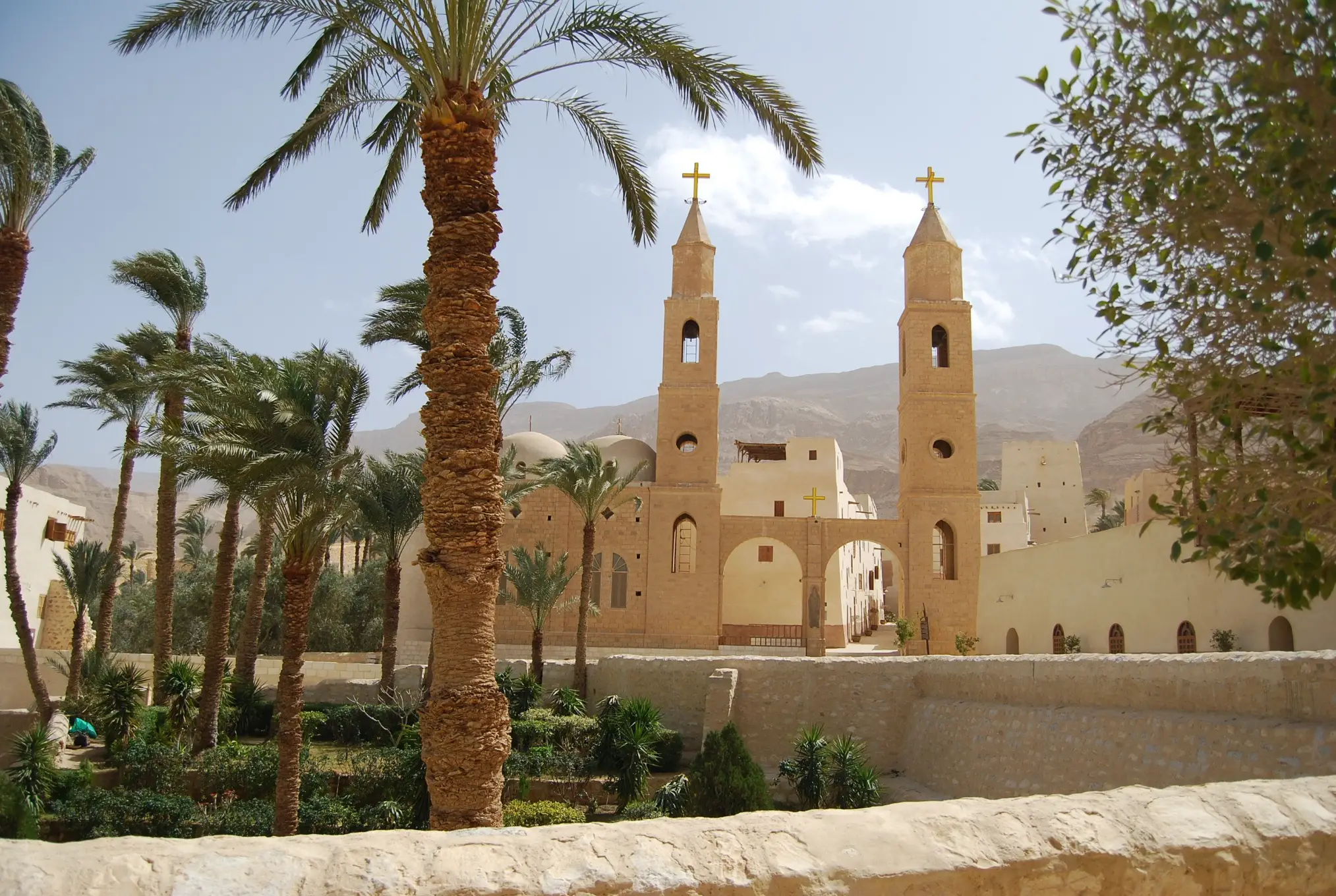
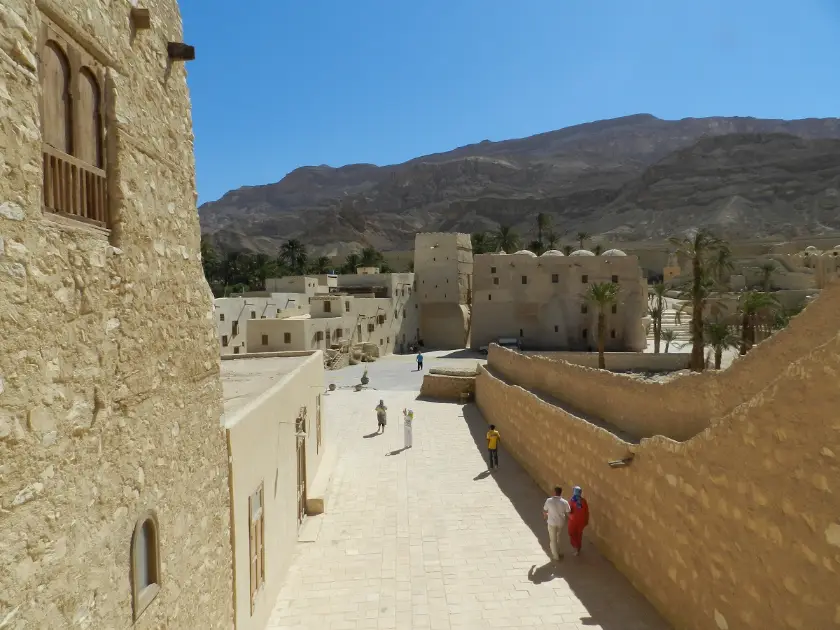
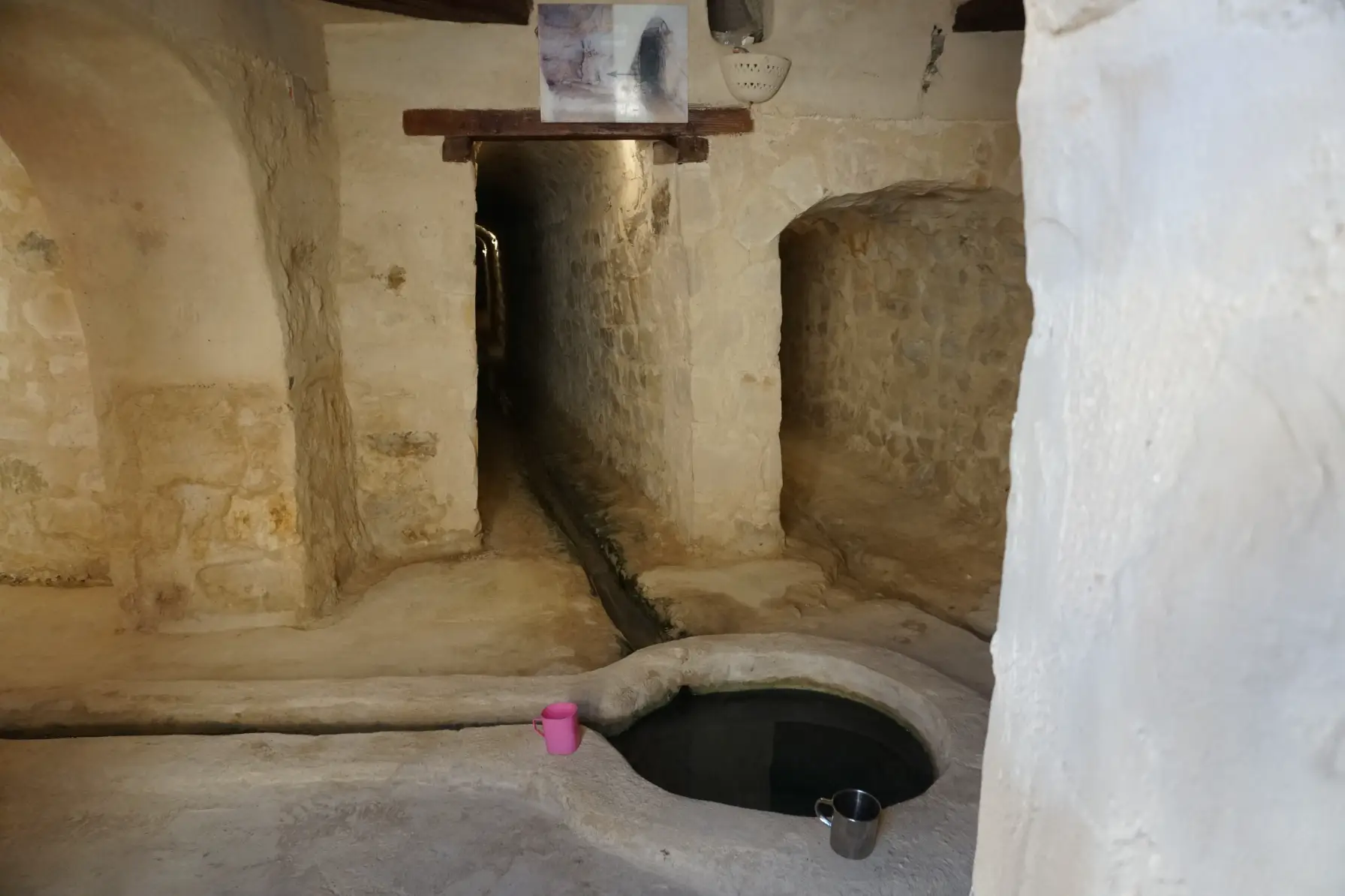
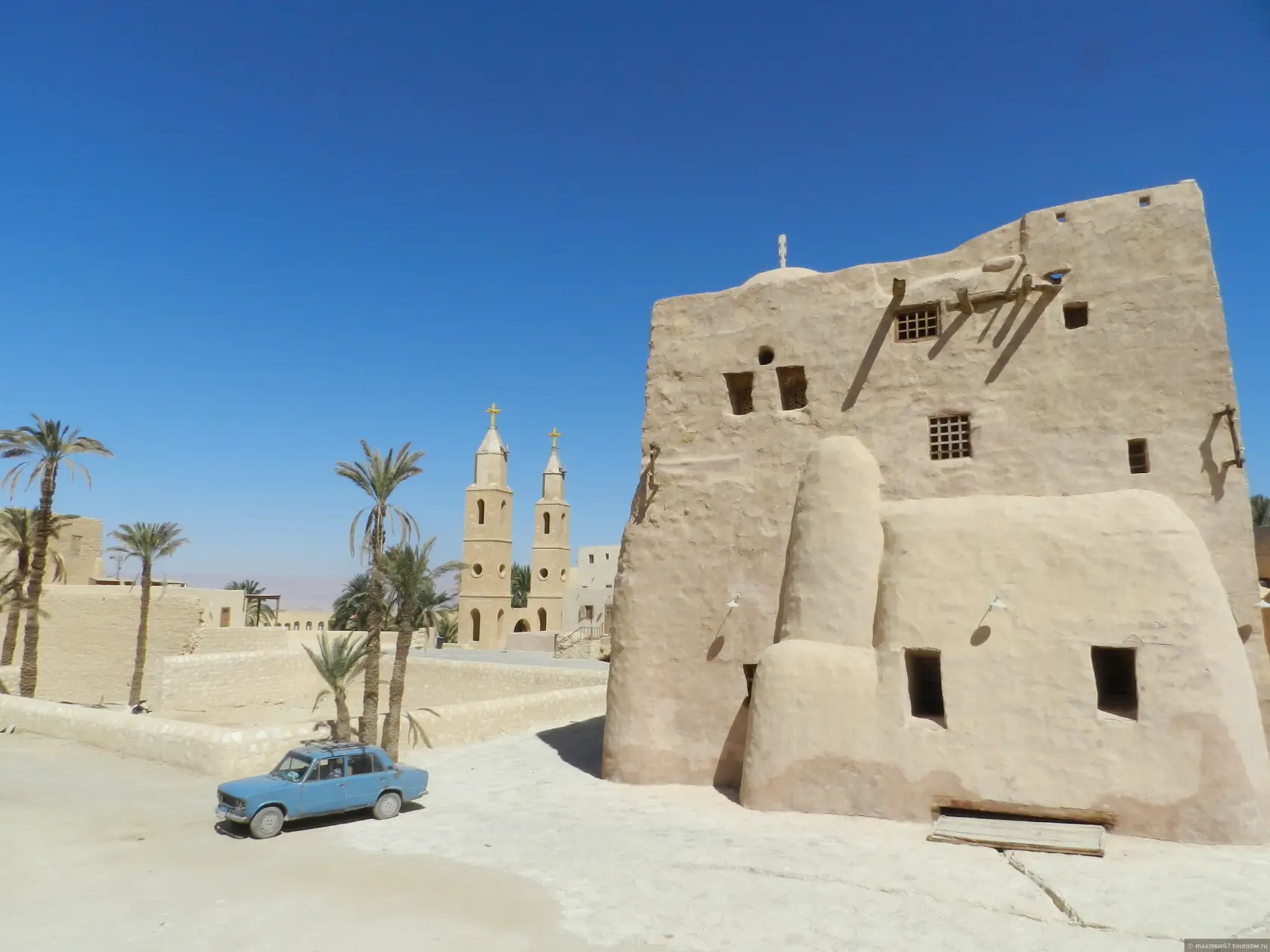
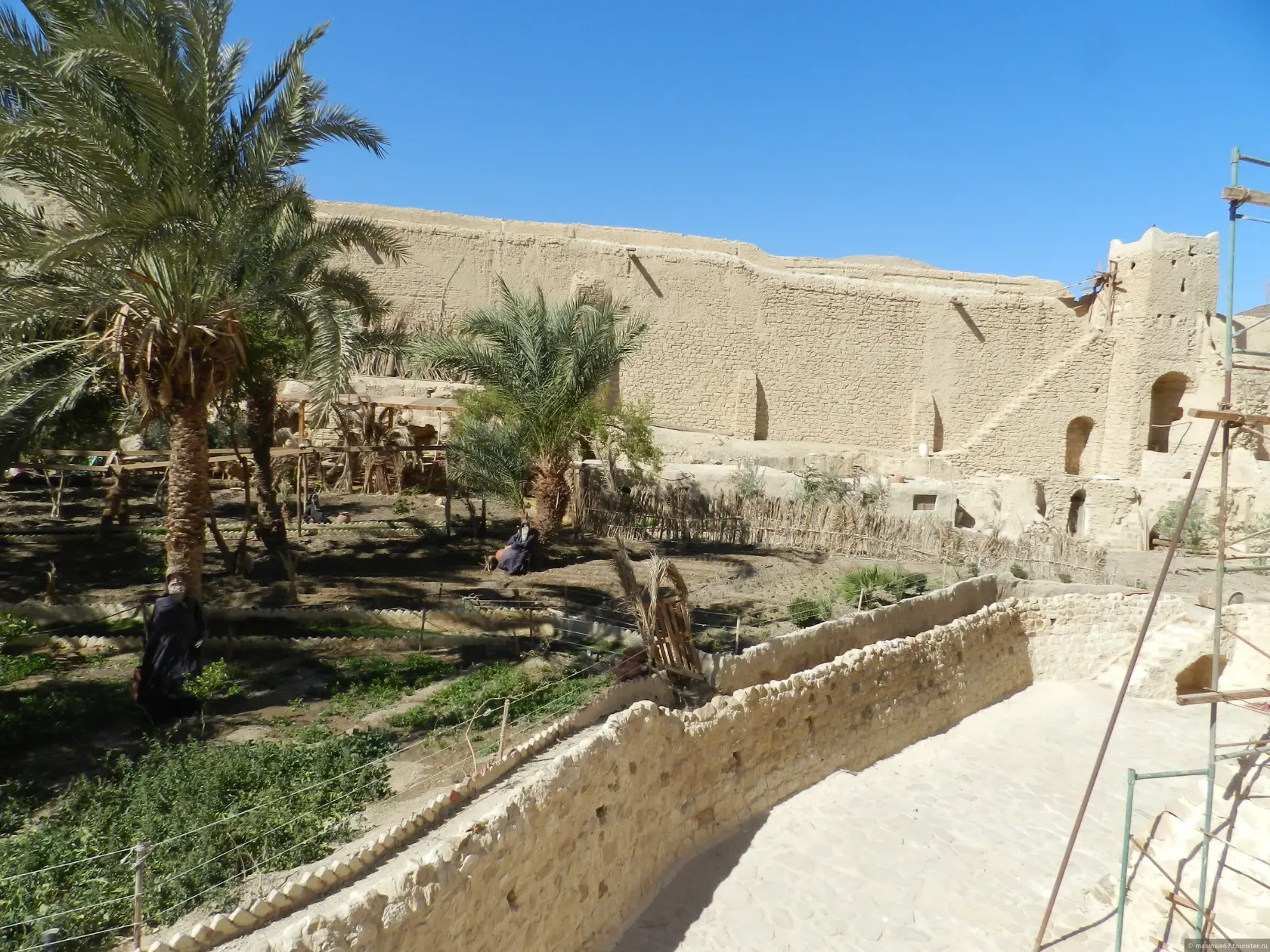
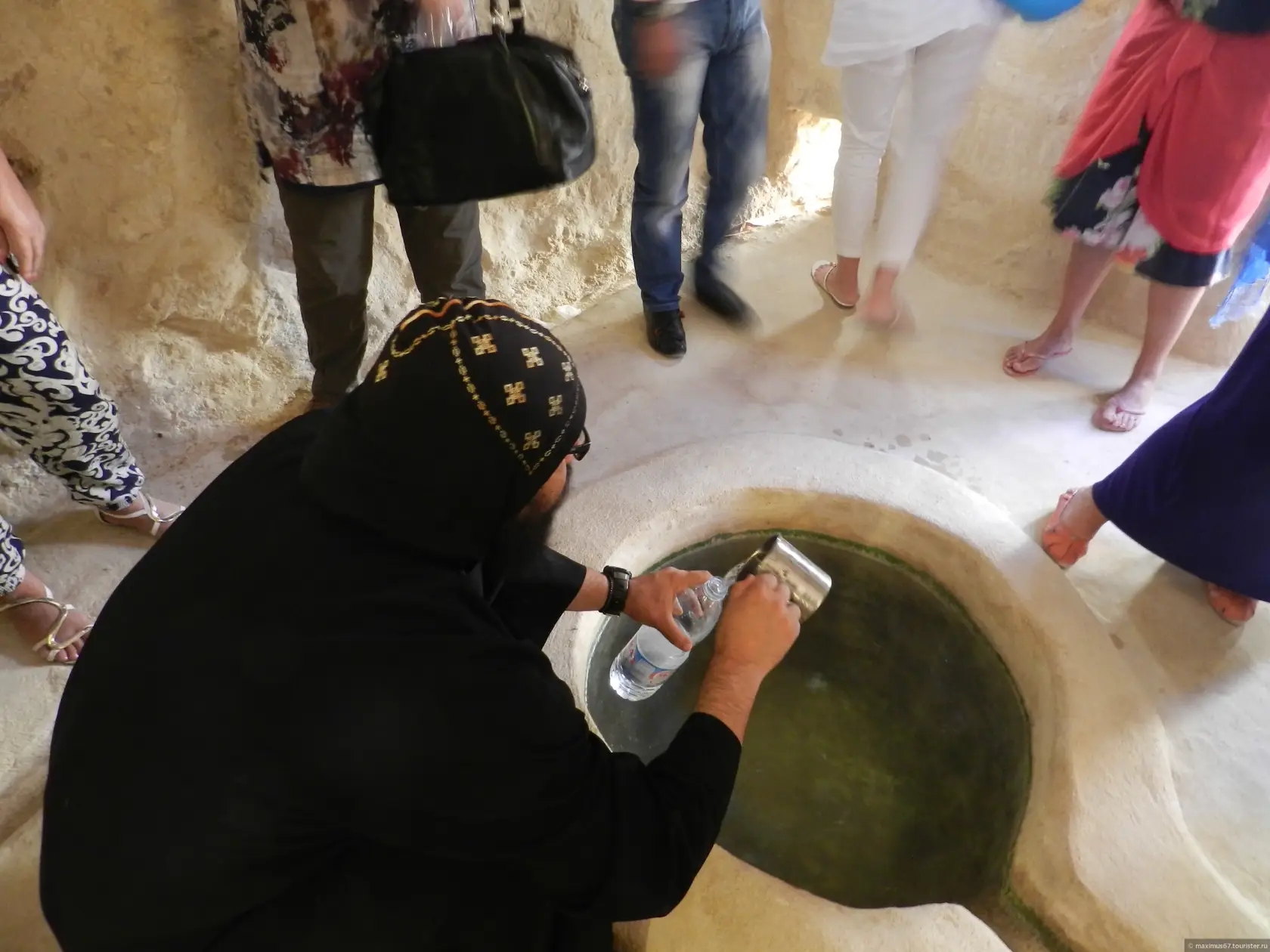
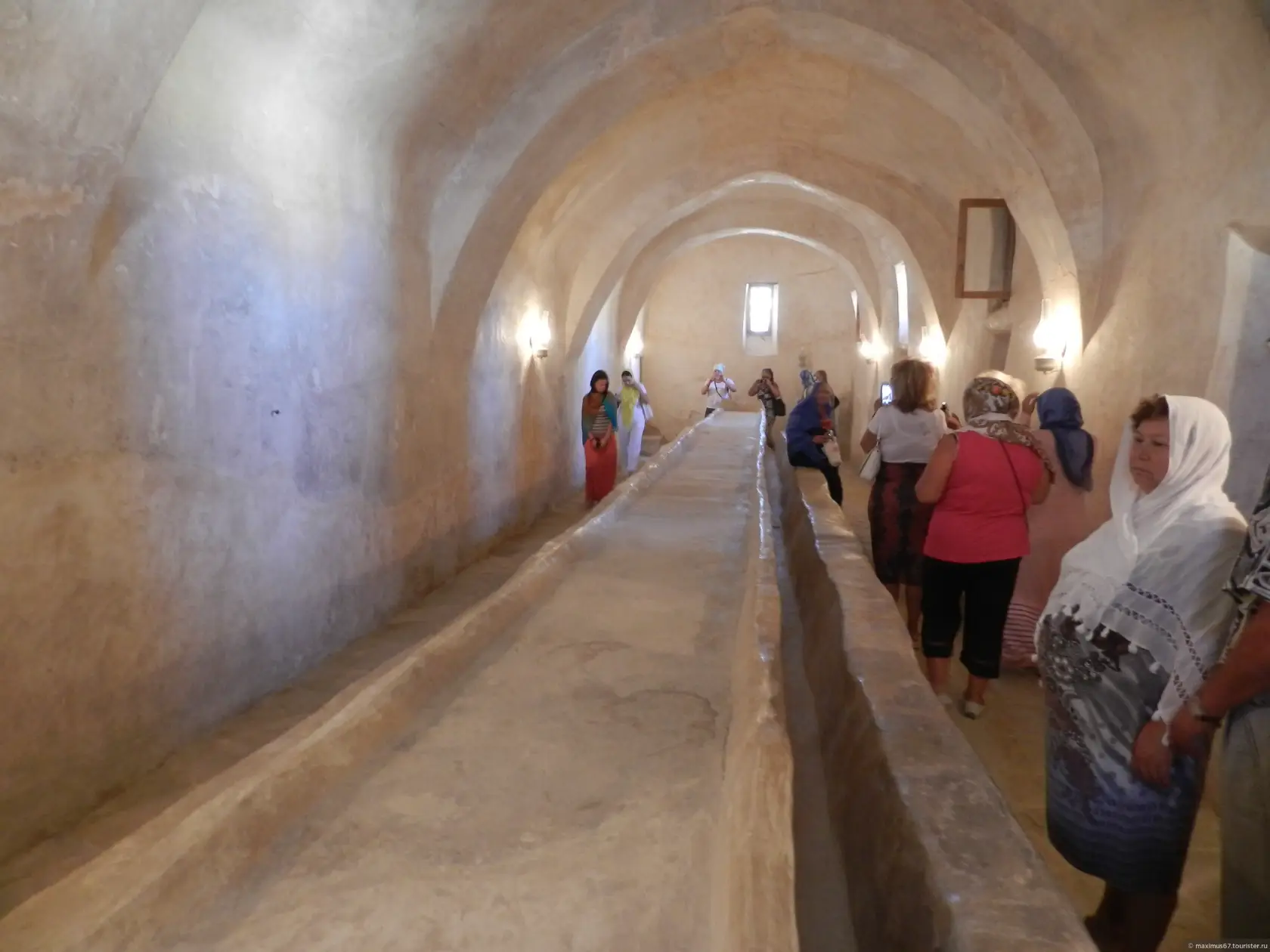
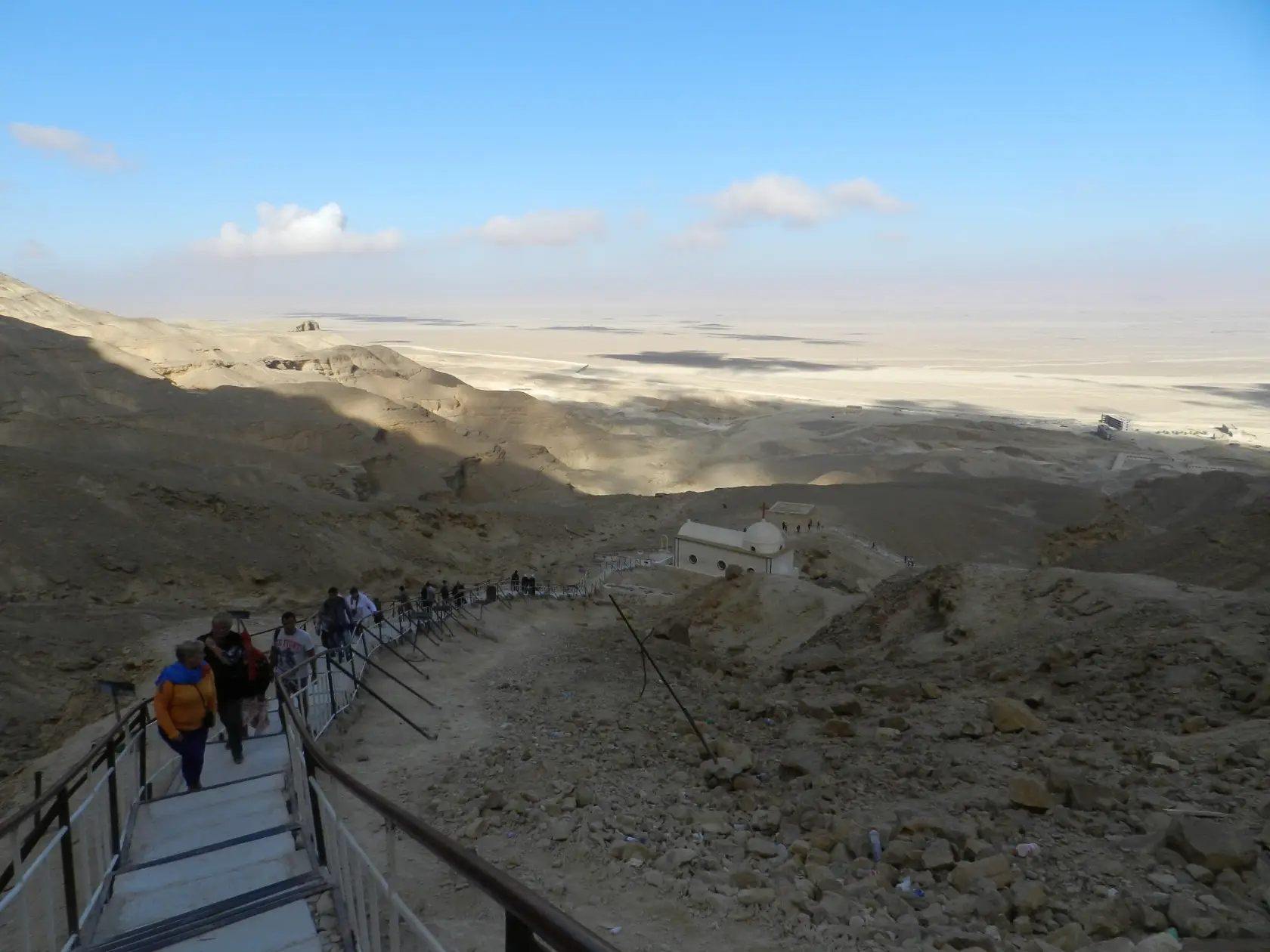
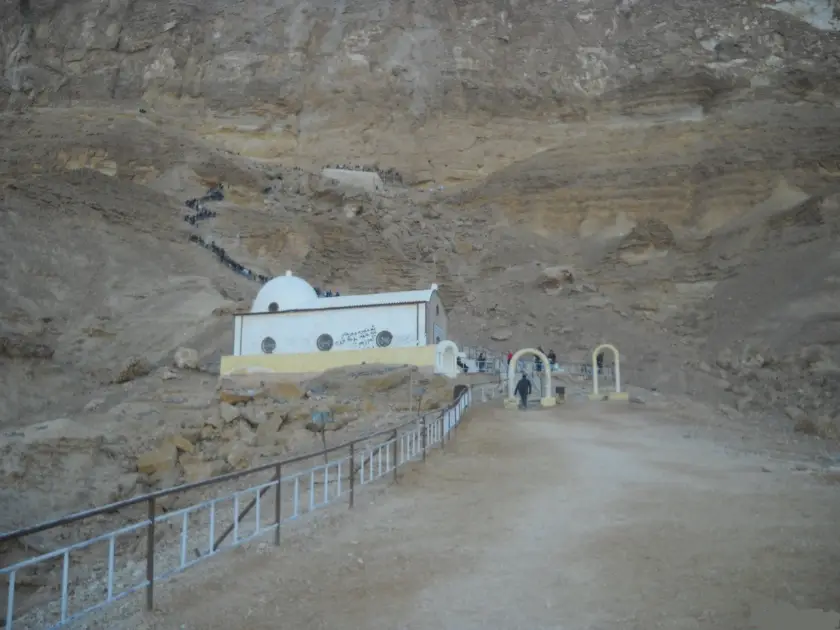
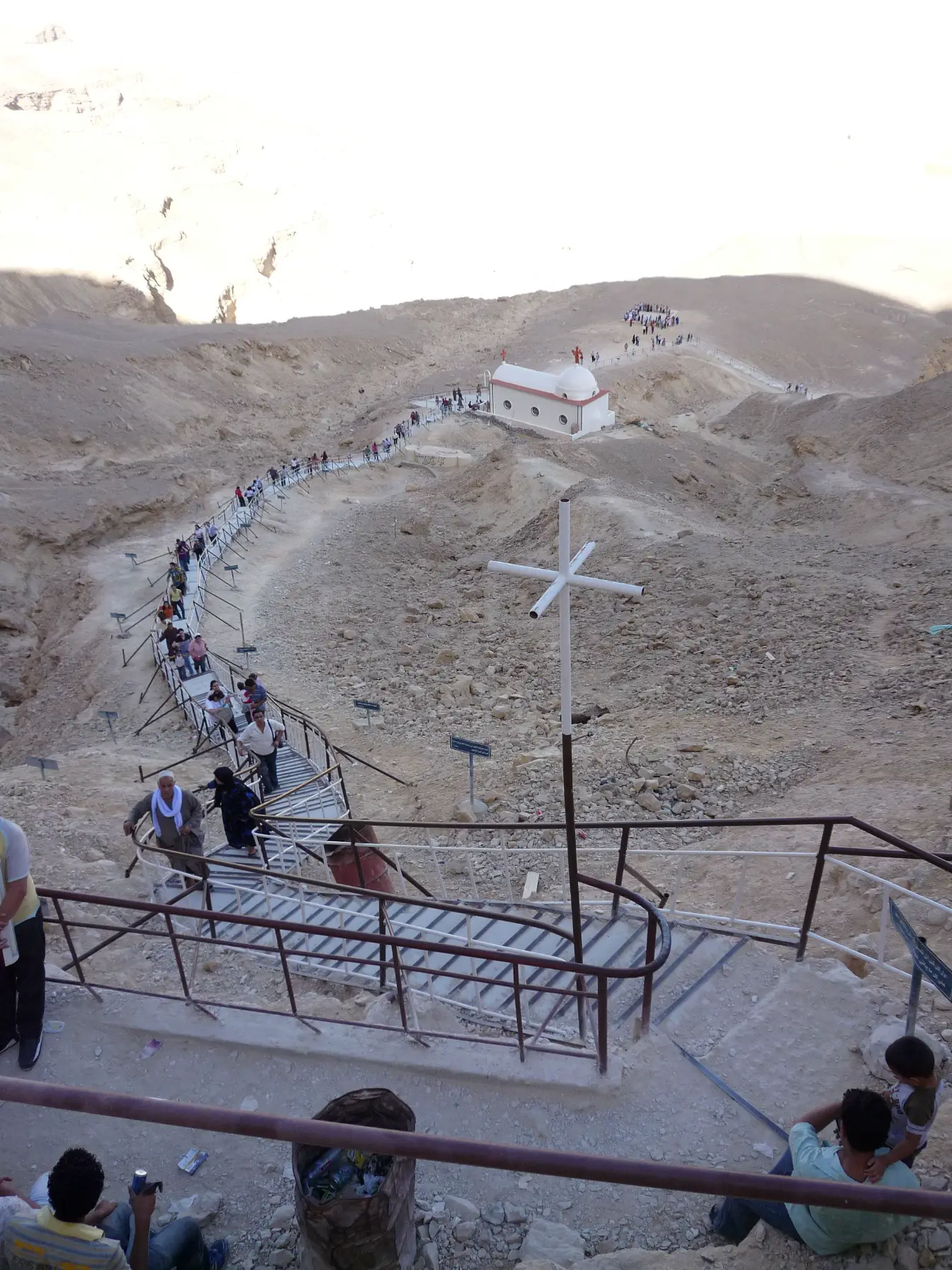
Visiting Saint Paul's Monastery offers a unique opportunity for tourists to explore the rich history and spiritual heritage of Egypt. The monastery's peaceful surroundings, with its ancient churches, chapels, and caves, provide a serene atmosphere for contemplation and reflection.
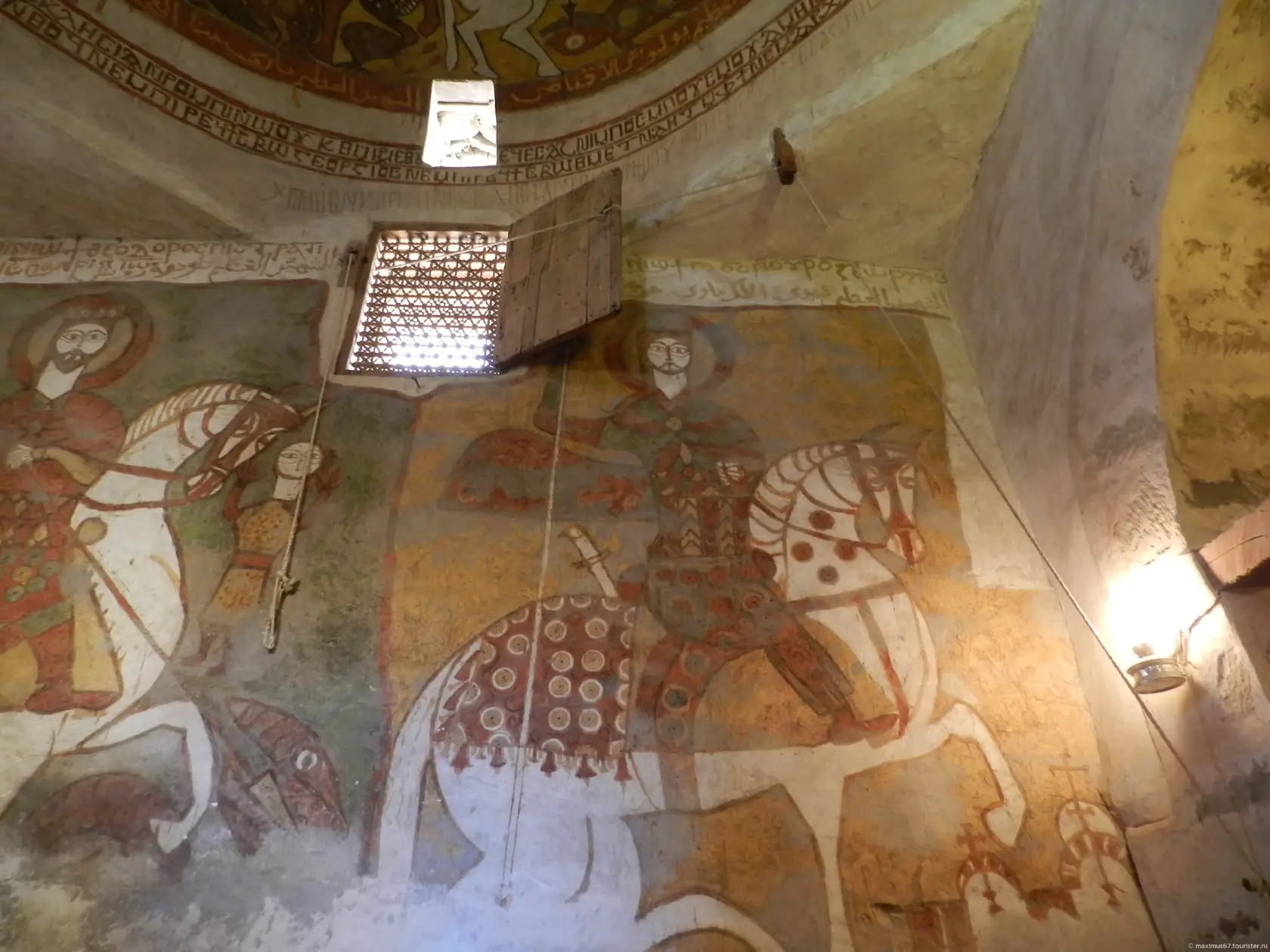
Tourists can also witness beautiful Coptic art and architecture within the monastery, including intricate frescoes, icons, and ornate decorations that showcase the rich cultural heritage of the Coptic Christian tradition.
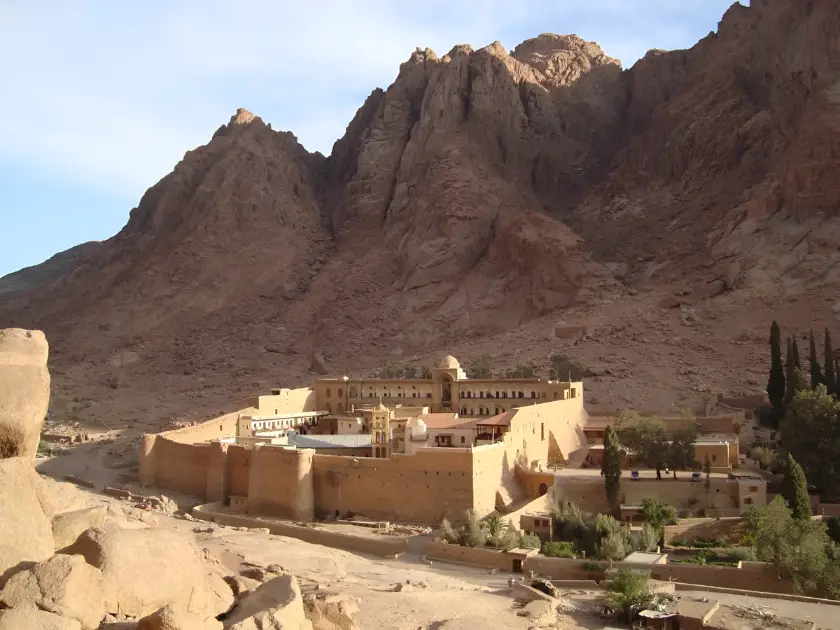
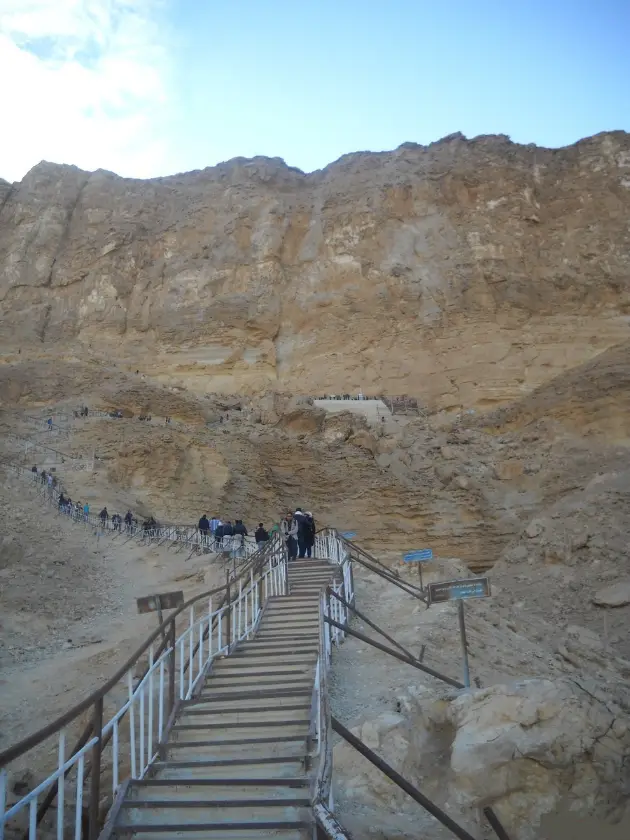
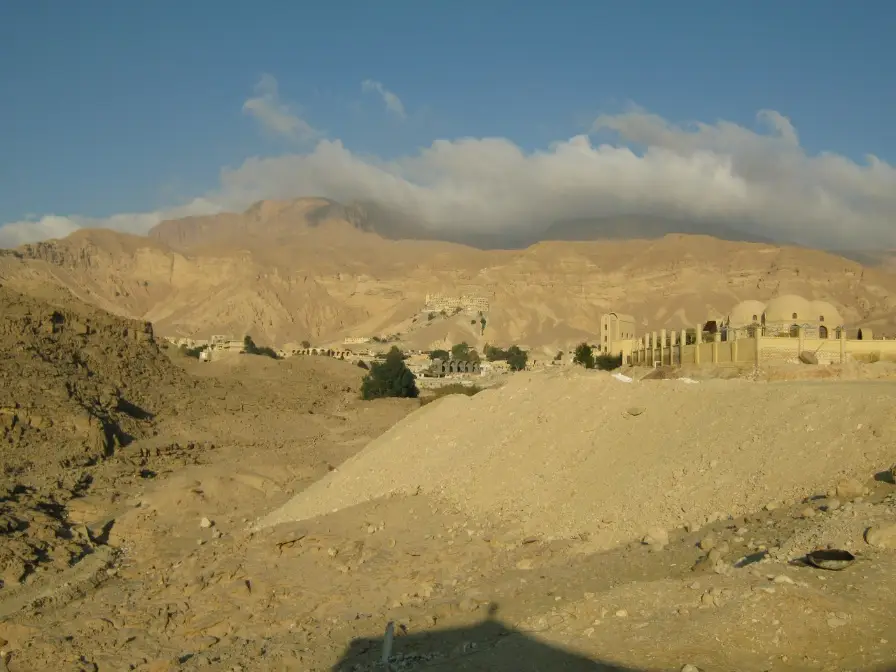
Moreover, the monastery's location in the arid desert landscape of the Red Sea Governorate provides a striking contrast to the nearby coastal areas, offering visitors a glimpse into the tranquil and austere life of the early Christian monks.
In addition to its historical and cultural significance, a visit to Saint Paul's Monastery offers spiritual enrichment and a sense of connection to Egypt's ancient Christian roots. It provides a peaceful retreat from the bustling modern world, allowing visitors to experience a deeper sense of spirituality and contemplation.
Overall, exploring Saint Paul's Monastery is not only a journey through history but also an opportunity for personal reflection, cultural enrichment, and spiritual growth. By visiting this sacred site, tourists can gain a deeper understanding of Egypt's Christian heritage and experience the timeless wisdom of the desert fathers who once sought solace and communion with God in this ancient place.