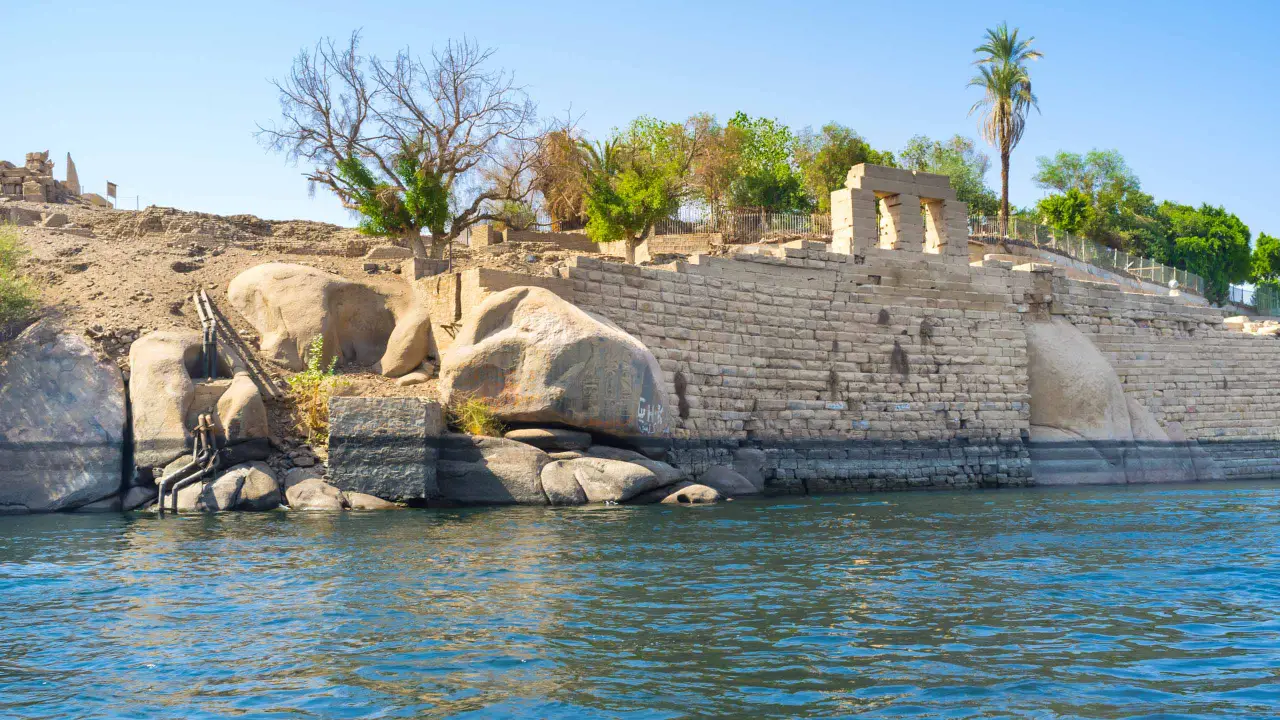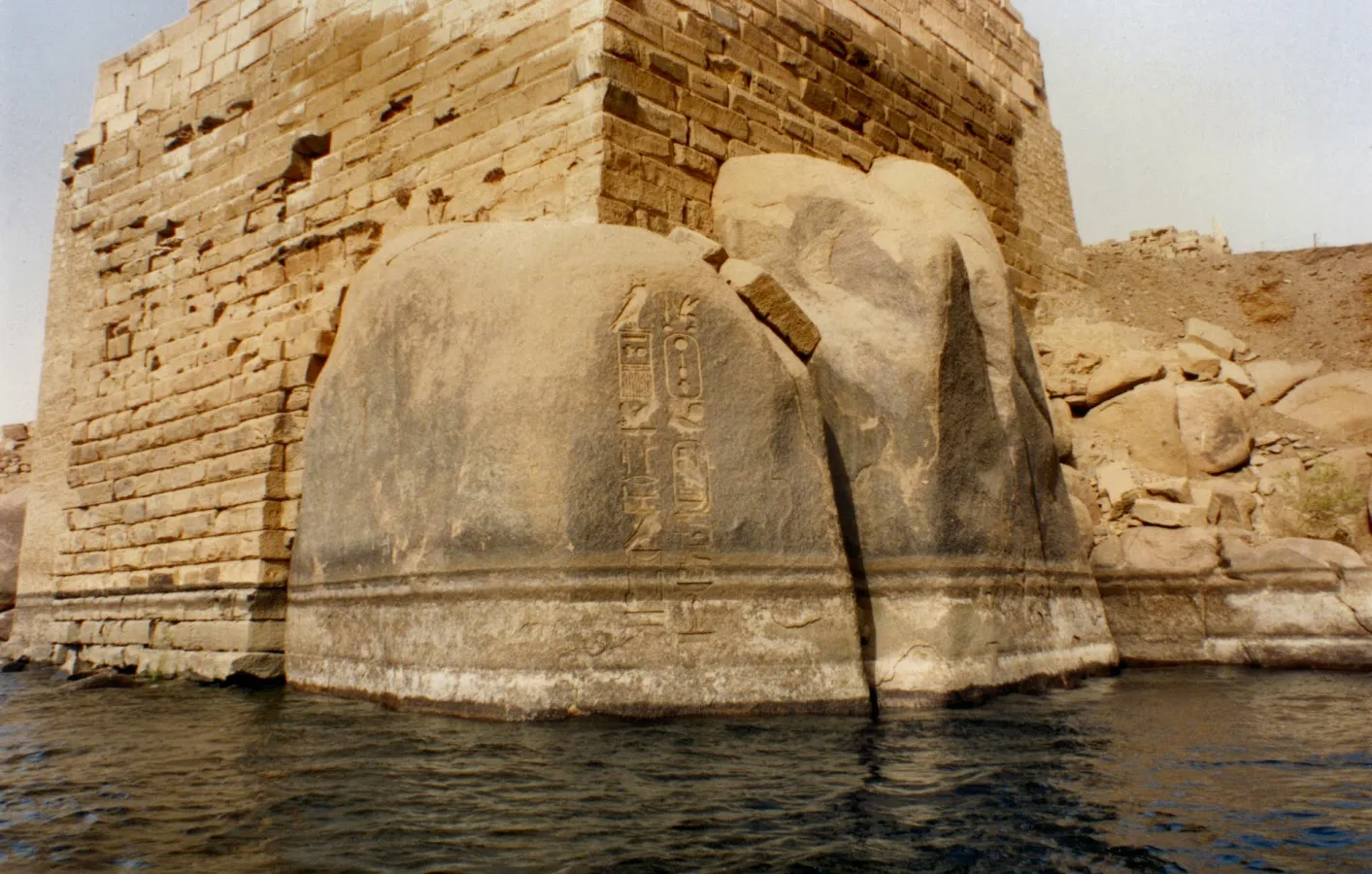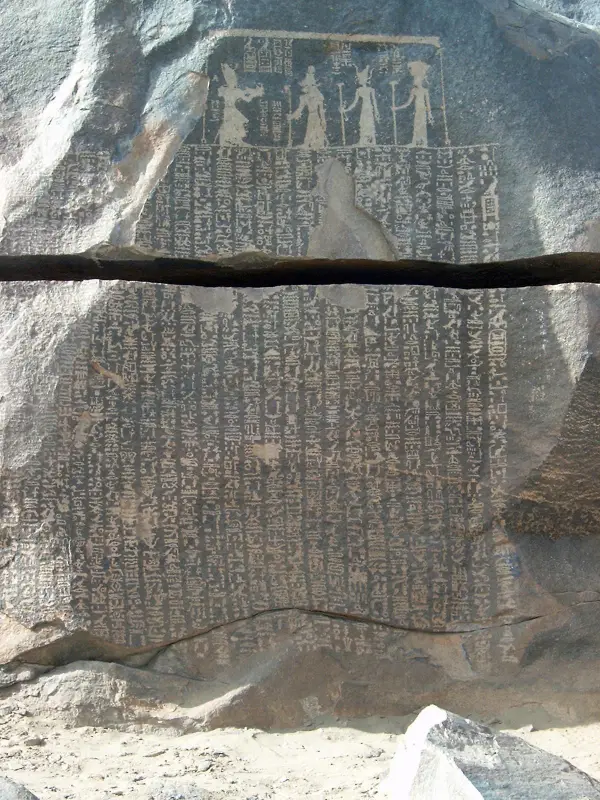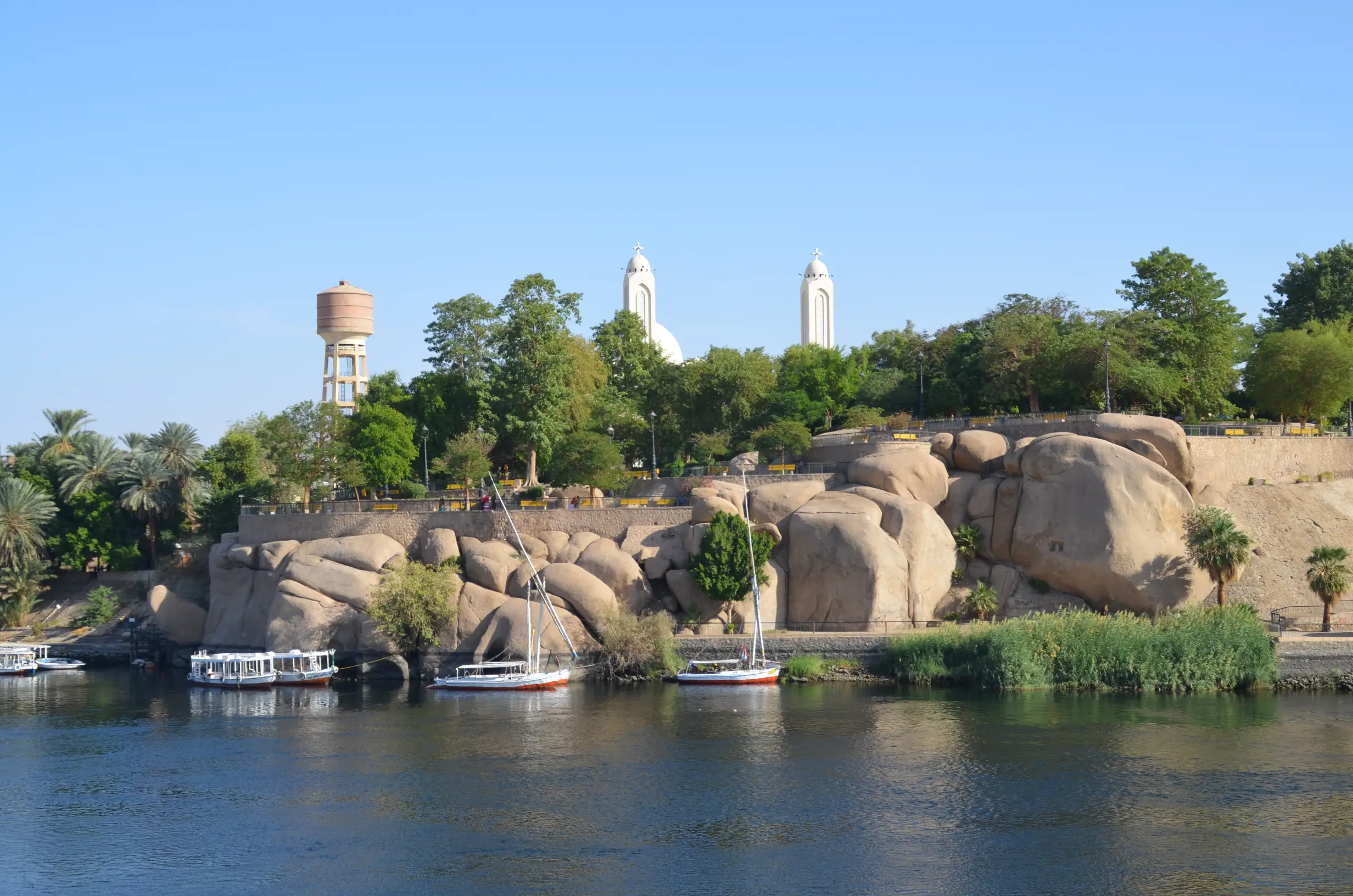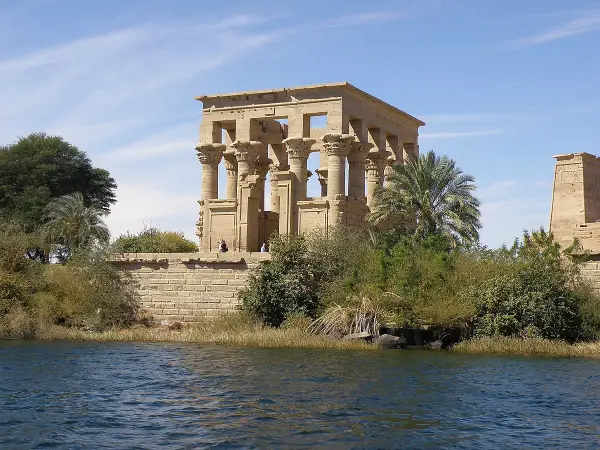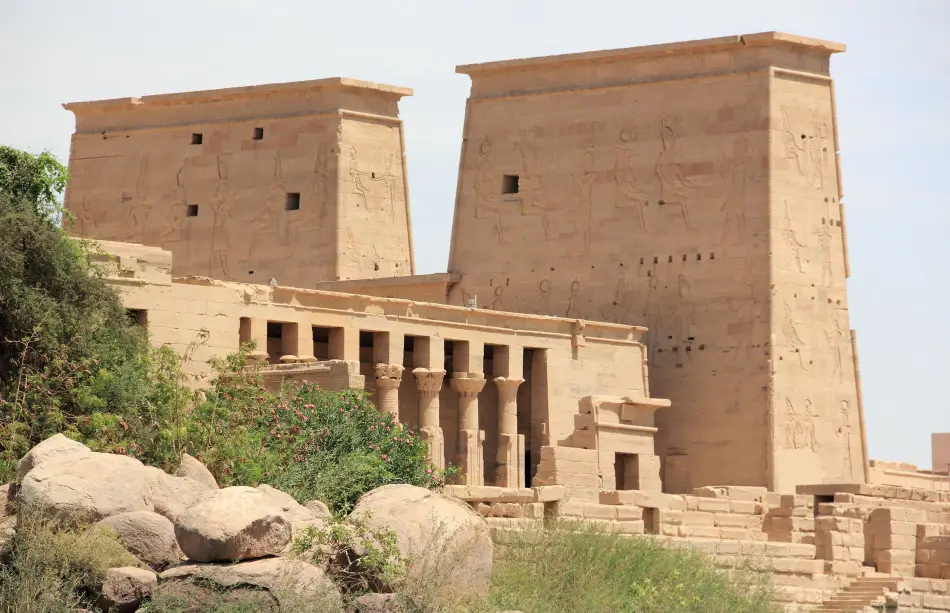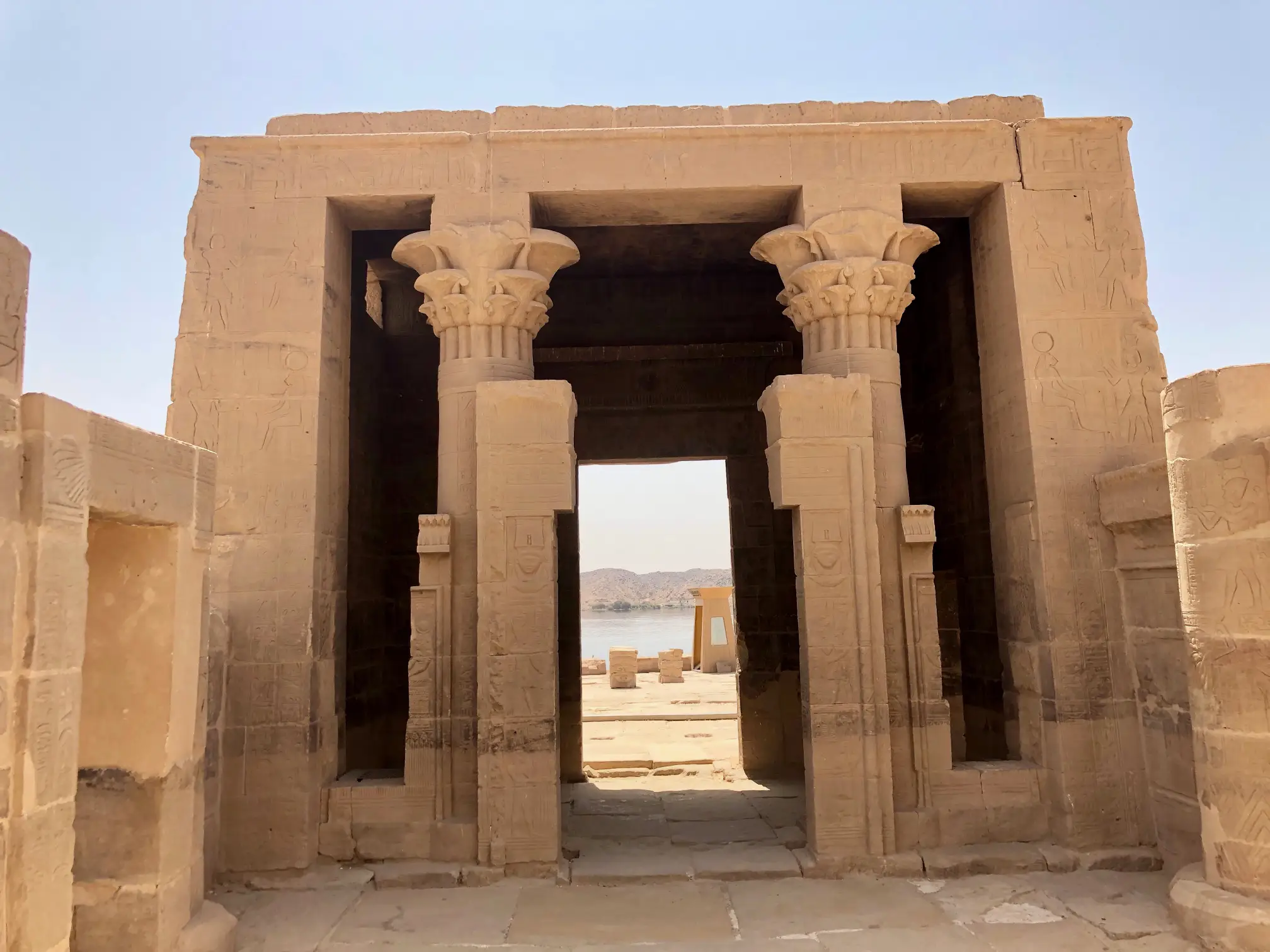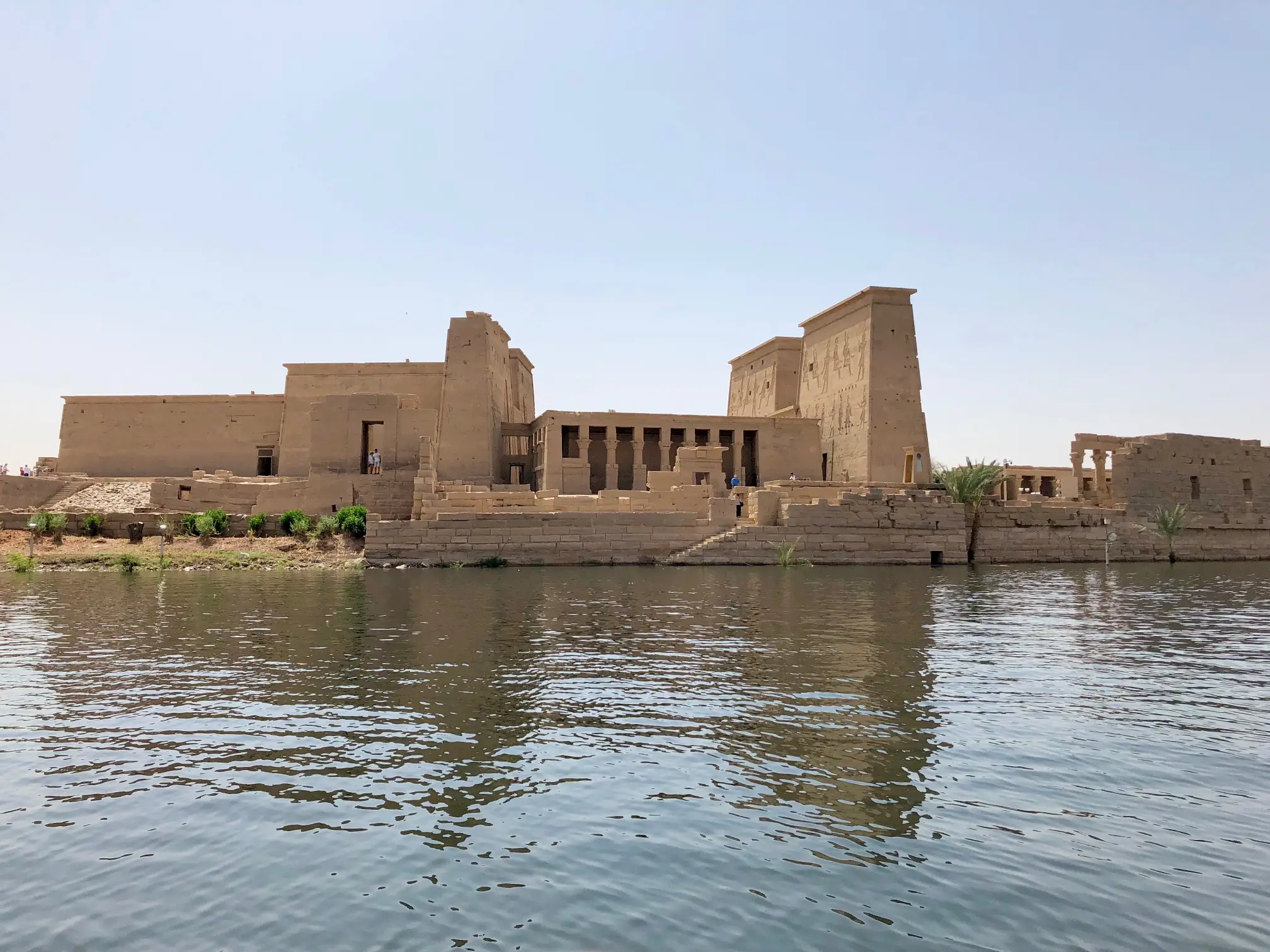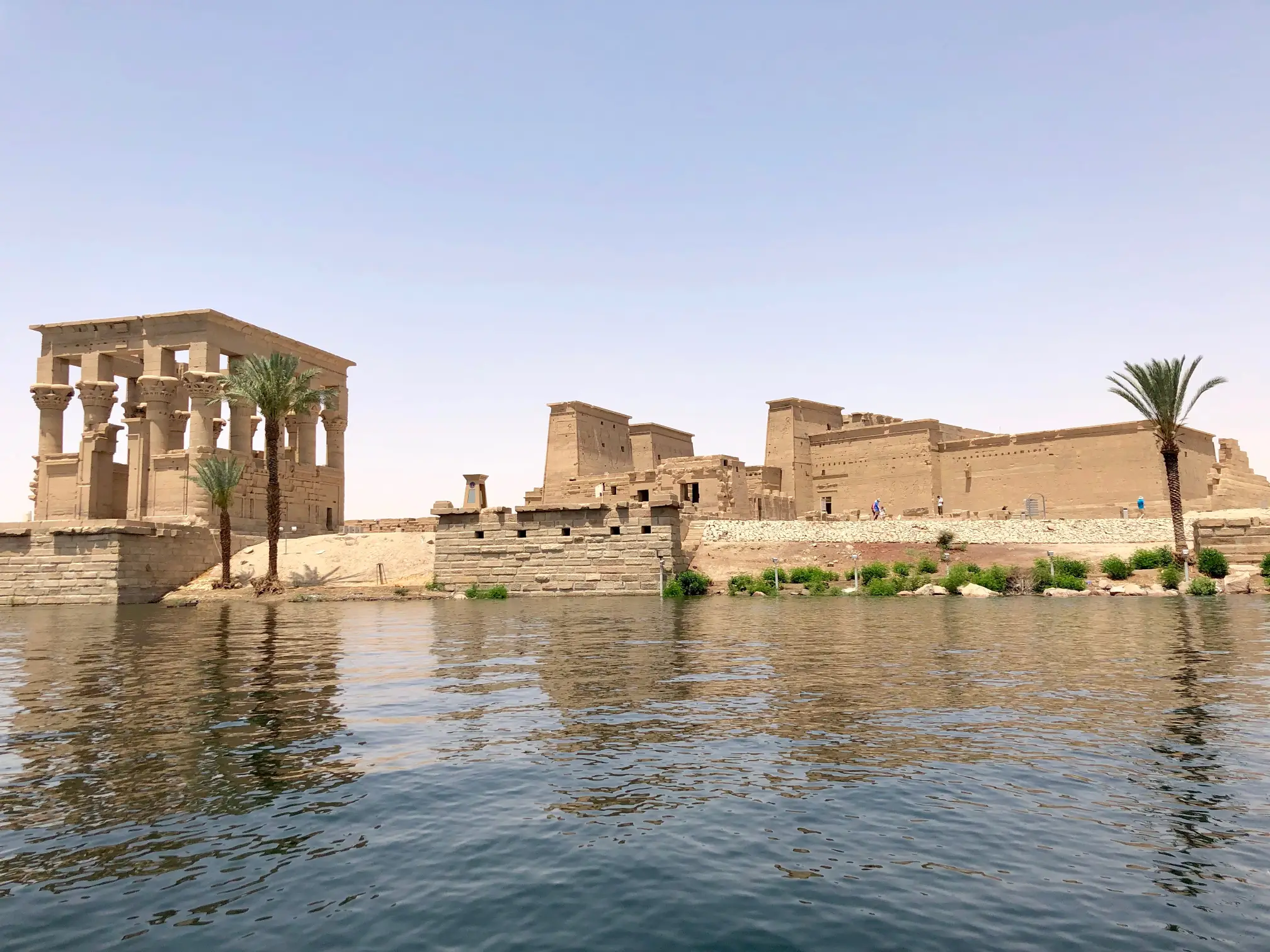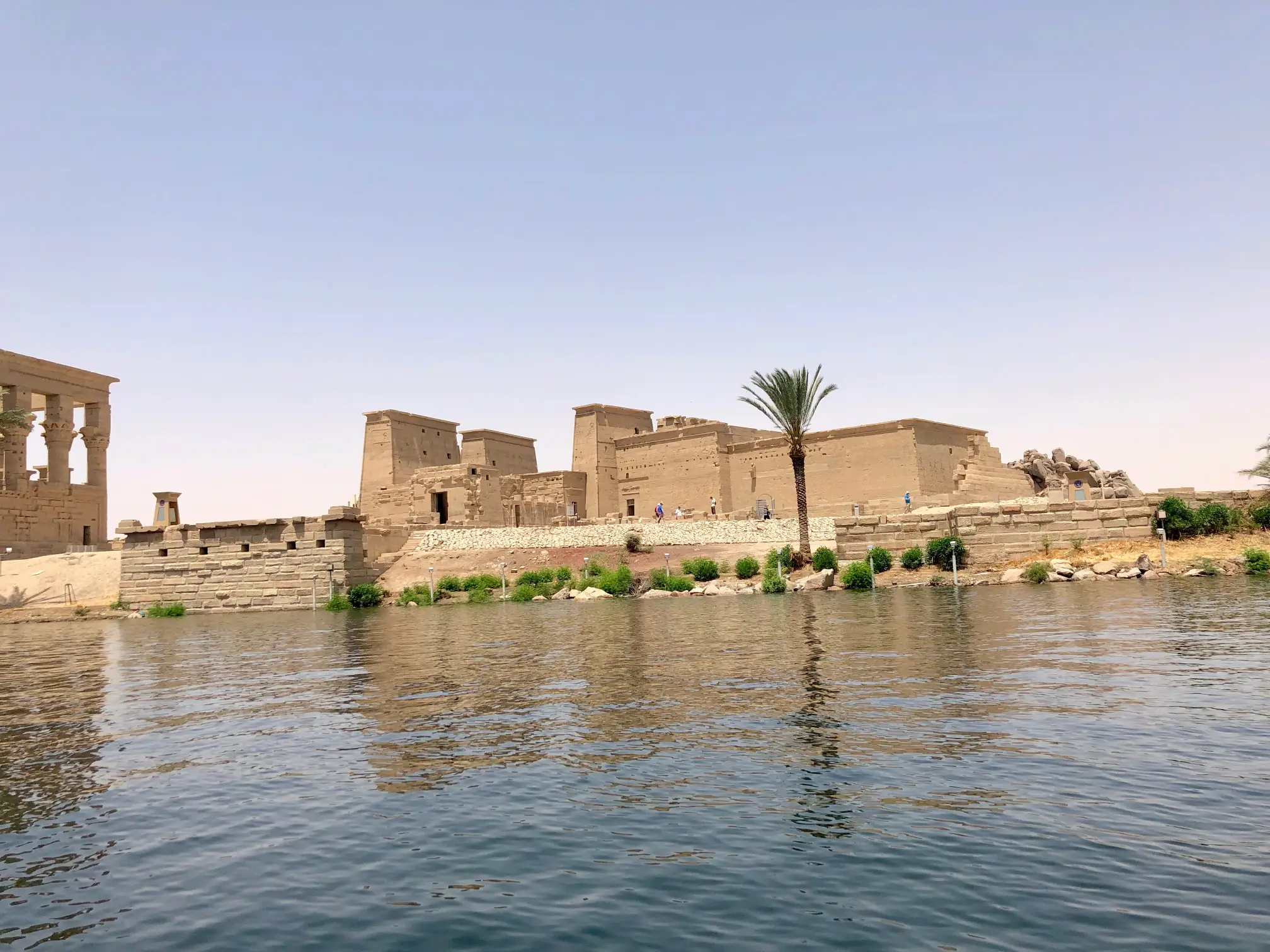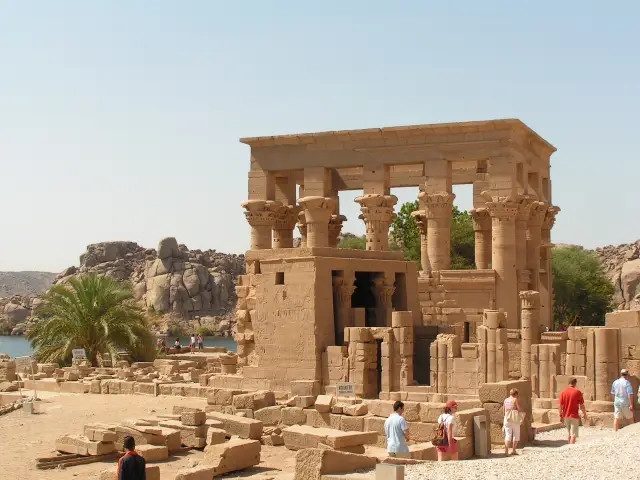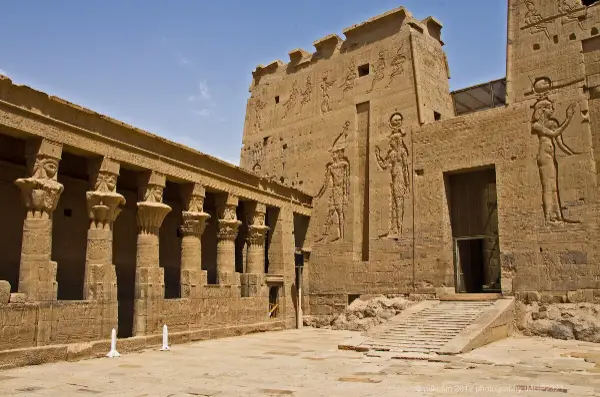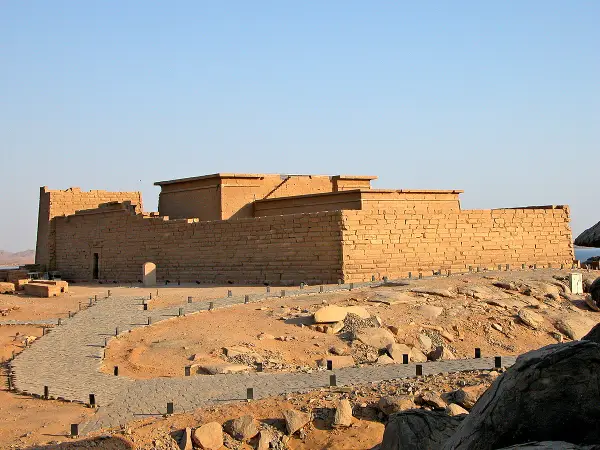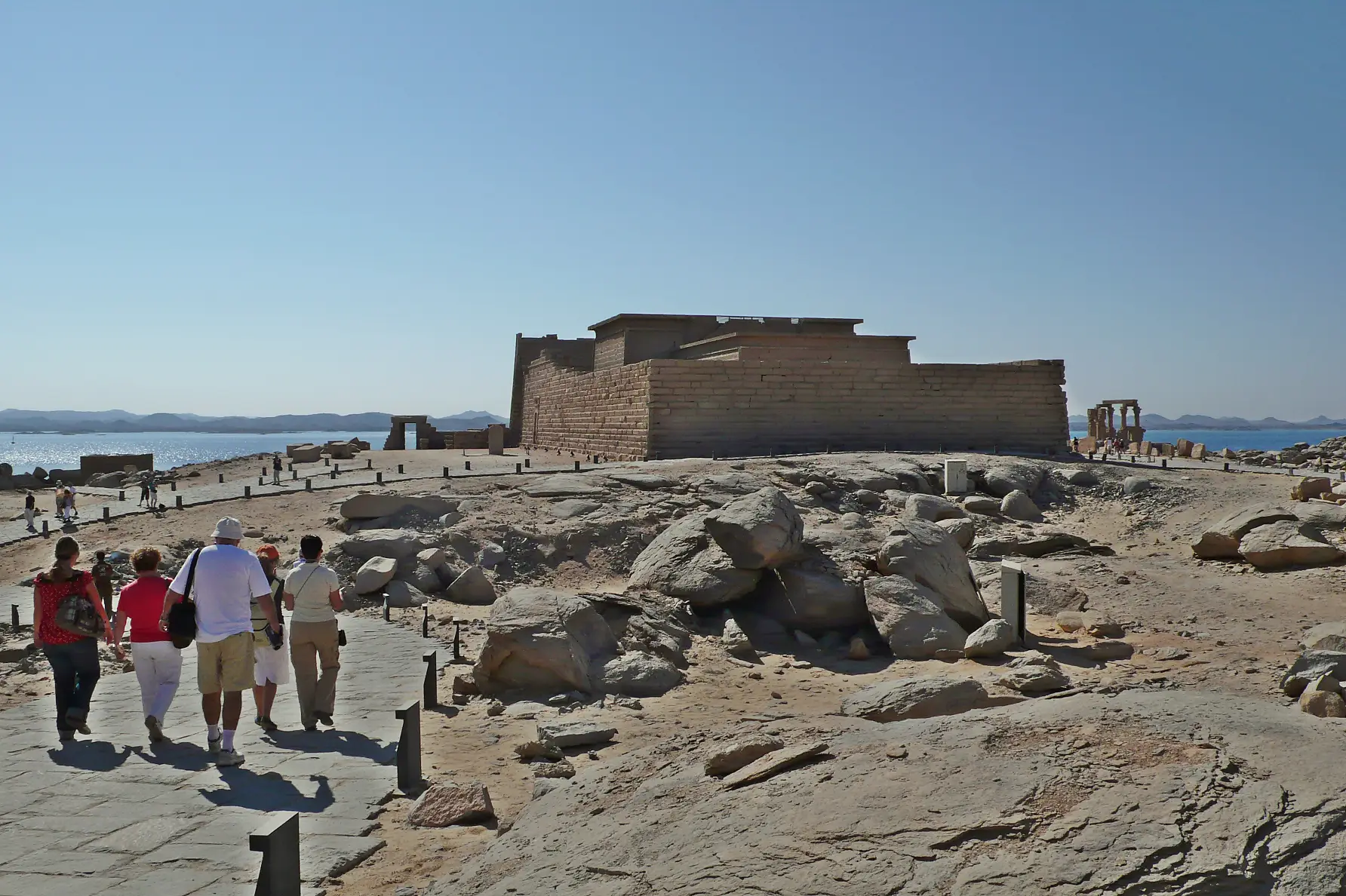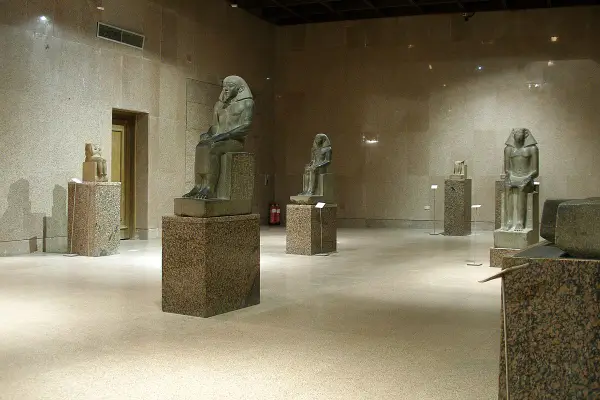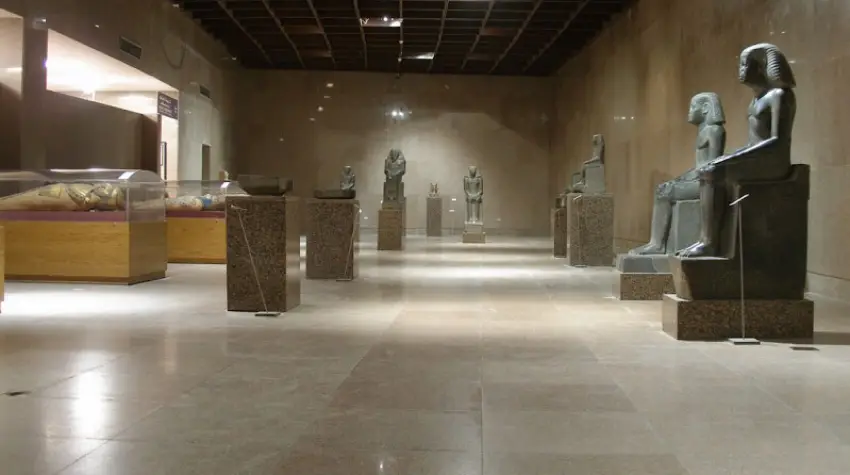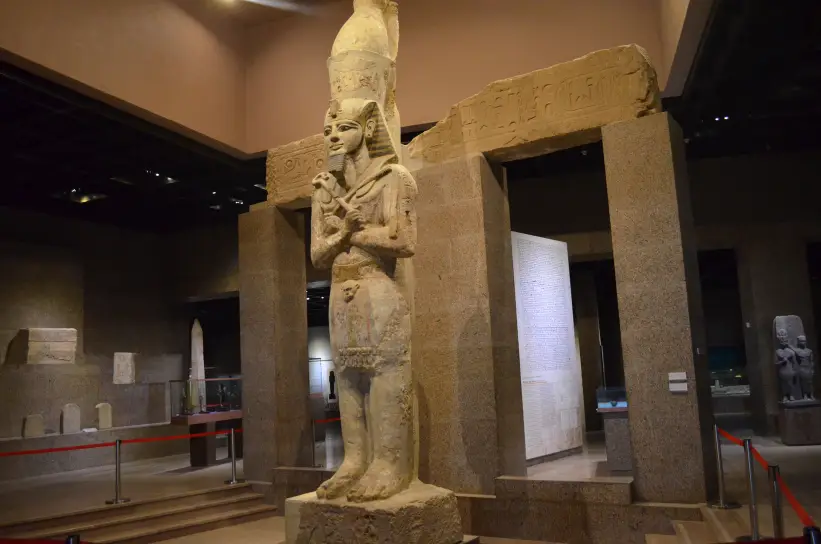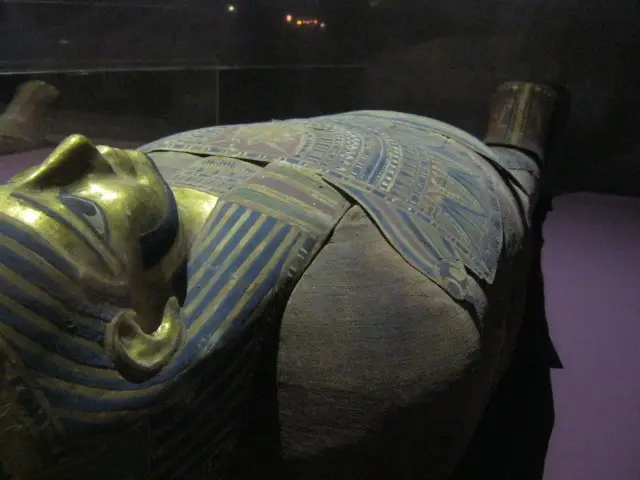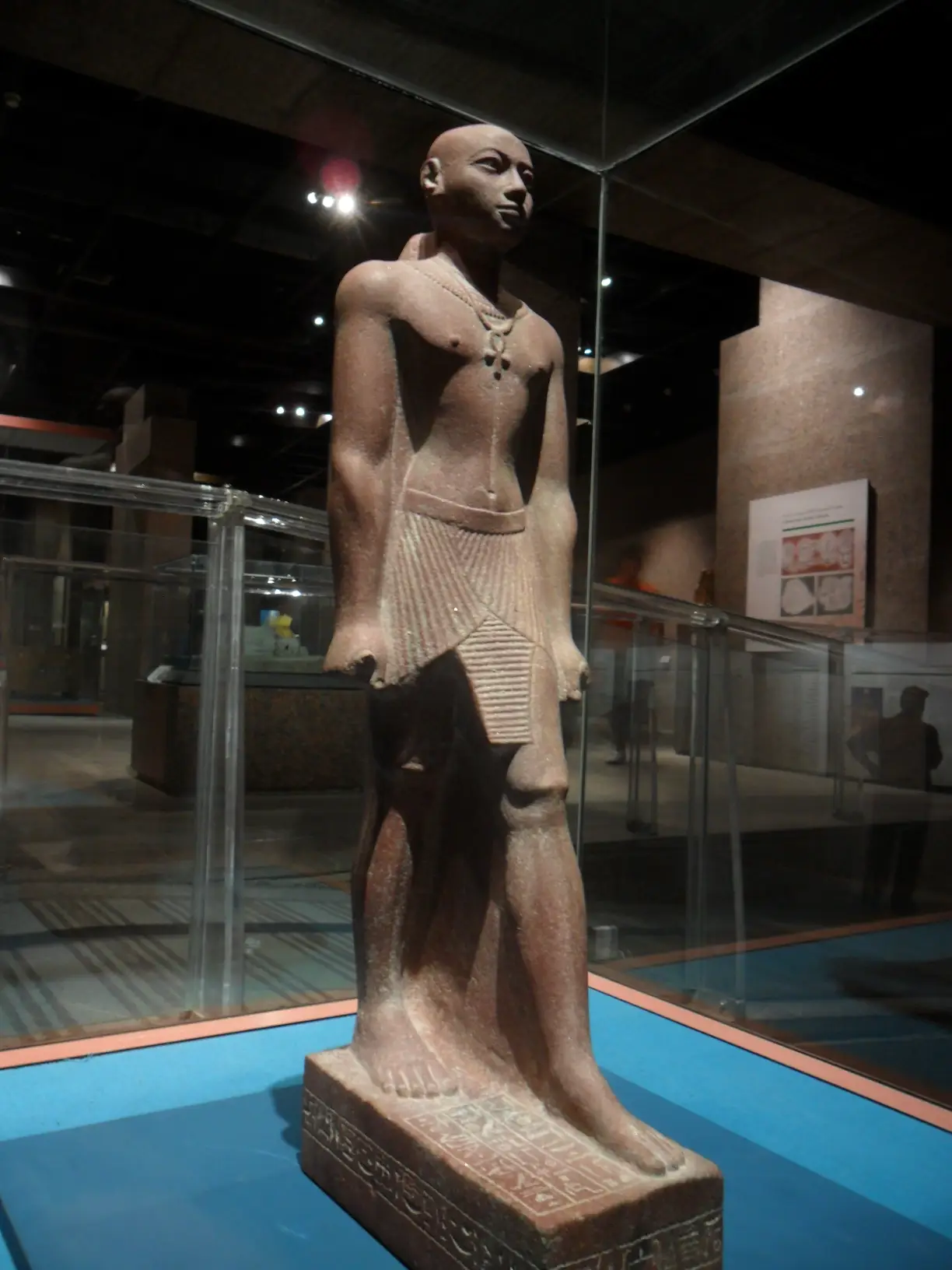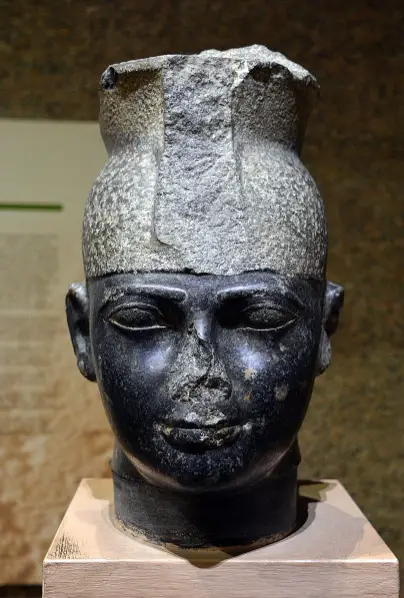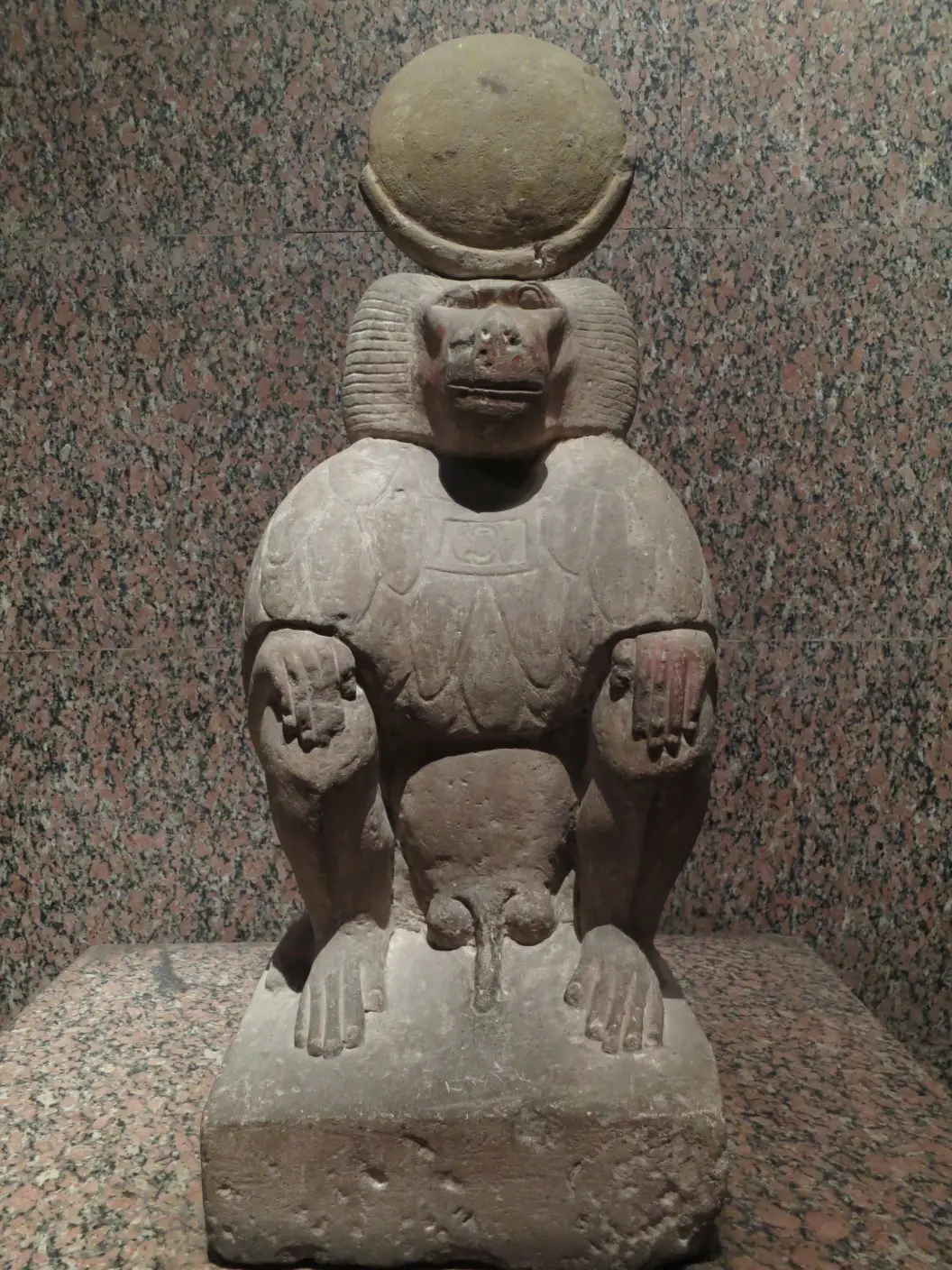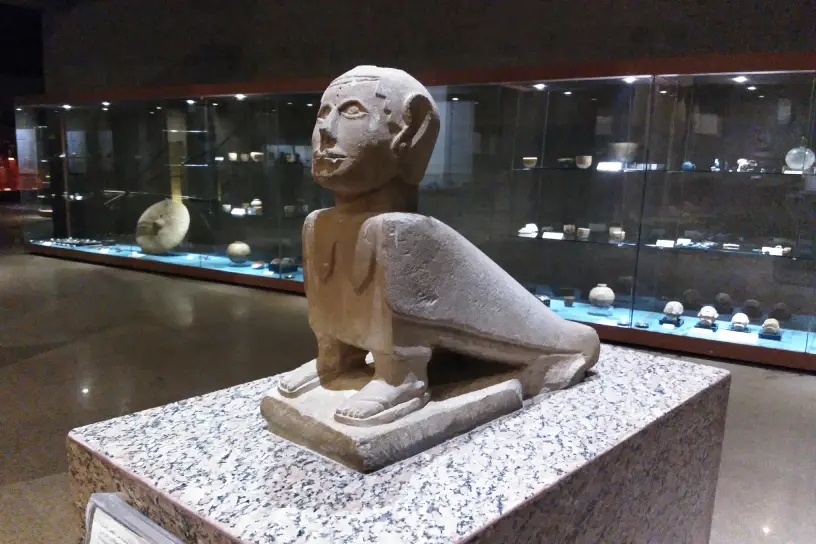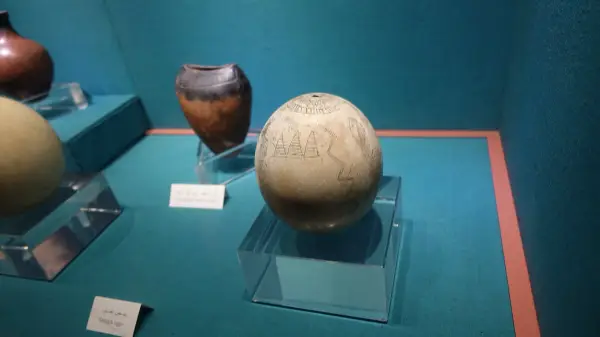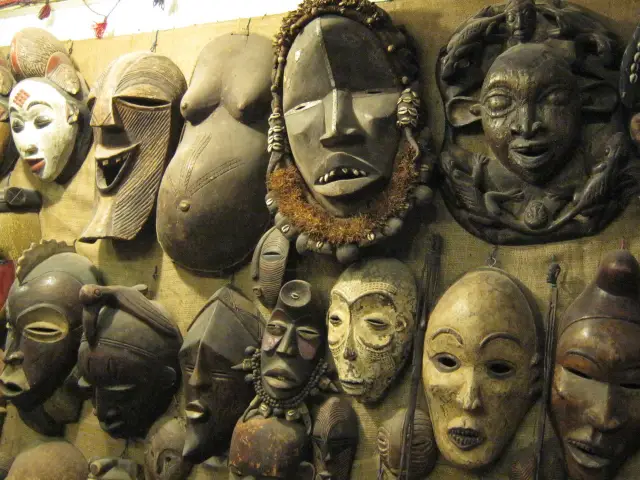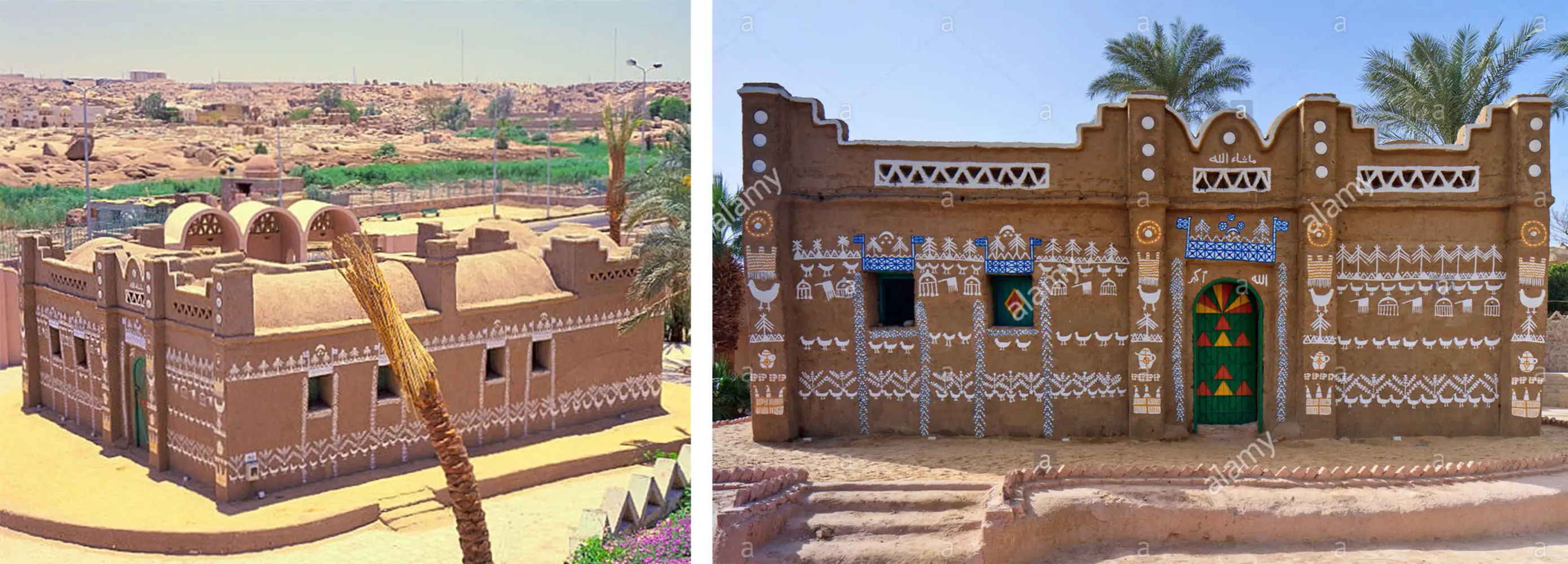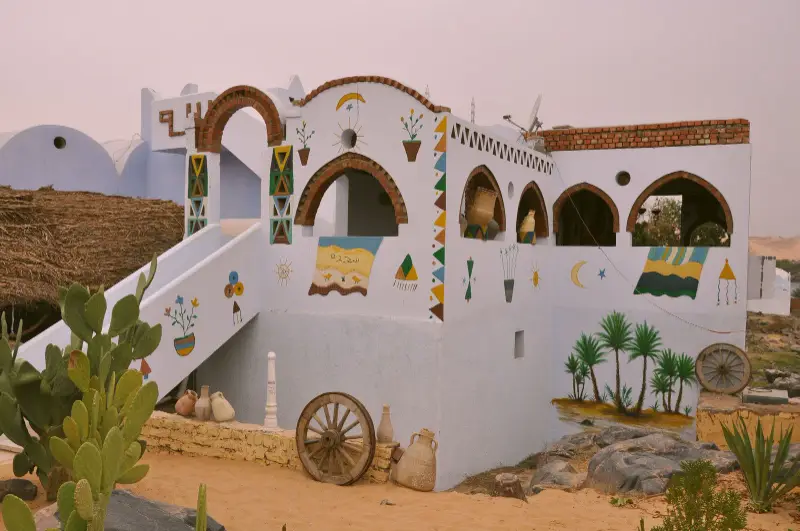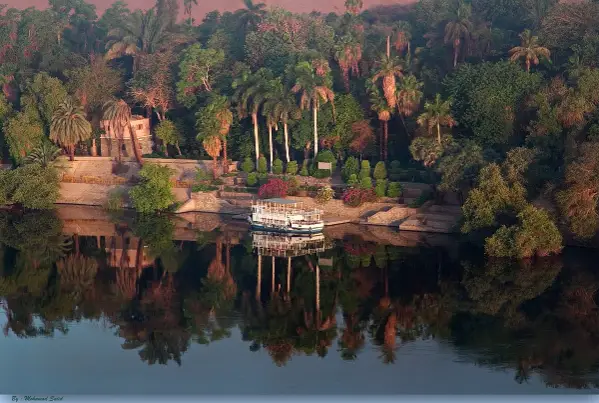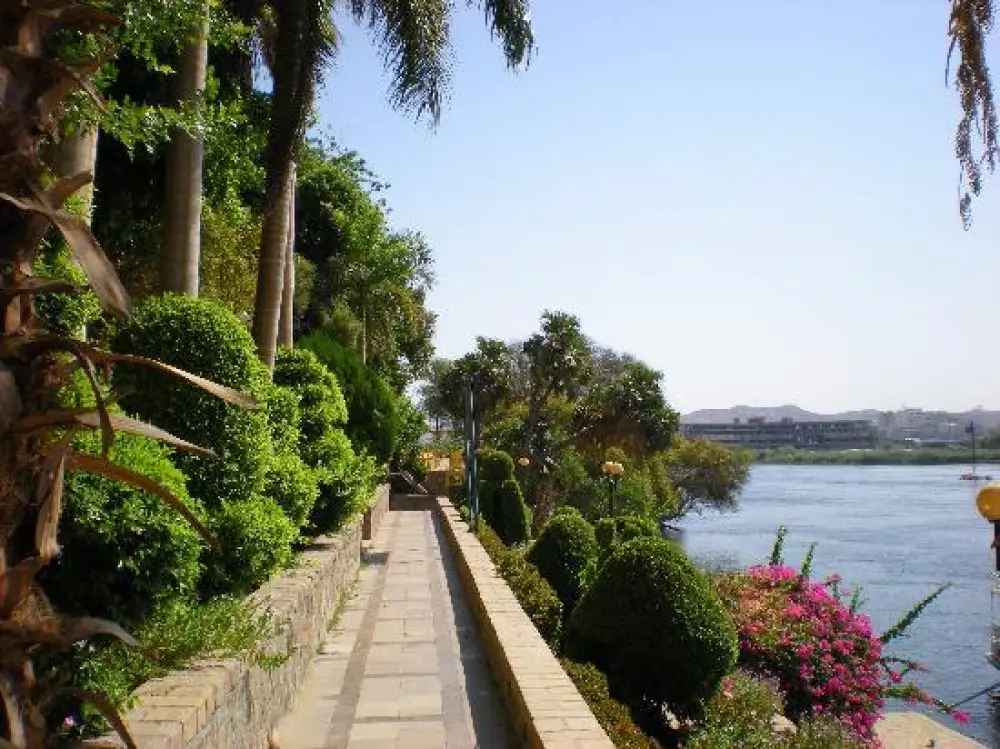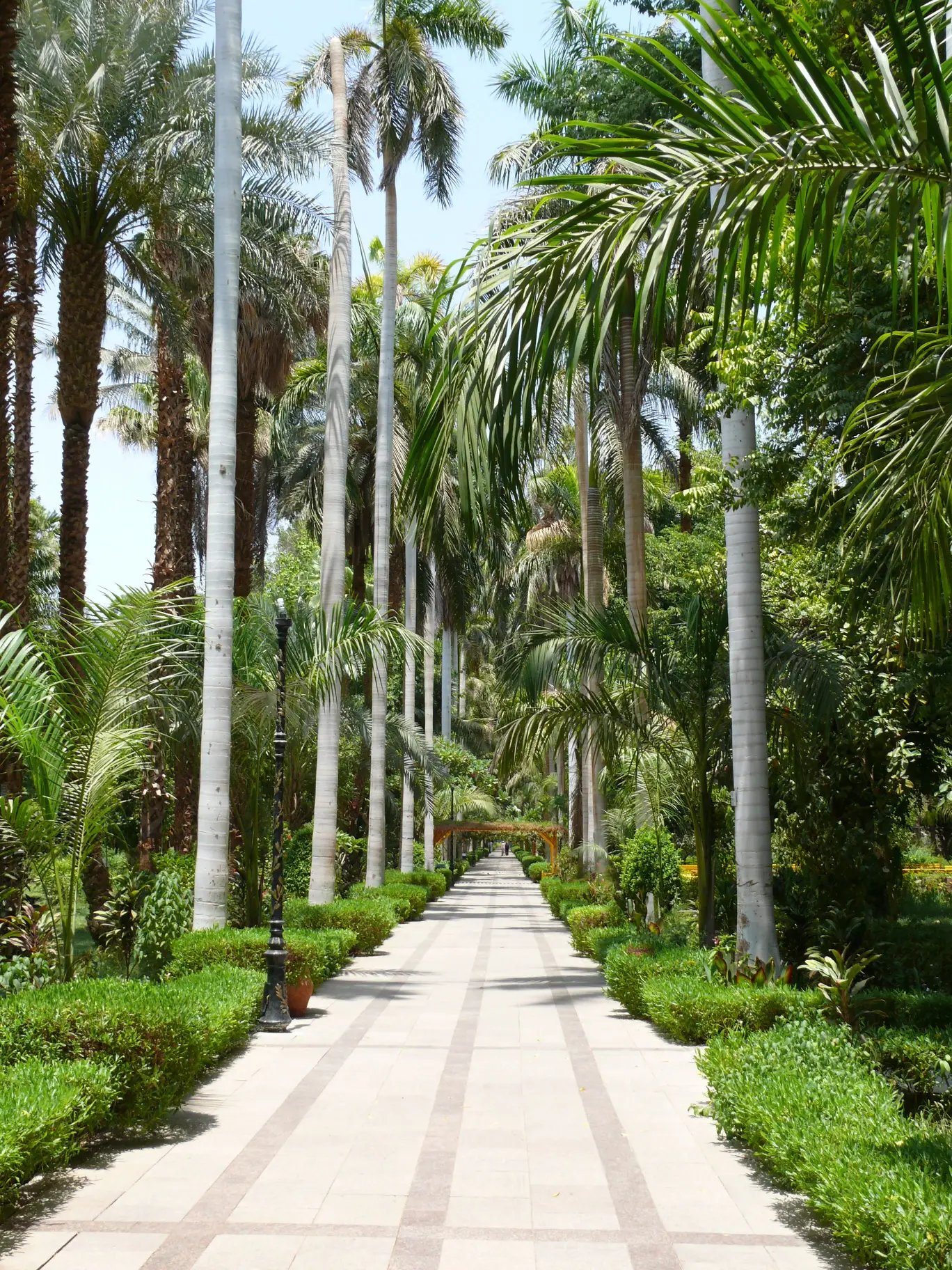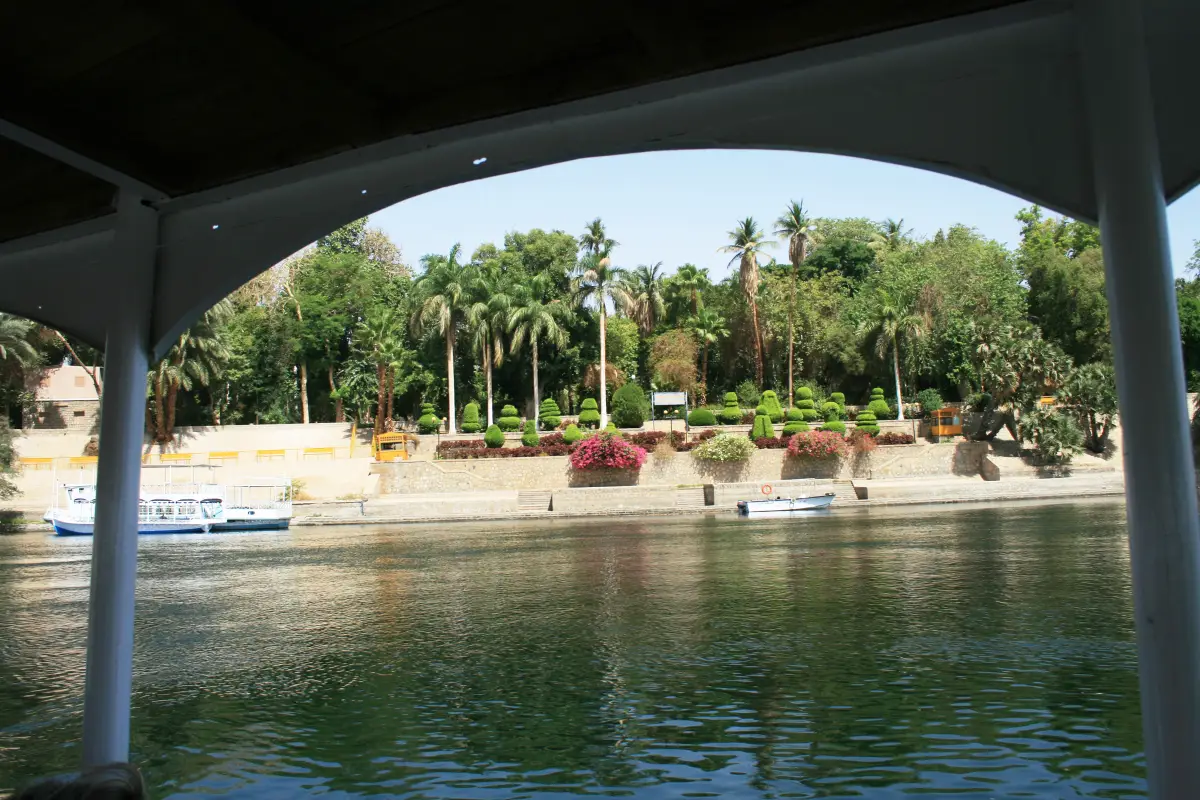



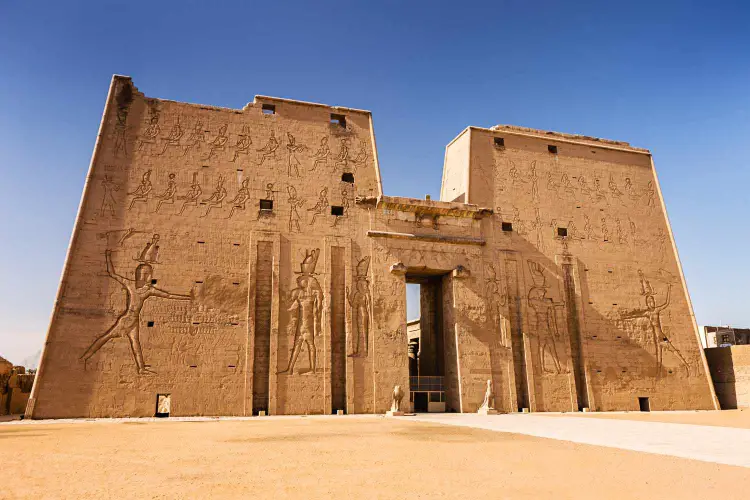
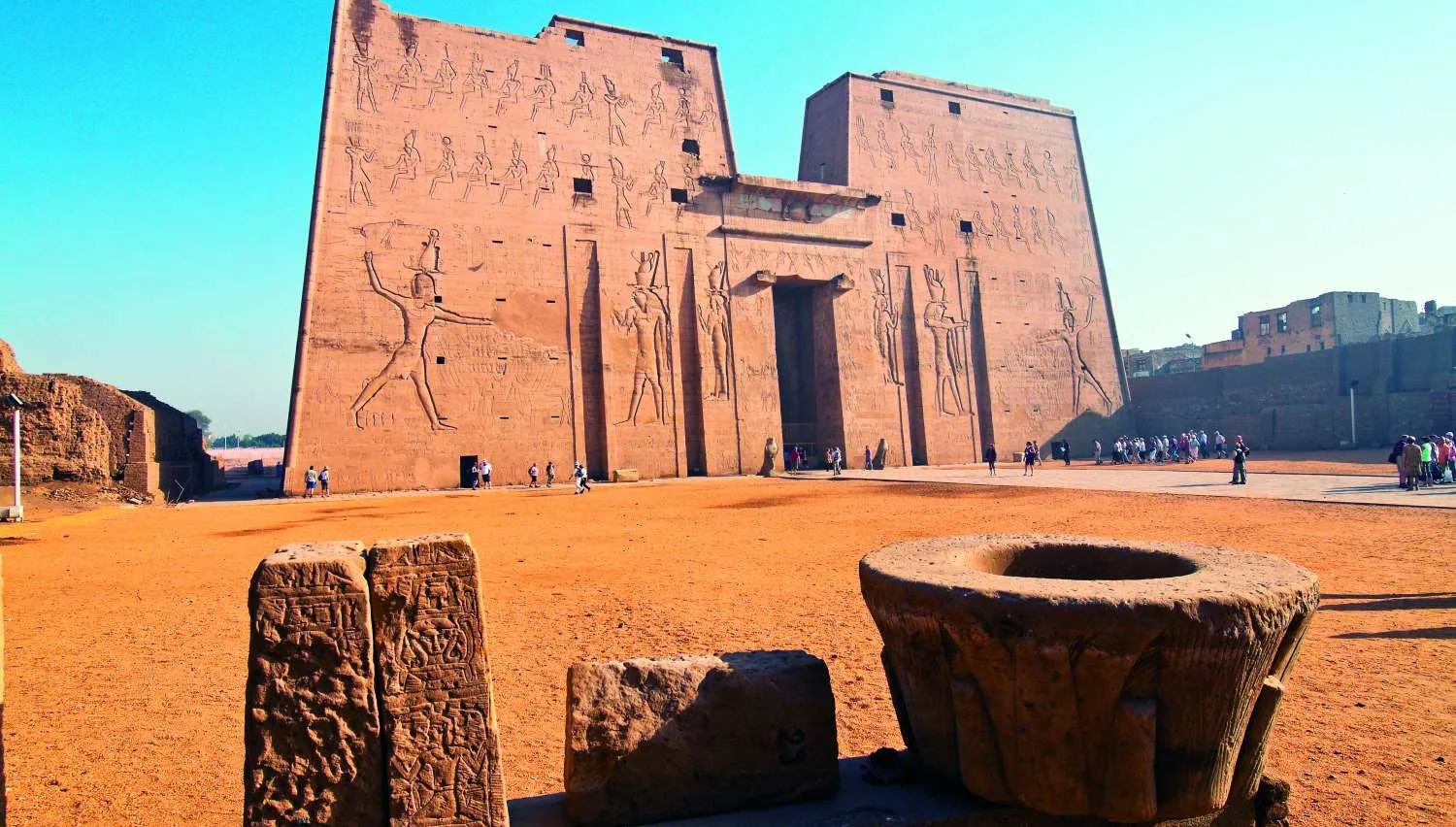
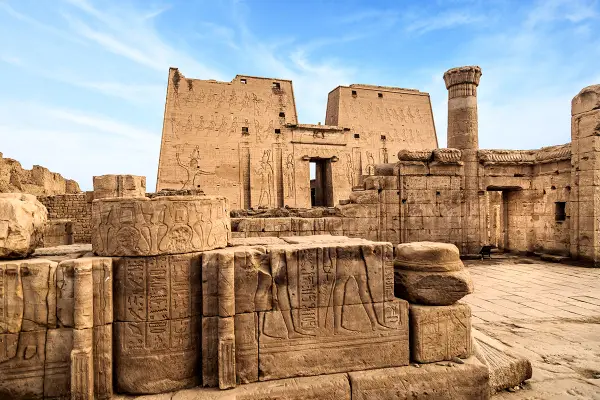
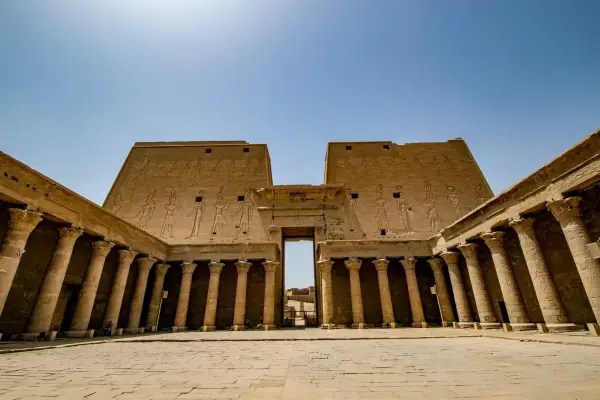
Elephantine Island, also known as the Open-Air Museum of Aswan, is a captivating island located in the Nile River in Aswan, Egypt. The island's name is believed to have originated from the Ancient Egyptian word "Abu" or "Yebu," which means elephant, possibly due to its shape resembling an elephant's tusk...
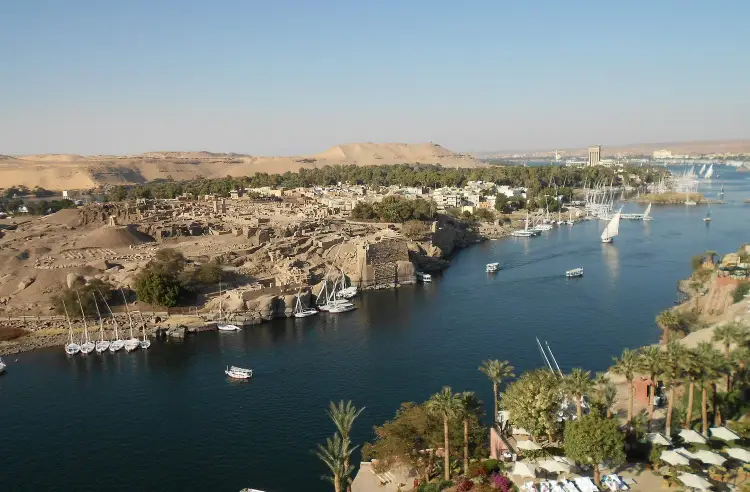
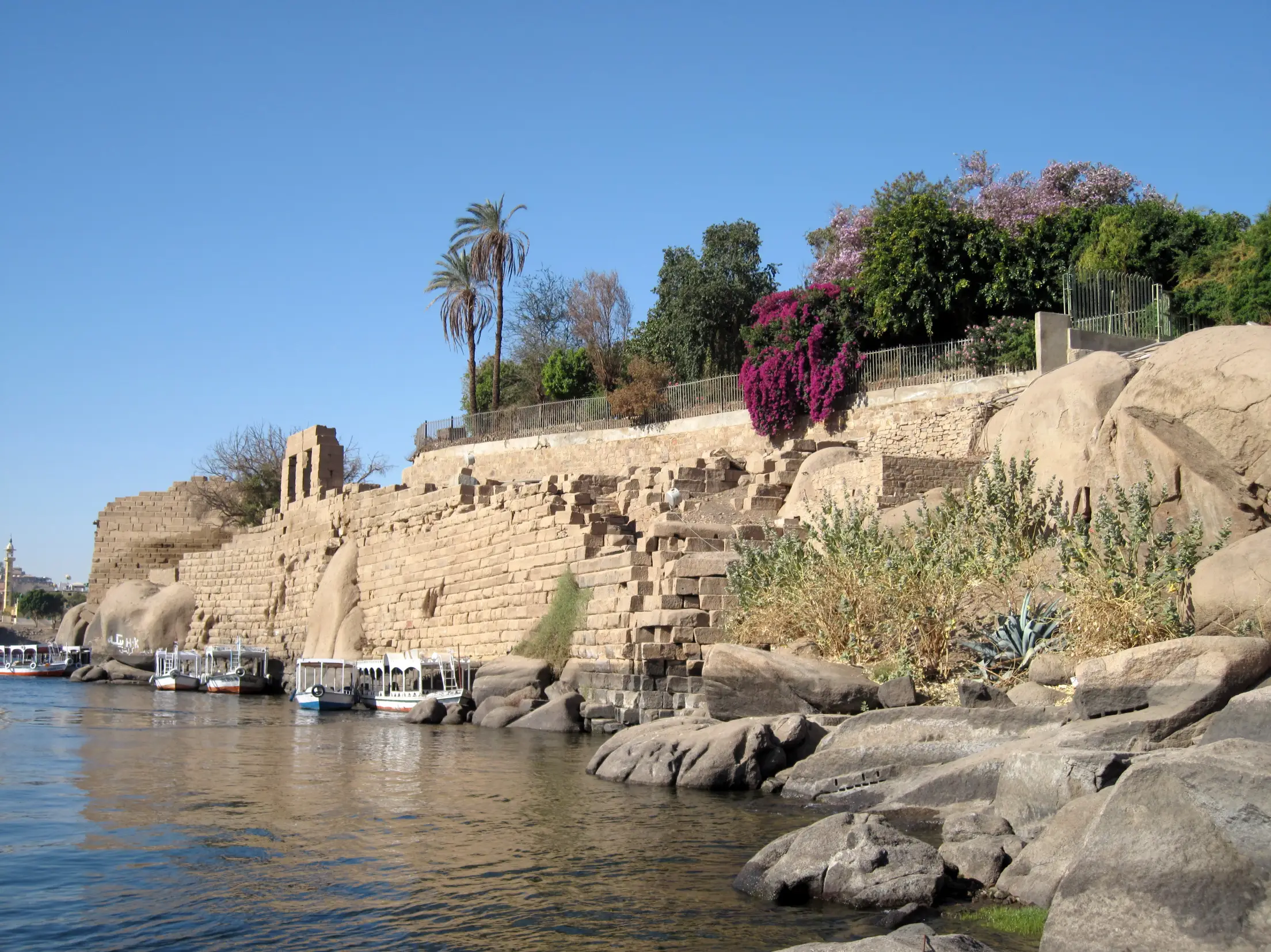
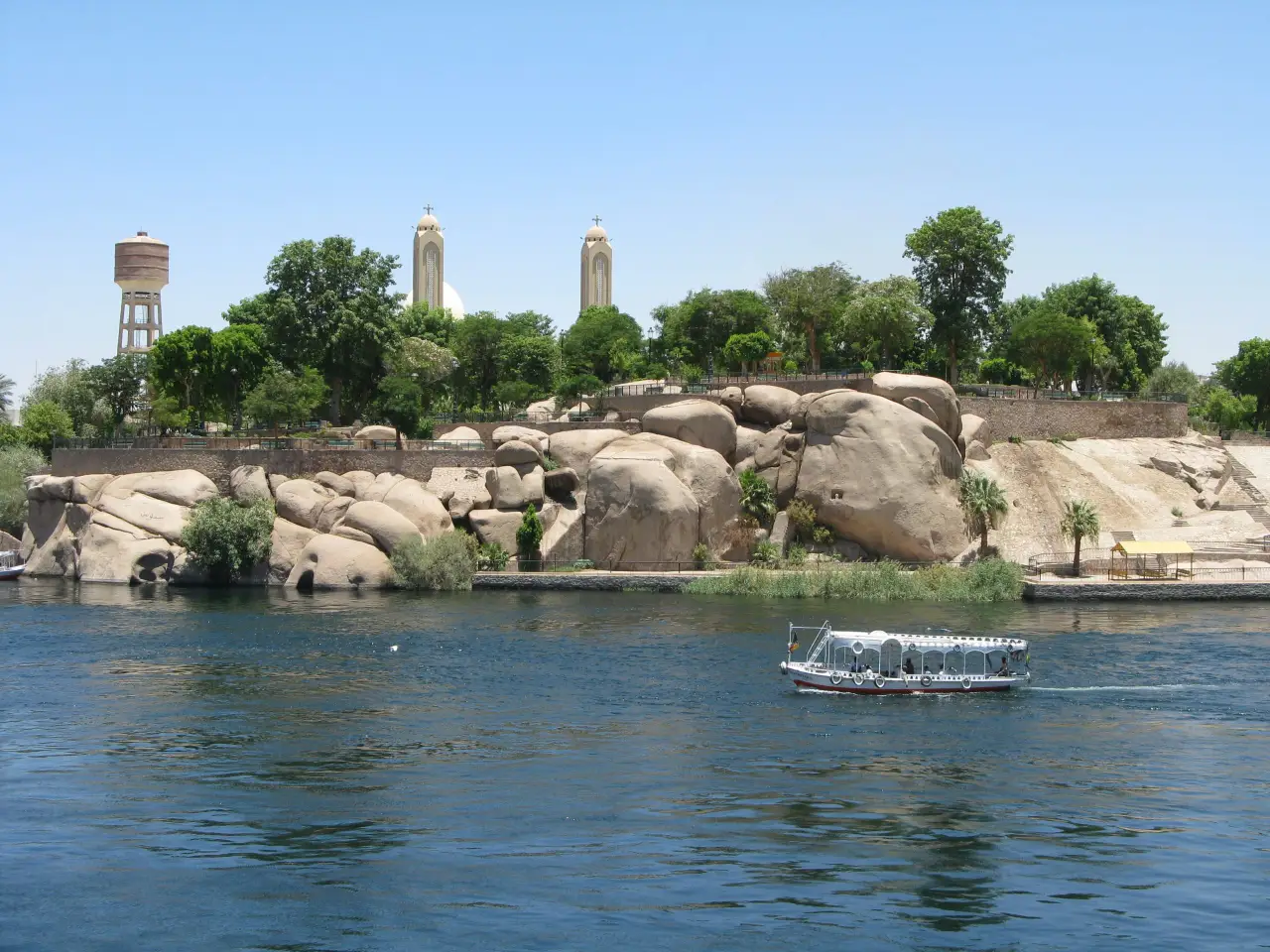
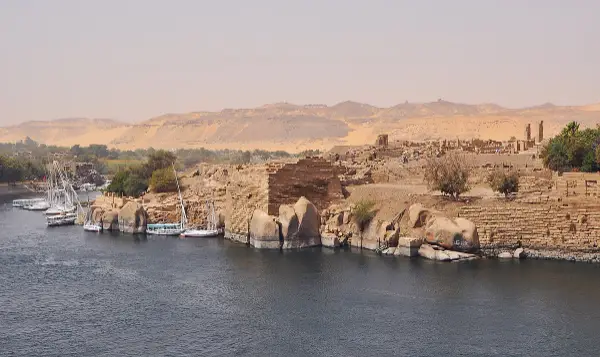
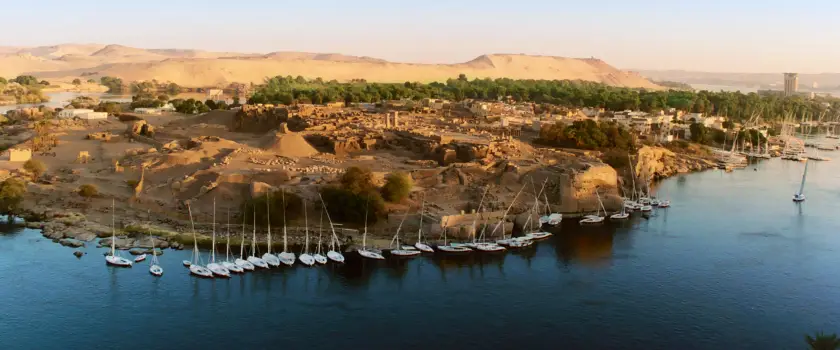
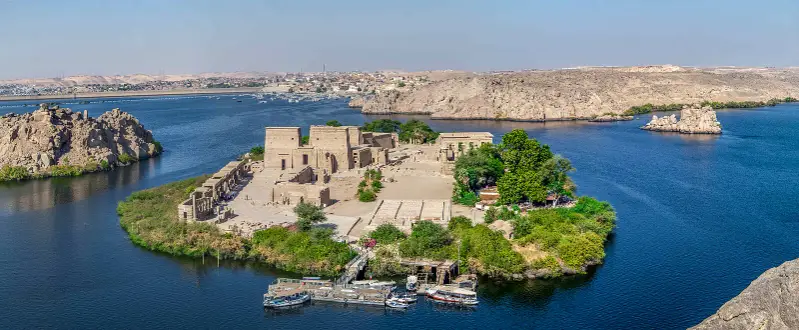
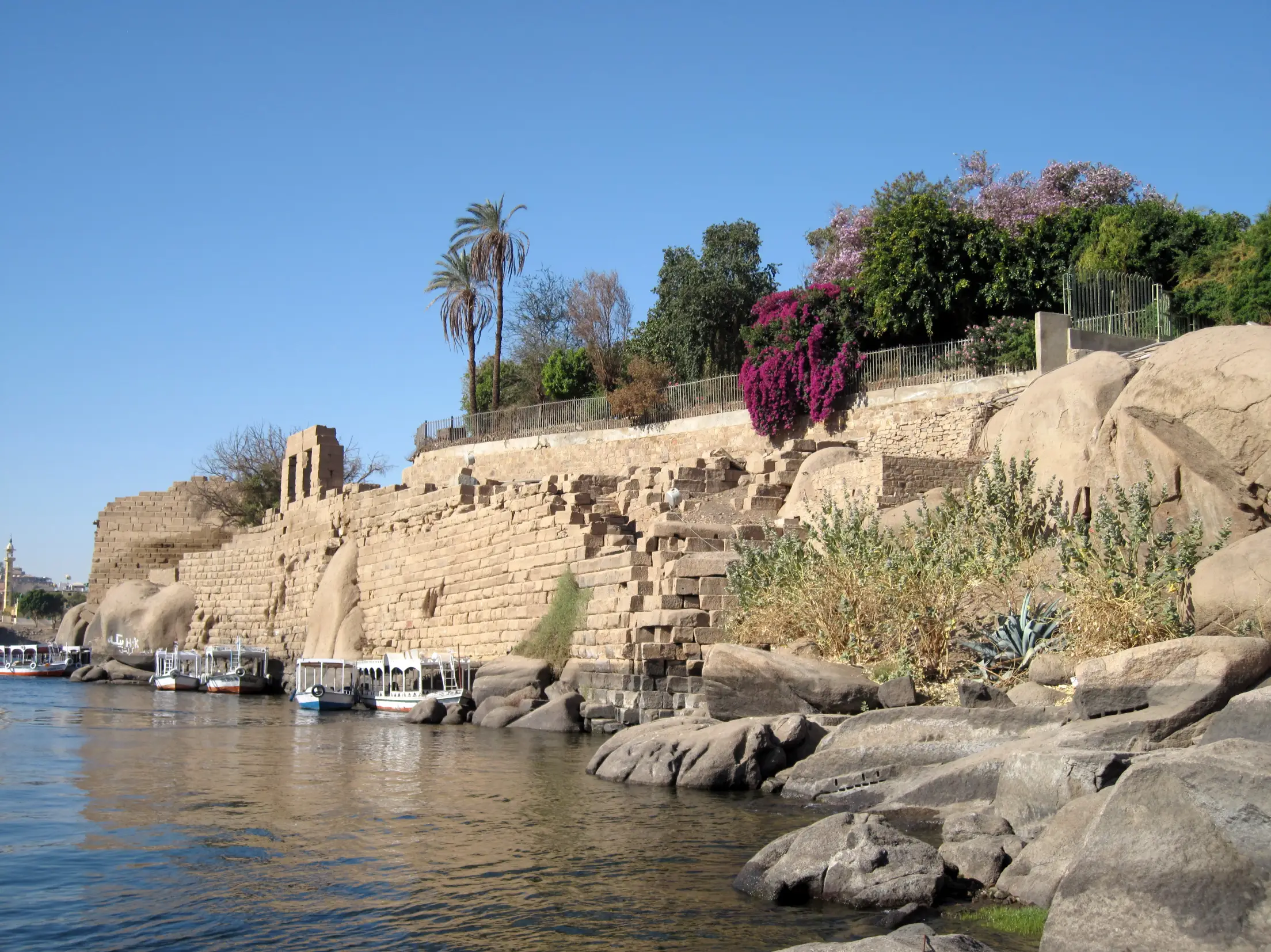
Elephantine Island, also known as the Open-Air Museum of Aswan, is a captivating island located in the Nile River in Aswan, Egypt. The island's name is believed to have originated from the Ancient Egyptian word "Abu" or "Yebu," which means elephant, possibly due to its shape resembling an elephant's tusk or because it was a trading center for ivory. Its geographical location at the First Cataract of the Nile makes it a significant historical and archaeological site that has attracted visitors from around the world.
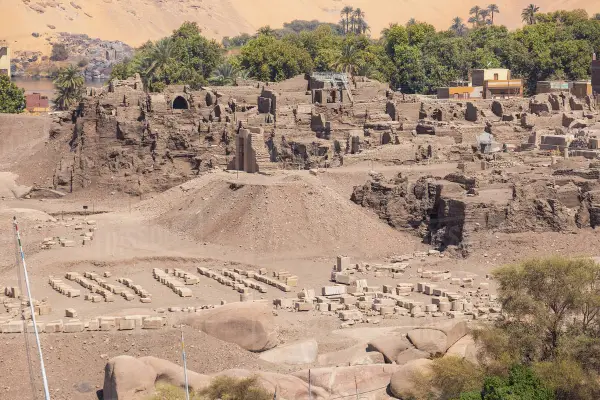
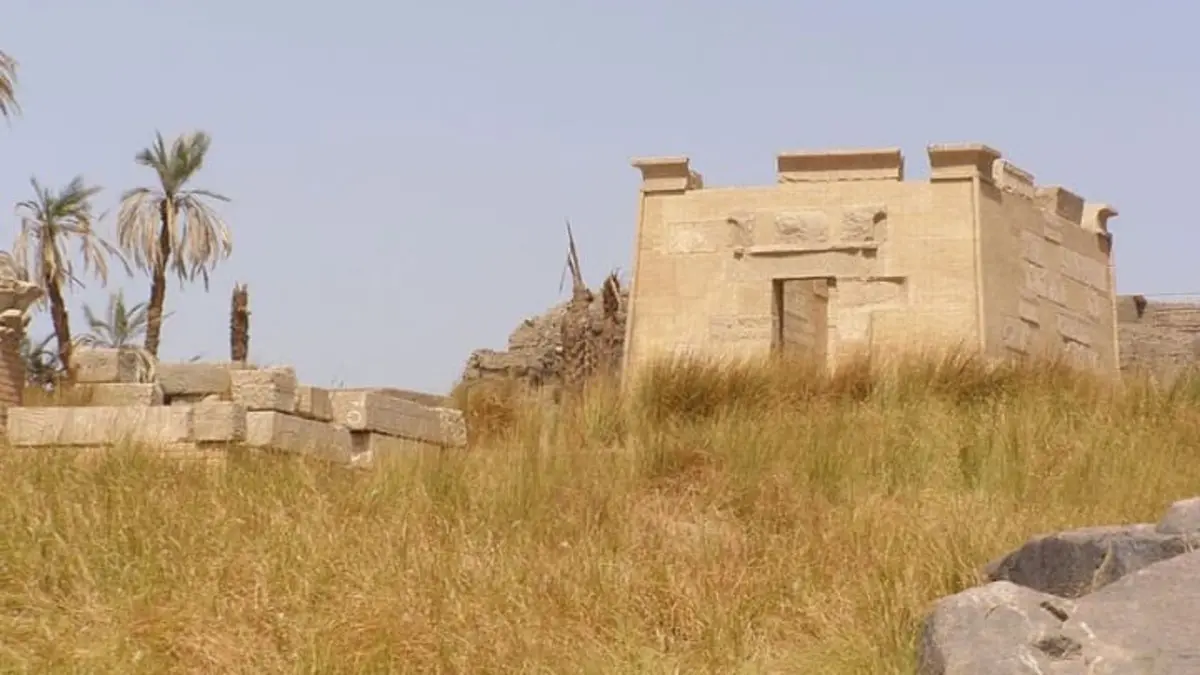
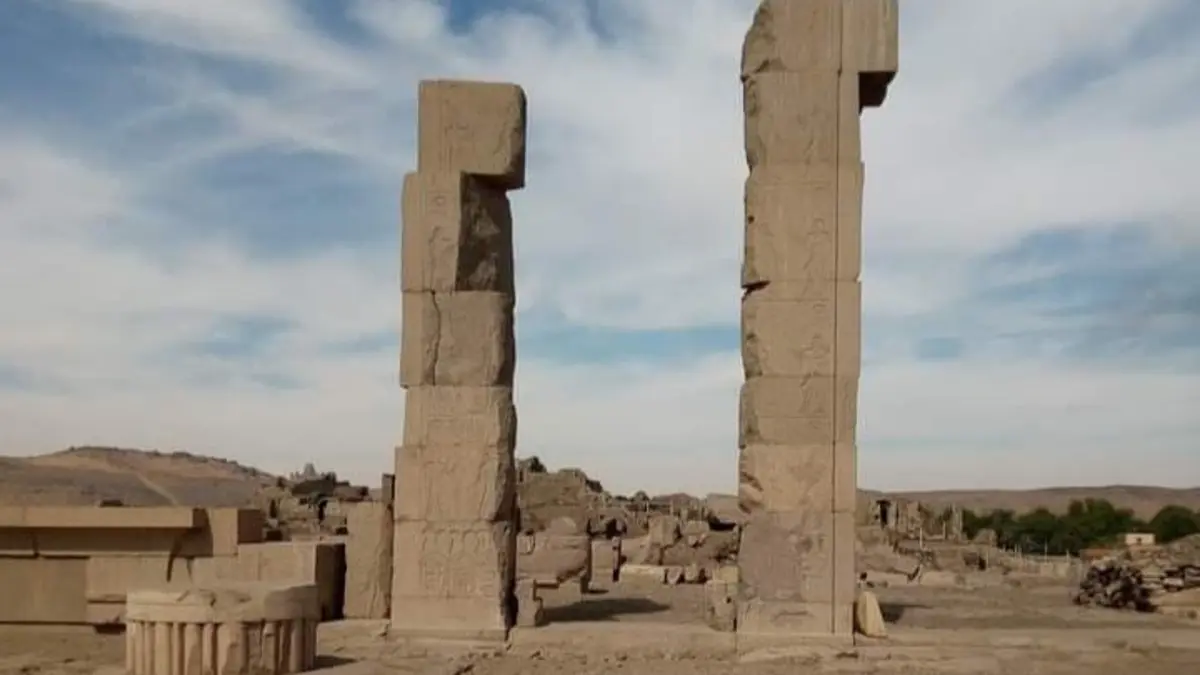
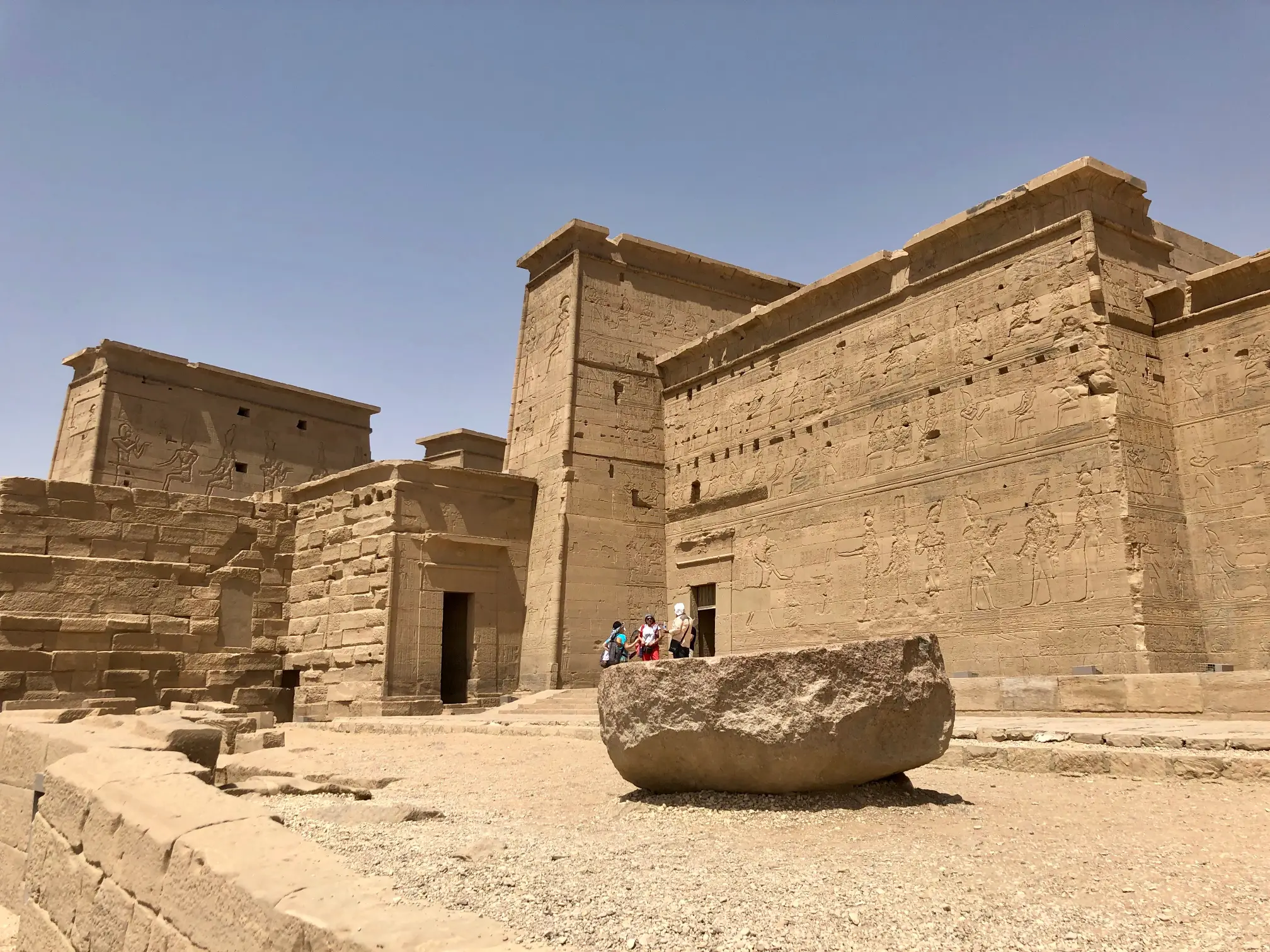
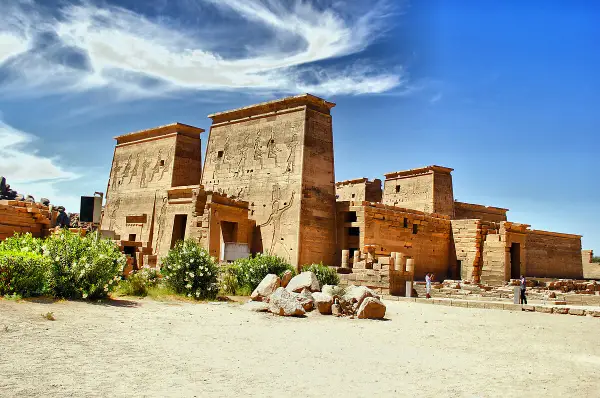
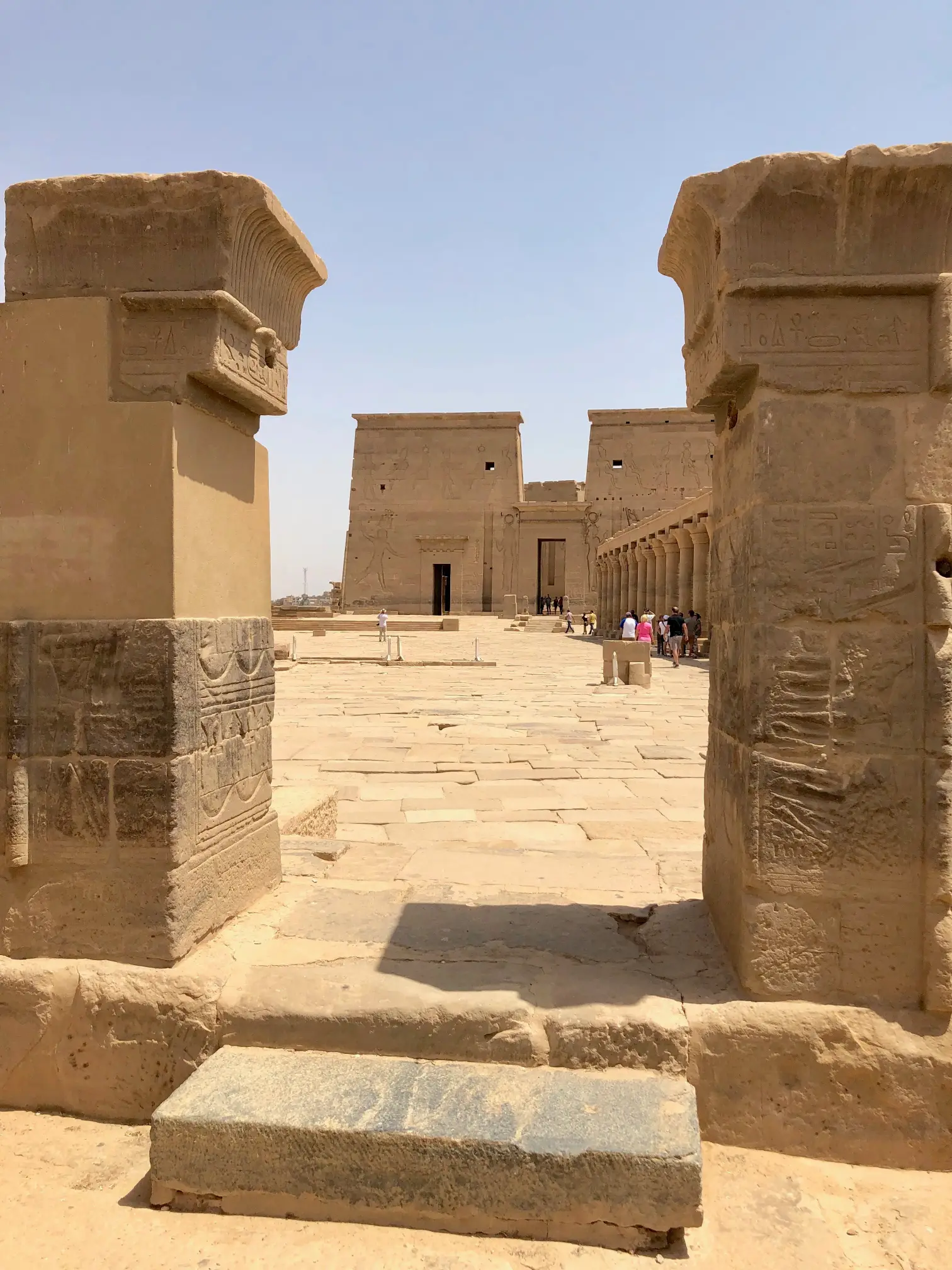
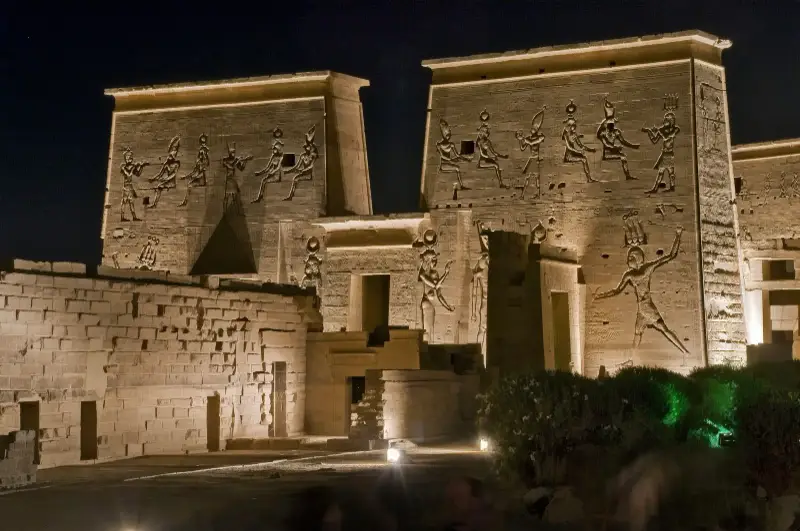
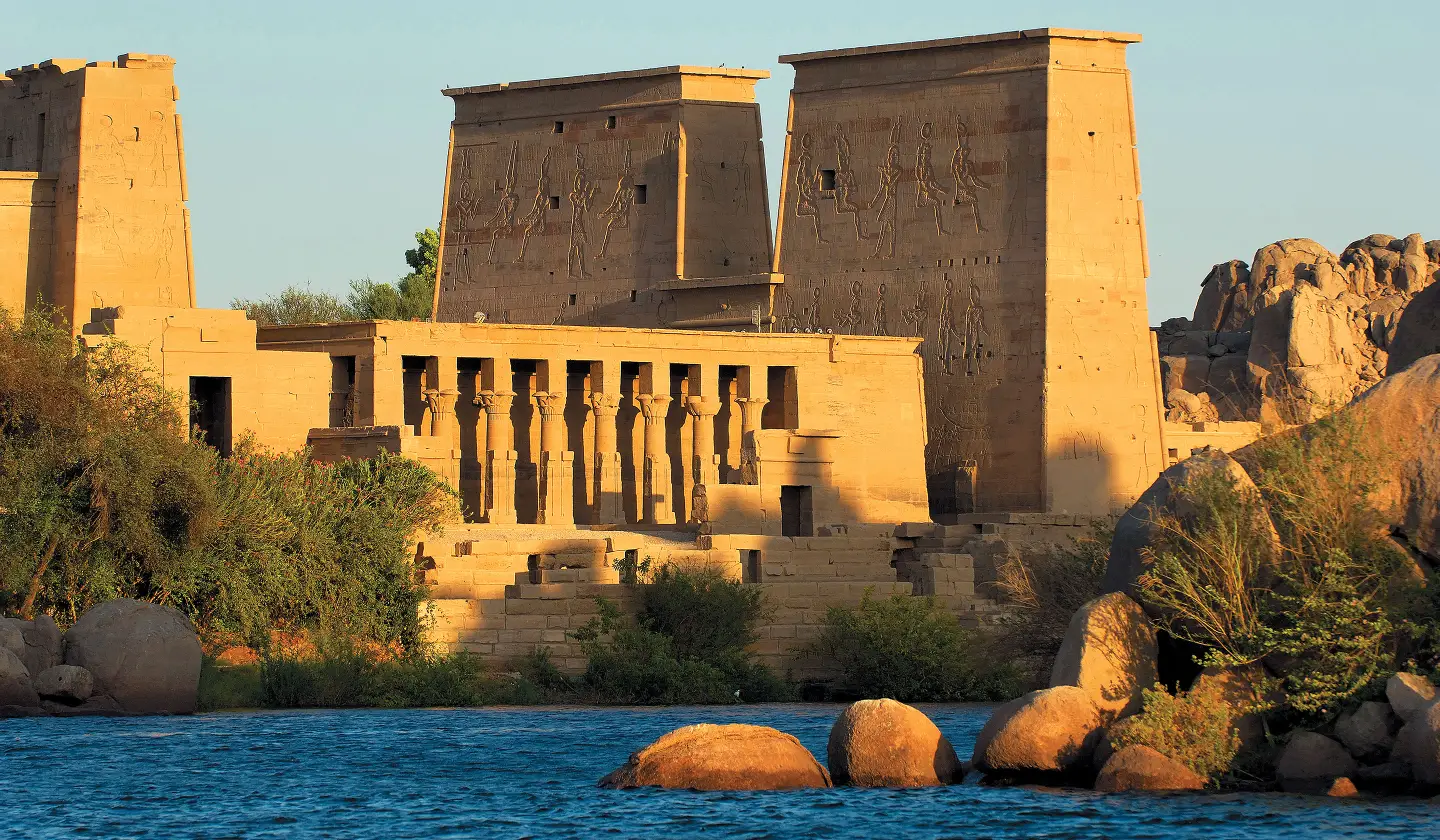
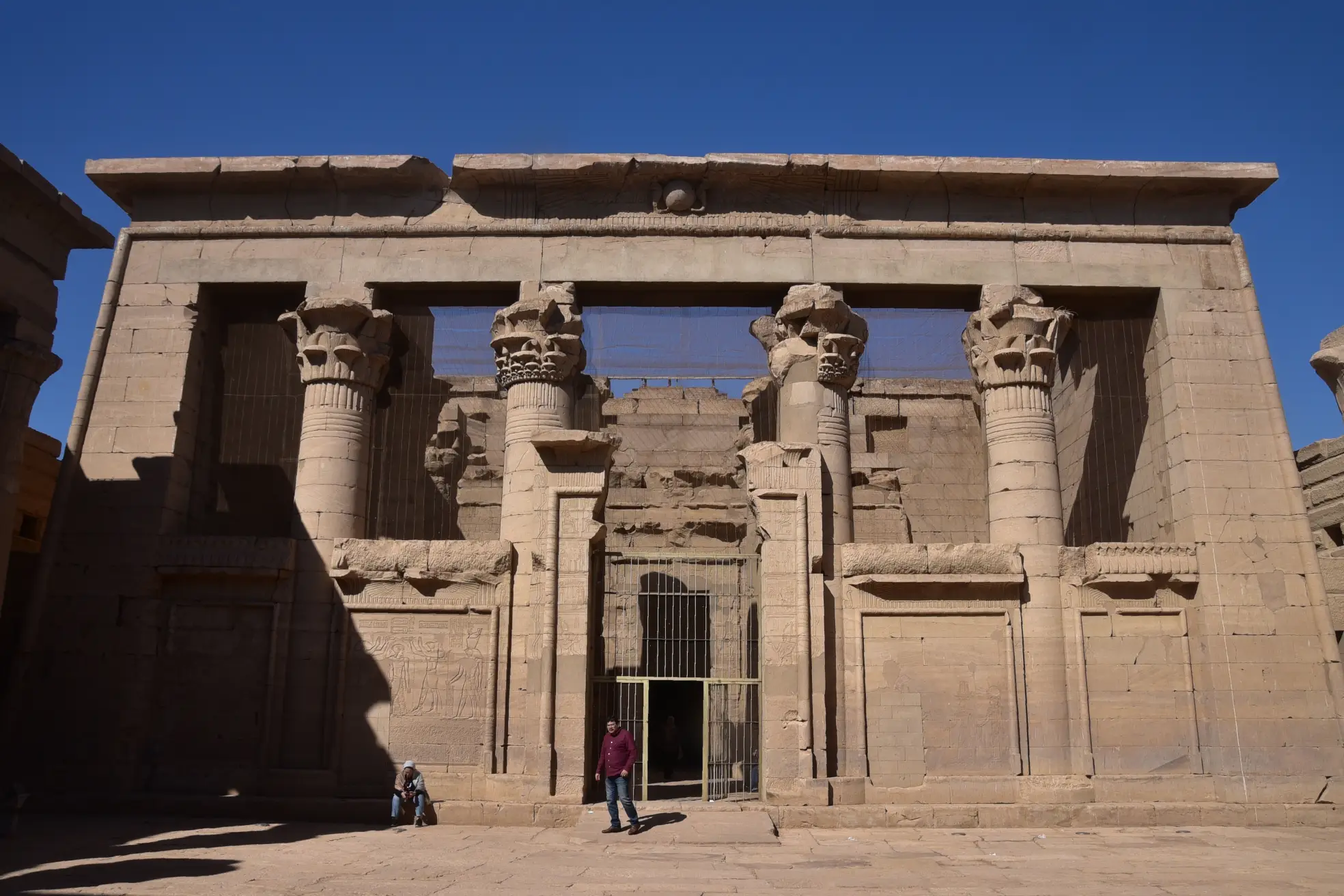
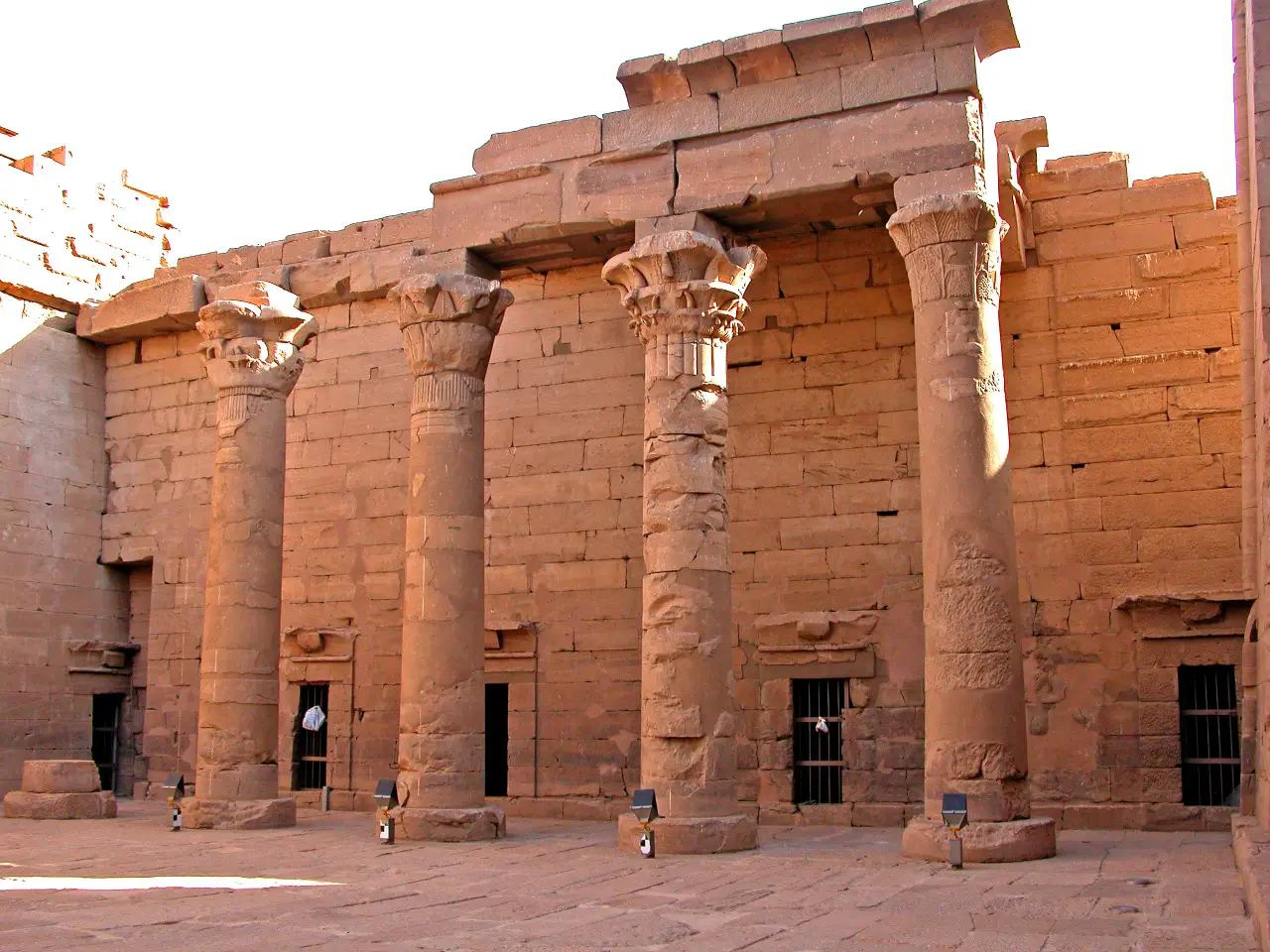
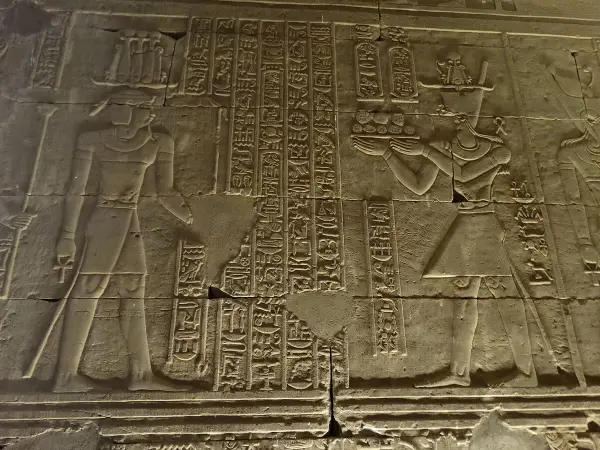
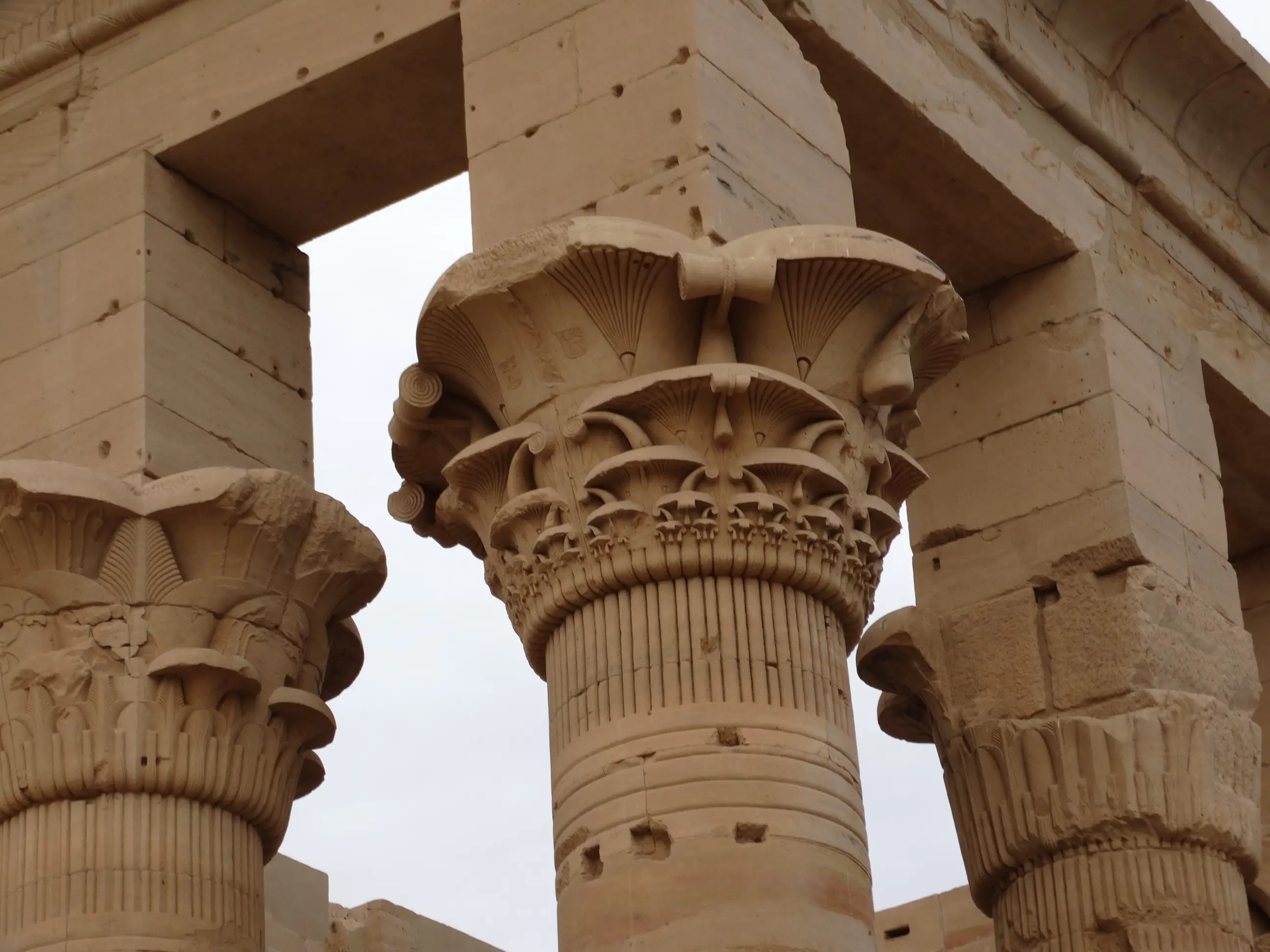
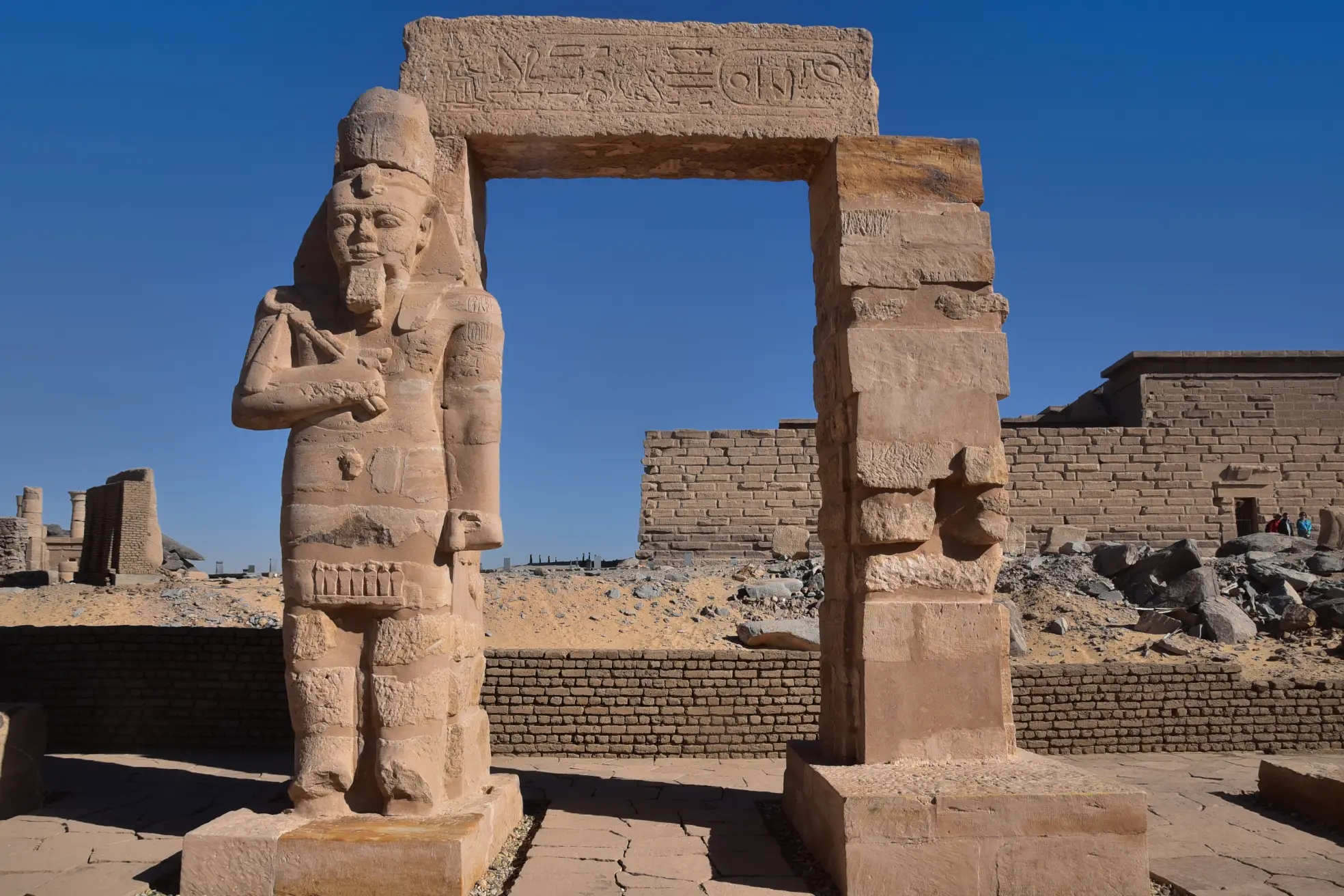
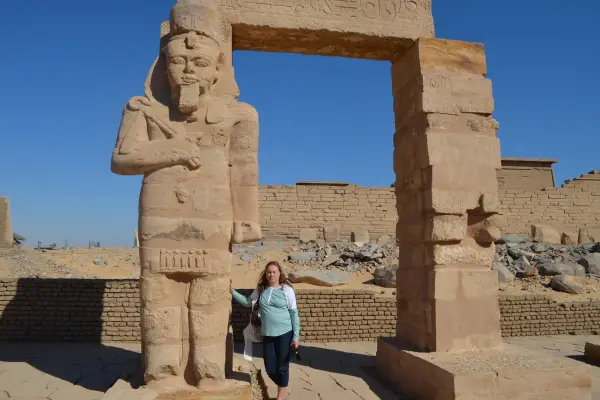
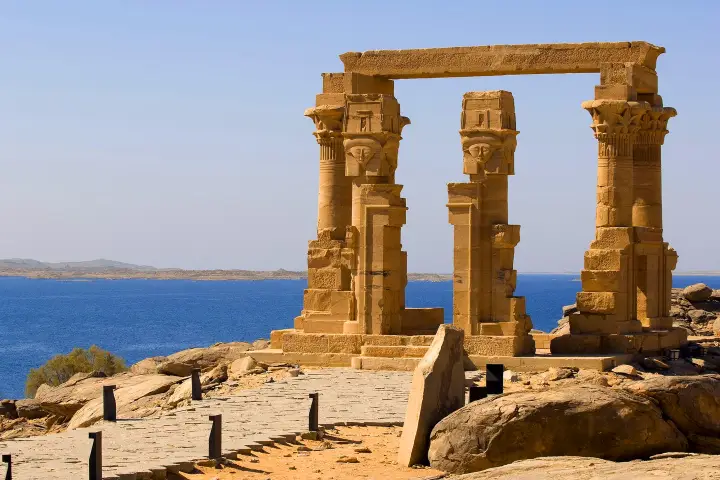
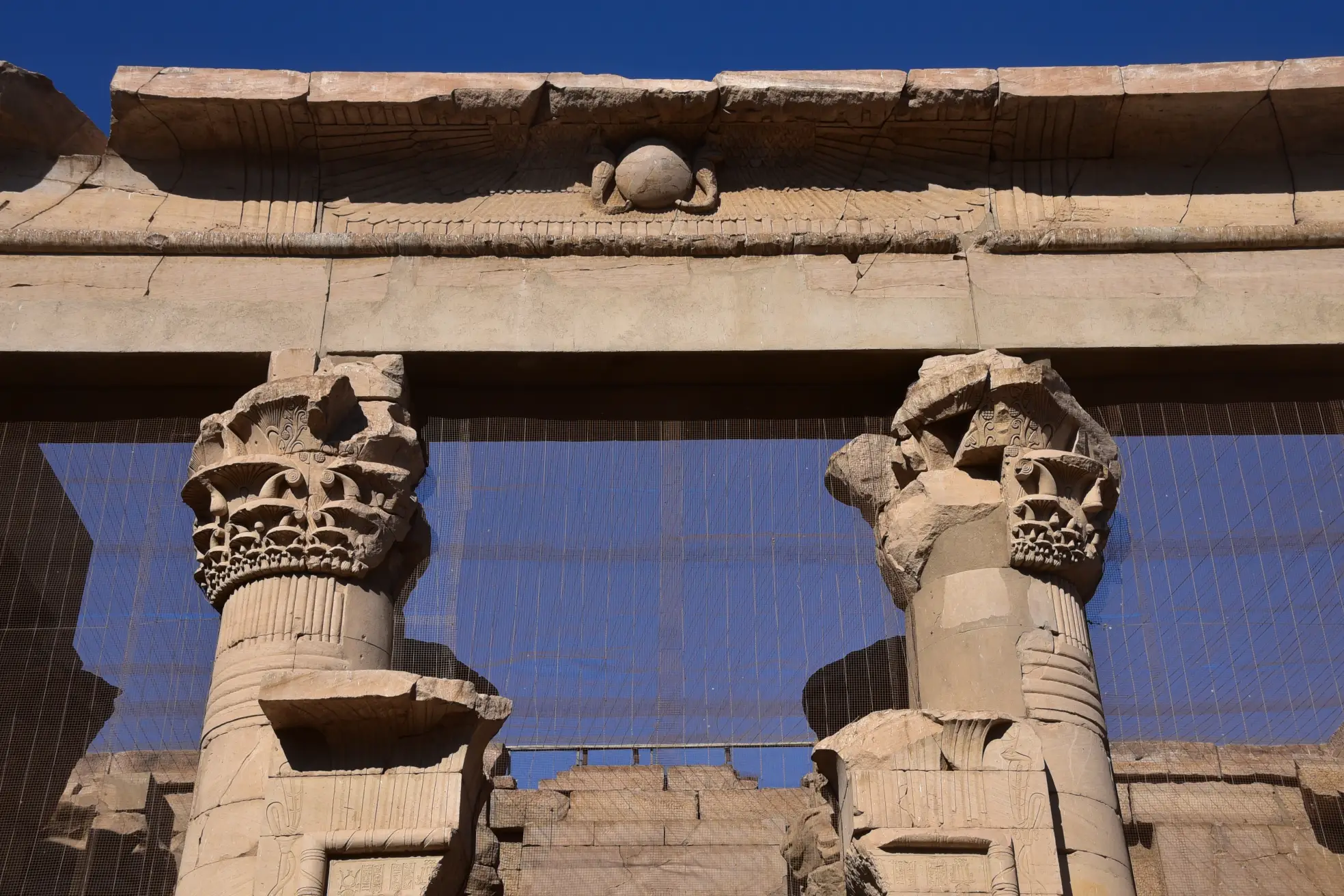
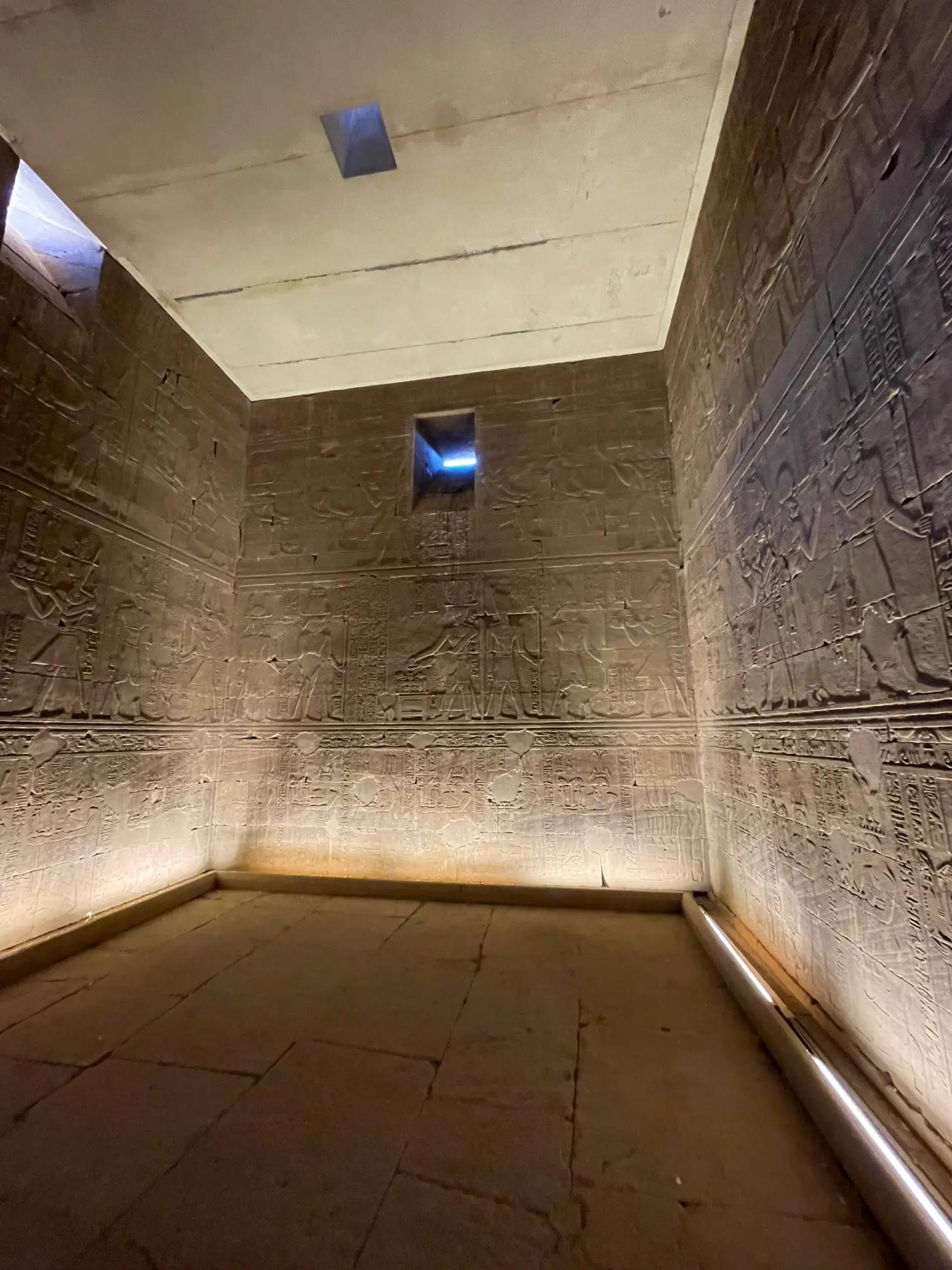
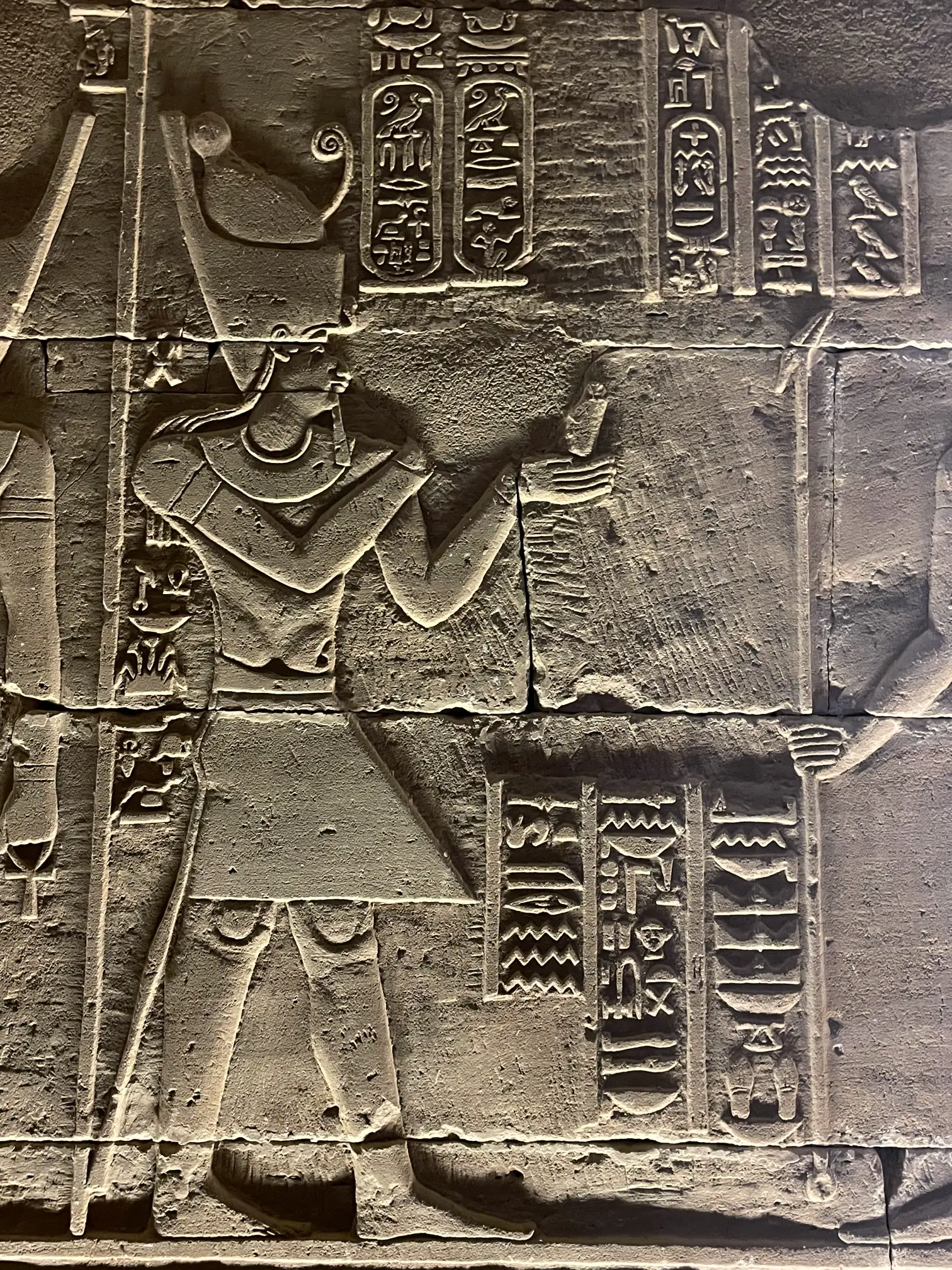
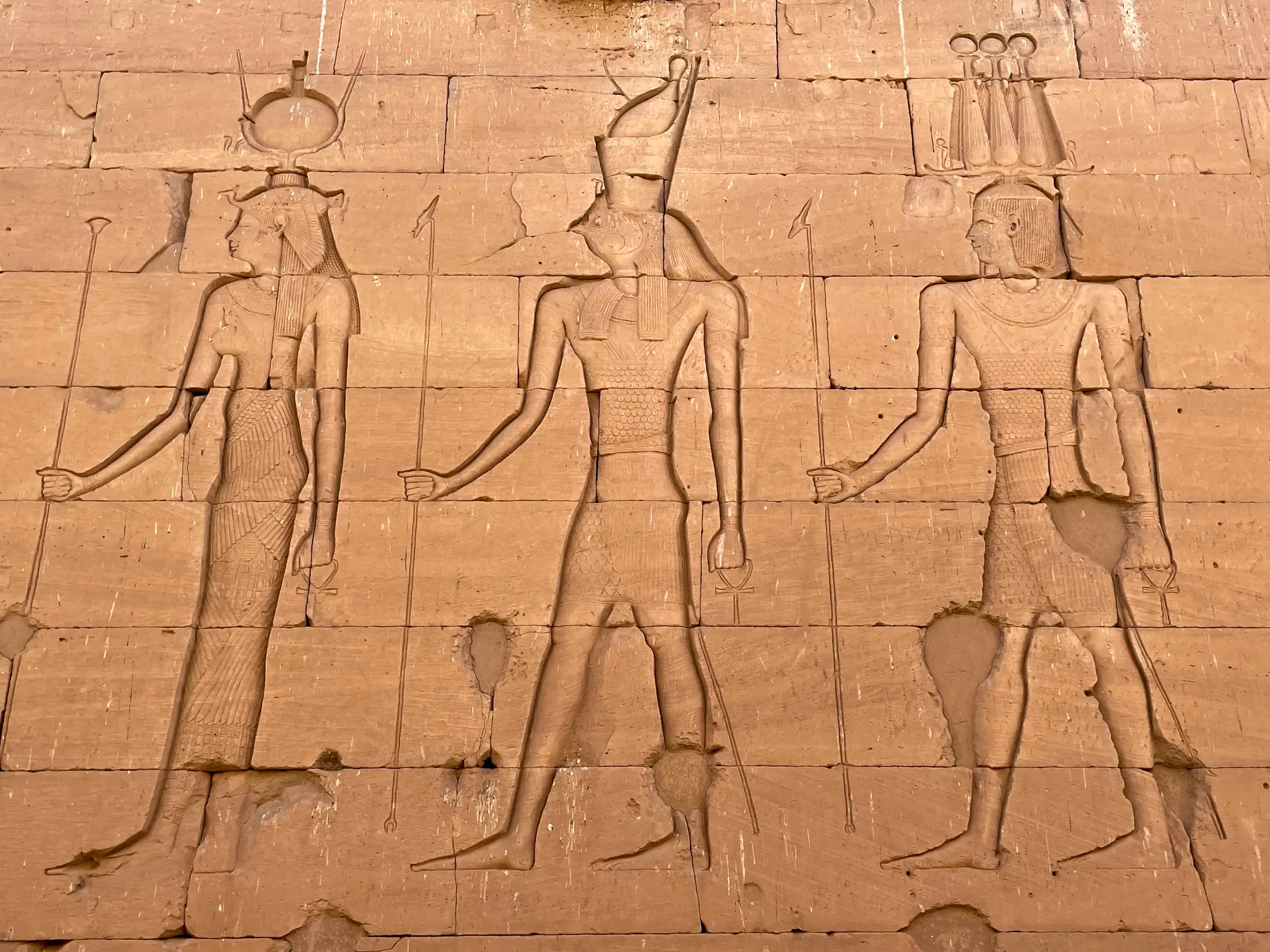
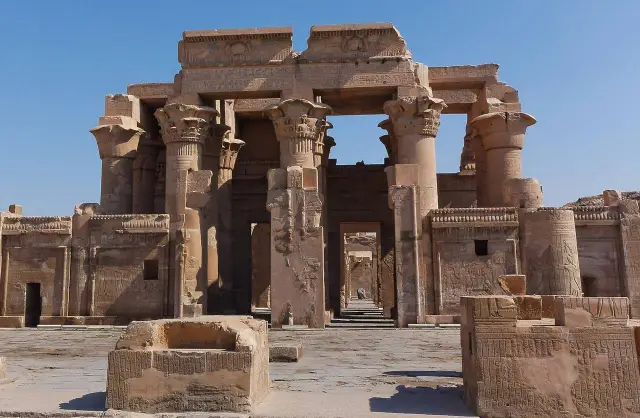
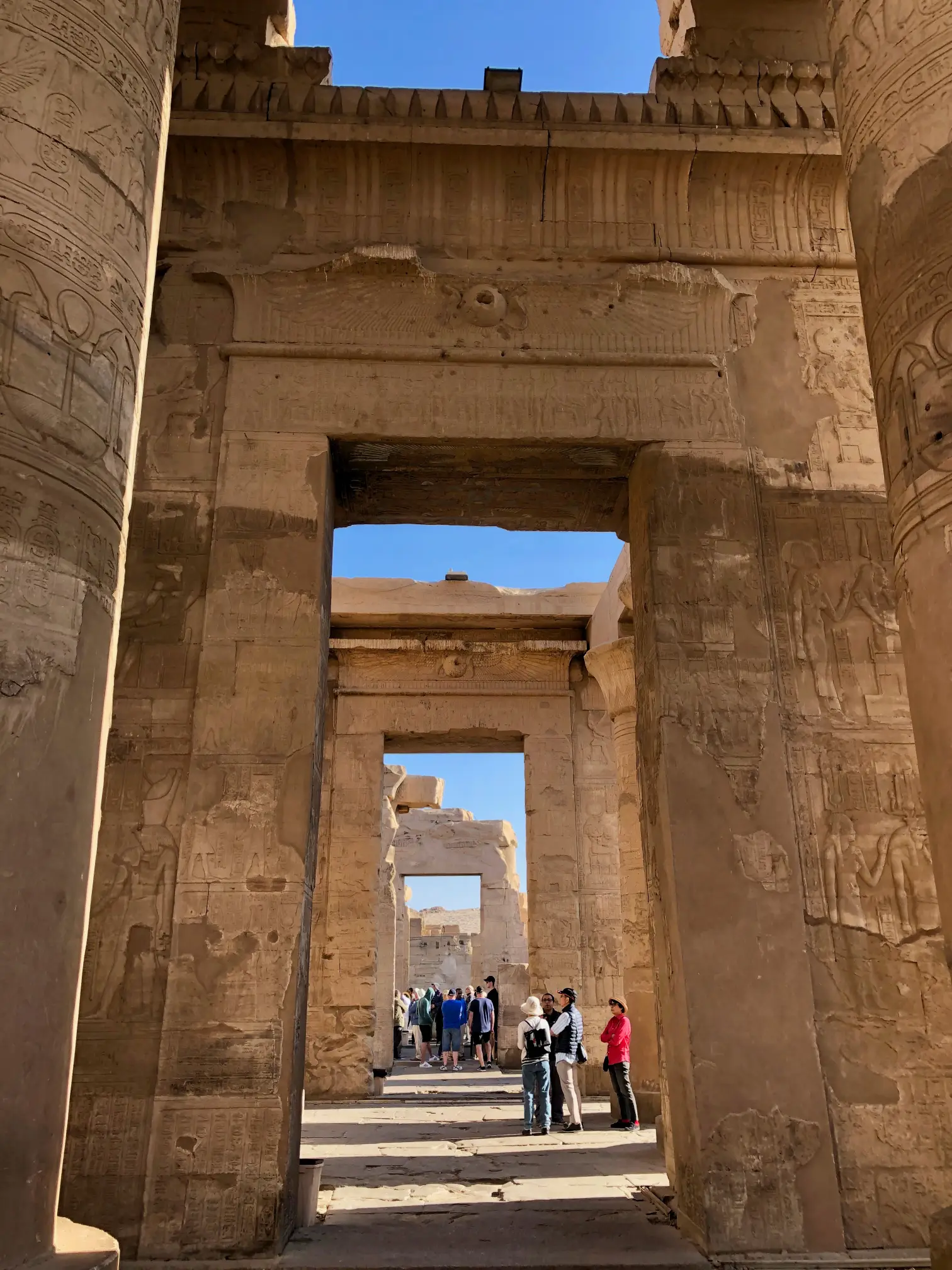
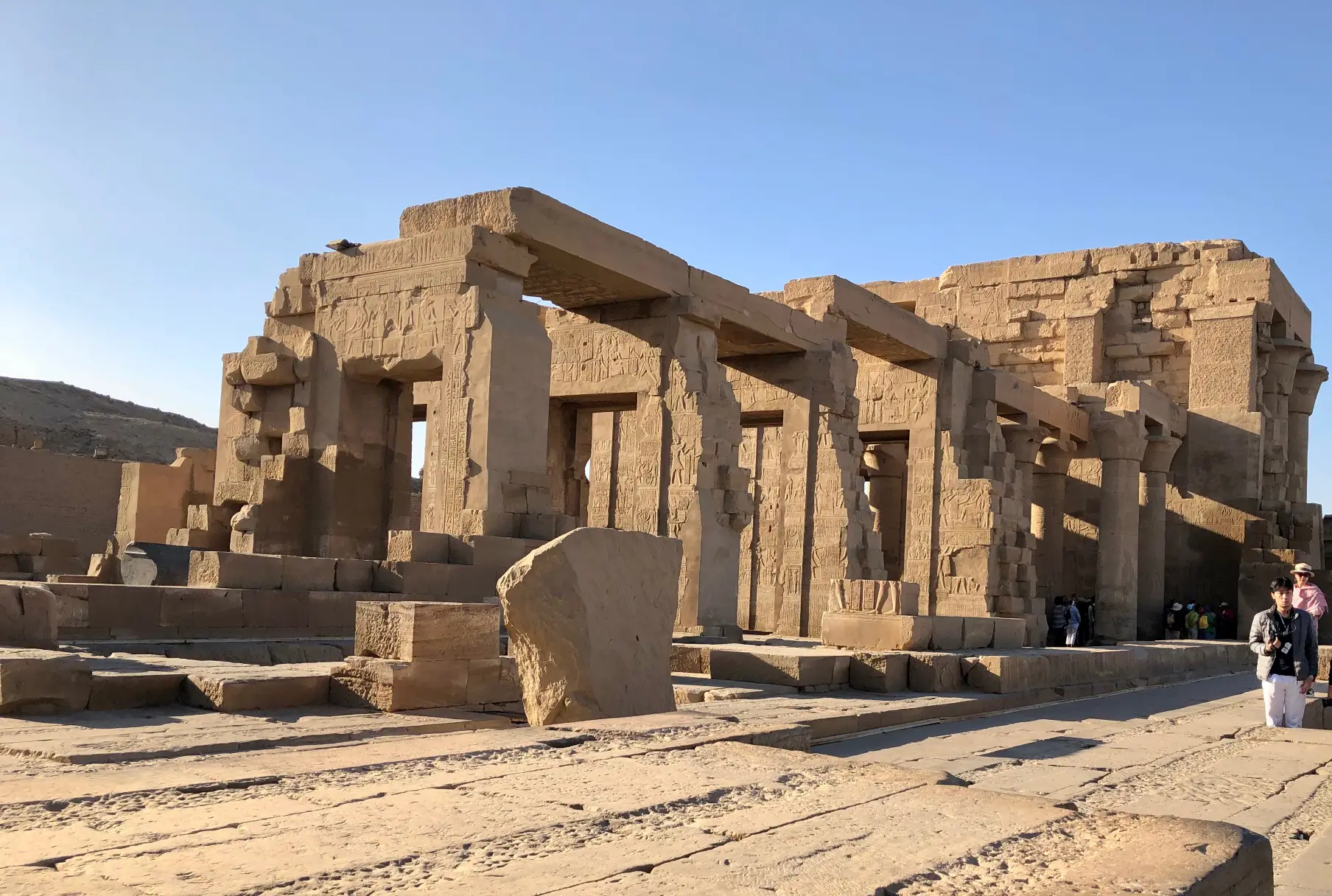
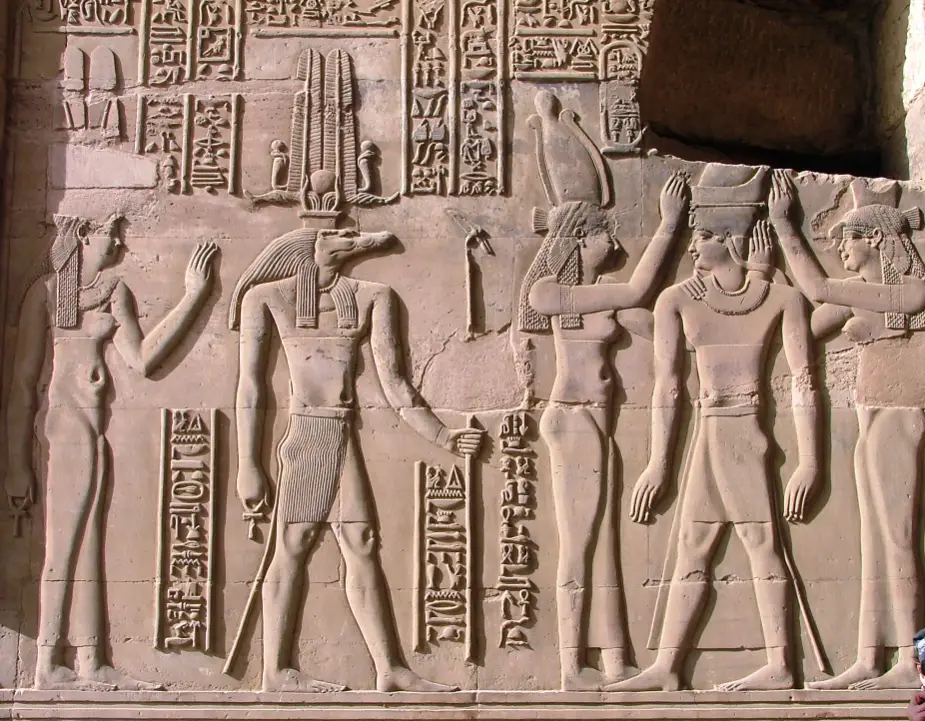
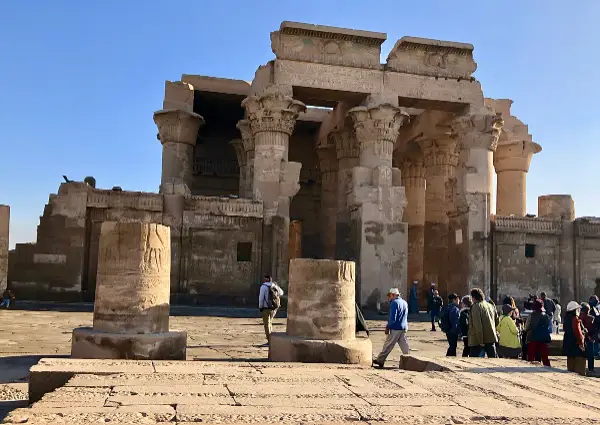
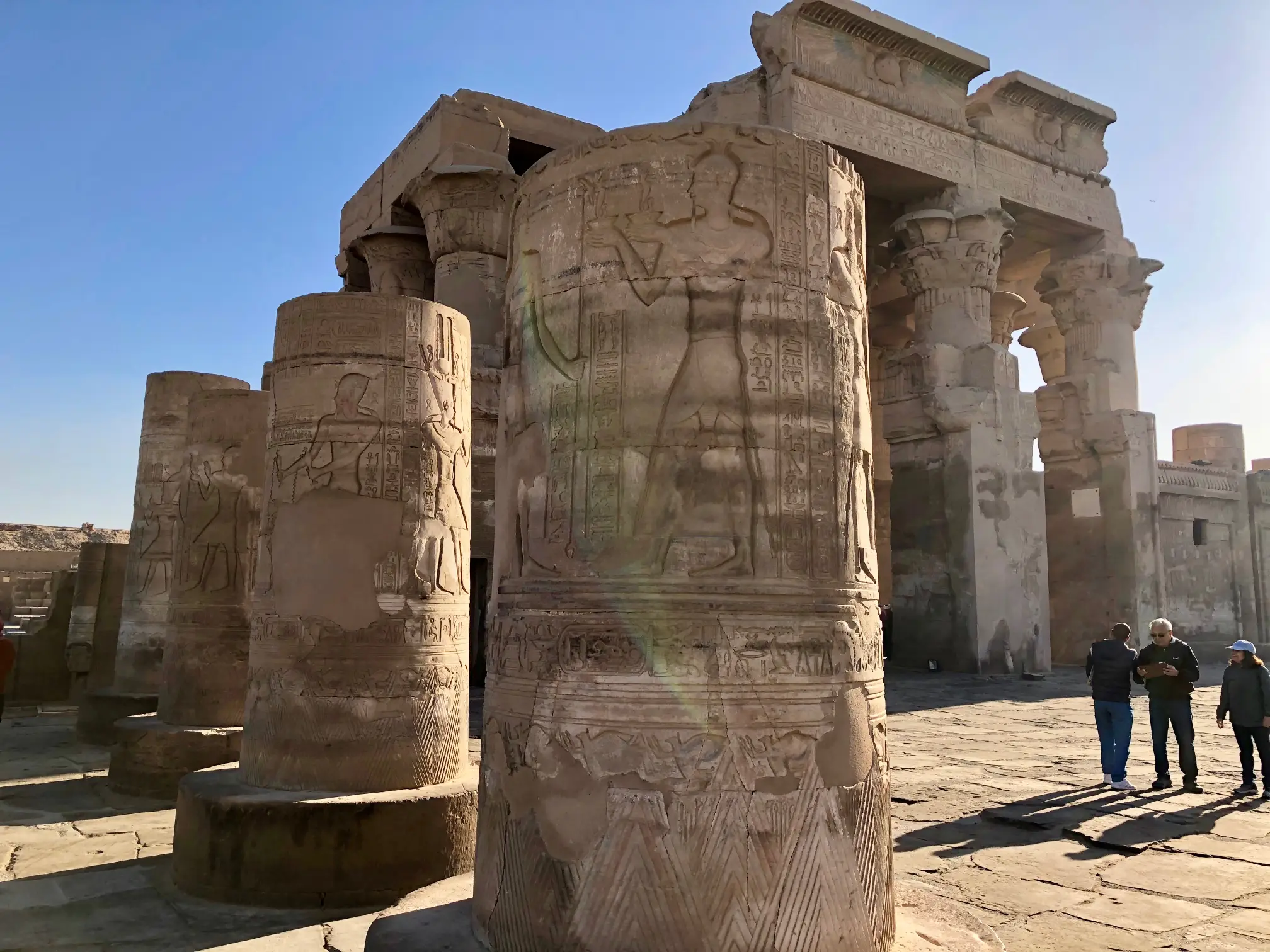
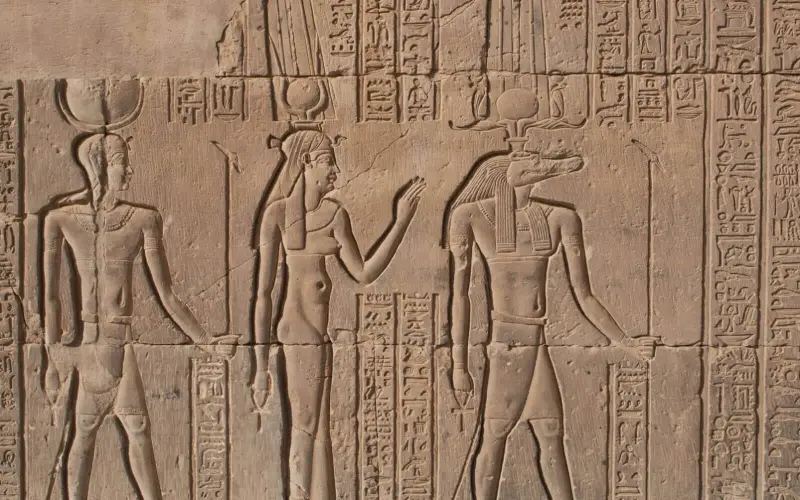
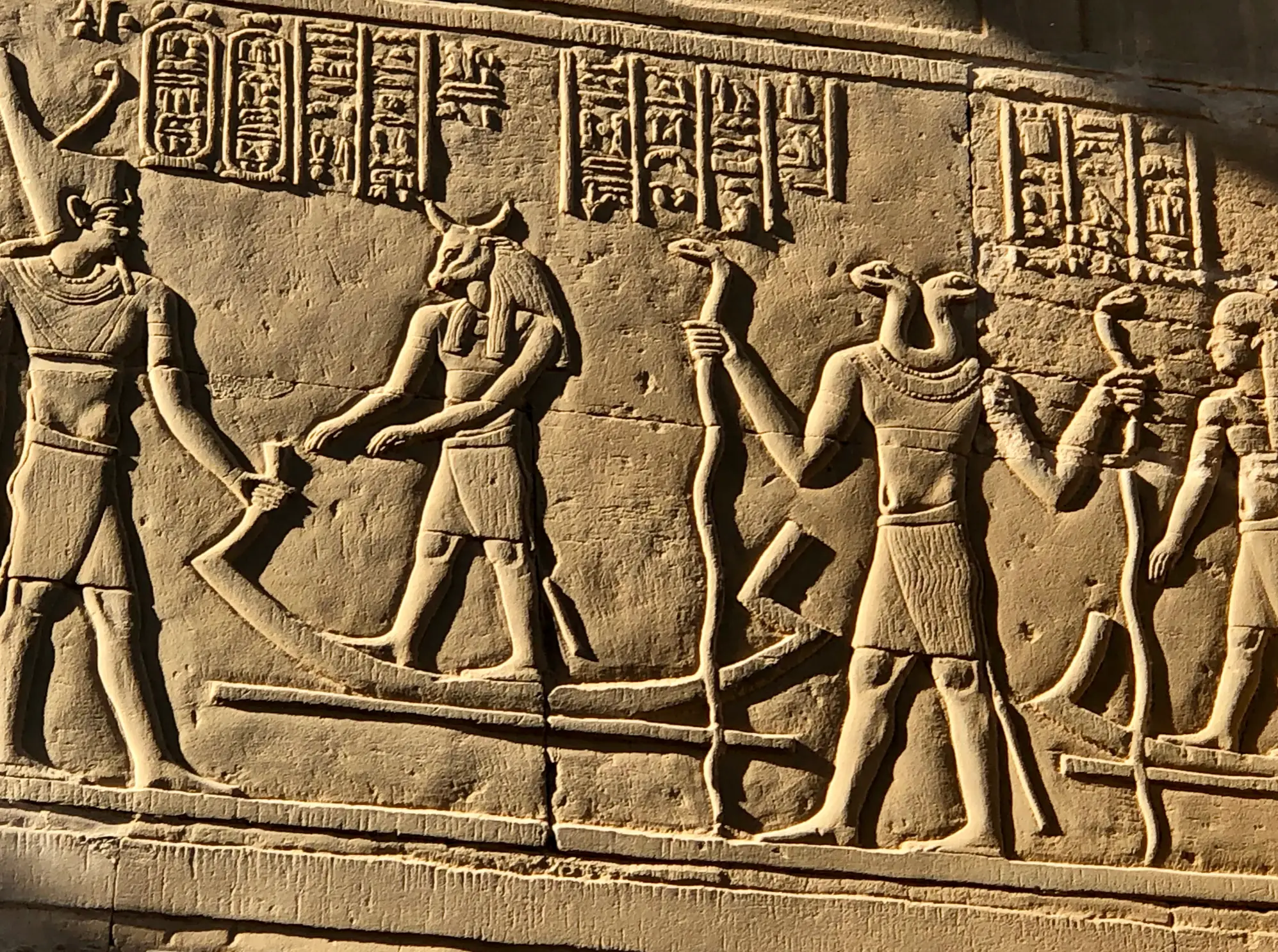
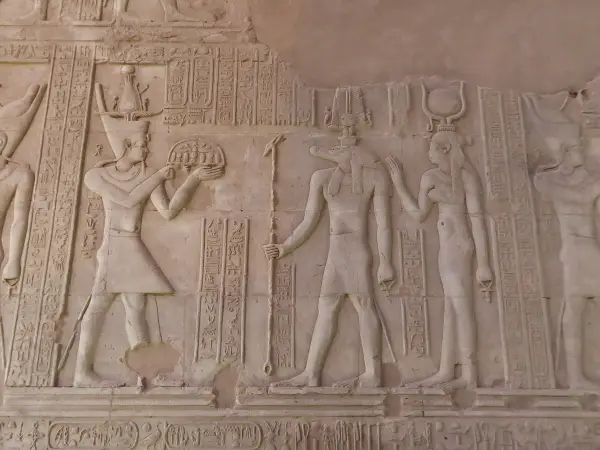
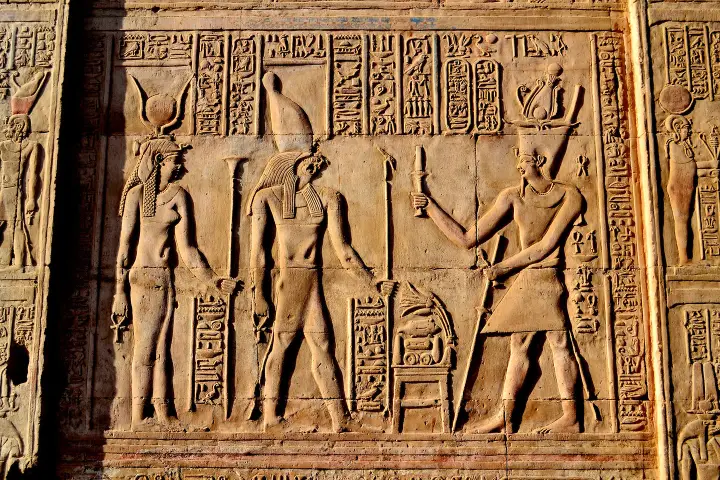
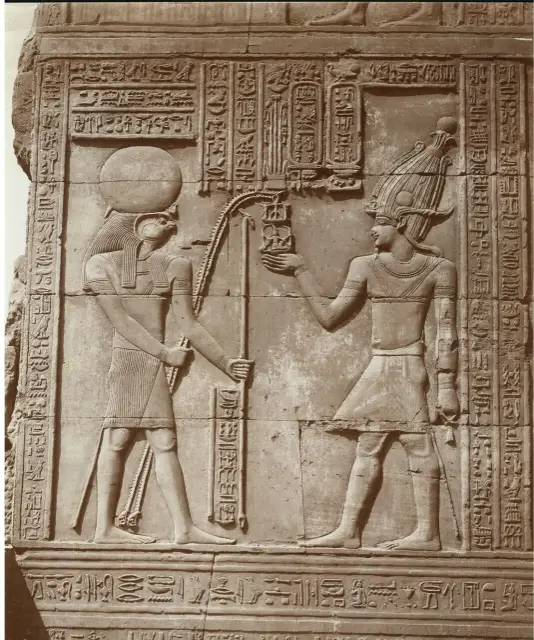
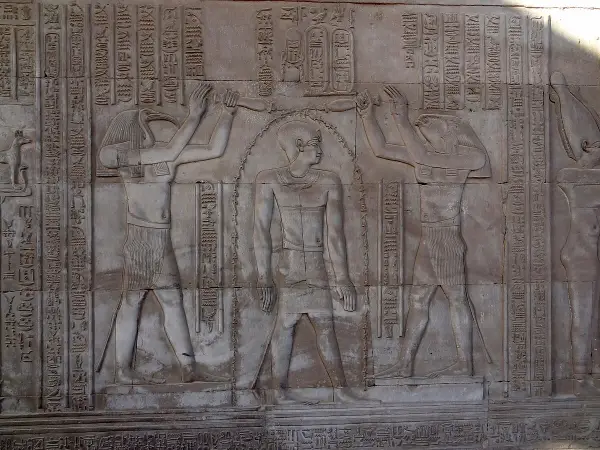
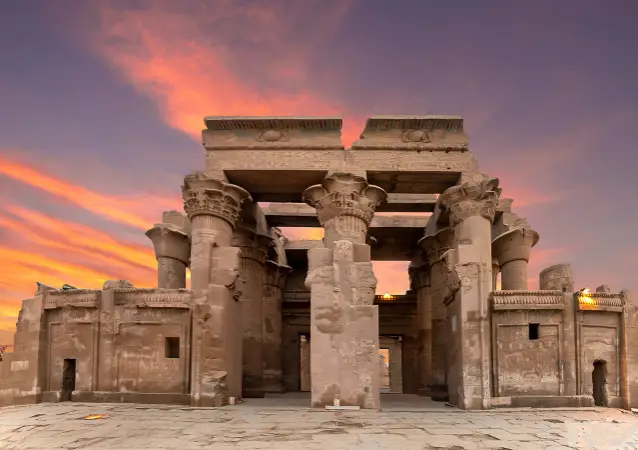
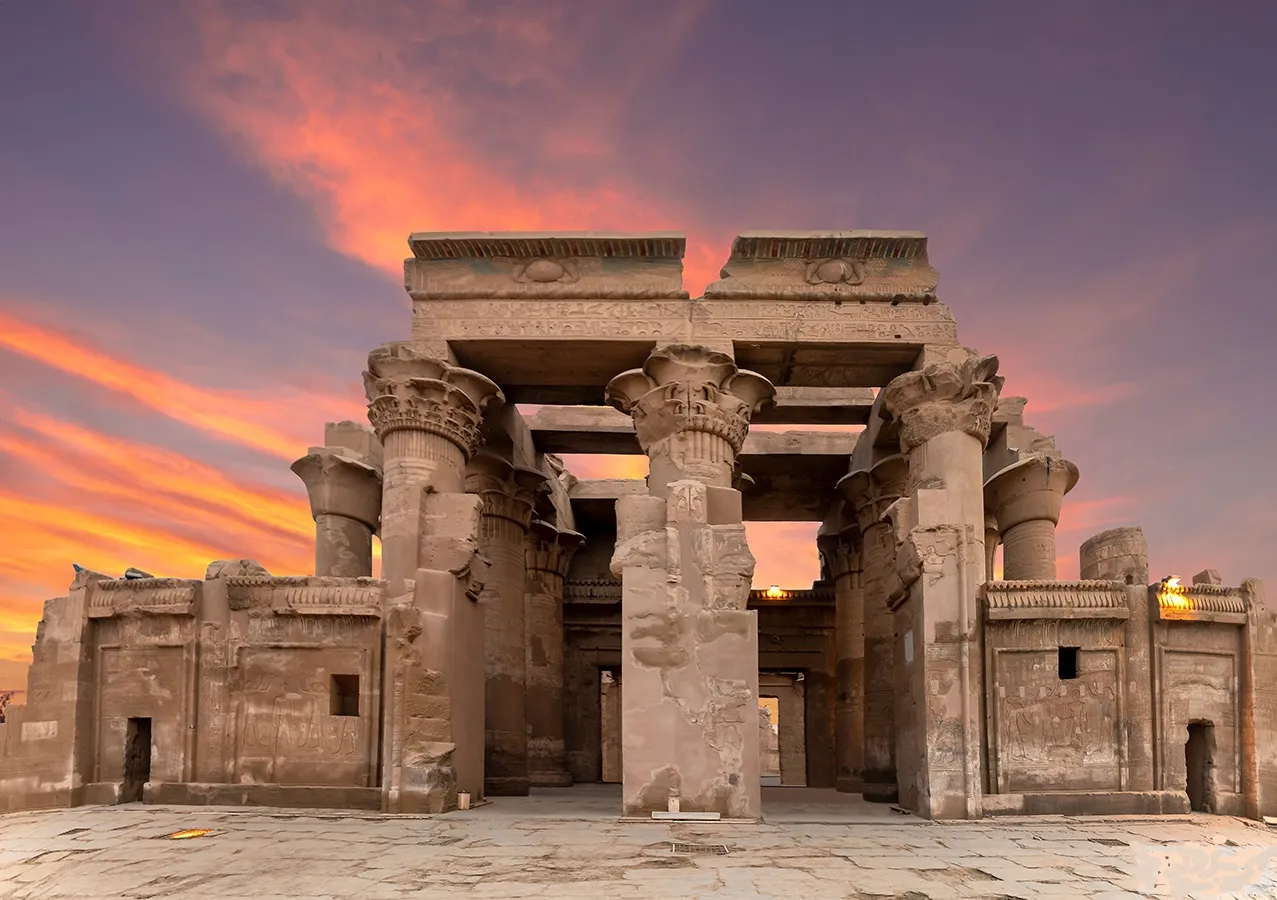
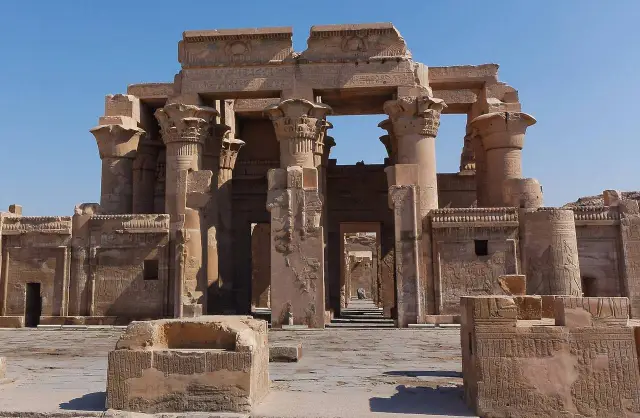
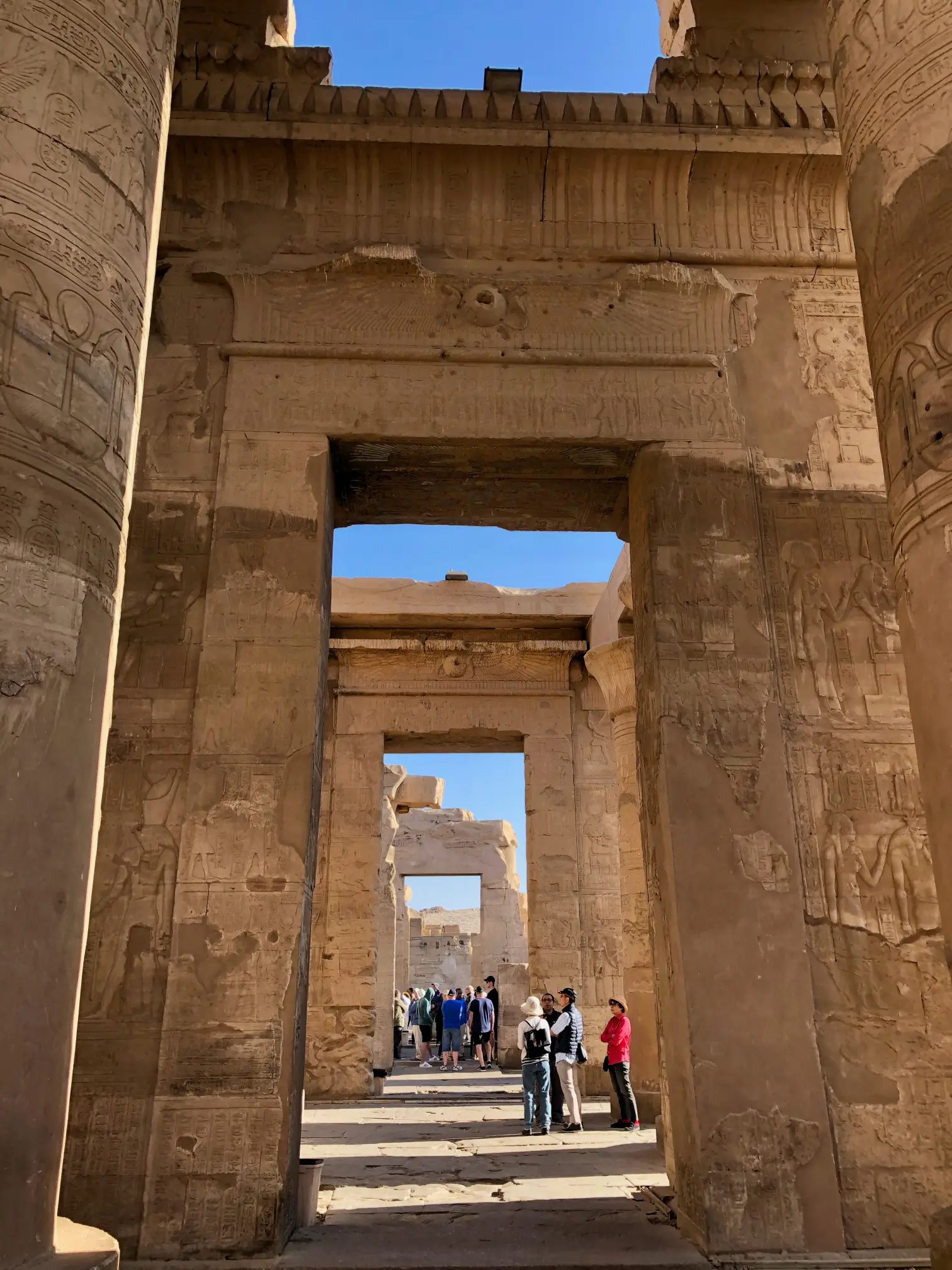
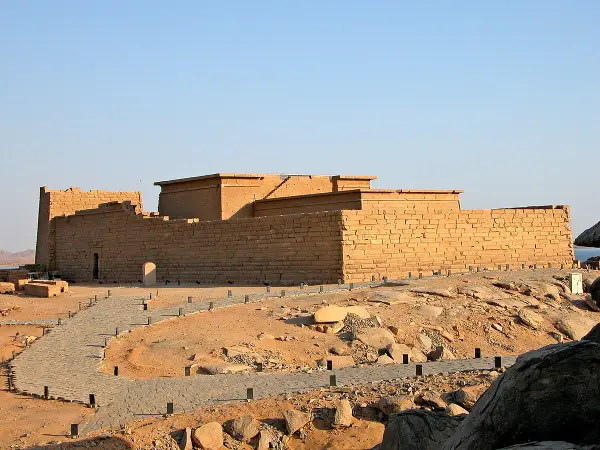
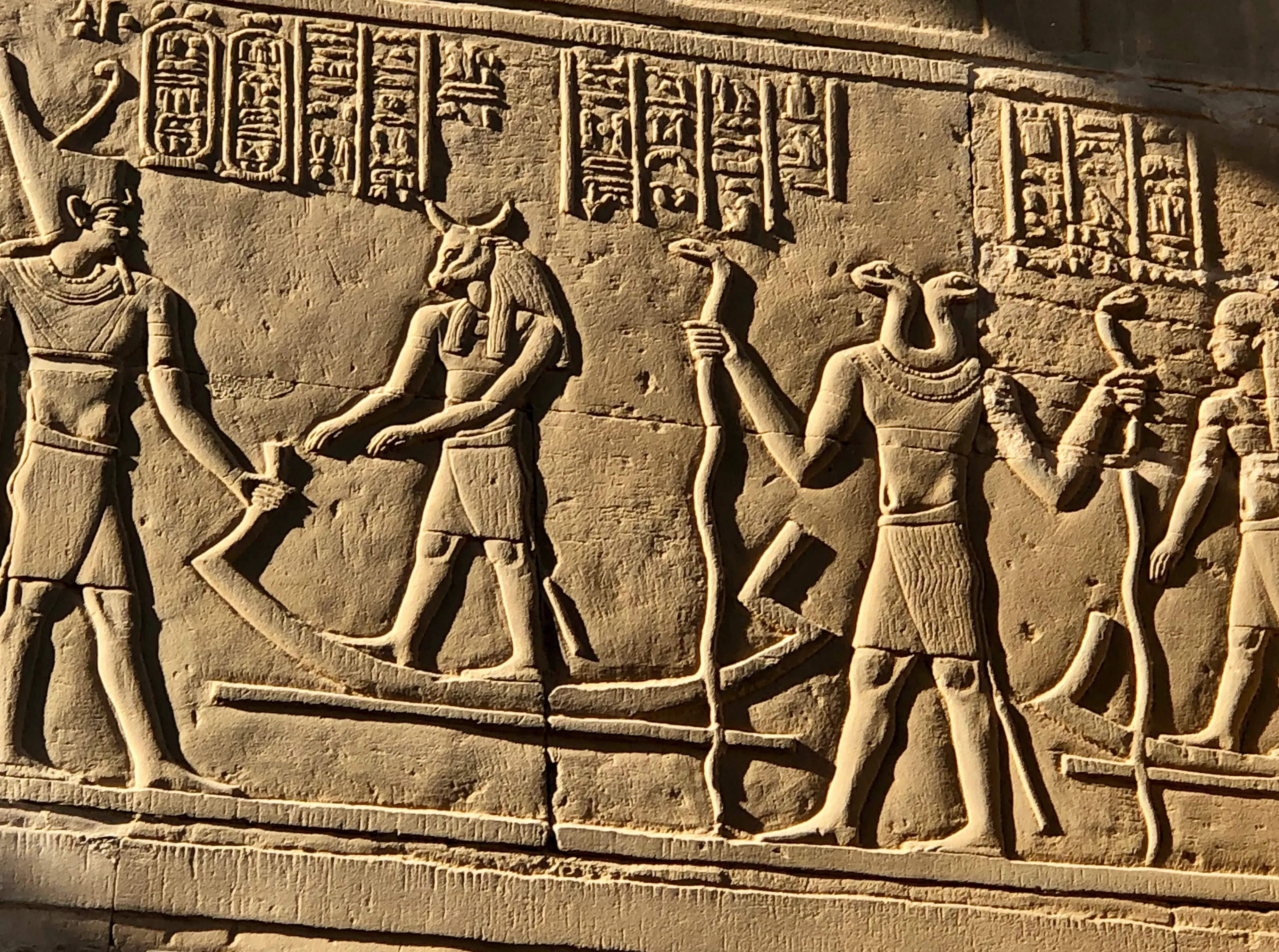
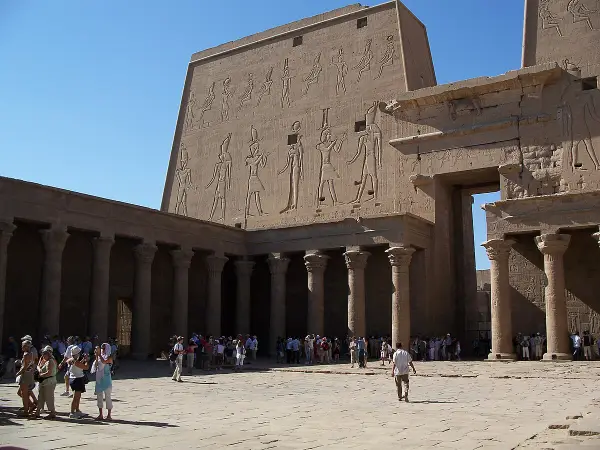
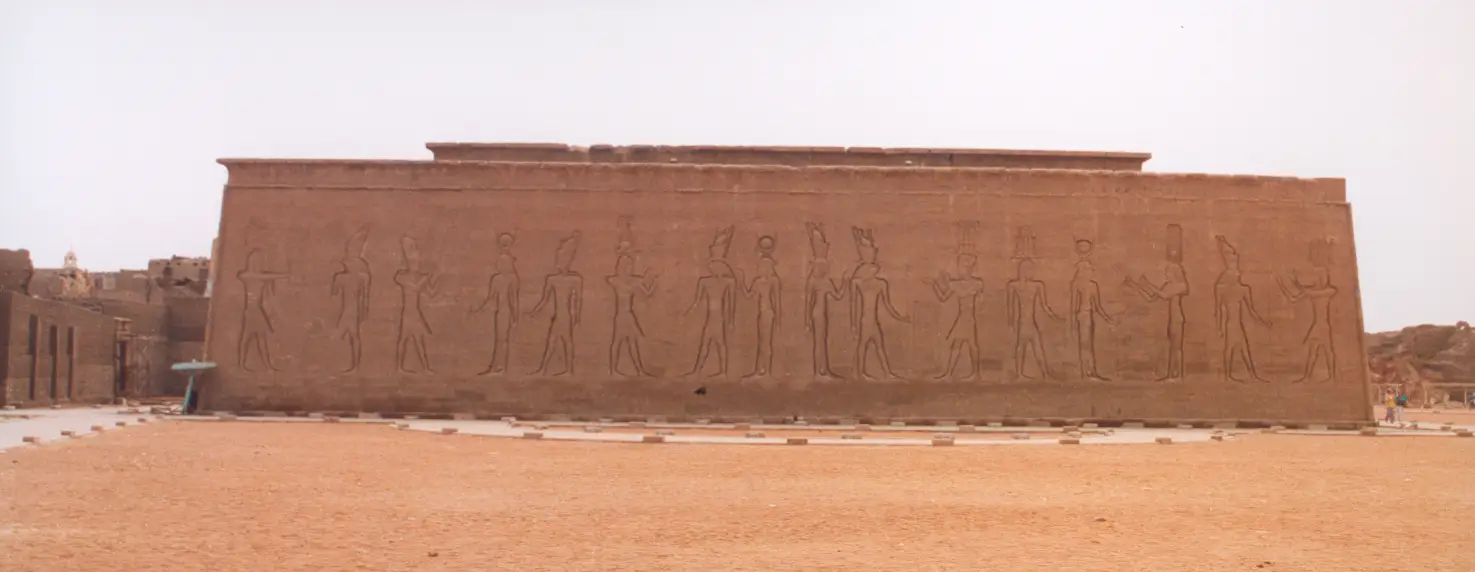
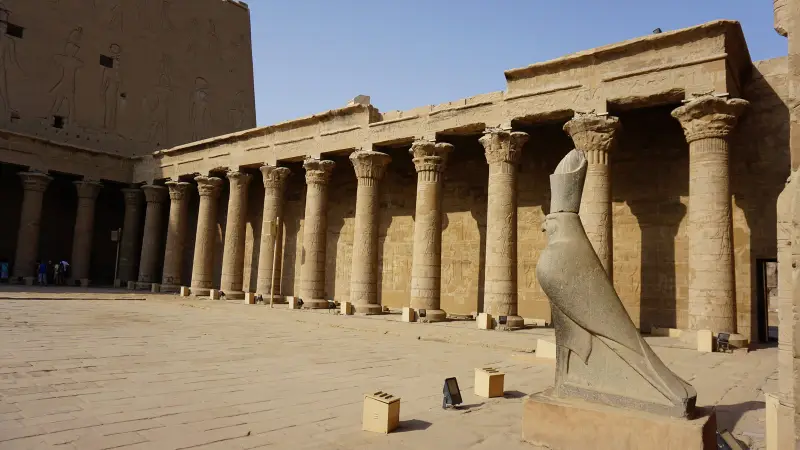
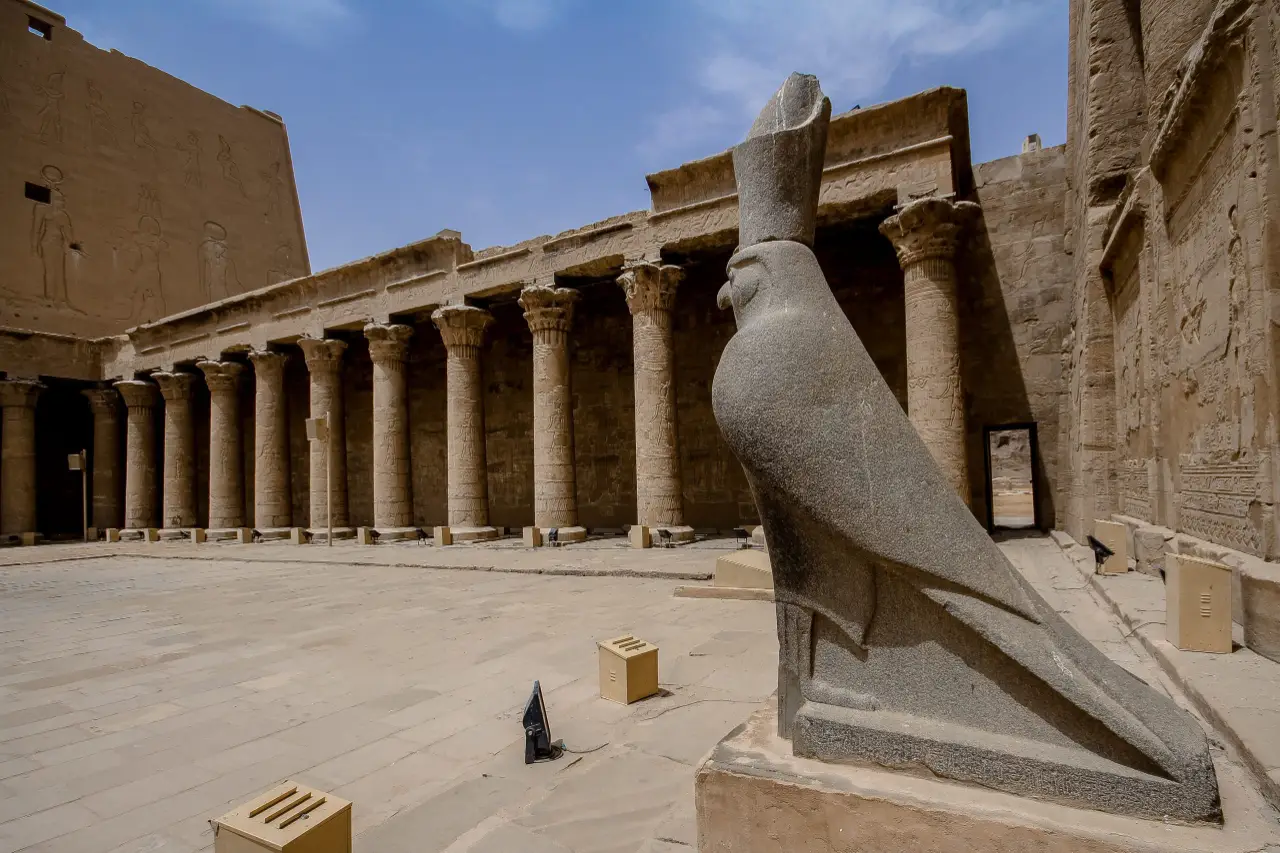
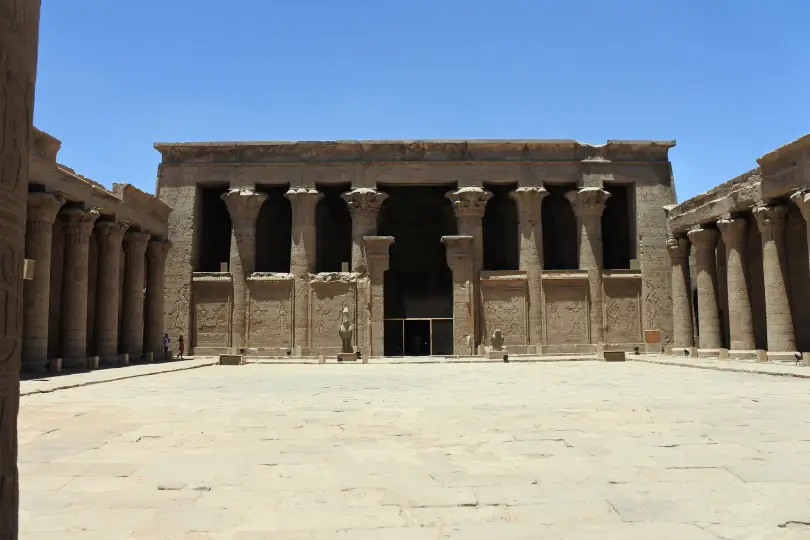
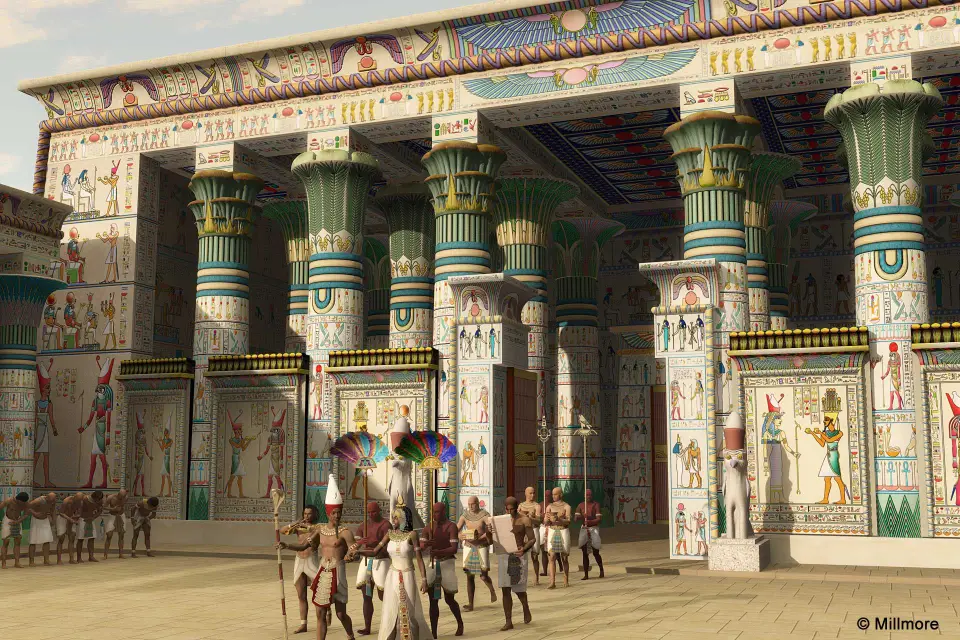
One of the most prominent ancient sites on Elephantine Island is the Temple of Khnum, dedicated to the ram-headed god Khnum, who was believed to be the guardian of the Nile's source. The temple dates back to the Old Kingdom of Egypt and was later expanded and renovated by various pharaohs throughout history. The Temple of Khnum features impressive columns, reliefs, and inscriptions that provide valuable insights into Ancient Egyptian religious beliefs and practices.
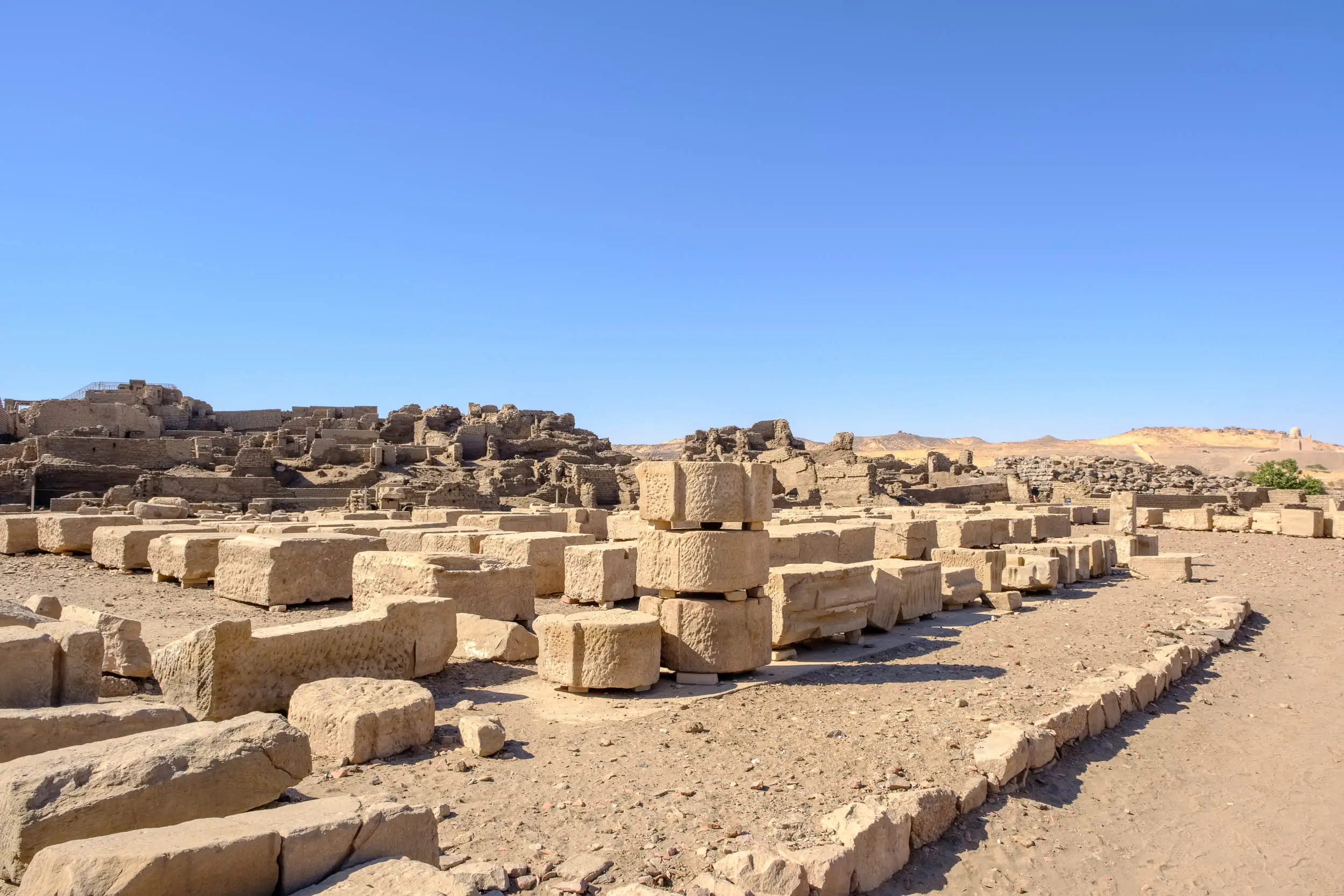
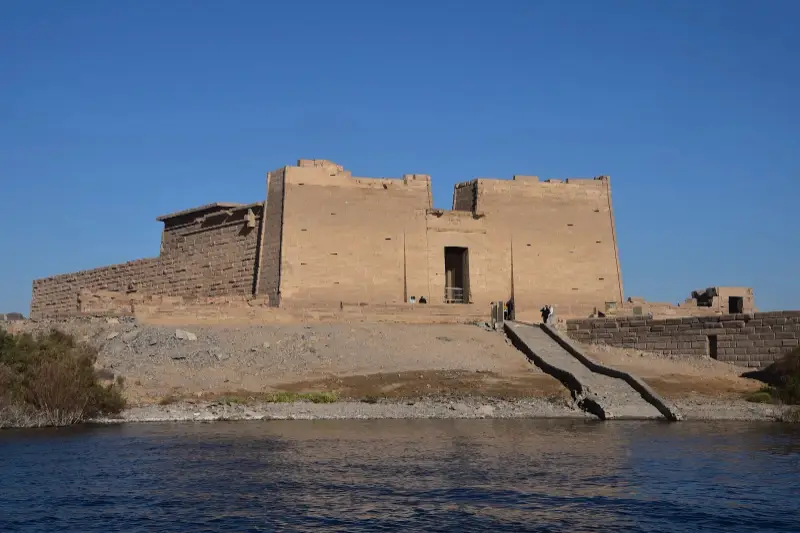
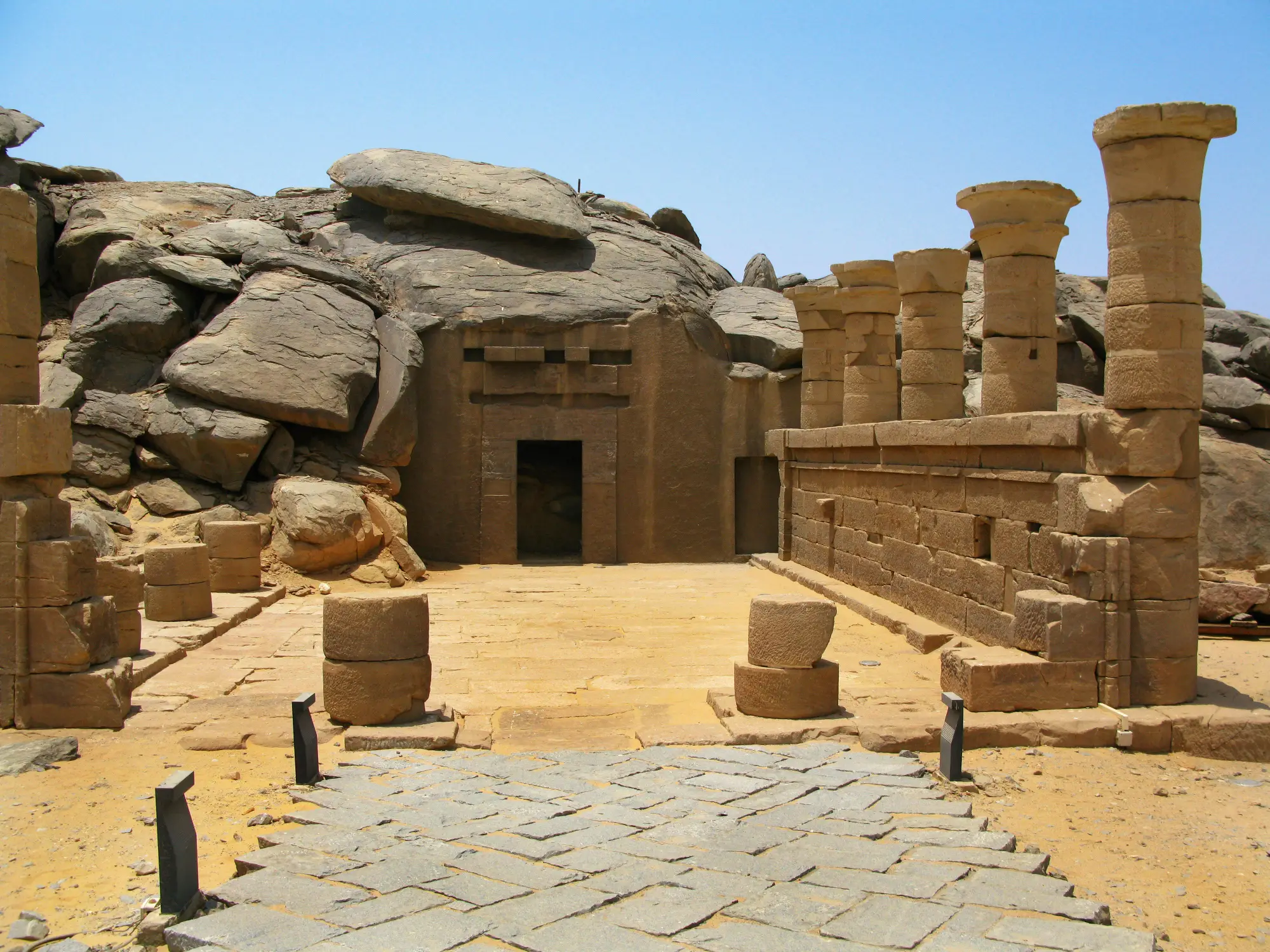
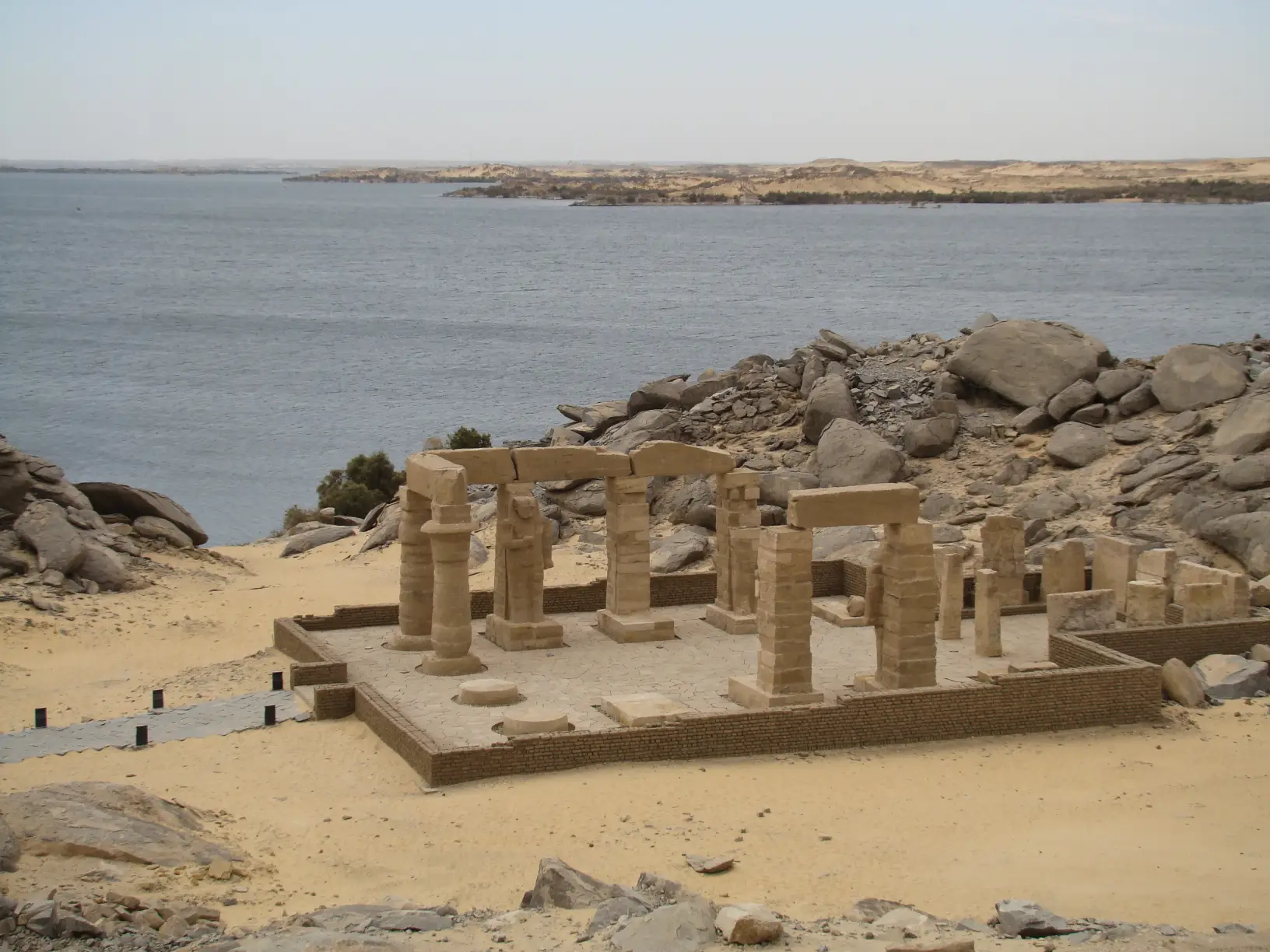
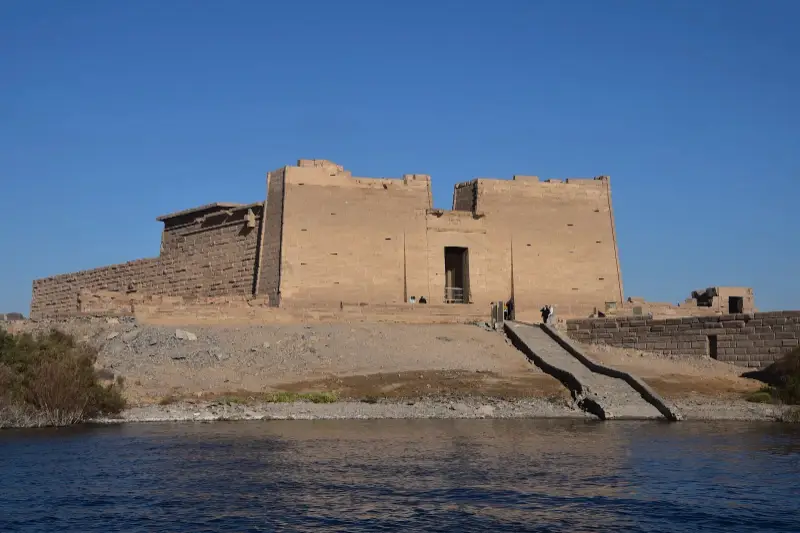
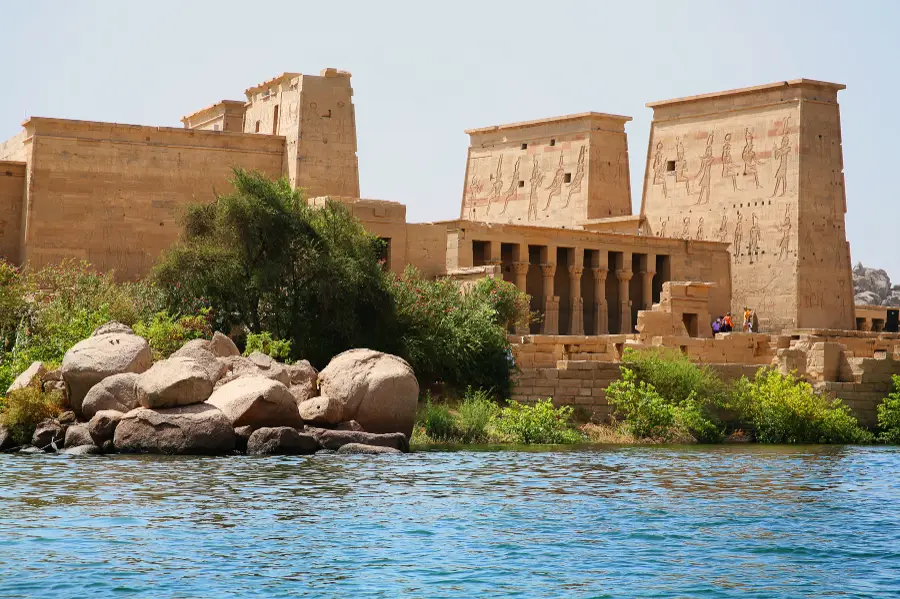
Another notable archaeological site on Elephantine Island is the Temple of Satet, dedicated to the goddess Satet, the personification of the inundation of the Nile River. The temple complex includes various structures and chapels dating back to different periods of Egyptian history, offering a glimpse into the religious rituals and traditions of Ancient Egypt.
One of the unique features of Elephantine Island is the Nilometer, an ancient device used to measure the water levels of the Nile River. The Nilometer played a crucial role in predicting the annual flooding of the Nile, which was essential for agriculture and the livelihood of the Ancient Egyptians.
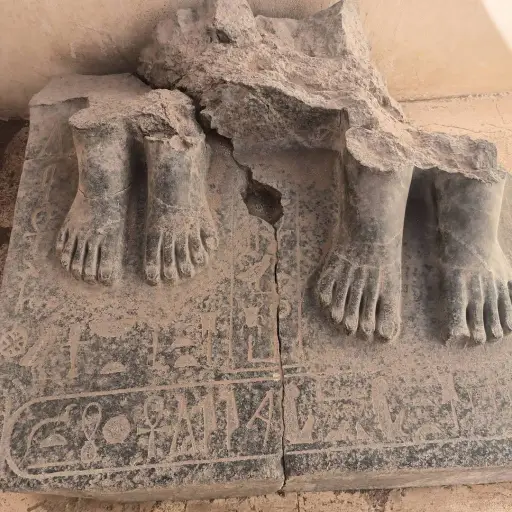
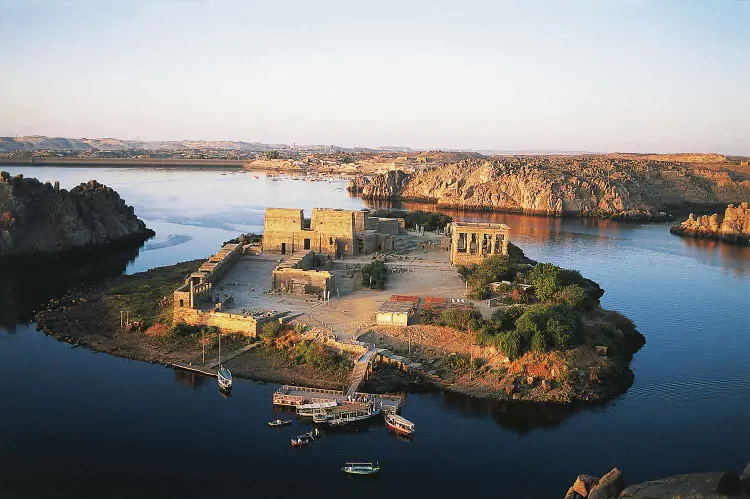
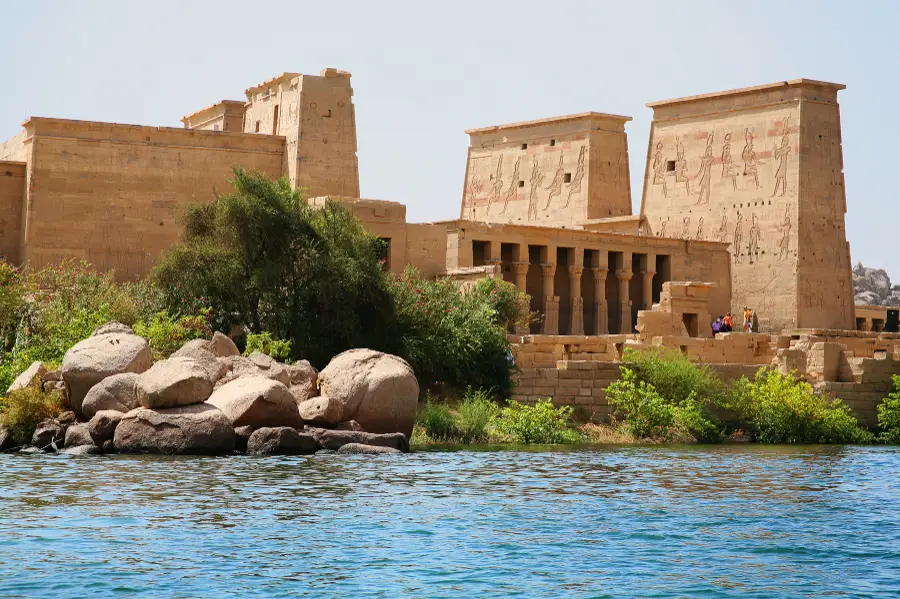
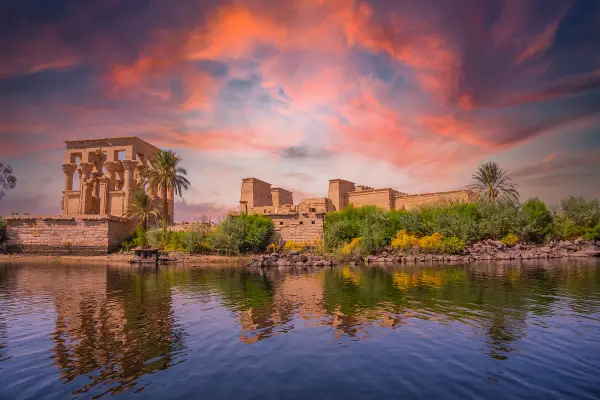
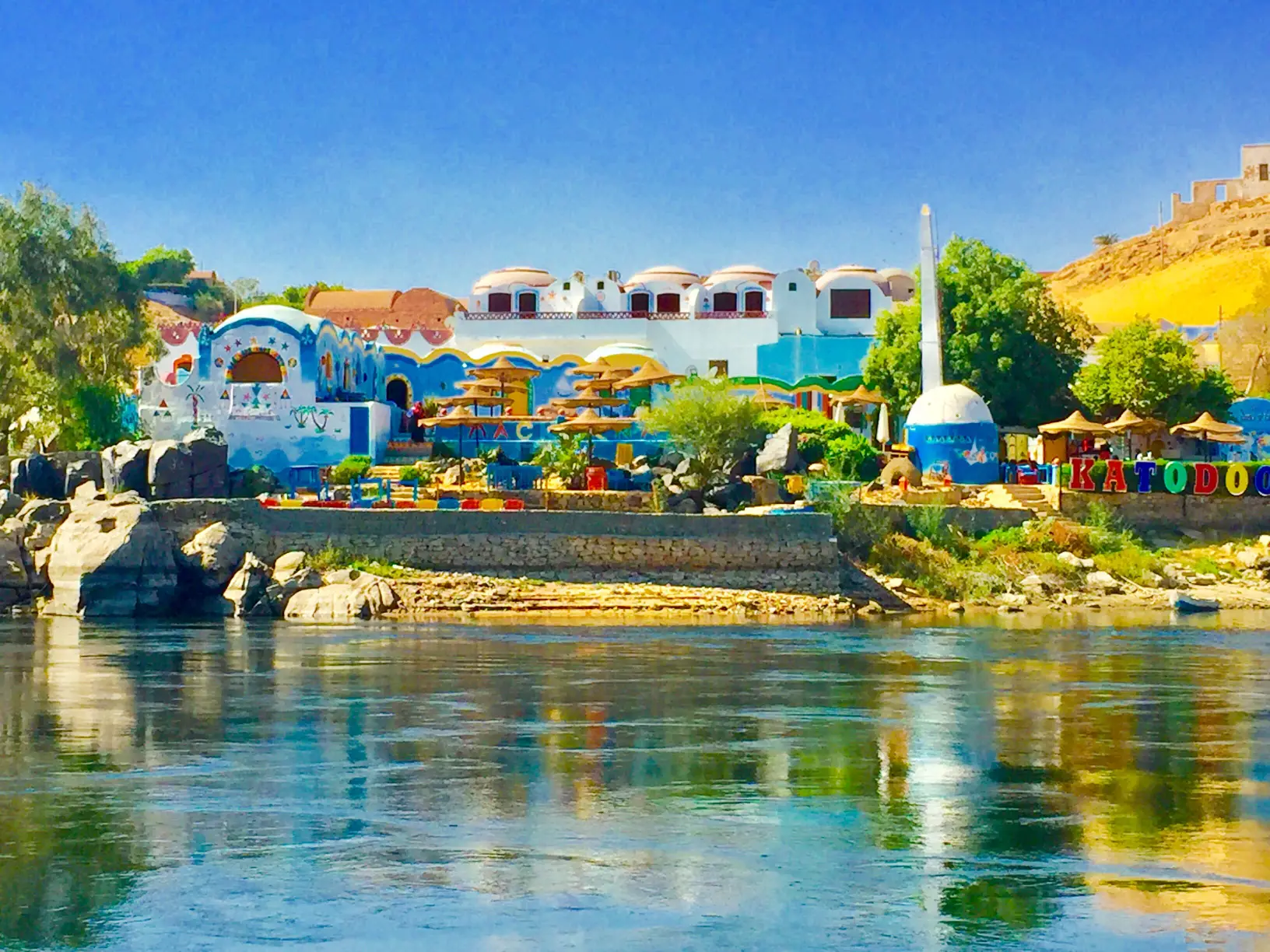
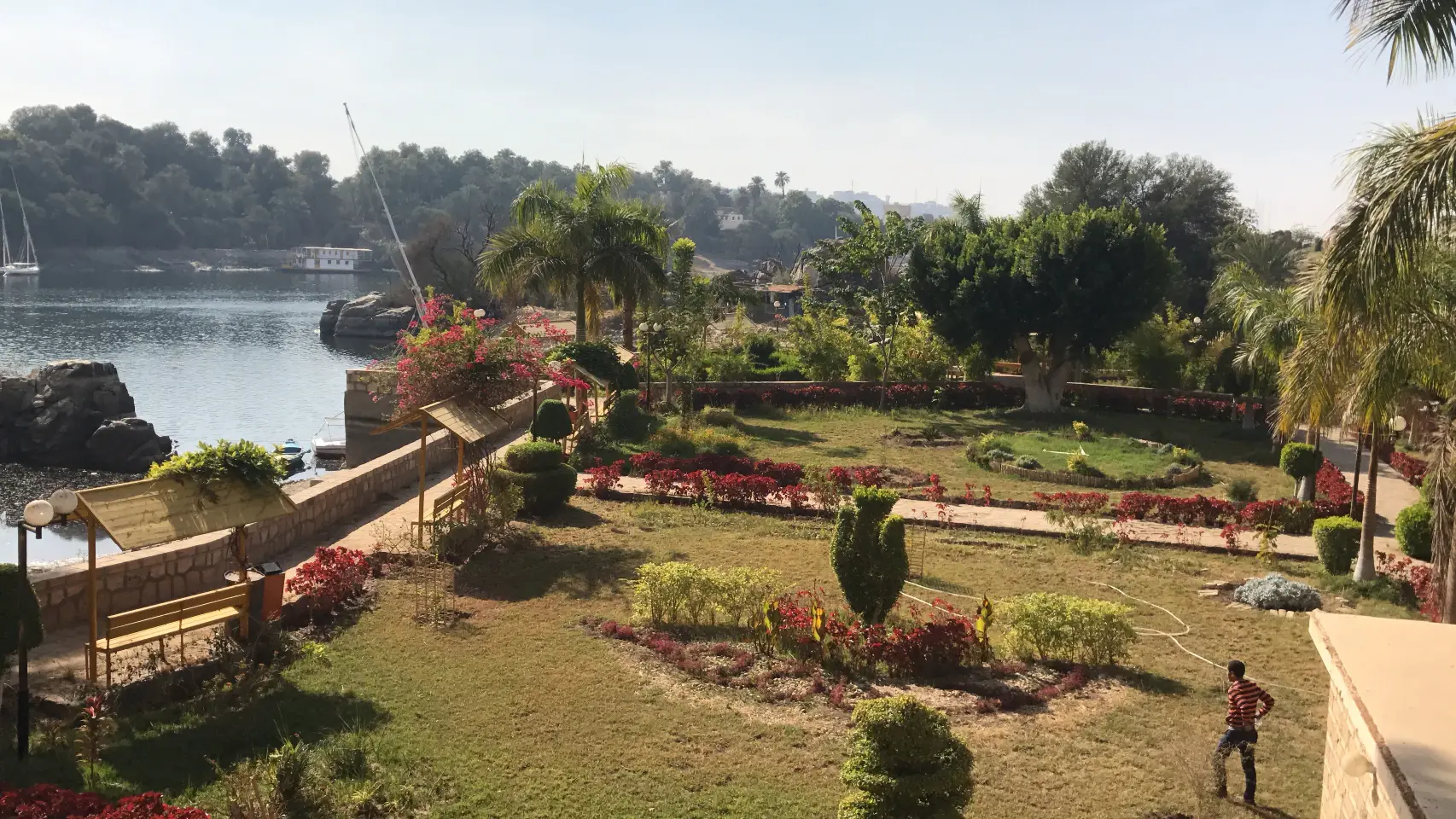
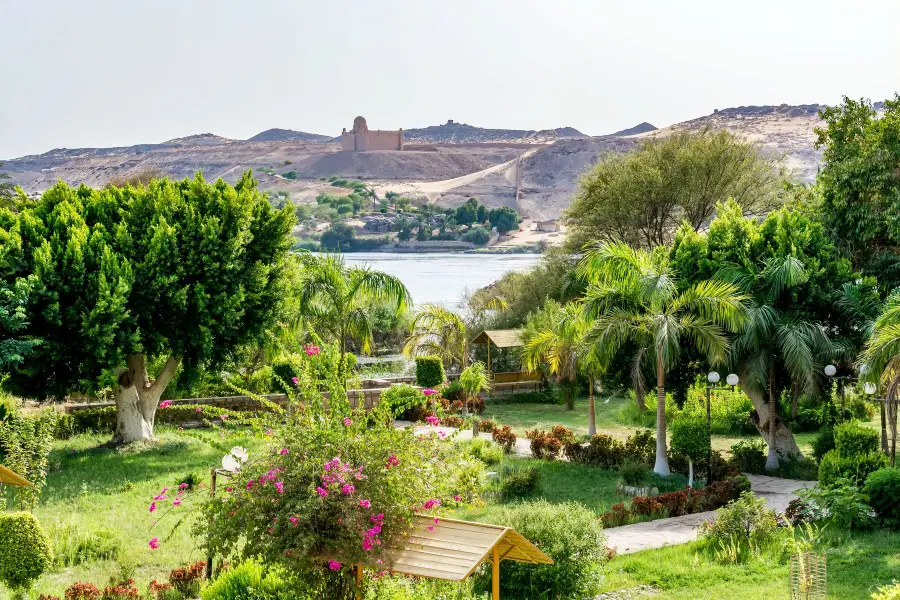
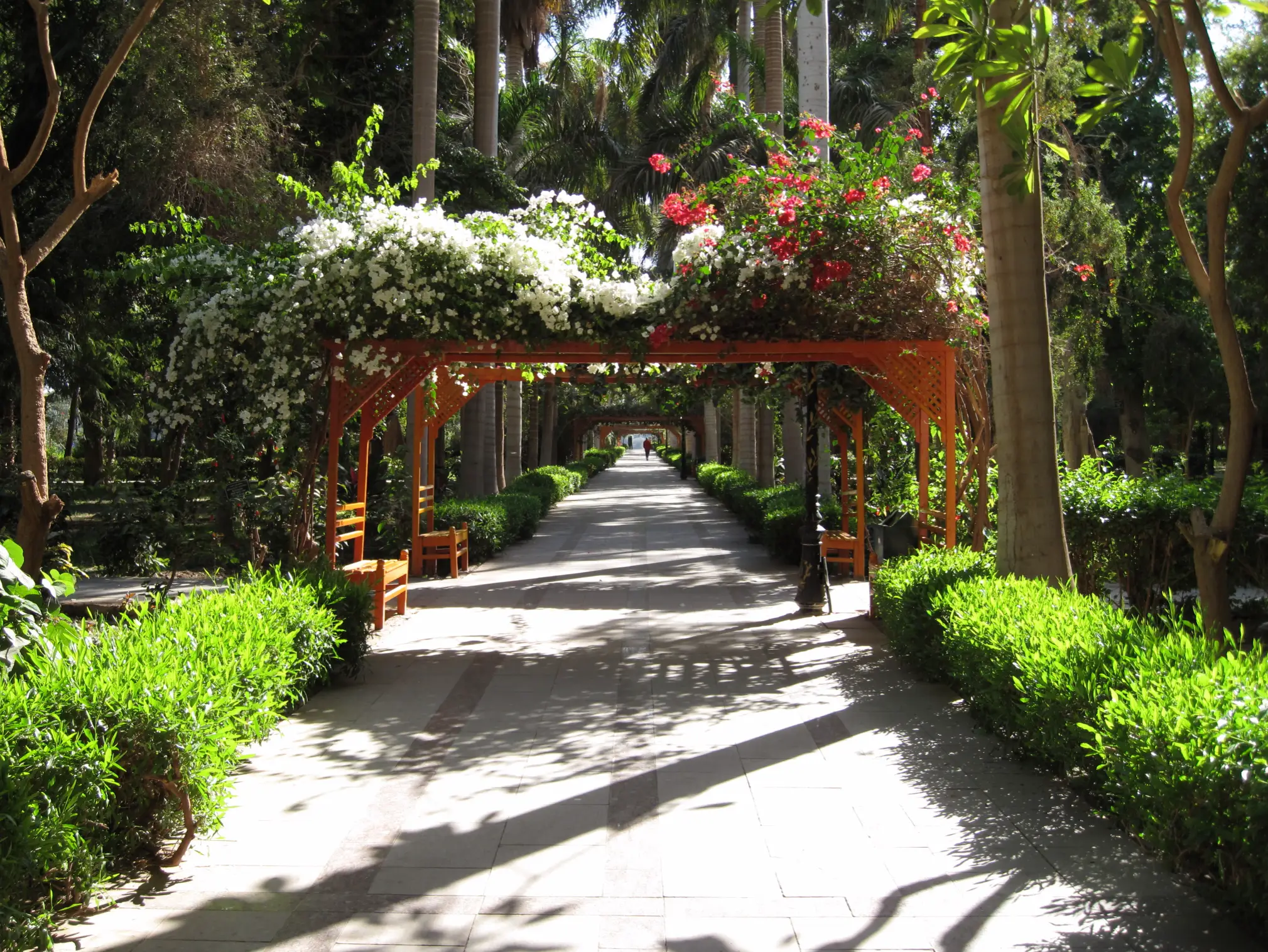
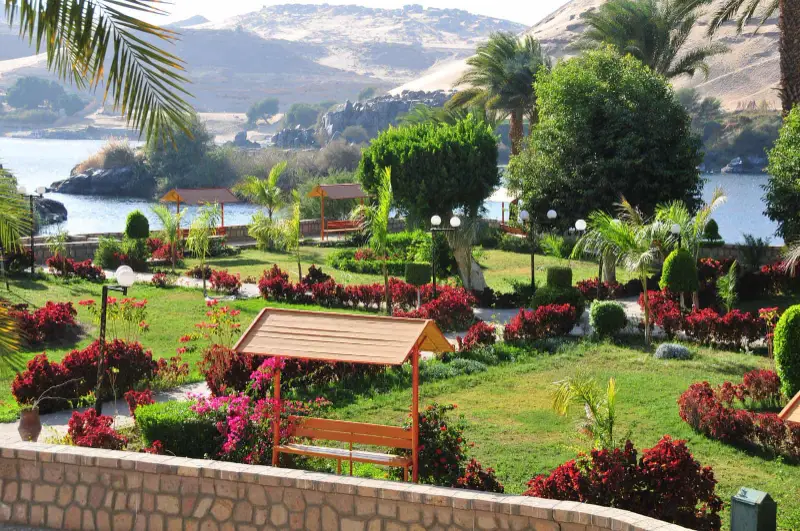
Visiting Elephantine Island is a rewarding experience for tourists interested in Ancient Egyptian history and culture. The island's well-preserved temples, ruins, and artifacts offer a fascinating journey through Egypt's rich past, allowing visitors to immerse themselves in the mysteries and wonders of this ancient civilization. Moreover, the picturesque setting of Elephantine Island, surrounded by the majestic Nile River and lush greenery, provides a tranquil and scenic backdrop for exploring the island's archaeological treasures.