Saqqara is located approximately 15 kilometers south of the Giza Pyramids. Exploring the archaeological wonders of Saqqara is a journey through time, offering a profound insight into the grandeur and sophistication of Ancient Egyptian civilization. Each monument and tomb in Saqqara holds a piece of history waiting to be...
Saqqara is located approximately 15 kilometers south of the Giza Pyramids. Exploring the archaeological wonders of Saqqara is a journey through time, offering a profound insight into the grandeur and sophistication of Ancient Egyptian civilization. Each monument and tomb in Saqqara holds a piece of history waiting to be discovered and admired by visitors from around the world.
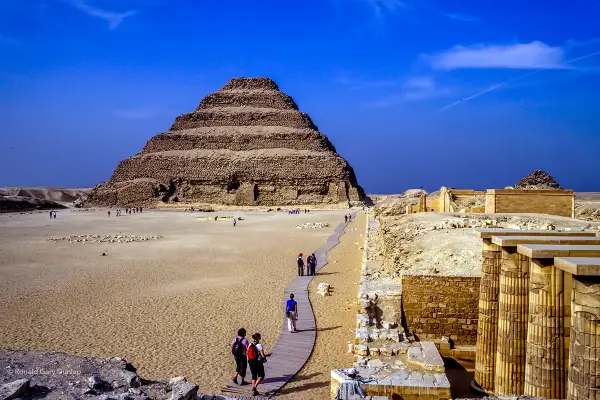
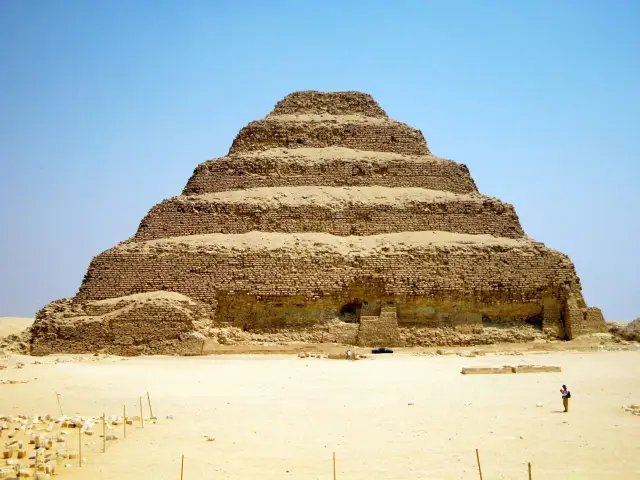
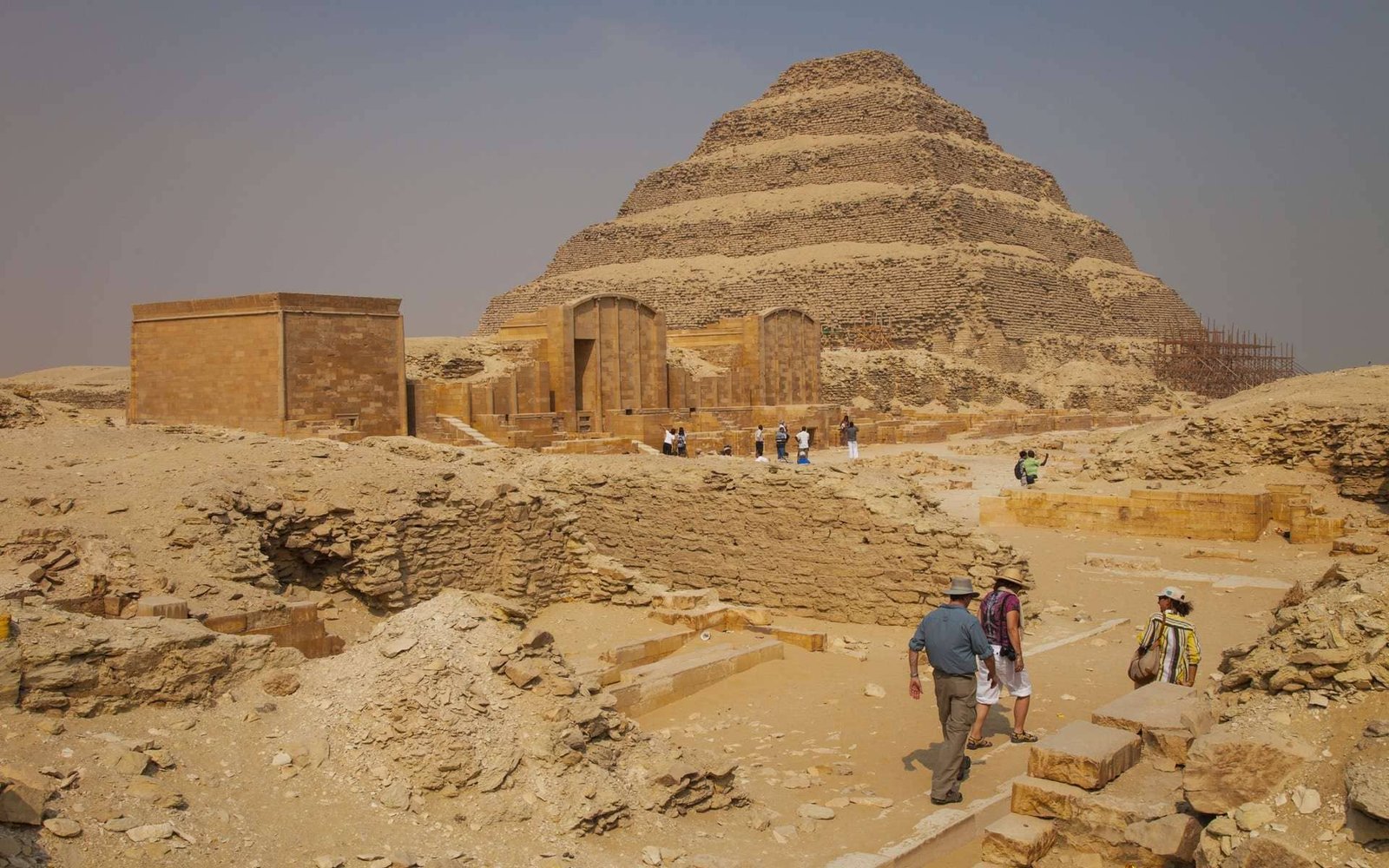
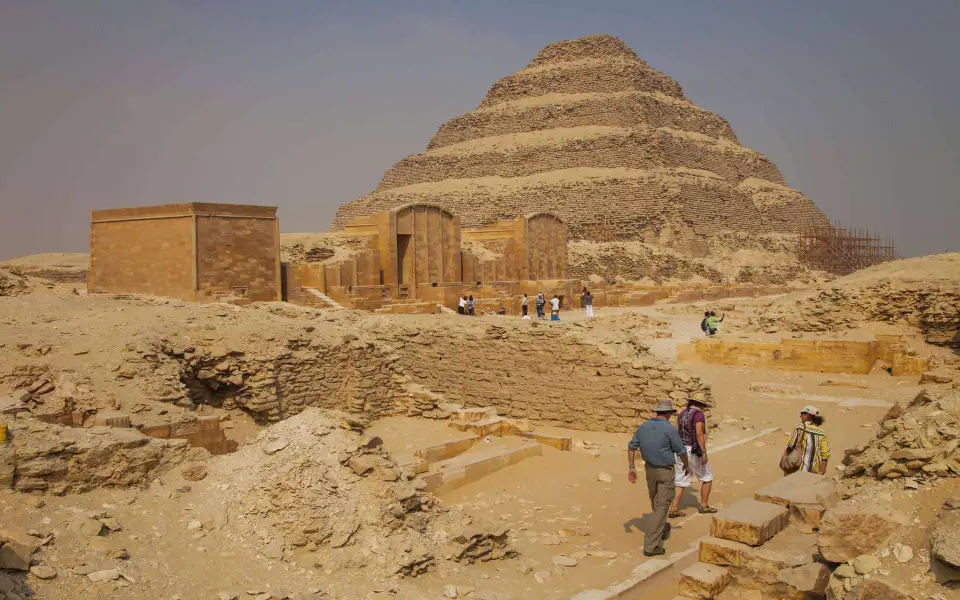
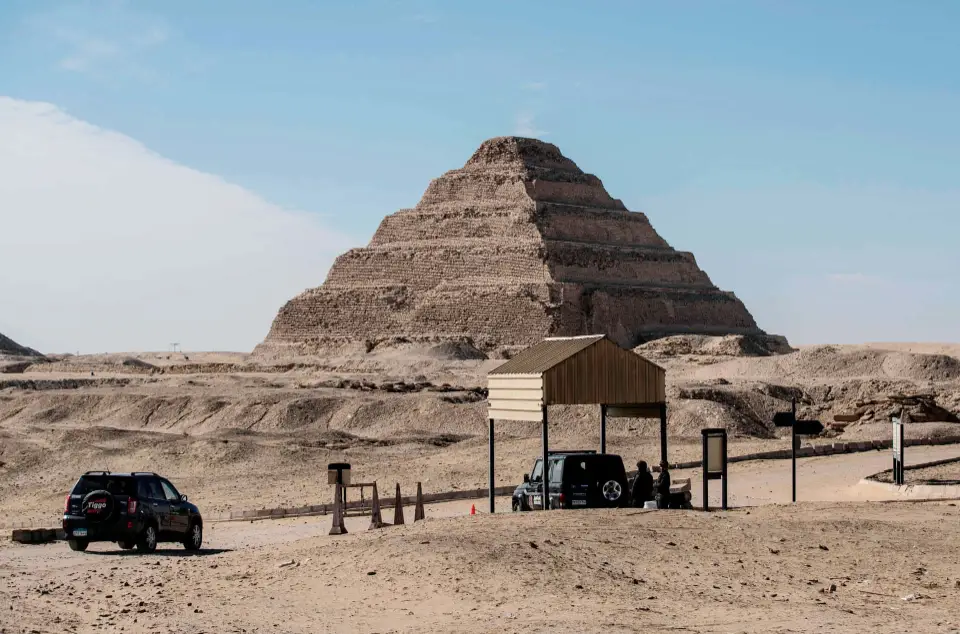
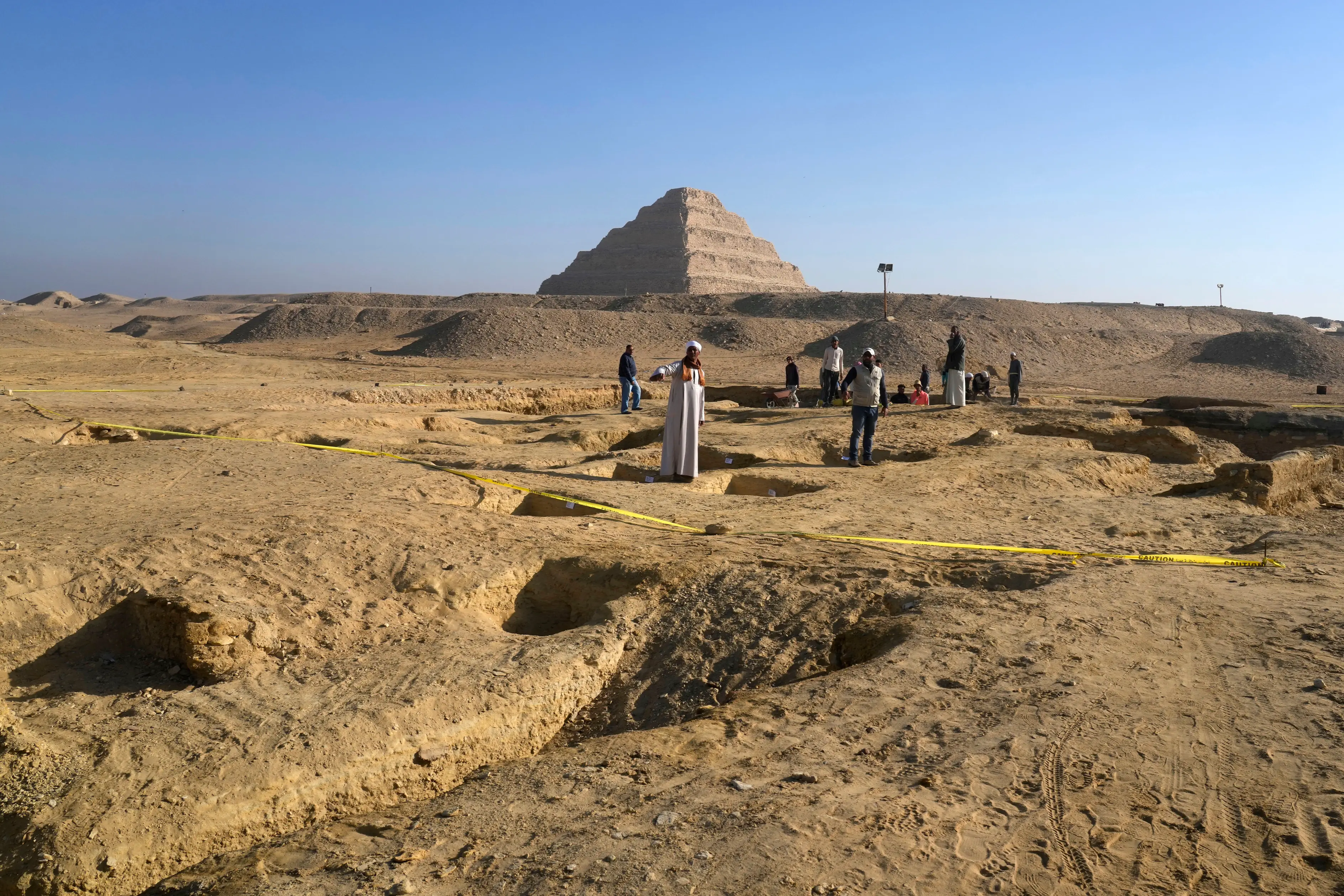
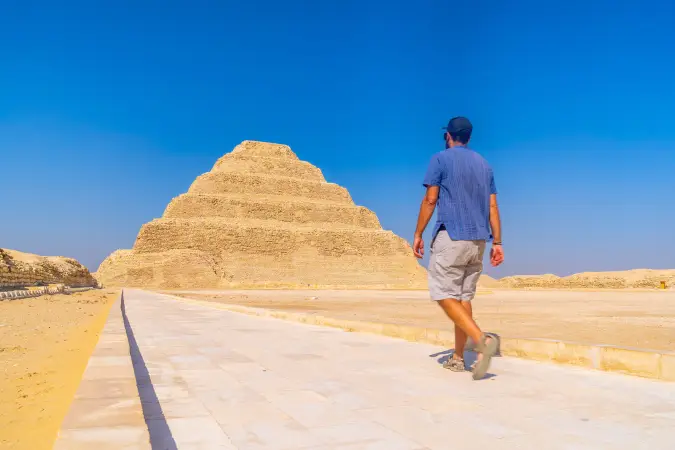
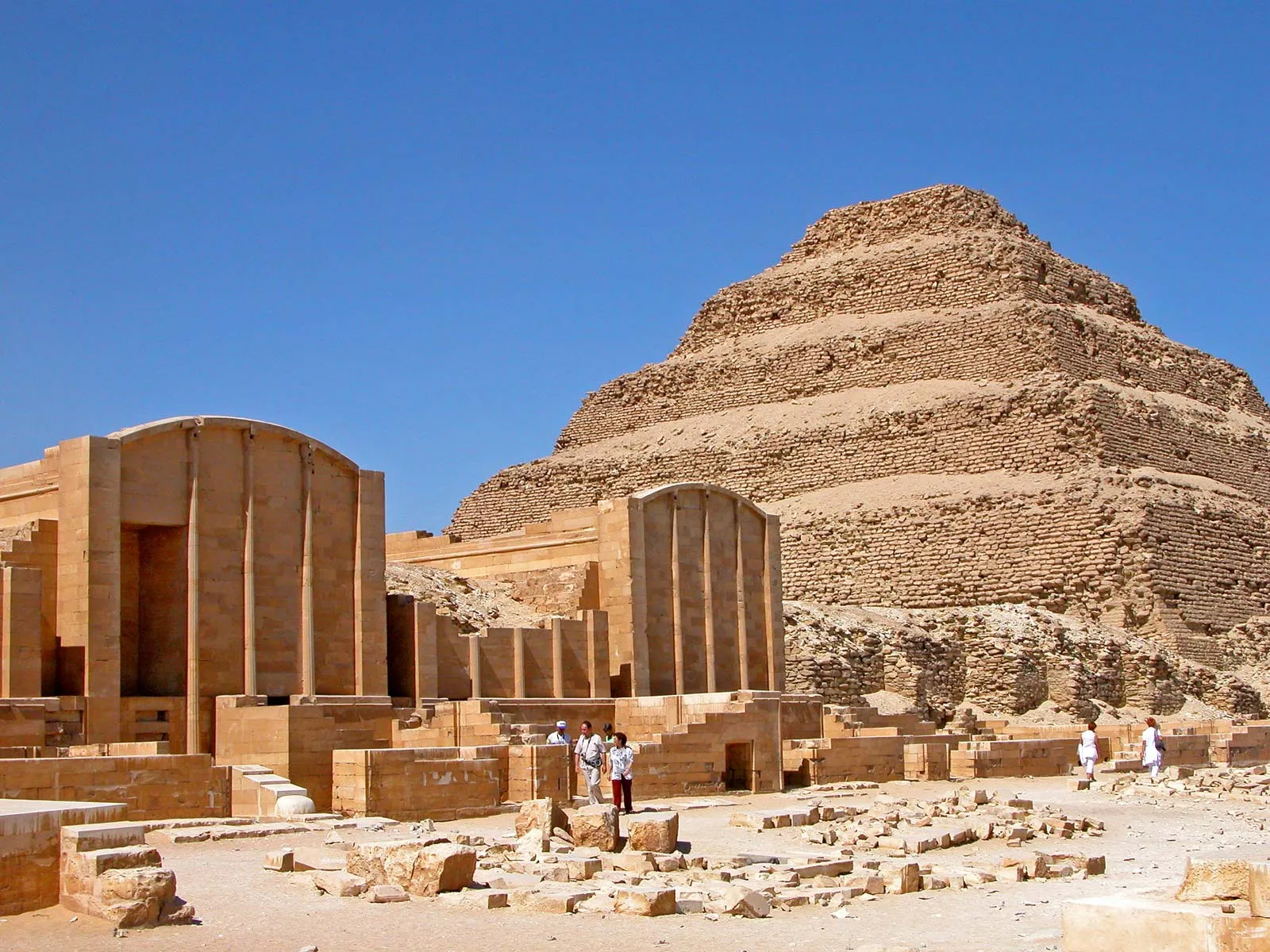
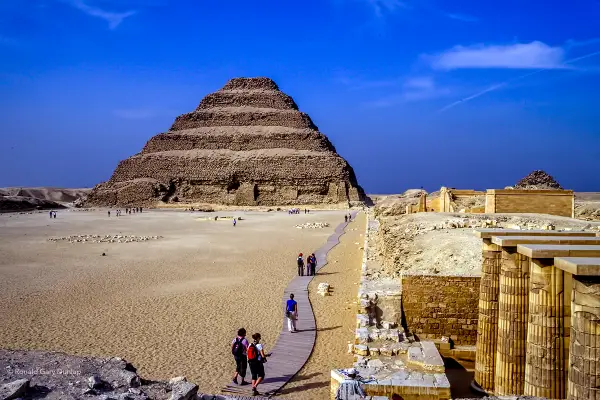
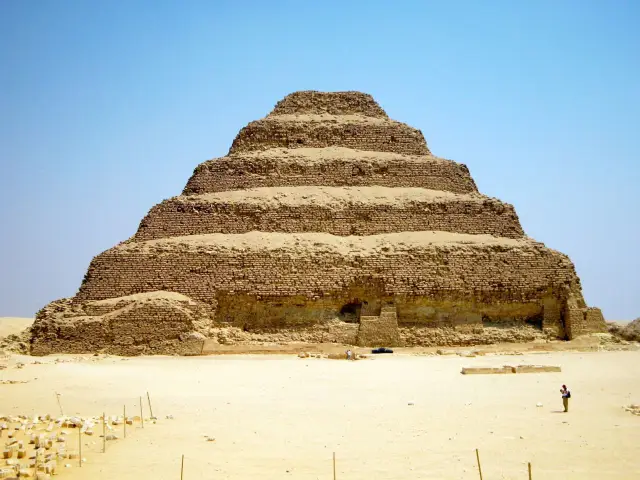
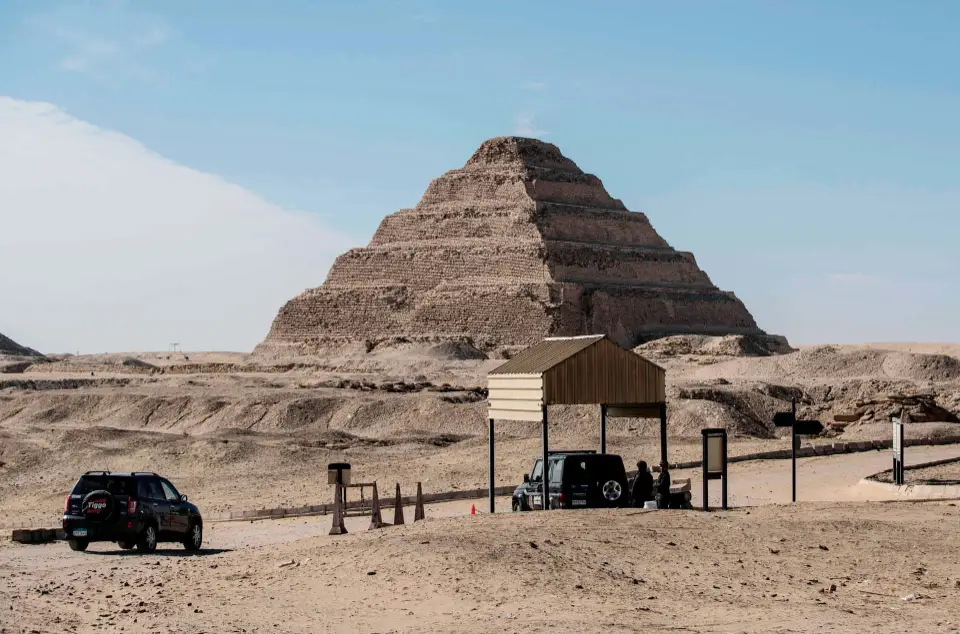
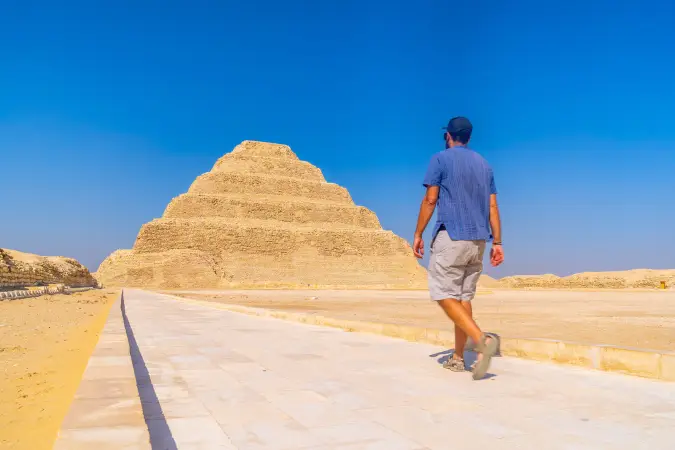
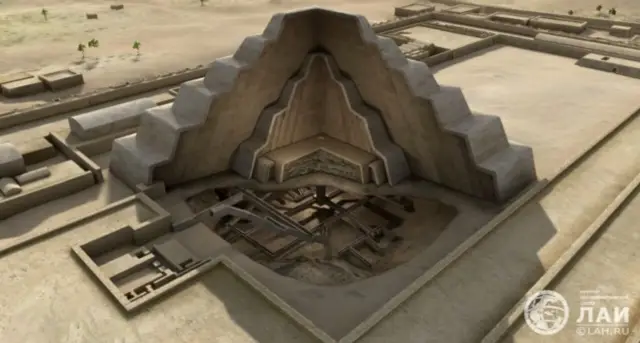
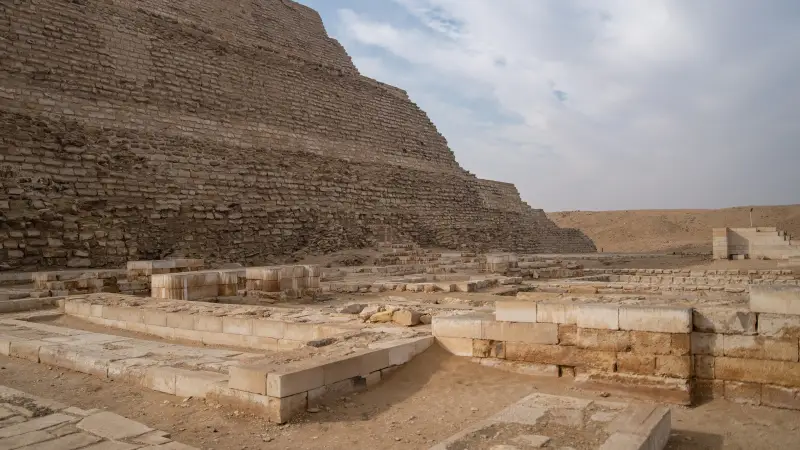
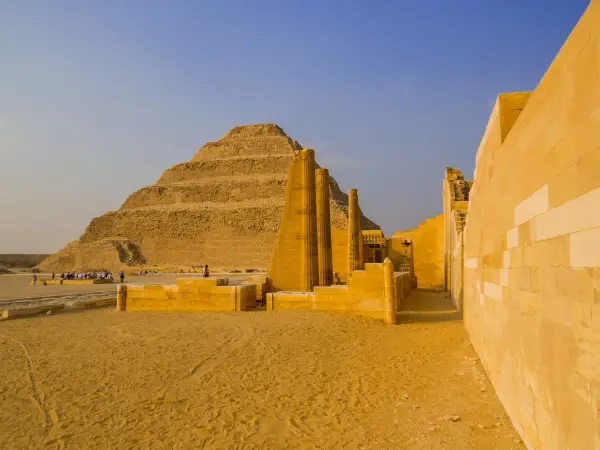
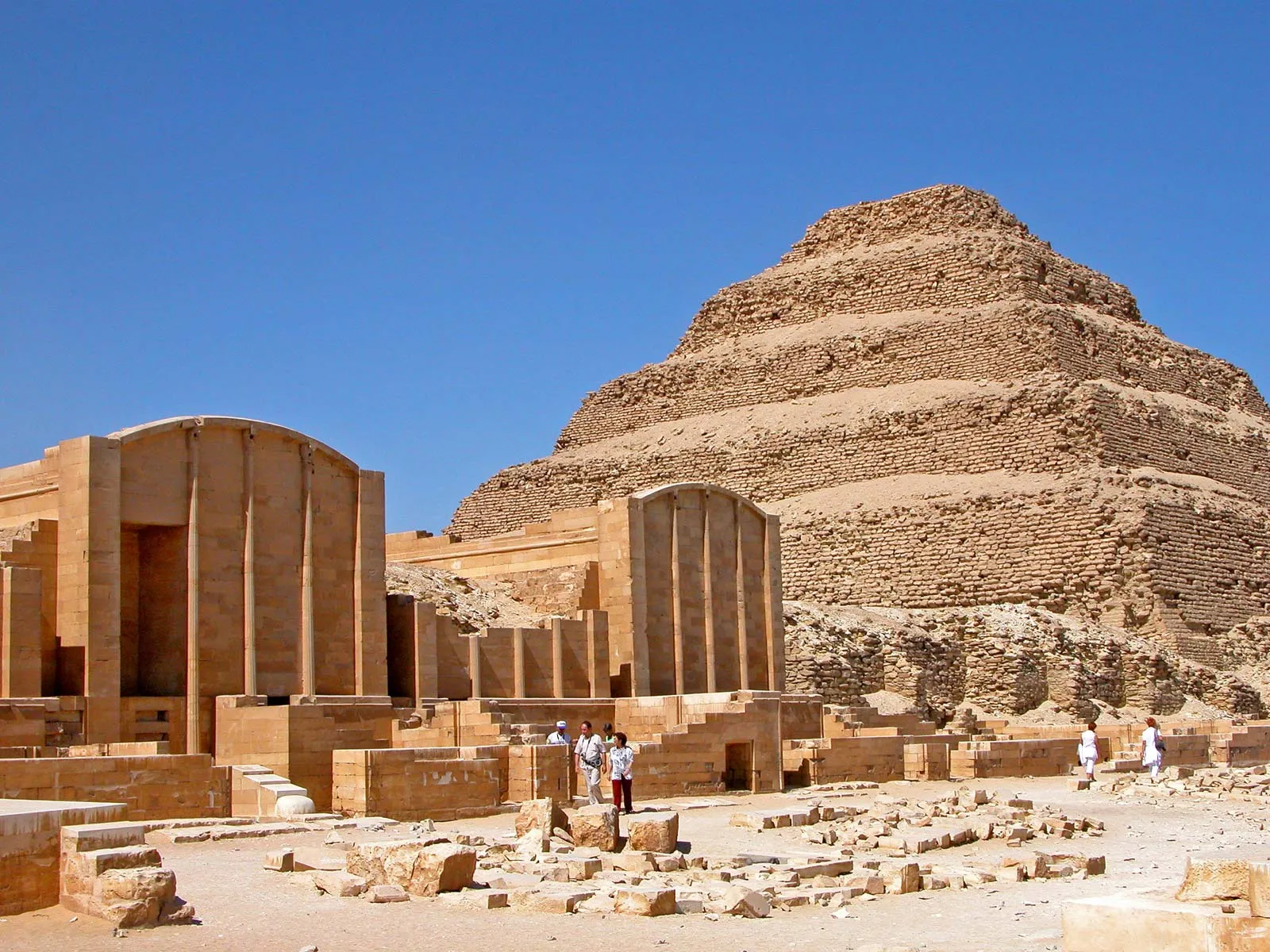
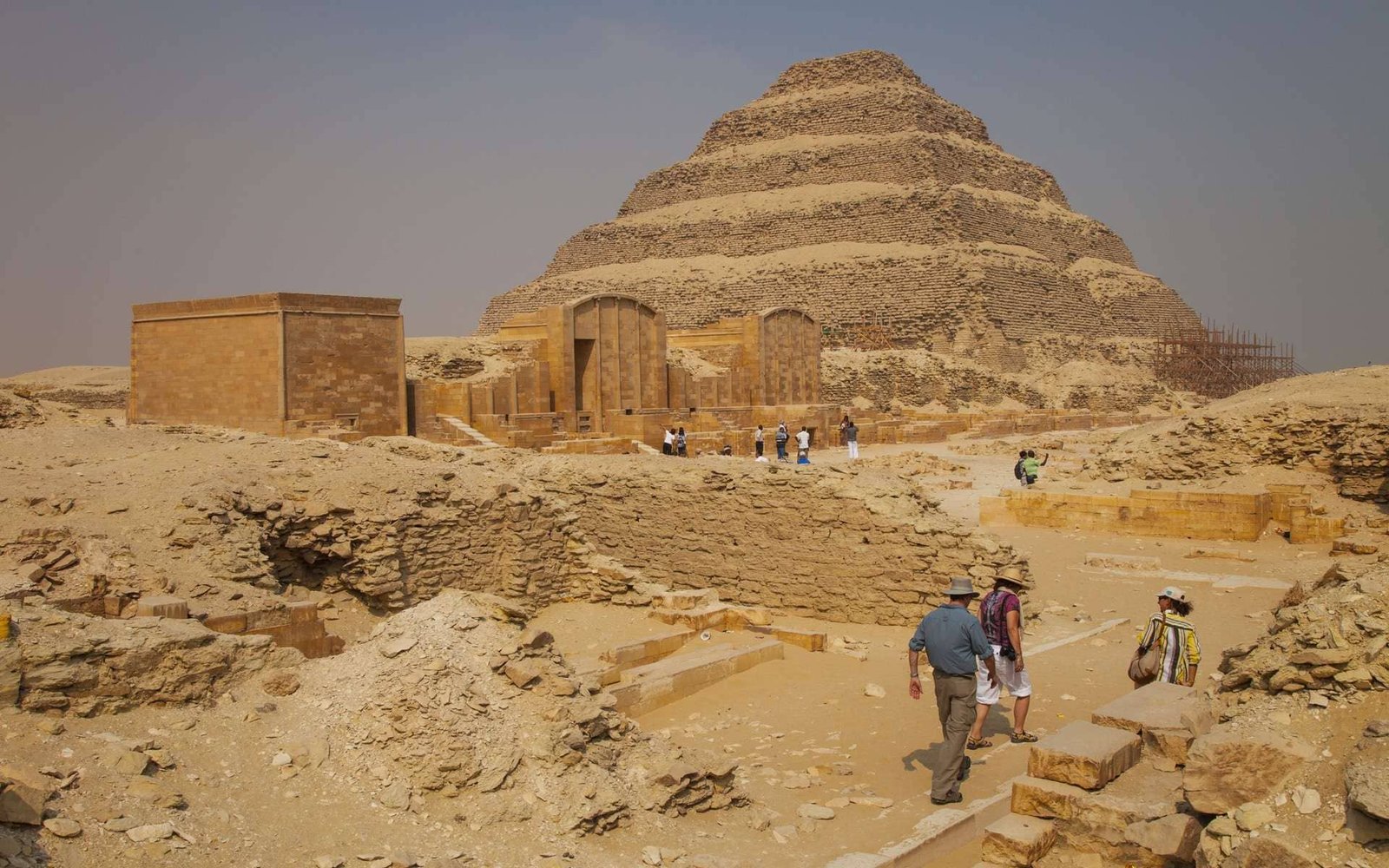
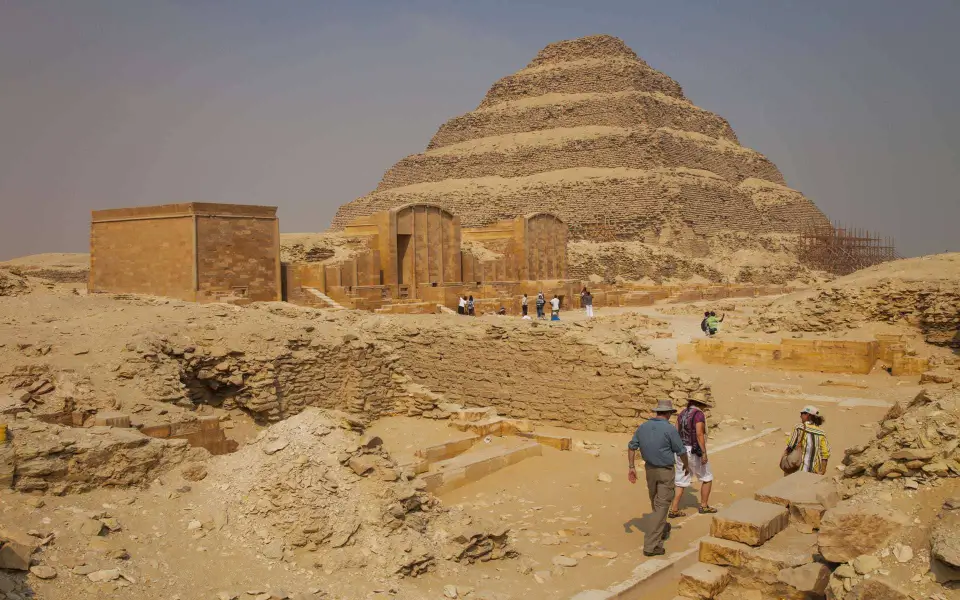
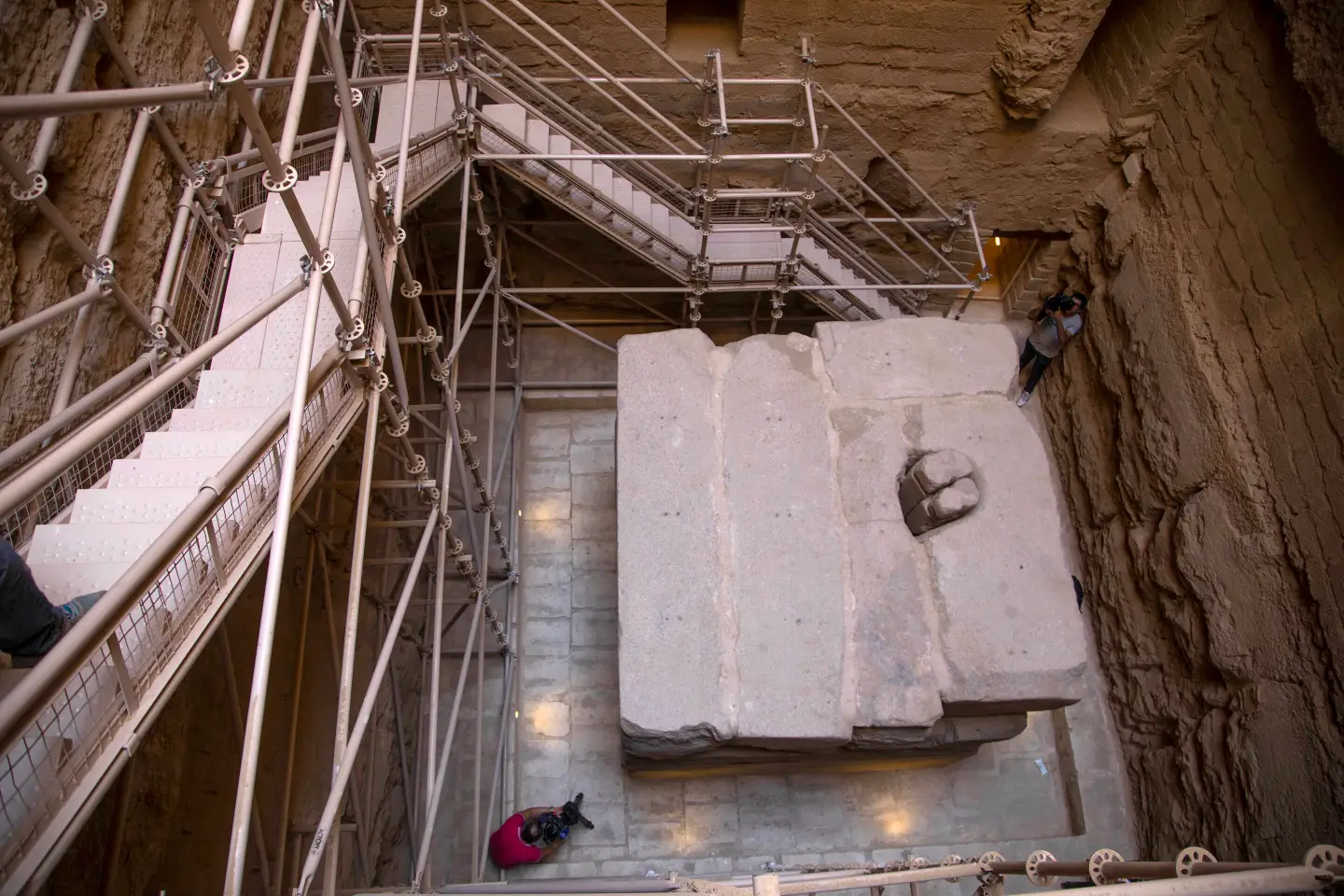
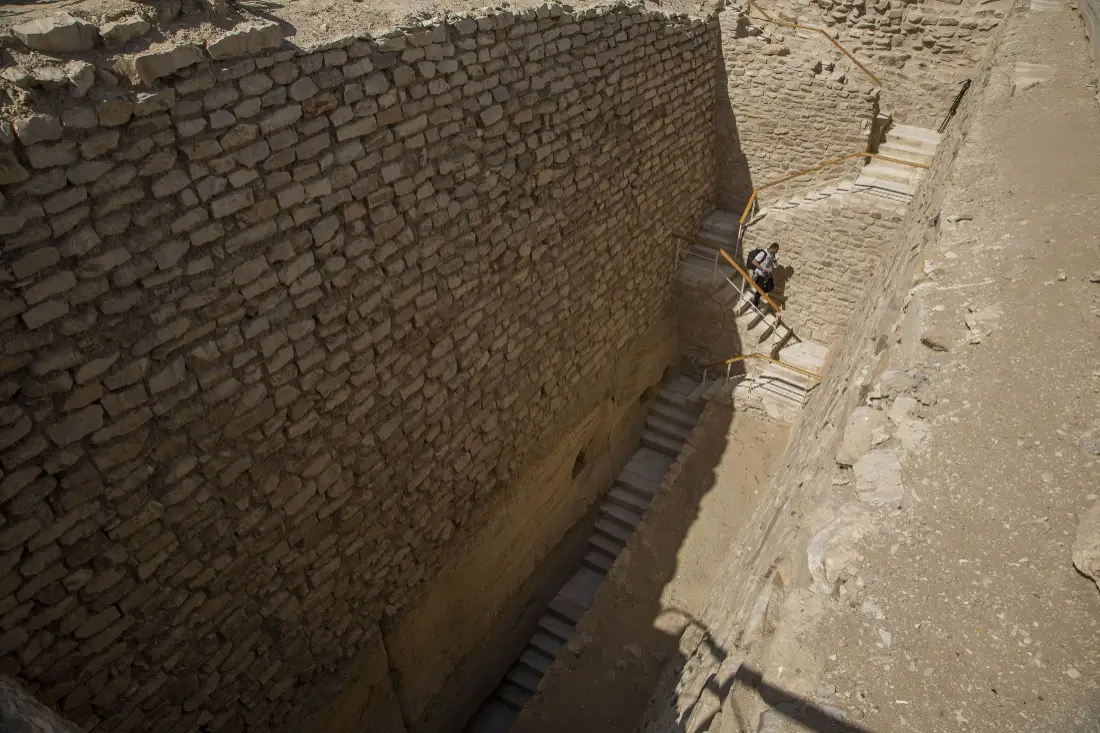
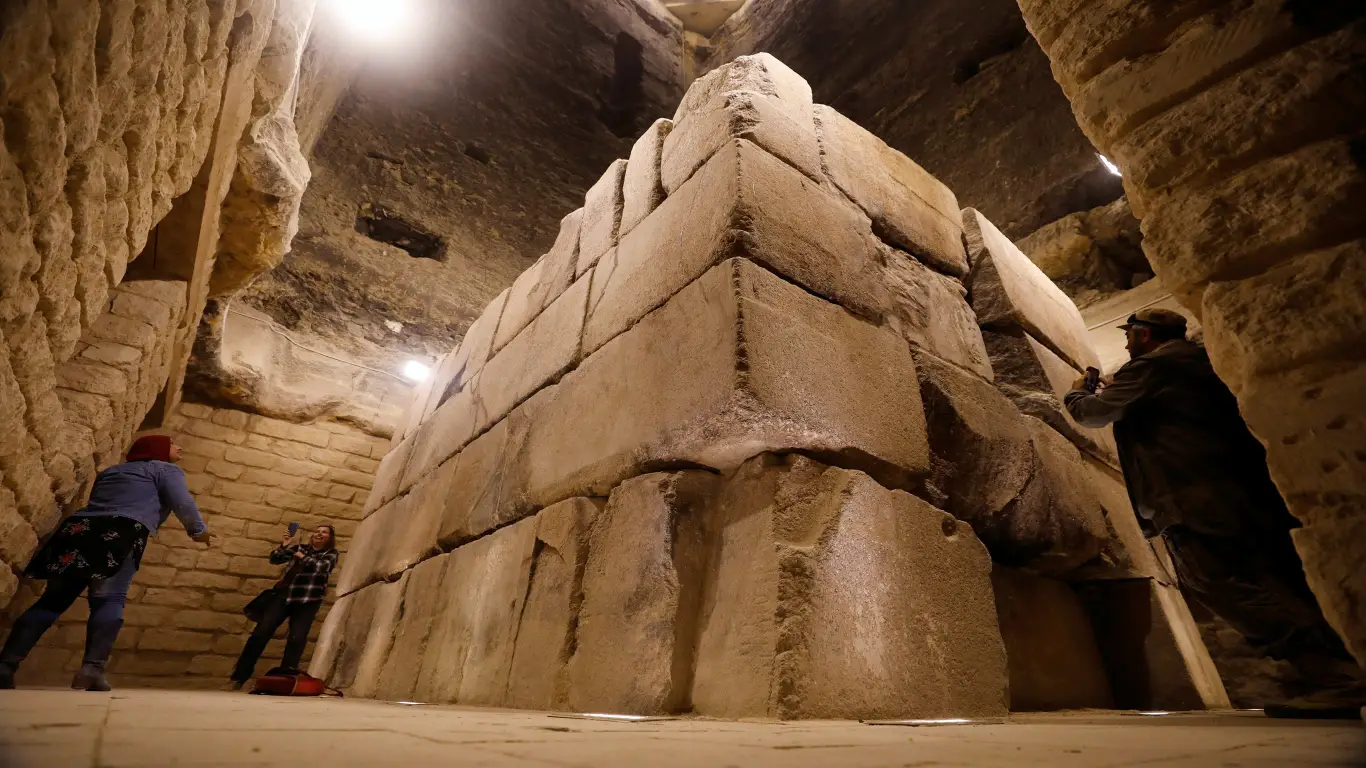
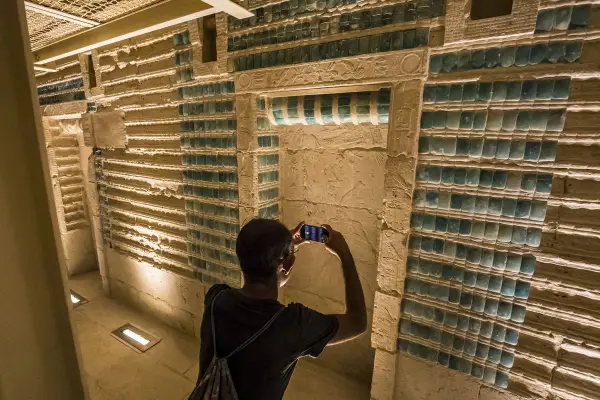
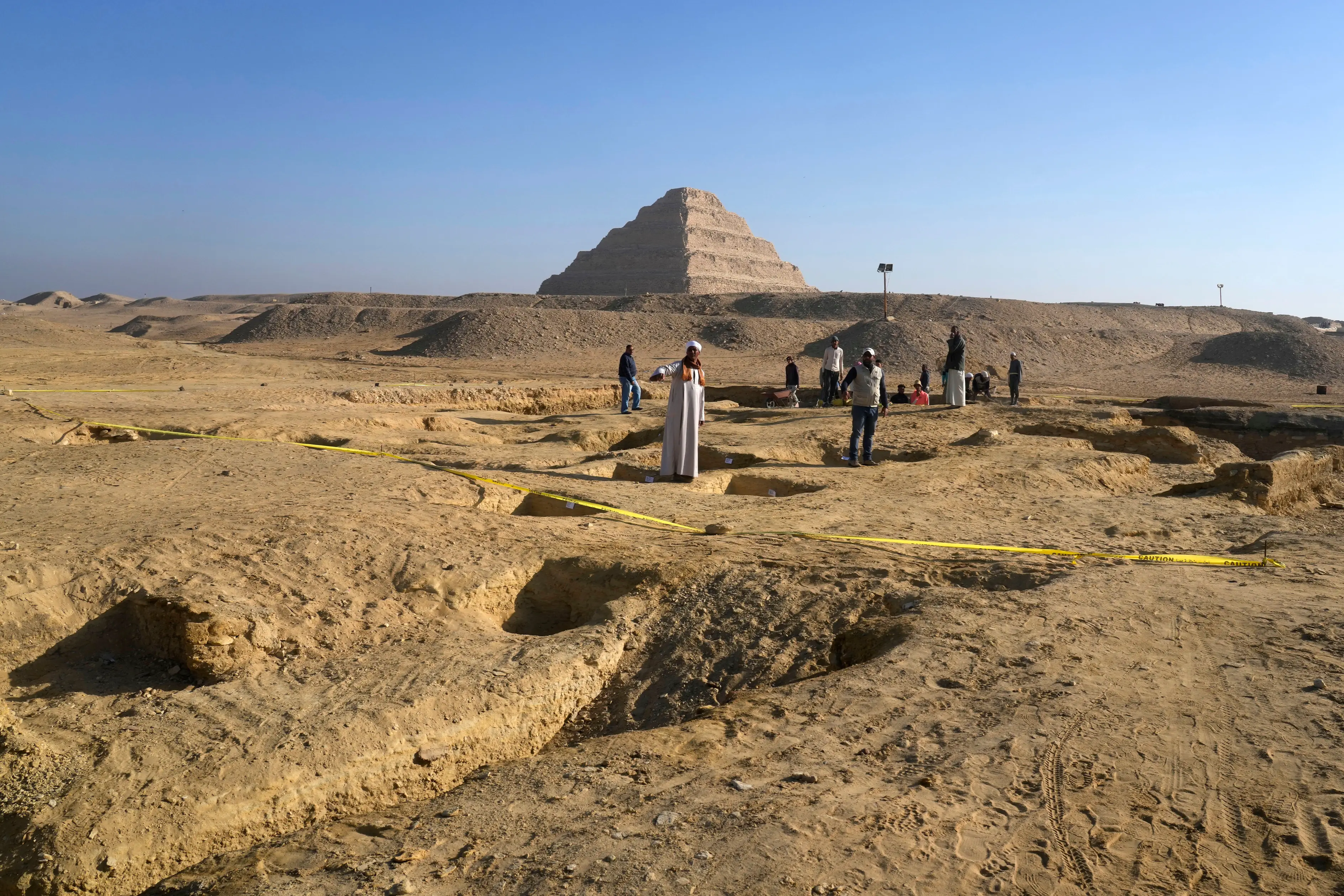
The most famous attraction in Saqqara is the Step Pyramid of Djoser, which is the oldest pyramid in Egypt and an architectural marvel of its time. Built during the 27th century BC, the Step Pyramid stands as a testament to the ingenuity and skill of the Ancient Egyptians. Its unique design, consisting of six steps built atop one another, marks a significant leap in the evolution of pyramid construction and serves as a precursor to the iconic pyramids of Giza.
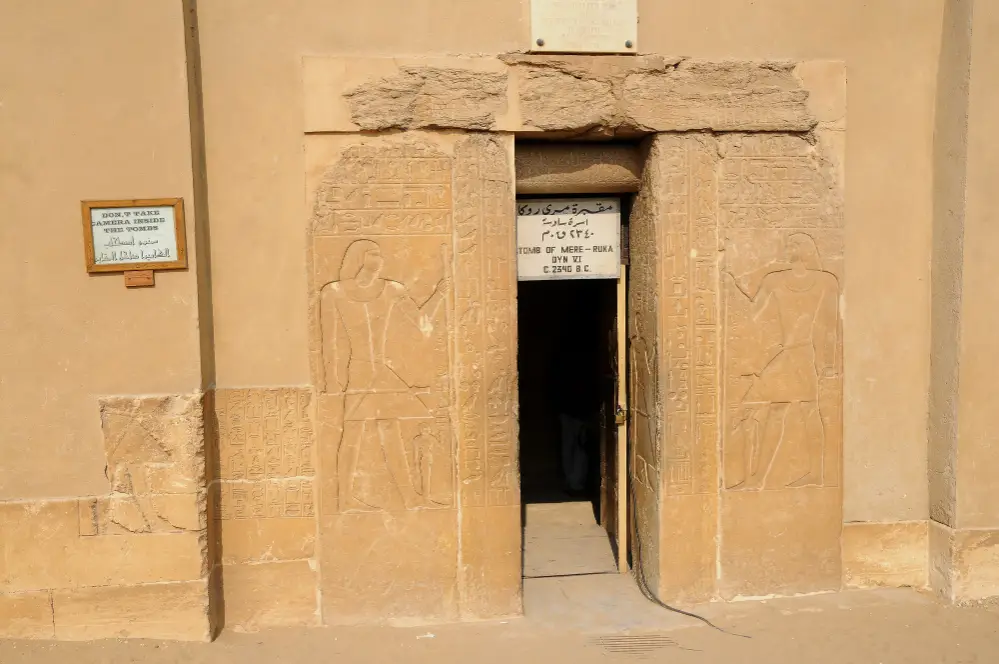
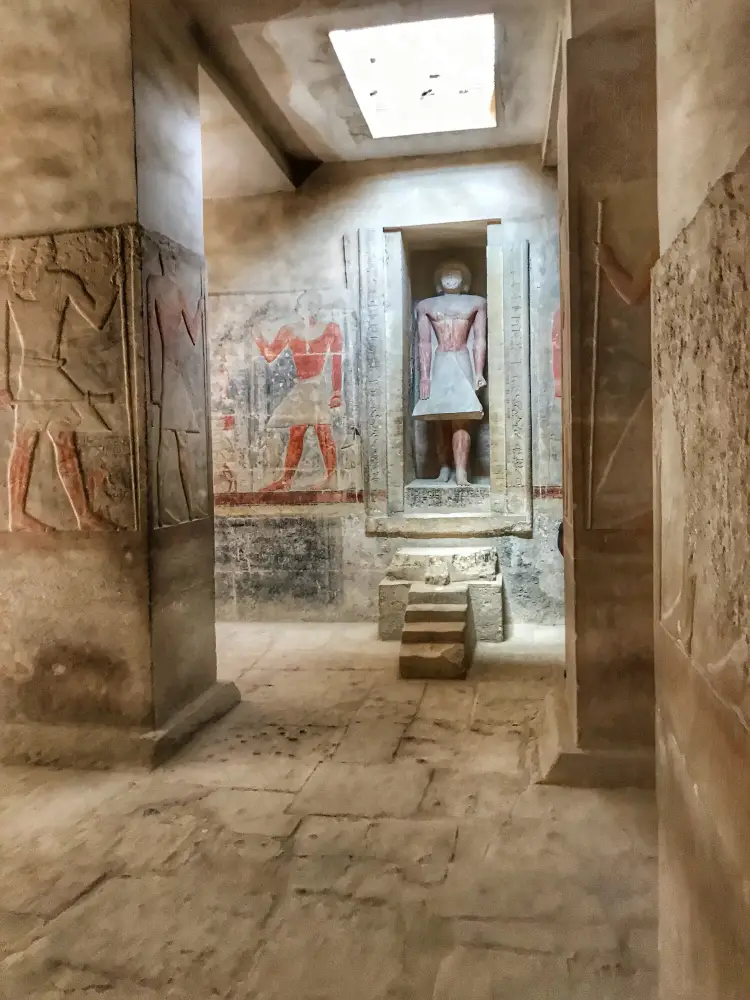
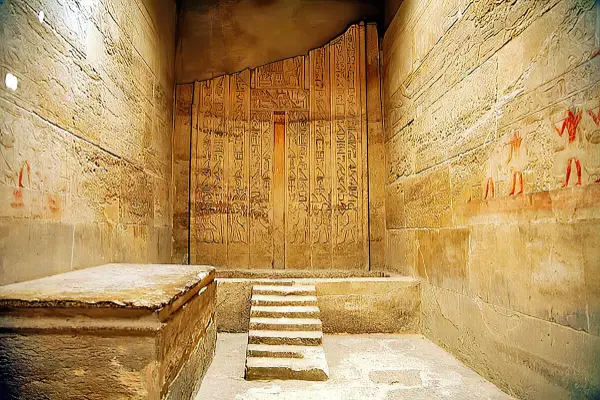
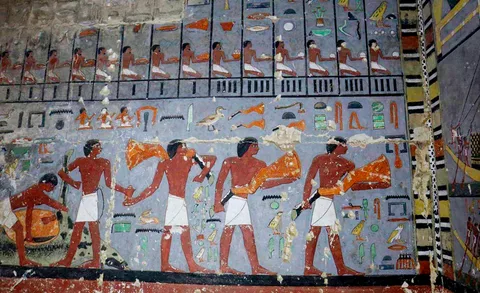
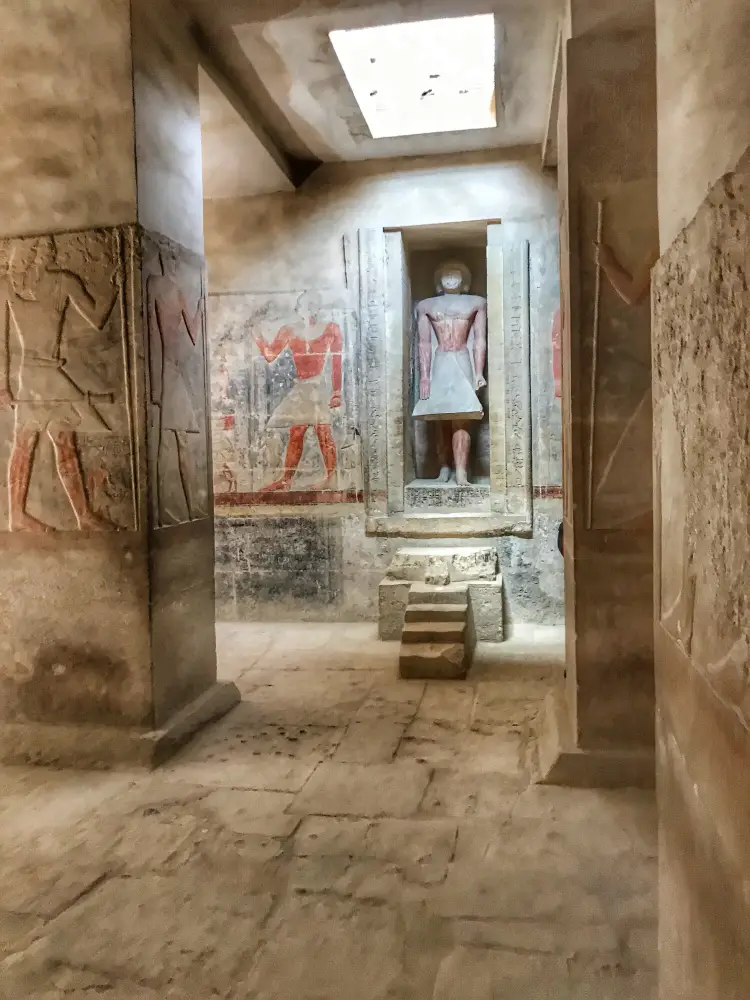
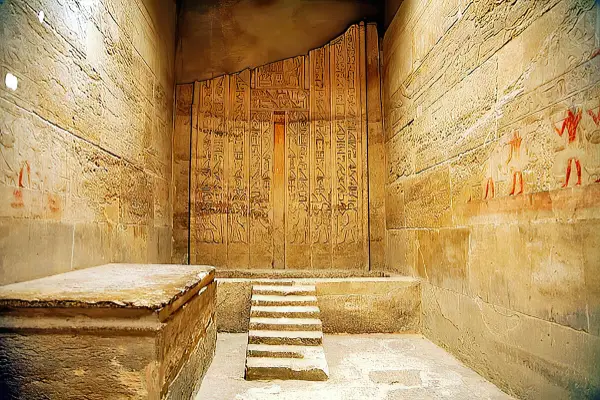
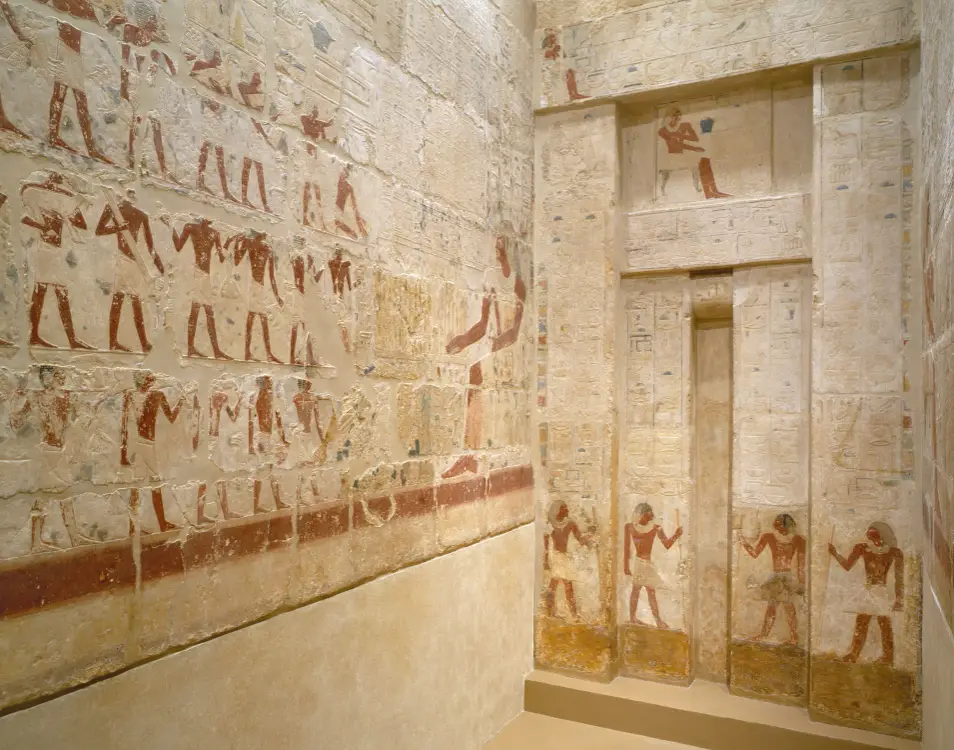
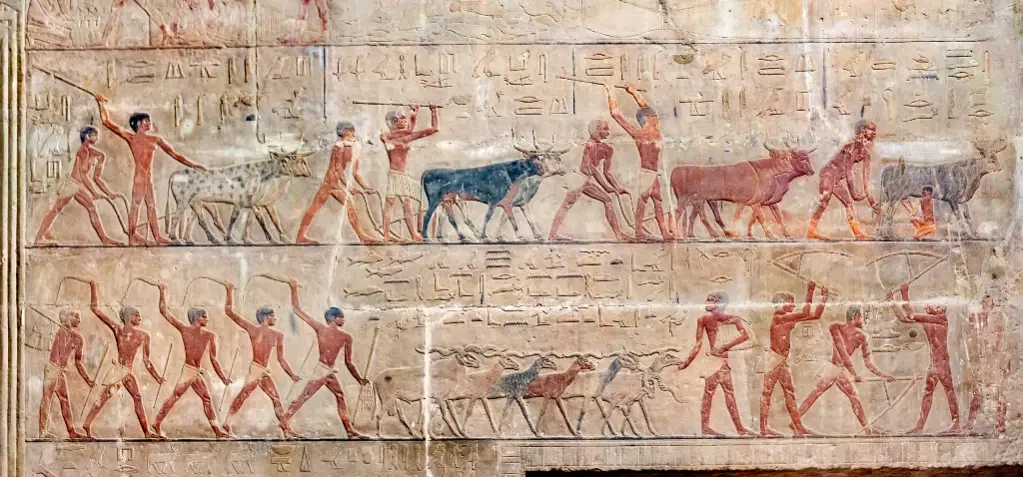
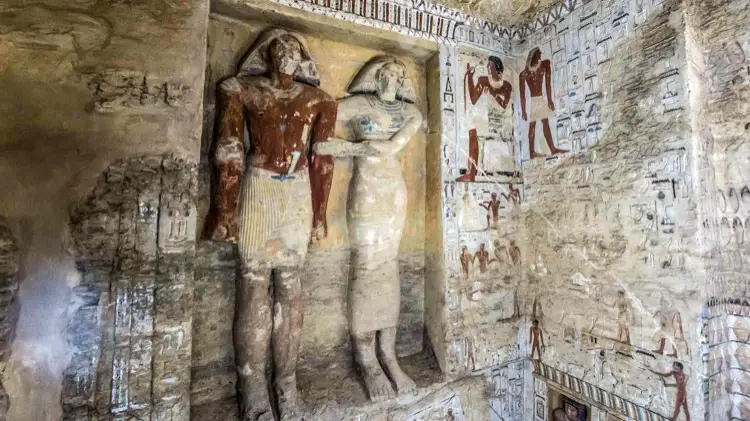
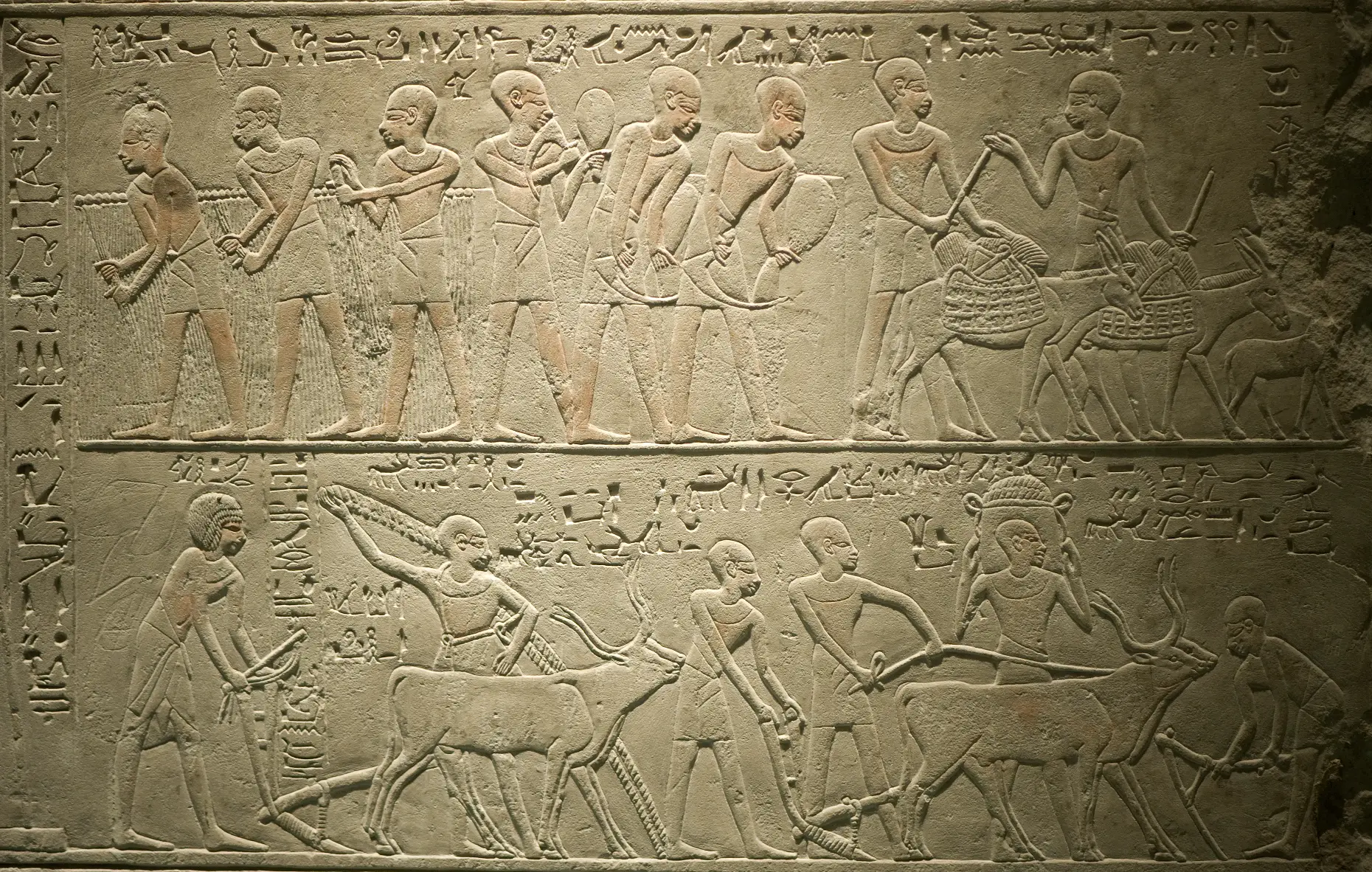
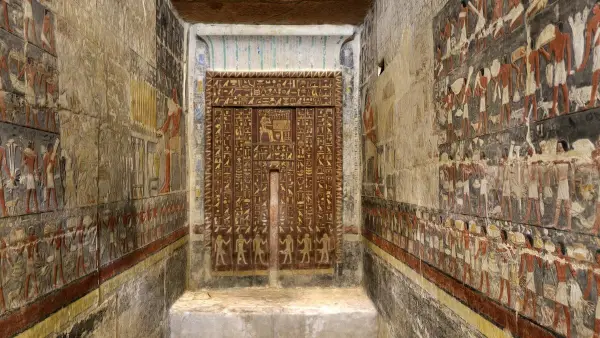
Aside from the Step Pyramid, Saqqara is also home to numerous mastabas, which are flat-roofed, rectangular structures that served as tombs for the elite of Ancient Egyptian society. These mastabas are adorned with intricate carvings and paintings that depict scenes from daily life, religious rituals, and the afterlife, providing invaluable insight into the beliefs and customs of the Ancient Egyptians.
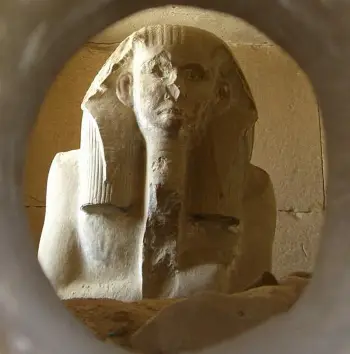
Another must-visit site in Saqqara is the Imhotep Museum, dedicated to the legendary architect Imhotep, who designed the Step Pyramid. The museum houses a fascinating collection of artifacts, statues, and reliefs that offer insights into Ancient Egyptian art and culture.
Saqqara is also home to several other pyramids, including the Pyramids of Teti, Unas, Userkaf, and Pepi I, each with its unique architectural features and historical significance. These pyramids served as burial sites for pharaohs and are adorned with intricate inscriptions and decorations that provide a glimpse into the religious beliefs and practices of the Ancient Egyptians.
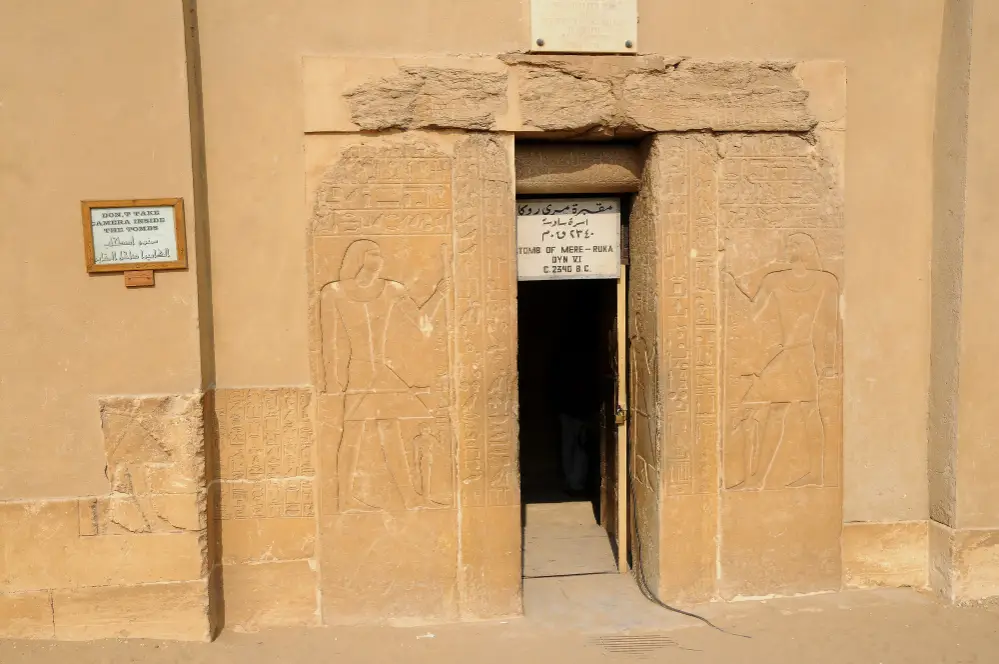
Among the notable tombs in Saqqara there is the Tomb of Kagemni, an impressive mastaba tomb known for its well-preserved reliefs depicting scenes from daily life and the afterlife. The Tomb of Mereruka, also known as the 'Island of Happiness,' is another remarkable site that offers a vivid portrayal of Ancient Egyptian customs and traditions.
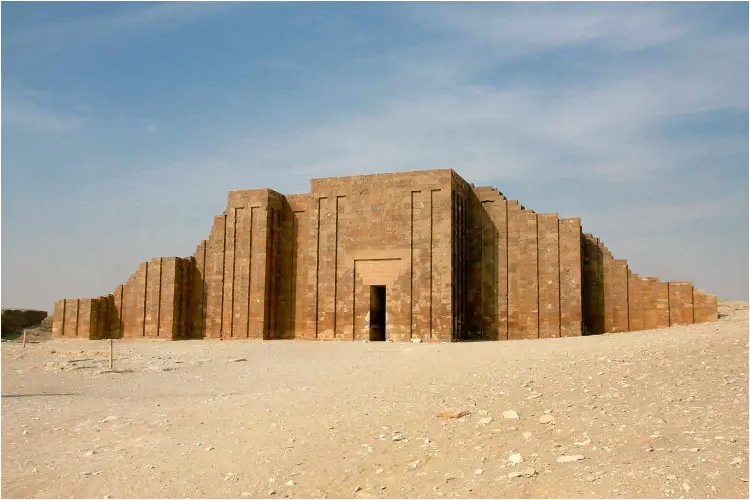
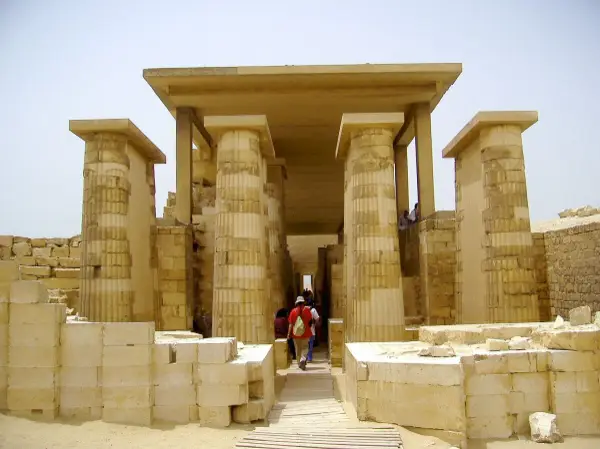
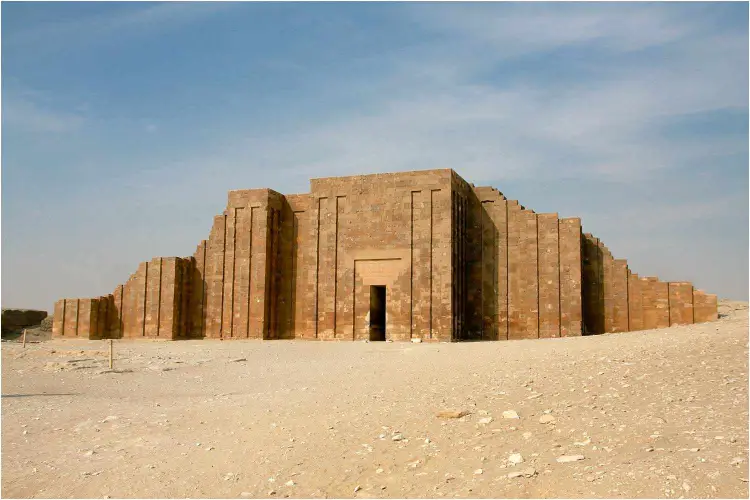
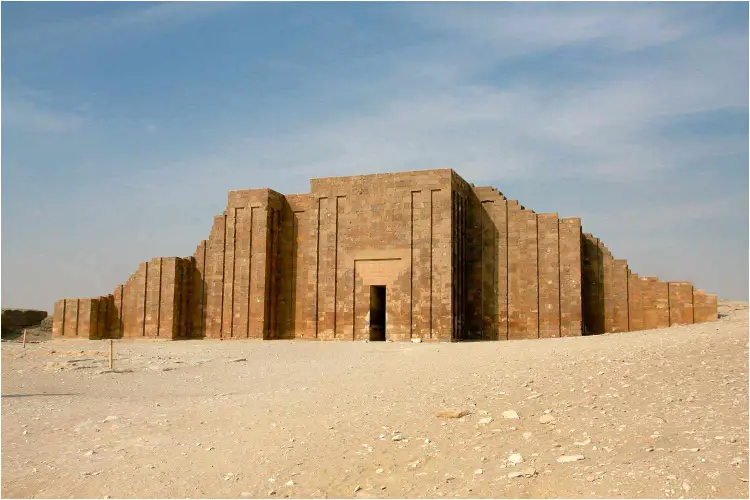
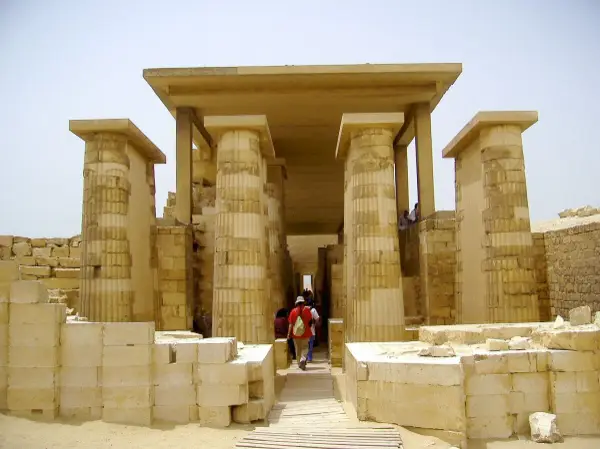
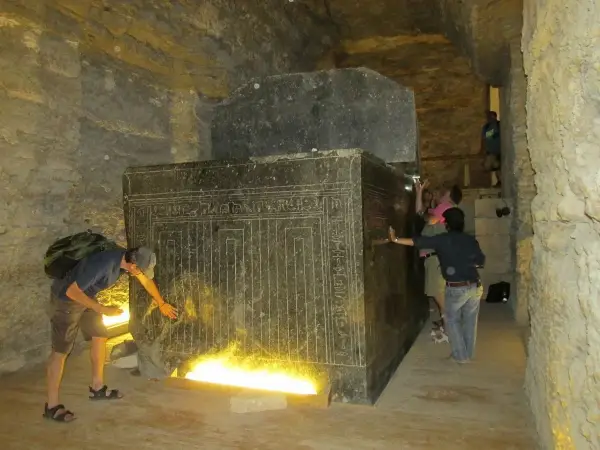
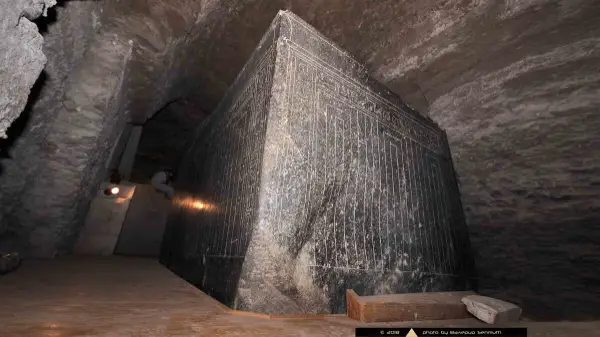
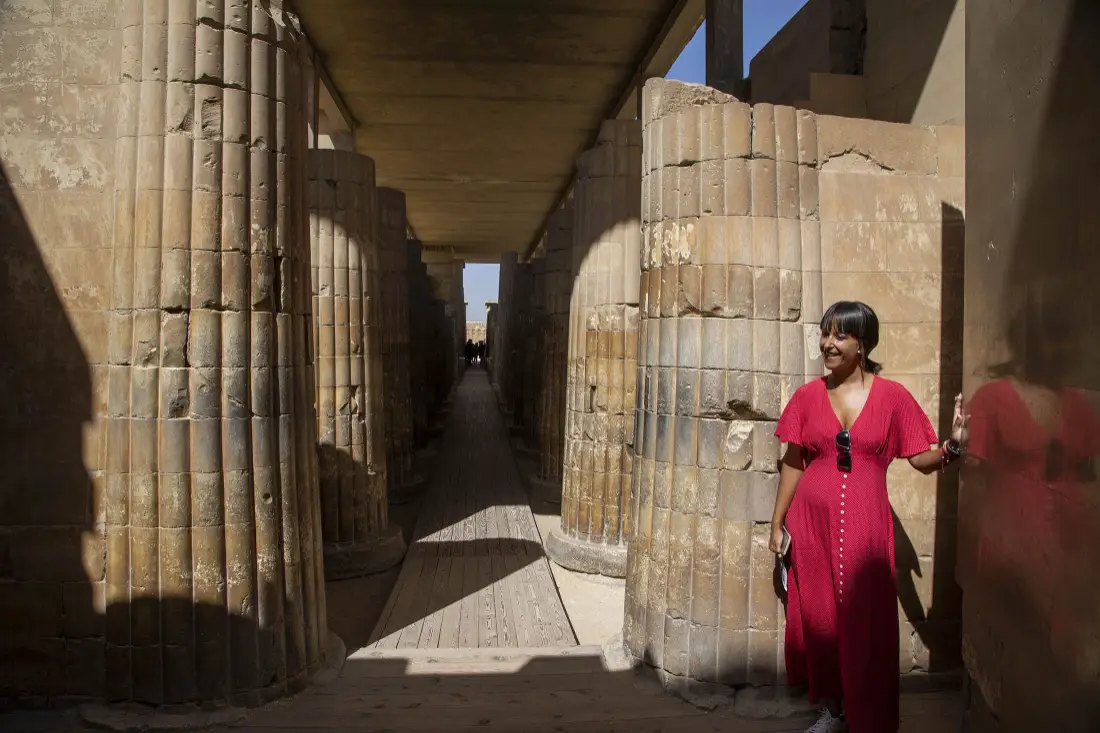
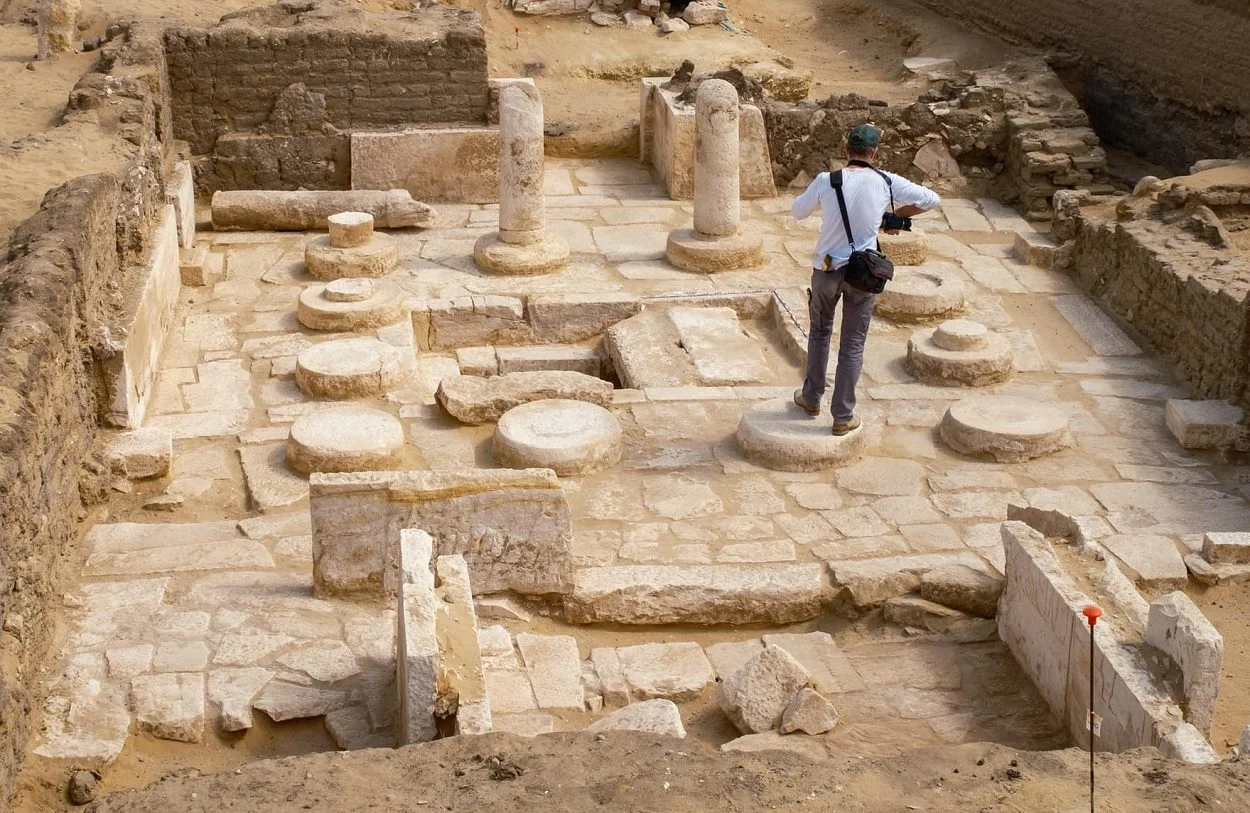
One cannot overlook the beautiful complex of Djoser's Mortuary Temple, known as Heb Sed Court, and the enigmatic structure of the Serapeum of Saqqara, which housed the sacred Apis bulls. Saqqara is also famous for the exquisite tomb of Ptahhotep, a vizier and sage known for his wisdom teachings.
Another prominent pyramid in Saqqara is the Pyramid of Unas, which is famous for its well-preserved pyramid texts, offering valuable insights into Ancient Egyptian religious beliefs and funerary practices. The Pyramid of Teti, the first ruler of the Sixth Dynasty of Egypt, is also a key attraction in the Saqqara necropolis.
Additionally, the Pyramid of Userkaf, the Pyramid of Pepi I, and the Pyramid of Pepi II are among the noteworthy pyramids that can be found in the Saqqara area. These pyramids, along with many others in the region, serve as enduring symbols of the grandeur and architectural prowess of Ancient Egypt
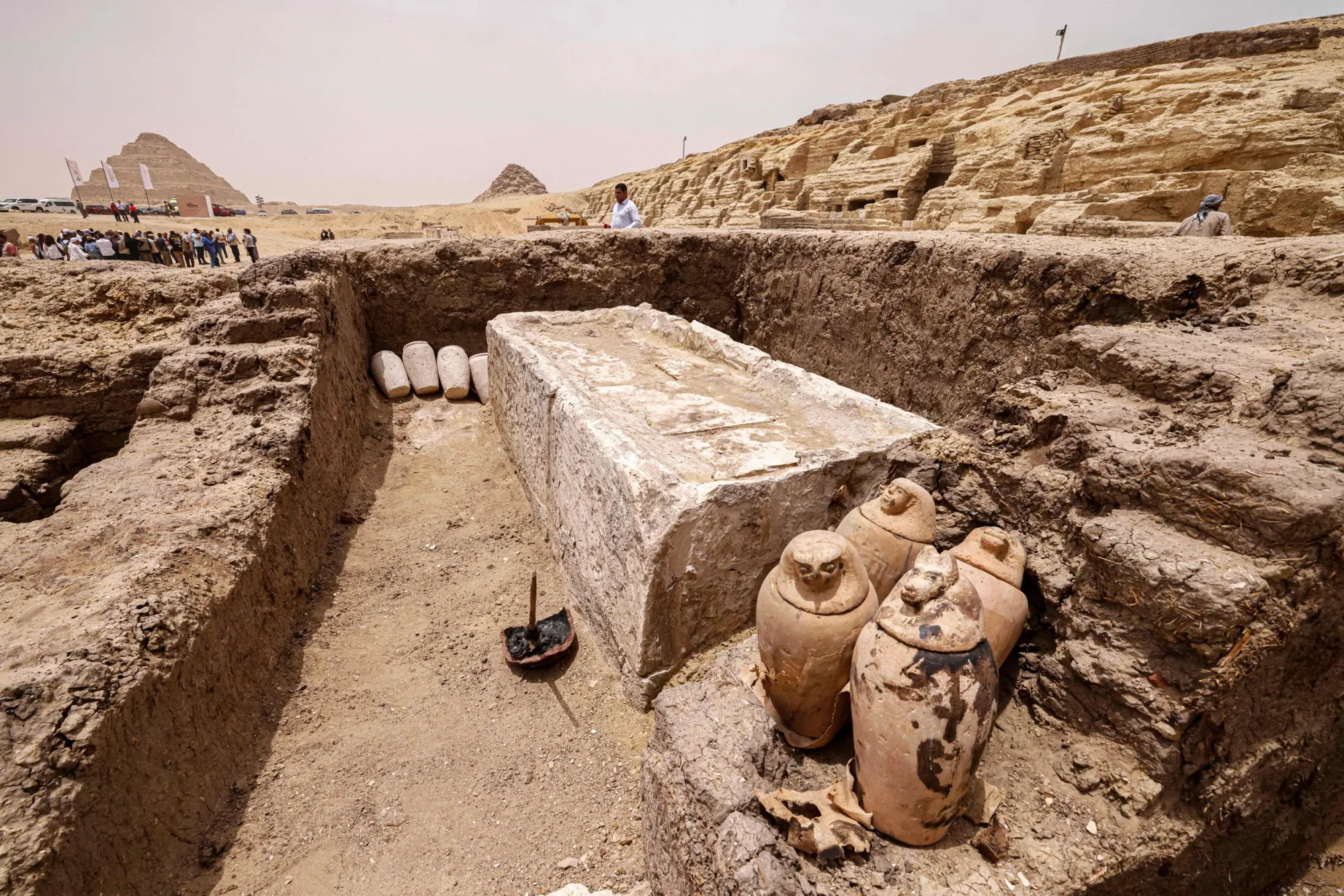
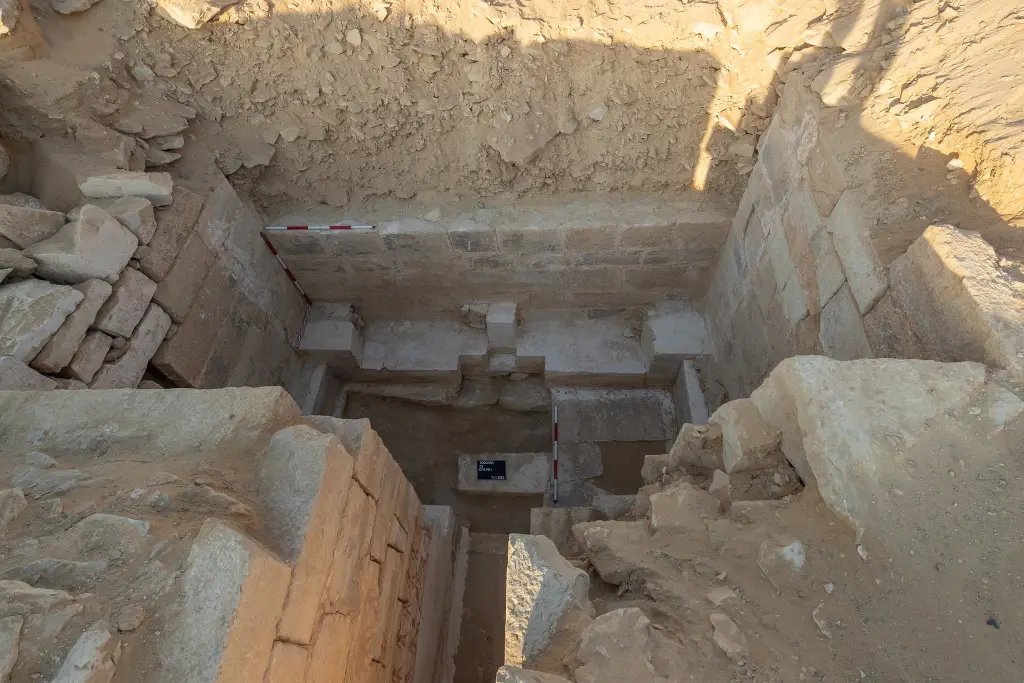
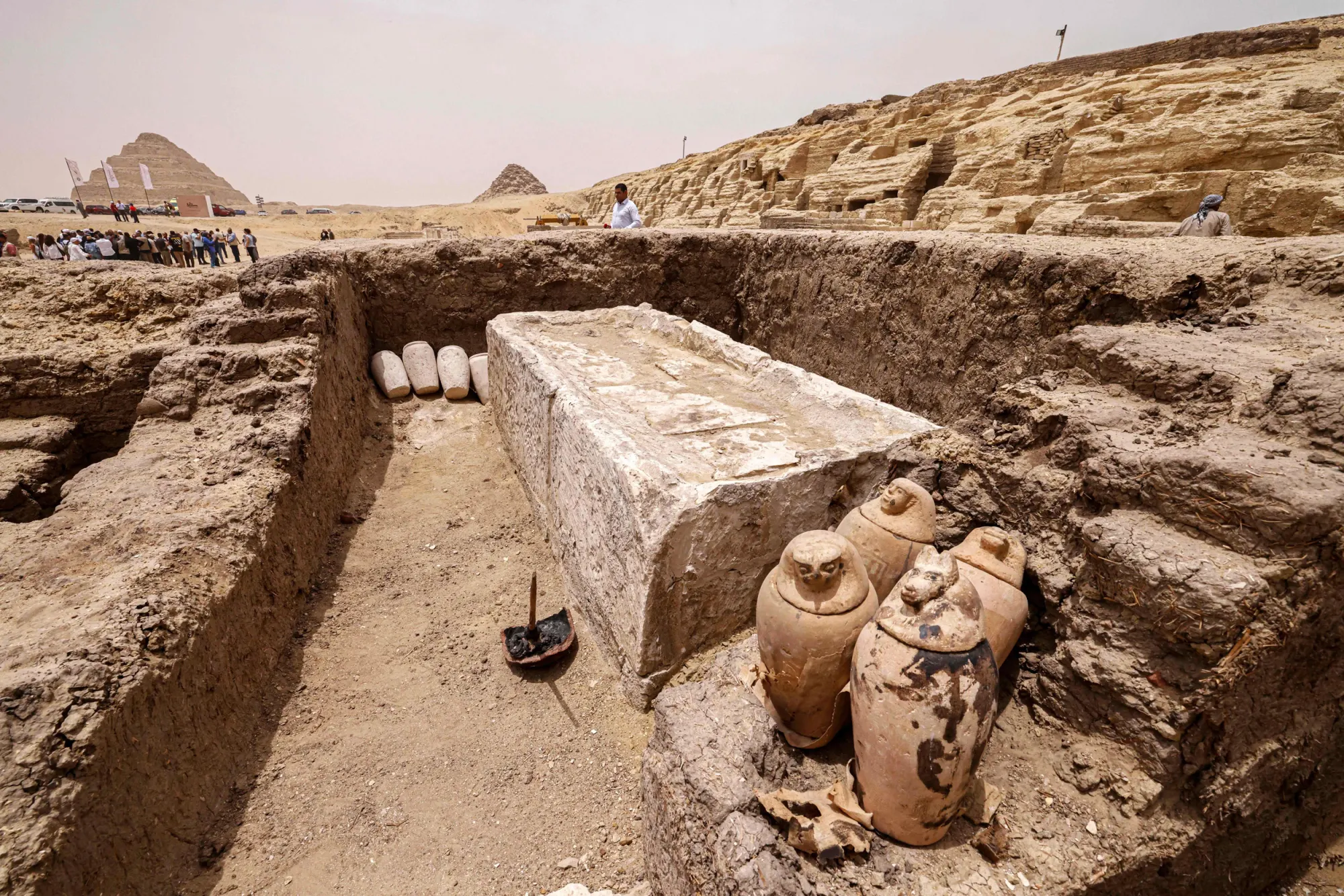
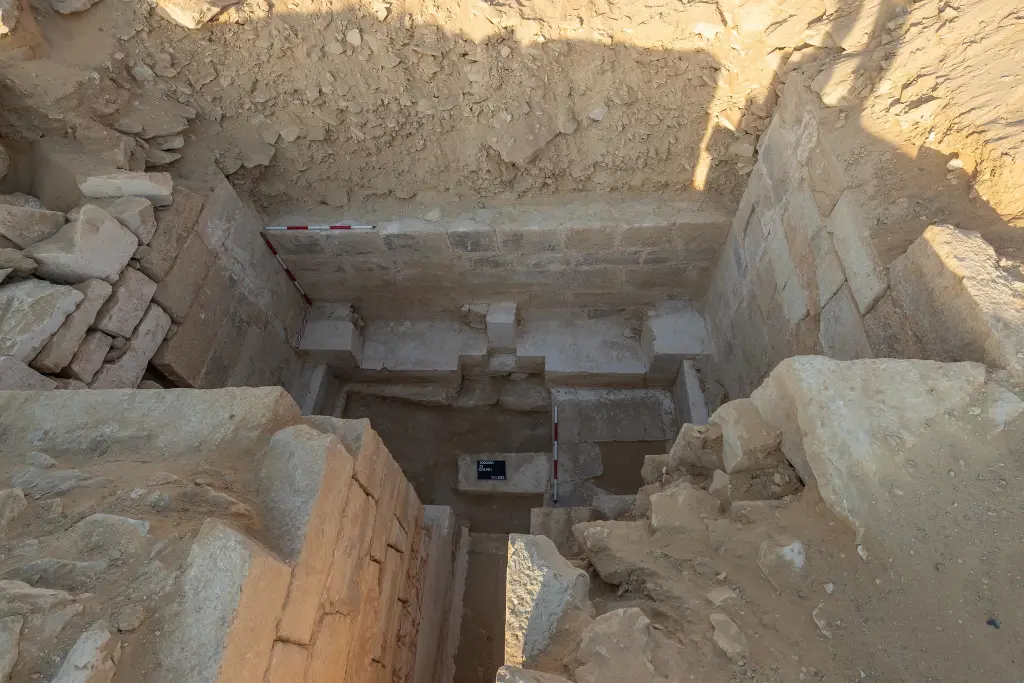
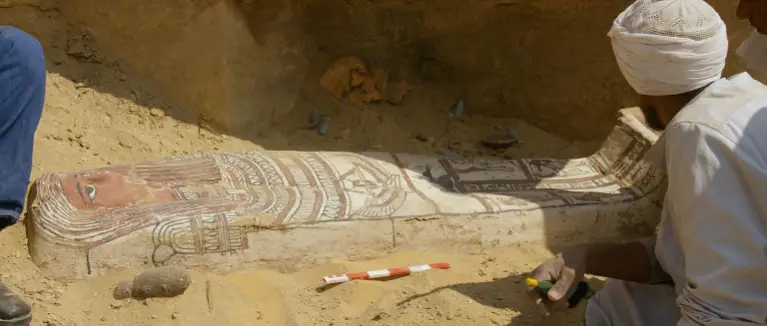
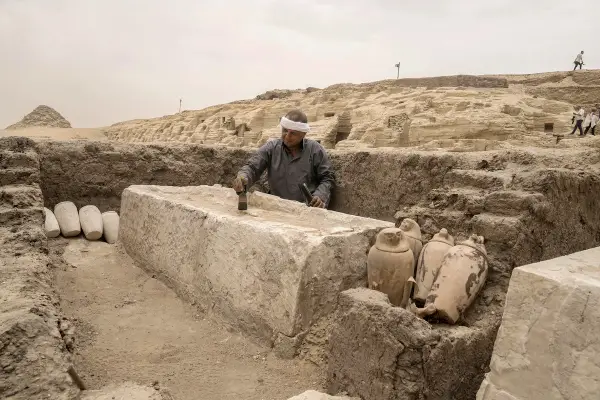
In addition to its historical significance, Saqqara continues to be a site of ongoing archaeological research and discovery. Excavations have unearthed new tombs, artifacts, and insights into the ancient civilization, shedding light on the religious beliefs, social structures, and technological advancements of the time.