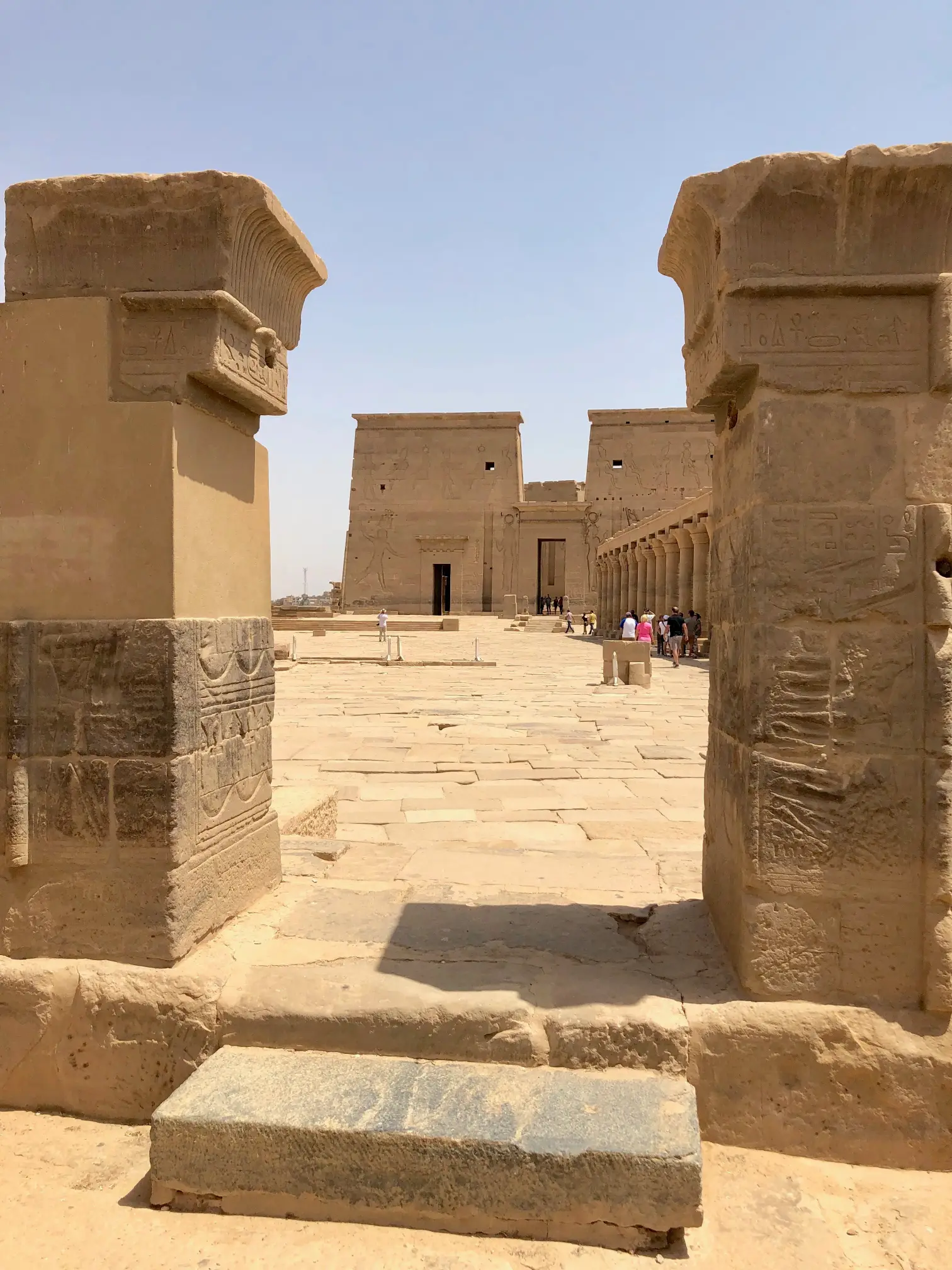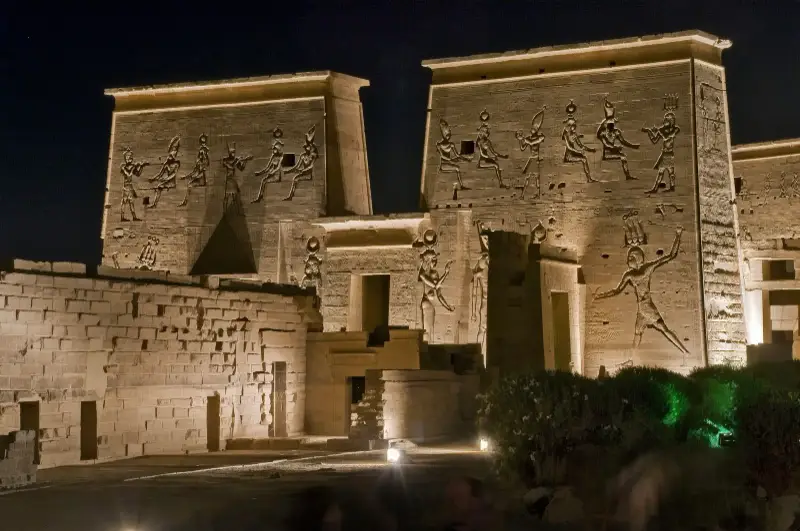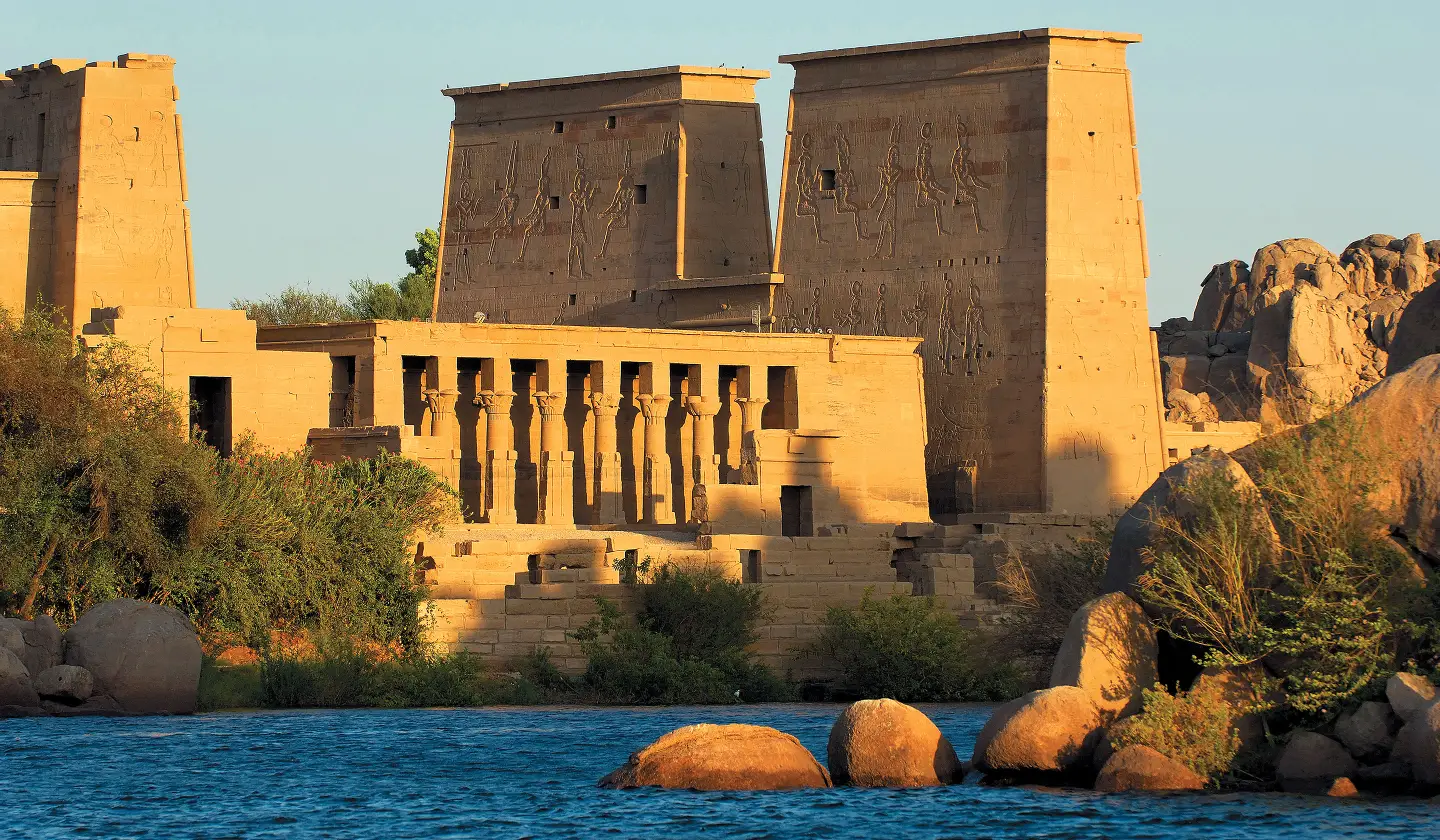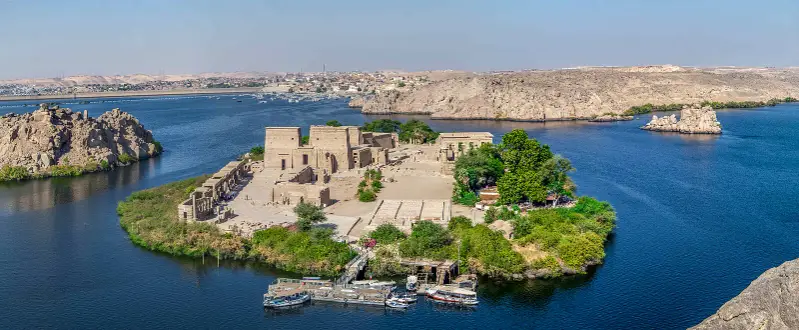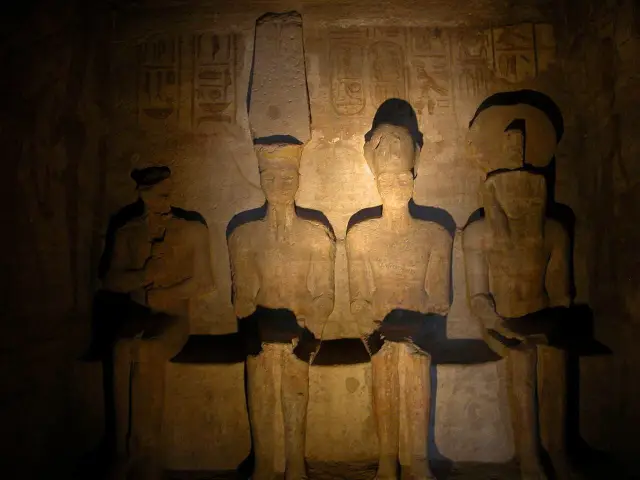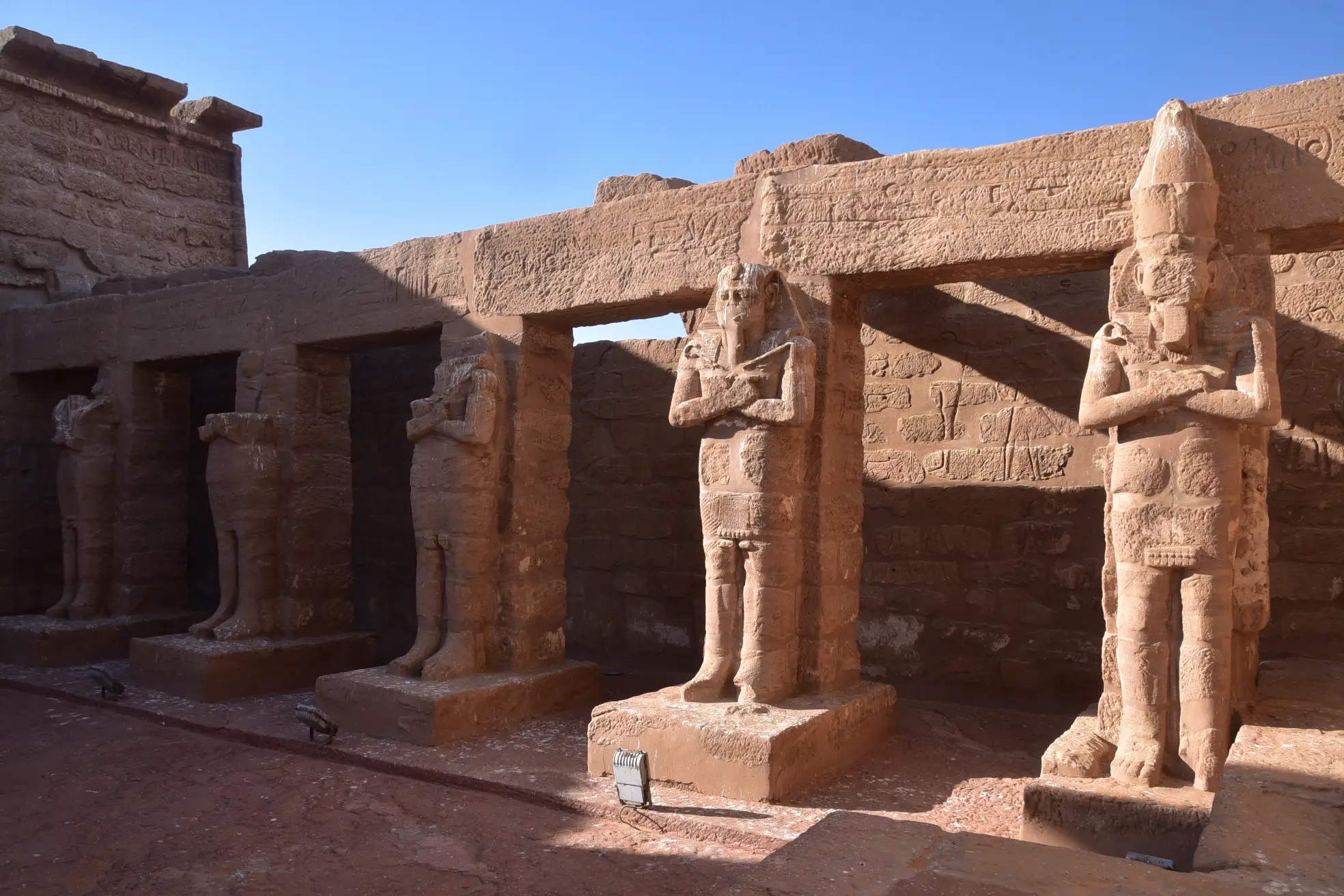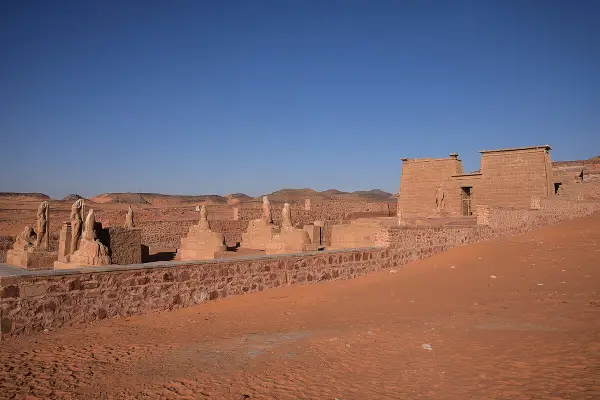
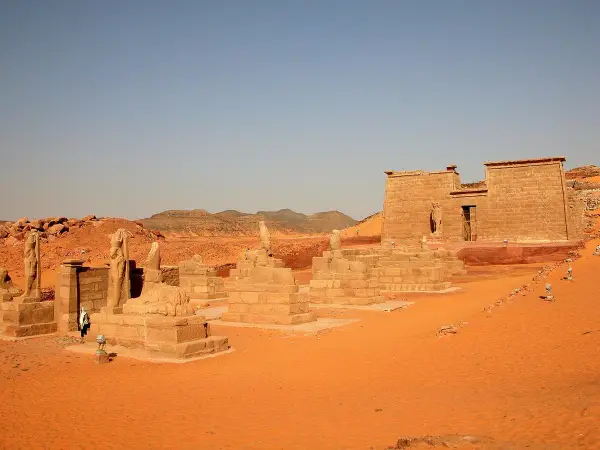
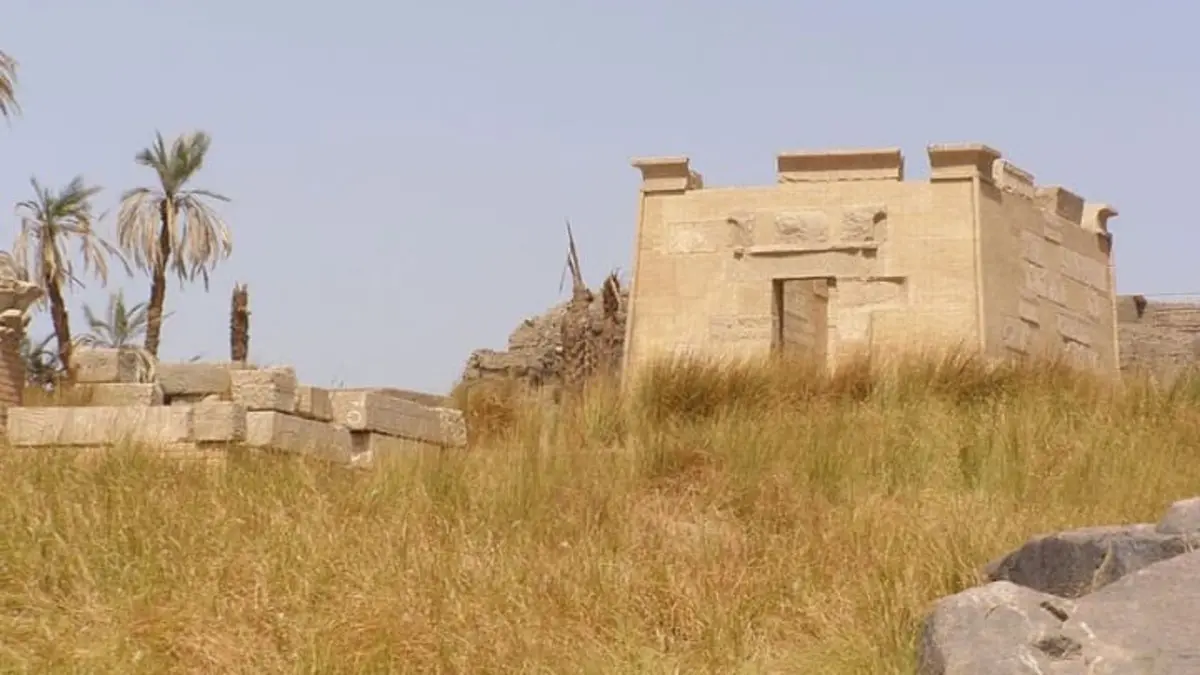
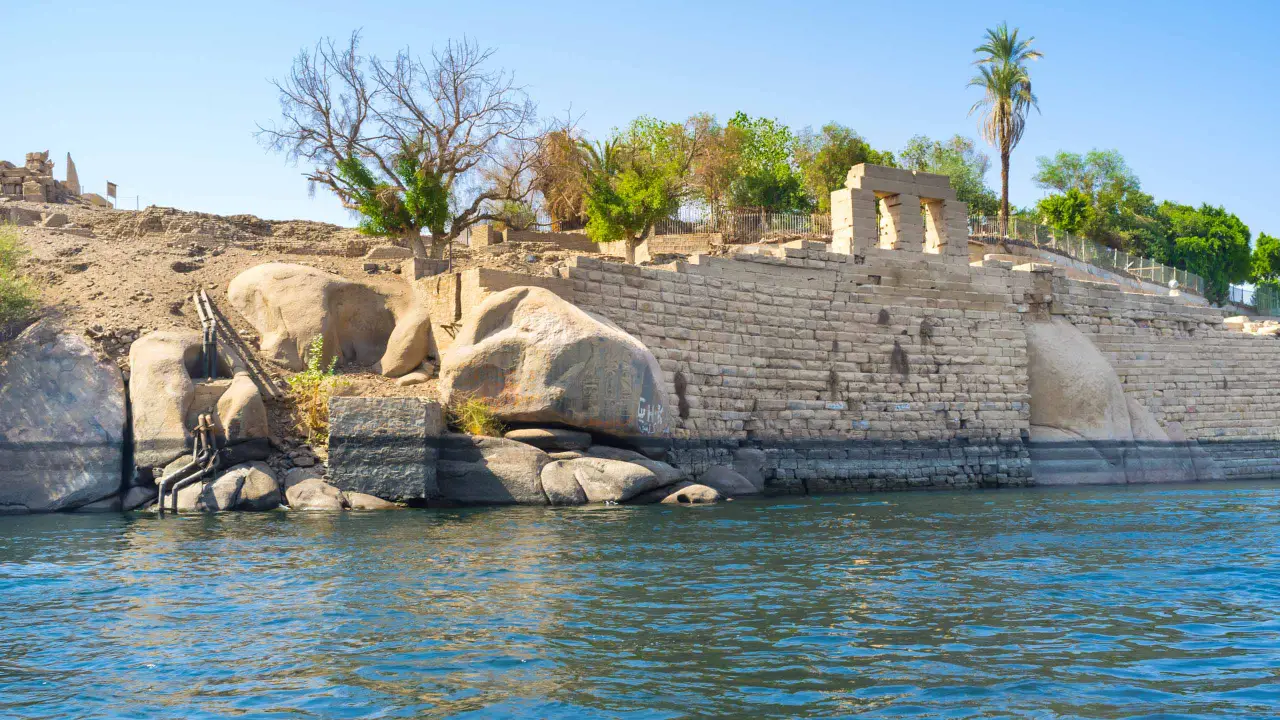
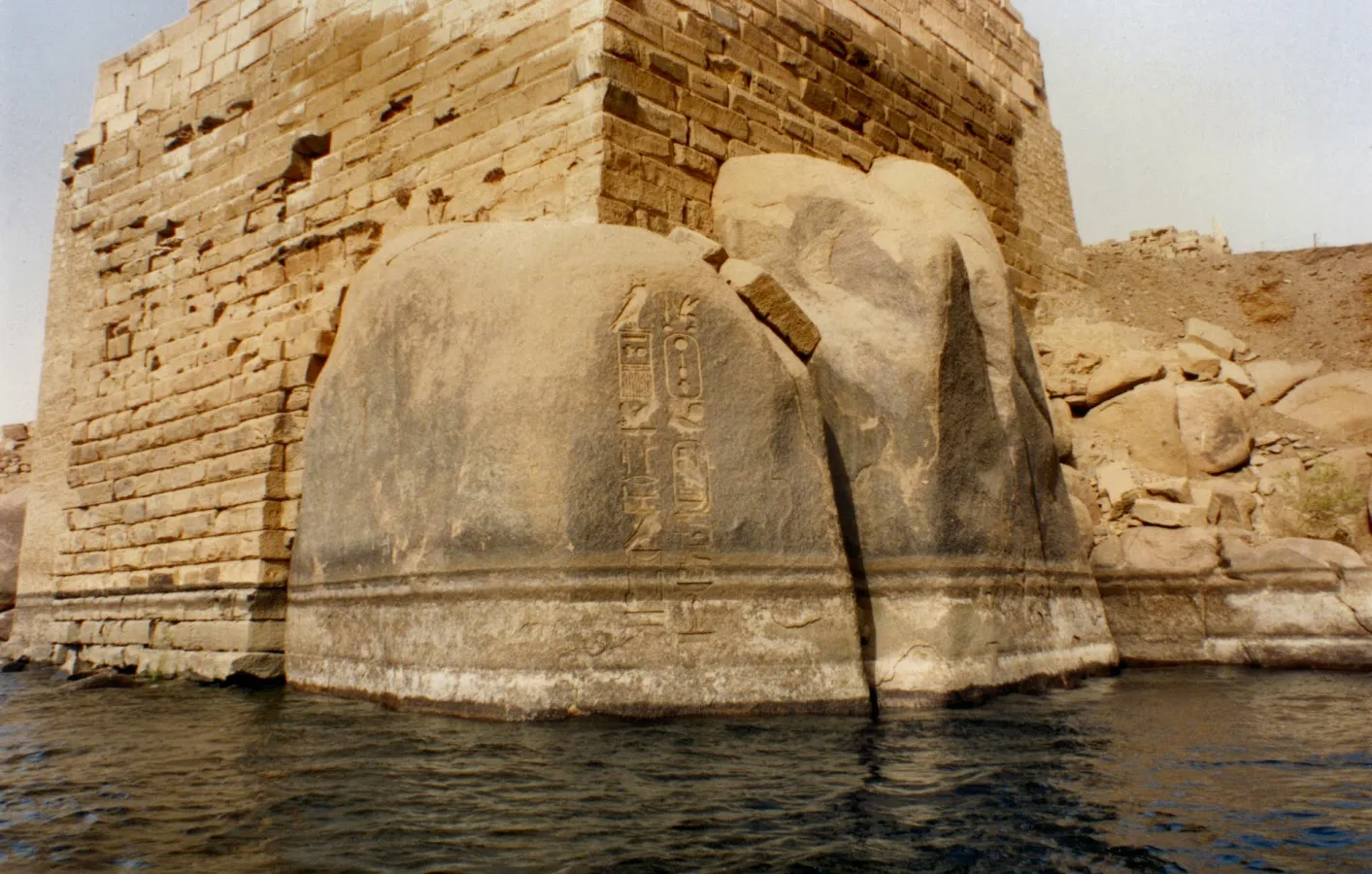
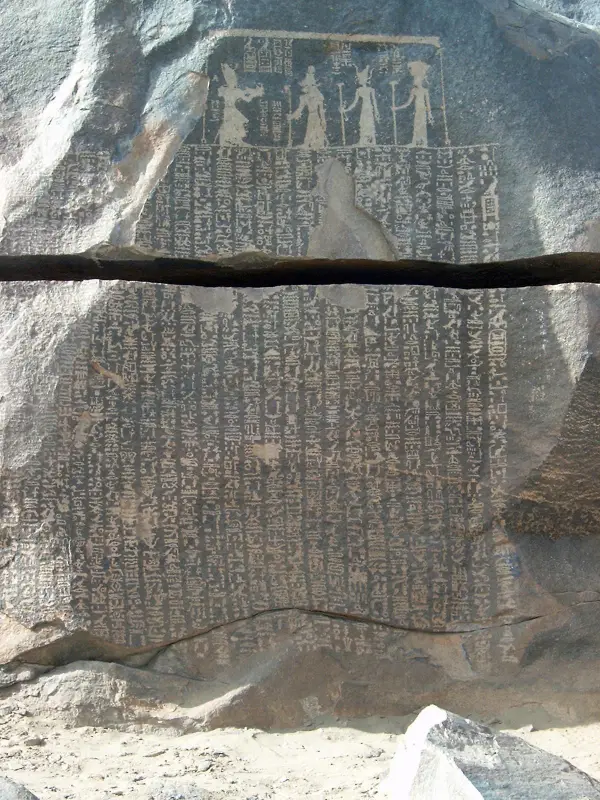
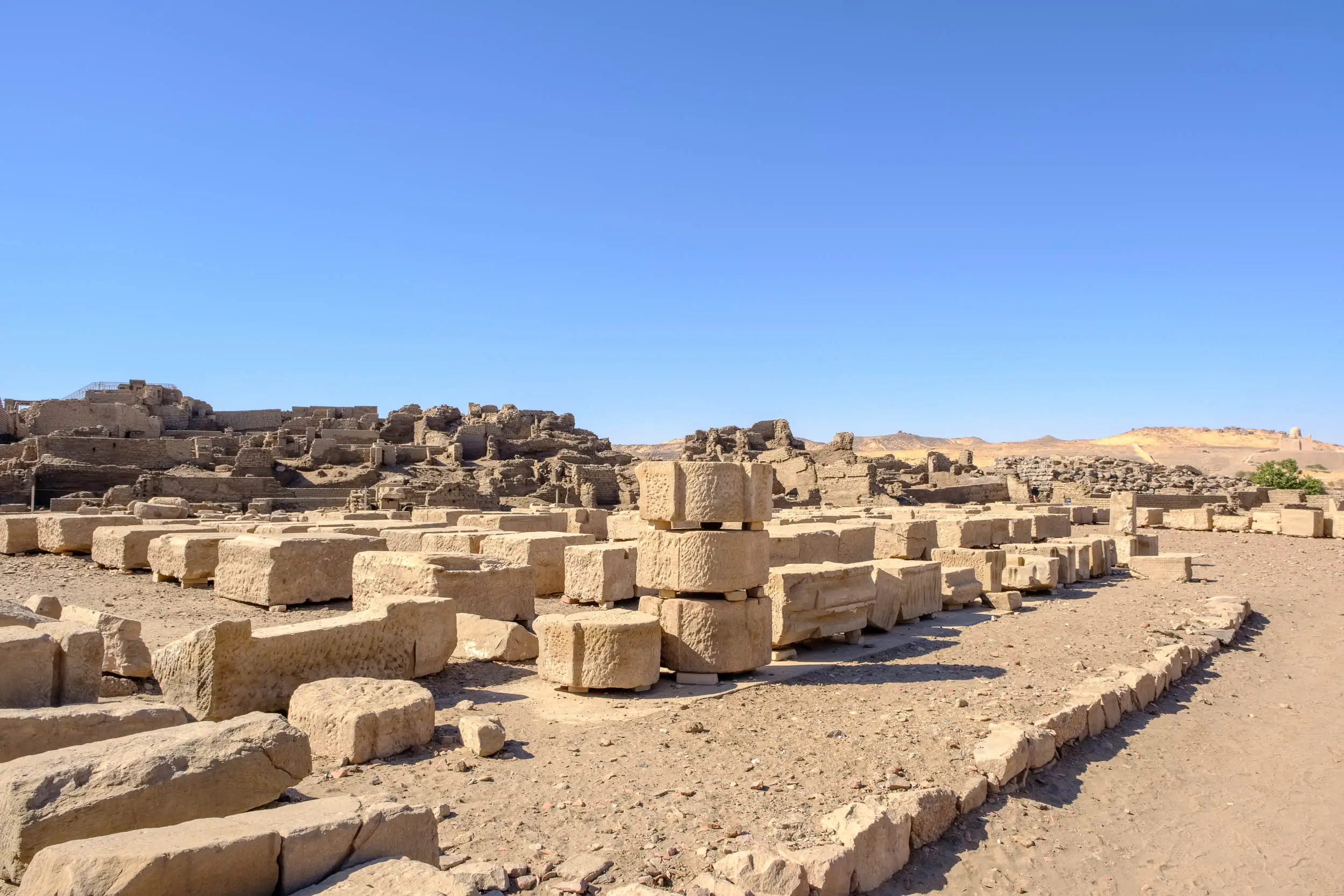
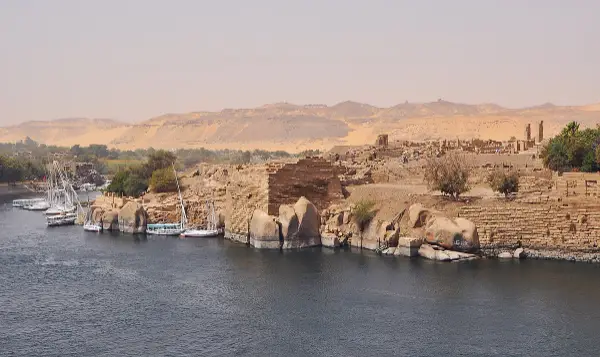
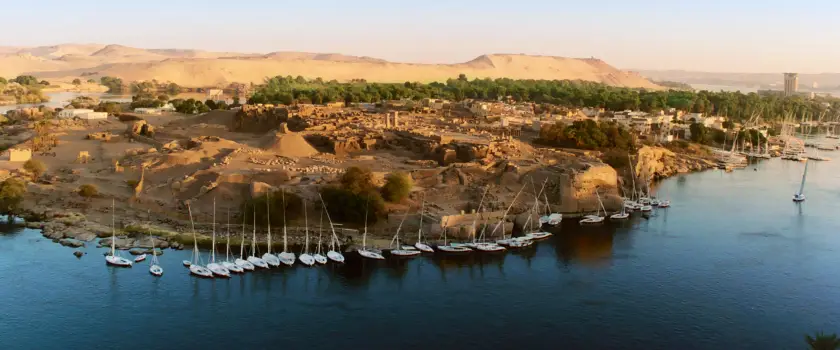
Wadi El-Sebua, meaning "Valley of the Lions," is a temple located in Aswan, Egypt, approximately 150 miles south of the city. Built during the reign of Ramses II, the temple is a magnificent structure dedicated to the gods Amun-Re, Ra-Horakhty, and Ptah. It is renowned for its impressive size...
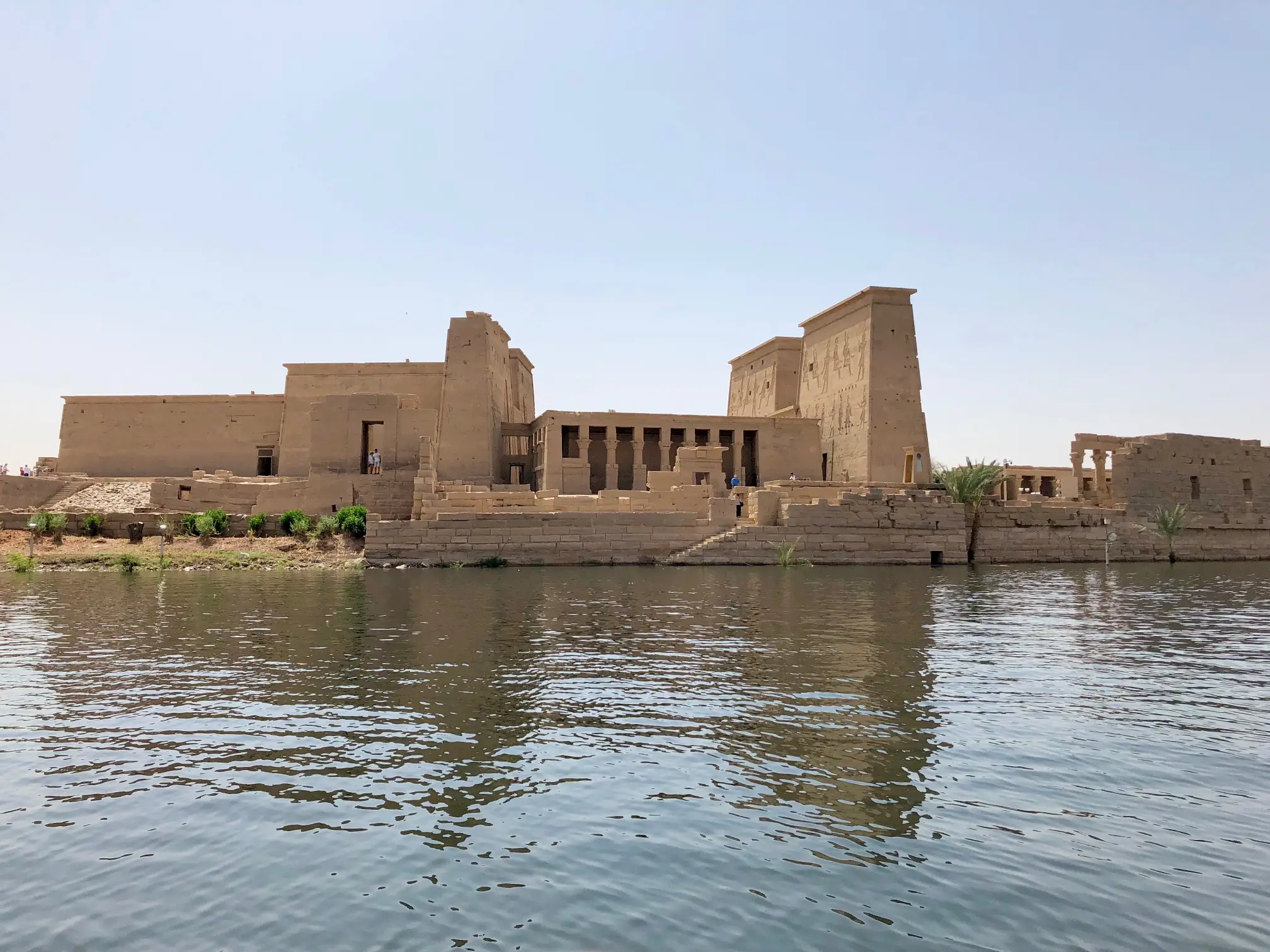
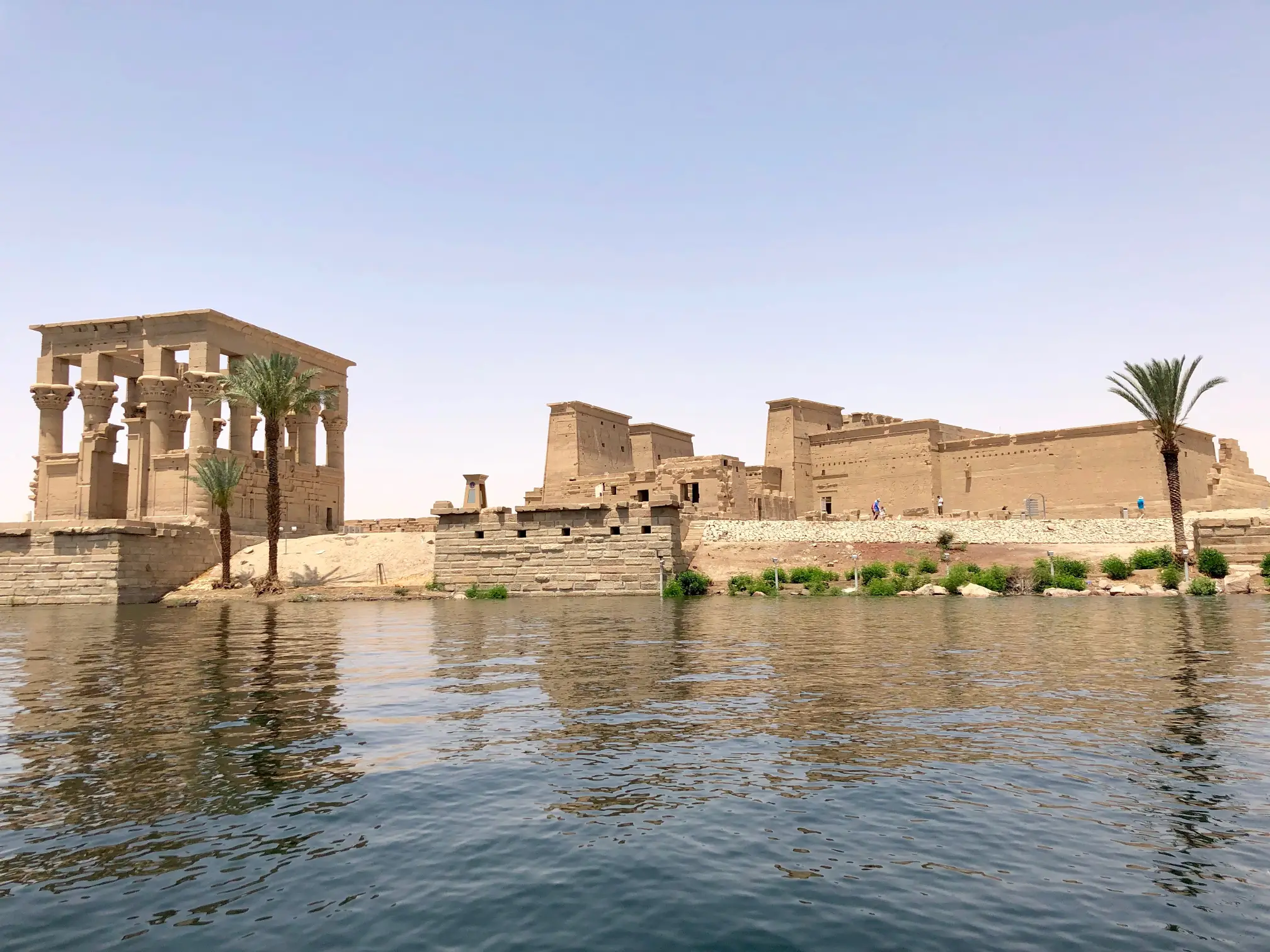
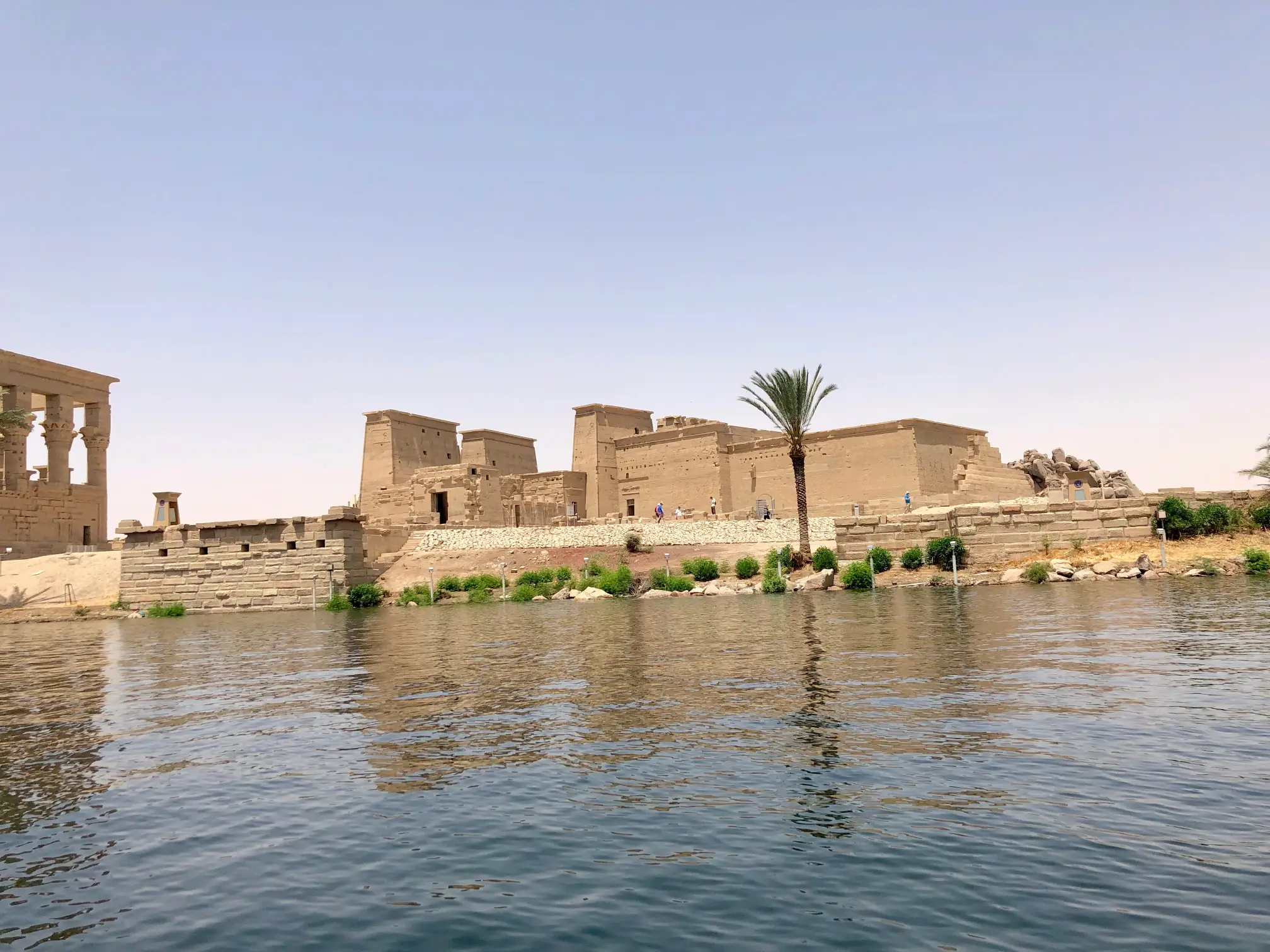
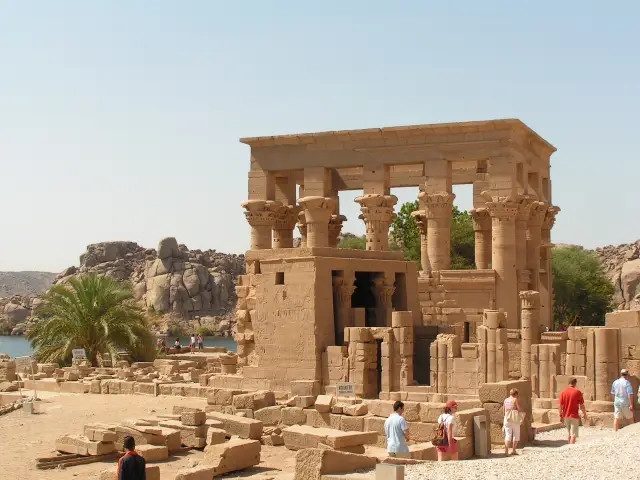
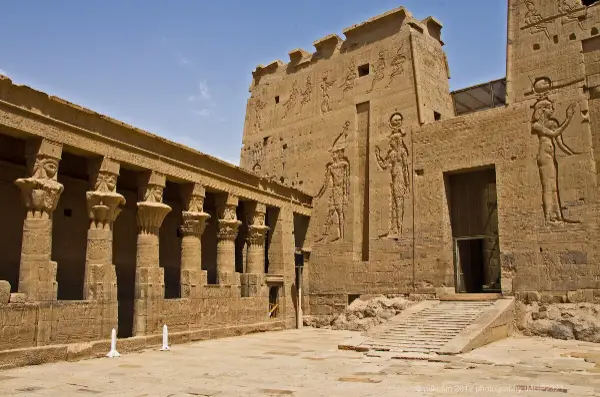
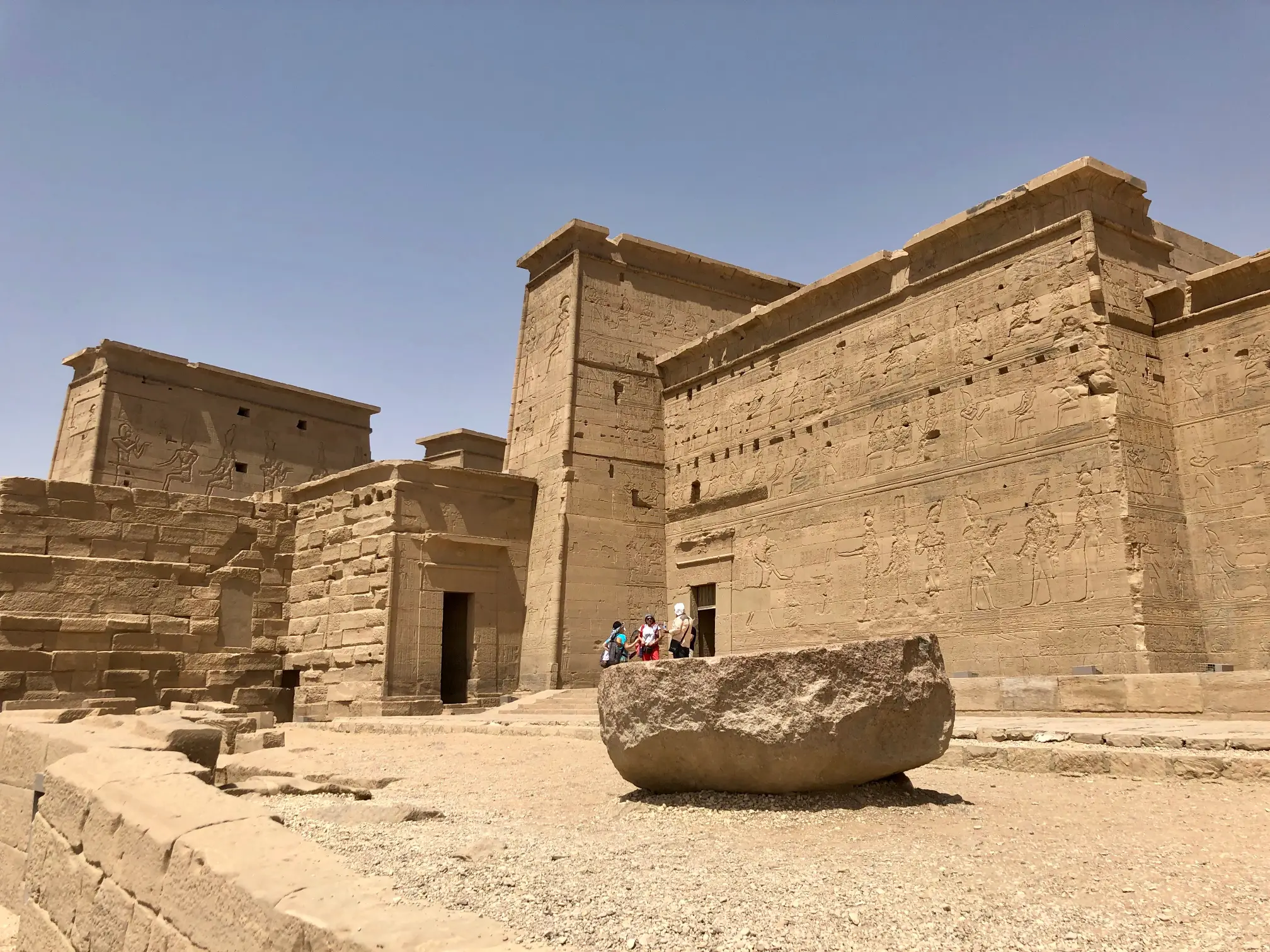
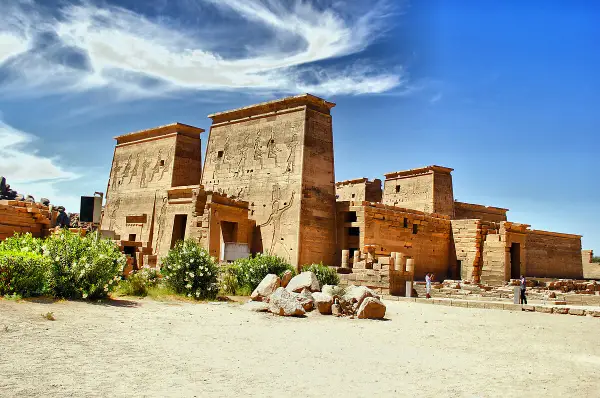
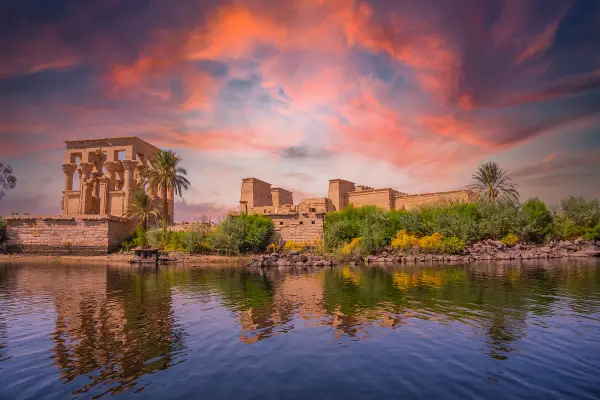
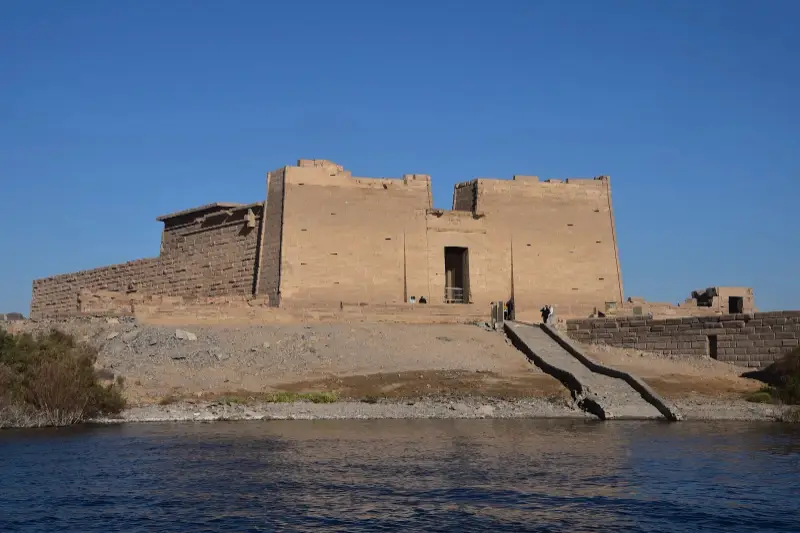
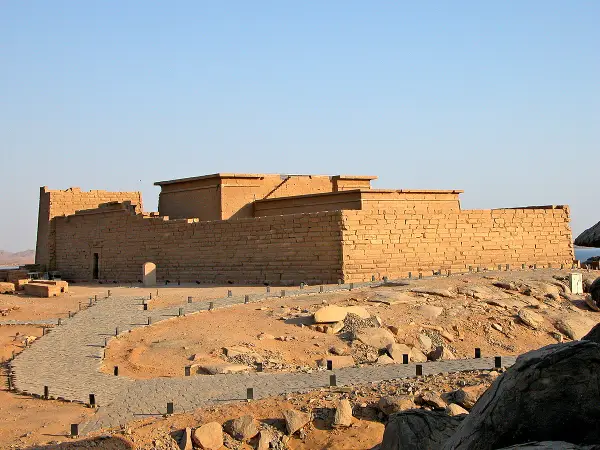
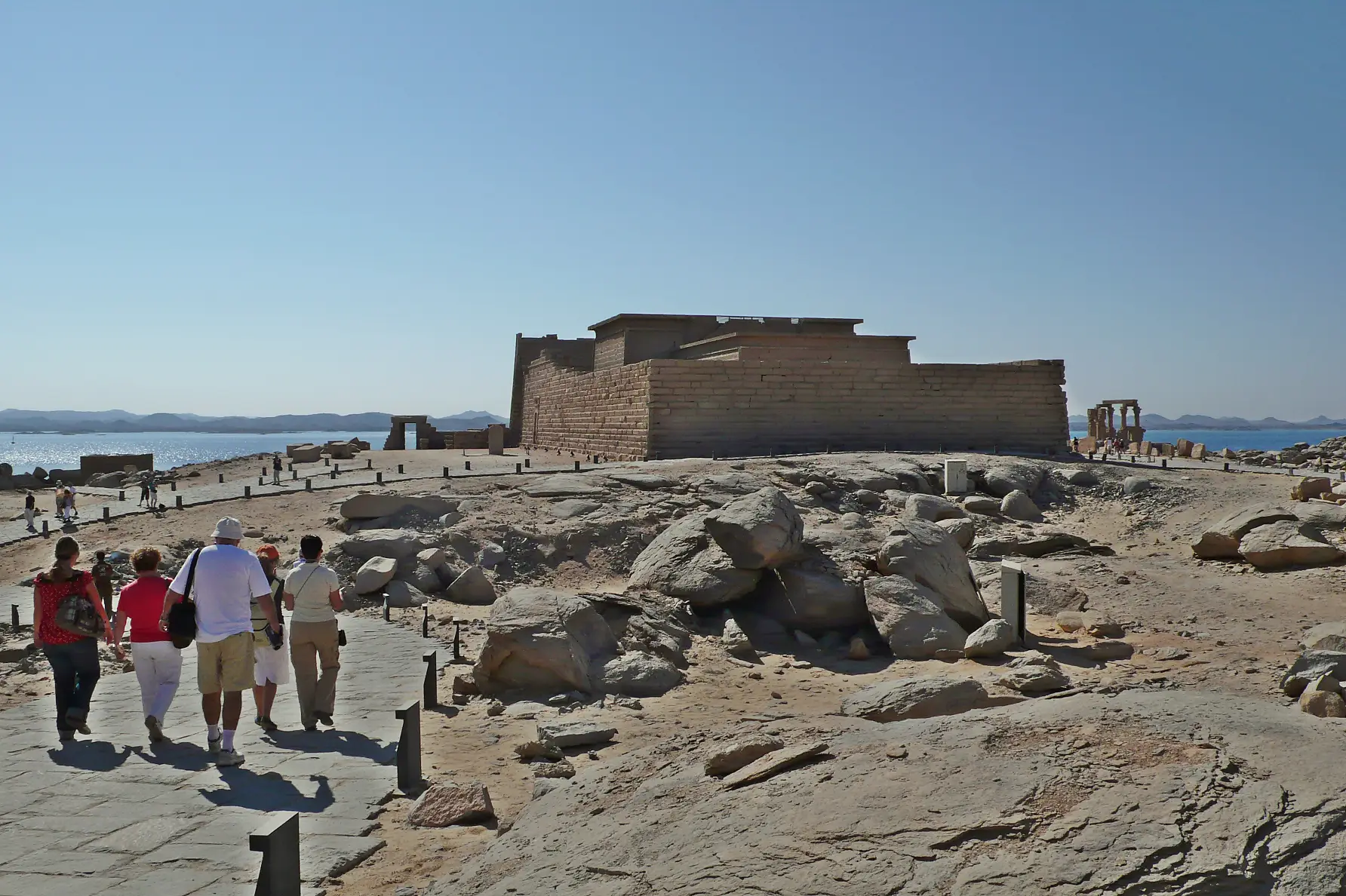
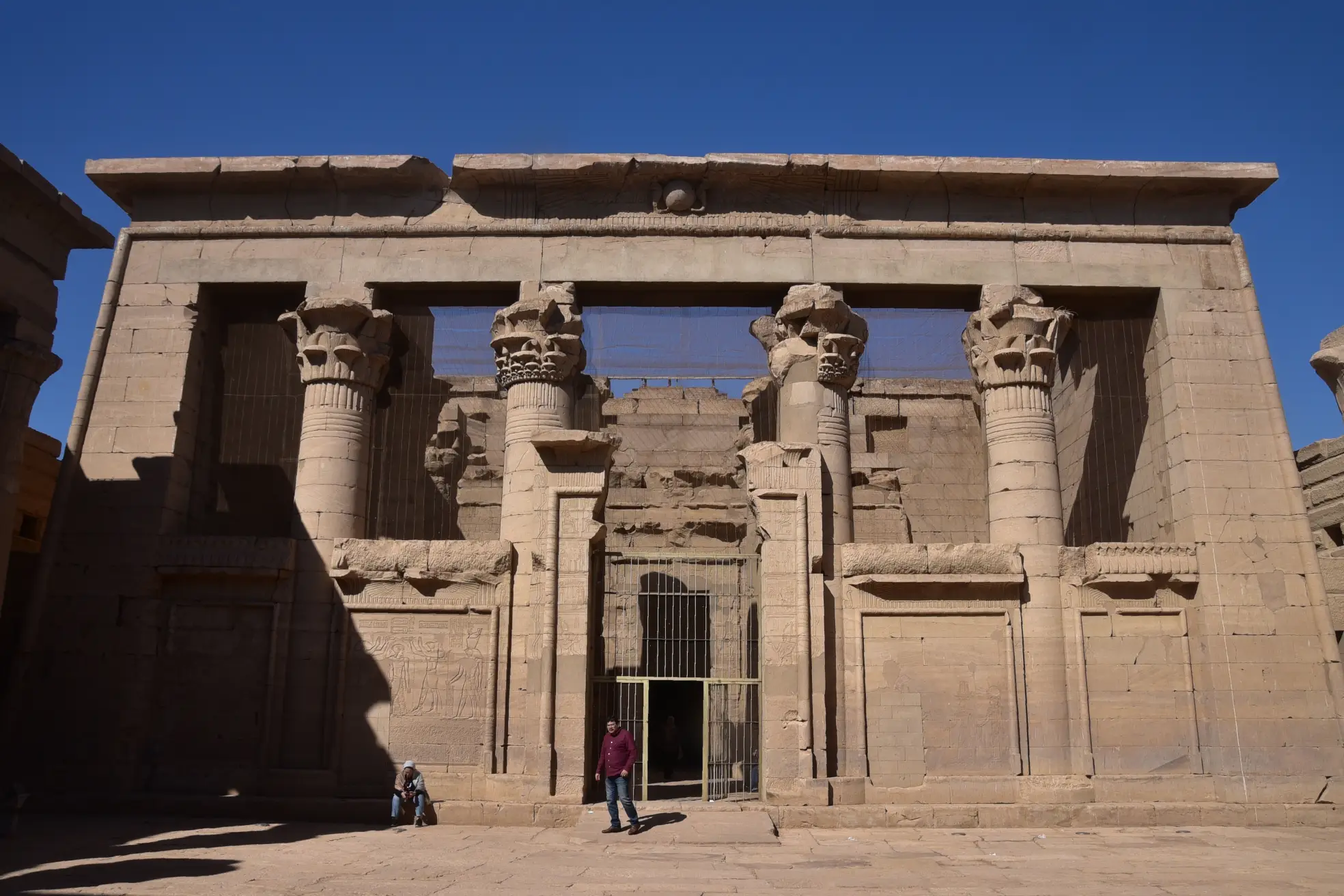
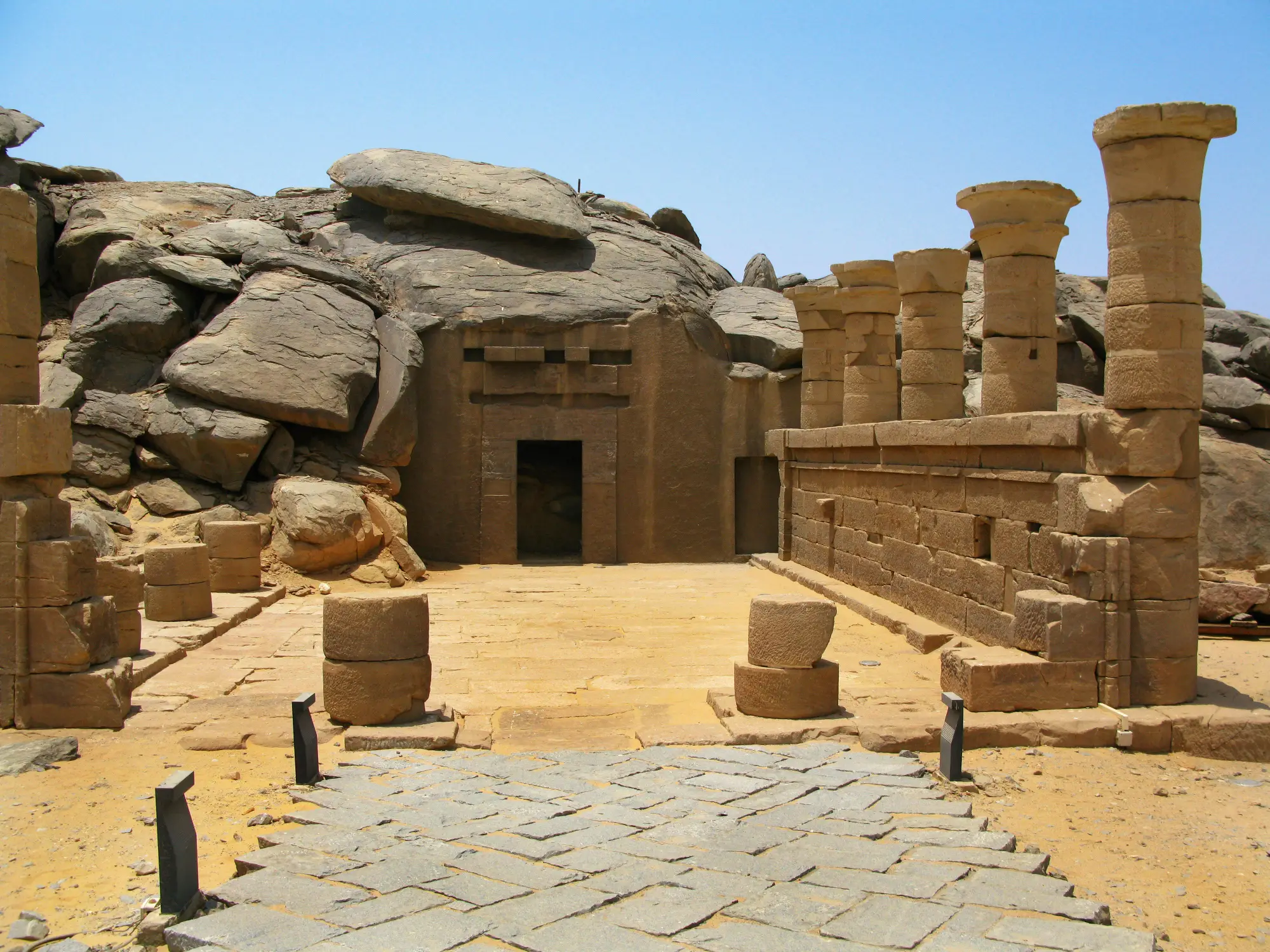
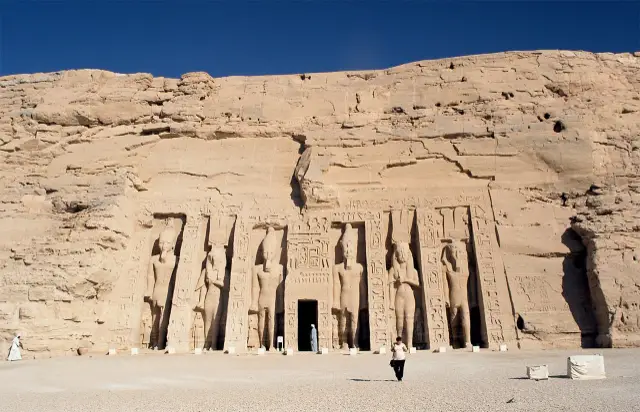
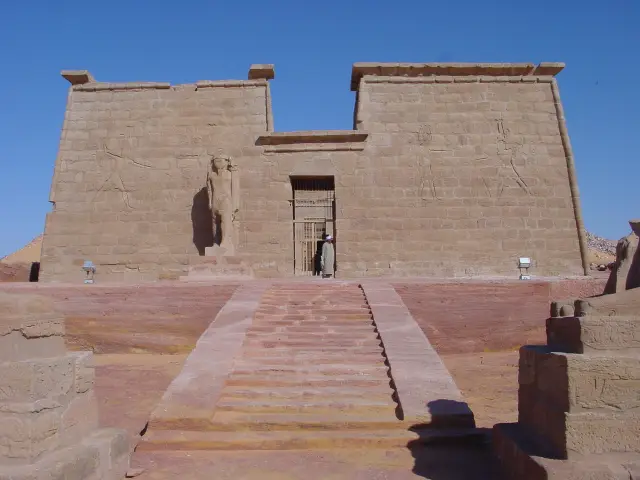
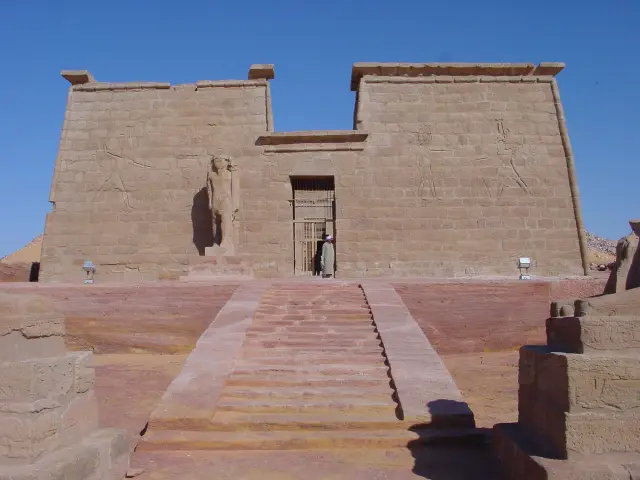
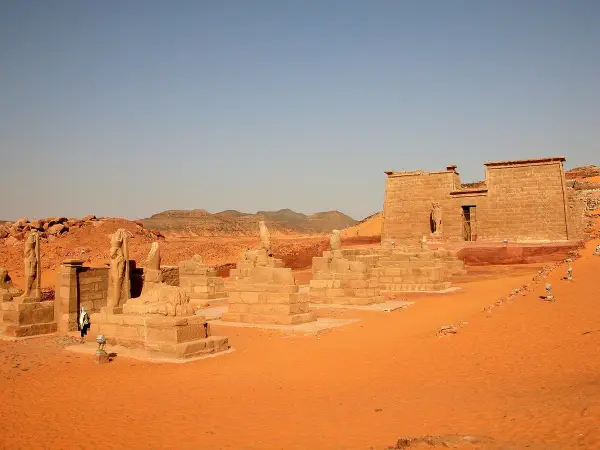
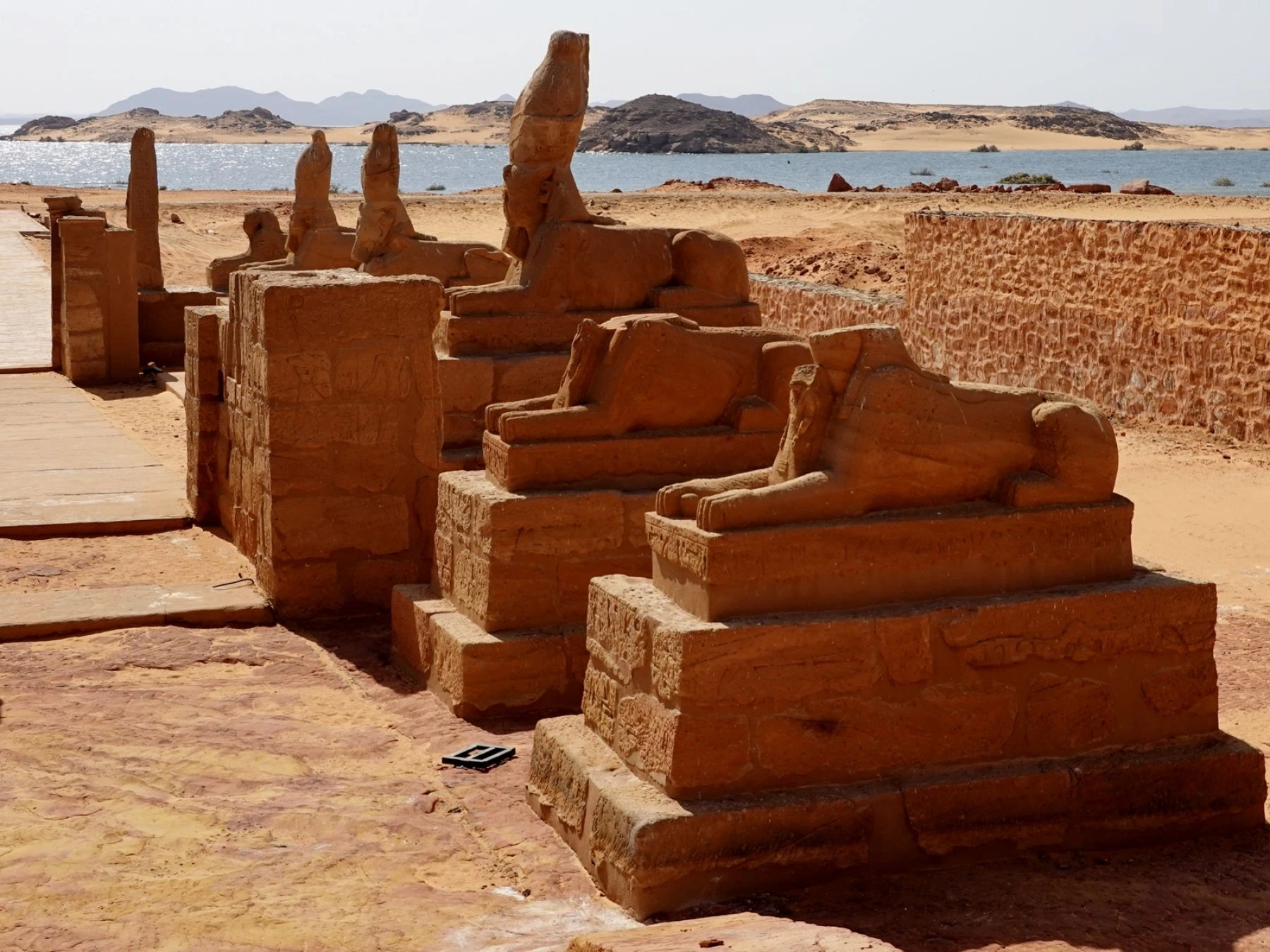
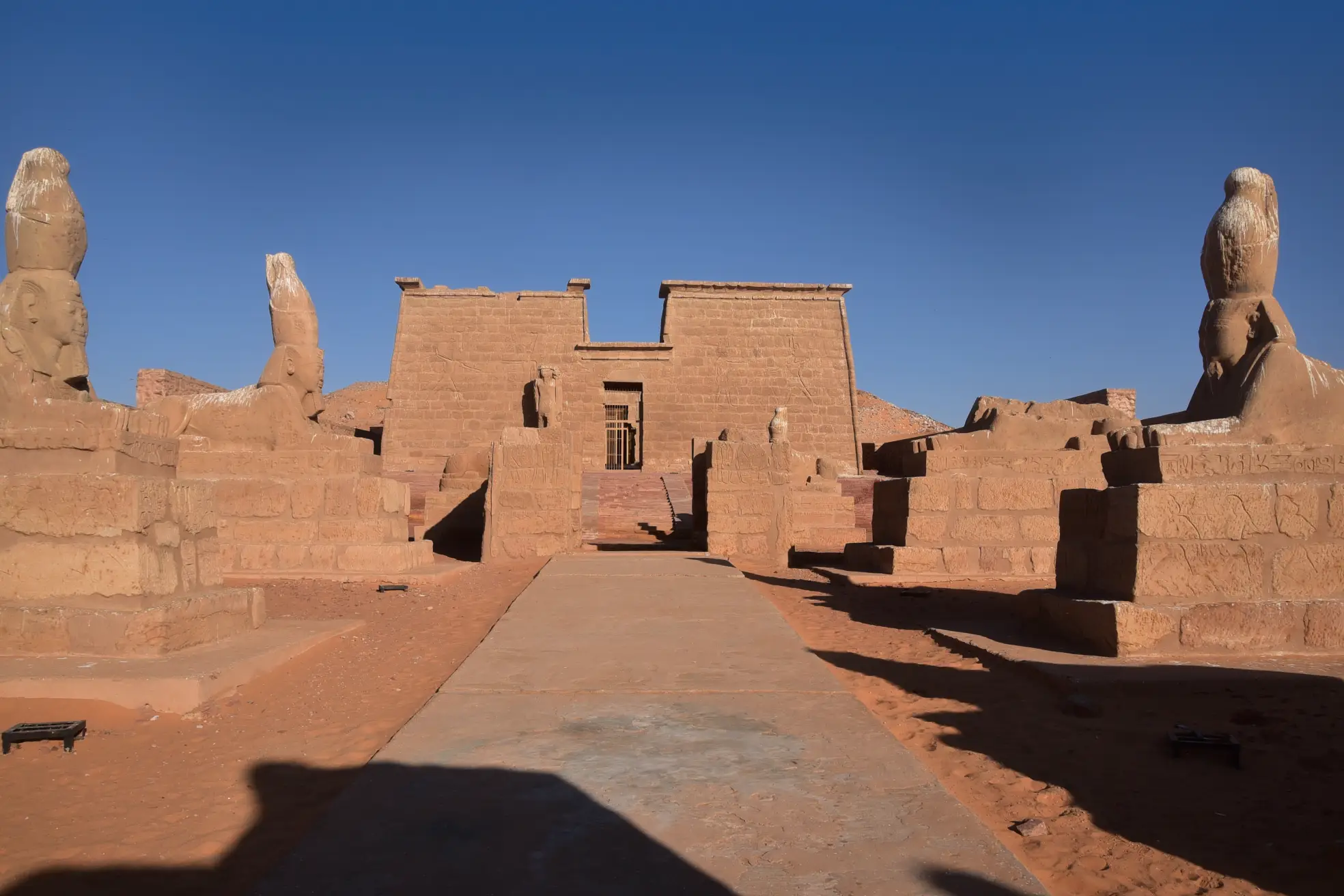
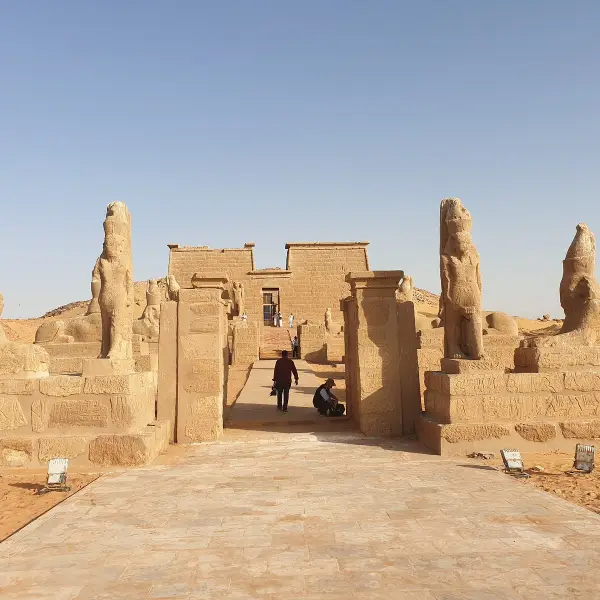
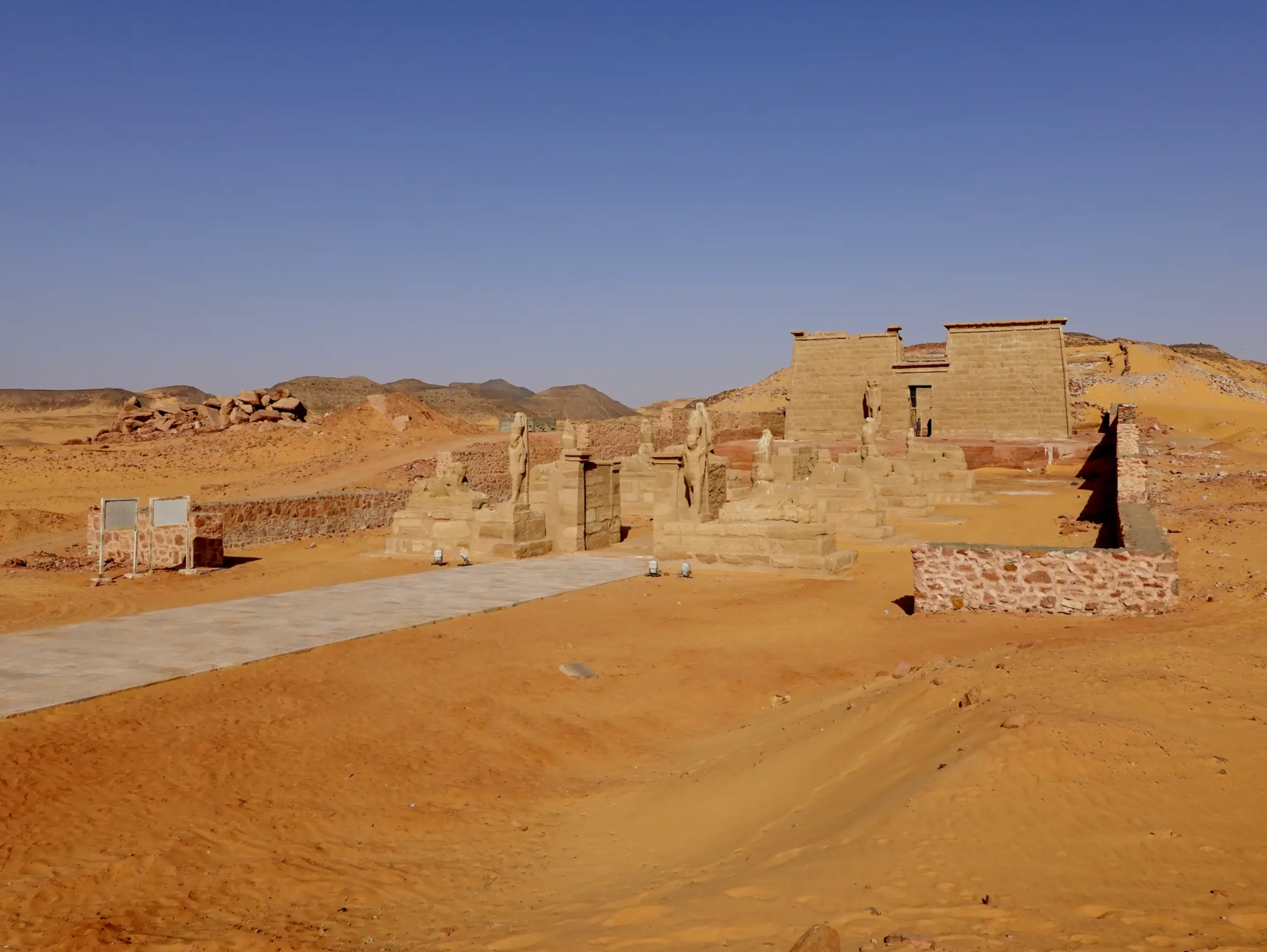
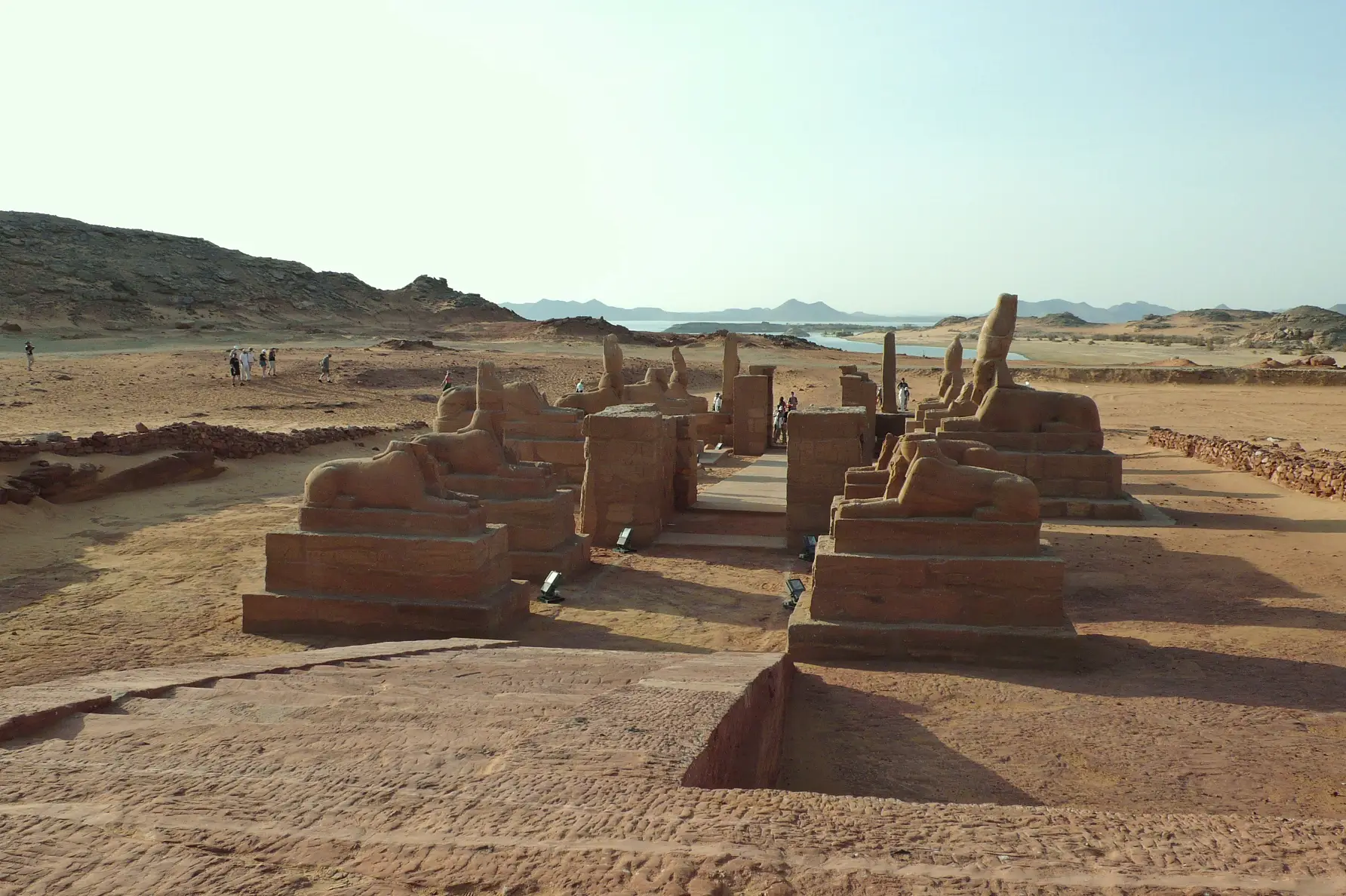
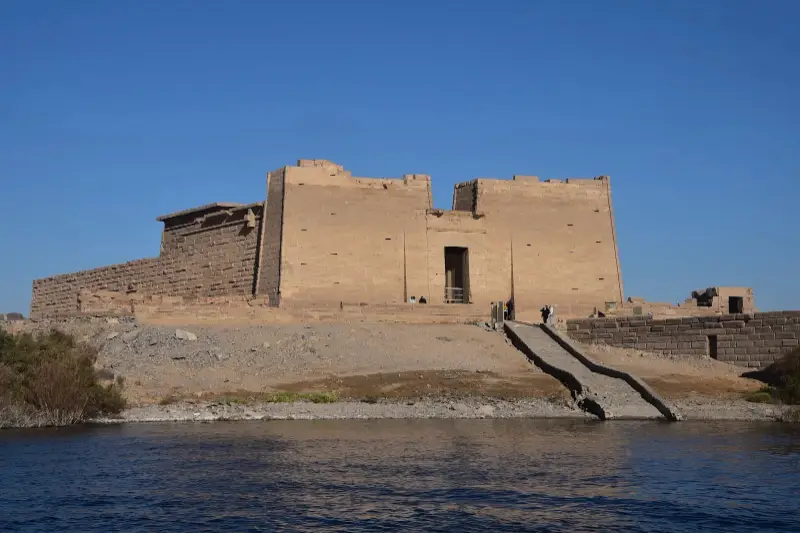
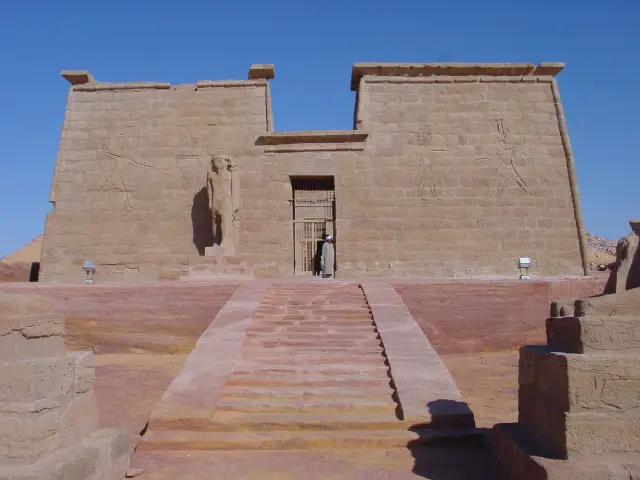
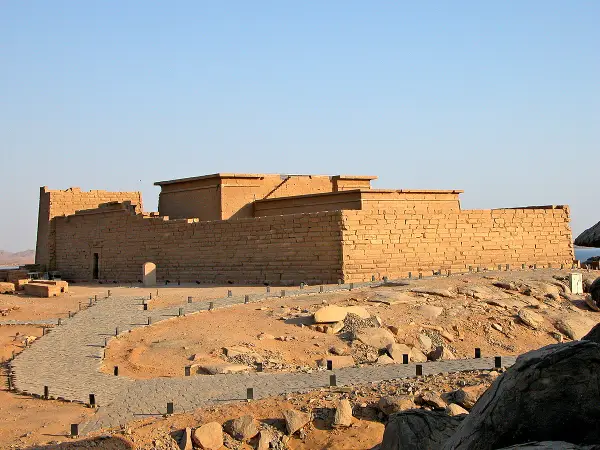
Wadi El-Sebua, meaning "Valley of the Lions," is a temple located in Aswan, Egypt, approximately 150 miles south of the city. Built during the reign of Ramses II, the temple is a magnificent structure dedicated to the gods Amun-Re, Ra-Horakhty, and Ptah. It is renowned for its impressive size and intricate carvings, showcasing the grandeur of Ancient Egyptian architecture.
Built during the 19th Dynasty of the New Kingdom period, the Temple of Wadi El-Sebua was dedicated to the gods Amun and Ra-Horakhty. Its construction was undertaken by Pharaoh Ramses II, who also built the Temple of Abu Simbel. The temple was erected to mark Ramses II's victory in the south of Egypt and maintain his authority over the Nubian region.
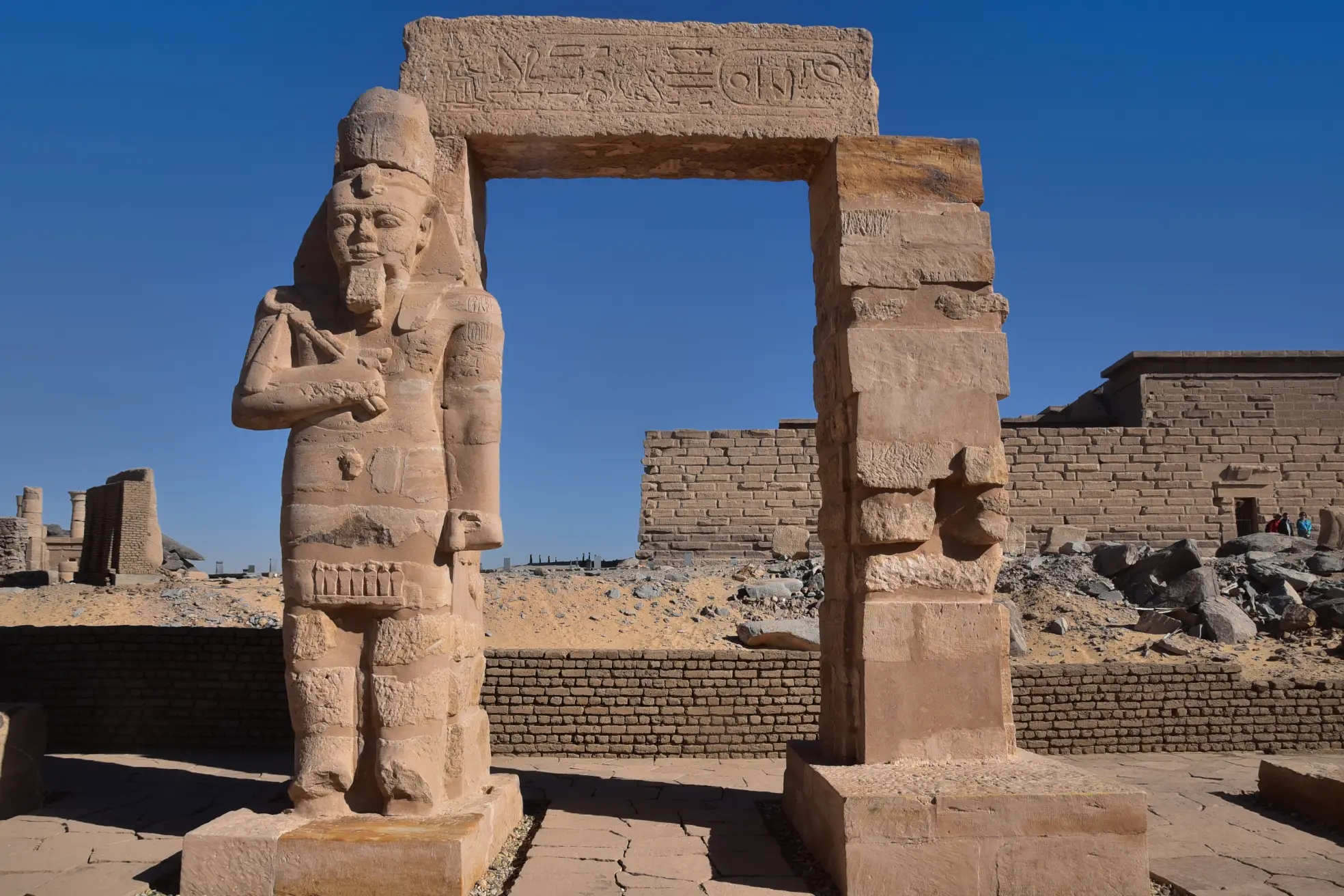
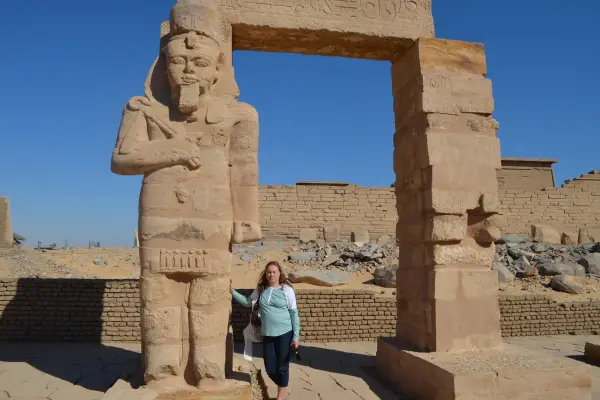
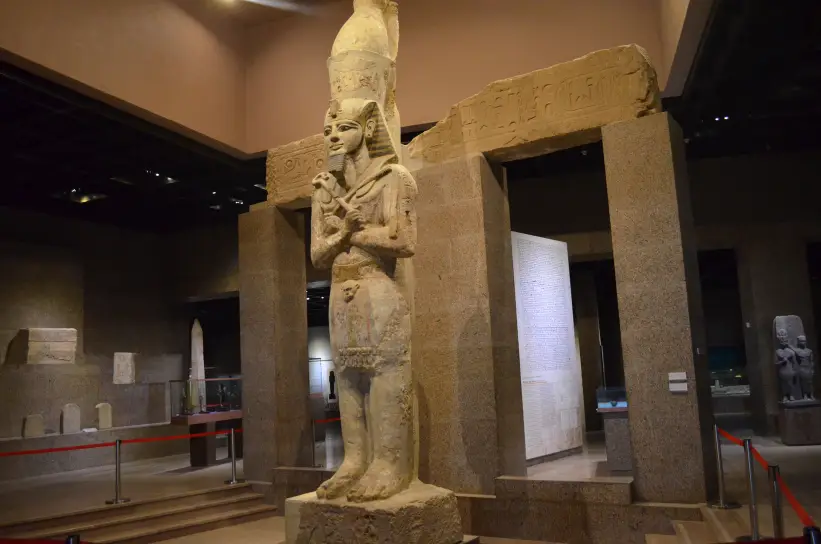
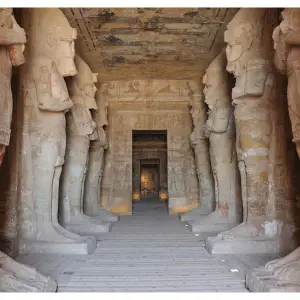
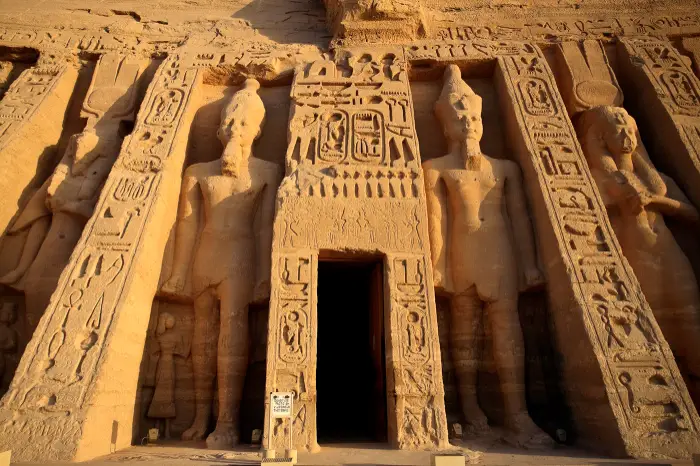
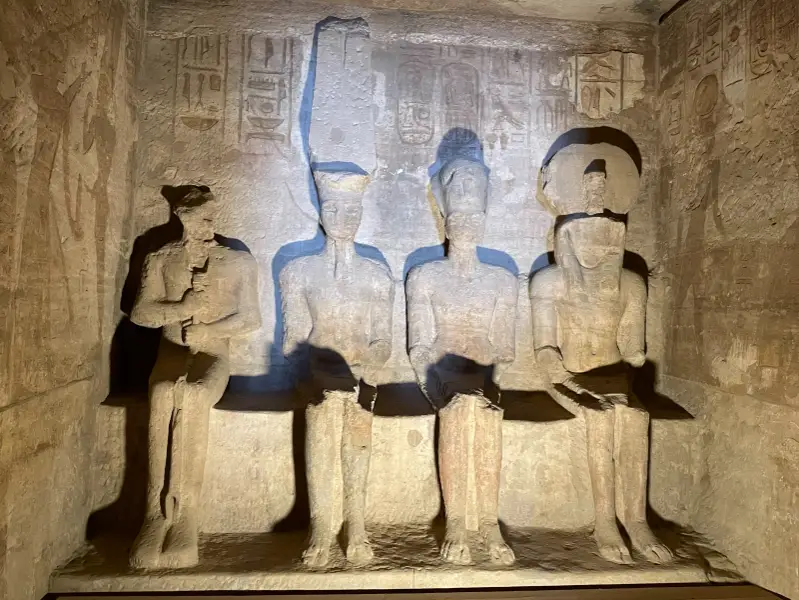
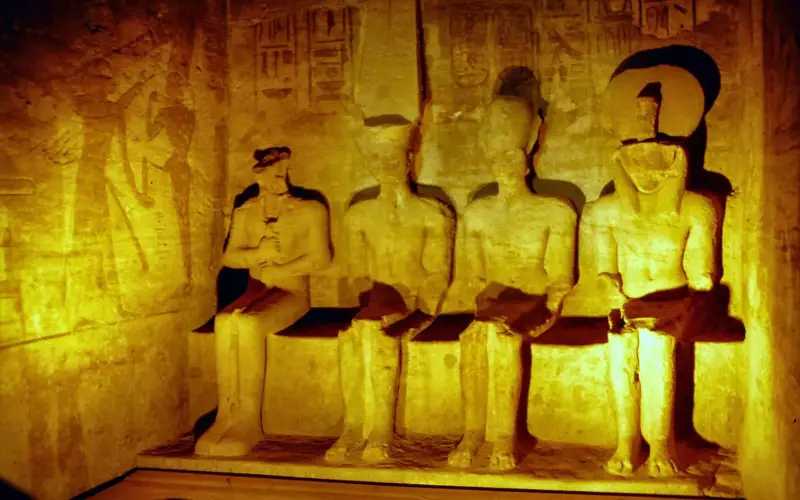
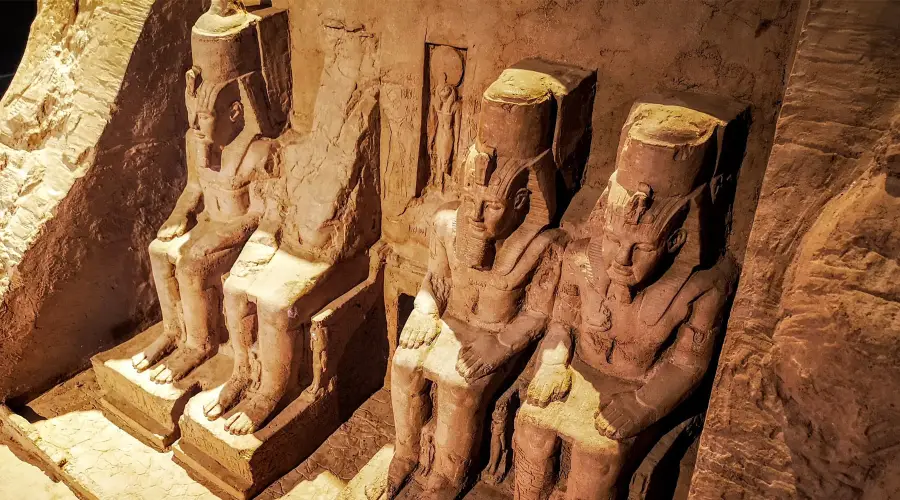
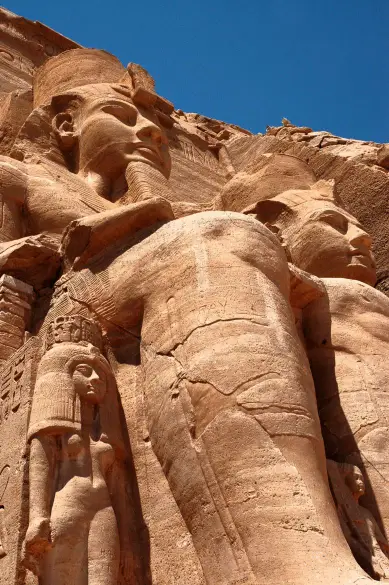
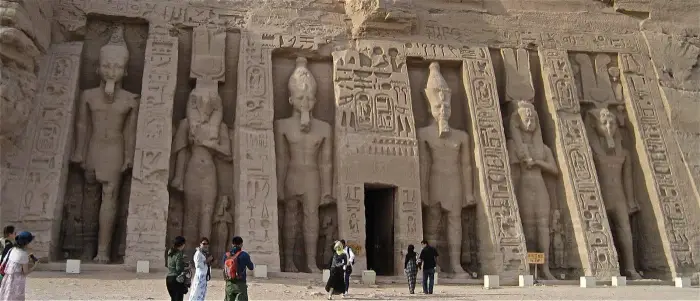
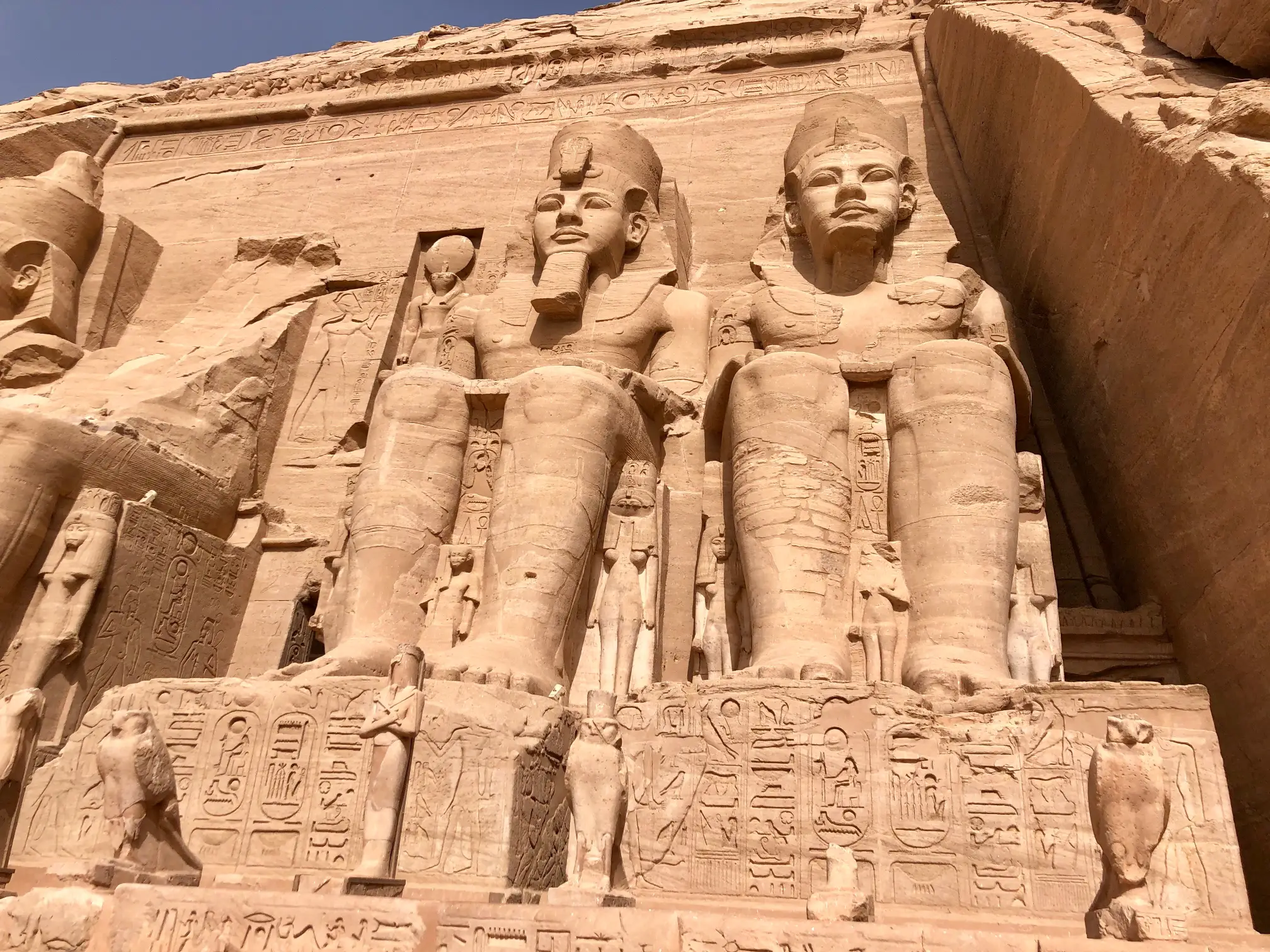
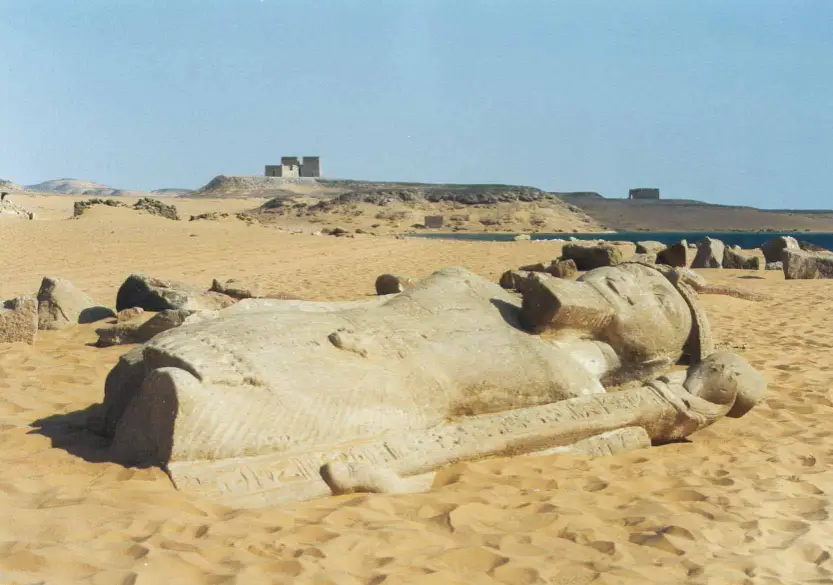
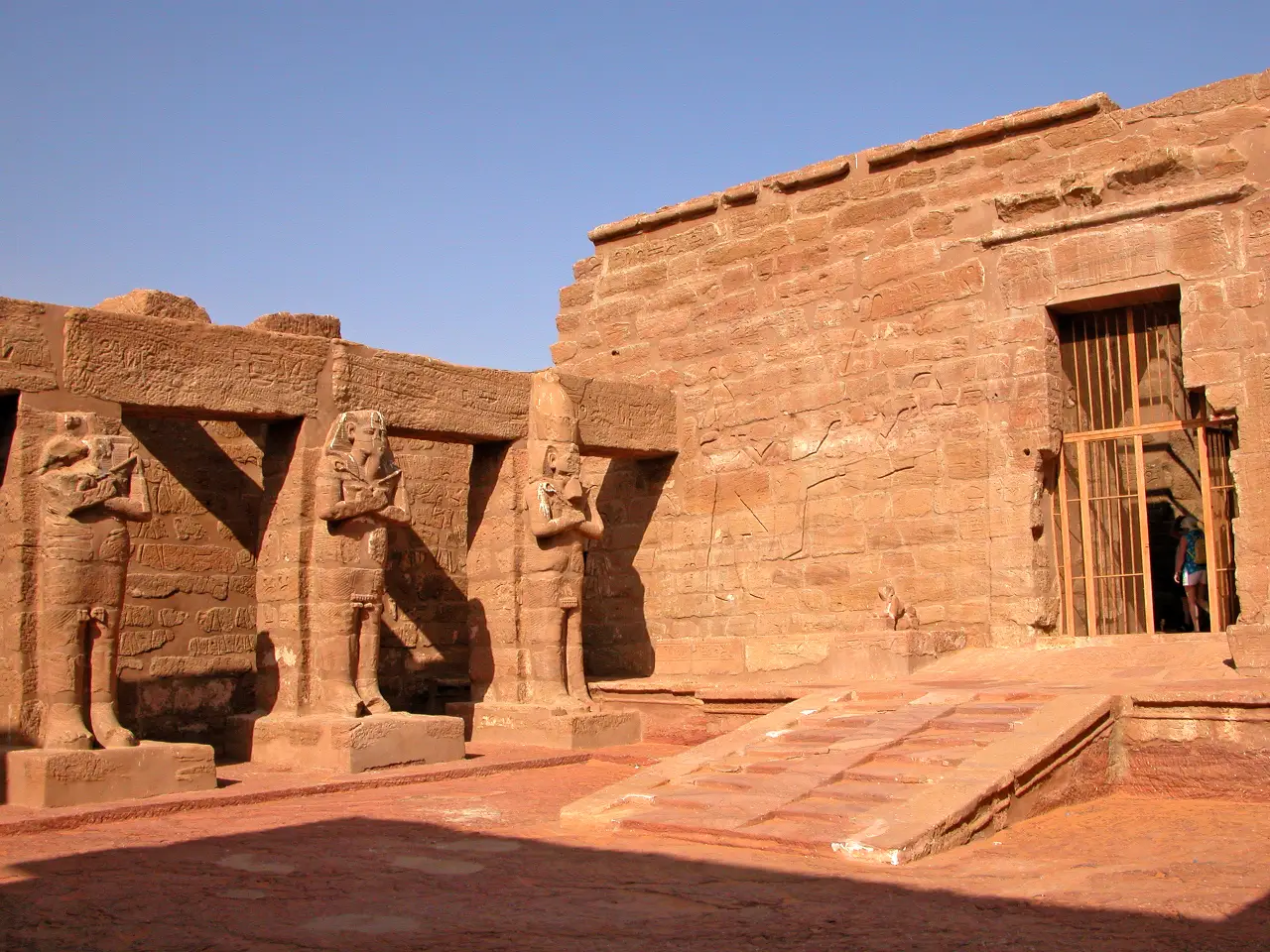
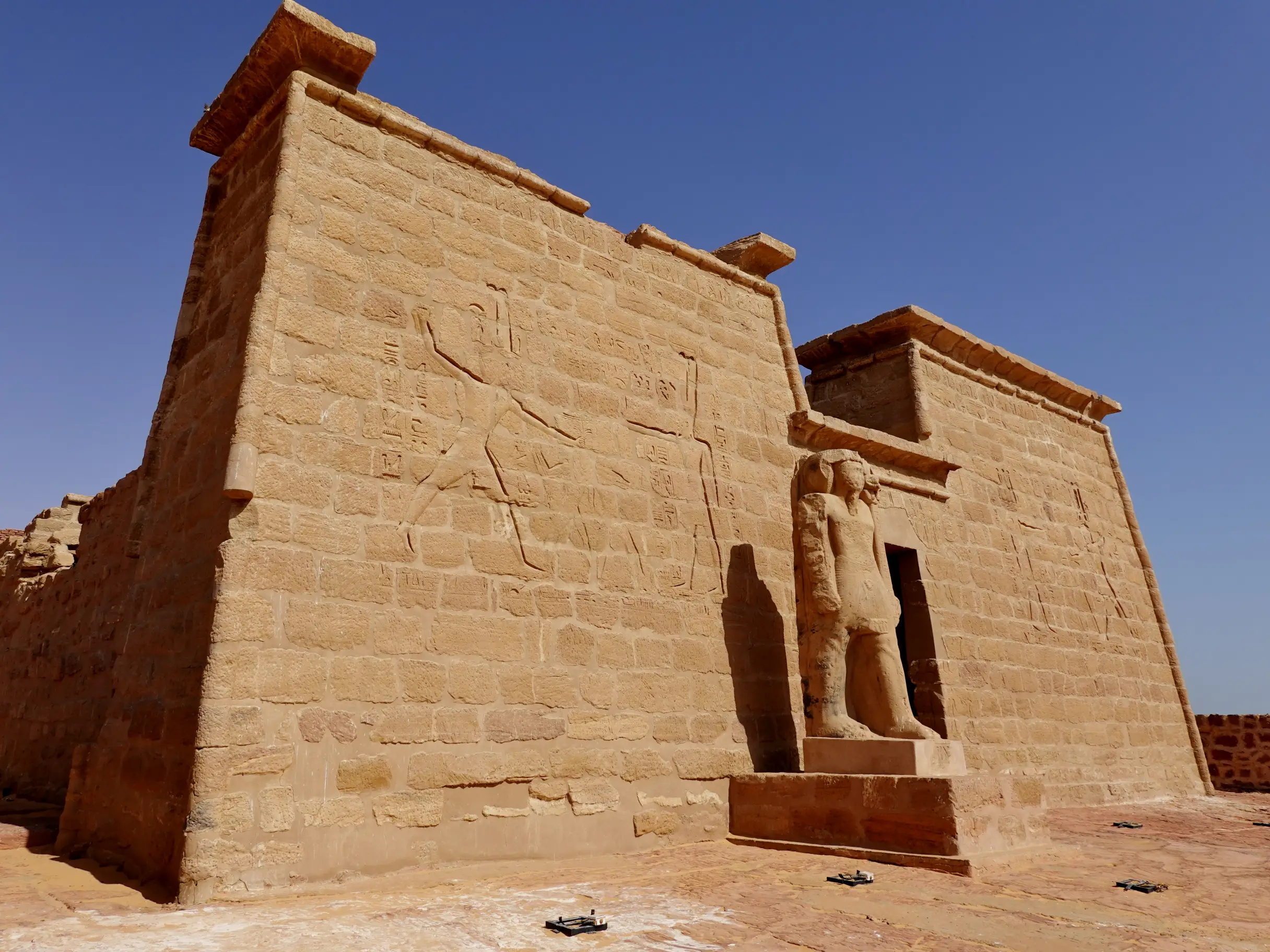
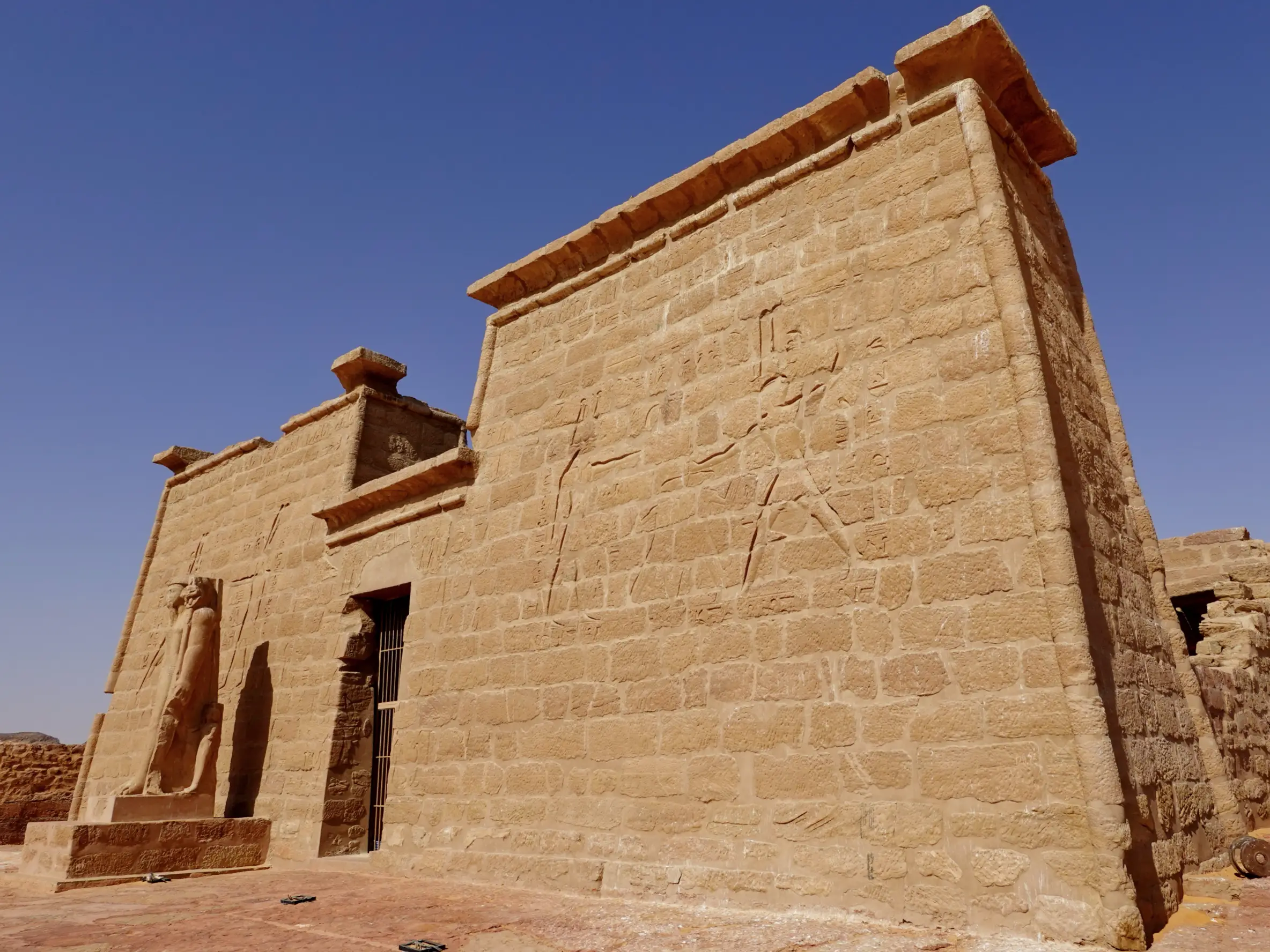
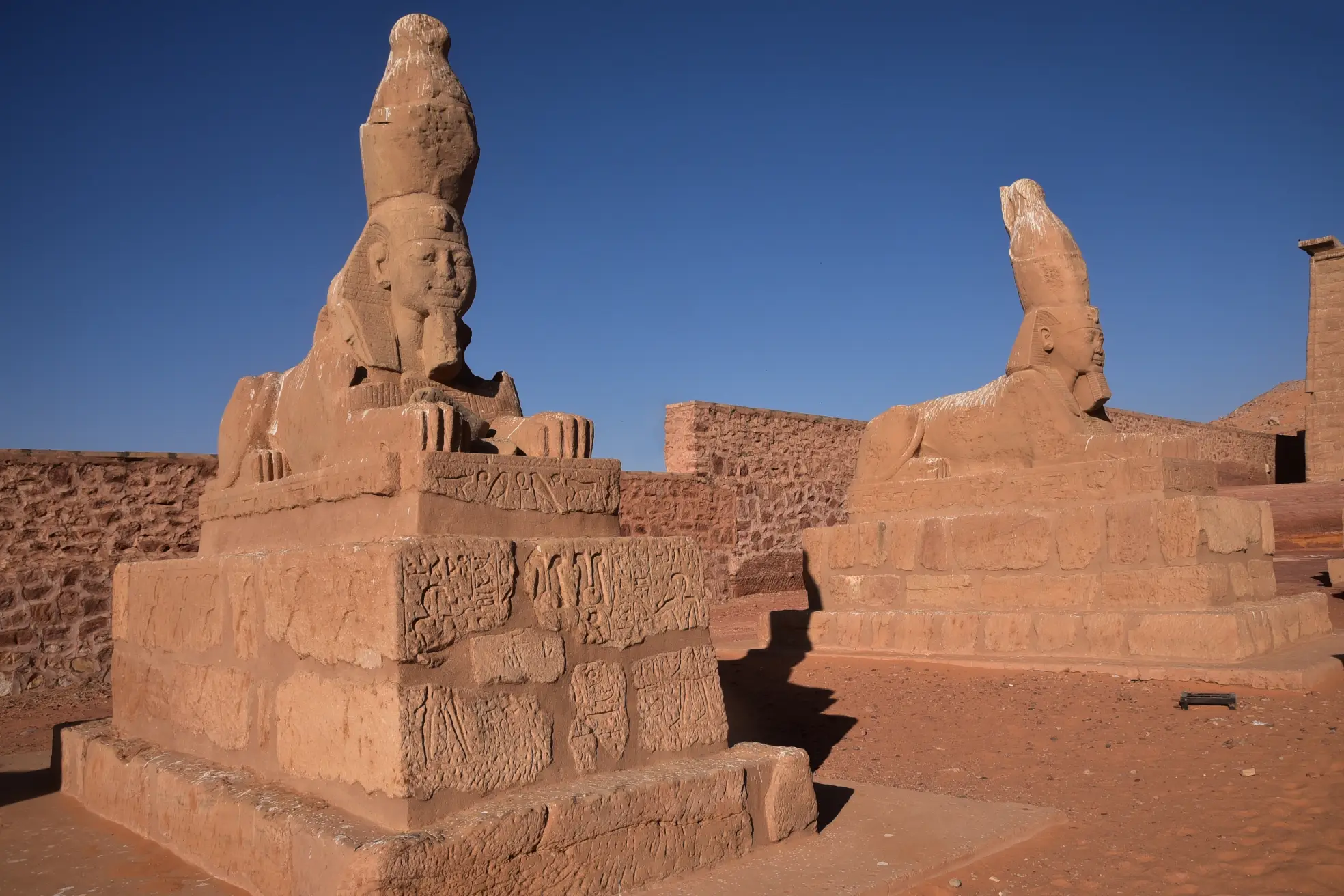
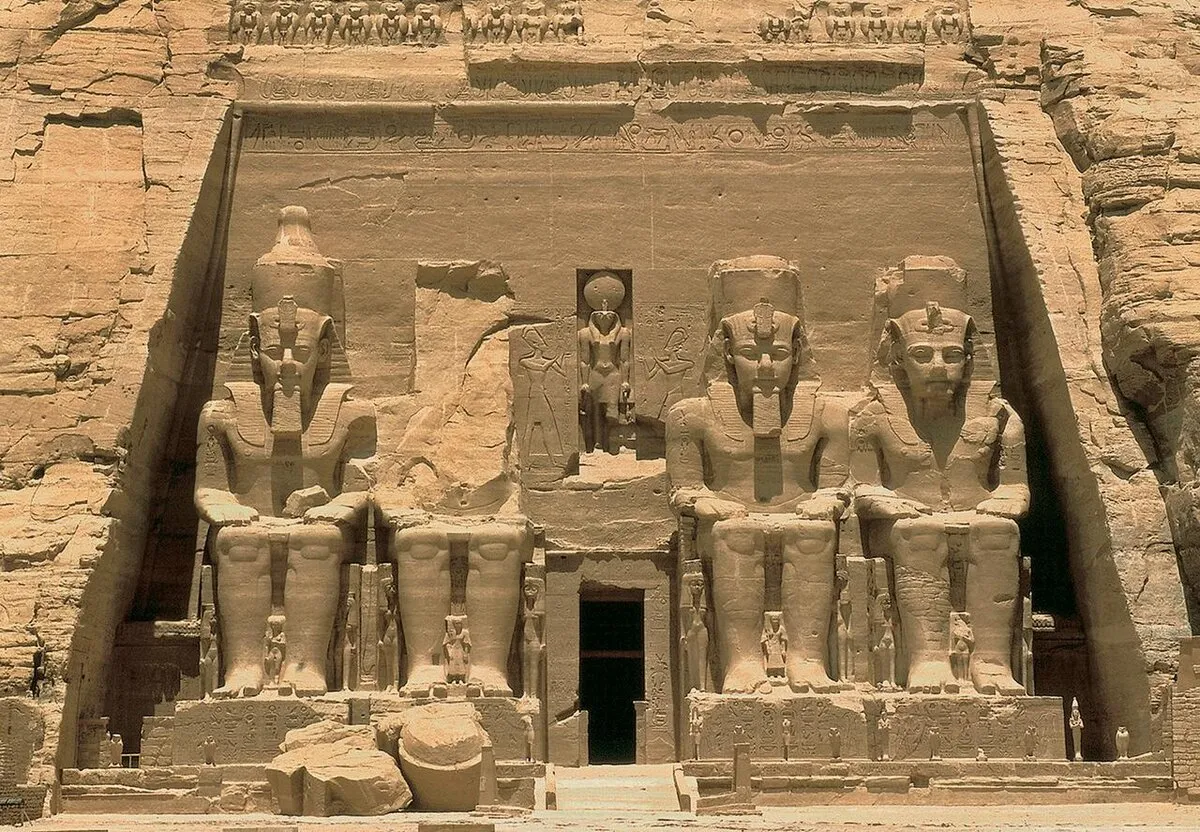
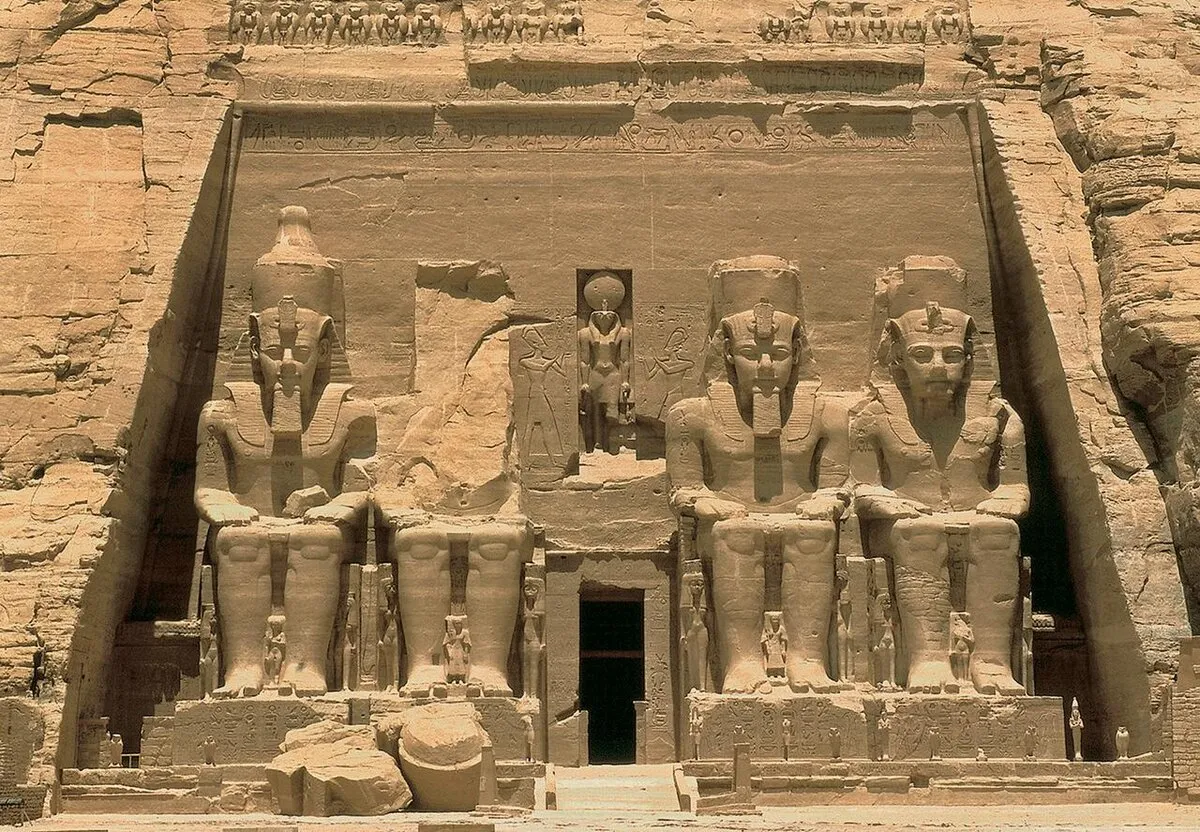
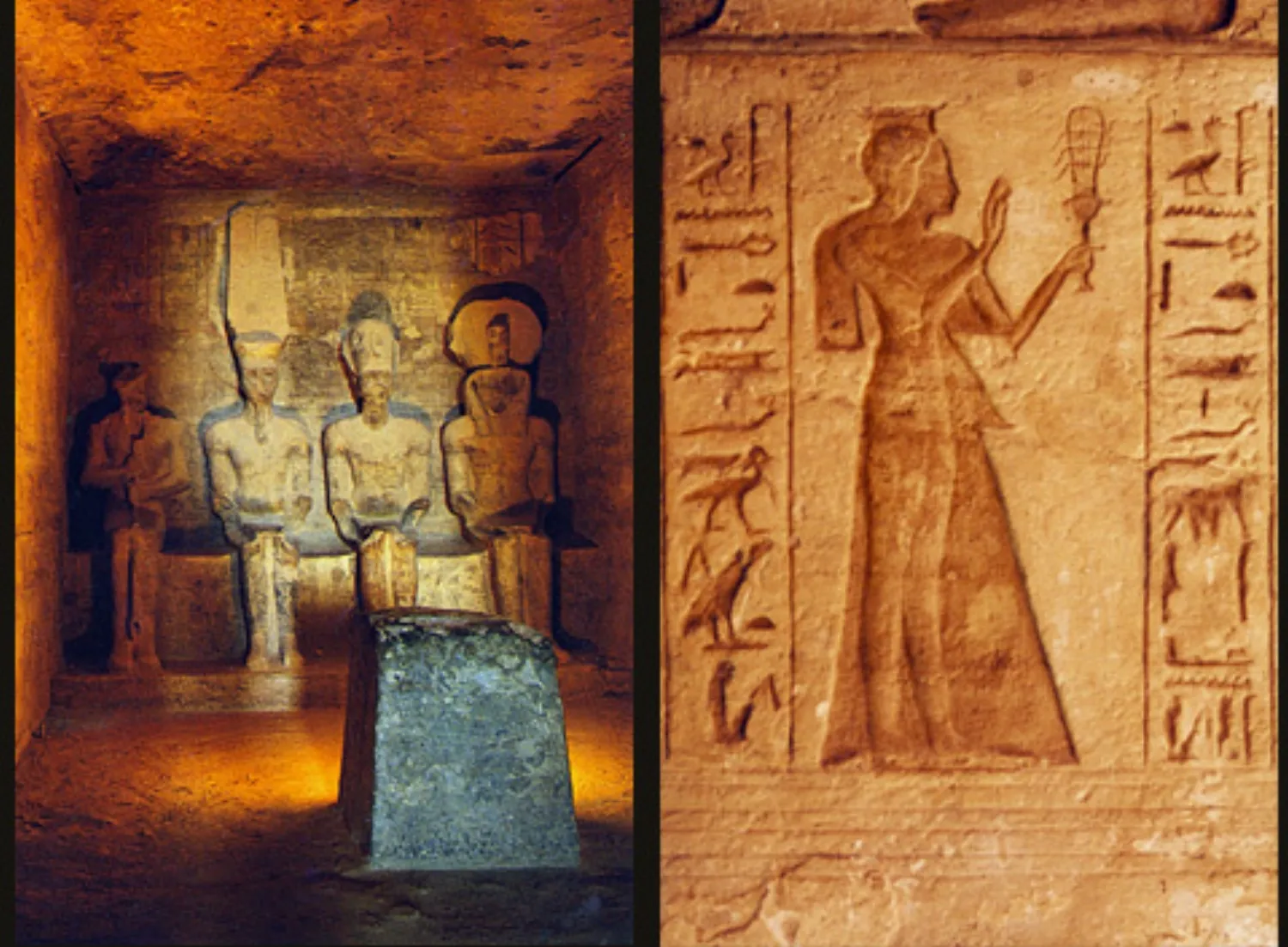
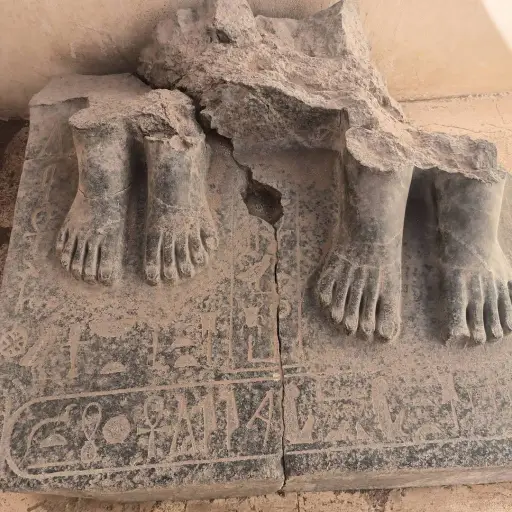
The Temple of Wadi El-Sebua is especially notable for its imposing statues at the entrance, depicting the Pharaoh seated on a throne. These statues, which stand at an impressive height of 18 meters, are a testament to Ramses II's power and authority.
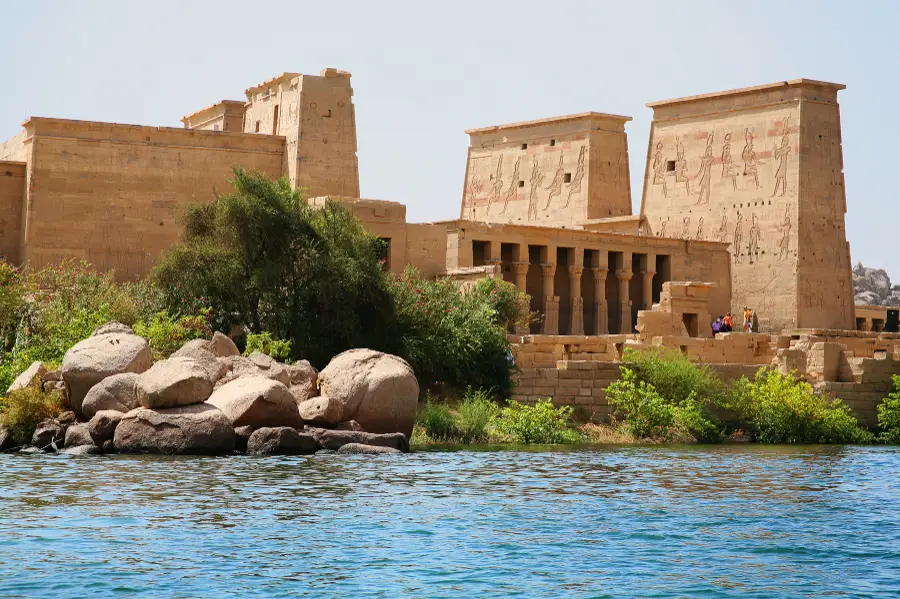
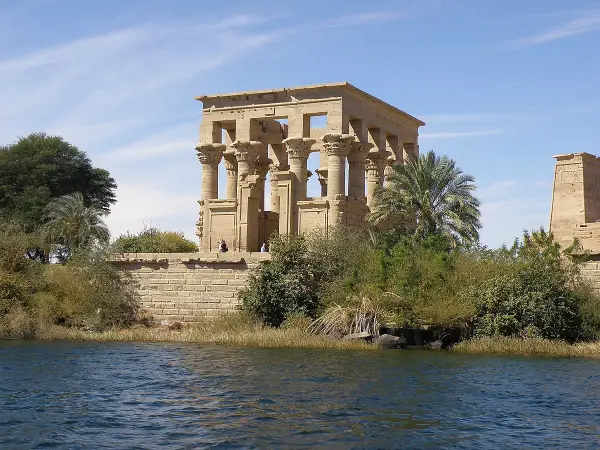
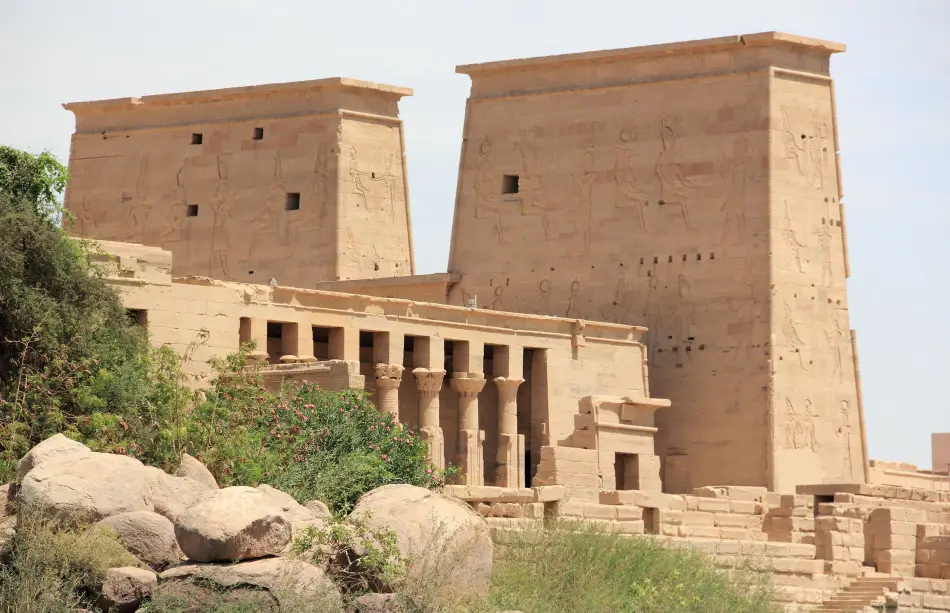
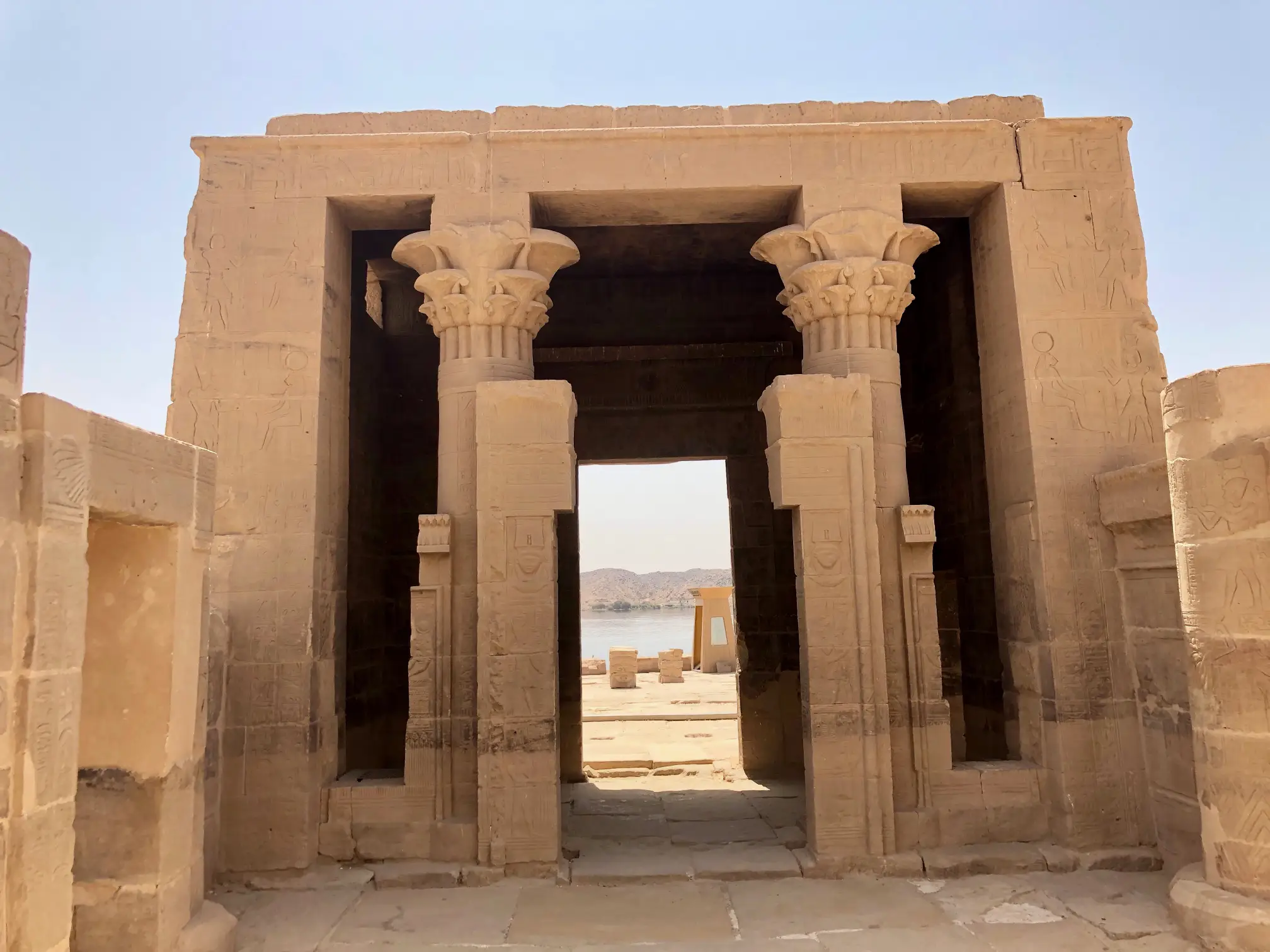
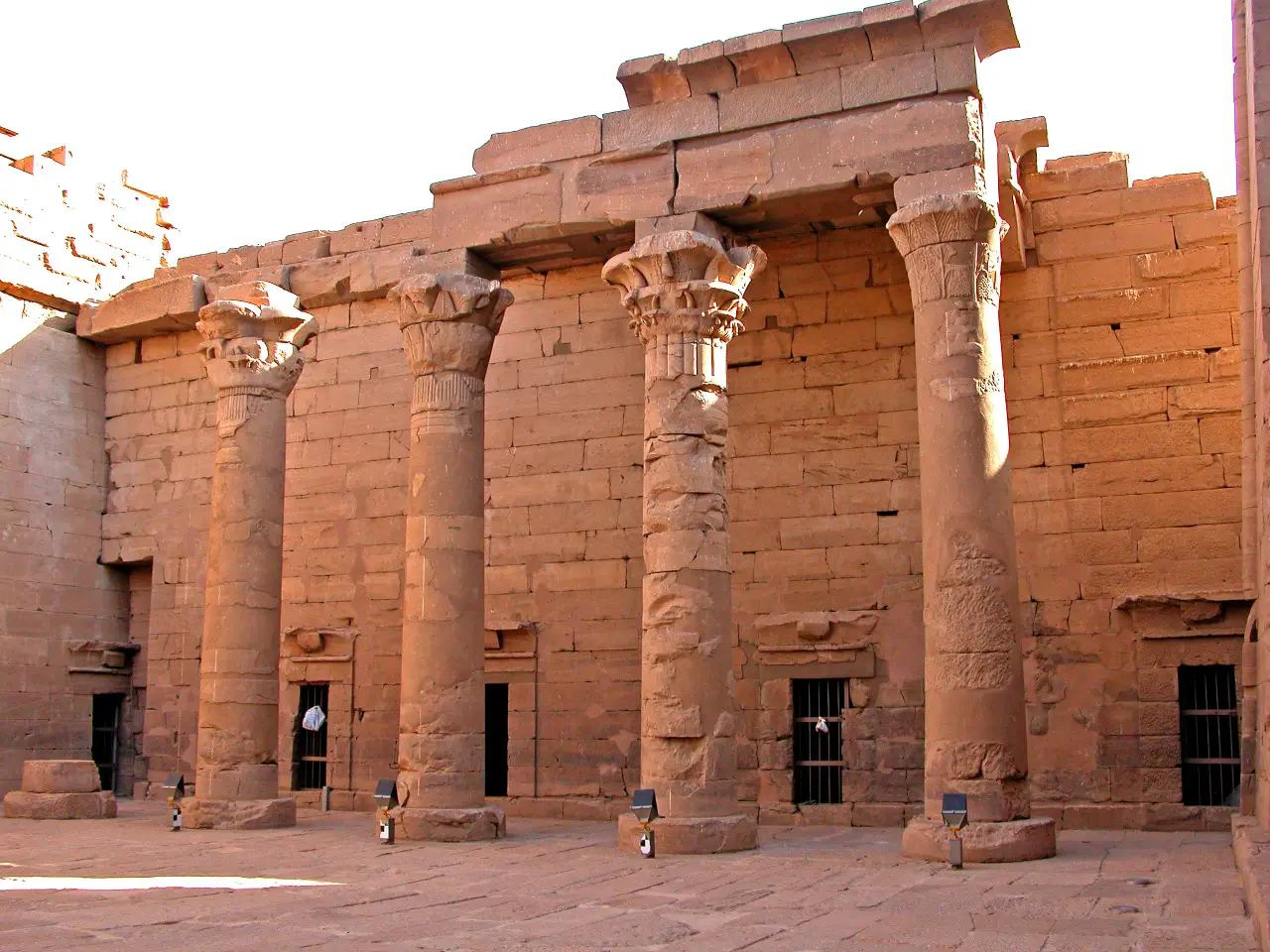
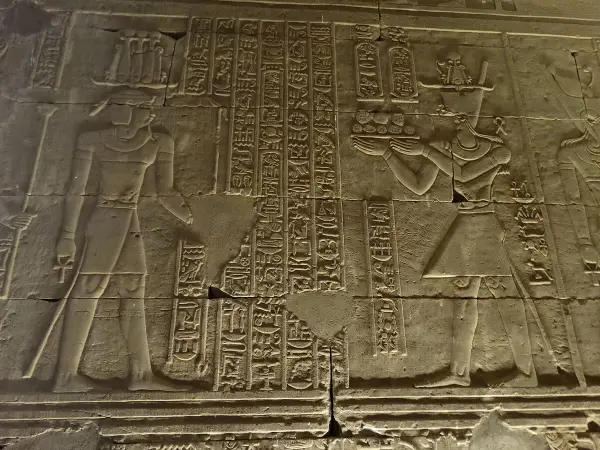
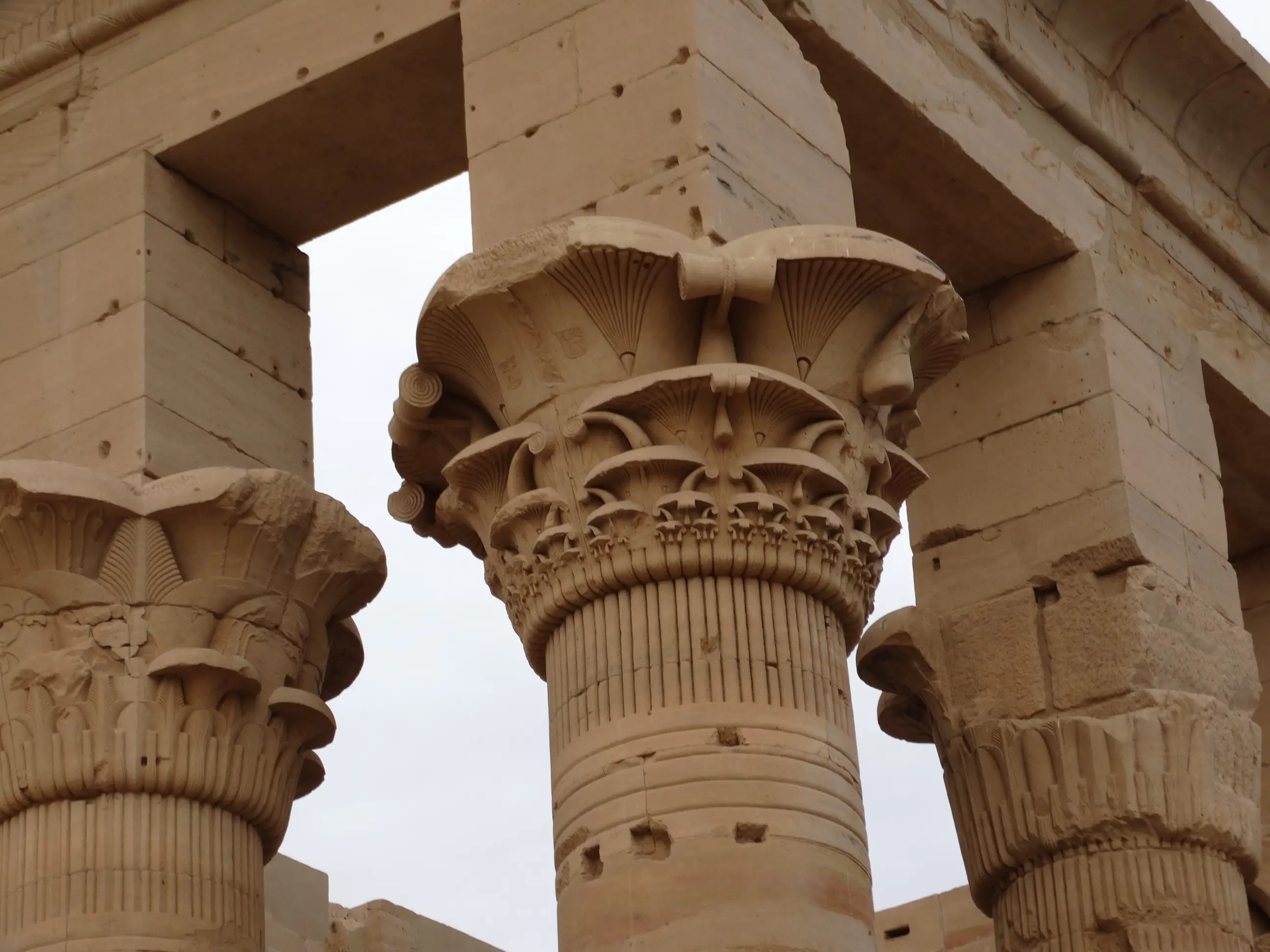
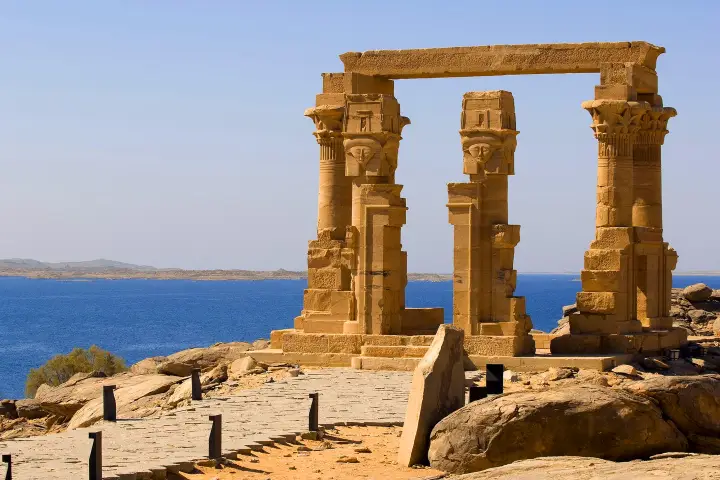
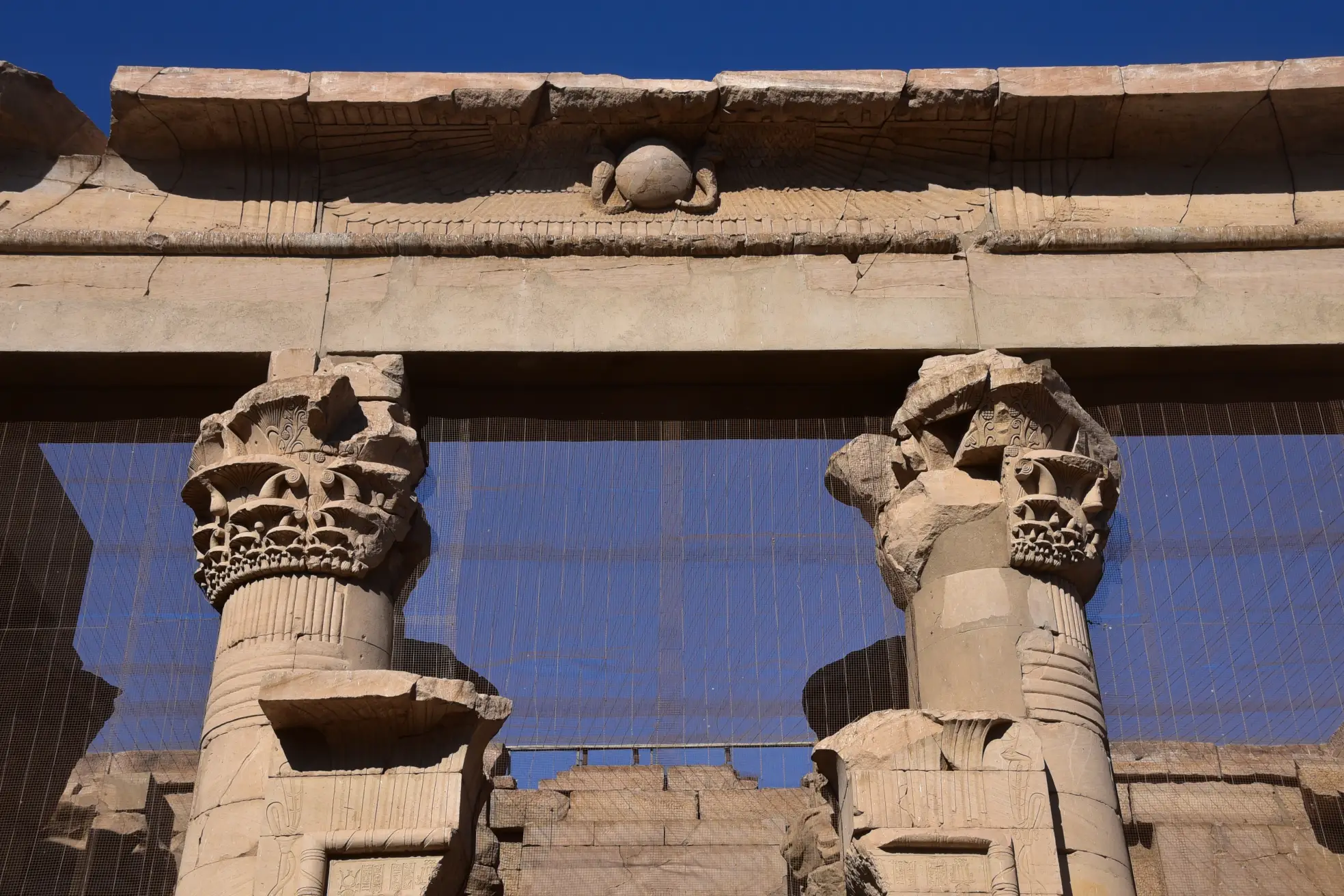
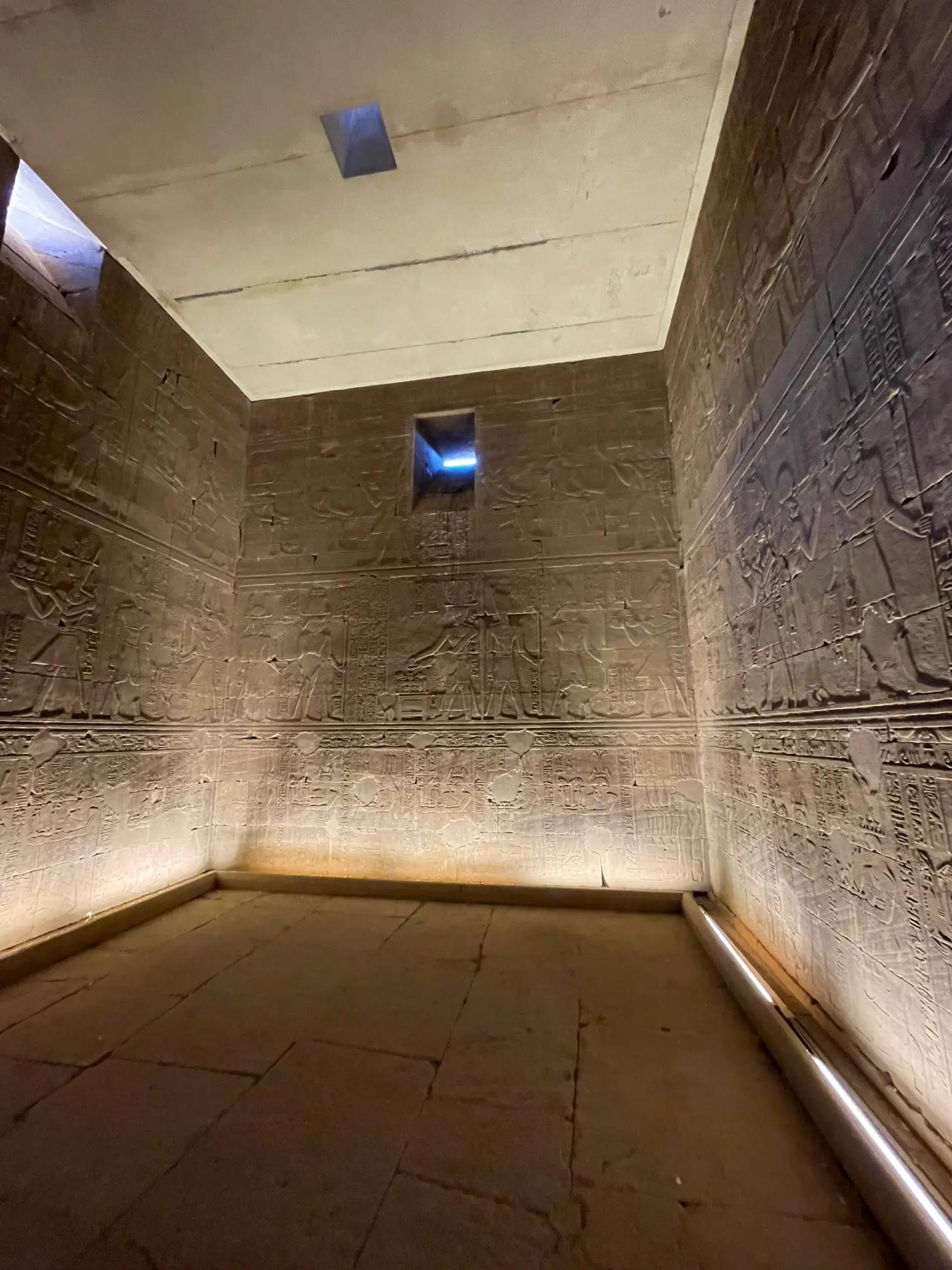
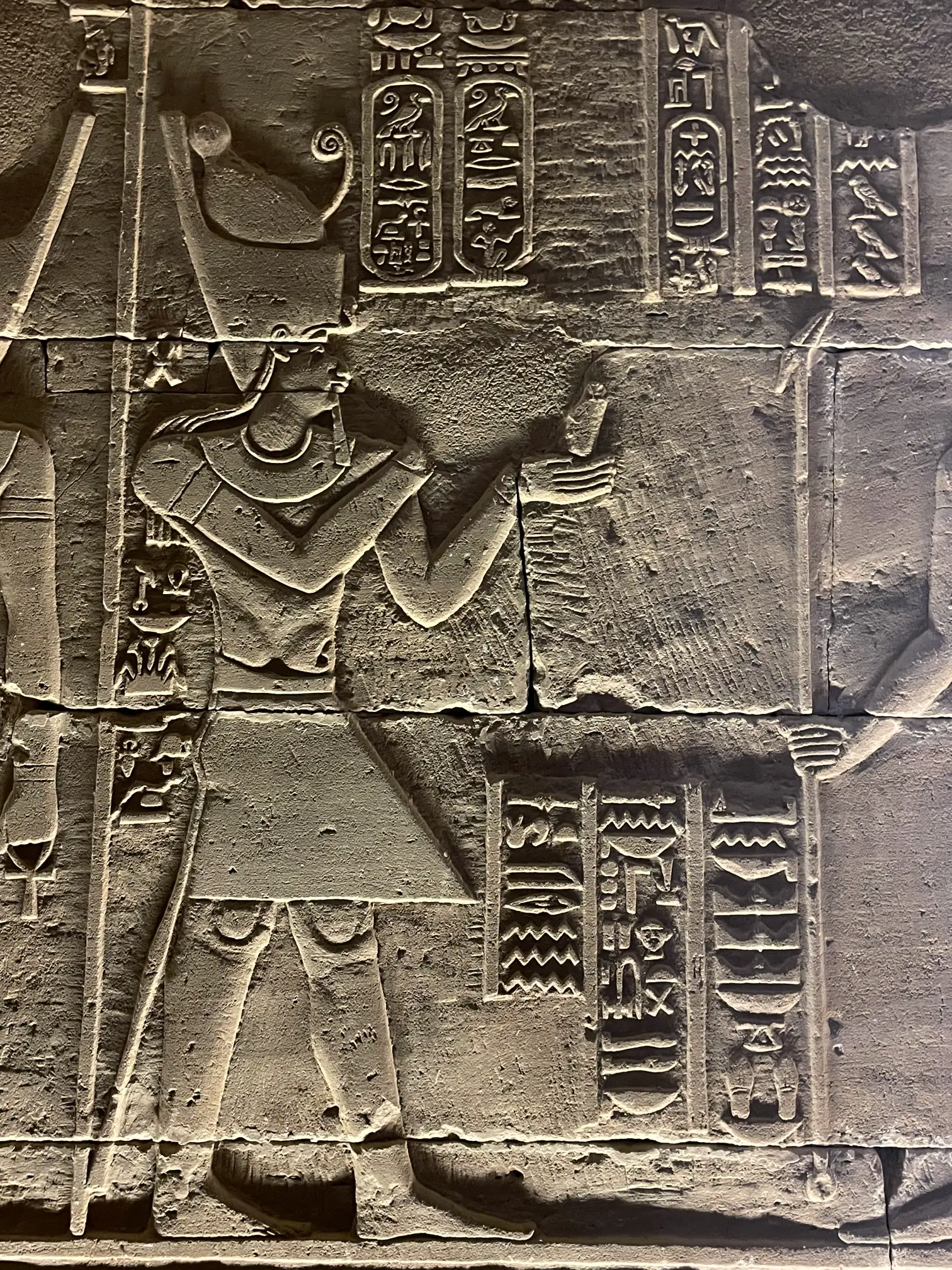
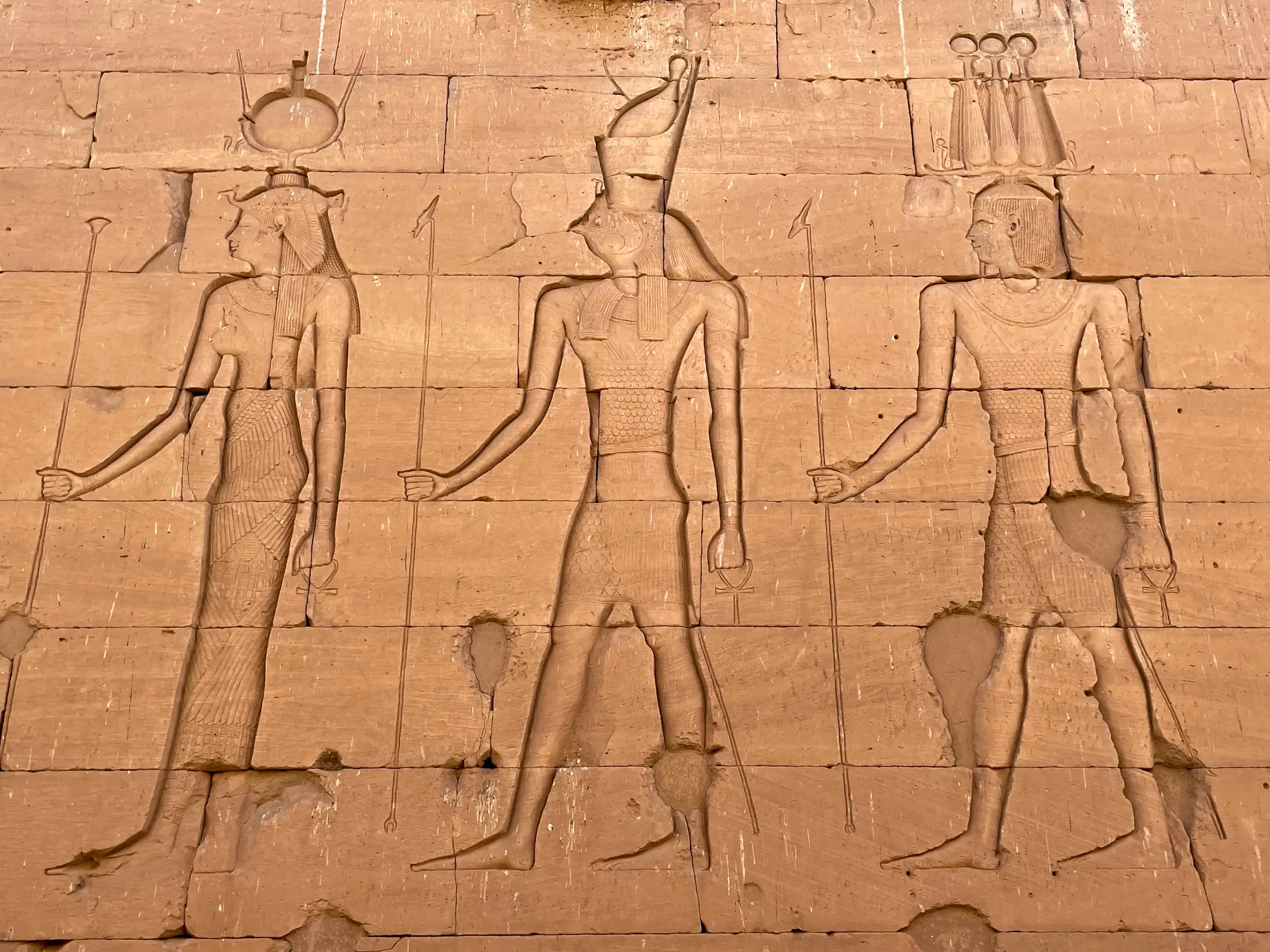
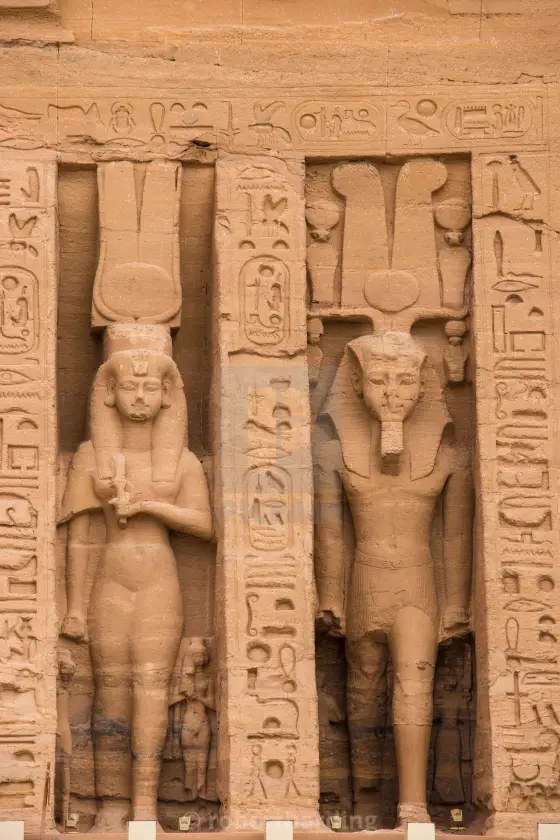
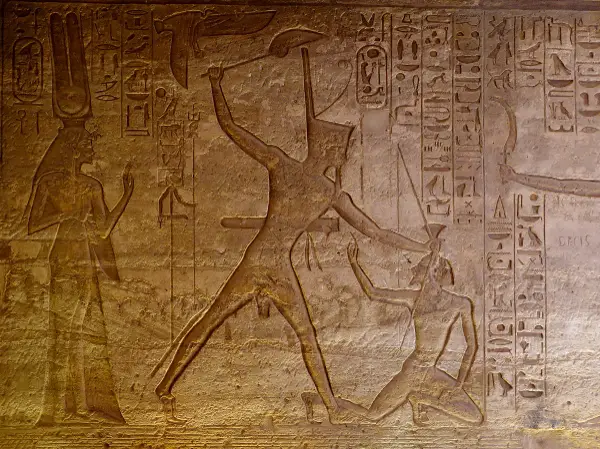
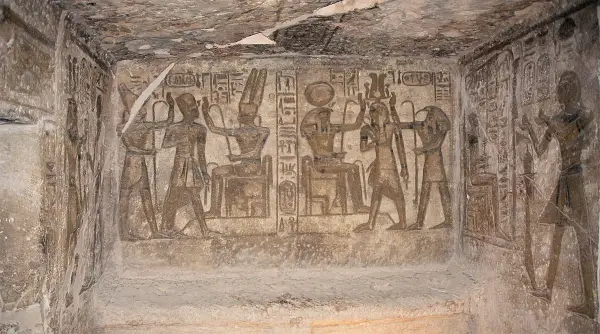
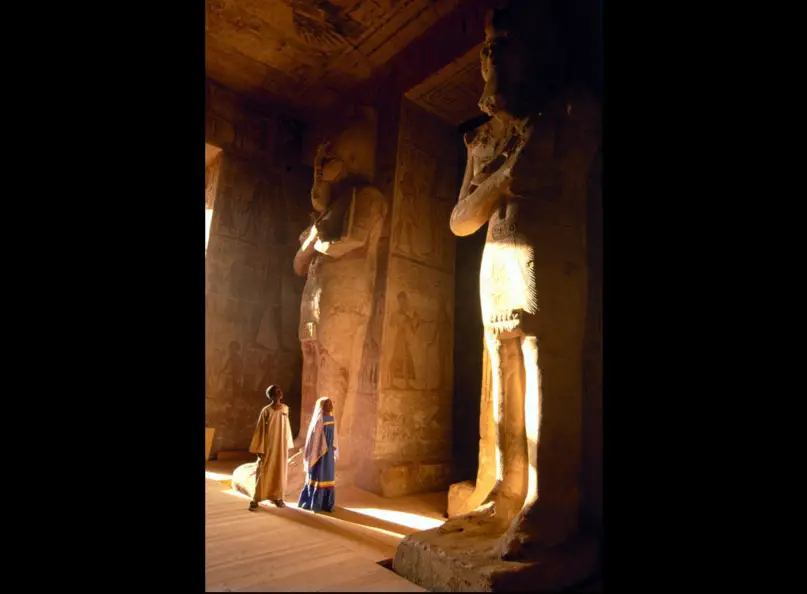
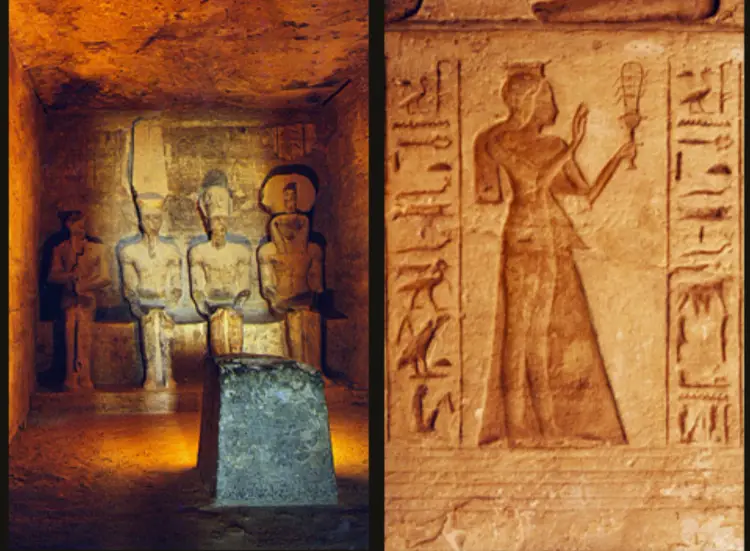
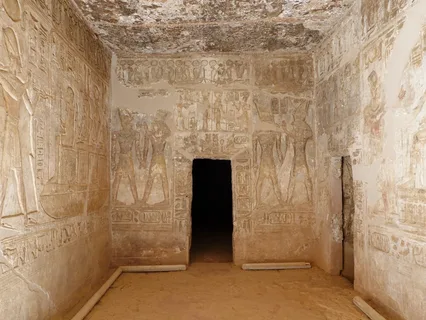
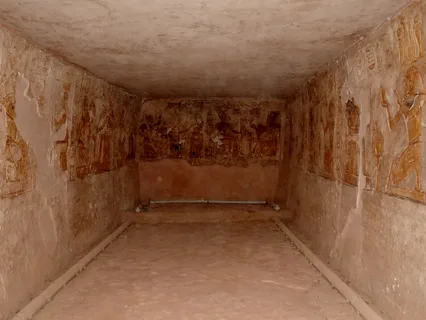
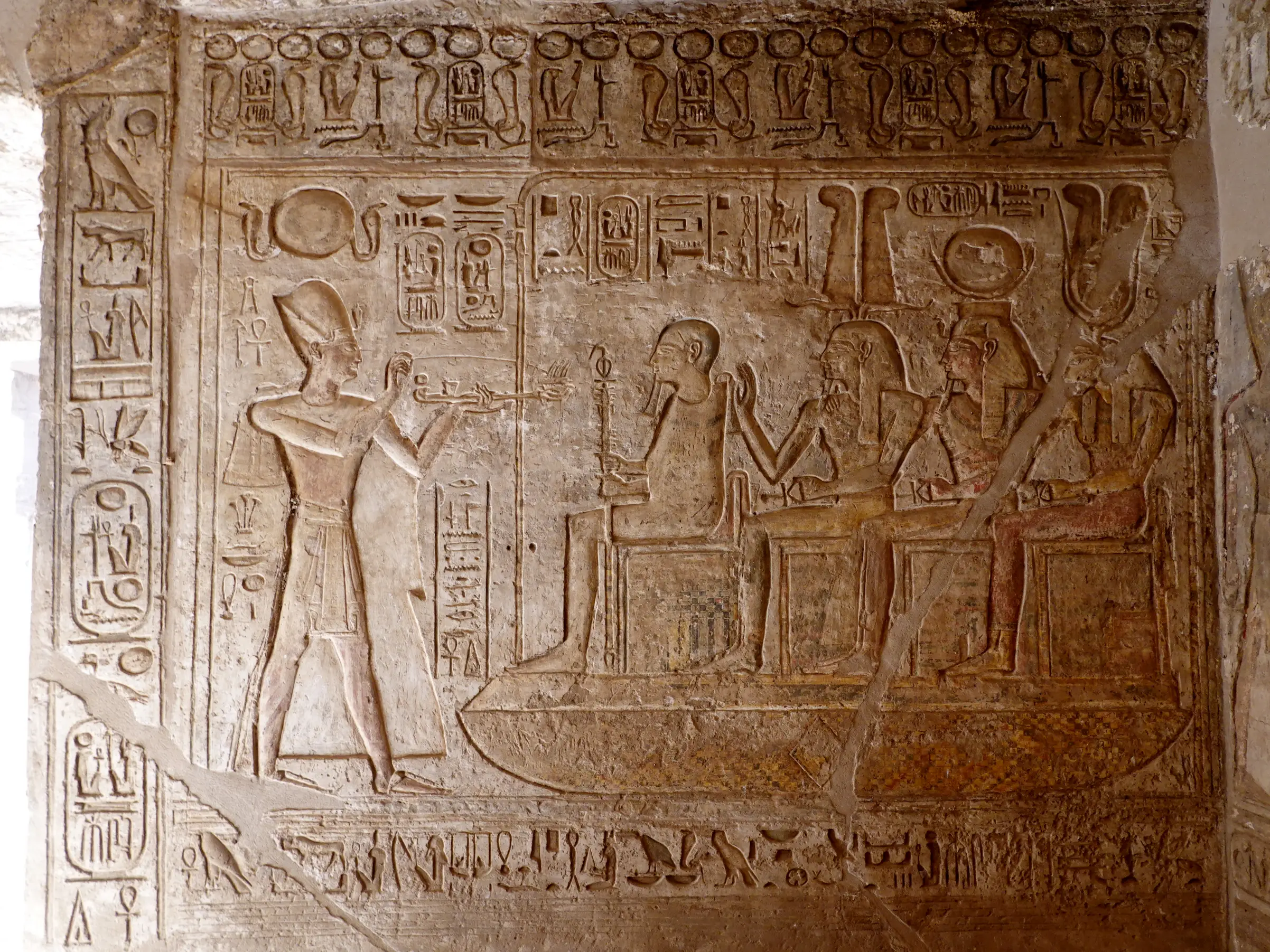
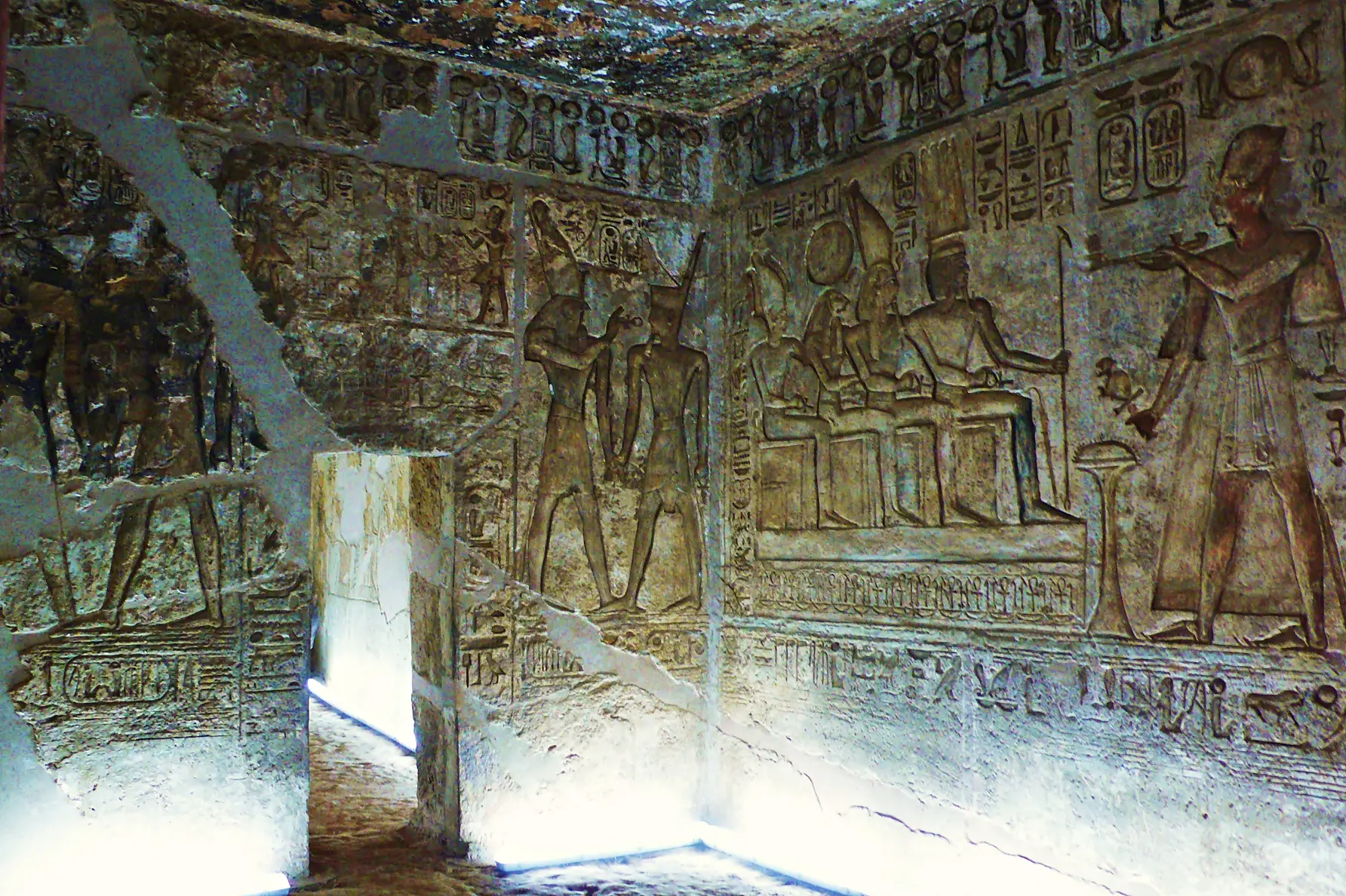
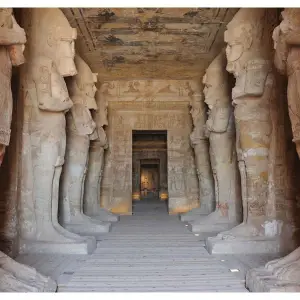
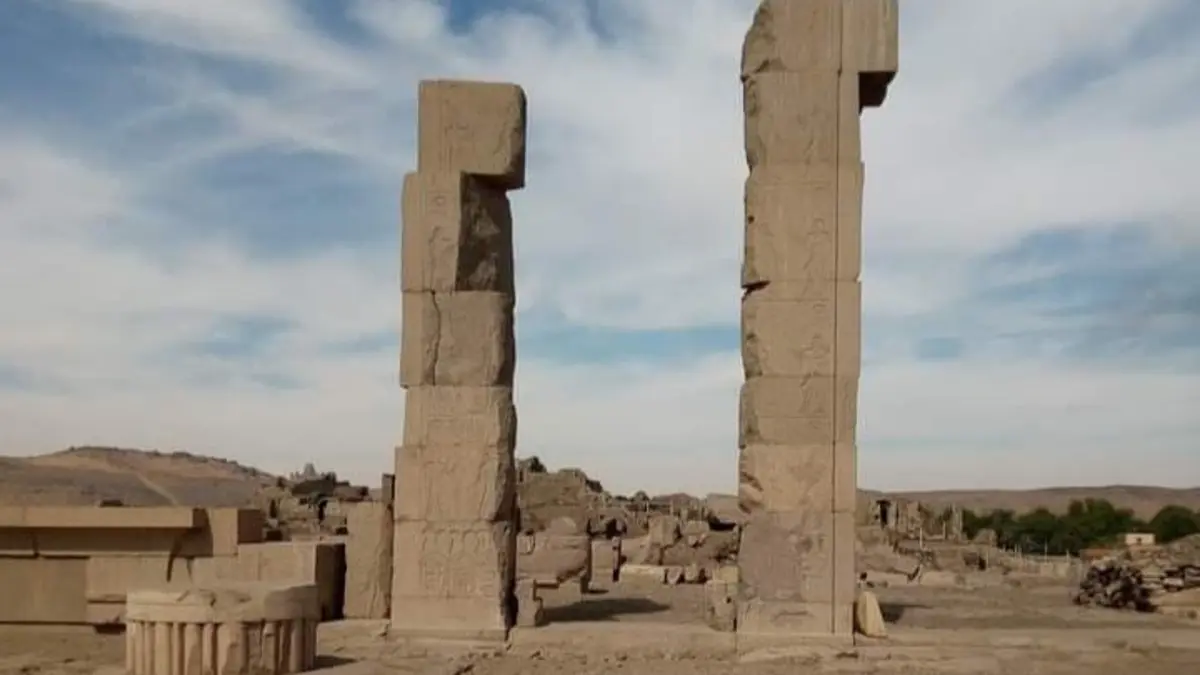
The temple complex offers unique architectural features, with its massive columns and beautifully engraved walls showcasing intricate scenes from Ancient Egyptian mythology and religious rituals. The walls also depict Ramses II's military triumphs and his revered status as a divine ruler.
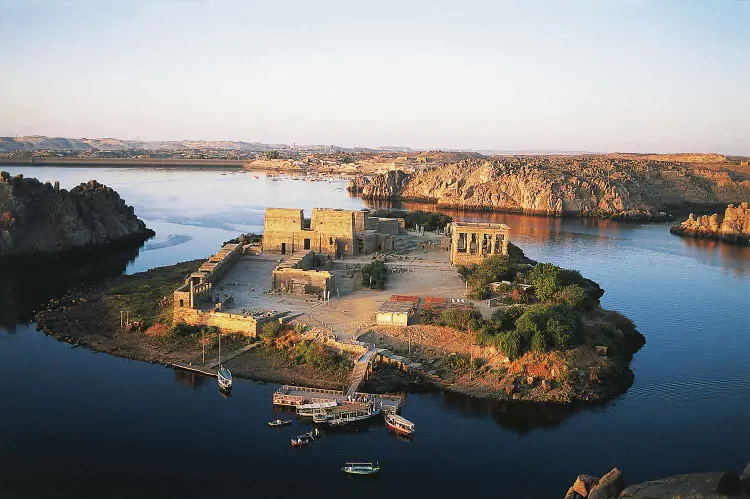
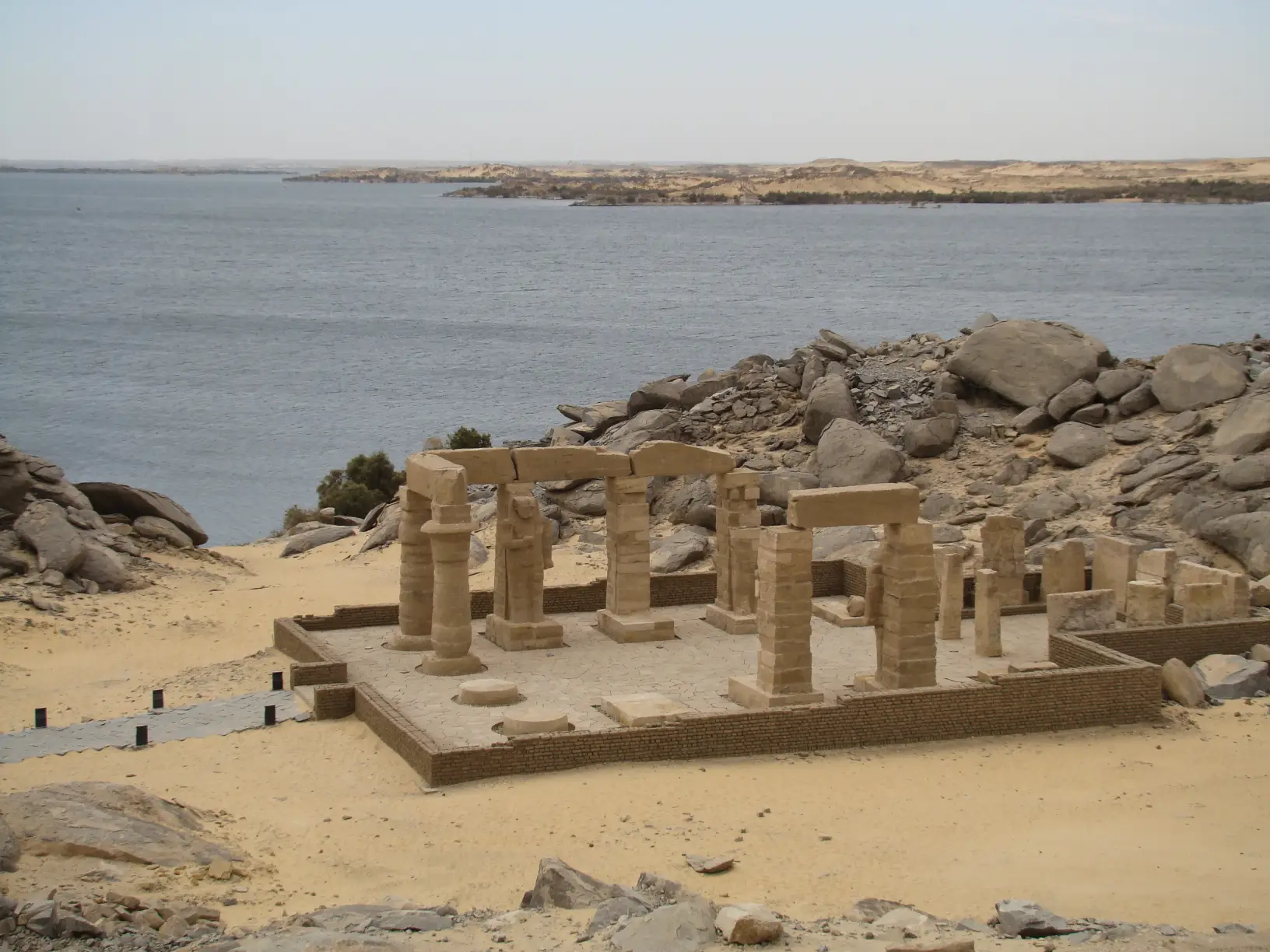
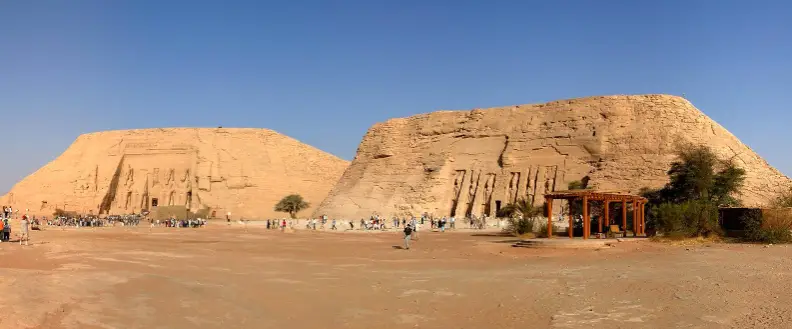
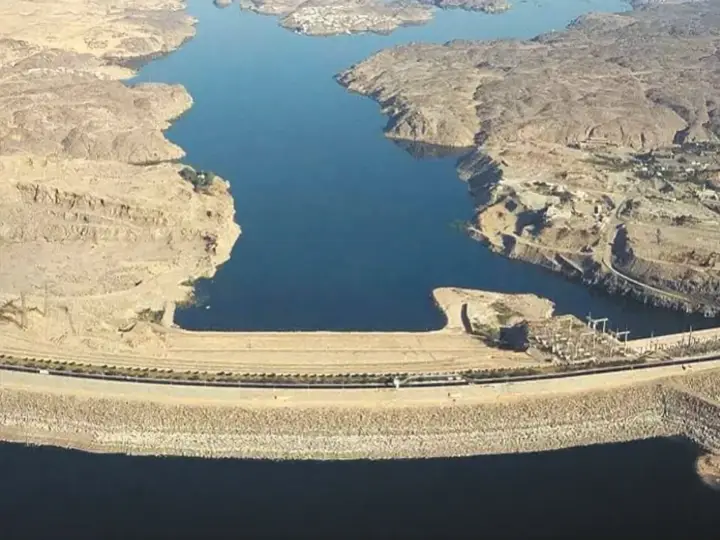
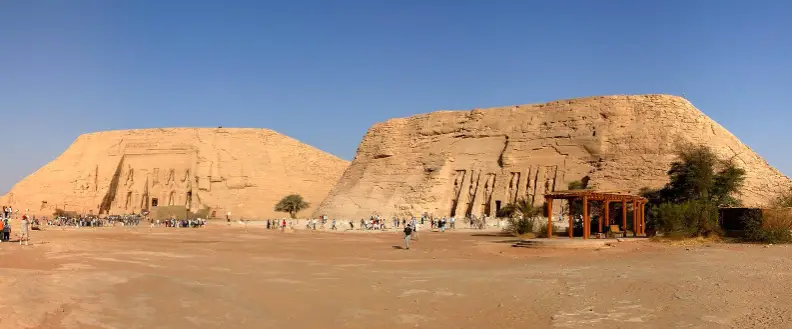
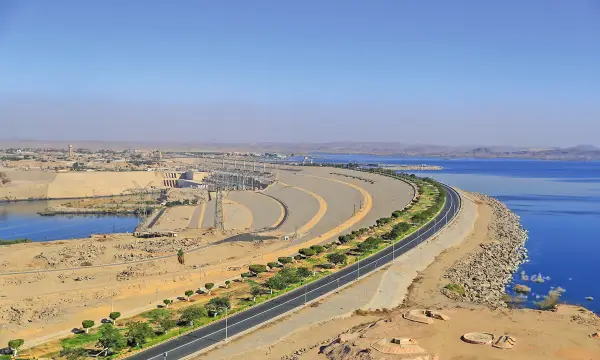
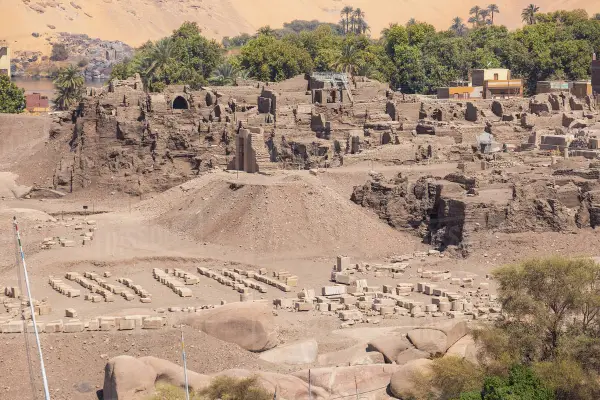
In addition to its historical and cultural significance, the Temple of Wadi El-Sebua holds importance due to its recent rescue from the rising waters of Lake Nasser. Like the Temple of Ramses II at Abu Simbel, it was relocated in the 1960s to prevent its submergence. The international community came together to dismantle and reassemble it at a higher location, ensuring its preservation for future generations.
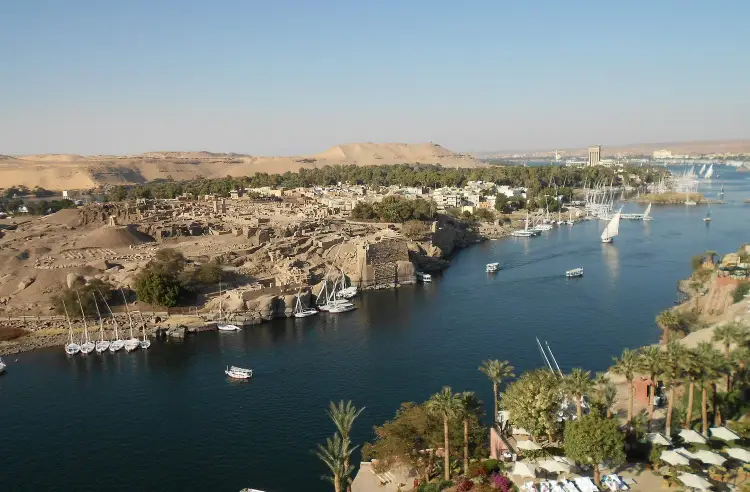
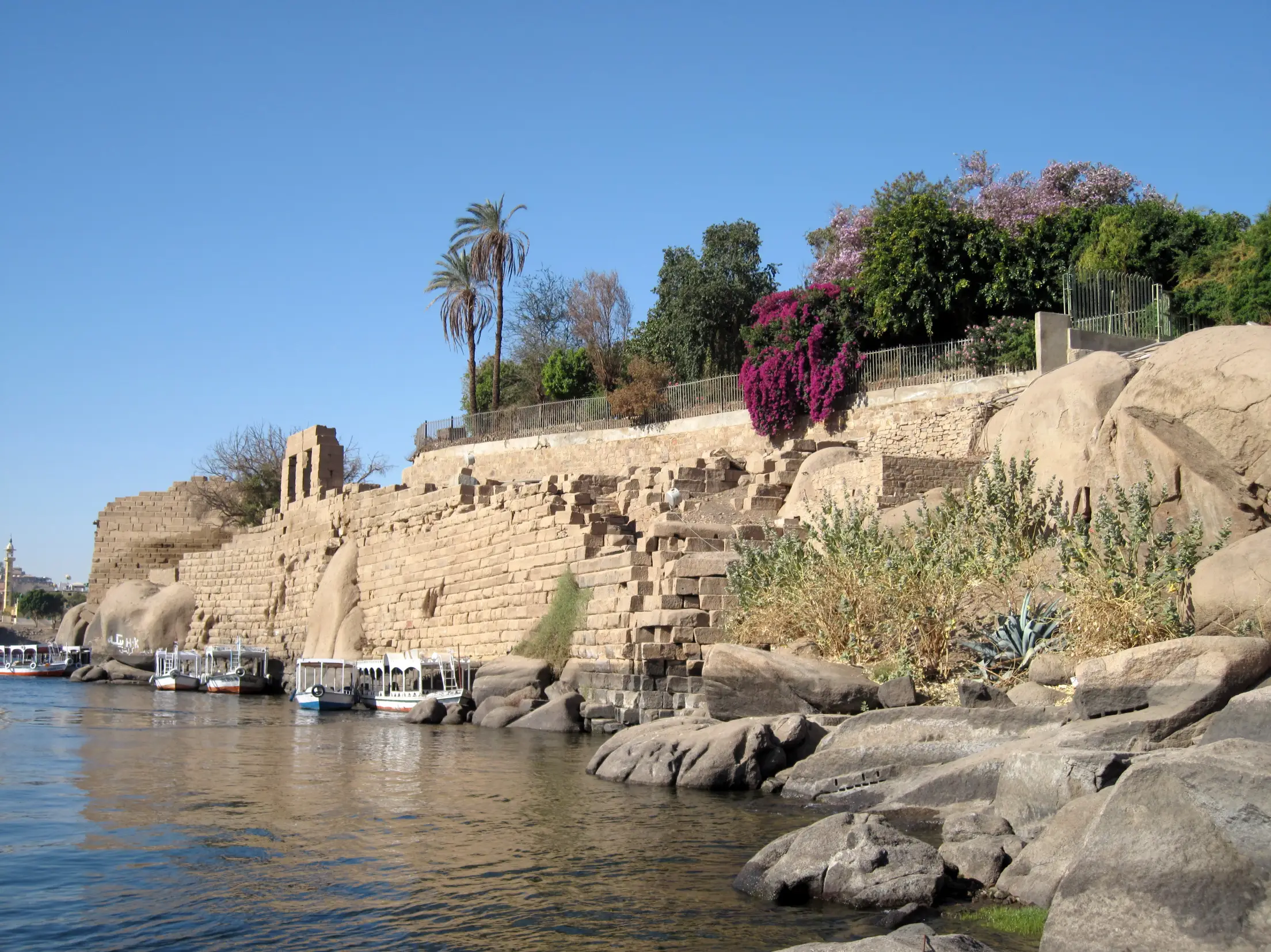
Visiting the Temple of Wadi El-Sebua offers a glimpse into the ancient Nubian civilization and a chance to explore a lesser-known gem of Egyptian history. The tranquil surroundings and the aura of the temple create a serene environment away from the crowds usually found in more popular tourist destinations.
For travelers interested in delving deeper into Egypt's rich past, a visit to the Temple of Wadi El-Sebua provides an opportunity to appreciate the remarkable architecture, intricate carvings, and historical significance of this hidden treasure. It offers a sense of awe and wonder, giving a deeper understanding of Ancient Egyptian culture, religion, and the legacy of Pharaoh Ramses II.