
 Deutsch
  English
  Français
  Русский
Are vaccines needed for a trip to Egypt: 7 proven strong tips 2026
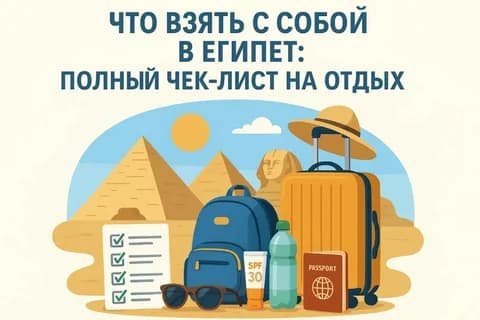
Vaccines for travel to Egypt Are they necessary? Yes, certain vaccinations are recommended for safe travel to Egypt. This will help protect your health and avoid infectious diseases. In this article we will take a detailed look at what vaccines are needed, how to properly prepare for a trip and dispel common myths about vaccination.
Vaccines for travel to Egypt: basic recommendations
When planning a trip to Egypt it is important to consider the need for vaccination. Are vaccines needed for traveling to Egypt to protect against common infections such as hepatitis A and B, typhoid and other diseases. Vaccination will help reduce the risk of infection and ensure safety during travel.
It is recommended that you consult with your doctor or infectious disease specialist before traveling. They will help you determine which vaccinations are right for you based on your health and medical history. For example, if you have chronic health conditions such as diabetes or heart disease, this may affect your need for vaccination.
Recommended vaccines
There are several vaccines that are recommended before traveling to Egypt:
- Hepatitis A
- Hepatitis B
- Typhoid
- Meningitis
- Rabies (in case of planned contact with animals)
Each of these vaccines protects against specific infections that may be common in Egypt. For example, hepatitis A is transmitted through contaminated food and water, so vaccination is especially important for travelers who plan to try local cuisine. Hepatitis B vaccination is also important, especially if you plan to stay for a long time or have contact with local residents.

Necessary vaccinations and prevention
The need for vaccination depends on several factors: length of stay, the region you plan to visit, and your personal medical conditions. Are vaccines required for travel to Egypt if you are going to visit popular tourist destinations such as Cairo, Hurghada or Sharm el-Sheikh? In most cases, yes.
Vaccination against hepatitis A is recommended for all travelers, as this disease is transmitted through contaminated food and water. Hepatitis B vaccination is especially important for those planning a long stay or exposure to local residents. If you plan to engage in diving or other water sports, a hepatitis B vaccination may also be important due to the risk of injury and blood exposure.
Prevention of infectious diseases

In addition to vaccination, it is important to take precautions to avoid infectious diseases:
- Drink only bottled water.
- Avoid street food.
- Use hand sanitizers.
- Wear insect repellent.
It is also worth paying attention to the living conditions. Choose hotels with good sanitary reviews to minimize the risk of infection. Also, try to avoid contact with animals, especially wild ones, as this may increase the risk of contracting rabies. For example, in Egypt there is a risk of contracting dengue fever, which is transmitted through mosquito bites. Therefore, the use of repellents and protective clothing is extremely important.
Myths about vaccination for traveling to Egypt
There are many myths and misconceptions about vaccination. Some people believe that vaccination is not necessary if they are healthy and do not plan to stay for a long time. This is a misconception. Even short trips can be dangerous if the necessary precautions are not taken. For example, there may be outbreaks of diseases in Egypt that are not common in your country, and you may become a victim of the infection.
Others believe that all vaccines have serious side effects. In fact, most vaccines are safe and well tolerated. The risks from infectious diseases are significantly higher than the risks from vaccination. For example, side effects from the hepatitis A vaccine may include a mild fever or soreness at the injection site, but this is a significant lesser threat than the risk of infection.
Common myths
- Vaccines are not needed unless I am going to the countryside.
- I can get all the necessary vaccinations in one day.
- Vaccination can cause the disease for which I am being vaccinated.
It is important to understand that even if you plan to stay in large cities, the risk of contracting infections still exists. For example, in urban areas there may also be cases of hepatitis A and typhoid, especially if you plan to eat at local cafes or markets. In addition, many tourists are unaware of the risks associated with eating local foods and may experience digestive disorders, which can also be associated with infections.
Vaccination procedure and timing
The procedure for vaccination depends on the specific vaccine. Some vaccines require multiple doses that must be given at intervals. For example, vaccination against hepatitis A is recommended in two stages: the first dose is administered 2-4 weeks before travel, the second dose 6-12 months later. This is important because the entire course of vaccination must be completed to achieve maximum protection.
It is important to start vaccination early to ensure a sufficient level of immunity. It is recommended to begin the vaccination process at least 4-6 weeks before traveling to Egypt. If you forgot to get vaccinated in advance, don't panic. Contact your doctor to discuss emergency vaccination options. In some cases, emergency vaccination may be available, but it does not always provide the same level of protection as routine vaccination.
Vaccination dates
Here is an approximate vaccination schedule:
- Hepatitis A: 2 doses, the first 2-4 weeks before travel.
- Hepatitis B: 3 doses, the first 6 months before travel.
- Typhoid: 1 dose, 2 weeks before travel.
Please note that some vaccines may take longer to provide full protection. For example, the hepatitis B vaccine requires three doses, and the full course must be completed several months before travel. Therefore, plan your vaccination in advance to avoid unpleasant situations. It is also worth remembering that some vaccines may have time limits and need to be renewed at certain intervals.
Risks and contraindications
Although vaccination is an important precaution, there are certain risks and contraindications. Some people may have allergic reactions to vaccine components. Therefore, it is important to discuss your medical history with your doctor before getting vaccinated. For example, if you have an egg allergy, this may affect your ability to get a flu vaccine.
There are also contraindications for vaccination for certain groups of people, for example, pregnant women or people with weakened immune systems. In such cases, your doctor may suggest alternative precautions. For example, if you are pregnant, you may be advised to avoid certain vaccines, but you may be able to get others that are safe for you and your baby.
Discussion of risks
It is necessary to understand that the risks from infectious diseases in Egypt may be significantly higher than the risks from vaccination. For example, typhus can lead to serious complications if not diagnosed and treated promptly. Therefore, it is important to weigh the pros. and "against" and make informed decisions. Don’t forget that vaccination is not only about your safety, but also about the safety of others. It is also important to monitor your health during the trip and consult a doctor at the first signs of illness.
Frequently asked questions about whether vaccines are needed for traveling to Egypt
What vaccines are required for traveling to Egypt?
Required vaccines for travel to Egypt include hepatitis A and B, typhoid and meningitis. It is recommended to consult a doctor for accurate information.
When is it better to get vaccinated before traveling?
It is best to start vaccination 4-6 weeks before travel to ensure a sufficient level of immunity.
Are there any contraindications to vaccination?
Yes, there are contraindications, such as allergies to vaccine components or weakened immunity. Discuss this with your doctor.
Can I get all my vaccinations on the same day?
Some vaccines can be given on the same day, but others require intervals between doses. Consult your physician for accurate information.
What should I do if I forgot to get vaccinated?
If you forget to get vaccinated, contact your doctor as soon as possible for advice. Emergency vaccination may be required.
What are the risks of vaccination?
The risks of vaccination are minimal and usually include mild side effects such as redness or swelling at the injection site. The risks from infectious diseases are much higher.
Output
Are vaccines needed for traveling to Egypt? Yes, they are necessary to protect your health and safe travel. Prepare in advance, consult with your doctors and get all the necessary vaccinations. Remember to take precautions and always monitor your health while traveling. Find out more about vaccinations and traveling to Egypt!
In conclusion, getting vaccinated before traveling to Egypt is an important step towards a safe and enjoyable holiday. Do not delay vaccination until the last minute and follow the recommendations of doctors to avoid unpleasant situations during your travel.