
 Deutsch
  English
  Français
  Русский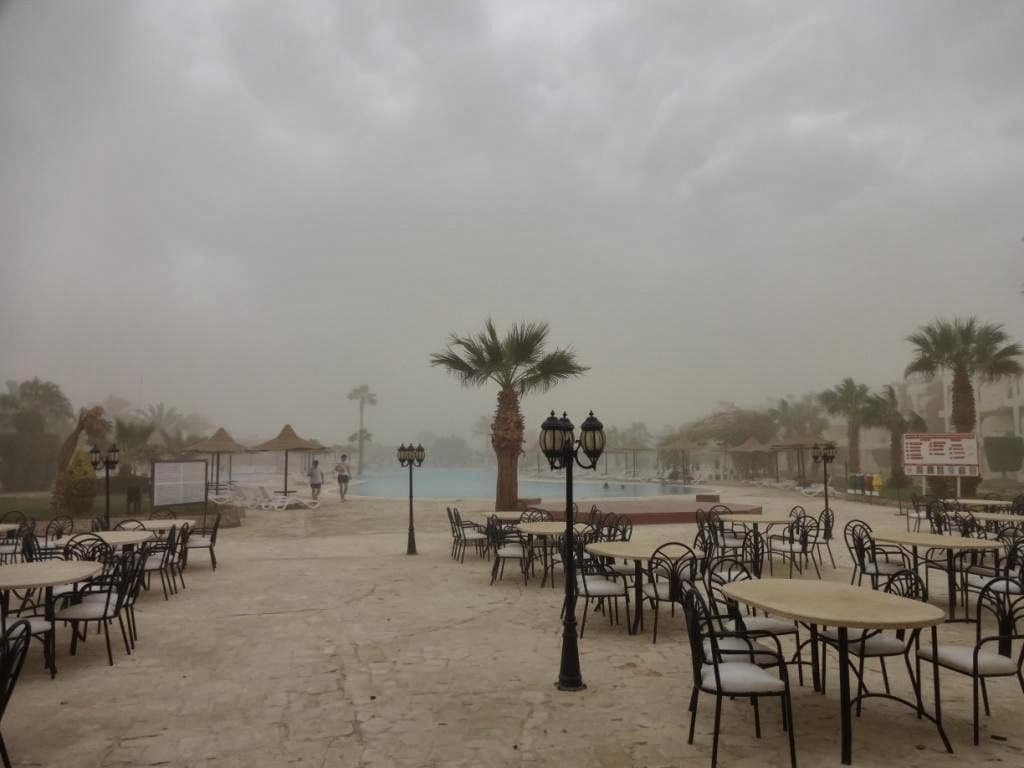
Do Storms Occur in the Red Sea? 7 Reliable Facts for 2026
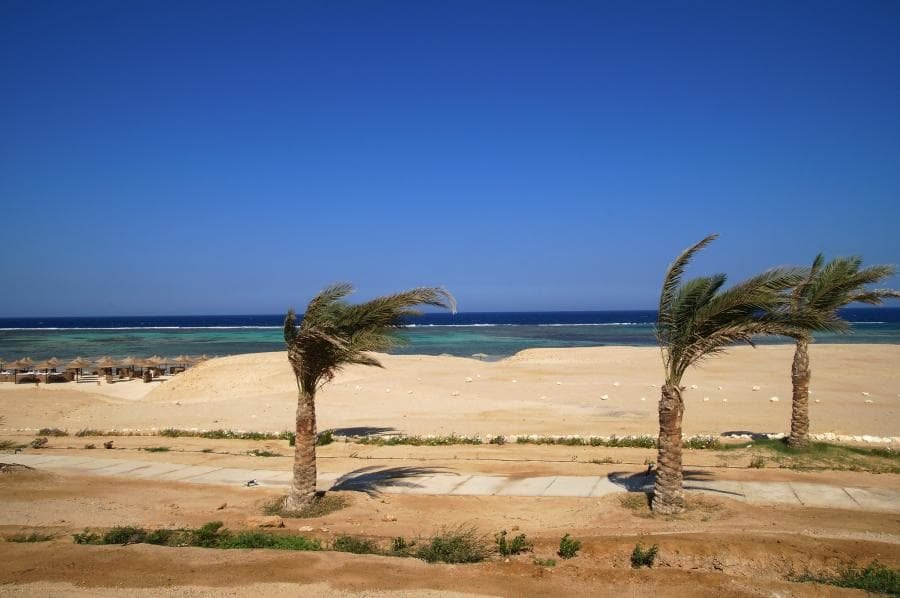
Do Storms Occur in the Red Sea? Yes, storms do occur in the Red Sea, although not as frequently as in other seas. These phenomena can be caused by various factors, including weather conditions and seasonal changes. In this article, we’ll take a detailed look at how and why storms occur in the Red Sea.
Storms in the Red Sea: Causes and Factors
Storms in the Red Sea can occur for several reasons. The main factors contributing to storm formation are atmospheric conditions, water temperature, and seasonal changes. Storms are most common during the winter months, when water temperatures are significantly lower than in the summer.
In addition, storms can be caused by strong winds that create waves on the water’s surface. These winds can result from changes in atmospheric pressure or temperature gradients. For example, when a cold front encounters warm air, it can lead to the formation of powerful storm systems.
Factors Contributing to Storm Formation
There are several key factors that contribute to storm formation in the Red Sea:
- Water temperature: Warm water can promote the formation of convective clouds, which in turn intensify the storm.
- Atmospheric pressure: Sudden changes in pressure can trigger strong winds, which create conditions conducive to storms.
- Seasonality: The winter months are more prone to storms, as water temperatures are significantly lower during this time of year.

Frequency of Storms in the Red Sea
The frequency of storms in the Red Sea varies depending on the time of year. On average, storms can occur several times during the winter season, but their frequency decreases significantly during the summer months. This is because water temperatures are higher in the summer, and conditions for storm formation are less favorable.
Some studies show that during the winter months, the number of storms can reach 5–7 per season. It is important to note that not all storms are the same: some may be mild, while others can have significant consequences. For example, severe storms can cause high waves and strong winds, making navigation in this region dangerous.
How to Determine the Probability of a Storm
There are several methods that help determine the likelihood of a storm:
- Weather forecasts: Modern technology allows us to predict potential storms by analyzing data on temperature, pressure, and wind.
- Historical data: Analyzing past storms can help in assessing future events, as certain patterns may recur.
- Condition monitoring: Monitoring weather conditions in real time, including the use of satellite imagery and radar.
Consequences of the Storm in the Red Sea
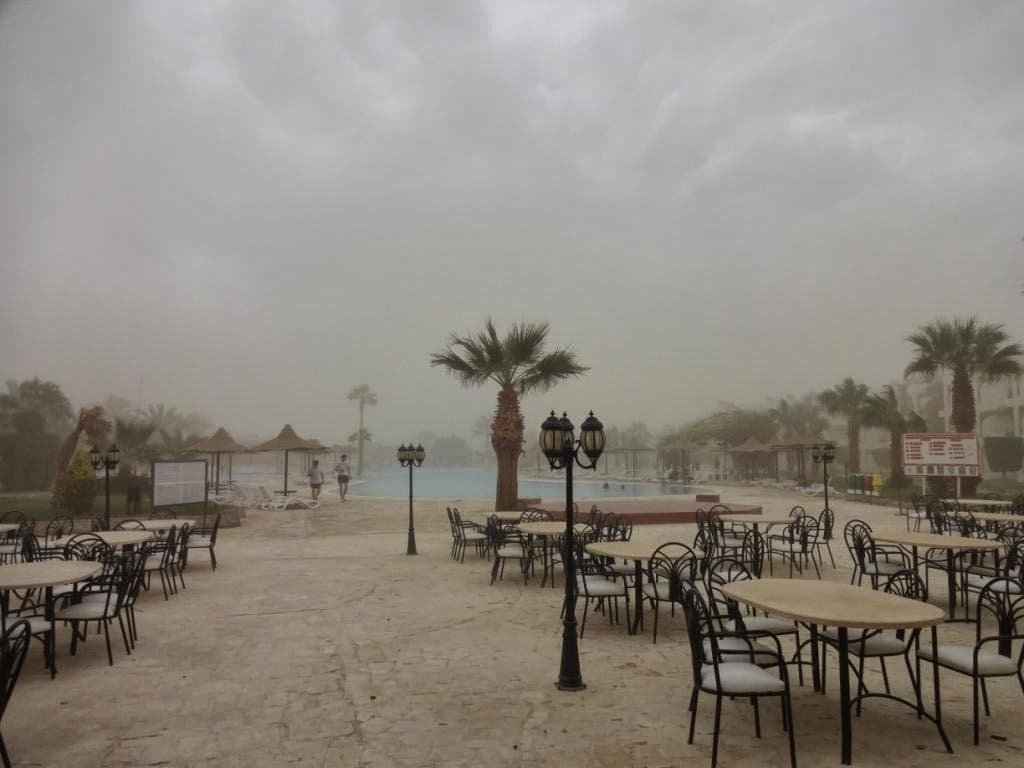
A storm in the Red Sea can have serious consequences for both the local population and tourists. One of the main risks is high waves, which can lead to flooding in coastal areas. As a result, infrastructure may be damaged, negatively impacting the region’s economy.
In addition, storms can pose a danger to sailors. High waves and strong winds make navigation difficult, which can lead to accidents. It is important for anyone planning to go out to sea to closely monitor weather forecasts and take precautions.
Economic Consequences
Storms can also have a significant impact on the region’s economy:
- Business losses: Local businesses may suffer losses due to damage to infrastructure, which can lead to temporary shutdowns.
- Decline in tourism: Tourists may cancel their trips due to adverse weather conditions, which negatively affects the revenue of local hotels and restaurants.
- Increased recovery costs: The need for recovery efforts may result in additional expenses for local authorities, which could affect the region’s budget.
Myths and Misconceptions About Storms in the Red Sea
There are many myths and misconceptions about storms in the Red Sea. One of the most common myths is that storms in this region are never severe. In fact, although less frequent, powerful storms do occur and can have serious consequences.
Another myth is that storms occur only during the winter. While the winter months are indeed more prone to storms, summer storms can also occur, especially under conditions of extreme heat and strong winds. In November 2021, for example, heavy rainstorms flooded Hurghada: a state of emergency was declared, excursions were cancelled and guests were asked to stay in their hotels.
Common Misconceptions
Some common misconceptions about storms in the Red Sea include:
- Storms are always predictable: It is not always possible to accurately predict storms, as they can occur suddenly and without obvious warning signs.
- Storms are not dangerous: Even mild storms can be dangerous for sailors, as they can trigger strong waves and unexpected gusts of wind.
- Storms occur only on the surface: Undercurrent currents can also be dangerous during a storm, creating additional risks for vessels.
Safety During a Storm in the Red Sea
Safety during a storm in the Red Sea should be a priority for everyone in the region. It is important to monitor weather forecasts and take the necessary precautions. If a storm is expected, it is best to stay ashore and avoid going out to sea.
For those already at sea during a storm, it is important to know how to respond. Stay on board and avoid attempting to reach shore during a severe storm. Wearing life jackets and using other safety equipment is also crucial. Additionally, avoid being on the upper deck, as this increases the risk of falling overboard.
Safety Recommendations
Here are a few safety recommendations during a storm:
- Keep an eye on weather forecasts: Check weather conditions regularly to stay informed of possible changes.
- Avoid going out to sea: If a storm is expected, it’s best to stay ashore and not risk your safety.
- Use safety equipment: Be sure to wear life jackets and other protective gear, and familiarize yourself with the emergency evacuation plan.
Frequently Asked Questions: Do Storms Occur in the Red Sea?
Do storms occur in the Red Sea during the summer?
Yes, although summer storms are less common, they can still occur, especially during periods of intense heat and strong winds.
How often do storms occur in the Red Sea?
Storms can occur several times during the winter season, on average 5–7 times.
What are the consequences of a storm in the Red Sea?
Storms can cause coastal flooding, damage infrastructure, and create dangerous conditions for mariners.
How can you prepare for a storm in the Red Sea?
Keep an eye on weather forecasts, stay ashore, and use safety equipment if you’re on the water.
Are storms in the Red Sea dangerous for tourists?
Yes, storms can be dangerous for tourists, especially those on the water.
Are there any myths about storms in the Red Sea?
Yes, there are many myths, such as the idea that storms are never severe or that they only occur in the winter.
Conclusion
Do storms occur in the Red Sea? Yes, and their consequences can be serious. It’s important to monitor weather forecasts and take precautions.
If you’re planning a trip to this region, be sure to check the weather conditions and be prepared for unexpected changes in the weather.
For a deeper understanding of storms in the Red Sea, it’s worth considering their impact on the region’s ecosystem. Storms can cause cold water upwelling, which, in turn, affects the distribution of marine organisms. For example, an increase in plankton populations is observed after a storm, which can be both a positive and a negative factor for the local fishing industry.
It is also worth noting that storms can contribute to coastal erosion, which is a serious environmental problem. The resilience of coastal ecosystems depends on how frequently and how intensely storms occur. Therefore, it is important not only to monitor weather conditions but also to understand long-term climate changes that may affect the frequency and intensity of storms in the Red Sea.
In conclusion, storms in the Red Sea are not only a meteorological phenomenon but also an important factor affecting the lives of people and the region’s ecosystem. Preparation and awareness of potential storms will help minimize risks and ensure the safety of both local residents and tourists.