

mummies Egypt history of creation
Mummies Egypt history of creation is a key aspect of understanding ancient Egyptian culture and religion. Mummies represent not just remains, but a whole world of beliefs and rituals that existed in Ancient Egypt. These practices helped preserve bodies for the afterlife, which was extremely important to the Egyptians.
Egyptian mummies: definition and meaning
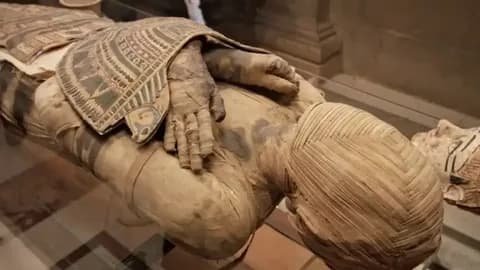
A mummy is a body that has been subjected to specific preservation processes. In ancient Egypt, mummies were created to prepare for the afterlife. The Egyptians believed that after death a person's soul continues to exist and needs a body for its existence in the other world.
Thus, mummies not only served to preserve physical remains, but also had important religious significance. They were part of a complex belief system that included ideas about the afterlife, divinity and immortality.
The importance of mummies in Egyptian culture
Mummies were central to Egyptian culture. They were an integral part of funeral rituals, which included many rites and ceremonies. Mummies were also used as objects of worship, and many were placed in tombs that were decorated with various artifacts.
- Mummies served as a symbol of immortality.
- They were part of rituals associated with the afterlife.
- Mummies helped preserve the cultural heritage of Ancient Egypt.
In addition, mummies played an important role in the social structure of society. For example, pharaohs and high-ranking officials received more complex and expensive mummification procedures than ordinary citizens. This emphasized their status and importance in society. Mummies also served as a means of transmitting knowledge about rituals and beliefs from generation to generation.
History of the creation of mummies in Ancient Egypt
The history of the creation of mummies in Ancient Egypt goes back thousands of years. The first mention of mummification dates back to the era of the Old Kingdom, around 3000 BC. During this time, simple methods of preserving bodies were used, such as wrapping them in cloth and using resins.
Over time, the process of mummification became more and more complex. During the Middle Kingdom and New Kingdom, special techniques were developed that included removing internal organs, treating the body with oils, and using various resins to preserve tissue. These changes reflected not only technological progress, but also the development of religious ideas about the afterlife.
An important point in the history of mummies is that they not only preserved bodies, but also reflected the social status of the deceased. For example, pharaohs and high-ranking officials received more complex and expensive mummification procedures than ordinary citizens. This emphasized their status and importance in society. Mummies also served as a means of transmitting knowledge about rituals and beliefs from generation to generation.
Development of mummification technologies
With the development of mummification technologies, the Egyptians began to use more effective preservation methods. In particular, sodium was used in the mummification process, which helped draw moisture out of the body. This was an important step, as moisture contributed to the decomposition of the tissues. The use of sodium became a standard practice, which significantly increased the shelf life of mummies.
- Sodium was used to dry the body.
- Special oils and resins were used to protect against bacteria.
- The mummification process has become more ritualized.
It is also worth noting that over time, the Egyptians began to use more complex mixtures to process bodies, which allowed them to improve the quality of preservation. For example, plant extracts and aromatic substances were added to some mixtures, which not only protected them from decomposition, but also gave the mummies a pleasant smell.
Mummification process
The mummification process was complex and multi-stage. Typically it included the following steps:
- Removal of internal organs: Internal organs such as the liver, lungs and stomach were removed as they were most susceptible to decomposition.
- Body treatment: The body was treated with special oils and resins to prevent decomposition.
- Drying: The body was placed in sodium to remove moisture.
- Wrapping: After processing, the body was wrapped in special fabrics and placed in a sarcophagus.
Each of these stages was important for successful mummification. The process could take from several weeks to several months, depending on the status of the deceased and the methods used. It is important to note that mummification was not a simple task and required high qualifications from the priests who performed this ritual.
Rituals and ceremonies
In addition to the physical process of mummification, there were various rituals and ceremonies associated with burial. These rituals included prayers, sacrifices and other actions that were supposed to help the soul of the deceased in the afterlife. The rituals were performed by priests who had special knowledge and experience in conducting such rituals.
- The rituals were performed by priests.
- Sacrifices included food and drink.
- There were special texts that were read during rituals.
These rituals were of great importance for the Egyptians, as they believed that the correct performance of the rituals would provide peace to the soul of the deceased and allow it to safely pass into the afterlife. An important element of these rituals was the reading of texts from the Book of the Dead, which contained spells and instructions for the soul.

Myths and misconceptions about mummies
There are many myths and misconceptions about mummies that exist in popular culture. One of the most common myths is that mummies are evil spirits that can rise from the dead. In fact, mummies were created for the purpose of preserving the body for the afterlife, and not to frighten people.
Another myth claims that the mummies were wrapped in bandages. In reality, the mummification process was much more complex, and mummies were often wrapped in several layers of fabric that were treated with special oils and resins. This provided better protection from decomposition and external influences.
Common misconceptions
Some misconceptions about mummies also concern their condition. Many people think that mummies always look like something out of a horror movie, but they actually retain a pretty good appearance thanks to the mummification process. In most cases, mummies look like normal human bodies, although some may have damage due to time or improper storage.
- Mummies don't always look scary.
- Mummies are not evil spirits.
- The mummification process was a highly developed technology of its time.
Mummies in modern culture
Today, mummies continue to arouse interest and admiration. They become objects of research, films and books. The mummies of Egypt have inspired many artists and writers who have used them in their works. Mummies have also become a symbol of ancient Egyptian culture and attract the attention of tourists from all over the world.
In addition, mummies attract tourists. Many people seek to see mummies in museums and exhibitions, which helps spread knowledge about ancient Egyptian culture. Museums such as the Egyptian Museum in Cairo offer unique opportunities to see mummies and artifacts related to mummification.
Popular films and books
Mummies have become popular characters in cinema and literature. Films such as The Mummy and The Mummy Returns have created a wave of interest in this topic. In addition, books about mummies and ancient Egypt continue to be bestsellers. These works often explore the theme of the afterlife and rituals associated with mummification.
- Movies about mummies often present them as evil creatures.
- Books about ancient Egypt draw attention to culture.
- Mummies become objects of scientific research.
Frequently asked questions about mummies
What are mummies?
Mummies are bodies that have been subjected to the process of mummification for the purpose of preservation for the afterlife.
How were mummies created in Ancient Egypt?
Mummies were created by removing internal organs, treating the body with oils and resins, and drying with sodium.
Why are mummies important to Egyptian culture?
Mummies played a key role in religious rituals and reflected Egyptian beliefs about the afterlife.
Are there myths about mummies?
Yes, there are many myths, including the idea of mummies as evil creatures.
How are mummies represented in modern culture?
Mummy often appear in films, books and are objects of scientific research and exhibitions.
Is it possible to see mummies today?
Yes, many mummies can be seen in museums and exhibitions, which allows you to learn more about ancient Egyptian culture.
Output
Mummies Egypt history of creation is not just an interesting aspect of ancient culture, but also an important element for understanding the religious beliefs of the Egyptians. Studying mummies helps us better understand their world and heritage.
If you want to learn more about mummies and their significance, visit our website and explore various aspects of ancient Egyptian culture.