 Deutsch
  English
  Français
  Русский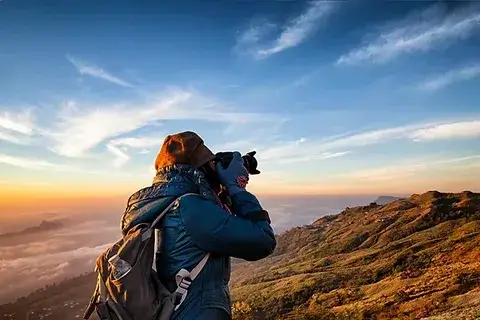
Is it possible to take photographs in Egypt: 5 Current Great Tips 2026
Is it possible to take photographs in Egypt? Yes, in most cases photography is allowed, but there are important exceptions and rules that must be strictly followed.
These rules apply to both historical sites and local residents, and violation of them can lead to serious problems with the law. Understanding these nuances will help you avoid trouble and get a lot of beautiful pictures.
Is it possible to take photographs in Egypt: General rules and exceptions
The question of whether it is possible to take photographs in Egypt is one of the most common among tourists. Overall, Egypt is a very hospitable country for photographers, offering incredible landscapes and historical monuments.
However, before pressing the shutter button, it is important to check your local codes and regulations. This will help avoid misunderstandings and conflicts with local residents or authorities.

Basic permissions and prohibitions
Most tourist sites, such as the Pyramids of Giza, the temples of Luxor and Abu Simbel, allow photography. This applies to both amateur and professional photography, but with certain reservations.
- In open spaces there are usually no strict prohibitions.
- Inside some tombs or temples, photography may be limited or completely prohibited.
- Sometimes it is necessary to purchase a separate ticket for photography, especially for video cameras.
For example, in the Valley of the Kings in Luxor, despite general accessibility to tourists, photography inside the tombs is often prohibited to prevent flash damage to ancient frescoes. These rules are aimed at preserving priceless cultural heritage for future generations. Therefore, always pay attention to the relevant signs and instructions from personnel.
Prohibitions and restrictions on filming: What you need to know
Understanding the specific prohibitions and restrictions on filming in Egypt is critically important for any tourist. Ignorance of these rules is not an excuse, and violation of them can lead to fines, confiscation of equipment, or even more serious consequences.
Egyptian authorities strictly enforce the law, especially in relation to sites of strategic or cultural significance. Therefore, always be aware of your surroundings and warning signs.
Places where filming is strictly prohibited
There are certain categories of objects where photography is strictly prohibited. These include:
- Military facilities and zones, including security posts, barracks and strategic structures.
- Government buildings and institutions, as well as police stations.
- Airports, ports and other transport hubs, especially control and security zones.
- Some museums and archaeological sites where flash could damage exhibits.
Violation of these prohibitions may be considered espionage or a threat to national security. For example, attempting to photograph a military patrol in the Sinai Peninsula may result in immediate detention. Always look for signs with a camera crossed out or ask your guide if you are traveling to Cairo, or from locals if in doubt. Additionally, you should be careful when filming near borders or in areas where there is an increased presence of law enforcement.
It is also important to remember that some religious places, such as mosques, may have their own rules. Non-Muslims are often permitted to enter a mosque, but filming people praying or certain parts of the interior may not be permitted. Respect for local customs and traditions is the key to a pleasant and safe trip.
Photographing People: Etiquette and Permission
Photographing locals in Egypt requires special tact and respect. Unlike many Western countries, where people often don't mind the occasional photo being taken on the street, in Egypt it can be perceived negatively.
Cultural norms dictate a more conservative attitude towards privacy and image. Therefore, before pointing the lens at a person, you should always get their permission. This is not only a sign of politeness, but also a way to avoid conflict situations.
How to obtain permission to film
The best way is to make eye contact, smile and gesture to ask permission. A simple phrase in Arabic, such as "mumkin sura?" (can I take a photo?) can make the process much easier. If a person agrees, this is a great chance to take a unique shot.
Sometimes, especially in tourist areas, locals may ask for a small fee for photography. This is a common practice, especially among traders or people who pose in traditional outfits. It is recommended to carry small bills with you for such cases. If you don't want to pay, just politely decline and look for other subjects to photograph. It is important to remember that children are especially vulnerable and filming them without the permission of their parents or guardians is completely unacceptable.
Some people may react aggressively to someone trying to photograph them without permission. This is especially true for women who may feel uncomfortable in front of the camera. Respect their refusal and do not insist. Remember that your goal is to get beautiful photos, not to create conflict. Mutual respect is the key to successful interactions with local communities. If you are looking for souvenirs, then visit our storeto find something unique.
Features of filming in museums and archaeological sites
Museums and archaeological sites in Egypt are treasuries of ancient civilization, and every tourist strives to capture their greatness. However, the rules for filming in these locations can be very different and require special attention. The preservation of these unique artifacts is a priority, and restrictions are introduced precisely for this purpose.
Therefore, before taking out your camera, always check the information at the entrance or ask the staff.
Rules for various types of objects
- National museums: Many large museums, such as the Egyptian Museum in Cairo, generally allow photography without flash for personal use. However, filming or using professional equipment may require special permission and additional fees.
- Tombs and temples: Inside tombs, such as those in the Valley of the Kings, or in some temples, photography is often prohibited completely. This is because the flash can damage the ancient pigments of the frescoes, and crowds of people with cameras can make movement difficult.
- Open archaeological areas: In open areas such as the Giza Plateau or Karnak Temple, filming is generally permitted without restrictions, except in certain areas designated as off-limits.
Always pay attention to signs indicating that filming is prohibited or that you need to purchase an additional ticket. For example, in the Egyptian Museum in Cairo, although photography is permitted, it is often prohibited to take pictures of certain particularly valuable exhibits, such as Tutankhamun's mask. Violation of these rules may result in camera confiscation or photos being deleted. In some cases, especially if you plan visit the aquarium or other closed objects, check the shooting rules in advance. Remember that following the rules is a sign of respect for the history and culture of Egypt.
Use of drones and professional equipment
Using drones for filming has become popular in recent years, but in Egypt it comes with very strict regulations. You can’t just bring a drone and start filming. Egyptian authorities are extremely sensitive to security issues, and any unmanned aerial vehicle is perceived as a potential threat.
Therefore, if you plan to use a drone or professional photography and video equipment, you need to take care of obtaining all necessary permits in advance.
Permits for drones and professional filming
Using a drone in Egypt requires special permission from the Ministry of Defense and the Ministry of Civil Aviation. The process of obtaining such permission is complex and time-consuming, often up to several months. Without official permission, your drone will be confiscated at the airport and you may face serious legal consequences.
- Drones: Strictly prohibited without prior permission.
- Professional equipment: Commercial or professional filming (e.g. films, commercials) also requires permission from the Ministry of Tourism and other relevant authorities.
- Tripods: In some places, especially museums or tombs, the use of tripods may be limited or prohibited due to safety concerns and visitor convenience.
Even if you are not planning a commercial shoot, but are using large equipment (such as large cameras with long lenses), you may be asked to show permission. It is best to contact the Egyptian embassy in your country or local travel agencies in advance to clarify all the details. For example, for shooting the underwater world during boat ride on a speedboat, special permissions are usually not required for a camera, but for a drone over water, yes. This emphasizes the importance of advance preparation and learning the rules.
Practical tips for photographers in Egypt
To ensure that your photo trip to Egypt goes as smoothly as possible and brings only positive emotions, it is important to take into account several practical points. In addition to legal aspects, there are also everyday nuances that can affect the quality of your photos and the overall impression of your trip.
Proper preparation and attentiveness on site will help you avoid common mistakes and take truly memorable shots.
What to take with you and how to behave
- Protection from sand and dust: Egypt has a lot of sand and dust that can damage your camera and lenses. Be sure to take with you protective covers, wipes for optics and a blower for blowing off dust.
- Additional batteries: Long excursions and hot climates quickly drain batteries. Have a few spare batteries with you.
- Water and hat: Photography under the scorching sun requires constant fluid replenishment and protection from overheating.
- Respect for culture: Dress modestly, especially when visiting mosques and other religious places. This shows respect and makes local residents more friendly.
- Be prepared for begging: In tourist places there are often people offering their services as guides or models for a small fee. Politely decline if you don't need it, or be prepared to pay.
- Learn basic phrases: Knowing a few words in Arabic, such as “shukran” (thank you) or “la, shukran” (no, thank you), will greatly facilitate communication.
Remember that most Egyptians are very friendly and hospitable. A smile and openness will help you connect with the locals and provide you with unique photography opportunities. For example, during excursions in El Gouna, you can meet many interesting characters ready to pose. If you want to purchase batteries or other little things, take care of this in advance. Don't forget that photography is not only a technical process, but also the art of interacting with the world around you. Be considerate of those around you and enjoy every moment of your journey.
Frequently asked questions about whether it is possible to take photographs in Egypt
Is it possible to take photographs in Egypt without permission?
In most tourist places, photography is allowed without special permission. However, photographing people, military installations, government buildings, or inside some museums and tombs requires permission or is prohibited.
Is drone photography allowed in Egypt?
No, the use of drones in Egypt is strictly prohibited without first obtaining special permission from the Ministry of Defense and Civil Aviation. Violation of this rule will result in confiscation of the drone and serious legal consequences.
Is it possible to photograph local residents of Egypt?
It is advisable to always ask permission from local residents before photographing them. Many Egyptians do not like being filmed without consent, especially women. In some cases, they may ask for a small fee per photo.
Can flash be used in Egyptian museums and tombs?
In most museums and tombs, the use of flash is prohibited as it can damage the ancient pigments of the frescoes and artifacts. Always pay attention to warning signs or check with staff.
Which places in Egypt are prohibited for photography?
It is strictly prohibited to photograph military installations, government buildings, police stations, airports and ports. There may also be restrictions near borders and in some religious institutions.
Do I need to buy a ticket for photography in Egypt?
Sometimes taking photographs, especially using a video camera or professional equipment, requires purchasing a separate ticket. This is often found at large archaeological sites.
What should I do if I was caught filming in a prohibited place?
If you are caught filming in a prohibited area, politely apologize, delete the photos upon request, and do not argue with the authorities. An attempt to resist may make the situation worse.
Output
The question of whether you can take photographs in Egypt has many nuances, but if you follow the rules, most places are accessible for photography. Understanding and respecting local laws and cultural sensitivities is key to a smooth trip and great photos.
Plan your trip, study the rules and enjoy every moment to bring home not only impressions, but also wonderful photographs. Find out more about Egypt and its attractions to make your adventure unforgettable!