 Deutsch
  English
  Français
  Русский
Should You Boil Water in Hurghada: 7 Comprehensive, Excellent Tips for 2026
Whether to boil water in Hurghada is an important question for tourists and locals alike. Given the hot climate and specific conditions related to water quality, this issue becomes particularly relevant. In this article, we’ll take a detailed look at whether you should boil water in Hurghada and what factors to consider.
Should You Boil Water in Hurghada: Key Facts
The question of whether to boil water in Hurghada concerns both tourists and locals. Water may contain various impurities that can negatively affect human health. Therefore, many experts recommend boiling water before drinking it.
However, it’s important to note that many hotels and restaurants in Hurghada use filters and water purification systems, which can reduce these risks. However, if you are in less developed areas or traveling through regions where water quality is questionable, boiling the water becomes essential.
What is boiling?
Boiling is the process of heating water to the temperature at which it begins to boil, usually 100 degrees Celsius. This process kills most bacteria and viruses that may be present in the water.
- Kills pathogenic microorganisms
- Removes chemical contaminants from water
- Improves the taste of the water
Water Quality in Hurghada
Water quality in Hurghada can vary depending on the area and the water source. In most cases, the water comes from underground sources and passes through a treatment system; however, problems with water quality can sometimes arise.
According to local authorities, water contamination levels in Hurghada are generally within acceptable limits; however, in some areas, microbiological indicators may exceed the standards. Therefore, if you are unsure about the water quality, it is recommended that you boil it before drinking.
How can you check water quality?
You can use the following methods to check water quality:
- Request information from local authorities
- Use water testing kits
- Assess the water’s appearance and odor
The Benefits of Boiling Water
Boiling water has many benefits, especially when the water quality is questionable. Here are the main ones:
First, boiling kills most bacteria and viruses, which significantly reduces the risk of illnesses associated with drinking poor-quality water. Second, this process helps remove some chemical contaminants, though not all. For example, boiling does not remove chlorine, but it can help reduce its concentration.
In addition, boiling improves the taste of water. Many people note that boiled water tastes better than untreated water.
How do you boil water properly?
To boil water properly, follow these simple steps:
- Pour water into a pot or kettle.
- Bring it to a boil over medium heat.
- Let the water boil for 1–3 minutes, depending on the elevation.
Risks and Hazards
Despite all its benefits, boiling water also has its risks. For example, if you don’t keep an eye on it, the water can boil over, which could damage the cookware or even cause a fire. Additionally, boiling does not remove all contaminants, such as heavy metals or certain chemicals.
It’s also important to remember that boiling does not make water completely safe. In some cases—such as when chemical contaminants are present—additional filtration may be required.
Mistakes When Boiling Water
Here are a few common mistakes to avoid:
- Boiling water in damaged cookware
- Ignoring the boiling time
- Not using a lid to speed up the process
Tips for Boiling Water
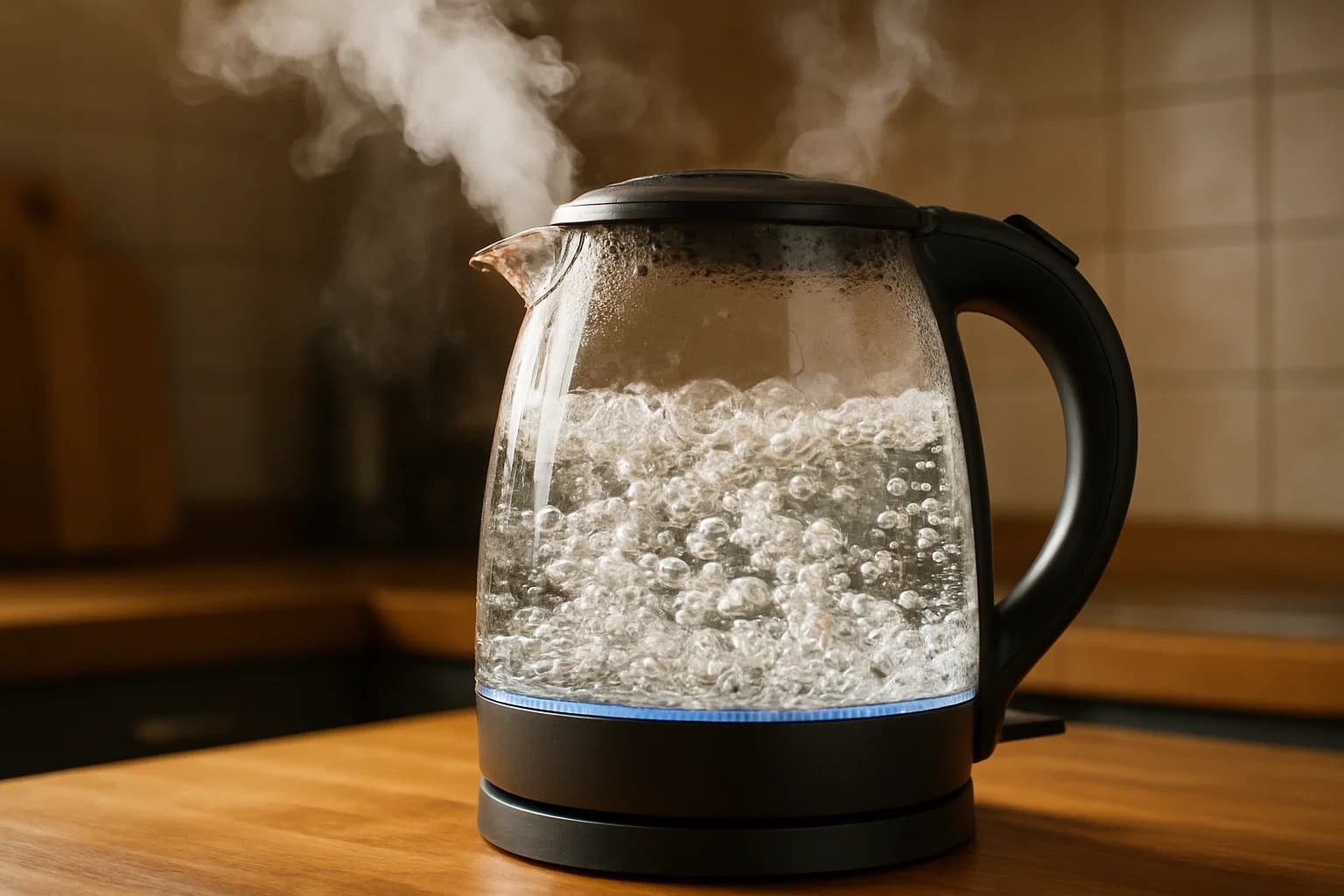
To make the boiling process as efficient as possible, follow these recommendations:
First, always use clean cookware. This will help prevent additional contaminants from getting into the water. Second, try to boil water in small amounts so it reaches a boil faster.
It’s also helpful to add a little salt to the water before boiling. This can improve the taste and make the process more efficient. However, don’t overdo it with the salt, or you’ll ruin the taste of the water.
When Should You Avoid Boiling Water?
There are situations when boiling water isn’t advisable. For example, if you’re using bottled water from reputable manufacturers, in most cases it has already undergone all the necessary purification steps and is safe to drink.
- Using Bottled Water
- Water quality meets standards
- Availability of water filters

Frequently Asked Questions About Whether to Boil Water in Hurghada
Why should you boil water in Hurghada?
Boiling water in Hurghada helps kill pathogens and improves the taste of the water, which is especially important in a hot climate.
How long should you boil the water?
It is recommended to boil water for 1–3 minutes to ensure it is safe to drink.
Is it safe to drink tap water in Hurghada?
It is not recommended to drink tap water in Hurghada without first boiling or filtering it.
How can you check the water quality in Hurghada?
To check water quality, you can use test kits or request information from local authorities.
What should you do if the water has an unpleasant odor?
If the water has an unpleasant odor, it’s best to avoid drinking it and use bottled water instead.
Are there any risks associated with boiling water?
Yes, boiling water can pose risks, such as the water boiling over and damaging cookware, so keep an eye on the process.
Conclusion
The question of whether to boil water in Hurghada requires careful consideration. Boiling water can protect against many pathogens and improve its taste. If you have any doubts about the water quality, it’s best to use this simple and effective method.
Don’t forget to monitor water quality and always choose safe sources. Learn more on our website and stay healthy!
In addition to the above, it is important to note that boiling water in Hurghada may be especially important for people with weakened immune systems, such as the elderly or children. They are more vulnerable to the risks associated with consuming poor-quality water, so boiling it is especially important for them.
It’s also worth mentioning that in Hurghada, as in other tourist destinations, there are often cases where locals use water from questionable sources. This can lead to various illnesses, so tourists should be especially careful. Using bottled water or boiling it can be a reliable way to avoid problems.
Some tourists may also wonder how to boil water while staying at a hotel. Most hotels provide kettles or have facilities for boiling water in the kitchen. If you’re unsure about the water quality, it’s best to use these appliances for boiling.
In addition, if you’re planning a long stay in Hurghada, you might want to consider buying a water filter. This can be a good solution for ensuring constant access to clean water without having to boil it. However, even with a filter, boiling water periodically won’t hurt to ensure its safety.
Finally, it’s important to remember that boiling is just one way to ensure the safety of your water. It’s also important to follow general hygiene rules and make sure the food you eat is safe as well. This will help you avoid getting sick and make your stay in Hurghada more comfortable and safe.