
 Deutsch
  English
  Français
  Русский
Dangerous Fish to Avoid in Hurghada: 10 Up-to-Date, Reliable Tips for 2026
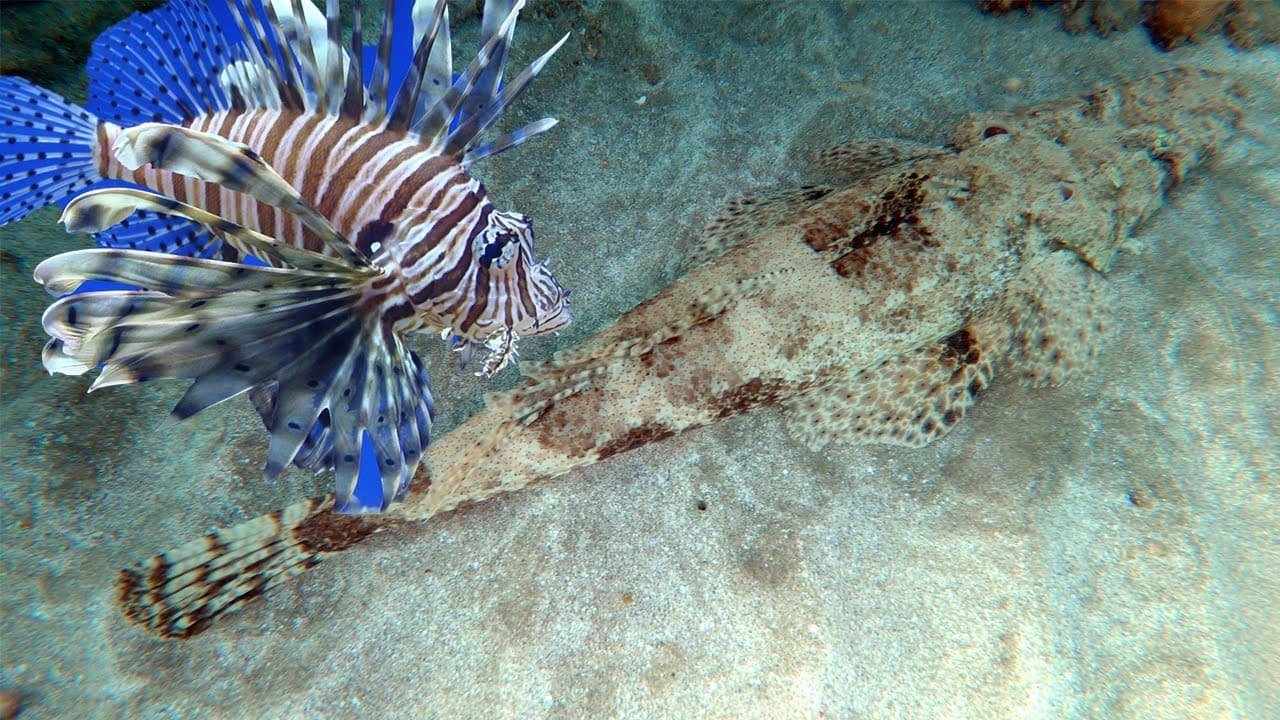
Dangerous fish to avoid in Hurghada is an important topic for anyone planning a vacation on the Red Sea coast. Knowing about potential dangers will help you avoid unpleasant situations and make your vacation safe and enjoyable.
Dangerous Fish in Hurghada That You Should Avoid
Hurghada, located on the Red Sea coast, is known for its rich underwater world and diverse marine life. However, not all inhabitants of these waters are safe for humans. Some species of fish can pose a serious threat to both health and life. It’s important to know which fish to avoid, especially if you plan to go diving or snorkeling.
The most dangerous fish you might encounter in Hurghada include reef sharks, moray eels, and venomous fish such as sunfish and stonefish. Knowing what these fish look like and where they live will help you stay out of trouble.
Key Safety Recommendations
To avoid contact with dangerous fish, follow these recommendations:
- Learn about the fish species found in the region before going out on the water.
- Do not touch fish or other marine organisms if you are unsure whether they are safe.
- Wear protective gear if you plan to swim in the open sea.

General Information About Fishing in Hurghada
Hurghada is a popular fishing destination thanks to its abundant marine resources. Local fishermen and tourists can enjoy various types of fishing, including deep-sea fishing and reef fishing. However, it is important to remember that not all fish species are safe to catch and eat.
Local authorities are actively working to protect the marine ecosystem and regulate fishing in the region. They impose restrictions on catching certain fish species to prevent the depletion of their populations and to protect marine flora and fauna. Therefore, if you’re planning a fishing trip to Hurghada, make sure you follow local rules and guidelines.
Popular Types of Fishing
Various types of fishing are available in Hurghada, including:
- Deep-sea fishing—catching large trophy fish.
- Reef fishing—catching various species of fish that inhabit reef ecosystems.
- Snorkeling and diving—observing marine life in its natural habitat.
Each of these types of fishing offers unique experiences and opportunities to explore the marine ecosystem. For example, deep-sea fishing can lead to encounters with large species such as tuna or marlin, which are true trophies for anglers. Reef fishing, in turn, allows you to catch smaller but no less interesting species, such as barracudas and parrotfish.
Dangerous Fish Species in Hurghada
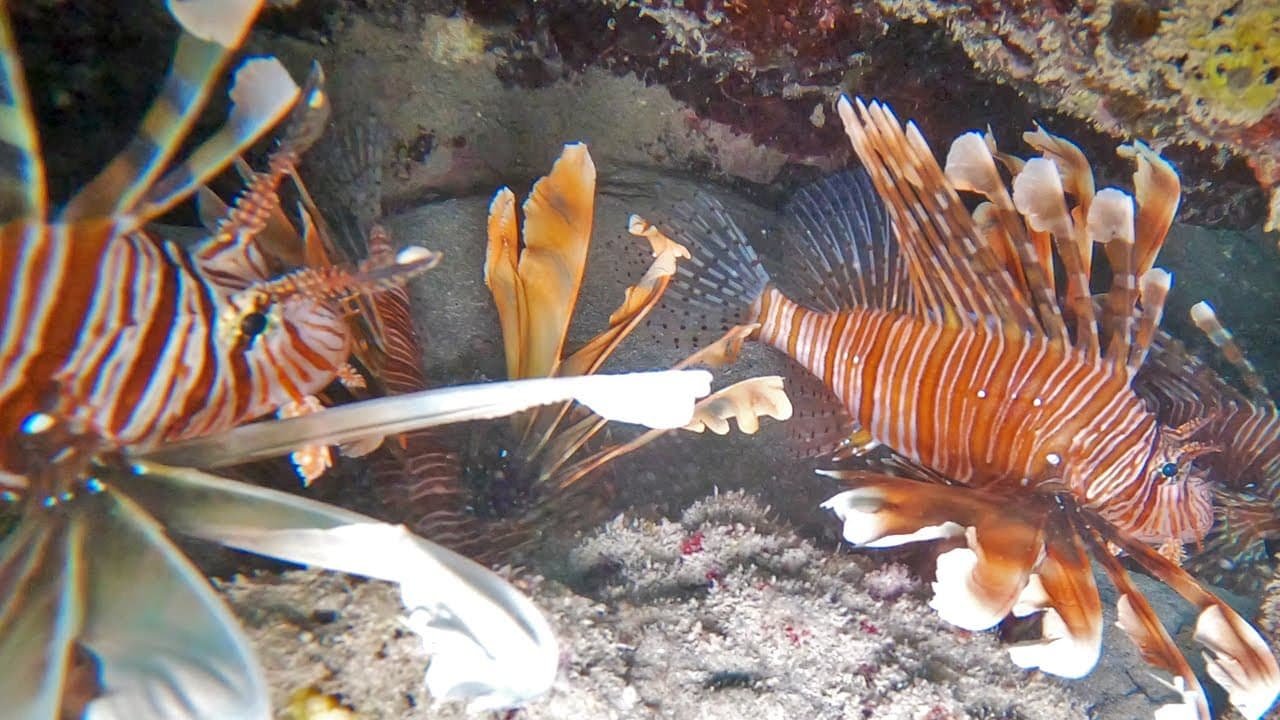
Among the many fish inhabiting the waters of Hurghada, there are several species that pose the greatest danger to humans. Knowing what these fish look like and where they live will help you avoid encountering them.
Some of the most dangerous fish species include:
- Reef shark—although they rarely attack humans, you should be cautious in their presence.
- Moray eel—it may bite if disturbed.
- Stonefish—one of the most venomous fish in the world; its spines can cause serious injury.
- Sunfish—although not venomous, its size and behavior can be dangerous to divers.
Description of Dangerous Fish
Each of these fish species has its own unique characteristics:
- Reef shark: typically grows to 2–3 meters in length, with a long body and sharp teeth. These sharks prefer warm waters and can be found near reefs.
- Moray eel: long and narrow body, often with bright patterns on its skin. Moray eels hide in crevices and burrows in reefs and may become aggressive if they feel threatened.
- Stonefish: It camouflages itself as a rock, has spines, and can be very dangerous. It is often found in shallow water, so be careful when swimming.
- Sunfish: large and flat, they can weigh up to 1 metric ton. Despite their size, they are generally not aggressive, but they can accidentally injure divers.
It’s important to understand that while many of these fish can be dangerous, they also play a vital role in the Red Sea’s ecosystem. For example, reef sharks are predators that help maintain balance in the marine environment by controlling the populations of other fish species. Moray eels, in turn, are important members of the reef ecosystem because they help clear the reefs of small organisms.
How to Avoid Contact with Dangerous Fish
To avoid unpleasant incidents with dangerous fish, follow a few simple rules:
- Research the local marine life before entering the water.
- Swim in groups and avoid solo dives.
- Do not touch marine animals or feed them.
- Use protective gear, such as special diving suits.
In addition, it’s important to follow local guidelines and warnings, especially during the fish breeding season, when some species may be more aggressive. Pay attention to the behavior of the fish and try to avoid areas where they may be present in large numbers.
It’s also recommended to use special tools for observing marine life, such as underwater cameras or binoculars, to avoid getting too close to potentially dangerous fish. If you spot a fish that makes you uneasy, it’s best to keep your distance and avoid disturbing it.
Finally, always carry a first-aid kit with you that contains the necessary supplies to treat wounds, should they occur. Make sure you know how to use these supplies properly and that they are in good working order.
Myths About Dangerous Fish
There are many myths about marine life that can mislead tourists. For example, many people believe that all sharks are dangerous to humans. In reality, most shark species pose no threat and prefer to avoid contact with people. Studies show that sharks most often attack humans by mistake, mistaking them for their usual prey.
Other myths include:
- Sunfish are always aggressive—in fact, they are usually peaceful and pose no danger to humans.
- Moray eels always attack people—they defend their territory and do not attack without reason unless disturbed.
- Stonefish are easy to spot—their camouflage makes them nearly invisible, and they can be dangerous if stepped on.
It’s important to dispel these myths and understand that most marine creatures aren’t aggressive and prefer to avoid conflict. Knowing the behavior and habits of these fish will help you avoid unnecessary danger.
It’s also worth noting that many fish species considered dangerous actually play an important role in the ecosystem. For example, stonefish help maintain balance in the marine environment by controlling the populations of other organisms. Therefore, it’s important not only to avoid dangerous encounters but also to respect marine life and recognize its significance.
Frequently Asked Questions About Hurghada: Dangerous Fish to Avoid
Which fish are the most dangerous in Hurghada?
The most dangerous fish in Hurghada include reef sharks, moray eels, and stonefish. These species can pose a threat to divers and swimmers.
How can you avoid encounters with dangerous fish?
To avoid encounters with dangerous fish, learn about the local marine life, swim in groups, and avoid solo dives.
What should you do if you’re bitten by a fish?
If you are bitten by a fish, seek medical attention immediately. Do not attempt to remove any embedded spines yourself, as this may worsen the injury.
Is it possible to swim with sharks?
Swimming with sharks is possible, but only with an experienced instructor and in a safe environment. Most sharks pose no threat if not provoked, but there is always a risk, so caution is necessary.
What are the symptoms of stonefish venom?
Symptoms of stonefish venom include severe pain, swelling, and possible breathing difficulties. If you suspect a bite, seek medical attention immediately.
Where can I learn more about marine life in Hurghada?
More detailed information about marine life in Hurghada can be found on the Egypt tourism blog.
Conclusion
Dangerous fish to avoid in Hurghada is an important topic for anyone planning a vacation at this resort. Knowing about potential hazards will help you enjoy your vacation and avoid trouble. Be careful and follow the recommendations to ensure your stay in Hurghada is safe and enjoyable.
Learn more about staying safe in Hurghada and enjoy the beauty of the Red Sea!