 Deutsch
  English
  Français
  Русский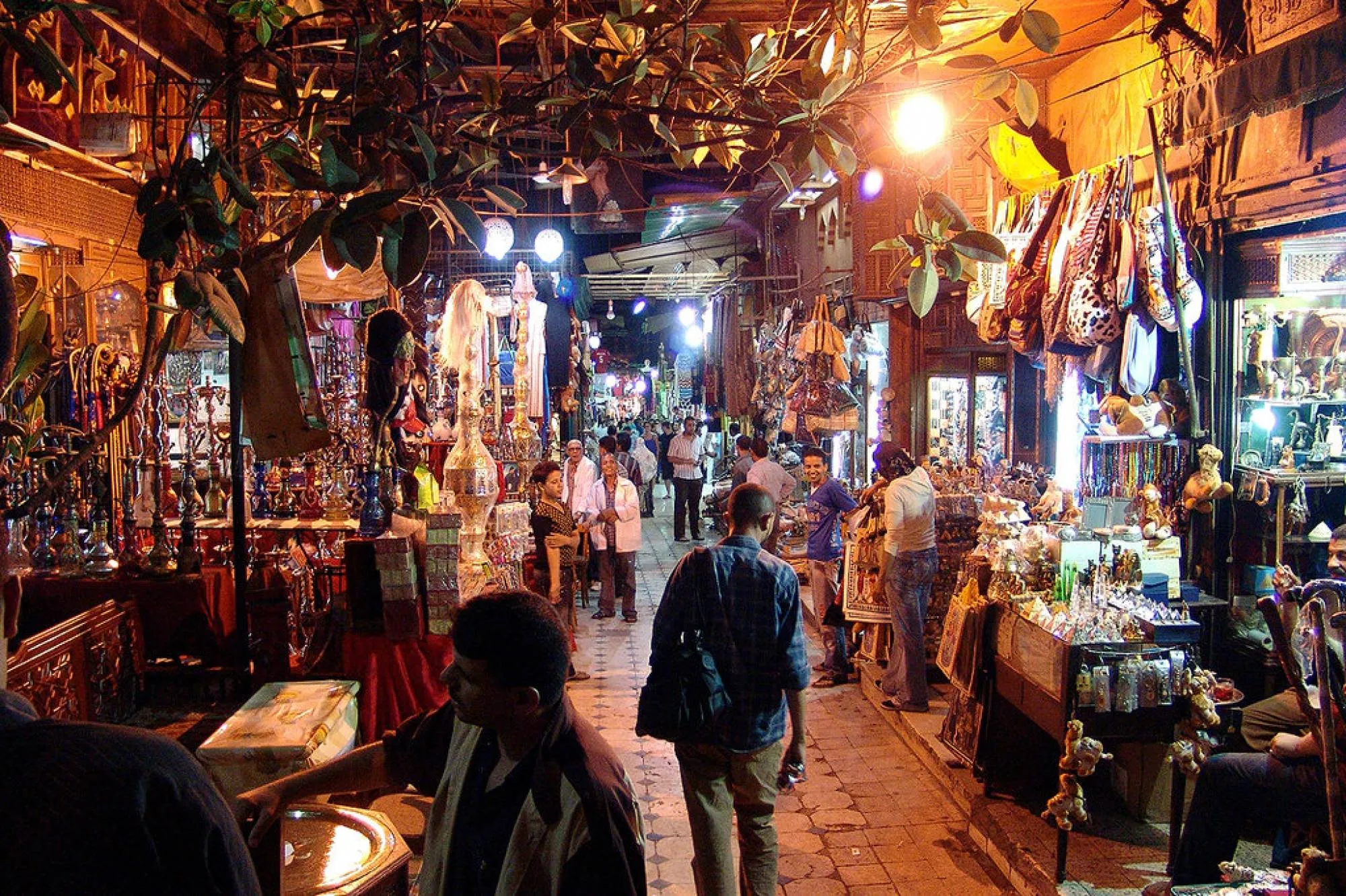
How to haggle in Egyptian stores: 7 Best Great Tips 2026
How to bargain in Egyptian stores is not just a way to save money, but an integral part of local culture and social interaction. This art requires patience, humor and an understanding of local customs. Mastering this skill will greatly improve your shopping experience in Egypt.
Trade allows you not only to get a better price, but also to immerse yourself deeper into the atmosphere of the country. It is part of everyday life and reflects the hospitality of the Egyptians. Therefore, do not be shy to participate in this process.
How to bargain in Egyptian stores: Basics and psychology
Understanding the basics of bargaining and its psychological aspects is the key to successful shopping. In Egypt, trading is not just a price reduction, but a whole social game where it is important to show respect for the seller and his product. In fact, most prices in markets and small shops are initially inflated, sometimes several times, expecting that the buyer will bargain.
The seller will often start with a very high price to gauge your interest and willingness to negotiate. Your job is to offer a price that seems reasonable to you and gradually move toward a compromise. This requires patience and the ability to read nonverbal cues. Moreover, the bargaining process itself can be quite exciting and even fun if you approach it with the right attitude. Many tourists find a special charm in this, which adds flavor to their trip. Therefore, you should not perceive bargaining as a tedious task, but rather as an opportunity to communicate with local residents and learn their culture.

Psychology of seller and buyer
A seller in Egypt often sees a tourist as an opportunity to make maximum profit. However, he also appreciates the buyer's good mood and the opportunity to establish friendly contact. Your task is to create an atmosphere in which both parties feel like winners.
- Start low, but not offensively low.
- Be prepared for the seller to theatrically express his dissatisfaction.
- Remember that the final price should be beneficial to both parties.
Thus, success in bargaining depends not only on knowing the numbers, but also on the ability to empathize and the ability to maintain a positive dialogue. This is especially important when purchasing unique products such as souvenirs or handmade products, where value is determined not only by materials, but also by craftsmanship. As a result, you will not only save money, but also enjoy the process.
Preparing for trading: What you need to know before you start
Before you start bargaining, it is important to do a little preparation. This will help you feel more confident and achieve better results. First, study the approximate prices of the goods that interest you. This can be done by visiting several stores and simply asking for the price without showing any clear intent to buy. Secondly, determine for yourself the maximum price you are willing to pay for the product. This is your “ceiling”, above which you will not rise. In addition, it is important to carry small bills with you, since large bills can make change difficult and give the seller a reason to manipulate. Finally, remember that bargaining is a process that takes time. Take your time and don't show your excessive interest in the product from the very beginning. This may be perceived by the seller as weakness.
In addition to the financial aspects, preparation also includes a psychological attitude. Be prepared for the seller to use various tricks to convince you to buy the product at a higher price. He may tell stories about the difficulty of manufacturing, the uniqueness of the product, or even about his hard life. It is important to remain calm and not succumb to emotional pressure. Ultimately, you can always walk away if the price doesn't suit you. This is your main bargaining chip. Therefore, before you go shopping, make sure you are well rested and in a good mood, as this will directly affect your ability to bargain effectively.
Determination of fair price
To bargain successfully, you need to have an idea of the real cost of the goods. In Egypt this can be difficult as prices vary greatly. However, there are several ways to get this information:
- Ask prices in different places to get an average.
- Talk to locals or other tourists who have already shopped.
- Use online resources and forums to find pricing information.
This way you can determine the price range in which you are willing to negotiate. This will allow you not to overpay and feel more confident in the process. As a result, you will be able to get the goods at a fair price, which is the main purpose of bargaining. For example, if you plan a trip to Cairo, find out in advance how much papyri or spices cost.
Effective bargaining techniques: Practical steps
Mastering effective bargaining techniques will significantly increase your chances of a successful transaction. First of all, always start with an offer that is approximately 30-50% of the seller's original price. This gives you plenty of wiggle room and allows the seller to feel like they too are “winning” in the process. It's important to keep a friendly tone and smile, even if you don't agree with the price. Humor and light conversation can greatly improve the atmosphere and make the seller like you. Never show too much interest in a product, even if you really like it. It’s better to pretend that you are just looking closely or in doubt. This gives you an advantage in bargaining.
Another effective technique is willingness to leave. If the seller doesn't reduce the price to a level you're comfortable with, simply thank him and start walking away. Very often this causes the seller to reconsider his offer and give you a better price. However, be prepared to actually walk away if he doesn't make concessions. Don't be afraid to say no. It is also useful to bargain for several items at once. If you buy multiple items, you have more leverage to get a discount as your total purchase volume increases. This shows the seller that you are serious and ready for a big deal. For example, when purchasing several souvenirs or gifts for friends, you can get a significant discount. This is especially true if you are visiting local markets.
Step-by-step instructions for trading
Follow these steps for successful trading:
- Ask the price.
- Offer yours, much lower.
- Be prepared for a counteroffer.
- Gradually increase your price, and the seller will reduce it.
- If the price doesn’t suit you, pretend to leave.
- Agree to a price that suits both parties.
This way, you can get the desired product at a favorable price. This not only saves you money, but also makes the purchasing process more fun and interactive. As a result, you will receive not only a purchase, but also an unforgettable experience. Remember that bargaining is a game, and the main thing in it is to have fun.
Common mistakes and how to avoid them
When trading in Egypt, beginners often make the same mistakes, which can lead to overpayment or a bad mood. One of the most common mistakes is showing too much interest in the product from the very beginning. If a seller sees that you're in love with an item, they'll be less inclined to lower the price, knowing that you'll likely buy it anyway. Therefore, try to maintain a neutral facial expression and not express strong emotions. Another mistake is to start trading with a small discount. If you offer only 10-20% less than the original price, the seller will understand that you are not a good bargainer and will not take you seriously. Start with 30-50% of the declared cost.
It is also important to avoid rudeness or aggression. Bargaining in Egypt is a social interaction, and politeness plays a huge role. Raising your voice or showing impatience can offend the seller and cause him to refuse to negotiate at all. Always remain calm and respectful. Also, don't bargain if you don't intend to buy the item. This is considered bad manners and a waste of the seller's time. If you're just interested in the price, say so. Finally, avoid haggling at fixed price stores. Trading is inappropriate in large supermarkets or branded boutiques. Understanding where it is appropriate to bargain and where it is not comes with experience. For example, in tourist areas such as Luxor, where there are many excursions, bargaining is the norm.
How to avoid overpayment
To avoid overpaying, follow these tips:
- Never show that you have little time. Haste is your enemy.
- Don't be afraid to walk away if the price is too high.
- Always have small money with you so as not to show large bills.
- Don’t buy the first product you like, compare offers.
This way, you can avoid common mistakes and get the best price for your purchases. It takes practice, but the results are worth it. As a result, you will feel more confident and will be able to enjoy the bargaining process. Remember that every successful trade is a small victory.
Cultural nuances and bargaining etiquette
Understanding the cultural nuances and etiquette of bargaining in Egypt is an integral part of successfully interacting with sellers. Unlike Western countries, where trading can be perceived as aggressive behavior, in Egypt it is part of everyday life and even a form of communication. The seller may offer you tea or coffee, and this is not just a gesture of politeness, but part of the ritual. Accepting an offer and having a short conversation about the weather, family, or your trip can greatly improve your relationship with the seller and, as a result, influence the final price. Refusal of tea may be perceived as impoliteness or reluctance to communicate.
It is also important to be mindful of body language. A smile, eye contact and a friendly attitude help create a positive atmosphere. Avoid sudden movements or gestures that could be misinterpreted. A handshake at the beginning and end of a transaction is also good form. Also, never haggle for food or drinks in restaurants and cafes, where prices are usually fixed. Bargaining is appropriate in markets, souvenir shops and small shops. Remember that the purpose of bargaining is not to humiliate the seller, but to reach a mutually beneficial agreement. This is a process that should be enjoyable for both parties. For example, if you are interested in sea excursions, you can try to negotiate the price with local operators.
Respect for traditions
Respect for local traditions is key:
- Always be polite and patient.
- Do not show irritation or haste.
- Remember that the seller may feel insulted if you offer too low a price.
- Accept an offer of tea or coffee - this is a sign of respect.
This way, you will not only get the best price, but also leave a good impression of yourself. This will create a positive experience for both parties. As a result, you will be able to enjoy the shopping process and purchase unique souvenirs. Understanding these nuances will help you bargain successfully in Egyptian stores.
When you should not bargain: Exceptions to the rules
Although trading is a common practice in Egypt, there are situations where it is inappropriate and may even be perceived negatively. It is important to know these exceptions so as not to get into an awkward position and not to spoil relations with local residents. First of all, never haggle in large supermarkets, department stores or stores where prices are clearly indicated on price tags. In such places, prices are fixed, and trying to bargain will look strange and disrespectful. The same applies to restaurants, cafes and fast foods, where menus with prices usually hang in a prominent place. There is also no room for bargaining here.
Also, don't haggle for essentials like water, bread or other groceries at small grocery stores unless you see prices that are clearly inflated. In such cases, prices are usually fair and aimed at local residents. Trying to reduce the price may be perceived as petty. Also avoid haggling for services that have a clearly stated price, such as public transport tickets or entrance fees to museums and attractions. These prices are regulated by the state or large companies. Finally, if you see that the seller is clearly poor and selling handmade goods that are his only source of income, be sensitive. Of course, you can haggle a little, but you should not try to reduce the price to a minimum, depriving a person of earnings. In such cases, it is better to be generous. This is especially important if you are visiting remote villages or communities where people live by their craft.
Where bargaining is inappropriate
Remember the places where you should not bargain:
- Large stores and supermarkets.
- Restaurants and cafes.
- Pharmacies and medical institutions.
- Public transport and tickets to attractions.
So understanding these exceptions will help you avoid awkward situations and show respect for local customs. This is an important part of cultural adaptation. As a result, your experience in Egypt will be more enjoyable and comfortable. By learning these aspects, you can more effectively navigate the local trading culture.
Purchasing souvenirs and gifts: Special recommendations
Buying souvenirs and gifts is one of the main reasons why tourists go to Egyptian markets. However, this is where the art of bargaining shows itself in all its glory. Souvenir shops and bazaars are the ideal place to use all your bargaining skills, since the prices for such goods are often inflated several times, especially for foreigners. Start by deciding what exactly you want to buy and take your time. Walk through several shops, compare quality and prices before you start serious bargaining. This will give you an idea of the market value and strengthen your position.
When purchasing several souvenirs from one seller, you have a better chance of getting a good discount. Explain to the seller that you want to buy multiple items and ask about the "wholesale" price. Often sellers are willing to significantly reduce the price for volume. Also be careful about the quality of the product. Some souvenirs may be of poor quality, despite their attractive appearance. For example, papyri often turn out to be fakes made from banana leaves. Therefore, do not hesitate to carefully examine the product, touch it and even smell it if appropriate. If you buy spices, make sure they are fresh and flavorful. In the case of jewelry, be especially careful and buy only from trusted sellers. Remember that the main goal is to get a quality product at a fair price. For example, after visits to the hammam, you can purchase local cosmetics.
How to choose and buy souvenirs
Follow these recommendations when choosing souvenirs:
- Compare prices and quality in different stores.
- Haggle for several items at once.
- Carefully inspect the product for defects.
- Don’t be afraid to leave if the price doesn’t suit you.
- Buy from sellers you trust.
This way, you can purchase unique and high-quality souvenirs at a competitive price. This will make your shopping experience more enjoyable and memorable. As a result, you will bring home not only beautiful things, but also pleasant memories of the process of acquiring them. Remember that every souvenir is a part of your Egyptian history.
Frequently asked questions about how to bargain in Egyptian stores
Is it always necessary to bargain in Egypt?
No, not always. It is customary to bargain in markets, souvenir shops and small shops. Trading is inappropriate in supermarkets, restaurants and shops with fixed prices.
At what price should I start bidding?
It is usually recommended to start the auction with an offer of 30-50% of the original price stated by the seller. This gives plenty of room for further negotiations.
What to do if the seller does not reduce the price?
If the seller does not make concessions, you can pretend to leave. This often causes him to reconsider his offer. If not, then the price is truly not negotiable or you offered too little.
Is it possible to bargain for several items at once?
Yes, this is a very effective tactic. When you purchase multiple items from one seller, you are more likely to receive a significant discount as you increase the volume of your purchase.
Is it important to be polite when bargaining?
Of course. Politeness, a smile and a friendly attitude play a huge role. Bargaining in Egypt is a social interaction, and rudeness can offend the seller.
How to determine the fair price of a product?
Try to visit several stores and compare prices for the product you are interested in. You can also ask locals or other tourists. This will give you an idea of the real cost.
Do you need to take tea if the seller offers it?
Taking tea is a gesture of politeness and part of a ritual. Refusal may be perceived as impolite. This helps build friendships and often leads to more successful trading.
What should I do if I accidentally offended the seller?
If you feel that you have accidentally offended the seller, apologize. Explain that you are not familiar with local customs. A sincere apology can improve the situation and restore a friendly atmosphere.
Output
The art of that how to bargain in Egyptian stores, is a key skill for every tourist who wants to get the most out of their trip. This is not only a way to save money, but also an opportunity to immerse yourself deeper into the local culture. Successful bargaining requires patience, politeness and understanding of the seller's psychology.
Apply the knowledge you have gained, be confident and enjoy every moment of communication with the locals. Go shopping and discover the world of Egyptian bazaars from a new side!