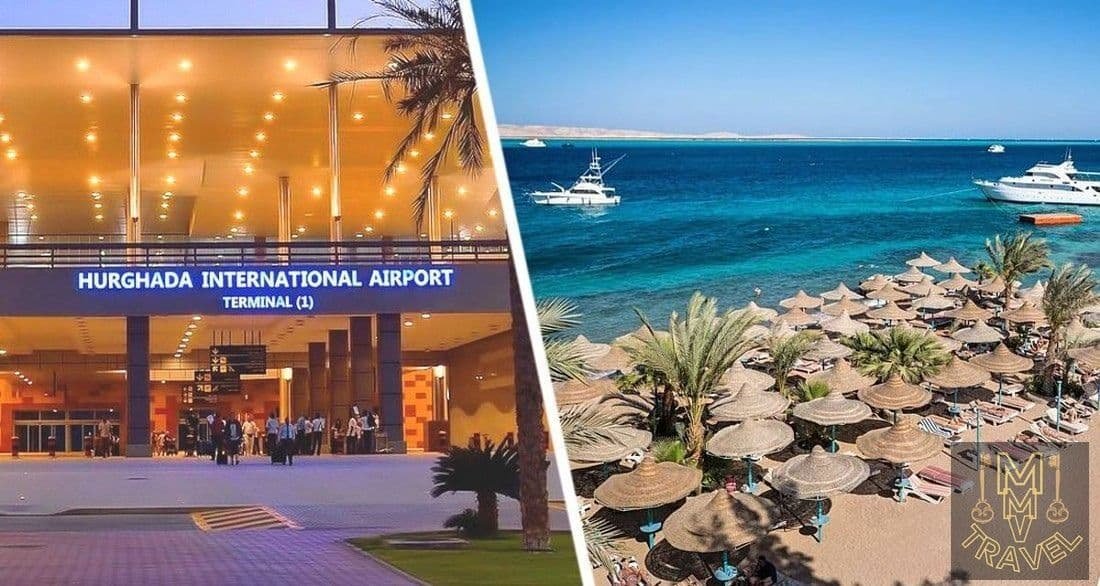



Investing in Tourist Real Estate: 7 Proven Reliable Steps
Investing in tourist real estate means purchasing properties intended to be rented to tourists or used as vacation accommodation. This can include both short-term and long-term rentals that generate income for the owner. This type of investment is attractive because of its potential profitability and its ability to diversify an investment portfolio.
Why Is Investing in Tourist Real Estate Profitable?
Investing in tourist real estate is an attractive strategy for many investors seeking stable income and capital growth. First, the tourism sector demonstrates sustained growth in many regions around the world. This creates consistent demand for vacation accommodation.
In addition, this type of property often generates higher returns compared with long-term rentals. Short-term rentals allow owners to set dynamic prices that adapt to seasonal peaks and special events. This can help maximize profits.

Capital Growth Potential and Diversification
In addition to rental income, investments in tourist real estate have significant potential for capital appreciation. Property values in popular tourist destinations generally increase over time. This is driven by a steady flow of tourists and ongoing infrastructure development.
- High returns: Short-term rentals often generate more income than long-term rentals.
- Asset appreciation: Properties in attractive locations tend to increase in value.
- Portfolio diversification: Adds an asset that is less directly dependent on the stock market.
However, it is important to consider seasonality and economic factors that can affect occupancy and income. Therefore, thorough market analysis is essential. For example, some investors prefer to invest in resort areas with year-round demand to reduce periods of vacancy.
As a result, the right property selection and effective management can provide not only current income but also significant long-term capital appreciation. This is why many investors consider this segment a reliable way to grow their wealth. For example, popular vacation destinations are likely to continue attracting tourists.
Choosing the Location: The Key Success Factor
Choosing the right location is arguably the most critical aspect when you decide to invest in tourist real estate. The location affects not only the property's potential profitability but also its liquidity and demand among renters. Therefore, investors need to conduct a thorough market analysis. This includes studying tourist flows, infrastructure, and regional development plans.
Obviously, properties located near popular attractions, beaches, or ski resorts are likely to have strong demand. However, such properties can also be significantly more expensive. Therefore, it is important to find a balance between the attractiveness of the location and the investment cost.
Analyzing Tourist Flows and Infrastructure
When selecting a location for a tourist real estate investment, it is important to carefully study tourist flow statistics. You need to understand how many tourists visit the region each year, what their preferences are, and how long they typically stay. In addition, you should evaluate the quality of the local infrastructure.
- Transportation accessibility: Availability of airports, railway stations, and major highways.
- Entertainment and leisure: Restaurants, shops, excursions, parks, and other recreational options.
- Medical services: Availability of hospitals and clinics.
- Safety: Crime levels and the overall stability of the region.
For example, investing in property near well-known historical or natural attractions can provide a steady flow of tourists. However, less obvious but promising destinations should not be overlooked. Emerging tourist areas sometimes offer higher returns with lower initial investment costs. Therefore, geographical diversification of investments can be a sensible strategy. For example, adventure activities can attract a specific target audience.
As a result, a thorough location analysis, including future regional development plans, can help you make an informed decision. This can minimize risks and maximize the potential return on your investment. Therefore, do not rush the decision; carefully study all available data.
Types of Tourist Real Estate for Investment
When it comes to investing in tourist real estate, investors face a wide range of options. Each type of property has its own advantages and disadvantages and requires a different level of involvement and capital. Therefore, it is important to understand the differences in order to choose the option that best fits your investment strategy.
The most popular types include apartments, villas, bungalows, and hotel rooms. Each one appeals to a particular category of tourists and investors. Therefore, the type of property you choose directly affects the target audience and potential profitability.
Apartments, Villas, and Hotel Rooms
Apartments are often the most accessible option for beginner investors. They require less capital and generally have lower operating costs. In addition, apartments in tourist complexes often provide access to shared facilities such as swimming pools, gyms, and restaurants. This makes them attractive to tourists.
- Villas and houses: Offer greater privacy and space and are ideal for families or large groups. However, they require significant investment and higher maintenance costs.
- Bungalows: Popular in beach and resort areas, they provide privacy and often offer direct access to nature.
- Hotel rooms: Investing in hotel rooms or hotel shares can provide passive income because the property is managed by the hotel operator. However, investors have less control over the asset.
For example, some investors prefer to buy property in developing areas where prices have not yet reached their peak. This can provide greater potential for future capital appreciation. However, it also involves higher risks. Therefore, it is important to carefully weigh the advantages and disadvantages of each type of property. Investments in properties with unique features, such as distinctive designs or exceptional locations, may attract higher-paying tourists.
As a result, the choice of tourist real estate should be based on your financial capacity, willingness to manage the property, and expected returns. Therefore, a deep understanding of the market and target audience is essential for successful investing.
Financial Planning and Profitability Analysis
Effective financial planning and careful profitability analysis are fundamental steps for anyone planning to invest in tourist real estate. Without a clear understanding of all costs and potential income, an investment can become unprofitable. Therefore, a detailed business plan should be prepared before purchasing a property. This will help assess the financial viability of the project.
Initial costs include not only the purchase price of the property but also taxes, fees, renovation, and furnishing expenses. In addition, ongoing operating costs such as utilities, insurance, maintenance, and marketing should be considered. Therefore, accounting for all financial flows is critical.
Calculating Payback and Potential Profit
Various financial metrics are used to evaluate the profitability of tourist real estate investments. One of the key metrics is net operating income (NOI), which is calculated as the difference between gross rental income and operating expenses. NOI can then be used to calculate the capitalization rate (Cap Rate) or return on investment (ROI).
- Gross income: The total rental income before expenses are deducted.
- Operating expenses: Include utilities, taxes, insurance, maintenance, and marketing.
- Net operating income (NOI): Gross income minus operating expenses.
- Return on investment (ROI): NOI divided by the total investment cost.
In addition, it is important to consider seasonality and possible periods of vacancy. Therefore, you should maintain a financial reserve to cover expenses during the low season. For example, some investors use vacancy insurance or diversify their investments. This helps reduce risks. A sensitivity analysis under different market scenarios can also help investors prepare for potential fluctuations.
As a result, sound financial planning and regular profitability analysis will not only help you make an informed purchasing decision but also manage the property effectively afterward. Therefore, this stage should not be overlooked, as it forms the foundation of successful investment. Additional information about financial planning can be found on authoritative resources such as Wikipedia.
Property Management and Risk Minimization
Effective property management is a key factor in success when you decide to invest in tourist real estate. Without proper management, even the most attractive property may fail to generate the expected returns. Therefore, investors should decide in advance how their property will be maintained and marketed.
There are two main management approaches: self-management or hiring a professional property management company. Each has its own advantages and disadvantages. Therefore, the choice depends on your available time, experience, and willingness to stay involved.
Self-Management vs. a Property Management Company
Self-management gives investors full control over all aspects of the rental business. This includes setting prices, marketing, communicating with guests, cleaning, and maintenance. In addition, it can reduce management company fees. However, it requires significant time and appropriate skills.
- Advantages of self-management: Full control, potentially higher net profit, and direct communication with guests.
- Disadvantages of self-management: Requires considerable time and effort, market knowledge, and problem-solving skills.
- Advantages of a property management company: Saves time, provides professional marketing, offers 24/7 guest support, and handles operational issues.
- Disadvantages of a property management company: Fees, typically 15–30% of income, and less control over pricing and service.
In addition, it is important to consider the risks associated with investing in tourist real estate. These include seasonality, regulatory changes, economic crises, and competition. Therefore, strategies should be developed to minimize these risks. Examples include portfolio diversification, insurance, and continuous market monitoring. Reading real estate market blogs and articles can help you stay informed about the latest trends.
As a result, choosing the right management strategy and actively working to minimize risks can help ensure stable income and long-term investment success. Therefore, the importance of this aspect should not be underestimated. Effective management is the key to the success of your tourist property.
Common Mistakes When Investing in Tourist Real Estate
Many investors seeking to invest in tourist real estate make common mistakes that can lead to significant financial losses. Avoiding these pitfalls is critical for achieving success. Therefore, it is important to understand potential problems and learn from the mistakes of others.
One of the most common mistakes is underestimating all the costs associated with owning and managing tourist real estate. Investors often focus only on the purchase price while overlooking ongoing expenses. This can lead to unrealistic expectations about profitability.
Underestimating Costs and Failing to Analyze the Market
In addition to the acquisition cost, there are numerous hidden expenses that can significantly affect profitability. These include property taxes, insurance, utilities, repair and maintenance costs, and marketing expenses. If you use a property management company, its fees can also represent a significant expense.
- Underestimating operating expenses: Forgetting about taxes, insurance, utilities, and maintenance.
- Lack of thorough market analysis: Failing to study competitors, seasonality, and tourist preferences.
- Ignoring legal requirements: Failing to consider local rental laws, taxes, and permits.
- Excessive emotional decision-making: Buying a property that appeals personally rather than one that offers strong investment potential.
Another serious mistake is failing to conduct a thorough market analysis. Investors may purchase property in a region that appears attractive without researching supply and demand. Therefore, it is important to study the competitive environment, average rental prices, and occupancy rates in the chosen location. For example, many investors overlook the importance of the region's cultural characteristics, which can influence tourist preferences.
As a result, careful planning, realistic assessment of all costs, and thorough market analysis can help avoid these common mistakes. Therefore, do not rush into a decision; dedicate sufficient time to preparation. This will lead to more reliable and potentially profitable investments.
Legal Aspects and Taxation
Before you invest in tourist real estate, it is extremely important to carefully examine all legal requirements and tax obligations. Real estate and rental laws can vary significantly between countries and even between regions. Therefore, a lack of knowledge of these rules can lead to serious penalties and legal problems.
You need to understand local laws concerning foreign property ownership, short-term rental regulations, licensing, and taxation of rental income. Therefore, consulting a local lawyer and tax advisor is an essential step.
Tax Obligations and Local Regulations
Taxation of income from tourist real estate can be complex. Depending on the country and the investor's status, different types of taxes may apply. These can include rental income tax, property tax, capital gains tax when selling the property, and local tourist taxes.
- Rental income tax: A percentage of the income generated from rentals.
- Property tax: An annual tax based on the assessed value of the property.
- Capital gains tax: Applied when a property is sold for a profit.
- Local tourist taxes: May be charged to guests or property owners.
In addition, many tourist destinations have strict regulations governing short-term rentals. These may include requirements for special licenses, restrictions on the number of rental days per year, or even complete bans on short-term rentals in certain areas. Therefore, it is important to ensure that the selected property complies with all applicable local regulations. For example, some cities have strict rules for tourism service operators.
As a result, carefully examining legal and tax requirements can help you avoid unpleasant surprises and ensure that your investment is compliant with the law. Therefore, it is not advisable to save money on professional services that can help you understand local regulations. This will provide greater stability and security for your tourist real estate investment.
Frequently Asked Questions About Investing in Tourist Real Estate
What is the average return when investing in tourist real estate?
The average return on tourist real estate investments varies significantly depending on the location, property type, and season. In popular destinations, it may range from 5% to 15% annually, and sometimes higher. It is important to consider all expenses for an accurate calculation.
What risks are associated with investing in tourist real estate?
The main risks include seasonal demand, regulatory changes, economic crises, competition, and unexpected maintenance expenses. In addition, political instability in a region can also affect tourist flows.
Do I need to manage the property myself?
No, it is not necessary. You can choose between self-management and hiring a professional property management company. A management company will handle operational tasks for you, but it will charge a fee, typically between 15% and 30% of the income.
How do I choose the best location for an investment?
Choose locations with high and stable tourist flows, developed infrastructure, good transportation accessibility, and strong growth prospects. Study the local market, competition, and regional development plans. For example, travel blogs can often provide useful insights into popular destinations.
What taxes will I have to pay when investing in tourist real estate?
These generally include rental income tax, property tax, and capital gains tax when selling the property. Some regions may also impose additional local tourist taxes. Always consult a local tax professional.
Can I get a mortgage to purchase tourist real estate?
Yes, this is possible, but the terms may differ from those for residential property mortgages. Banks may require a larger down payment or offer higher interest rates. Therefore, it is important to research offers from different lenders in advance.
What documents are needed to invest in tourist real estate?
You will need identification documents, proof of financial capacity, and documents related to the property itself. These may include the purchase agreement, proof of ownership, registry records, and other documents. The exact requirements depend on the country.
Conclusion
Investing in tourist real estate can become a highly profitable strategy when approached with careful planning and proper analysis. It is important to conduct thorough market research, choose the right location and property type, manage the property effectively, and consider all legal and tax requirements. By avoiding common mistakes, investors can potentially achieve stable passive income and long-term capital growth.
Start your journey into tourist real estate investment today. Study the market, consult with experts, and make an informed decision that can contribute to your financial independence. Successful investments begin with a deep understanding of the market and strategic planning!