

Cairo's Egyptian Museum: What to See in 2026—10 Top Tips
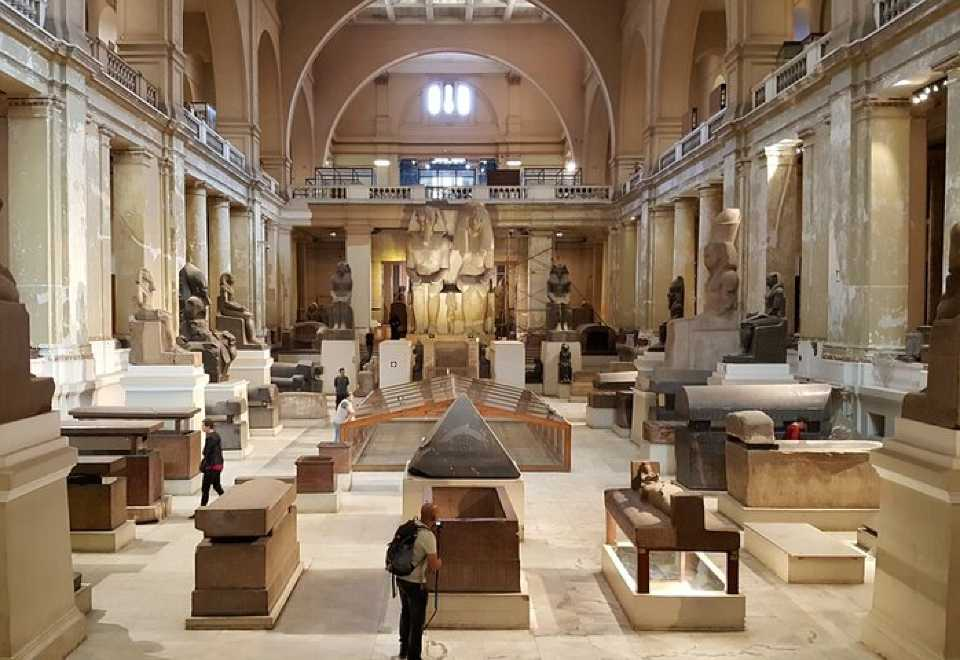
What to See at the Egyptian Museum in Cairo in 2026? In 2026, be sure to visit the most famous exhibits, including Tutankhamun’s treasures, the mummies of the pharaohs, and ancient artifacts that reflect Egypt’s rich history. Be sure to check out the galleries dedicated to the ancient gods and the daily life of the Egyptians.
What to See at the Egyptian Museum in Cairo in 2026: An Overview
What to See at the Egyptian Museum in Cairo in 2026? In 2026, the Egyptian Museum in Cairo will remain one of the most significant repositories of ancient Egyptian history and culture. The museum offers visitors a unique opportunity to see artifacts spanning millennia of history, from the Predynastic Period to the Greco-Roman Period.
The museum features thousands of exhibits, including mummies, sarcophagi, statues, jewelry, and everyday objects. This allows visitors to immerse themselves deeply in the history and culture of ancient Egypt.
Key Galleries and Exhibits
The museum consists of several main halls, each dedicated to a specific era or theme. The Tutankhamun Hall is undoubtedly the most popular, but other important sections should not be overlooked.
- Mummy Hall: Here you can see the mummified remains of pharaohs and their family members.
- Sculpture Hall: This hall features massive statues of pharaohs and gods.
- Treasure Hall: This hall houses jewelry and precious objects found in tombs.

Visiting each of these halls will give you a comprehensive understanding of ancient Egyptian civilization. Be sure to set aside enough time to view all the exhibits.
The Treasures of Tutankhamun: The Museum’s Crown Jewel
The Treasures of Tutankhamun are perhaps the most famous and impressive collection in the Egyptian Museum. Discovered in 1922 by Howard Carter in the Valley of the Kings, these artifacts have provided invaluable insight into the life and death of the young pharaoh.
The collection includes Tutankhamun’s golden mask, sarcophagi, chariots, furniture, and many other items that were placed in the pharaoh’s tomb for his afterlife.
Tutankhamun’s Golden Mask
Tutankhamun’s golden mask is a symbol of ancient Egypt and one of the most recognizable artifacts in the world. The mask is made of pure gold and adorned with lapis lazuli, carnelian, and other precious stones.
- The mask weighs more than 10 kilograms.
- It was created to protect the pharaoh’s face in the afterlife.
- The mask is a masterpiece of ancient Egyptian art.
When examining the mask, one can appreciate the craftsmanship of the ancient Egyptians and their deep understanding of symbolism and art.
Sarcophagi and Tombs
The Tutankhamun Hall also features the sarcophagi and tombs in which the pharaoh was buried. The sarcophagi are made of various materials, including stone, wood, and gold.
- The sarcophagi were nested one inside the other to provide maximum protection for the pharaoh’s mummy.
- The sarcophagi are decorated with scenes from the pharaoh’s life and religious symbols.
- The tombs were decorated with frescoes and reliefs depicting the afterlife.
Studying the sarcophagi and tombs provides insight into how the ancient Egyptians viewed death and the afterlife.
Pharaoh Mummies: A Journey into the Afterlife
The pharaohs’ mummies are one of the most fascinating and mysterious exhibits in the Egyptian Museum. Mummification was an important part of ancient Egyptian culture, and the pharaohs’ mummies bear witness to their belief in the afterlife.
The museum displays the mummies of various pharaohs and their family members, each with its own unique story and characteristics.
The Mummification Process
The mummification process was complex and time-consuming; it involved the removal of internal organs, treating the body with special salts, and wrapping it in linen cloths.
- The mummification process could take up to 70 days.
- The internal organs were placed in special vessels called canopic jars.
- The body was wrapped in hundreds of meters of linen cloth.
Mummification was not only a way to preserve the body but also a way to prepare for the afterlife.
The Significance of Mummies
Pharaoh mummies are of immense historical and cultural significance. They allow scientists to study the diseases, diet, and lifestyle of the ancient Egyptians.
- Mummies provide information about the genetics and origins of the pharaohs.
- Studying mummies helps us understand the religious beliefs and rituals of the ancient Egyptians.
- Mummies are a valuable source of information about ancient history and culture.
When looking at mummies, one can feel a connection to the past and see the faces of people who lived thousands of years ago.
Ancient Sculptures and Statues: The Grandeur of the Pharaohs
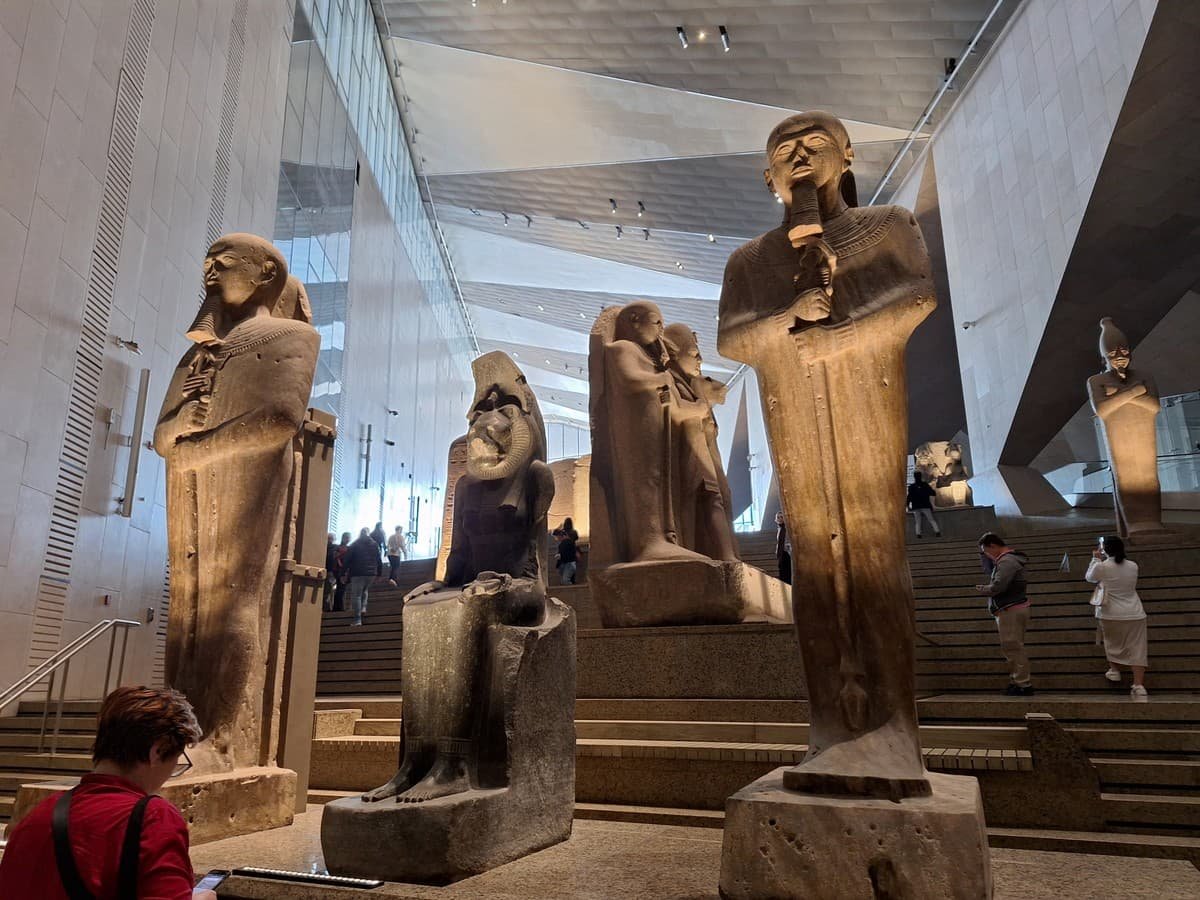
The ancient sculptures and statues on display at the Egyptian Museum reflect the grandeur and power of the pharaohs. These works of art were created to immortalize the memory of rulers and gods.
In the museum, you can see statues of pharaohs and gods, as well as depictions of animals and mythical creatures.
Materials and Techniques
Sculptures and statues were made from various materials, including stone, wood, metal, and ivory. The ancient Egyptians used various techniques, such as carving, casting, and polishing.
- Stone was the most common material used for making statues.
- Wood was used to create smaller, more detailed sculptures.
- Metal, especially gold and bronze, was used to make precious objects and jewelry.
The ancient Egyptians’ skill in creating sculptures and statues is striking for its precision and attention to detail.
Symbolism and Meaning
Sculptures and statues carried deep symbolic meaning. They depicted the pharaohs as divine rulers and reflected their authority and power.
- Statues of pharaohs were often depicted with symbols of authority, such as a crown and a scepter.
- Depictions of the gods reflected their attributes and roles.
- Animals and mythical creatures symbolized various aspects of nature and the cosmos.
Studying the symbolism and meaning of sculptures and statues provides a better understanding of the ancient Egyptians’ worldview.
Artifacts of Daily Life: How the Ancient Egyptians Lived
The artifacts of daily life on display at the Egyptian Museum offer a glimpse into how the ancient Egyptians lived. These objects provide insight into their way of life, culture, and traditions.
In the museum, you can see furniture, tableware, clothing, tools, jewelry, and much more.
Furniture and Tableware
The furniture and tableware of the ancient Egyptians were both functional and beautiful. They were made from various materials, including wood, stone, ceramics, and metal.
- Wooden furniture was decorated with carvings and inlays.
- Stone tableware was sturdy and durable.
- Ceramic tableware was painted with bright colors.
Studying furniture and tableware helps us understand how the ancient Egyptians furnished their homes and what they ate.
Clothing and Jewelry
The clothing and jewelry of the ancient Egyptians reflected their social status and religious beliefs. They were made from various materials, including linen, cotton, gold, silver, and precious stones.
- Linen clothing was light and comfortable for the hot climate.
- Gold jewelry symbolized wealth and power.
- Precious stones were used to ward off evil forces.
By examining their clothing and jewelry, we can see how the ancient Egyptians expressed their individuality and their attitude toward fashion.
Rare Exhibits and Hidden Treasures
In addition to the famous treasures of Tutankhamun and the mummies of the pharaohs, the Egyptian Museum houses many rare exhibits and hidden treasures that are well worth seeing. These artifacts are less well-known but no less valuable.
Among the rare exhibits are statues of scribes, mummification tools, amulets, and objects related to religious rituals.
Scribe Statues
The statues of scribes depict people who performed an important task: keeping records and maintaining documents. These statues reflect the respect for knowledge and education in ancient Egypt.
- Scribes were depicted sitting with papyrus and a reed pen.
- They were important members of society and were held in high regard.
- Statues of scribes are a valuable source of information about ancient Egyptian writing.
By examining the statues of scribes, we can imagine what these important people looked like and how they worked.
Mummification Tools
Mummification tools were used to prepare bodies for the afterlife. These tools reflect the ancient Egyptians’ knowledge and skills in the fields of medicine and anatomy.
- The tools included knives, hooks, tweezers, and vessels for storing internal organs.
- The mummification process was complex and required a great deal of expertise.
- Mummification tools are a valuable source of information about ancient Egyptian medical practices.
Studying mummification tools helps us understand how the ancient Egyptians viewed death and the afterlife.
Mistakes to Avoid When Visiting the Egyptian Museum in Cairo
Visiting the Egyptian Museum in Cairo is an unforgettable experience, but to get the most out of it, it’s important to avoid common mistakes. Poor planning and a lack of awareness of certain details can spoil the experience.
One of the most common mistakes is visiting the museum during peak hours, when crowds of tourists make it difficult to view the exhibits. It’s also important to study the museum map in advance and select the exhibits that interest you the most.
Not Allowing Enough Time to Explore
The Egyptian Museum is enormous, and it takes a long time to see all of its treasures. Plan your visit so that you have enough time to view the exhibits that interest you the most.
- Set aside at least 3–4 hours for your museum visit.
- Study the museum map in advance and choose the exhibits you want to see.
- Don’t try to see everything in one visit.
Rushing may cause you to miss important details and prevent you from fully appreciating the beauty and grandeur of ancient Egyptian art.
Visiting During Peak Hours
The museum is most crowded in the middle of the day, when crowds of tourists make it difficult to view the exhibits. Try to visit the museum early in the morning or late in the evening to avoid the crowds.
- Arrive at the museum when it opens or a few hours before closing.
- Avoid visiting the museum on weekends and holidays.
- Be prepared for the fact that the museum may be crowded even during off-peak hours.
Visiting the museum during less crowded times will allow you to view the exhibits at your leisure and enjoy the atmosphere of ancient Egypt.
Tips for Planning Your Visit in 2026
To ensure your visit to the Egyptian Museum in Cairo in 2026 is as comfortable and enjoyable as possible, it’s important to plan all the details in advance. This includes choosing the time of your visit, purchasing tickets, studying the museum map, and preparing to view the exhibits.
It’s also worth considering the weather and choosing appropriate clothing and footwear. Don’t forget to bring water and a snack so you don’t get hungry or thirsty while touring the museum.
Buying Tickets in Advance
To avoid lines and save time, it’s recommended to buy museum tickets online in advance. This will allow you to proceed directly to the entrance and begin exploring the exhibits.
- Buy tickets on the museum’s official website or from authorized resellers.
- Make sure you have your ticket confirmation.
- Print your tickets or save them on your mobile device.
Buying tickets in advance will help you avoid stress and start your museum visit on a positive note.
Preparing for Your Visit
Before visiting the museum, we recommend studying the museum map and selecting the exhibits that interest you most. This will help you plan your route and avoid wasting time looking at exhibits that don’t interest you.
- Check out the museum map on the official website or in a guidebook.
- Make a list of the exhibits you want to see.
- Learn about the history and significance of these exhibits.
Preparing for your visit will allow you to get the most out of your museum experience and deepen your knowledge of ancient Egypt.
Tips for Visiting the Museum with Children
Visiting the Egyptian Museum with children can be a fun and educational adventure if you prepare for it properly. It’s important to consider the children’s ages, interests, and attention spans. Plan your route in advance by selecting the exhibits that will be most interesting to them, and make the visit interactive and entertaining.
Preparing for the Visit
Before visiting the museum, tell your children about ancient Egypt, the pharaohs, and the pyramids. Show them photos of the exhibits they’ll see at the museum. This will help spark their interest and help them better absorb the information.
- Read books about ancient Egypt together.
- Watch documentaries or cartoons on this topic.
- Make Egyptian-style crafts, such as a pyramid or a pharaoh’s mask.
This preparation will make the museum visit more meaningful and interesting for the children.
Itinerary and Exhibits
When planning your itinerary, choose exhibits that will interest the children. These could include animal mummies, statues of pharaohs, jewelry, and everyday objects. Don’t try to see every exhibit in a single visit; it’s better to focus on a few of the most interesting ones.
- Show the children Tutankhamun’s golden mask and tell them about his life.
- Point out the animal mummies and explain why they were mummified.
- Show the children ancient toys and household items so they can imagine how children lived in ancient Egypt.
As you explore the exhibits, ask the children questions so they can actively participate in the process and better retain the information.
Alternative Museums in Cairo: What Else to See
In addition to the Egyptian Museum, Cairo has many other interesting museums worth visiting. They offer different perspectives on Egyptian history and culture, as well as on other aspects of art and science.
Museum of Islamic Art
The Museum of Islamic Art in Cairo is one of the largest and most significant museums of Islamic art in the world. It houses an extensive collection of artifacts spanning various periods and regions of the Islamic world.
- The collection includes ceramics, textiles, metalwork, woodwork, and calligraphy.
- The museum showcases the diversity and richness of Islamic culture and art.
- A visit to the museum will allow you to learn more about Islamic history and its influence on Egypt.
The Museum of Islamic Art is a great place for anyone interested in Islamic culture and art.
Coptic Museum
The Coptic Museum in Cairo is dedicated to the history and culture of the Coptic Christian community in Egypt. It houses a collection of artifacts spanning the period from the early centuries of Christianity to the present day.
- The collection includes icons, textiles, ceramics, and manuscripts.
- The museum showcases a unique blend of Egyptian and Christian traditions.
- A visit to the museum will allow you to learn more about Coptic history and its contribution to Egyptian culture.
The Coptic Museum is an interesting place for anyone interested in the history of Christianity in Egypt.
Frequently Asked Questions About the Coptic Museum in Cairo: What to See in 2026
What exhibits are a must-see at the Egyptian Museum in Cairo in 2026?
Be sure to visit the Tutankhamun Hall with its golden mask and sarcophagi, the Hall of Pharaoh Mummies, as well as the halls dedicated to ancient sculptures and artifacts of daily life.
How much time should you set aside for a visit to the Egyptian Museum?
It’s recommended to set aside at least 3–4 hours to see the main exhibits and enjoy the museum’s atmosphere. If you want to see everything, it may take a whole day.
Is photography allowed at the Egyptian Museum?
Photography is permitted, but without using a flash. Photography may be prohibited in some galleries, so please follow the instructions of the museum staff.
Are there Russian-speaking guides at the museum?
Yes, you can hire a Russian-speaking guide at the museum. It’s recommended to book a guide in advance to ensure one is available.
What rules must visitors follow at the museum?
Do not touch the exhibits, make noise, or bring food and drinks with you. You must also follow the dress code: clothing should be modest and conservative.
How do I get to the Egyptian Museum in Cairo?
You can reach the museum by taxi, bus, or metro. The nearest metro station is Sadat Station. You can also use the services of tour companies that offer transfers to the museum.
What else is there to see near the Egyptian Museum?
Near the museum are Tahrir Square, the Nile Bridge, and other historical landmarks in Cairo. You can also visit nearby restaurants and cafes.
Conclusion
Visiting the Egyptian Museum in Cairo in 2026 is a unique opportunity to experience Egypt’s ancient history and culture. Proper planning and knowledge of the main exhibits will help you get the most out of your visit.
Book your tour today and discover the treasures of Egypt!